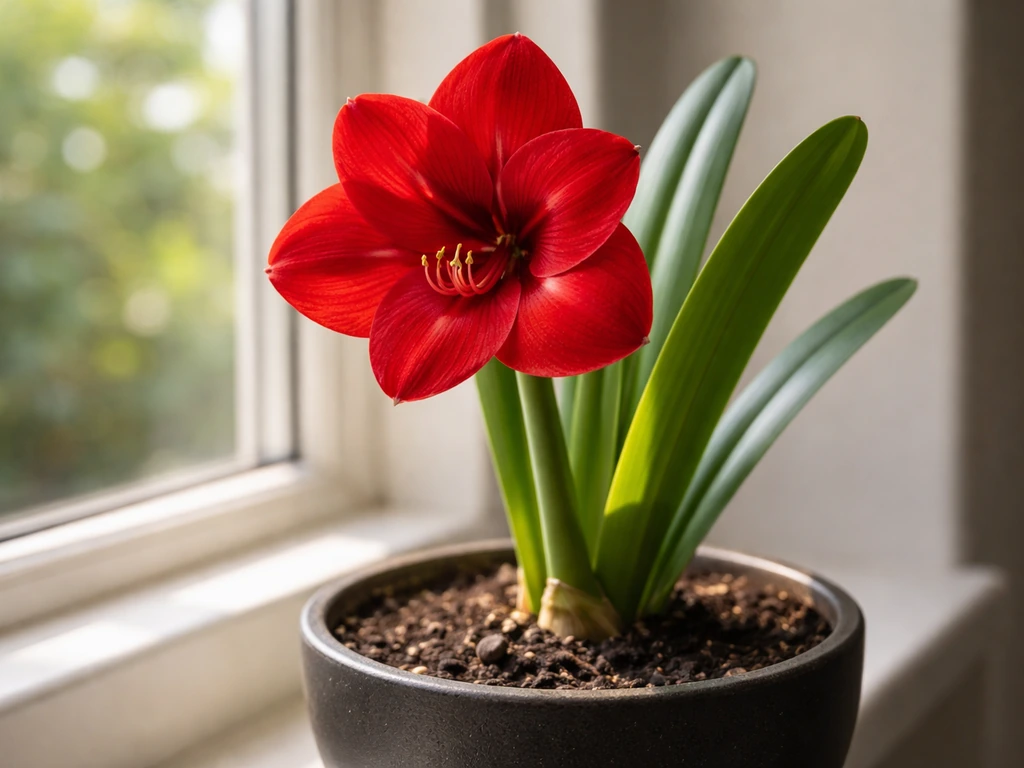
Yes, you can absolutely grow carnations outdoors, and they're more beginner-friendly than most people expect. Standard garden carnations (Dianthus caryophyllus) are hardy in USDA Zones 5 through 8, bloom reliably with minimal fuss, and thrive in a sunny spot with well-drained soil. Get those two conditions right and you're already most of the way there. What trips people up is usually timing, overwatering, or choosing the wrong variety for their climate, all of which are easy to sort out before you even put a plant in the ground. Alstroemerias have similar needs for sun and well-drained soil, but their specific care and timing can differ, so it's worth learning the dedicated steps for how to grow alstroemerias.
How to Grow Carnations Outdoors: Beginner Guide

Marcus Holloway
18 Jun 2026
Can you grow carnations outdoors? What to expect
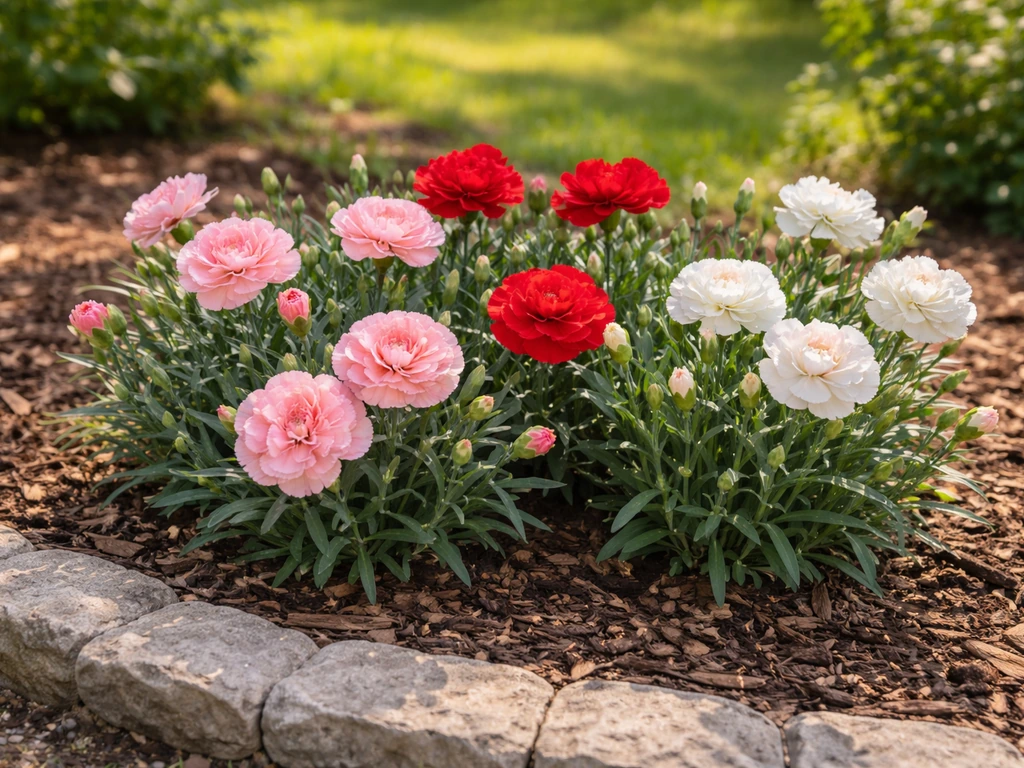
Carnations are cool-season plants, and that shapes everything about how you grow them. They love mild temperatures, will bloom enthusiastically in spring and early summer, and then slow down or pause during the heat of midsummer. If you're in Zones 5 to 8, most garden carnation varieties will behave as short-lived perennials, coming back for a few seasons. In Zones 9 and warmer, they're often grown as winter annuals, planted in fall to bloom through the cooler months. In colder zones (below Zone 5), treat them as annuals, they'll still give you a great season of flowers, you'll just need to replant each year.
The single most important thing to know before planting: carnations hate wet feet. If you want to grow carnations in water, use fresh, clean water and change it regularly to help prevent rot. Root rot and crown rot are the most common reasons outdoor plants fail, and both happen because of poor drainage. Get the drainage right and you've eliminated the biggest risk. Everything else, sun, fertilizing, pruning, is fairly forgiving.
Picking the right variety and where they'll grow best
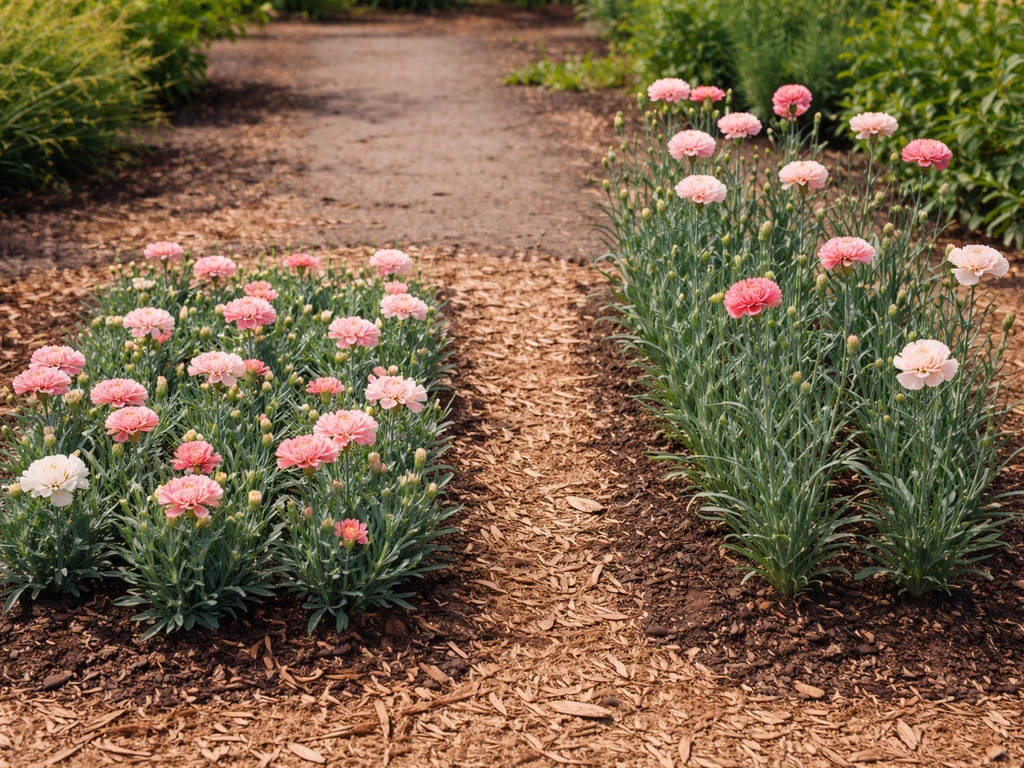
Not all carnations are the same height or hardiness, and picking the right type for your space makes a real difference. Here's a quick comparison of the main outdoor types:
| Type | Height | Spacing | Zones | Best Use |
|---|---|---|---|---|
| Standard garden carnation (e.g., Dianthus Chabaud Mix) | 24–30 inches (60–75 cm) | 12 inches (30 cm) apart | Zones 7–9 as annual; 5–8 as perennial | Cutting garden, borders |
| Compact clump-forming (e.g., Carmen Red) | 6–8 inches tall, 15–18 inches spread | 15–18 inches apart | Zones 5–9 | Edging, containers, small beds |
| Mini types (e.g., Tiny Rubies) | Around 1 inch tall | 6–12 inches apart | Zones 5–8 | Ground cover, rock gardens, tight spaces |
For a cutting garden, go with a tall standard variety like the Chabaud series. If you want carnations along a border or in a mixed bed, a compact clump-former is much easier to manage. Mini types work beautifully as edging plants but won't give you stems long enough to cut. If you're interested specifically in growing long-stem carnations for bouquets, that's its own topic worth exploring separately.
One thing worth noting: if you're in a mild-winter climate (Zones 9 and up), GrowVeg confirms that carnations can be grown as a winter annual, plant in fall, enjoy blooms through winter and spring, then let them go when summer heat arrives. That's a great option if hot summers in your area make spring planting tricky.
Site prep: soil, drainage, sun, and spacing
Carnations want full sun, at least six hours of direct sunlight per day. A south- or west-facing spot is ideal. Avoid low-lying areas of your yard where water pools after rain. That kind of location is almost guaranteed to cause crown rot, because the soil stays wet long enough to let pathogens take hold.
For soil, aim for a neutral to slightly alkaline pH, somewhere between 6.0 and 7.0. If your soil is dense clay, work in a few inches of coarse grit or perlite along with compost to improve drainage before planting. Raised beds are genuinely worth considering if you have heavy soil, that slight elevation makes a measurable difference in drainage. Don't plant in soil amended with unsterilized compost or old potting mix stored in open bags, as that can introduce the very pathogens you're trying to avoid.
Spacing depends on your variety: standard garden carnations need about 12 inches between plants, compact types 15 to 18 inches, and mini varieties can go as close as 6 to 12 inches. Don't crowd them, good air circulation between plants reduces the risk of fungal problems like rust and powdery mildew, which are real issues outdoors.
Starting from seed vs. planting transplants
Both approaches work well outdoors; the trade-off is time vs. convenience. Transplants are faster, but starting from seed is cheaper and gives you more variety options. Just know upfront that carnations from seed can be slow, some gardeners find they take a full season to establish before really blooming well, especially taller varieties.
Starting from seed indoors (recommended for most zones)
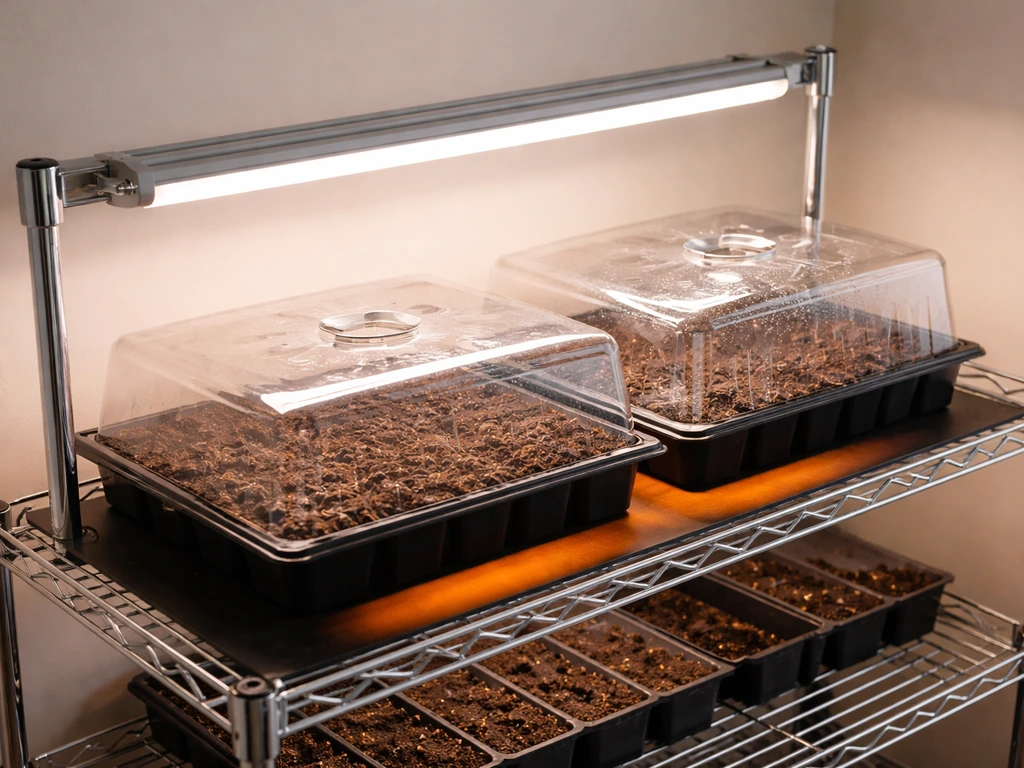
- Start seeds indoors 10 to 12 weeks before your last expected spring frost date.
- Sow seeds about 1/8 inch deep in a moist seed-starting mix.
- Keep the tray at 70 to 75°F (21 to 24°C) for germination. Expect seedlings to emerge in 2 to 3 weeks.
- Once sprouted, move to a bright spot (a sunny window or grow light) to prevent legginess.
- About 1 to 2 weeks before your last frost, start hardening off: set seedlings outside in a sheltered spot for a few hours each day, gradually increasing exposure over 7 to 10 days.
- Transplant outdoors after all frost risk has passed, spacing according to your variety.
Direct sowing outdoors
You can direct sow carnations in early spring, even when light frosts are still possible, carnations are cool-tolerant enough to handle that. Sow seeds about 1/8 inch deep and 6 to 8 inches apart, then thin to final spacing once seedlings are a few inches tall. Direct-sown plants will bloom later in the season than transplants, so if you want early summer flowers, starting indoors is the better move.
Planting transplants
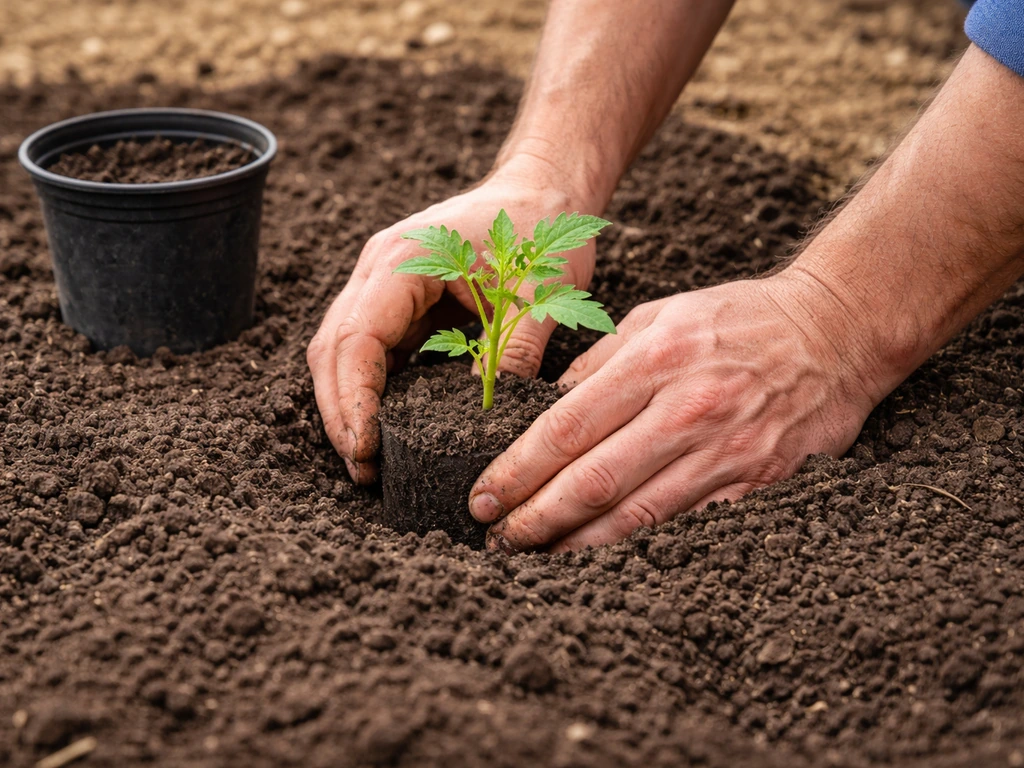
If you're buying transplants from a nursery, plant them after your last frost date in a prepared bed. This is important: plant at the same depth as they were in their pot. Burying the crown, the junction between roots and stems, too deeply is a fast track to crown rot. Vesey’s growing guide also emphasizes that crown depth matters and that planting too deeply can lead to crown rot Burying the crown, the junction between roots and stems, too deeply is a fast track to crown rot.. Once planted, water gently and let the plant settle in before fertilizing.
Outdoor care basics: watering, feeding, and mulching
Watering
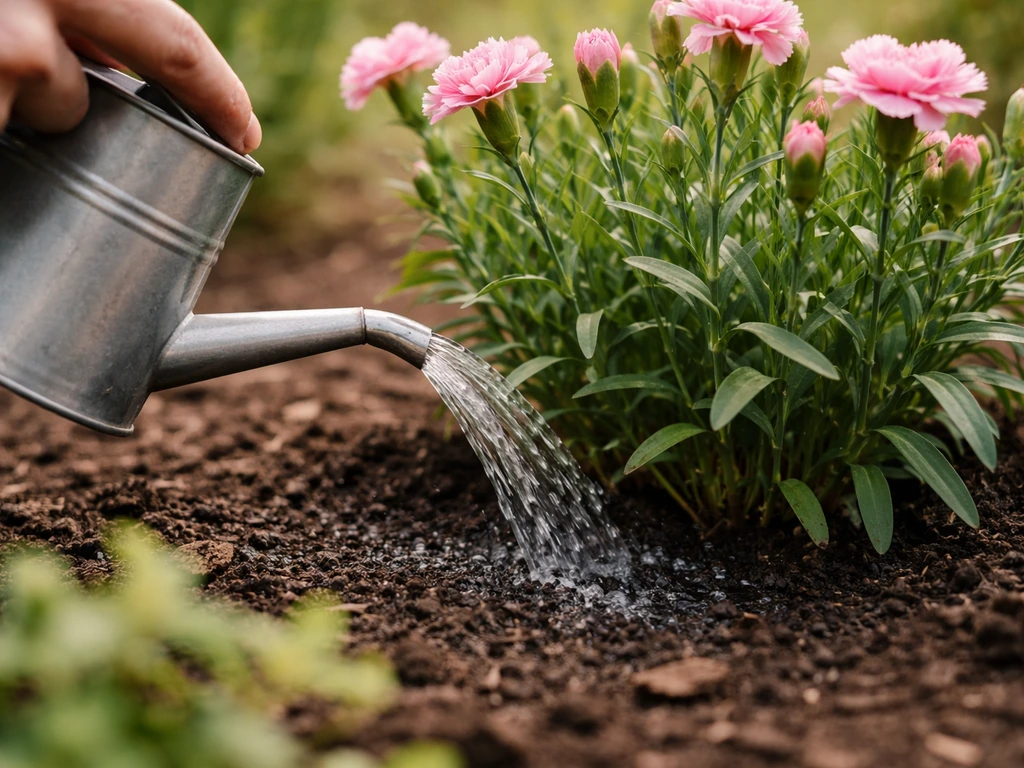
Always water at the base of the plant, not overhead. Keeping foliage dry dramatically reduces the risk of rust, powdery mildew, and other fungal diseases. Deep, infrequent watering is better than light daily sprinkles, you want to encourage roots to grow downward, not stay near the surface. Let the top inch of soil dry out between waterings. If you're not sure, err on the dry side rather than the wet side. Overwatering is far more damaging to carnations than a little drought stress.
Feeding
Carnations are moderate feeders. A balanced slow-release fertilizer worked into the soil at planting gives them a good start. During the growing season, a light application of a balanced liquid fertilizer every 3 to 4 weeks keeps growth steady. Avoid over-fertilizing with nitrogen, too much promotes lush leafy growth at the expense of flowers, and soft growth is more susceptible to disease. Stop feeding in late summer to let plants prepare for dormancy.
Mulching
A light layer of mulch around the base of plants helps retain moisture and suppress weeds, but keep it away from the stem itself. Mulch piled up against the crown holds moisture in the worst possible place and promotes rot. About an inch of mulch starting a couple of inches away from the stem is plenty. In very hot climates, mulch is especially helpful for keeping root temperatures stable during summer.
Flowering care: deadheading, support, and getting more blooms
Deadheading
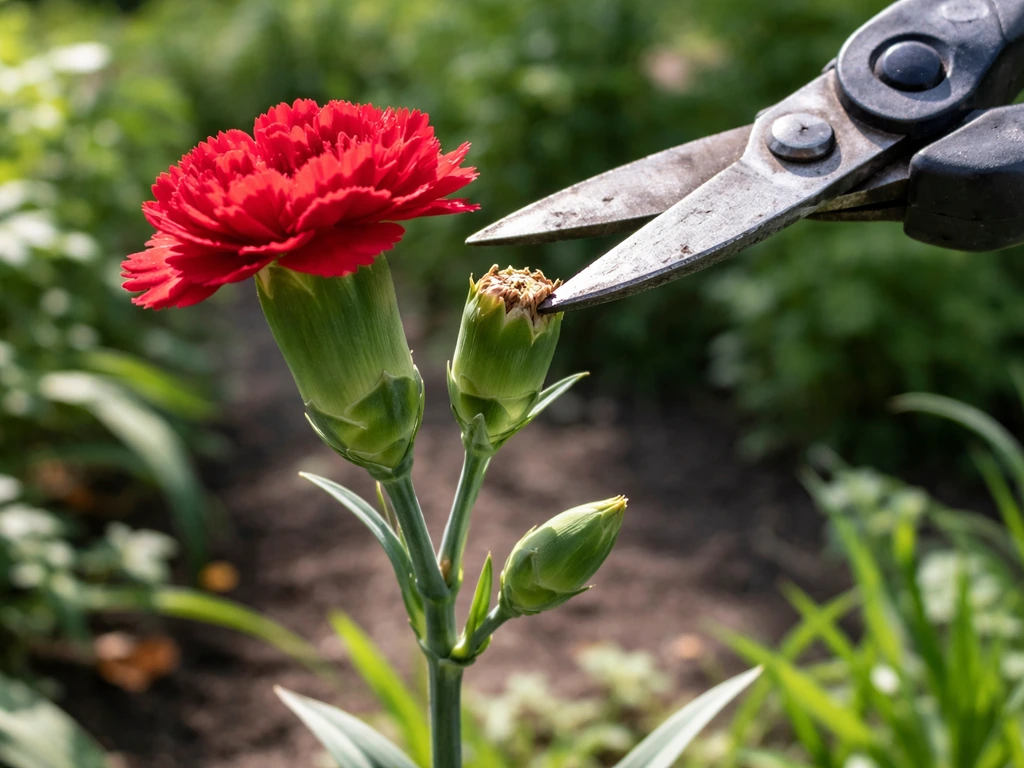
This is the single most effective thing you can do to keep carnations blooming. Once a flower fades, the plant's energy shifts toward producing seeds, which means fewer new flowers. Snip off spent blooms at the node between the flower head and the first set of leaves below it. Do this regularly throughout the season and you'll get waves of new blooms instead of a short flush followed by a long decline.
Support for taller varieties
Standard garden carnations grow 24 to 30 inches tall and can flop over, especially after rain or in windy spots. For long-stem carnations, choosing and supporting taller varieties early helps you get straighter stems for cutting how to grow long stem carnations. Install a simple stake or grow-through ring support early in the season, before plants reach half their final height. It's much easier to guide plants through a ring than to tie up fallen stems after the fact.
Managing summer heat
When temperatures climb in midsummer, carnations naturally slow down or stop flowering, this is normal, not a sign something is wrong. Don't increase watering or fertilizing to compensate; that often makes things worse. Instead, trim plants back by about a third to encourage fresh growth once temperatures cool in late summer or early fall. In Zones 7 and warmer, a second flush of bloom in autumn is very achievable with this approach.
Managing leggy growth
If your plants get tall and scraggly, trim up to about 25% of the stems back to encourage bushier, more compact growth and stimulate flowering. Do this in late spring before they get too unwieldy, and again after any extended hot period. Don't cut everything back at once, stagger the pruning over a couple of weeks so the plant always has some active foliage.
Common outdoor problems and quick fixes
| Problem | What it looks like | Quick fix |
|---|---|---|
| Crown rot / root rot | Wilting despite moist soil, brown mushy stem base, plant collapses | Improve drainage; never water overhead; plant at correct depth; remove and discard affected plants |
| Rust | Orange-brown powdery pustules on undersides of leaves | Water at base only; improve air circulation; remove infected leaves; apply a fungicide if severe |
| Powdery mildew | White chalky coating on leaf surfaces | Improve air circulation; spray with potassium bicarbonate or neem oil; avoid overhead watering |
| Aphids | Clusters of small soft insects on new growth; sticky residue | Knock off with a strong water spray; apply insecticidal soap if infestation persists |
| Spider mites | Fine webbing on foliage, stippled yellow leaves, especially in hot dry weather | Increase humidity around plants; apply insecticidal soap or horticultural oil; look for webbing to confirm ID |
| Western flower thrips | Distorted flowers, silvery streaks on petals and leaves | Remove affected flowers; apply insecticidal soap; avoid over-fertilizing with nitrogen which draws thrips |
| Leggy, weak growth | Long floppy stems, sparse foliage, few flowers | Increase sun exposure; reduce nitrogen feeding; prune back up to 25% of stems to encourage bushiness |
Most of these problems are preventable with good site selection and base watering. If you're seeing repeated disease issues season after season in the same spot, that's a strong sign you need to improve drainage or move carnations to a better-draining location entirely.
Cutting for bouquets and wrapping up the season
Cutting flowers without harming the plant
Cut carnation stems in the morning when flowers are just starting to open, not fully open, and not still in tight bud. Use clean, sharp scissors or pruning shears and make the cut at a 45-degree angle just above a leaf node. Cutting at a node encourages the plant to send out new side shoots, which means more flowers. Put stems immediately into cool water. Carnations are excellent cut flowers and can last one to two weeks in a vase with a floral preservative.
End-of-season care
In Zones 5 to 8, where carnations behave as short-lived perennials, cut plants back to about a third of their height after the main flowering period ends. If you are also growing amaryllis, you will find similar guidance on choosing bulbs and setting them up for strong seasonal blooms. In late fall, before hard frost arrives, add a light layer of mulch around the base (not over the crown) to insulate roots. Remove this mulch in early spring once temperatures start to warm, and watch for new growth. In colder zones where carnations won't survive winter, pull plants after the first hard frost and either save seed for next year or plan to buy fresh transplants in spring.
If you're in Zone 9 or warmer and growing carnations as a winter annual, simply let plants run their course through spring, then remove them as heat arrives. Replant in early fall for the next cycle. This rhythm of fall planting and spring bloom is one of the most satisfying ways to grow carnations if your summers are too hot for them to persist.
One final thing: carnations are genuinely rewarding once you get a feel for their rhythm. They're not fussy in the way that, say, some tender perennials are. Nail the drainage and the sun, water at the base, deadhead consistently, and you'll have a plant that gives you armfuls of fragrant flowers all season long. If you want the fastest results, focus on site prep, correct watering, and choosing a variety that matches your local temperatures how to grow carnations. That's a pretty good return on a bit of preparation.
FAQ
Why are my outdoor carnations wilting even though I water regularly?
Most often it is root or crown rot from staying too wet. Check that water drains quickly after rain, and confirm you are watering at the base, not overhead. If the soil feels wet 1 to 2 days after watering, ease back and consider improving drainage with a raised bed or grit mixed into the root zone.
Can I grow carnations outdoors in containers, or do they need to be in the ground?
They can be grown in pots if the drainage is excellent. Use a container with drainage holes, a fast-draining mix, and a pot size large enough for several inches of root growth. Keep the crown at the same height as it was in the nursery pot, and allow the top inch of mix to dry before watering again.
What is the right way to stake carnations so they do not flop or break in wind?
Stake or ring-support early, when plants are about half their final height, and guide stems through the support rather than trying to tie fallen stems later. Use soft ties to avoid girdling, and avoid over-tightening because stem damage can invite rot and disease.
How can I tell if the plant is going dormant from summer heat versus dying from a problem?
Heat slowdown is usually accompanied by healthier leaves and fewer blooms, but not widespread blackening or mushy stems. If you see soft tissue at the crown, persistent wilting, or foul-smelling roots, suspect rot. In that case, stop fertilizing, reduce watering, and improve drainage immediately.
Should I deadhead carnations in the same way for all types, mini, compact, and tall?
Yes, the technique is the same: remove spent flowers at the node just below the bloom using clean shears. For compact and mini types, deadhead often because they can set seed quickly once bloom fades, and regular deadheading is what keeps the waves of flowers coming.
My carnations get powdery mildew or rust. Do I fix it with fungicide or with changes to care?
Start with cultural changes first. Improve spacing for airflow, water at the base, and avoid wet foliage. If the spot stays damp or crowded, fungicides provide only temporary suppression. If disease repeats in the same bed, move the plants or rebuild drainage so the crown never stays wet.
What should I do if I accidentally buried the crown when planting?
Gently remove soil around the crown so the junction of roots and stems sits at the same depth as before planting. If the crown has been buried for more than a short period and you notice yellowing, soft stems, or a foul smell, the risk of crown rot increases, so act quickly and keep watering light until you see recovery.
How do I choose a carnation variety for my climate, especially if winters are mild?
In cooler zones, expect them to behave like short-lived perennials, with replanting needed after a few seasons. In mild-winter areas, plan for fall planting as a winter annual and remove plants as heat rises. Picking the right timing matters as much as choosing a hardy variety.
Is it better to start carnations from seed or buy transplants outdoors?
Transplants give faster flowering, but they can cost more and limit variety. Seeds are cheaper and provide more options, though many gardeners find they take longer to establish and may not bloom as early. If you want early-season flowers, start indoors or choose transplants.
Why are my carnations not blooming, even though the plants look healthy?
The most common causes are too much nitrogen, inadequate light, or heat stress. Confirm you have at least six hours of direct sun, use a balanced fertilizer schedule, and stop feeding in late summer. If they are in midsummer heat, trim back after bloom slows rather than increasing water or fertilizer.
How much mulch should I use, and can it worsen disease?
Use a light layer, about an inch thick, and keep it a couple of inches away from the stem and crown. Mulch piled against the crown traps moisture and can promote rot. In hot climates, mulch helps stabilize root temperatures, but it should never be mounded up at the base.
What is the best time to cut carnations for bouquets for maximum vase life?
Cut in the morning when flowers are just starting to open, not fully opened. Use clean, sharp tools and place stems immediately into cool water. If you notice buds not opening, recut the stem ends under water and change vase water regularly to keep stems from clogging.
Next Article
How to Grow Amaryllis Ferrari: Step-by-Step Care to Rebloom
Step-by-step care for amaryllis Ferrari bulbs: plant, force bloom, avoid rot, and rebloom with the right rest cycle.