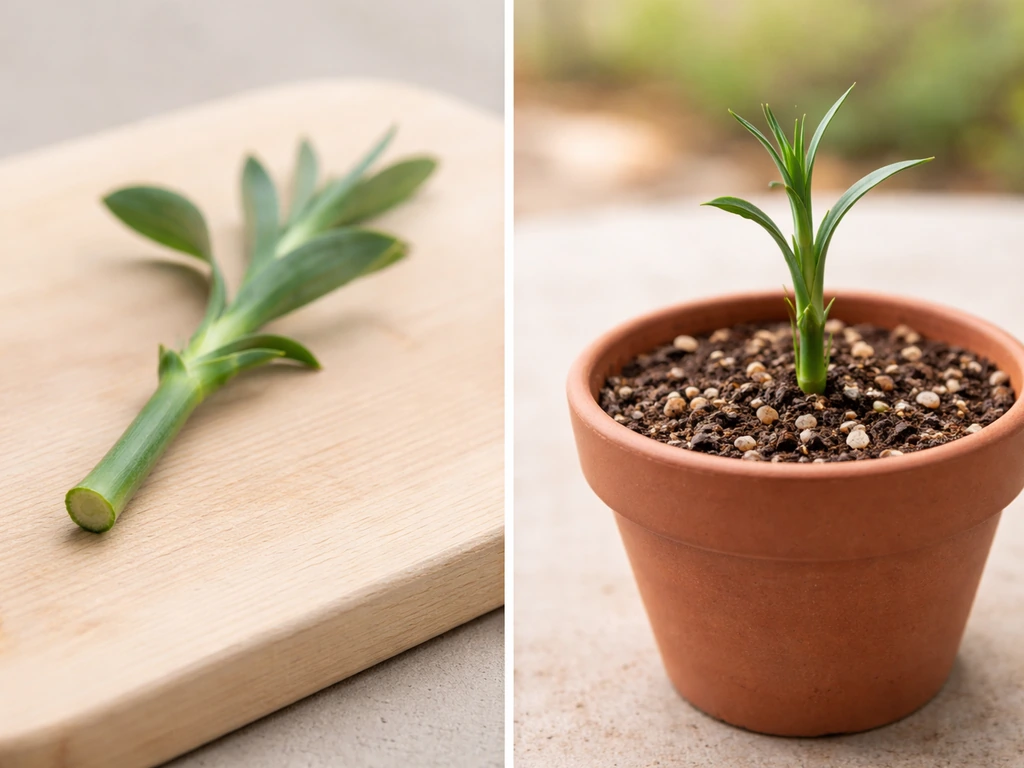
Yes, you can grow carnations in water, and it works better than most people expect. The most reliable approach is rooting stem cuttings in a clean glass of water, where you'll typically see the first white roots appear within 7 to 21 days. A second approach treats cut stems hydroponically, keeping them alive and flowering in a nutrient solution rather than soil. Neither method requires special equipment to get started, though a few small upgrades make a real difference in how many cuttings survive.
How to Grow Carnations in Water: Guide for Beginners & Gardeners
Marcus Holloway
20 Jul 2026
Can you actually grow a carnation from a stem in water?
This is one of the most common questions I get, and the honest answer is yes with a small asterisk. Carnation stem cuttings (Dianthus caryophyllus) do form adventitious roots in plain water. The rooting process is driven by natural auxin hormones already present in the stem tissue, and most healthy cuttings from a well-established plant will show roots within blank" rel="noopener noreferrer">one to three weeks. The asterisk is this: roots that form in plain, still water are structurally a little different from roots that develop in aerated media, and they tend to be more fragile. Research shows that improving aeration and oxygen at the cutting base during root initiation raises rooting percentage and root quality compared with stagnant water (blank" rel="noopener noreferrer">HortScience (aeration/oxygen during root initiation influences rooting)). That means the transition to soil needs to be gentle and gradual, which I'll walk you through below. But as a starting point for propagating your own carnations without buying rooting powder or special equipment, plain water absolutely works.
If you want to go deeper on propagating carnations from cuttings in general, the sibling guide on whether you can grow a carnation from a stem covers the full cutting-selection and hormone-treatment detail. See the sibling guide on can you grow a carnation from a stem for full cutting-selection and hormone-treatment detail. This article focuses specifically on the water-based steps.
Which varieties work best for water culture
Not all carnations root with equal enthusiasm in water, and variety choice matters more than most beginner guides admit. Here is what I have found from working with different types.
Long-stem carnations
Standard long-stem cutting carnations (the tall florist types, often grown as Dianthus caryophyllus cultivars like 'Baltico', 'Master', or 'Nobbio') are bred for cut-flower production, which means they root readily and respond well to water forcing. Their sturdy stems hold up in a reservoir without collapsing, and they are the best choice if your goal is to force cut stems in a nutrient solution for long vase life. For rooting cuttings in water, choose healthy side shoots 10 to 15 cm (4 to 6 inches) long from a parent plant that is actively growing. Long-stem types are also the main focus of the guide on how to grow long stem carnations, which is worth pairing with this article if you want to push stem length.
Mini carnations
Mini or spray carnations (multi-bloom types often sold as pot carnations or Dianthus spray series) root very readily in water, sometimes faster than the large-flowered types, and their smaller stems are less prone to rotting at the base. If you are a beginner who just wants to prove the method works before committing to a full tray of cuttings, start with mini carnations. Their compact size also makes them easier to manage in a simple glass or mason jar setup. You can read more about the specific growing quirks of mini varieties in the companion guide on how to grow mini carnations.
When to start: timing and what to expect
The best time to take carnation cuttings for water rooting is late winter to early spring (roughly February through April in the Northern Hemisphere) or late summer (August to September). For a deeper look at timing and seasonal planning, see the guide on when to grow carnations. These windows catch the plant during active vegetative growth when hormone levels favour rooting. Avoid taking cuttings from plants that are already in flower or about to flower, because the stem's energy is committed to blooming rather than root formation.
For hydroponic forcing of already-cut stems, timing is more flexible since you are not trying to initiate new roots. You can do that any time you have fresh cut stems. Keep in mind that carnations generally perform best at cool temperatures (more on that in the conditions section), so summer forcing in a hot kitchen is harder to manage than a cool spare room in spring.
| Stage | Expected Timeline | Notes |
|---|---|---|
| First visible roots (water rooting) | 7–21 days | Faster in warm cultivars and aerated water; slower in stagnant jars |
| Well-rooted cutting, ready for soil | 3–6 weeks | Wait for roots 2–4 cm long before transplanting |
| Hydroponic stem forcing (vase life) | 2–4 weeks | Depends on stem maturity and nutrient solution quality |
| Full plant in bloom (from rooted cutting) | 10–16 weeks after transplant | Varies by cultivar and light levels |
What you need: supplies and setup
You do not need much to get started, but a few items make the difference between cuttings that rot and cuttings that thrive.
Basic water-rooting setup
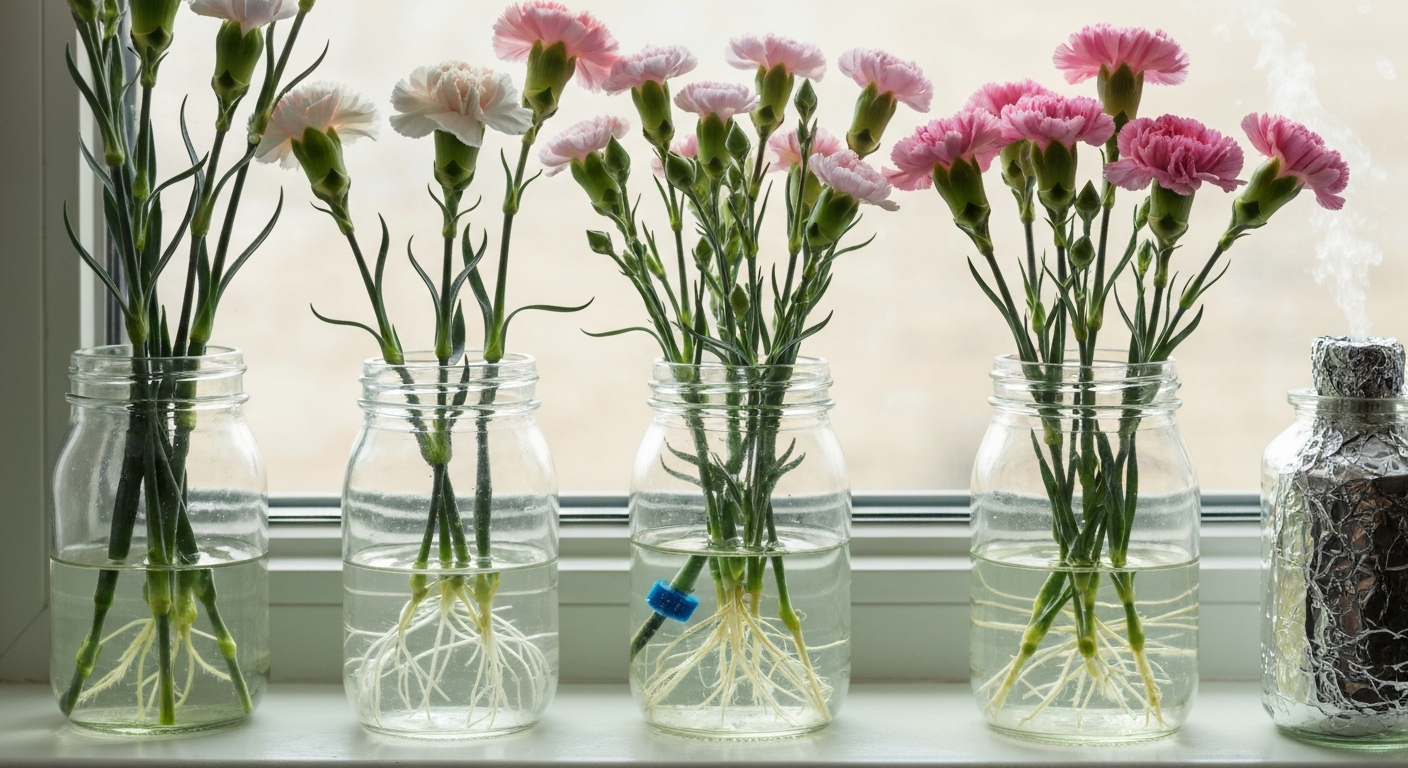
- Clean glass jars or small vases (dark-coloured or wrapped in foil to block light from the roots, which reduces algae)
- Sharp, clean pruning scissors or a scalpel (sterilized with rubbing alcohol or a 10% bleach solution between cuts)
- Filtered or pre-treated tap water (more on water quality below)
- A small aquarium air pump and airstone (optional but significantly improves rooting rates and reduces bacterial rot)
- Rooting hormone powder or gel with IBA at 100–500 ppm (optional, but it speeds things up noticeably)
- A thermometer to monitor water and air temperature
Hydroponic/forcing setup (Method B)
- A reservoir container at least 15–20 cm (6–8 inches) deep with a lid or foam float to hold stems upright
- A balanced hydroponic nutrient solution (a general-purpose floriculture formula is fine)
- A pH meter or test strips (target pH 5.8–6.2)
- An EC meter if you plan to manage nutrient strength precisely (target 1.5–2.5 dS/m for flowering stems)
- An aquarium air pump and airstone for reservoir oxygenation
- A grow light (LED full-spectrum panel) if natural light is limited
One thing worth flagging on water quality: if your tap water uses chloramine rather than plain chlorine, it will not off-gas overnight the way chlorine does. Municipal water: free chlorine will off-gas within ~24 hours if water is left uncovered, but chloramine (used by many utilities) is persistent and requires catalytic/activated carbon filtration or chemical neutralization (e.g., potassium/sodium metabisulfite, 'Campden', or ascorbic acid) to remove before use in hydroponic/reservoir systems Chloramine requires activated carbon filtration or chemical neutralization (metabisulfite or ascorbic acid).. Chloramine requires activated carbon filtration or a chemical neutralizer like potassium metabisulfite (Campden tablets) to remove. If you are not sure which your utility uses, check their annual water quality report or just use filtered water from the start. For a simple jar of water-rooting cuttings it matters less, but for a hydroponic reservoir it can genuinely affect root health over time.
Preparing your cuttings
Good cuttings come from healthy parent plants. Do not grab a stem from a stressed, wilting, or recently fertilized plant and expect great results. Ideally the donor plant has been growing steadily in good light for several weeks and has not flowered recently.
- Choose a non-flowering side shoot that is firm and green, roughly 10–15 cm (4–6 inches) long. Avoid soft new tips and hard, woody base sections.
- Cut cleanly just below a node (the point where leaves attach) using your sterilized scissors or scalpel. A clean cut matters: a ragged wound invites bacteria.
- Strip the lower third of the stem completely bare, removing all leaves and any stipules. You want at least 3–5 cm of bare stem to sit in water.
- Optional but effective: make a very shallow 1–2 cm wound (a light scrape with the blade) on one or two sides of the base. This wounding exposes more cambium tissue and stimulates the plant's rooting response.
- If using rooting hormone, dip or roll the basal 2 cm in IBA powder or gel immediately. Shake off any excess powder. Then place the cutting in water within a few minutes so the hormone does not dry out.
- Remove any leaves that would sit at or below the waterline. Submerged leaves rot quickly and cloud the water with bacteria.
Method A: rooting cuttings in plain water
This is the approach most home gardeners start with, and it genuinely works for carnations as long as you keep the water clean and the environment right.
- Fill your jar or vase with pre-treated, room-temperature water. If using plain tap water, let it sit uncovered for 24 hours first to off-gas chlorine (or use filtered water).
- Place one to three cuttings per jar, making sure the bare lower stems are submerged but none of the foliage touches the water.
- Set the jar in bright, indirect light at a temperature between 18–21°C (64–70°F). Direct sunlight will overheat a glass jar and encourage algae.
- Change out at least half the water every 2–3 days, and do a full water change every 5–7 days. This is the single most important thing you can do to prevent bacterial slime and rot. Rinse the jar each time.
- If you have an aquarium air pump, drop a small airstone to the bottom of the jar. Running gentle aeration around the clock meaningfully improves rooting speed and reduces the anaerobic conditions that cause rot.
- Check for root emergence from about day 7 onward. White, thread-like roots emerging from the basal nodes are the sign you want. In most healthy cuttings at the right temperature, you will see something by day 14–21.
- Once roots reach about 2–4 cm long (roughly 3–6 weeks for most cultivars), the cutting is ready to pot into a well-draining mix. Transition it gradually: start in a 50/50 perlite and potting mix blend rather than dense garden soil, and keep the mix consistently moist for the first two weeks as the roots adjust from water to substrate.
The most common failure in plain-water rooting is not changing the water often enough. If the water turns murky or the stem base turns soft and brown, you are dealing with bacterial rot. Cut back to clean tissue, re-sterilize your jar, and start again with fresh water. It is frustrating, but most successful carnation propagators lose a few cuttings before they nail the routine.
Method B: short-term hydroponic forcing of carnation stems
This method is not about producing a long-lived plant from scratch. It is about keeping already-cut or rooted carnation stems alive, flowering, and fresh for weeks longer than a plain vase of water would allow. Think of it as turbo-charging a cut-flower arrangement. It is also useful for forcing stems that are close to blooming to push them over the finish line.
- Start with a reservoir container that holds at least 2–3 litres of nutrient solution. A dark-coloured bucket or a purpose-made hydroponic reservoir (with a lid that holds stems) works well. Block light from the reservoir to prevent algae.
- Mix your nutrient solution using a balanced floriculture hydroponic formula. Target an EC of 1.5–2.5 dS/m and adjust pH to 5.8–6.2. These ranges are based on commercial carnation soilless culture guidelines and give flowering stems what they need without burning them.
- Check and adjust pH and EC daily for the first few days until you understand how your system drifts. Top up with plain pH-adjusted water (not full nutrient solution) when levels drop, and do a full reservoir change every 7–10 days.
- Support stems upright using a foam float with holes cut to size, a purpose-made net pot lid, or even a piece of chicken wire stretched across the container opening. Carnation stems flop if unsupported, and stems that rest against the reservoir wall tend to rot.
- Drop an airstone to the reservoir floor and run the air pump continuously. Oxygenated nutrient solution dramatically improves stem health and delays the bacterial buildup that shortens vase life.
- Recut the base of each stem at a 45-degree angle before placing it in the reservoir. This opens more vascular tissue and helps uptake.
- Place the reservoir in your chosen growing area (see lighting and temperature section below) and monitor stems daily. Stems held this way typically remain fresh and continue opening buds for 2–4 weeks, considerably longer than plain tap water.
- If you notice slimy stem bases, remove affected stems immediately, clean the reservoir with a dilute bleach solution (1 part bleach to 9 parts water), rinse thoroughly, and refill with fresh nutrient solution. Some growers add a very small dose of 3% hydrogen peroxide to the reservoir (a few ml per litre) to increase dissolved oxygen and reduce microbial load, but use it sparingly as overdosing can damage stem tissue.
Light, temperature, and placement
Carnations like it cool and bright. These two requirements run against what most indoor spaces naturally offer, so placement decisions matter a lot.
Temperature
For rooting cuttings (Method A), keep air and water temperature around 18–21°C (64–70°F). This is the range cited in commercial propagation guides as optimal for root initiation in carnations. Going much above 21°C speeds up bacterial growth in the water without meaningfully speeding up rooting. For hydroponic forcing (Method B), the same range applies, with the added benefit that cooler conditions extend the life of cut stems and slow the rate at which nutrient solution pH drifts.
Light
Water-rooting cuttings need bright, indirect light, not direct sun. A north- or east-facing windowsill at this stage is fine. Once roots are established and you have transitioned cuttings to soil (or are forcing flowering stems hydroponically), carnations want at least 5–6 hours of direct light per day. South- or west-facing windows are better for this phase.
Staging under artificial light
If your indoor space is dim (common in winter or in north-facing rooms), a simple full-spectrum LED grow light makes a significant difference. Position the light 20–30 cm (8–12 inches) above rooting cuttings and run it for 14–16 hours per day. This replicates the long-day conditions that encourage vegetative growth rather than premature flowering. For hydroponic forcing of stems that are already budded, lighting is less critical since the buds are already set, but good light helps open flowers develop their full colour.
Comparing water culture with outdoor soil growing
Water-based growing is not a replacement for growing carnations outdoors in soil. For step-by-step instructions on planting and maintaining carnations in garden soil, see the guide on how to grow carnations outdoors. It is a different tool. Here is how the two approaches honestly compare.
| Factor | Water culture (rooting/hydroponic) | Outdoor soil growing |
|---|---|---|
| Setup complexity | Low for basic water rooting; moderate for hydroponic forcing | Low, but requires prepared bed or containers |
| Time to roots/established plant | Roots in 7–21 days; transplant-ready in 3–6 weeks | No rooting stage if sown from seed; longer to bloom |
| Control over conditions | High: temperature, nutrients, and pH are easy to manage | Lower: weather and soil variability apply |
| Long-term plant health | Water-rooted cuttings need careful soil transition; hydroponic forcing is short-term | Stronger root systems; longer-lived plants |
| Space required | Minimal: fits a windowsill or shelf | Needs garden bed or large pots outdoors |
| Suitable for beginners | Yes, especially mini carnation cuttings in plain water | Yes, especially with good timing guidance |
| Best use case | Propagating new plants indoors; extending cut-stem life | Growing for long-season blooms and cutting garden harvest |
If your ultimate goal is a productive cutting garden with armloads of blooms, the outdoor soil route (covered in the guide on how to grow carnations outdoors) is the way to get there. For a similar in-depth cultivation guide on a bulbous indoor flower, see the article on how to grow amaryllis ferrari. If you're interested in similar perennials, see the guide on how to grow alstroemerias for tips on soil, light, and cutting techniques. For full details on planting, soil preparation, spacing and seasonal care, see the guide on how to grow carnations. Water culture is best used to propagate new plants cheaply, to root cuttings during winter when outdoor conditions are impossible, or to extend the life of cut stems you want to display or force to open.
Harvesting and vase life
For water-rooted cuttings that you have transitioned to soil and grown on: harvest stems when the outer petals of the bud have just started to open but the flower is not fully expanded. Cut with clean scissors at a 45-degree angle, preferably early in the morning when stems are fully hydrated. Strip the lower leaves immediately and transfer to a clean vase of fresh water, or straight into a hydroponic forcing reservoir if you want to maximize display time.
For stems already in a nutrient solution reservoir (Method B): change the water and refresh the nutrient solution every 7–10 days, recut the stem base by a centimetre or two with each change, and keep the reservoir away from heat sources and direct sun. Under these conditions, carnation stems routinely last two to four weeks. That is a meaningful improvement over a plain glass of tap water, which typically gives you 5 to 10 days before stems start to decline.
Troubleshooting common problems
Stem base turns soft and brown
This is bacterial rot, almost always caused by stagnant water or submerged leaves. Remove the cutting, cut back to firm green tissue, sterilize the jar, and restart with fresh water. Change water more frequently going forward, and consider adding an airstone.
No roots after three weeks
Check temperature first. If the water is below 16°C, rooting will stall. Move the jar somewhere warmer. If temperature is fine, the cutting may have come from a plant under stress, or you may have taken the cutting from a section of stem that is too mature and woody. Try a fresh cutting from a softer, younger stem. Adding rooting hormone at this point means starting over with a new cutting, since hormone treatment is most effective at the very beginning.
Algae in the water
Green or brown algae in the jar means too much light is reaching the water. Wrap the jar in foil or use a dark-coloured opaque container. Algae itself does not directly kill carnation roots, but it competes for oxygen and nutrients, and the biofilm it creates can harbour harmful bacteria.
Weak, floppy stems in the reservoir
This usually means insufficient light or a nutrient solution that is too dilute. Check your EC is in the 1.5–2.5 dS/m range, boost light levels, and make sure stems are properly supported so they do not bend at the waterline. Occasionally weak stems are just a variety issue: some spray types are bred for compact growth and will always need support in a deep reservoir.
Yellowing leaves on rooting cuttings
A little lower-leaf yellowing during the rooting phase is normal as the cutting redirects energy to root production. If the yellowing is widespread and rapid, the water may be too warm (above 23°C), the cutting may be in too much direct sun, or there may be a bacterial issue developing. Remove yellow leaves promptly so they do not fall into the water and decompose.
Roots form but die when transplanted to soil
Water-grown roots are fragile and adapted to an aquatic environment. Transplanting them directly into dry or dense soil is a shock they often do not survive. Use a very light, well-draining mix (50% perlite and 50% potting mix works well), keep the mix consistently moist for the first 10–14 days, and avoid direct sun until you see new leaf growth indicating the plant has established. This is one of those moments where patience is genuinely the difference between success and failure.
FAQ
What are the two practical water-based ways to grow carnations at home?
1) Rooting stem cuttings in plain or aerated water until roots form, then optionally potting into soil or leaving them in a hydroponic setup. 2) Short-term hydroponic/forcing (placing stems in a nutrient solution or small reservoir to produce blooms for indoor display). The first is propagation; the second is short-term growth/flowering without a substrate.
Can you grow carnations from a stem cutting?
Yes. Many Dianthus caryophyllus cultivars root from stem cuttings. Expect visible root initials in about 7–21 days and reliable rooting by roughly 3–6 weeks depending on cultivar, cutting quality, temperature and aeration.
What supplies do I need for rooting carnations in water?
Clean scissors/pruners, disinfectant (70% alcohol or diluted bleach), clear glass or jar, optional aeration (aquarium air pump and air-stone), rooting hormone (IBA or NAA quick-dip optional), clean low-chlorine or filtered water, thermometer, light source (bright indirect light), pH test kit (optional) and diluted hydroponic nutrient (for hydroponic forcing).
Which carnation varieties work best in water—long-stem vs mini?
Both can root in water. Long-stem cultivars (cut-flower types) tend to produce stronger, longer-lasting stems and better results for forcing and vase display. Mini/uptempo dianthus root easily and are quicker to start but produce shorter stems and may be better for small jars or decorative displays. Rooting speed and success vary by cultivar; some commercial varieties are specifically bred for cuttings and root more readily.
Step-by-step: how to take and prepare a stem cutting for water rooting
1) Choose a healthy, non-flowering shoot (or remove flowers) with 3–4 nodes. 2) Cut 4–6 inches (10–15 cm) below a node with sterile scissors. 3) Remove lower leaves so 1–2 nodes will be submerged. 4) (Optional) Quick-dip the basal 0.5–1 cm in rooting hormone (follow product directions). 5) Place the stem in a clean jar of water so at least 1 node is submerged but leaves remain above water. 6) Keep jar in bright indirect light at ~18–21°C (64–70°F). Change water and monitor roots.
How often should I change the water and how do I avoid rot?
Top up water as it evaporates and replace the water completely every 3–7 days for stagnant jars. If using an aerated reservoir, partial changes every 7–14 days are common. Use clean containers and disinfect tools; remove slimy or discolored tissue immediately. Aeration (air pump) reduces bacterial problems; low-dose H2O2 is used by some growers occasionally but must be dosed carefully to avoid root damage.
Next Article
Can You Grow Carnation From Stem? Step by Step Guide
Learn to grow carnations from stem cuttings: timing, rooting steps, fixes for rotting, and potting care.