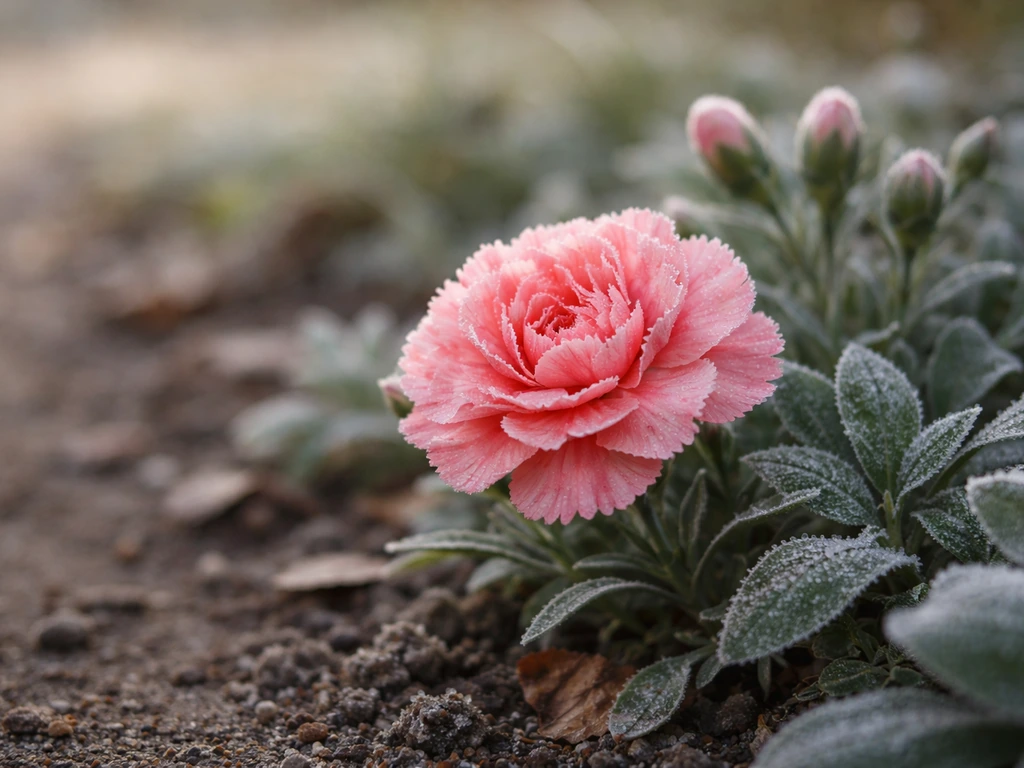
Alstroemerias are one of the most rewarding flowers you can grow at home. Mini carnations can be grown the same way, with plenty of sun, well-draining soil, and regular deadheading to encourage more blooms how to grow mini carnations. If you want to try a different showstopper, learn how to grow Amaryllis Ferrari from a bulb for big, reliable blooms.
How to Grow Alstroemerias: Step-by-Step for Lots of Blooms
Marcus Holloway
30 Apr 2026
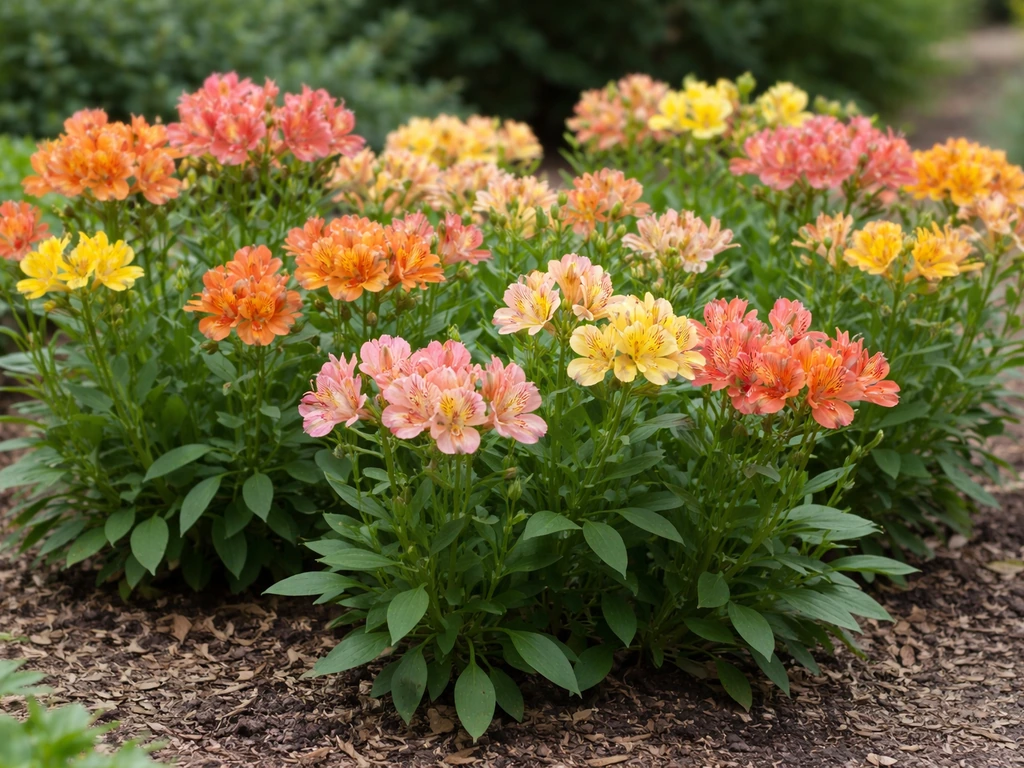
If you are also interested in a classic cottage-garden bloom, see our guide on how to grow carnations outdoors for sunlight, soil, and care tips. Give them a sunny, sheltered spot with loose, well-draining soil, plant in spring or autumn when the ground is warm and workable, and they will reward you with armfuls of long-lasting, lily-like blooms in practically every color imaginable.
They take a season to fully settle in, but once established they come back stronger every year and can flower for months at a stretch.
What makes alstroemerias tick
Before anything else, it helps to understand what kind of plant you are dealing with. Alstroemeria (also called Peruvian lily or lily of the Incas) is a tuberous perennial. It does not grow from a bulb the way a tulip does, and it is not a true lily, but the way it spreads from fleshy rhizomatous roots is similar enough that you treat it a bit like both.
The roots are brittle and hate being disturbed, which is the single most important thing to keep in mind when planting and moving plants around. Get the roots settled once, leave them alone, and they will thank you generously. Disrupted roots mean a stressed plant that sulks for a full season before blooming.
In terms of hardiness, alstroemerias are more cold-tolerant than their tropical-looking flowers suggest. Most modern varieties are reliably hardy down to USDA zone 7b, and some gardeners in zone 5b have had success with heavy mulching over winter, though that is genuinely trial-and-run territory. If you are in zone 7 or warmer, you can treat them as permanent garden residents. In colder zones, grow them in containers you can bring under cover, or plan to mulch heavily in late autumn.
Seed, division, or potted starts: which route is right for you
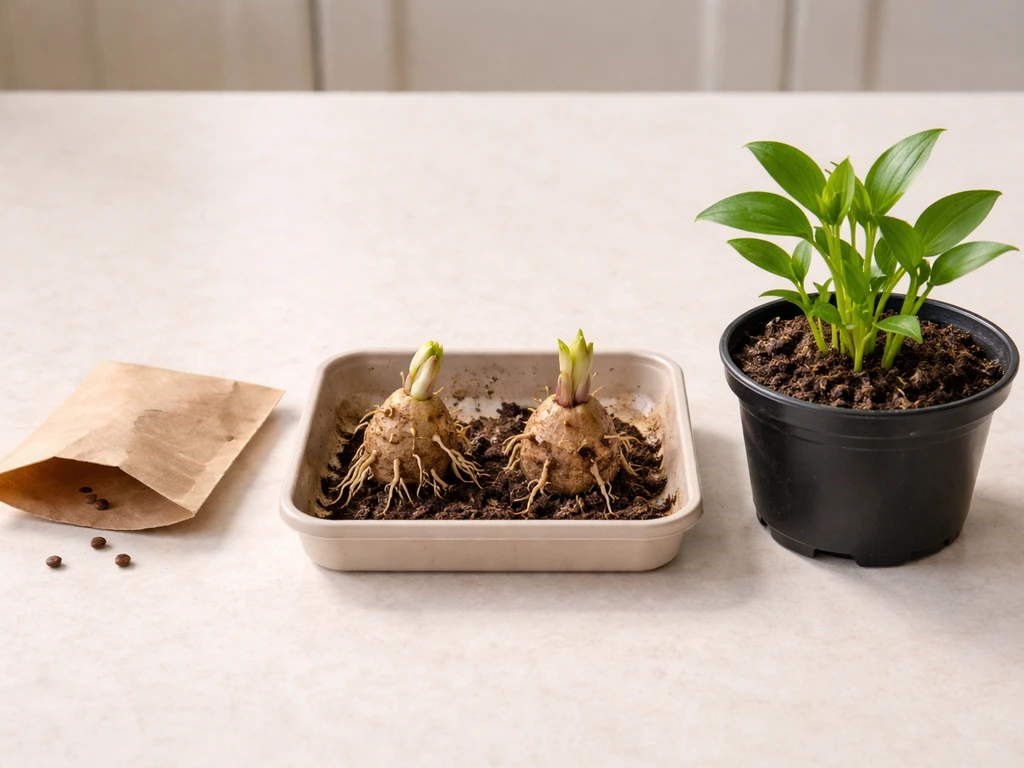
You have three real options for getting alstroemerias started: growing from seed, planting bare-root tubers or divisions, or buying potted starts from a nursery. If you are asking can you grow carnation from stem, the process is different, but you can still propagate cuttings with the right conditions growing from seed. Each has honest trade-offs.
| Method | Time to First Bloom | Difficulty | Best For |
|---|---|---|---|
| Seed | 2 to 3 years | Moderate to hard | Patient gardeners, budget growing, unusual varieties |
| Bare-root tubers or divisions | 1 to 2 years | Easy if handled gently | Established gardeners splitting clumps, online ordering |
| Potted nursery starts | Same or next season | Easiest | Beginners who want reliable, fast results |
My honest recommendation for most beginners: start with potted nursery plants or bare-root tubers. You skip the long germination wait, you get named varieties with predictable colors and heights, and you see flowers much sooner. Seed-grown alstroemerias are fun if you enjoy the process, but germination is slow and inconsistent, seedlings need cold stratification to break dormancy, and you will likely wait two or three full seasons before you get a proper flower show. If you do want to try seed, sow in autumn or early winter so the seeds get a natural cold period, or put them in a damp paper towel in the fridge for four to six weeks before sowing in spring.
When buying potted starts, look for compact, green growth without yellowing leaves and check that the pot is not completely rootbound. A plant crammed with circling roots has already been stressed. For bare-root tubers, order from a reputable specialist and plant as soon as they arrive. The roots dry out fast.
Picking the right spot and getting the soil right
Light and temperature
Alstroemerias flower best in full sun, but they handle light shade without much complaint.
In hot climates (think extended summers above 85F / 30C), some afternoon shade actually helps. The blooms tend to last longer and the plants do not go into summer dormancy as quickly when they get a break from the hottest midday rays. If you are in a cooler climate, put them in your sunniest, most sheltered spot, ideally against a south-facing wall or fence where the soil warms up quickly in spring.
Avoid exposed, windy sites, the stems are tall and relatively hollow, and they snap easily in strong gusts. Long stem carnations need full sun, well-draining soil, and consistent watering so the stems stay straight and the blooms last how to grow long stem carnations.
Soil preparation
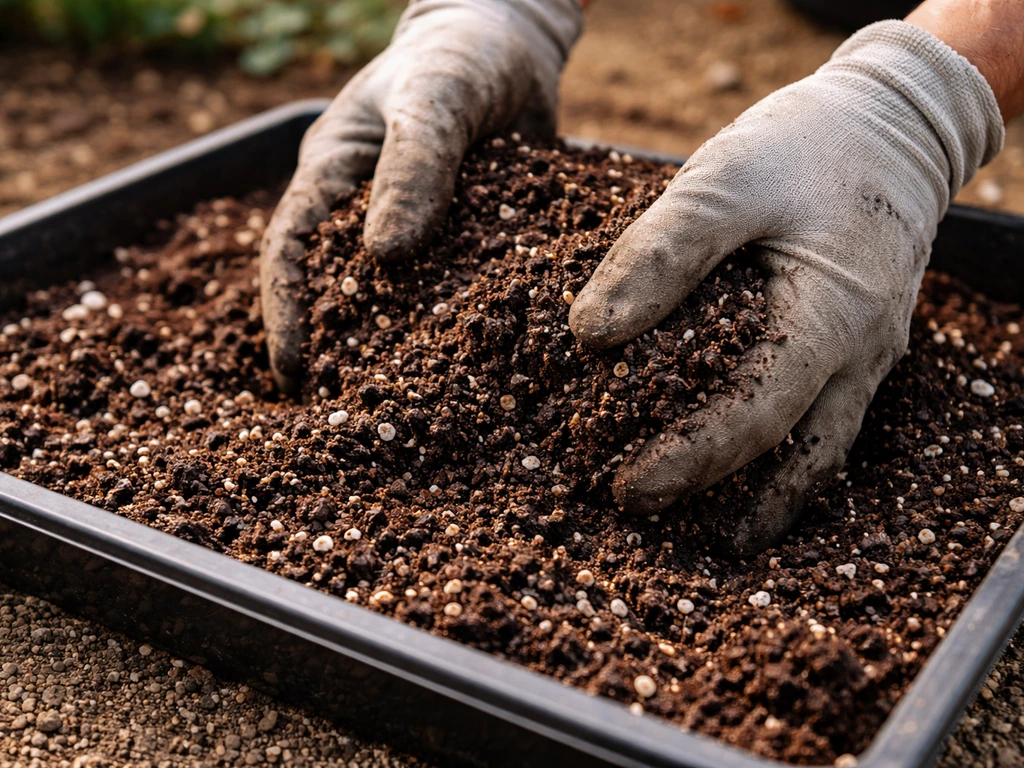
Loose, fertile, and well-draining is the trio to aim for. Alstroemerias absolutely hate sitting in waterlogged soil. The roots will rot within weeks if drainage is poor, and you will not even know what happened until you dig them up and find mush. If your garden soil is heavy clay, dig in plenty of grit or coarse sand and generous amounts of compost before you plant.
A mix that mimics a good potting medium, something like sterilised loam combined with coir and coarse grit, is ideal if you are preparing a dedicated cutting bed or planting in raised beds. For containers, use a quality peat-free potting compost with extra perlite or grit mixed in at roughly one part grit to three parts compost. Aim for a slightly acidic to neutral pH, somewhere between 6. 0 and 7.
0.
Do not skip the drainage step. It is the most common reason alstroemerias fail, especially in the first winter. Even plants that survive a cold snap can die from wet feet when the ground stays saturated for weeks.
When and how to plant
blank" rel="noopener noreferrer">The RHS recommends planting in spring or autumn, when the soil is relatively warm and damp. If you are wondering when to grow carnations, timing is different, so it helps to check the right season for your climate before you sow or plant planting in spring or autumn. Both windows work, but they suit different situations. Spring planting (March to May in the Northern Hemisphere) gives young plants a full growing season to establish before winter. Autumn planting (September to October) works well for divisions and potted starts that are already robust. Avoid planting into frozen or bone-dry soil either way.
- Dig a hole roughly twice the width of the root ball and about 20 to 25cm (8 to 10 inches) deep.
- Loosen the soil at the bottom of the hole and mix in a handful of slow-release fertiliser or well-rotted compost.
- For bare-root tubers, lay the roots horizontally at about 15cm (6 inches) depth. Do not try to straighten or fold them. Work with their natural shape.
- For potted plants, tip the pot gently to slide out the root ball without squeezing the sides. Do not shake soil off the roots.
- Set the plant so the crown sits just at or slightly below soil level. Planting too shallow exposes the crown to frost and drying out.
- Backfill carefully, firming gently with your fingers rather than stamping down hard. You want good contact without compacting the soil around those brittle roots.
- Water in thoroughly right after planting to settle the soil and remove air pockets.
- Space plants 45 to 60cm (18 to 24 inches) apart. They will fill in over two or three seasons, and crowding them early leads to poor air circulation and disease.
Watering and feeding your way to more flowers
Watering
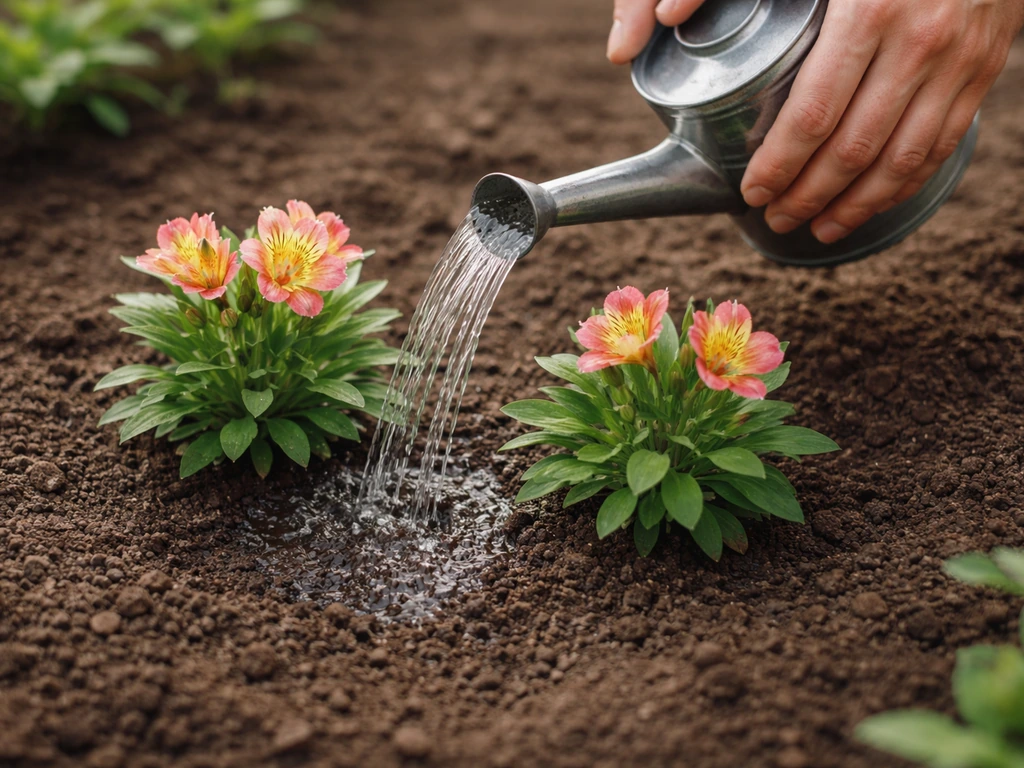
Alstroemerias like consistently moist soil, but not wet soil. That distinction matters a lot. During the growing season (spring through summer), water deeply once or twice a week depending on rainfall and heat, letting the top 2 to 3cm of soil dry out slightly between waterings. During cultivation, the cut-flower growing guide notes that alstroemeria roots are mostly near the surface, so they perform best with frequent, fairly heavy watering [water deeply once or twice a week](https://www.
alstroemeria. com/wp-content/uploads/2025/01/Growing-Information-Alstroemeria-Cut-Flower. pdf). Deep, infrequent watering encourages roots to grow down rather than hover near the surface.
In hot, dry spells, water more frequently. In autumn and winter, cut back watering significantly. The roots are still alive underground but the plant is essentially resting, and excess moisture during this period is when rot sets in.
Fertilizing
Feed alstroemerias with a balanced, slow-release granular fertiliser in early spring as growth emerges. This gives them the nitrogen and phosphorus they need to build strong stems and root systems. Once flower buds start forming, switch to a high-potassium feed (like a tomato fertiliser) every two weeks through the blooming period. Potassium directly supports flower production and helps blooms last longer on the plant. Avoid over-feeding with nitrogen in summer as it pushes lush leafy growth at the expense of flowers. In late summer, stop feeding entirely to let the plant wind down naturally before dormancy.
Day-to-day care through the season
Mulching
A layer of mulch, about 5 to 8cm (2 to 3 inches) deep, does several things at once: it retains soil moisture, suppresses weeds, moderates soil temperature, and in cold climates provides critical insulation for the roots over winter. Apply it in late spring after the soil has warmed up, and reapply a fresh layer in autumn before the first frosts. Keep the mulch a couple of centimetres away from the crown of the plant to prevent rot at the base of the stems.
Supporting tall stems
Many alstroemeria varieties grow 60 to 90cm (2 to 3 feet) tall and get top-heavy with flowers. In windy or exposed spots, stake individual clumps with bamboo canes and garden twine, or use a grow-through support ring installed in early spring before the stems get going. It is much easier to put supports in early than to try to wrestle tall stems into them later.
Deadheading and cutting flowers
Here is a specific technique that makes a real difference with alstroemerias: do not cut the stems with scissors or secateurs at the base. Instead, grip a stem near its base and pull it upward with a firm, twisting tug so it snaps off cleanly from the root. This action stimulates the plant to produce more flowering stems from the base. It sounds counterintuitive, but it works, and experienced alstroemeria growers swear by it.
If you are cutting for a vase, the same principle applies: pull rather than cut. Alstroemeria flowers last 10 to 14 days in a vase, which is one of the reasons they are so popular as cut flowers. If you prefer a soilless setup, you can also learn how to grow carnations in water.
Winter protection
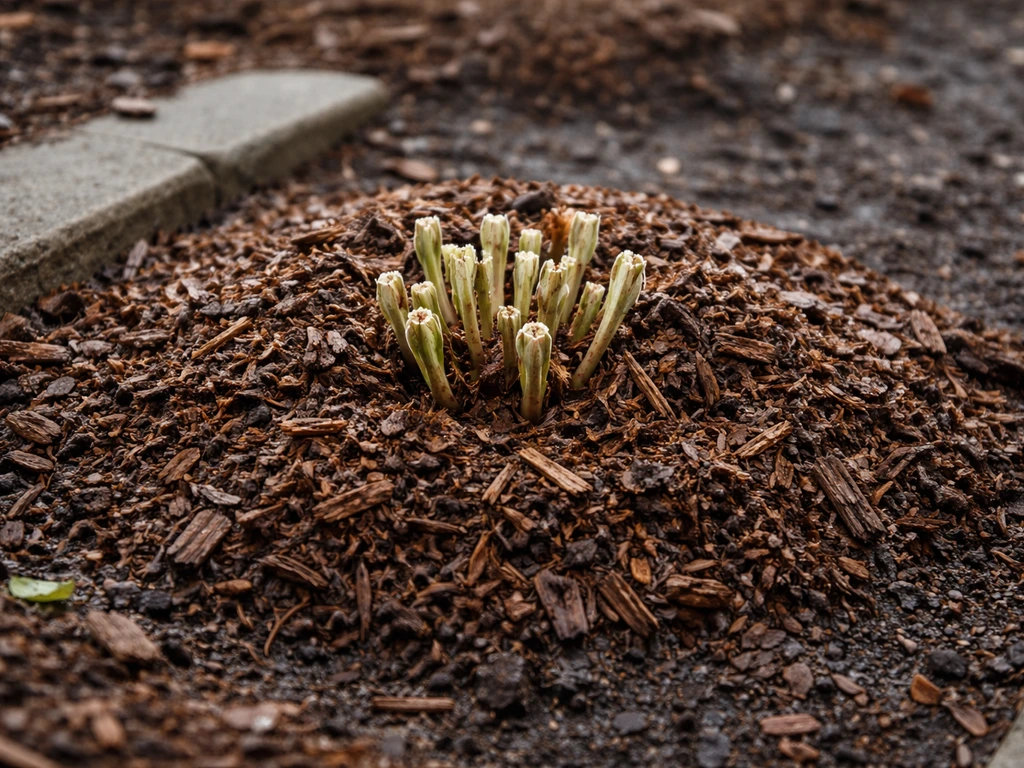
In zone 7b and above, a good layer of mulch over the crown is usually all you need. In zone 6 and colder, you need to be more proactive. After the first frosts kill back the foliage, cut the dead stems to about 5 to 8cm above ground, then pile 10 to 15cm of straw, dry leaves, or bark mulch over the crown. In zone 5 or colder, it is genuinely safer to lift pot-grown plants and bring them into a cool but frost-free shed or garage for winter. They do not need light while dormant, just protection from hard freezing.
Troubleshooting: when things go wrong
Very few flowers or none at all
This is the most common complaint. The usual culprits are: too much shade, over-feeding with nitrogen, roots that were disturbed at planting and are still recovering, or plants that are simply in their first season and still establishing. First-year alstroemerias frequently produce only a handful of blooms or none at all. This is normal. Do not dig them up. By year two, most plants start flowering properly, and by year three they are typically spectacular. If a second-year plant still has no flowers, check the light levels and cut back on any nitrogen-heavy feeds.
Slow or weak growth
Slow growth in the first season is normal. If growth seems unusually weak or the plant looks pale and straggly, it is most likely a soil issue: poor drainage causing root stress, soil that is too compacted for the roots to spread, or a lack of nutrients. Check that the planting site drains freely after heavy rain. If you see standing water 30 minutes after watering, drainage needs to be improved. A top-dressing of balanced fertiliser in early spring can also help kick-start slow plants.
Yellowing leaves
Yellow leaves mid-season usually point to overwatering or waterlogged soil, both of which damage roots and limit the plant's ability to take up nutrients. Ease off watering and check drainage. Yellow leaves in late summer can also be a completely natural part of the plant going into its summer semi-dormancy, particularly in hot climates. If the rest of the plant looks healthy, do not panic.
Pests and diseases
Alstroemerias are relatively trouble-free, which is one of their real selling points. The main pests to watch for are slugs and snails in spring when new shoots emerge, aphids on tender stems, and occasionally caterpillars. Slugs are the most damaging early on, so put slug controls in place (pellets, copper tape around pots, or overnight torchlight hunts) as soon as you see the first green tips pushing through in spring.
Aphids can be knocked off with a strong jet of water or treated with insecticidal soap if the infestation is heavy. On the disease side, root and crown rot from poor drainage is by far the most significant risk. There is no cure once rot sets in, so prevention through good drainage is the only real strategy. Botrytis (grey mould) can appear in cool, damp conditions, remove affected leaves promptly and improve air circulation by thinning overcrowded clumps.
Your path to a proper flower show
Growing alstroemerias rewards patience more than any other single quality. The first season is about root establishment, not flowers. The second season is when you start to see what the plant can really do. By season three, a well-planted alstroemeria clump can produce dozens of stems over a flowering period that stretches from late spring all the way into early autumn.
Pull stems rather than cut them to keep the blooms coming. Feed with potassium while blooms are forming. Mulch in autumn to protect the roots. That is genuinely the whole system.
If you enjoy growing flowers for cutting, alstroemerias belong in the same conversation as carnations for vase life and reliability. They are a different aesthetic entirely, but that combination of exotic-looking blooms and two-week vase life makes them hard to beat in a cutting garden.
FAQ
How far apart should I plant alstroemerias so they bloom well and don’t rot?
Space clumps about 30 to 45 cm (12 to 18 in) apart in the ground. That gap improves airflow and reduces the chance that damp conditions linger around the crown. In containers, keep one plant per 30 to 35 cm (12 to 14 in) pot size so the root mass does not stay constantly wet.
Can I transplant an established alstroemeria?
You can, but expect setbacks because the roots are brittle and hate disturbance. If you must move one, do it in spring while growth is just starting, lift with as much root and soil as possible, and avoid splitting unless you already plan to accept a weaker flowering year. Do not transplant in hot summer weather.
What’s the best way to stop weeds around alstroemerias without disturbing the roots?
Use mulch rather than hand weeding right at the crown. If you need to weed, pull only small weeds with shallow roots, and avoid digging. For beds with heavy weed pressure, a thick mulch layer and a light top-dressing in early spring is safer than repeated hoeing.
Why do my alstroemerias produce lots of leaves but few flowers?
Most often it’s nitrogen pushed too hard, especially if you keep feeding a balanced fertilizer or compost late into summer. Switch to a higher-potassium feed once you see buds forming, and stop fertilizing in late summer so the plant transitions into resting rather than continued leaf growth.
Do alstroemerias need deadheading, and should I remove both flowers and stems?
Yes, remove spent flower stems promptly to encourage more stems. Use the same “pull rather than cut” approach for stem removal when you can grip near the base, otherwise snip only the spent portion. Leaving dead heads too long can reduce flowering and encourage grey mould in damp weather.
How do I tell if yellowing leaves are a disease problem or normal dormancy?
If yellowing happens mid-season and the soil stays wet, suspect root stress from overwatering or poor drainage. If yellowing comes in late summer during hot spells and the plant otherwise looks firm and healthy, it can be normal semi-dormancy. Look for soft crowns, a foul smell when you dig, or rapid decline as signs of rot.
My alstroemerias keep snapping in wind, what’s the best support method?
Install support early in spring, before stems get tall. For clumps, a grow-through ring or staking individual stems works well, but avoid tying too tightly (stems can be hollow and bruise). Also choose a less exposed site if possible, because repeated gusts can reduce the plant’s ability to set new flowering stems.
How often should I water alstroemerias in containers versus in the ground?
Containers usually need more frequent watering because they drain faster, but the rule stays the same: water deeply, then let the top layer dry slightly. Check daily during heat, because pots can dry out within a day, yet consistently soggy potting mix can still cause crown rot.
What is the safest way to overwinter alstroemerias in colder zones?
In zone 6 and below, rely on both cutback and insulation. After the first frosts kill foliage, cut stems back and mound a deeper layer over the crown. For pots, move plants into a cool, frost-free space and keep the compost only lightly moist, not wet, through winter.
Can I grow alstroemerias from seed successfully at home?
It’s possible, but plan for slow and inconsistent results. Cold stratification matters, and seeds usually take multiple seasons before meaningful flowering. If you want reliable blooms sooner, start with nursery plants or bare-root divisions and treat seed as an experiment.
Next Article
When to Grow Carnations: Timing, Sowing, and Growth Timeline
Exact timing for growing carnations by season, plus sowing steps, growth timeline, and fixes if seeds won’t germinate