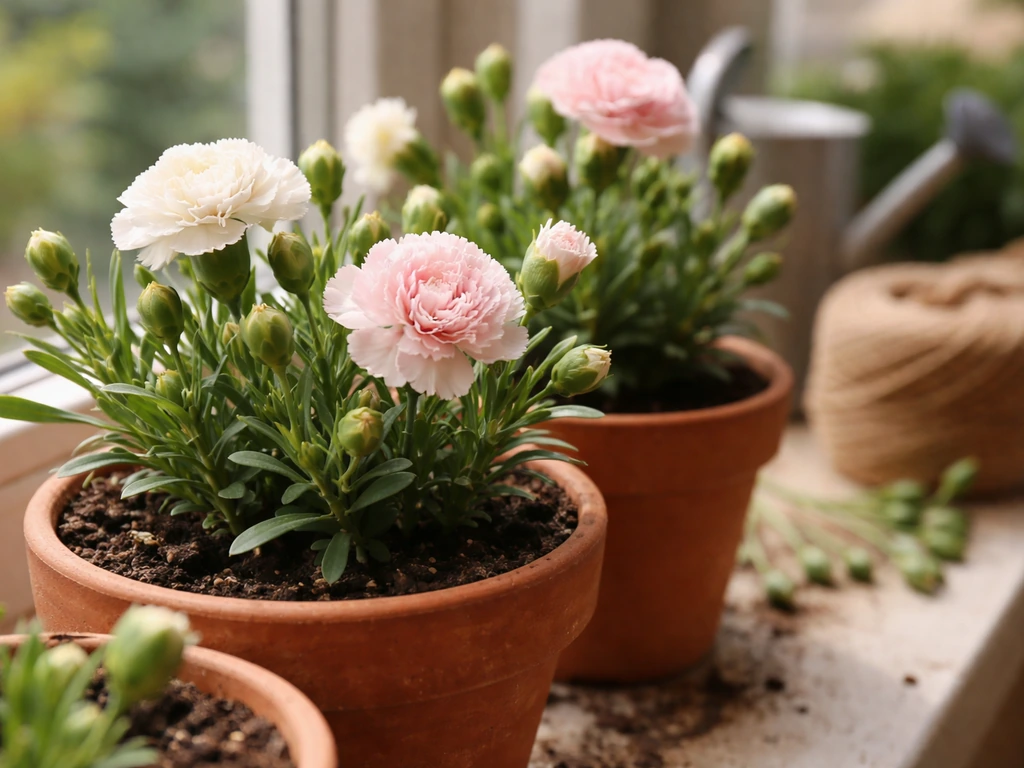
Start carnation seeds indoors about 6 to 8 weeks before your last frost date, then transplant outside once nighttime temperatures stay reliably above freezing. That timing gives you blooms in summer of the same year. If you miss that window, you can still direct-sow outdoors once your soil reaches 65 to 70°F, but you may not get flowers until the following season depending on your climate. If you want the specifics for this plant, see our guide on how to grow alstroemerias for the right timing, light, and care bloom.
When to Grow Carnations: Timing, Sowing, and Growth Timeline
Marcus Holloway
28 Apr 2026
What the carnation growth timeline actually looks like
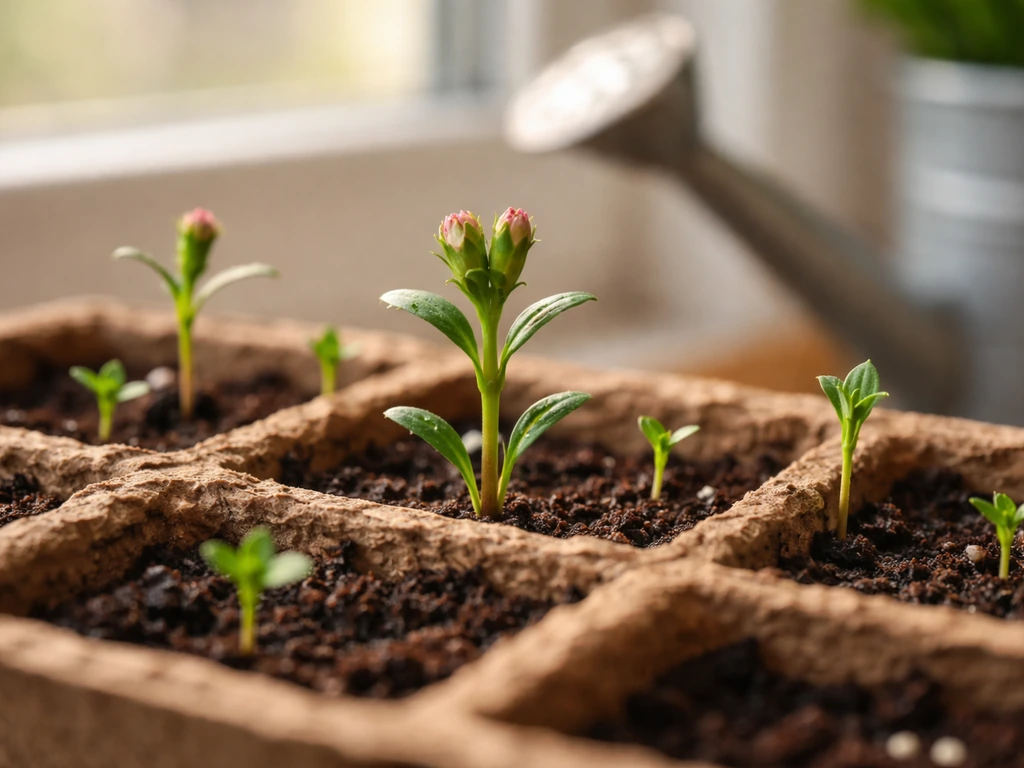
Before you pick a start date, it helps to know what you're signing up for. Carnations are not fast bloomers. Here's a realistic breakdown of what to expect from seed to first flower.
| Stage | Typical Duration | What's Happening |
|---|---|---|
| Germination | 7–14 days | Seeds sprout at 65–70°F soil temperature |
| Seedling establishment | 4–6 weeks | Leaves develop; plant builds its root system |
| Hardening off | 7–10 days | Gradually adjusting to outdoor conditions |
| Transplant to bud set | 4–8 weeks | Active growth, branching, and early bud formation |
| Bud to open bloom | 2–3 weeks | Color shows; petals open fully |
| Total seed to bloom (same year) | 14–20 weeks | Fastest with indoor head start and warm summer |
That 14 to 20 week window is why the indoor head start matters so much. If you wait until the soil warms outside and direct-sow, you're starting the clock later and may be racing against summer heat or the first fall frost, depending on where you live. Spring-transplanted carnations bloomed in late June in research trials at Utah State University, which lines up with what most home gardeners experience in temperate climates.
Best time to grow carnations based on your climate
Carnations are cool-season lovers. They prefer growing in mild temperatures and tend to struggle when summer heat is intense. That means your local climate determines not just when to start, but what kind of growing season you're working with.
Temperate climates (cold winters, warm summers)
This is the sweet spot for carnations. Start seeds indoors in late winter, typically late January through early March, depending on your last frost date. Transplant outside in spring after the frost risk passes, usually April through May. You'll get flowers through June and into summer. If you grow carnations as perennials, they'll come back and bloom earlier the following year.
Hot climates (long summers, mild winters)
In warm regions like the South or the Southwest, your best window is actually fall planting for winter and spring blooms. Start seeds indoors in late summer (August or September), transplant in October, and let carnations do their growing during the cool months. They tend to decline or go dormant once summer heat kicks in above 90°F, so fighting the calendar is a losing game. Plant with the seasons rather than against them.
Mild coastal climates
If you're in a mild coastal zone with cool, moist summers (think the Pacific Northwest or coastal California), carnations are practically made for you. You can get nearly year-round growth. Start indoors in late winter for a spring transplant, or even try a second sowing in early summer for fall flowers. The lack of extreme heat means your plants stay productive longer.
Short-season and northern climates
If you're gardening where spring arrives late and fall comes early, prioritize that indoor head start. Sow seeds indoors 8 weeks before your last frost, not 6. Every extra week indoors means more developed plants going into the ground and a better shot at blooms before fall. Use a grow light if your windows are weak in late winter.
Seeds indoors vs. transplants: what makes the most sense
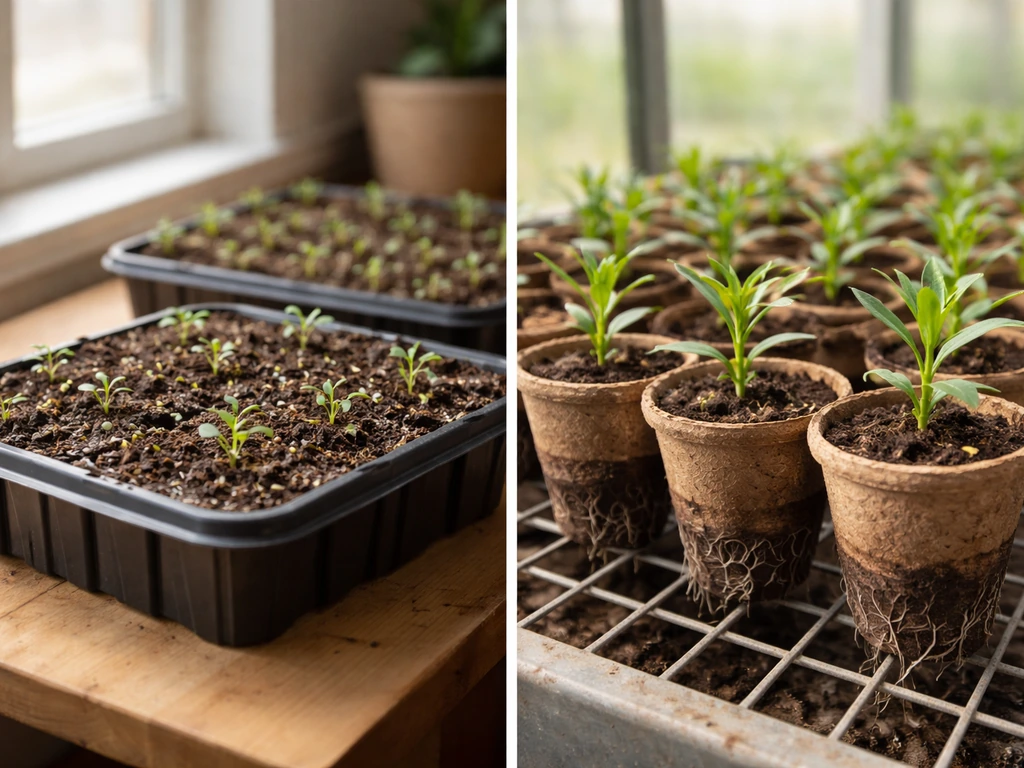
You have two real options: start from seed indoors or buy young plants (starts) from a nursery. Both work, but they suit different situations. If you’re comparing other bulb options like how to grow amaryllis ferrari, the main ideas are similar, but you’ll use different indoor timing and potting care.
Starting from seed is the better choice if you want variety control, lower cost, or you're growing a specific type like mini carnations or long-stem cutting varieties. Sow seeds into small cells or trays 6 to 8 weeks before your last frost. Press seeds lightly into moist growing medium and cover with a thin layer of coarse vermiculite, about an eighth of an inch. Don't bury them deep.
Keep the soil at 65 to 70°F. USU Extension notes that miniature carnation seed germination typically takes about 7 to 14 days at 65 to 72°F [Keep the soil at 65 to 70°F. ](https://extension. usu.
edu/productionhort/research/miniature-carnation-cut-flower-production-in-utah). Light isn't critical right at the start, but the moment seedlings emerge, get them under bright light immediately, either a very sunny south-facing windowsill or fluorescent grow lights kept just a few inches above the seedlings. Leggy, pale seedlings are almost always caused by insufficient light in those first two weeks.
Buying transplants from a nursery saves 6 to 8 weeks and skips the germination anxiety entirely. This is the right call if it's already late spring and you want blooms this season. Look for compact, dark green plants that haven't started flowering yet. Avoid anything root-bound or already in full bloom at purchase. Just check that your nighttime temps are reliably above freezing before you put them in the ground.
| Method | Best For | Timing Start | Tradeoff |
|---|---|---|---|
| Seed indoors | Variety selection, low cost, full control | 6–8 weeks before last frost | More time and attention required early on |
| Nursery transplants | Late starters, convenience, beginners | Any time after last frost risk | Less variety choice, higher per-plant cost |
| Direct-sow outdoors | Mild climates with long seasons | When soil reaches 65–70°F | Slower to bloom, may not flower first year |
Direct sowing outdoors is an option, but only once the soil temperature reliably reaches 65 to 70°F. In most temperate climates, that's late May or early June, which leaves little runway for same-season blooms. It works better in mild climates or if you're treating carnations as biennials and are happy to wait for flowers the following year.
Setting up the right growing conditions
Getting the timing right only matters if the plants are going into a good setup. Here's what carnations actually need to thrive.
Sunlight
Carnations need at least 4 to 5 hours of direct sun per day. Full sun (6 or more hours) is better for strong stems and abundant flowers. If your seedlings are growing indoors under a window and you notice them stretching toward the light and getting thin, they need more. Add a simple fluorescent or LED grow light positioned just a few inches above the seedling tray and run it for 14 to 16 hours a day until transplant time.
Soil and drainage
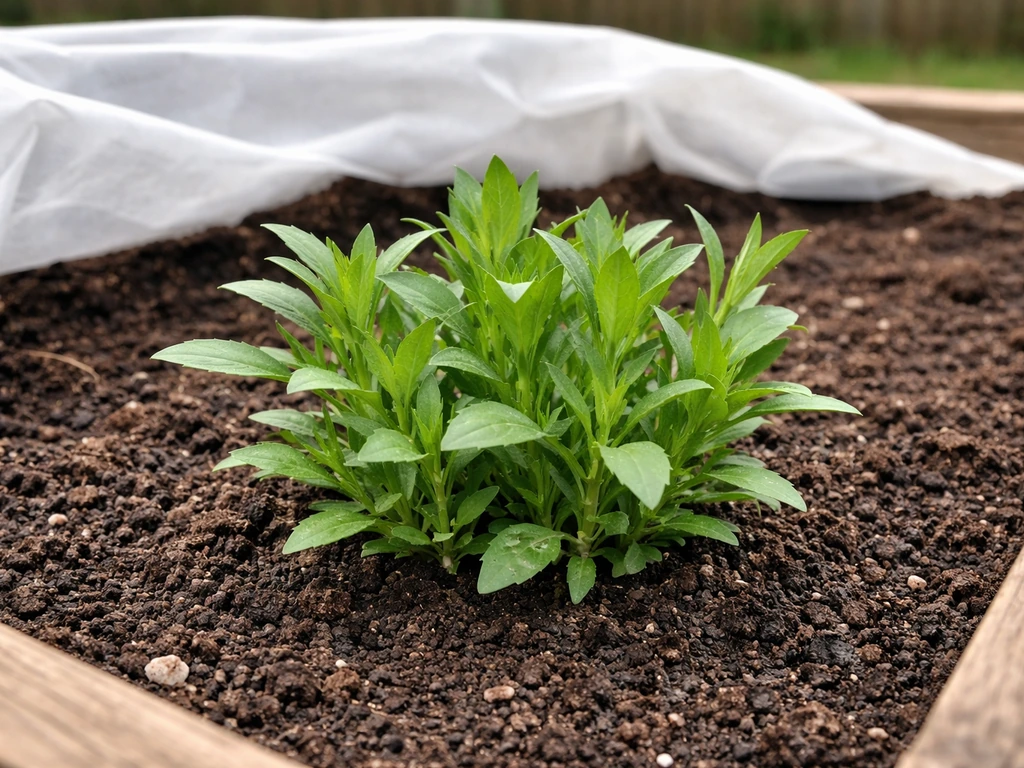
Carnations absolutely require well-drained soil. Sitting in wet, cold soil is one of the fastest ways to kill them, especially right after transplant. Before planting, turn the bed to 6 to 12 inches deep, remove rocks and old debris, rake it level, and firm the surface down. If your soil is heavy clay, mix in compost or coarse grit to improve drainage. Good airflow around the plants also reduces fungal problems down the road.
Temperature
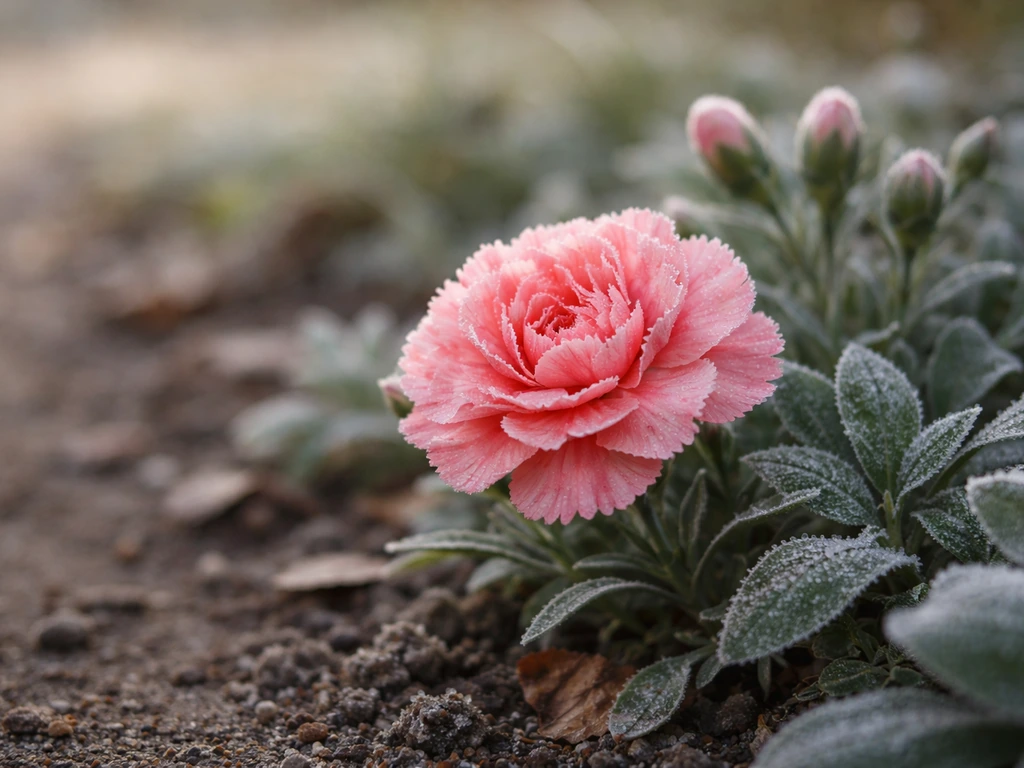
Carnations grow well when daytime temperatures are in the range of 60 to 75°F. They can handle light frost as established plants, but newly transplanted seedlings are more vulnerable. If a frost warning pops up after you've transplanted, cover your plants or bring containers indoors overnight, then move them back out in the morning. Don't let a late cold snap wipe out six weeks of seed starting work.
Spacing
Space carnation plants about 12 inches apart. Crowding creates poor airflow, which invites fungal disease. If you're growing them in a cutting garden alongside other flowers, give them their own row with breathing room rather than squeezing them in as filler.
Caring for carnations after planting
Watering
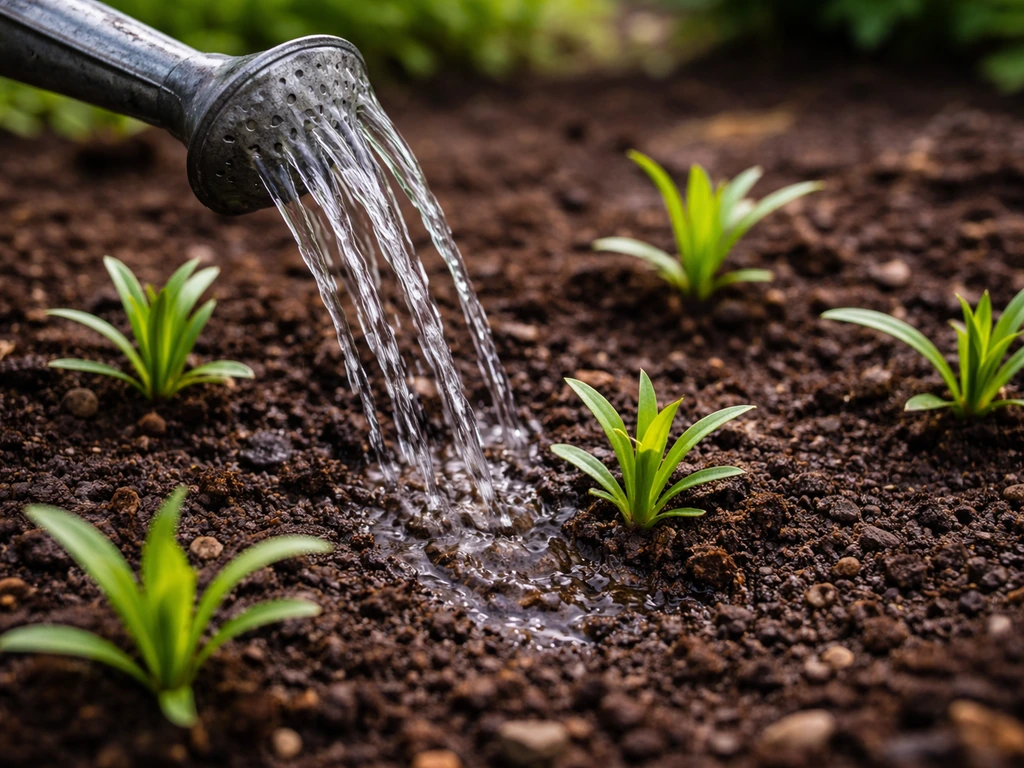
Keep the soil consistently moist but never waterlogged. If you want to grow carnations in water, make sure the roots stay hydrated and refresh the water regularly to prevent rot how to grow carnations in water. Carnations are somewhat drought-tolerant once established, but dry spells right after transplant will stall growth. Water at the base of the plant rather than overhead to keep foliage dry, which helps prevent botrytis (gray mold) and rust from taking hold. Mulch around the plants to hold moisture and suppress the weeds that compete for water and nutrients.
Feeding
A balanced, slow-release fertilizer worked into the bed at planting gives carnations a good foundation. Once they're actively growing, you can follow up with a diluted liquid fertilizer every few weeks through the growing season. Don't over-fertilize with nitrogen or you'll get lush leaves and few flowers.
Deadheading
Remove spent blooms before they go to seed. This is one of the easiest and most effective things you can do to extend your flowering season. When a flower fades, pinch or snip it off just above a leaf node. The plant redirects its energy into producing the next round of buds instead of setting seed and shutting down.
Pests and disease to watch for
Aphids and thrips are the most common insect pests on carnations. Aphids cluster on new growth and stems, sucking sap and causing distorted leaves. Check the undersides of leaves regularly and knock them off with a strong spray of water or use insecticidal soap if populations get heavy. Thrips are smaller and harder to spot but cause silvery streaking on petals and foliage.
On the disease side, botrytis (gray mold) shows up as gray fuzzy growth on petals and buds, usually during cool, humid conditions. Rust appears as reddish-brown pustules on leaves. Both are encouraged by overhead watering, crowding, and poor airflow. The best prevention is cultural: water at the base, space plants properly, and remove any affected tissue promptly. If you're buying transplants, look for clean, disease-free stock from a reputable source.
When and how to harvest, plus what to do if nothing's blooming
Cutting carnations at the right moment
For single-stem carnations grown as cut flowers, harvest at the 'star stage,' when the bud has cracked open and petals are just starting to show but are still pointing upward rather than spreading horizontally. This gives you the longest vase life. For spray types with multiple blooms per stem, cut when one or two flowers on the stem are open. Cutting too early means buds that won't open in the vase; cutting too late means flowers that fade within days.
If your carnations aren't blooming on schedule
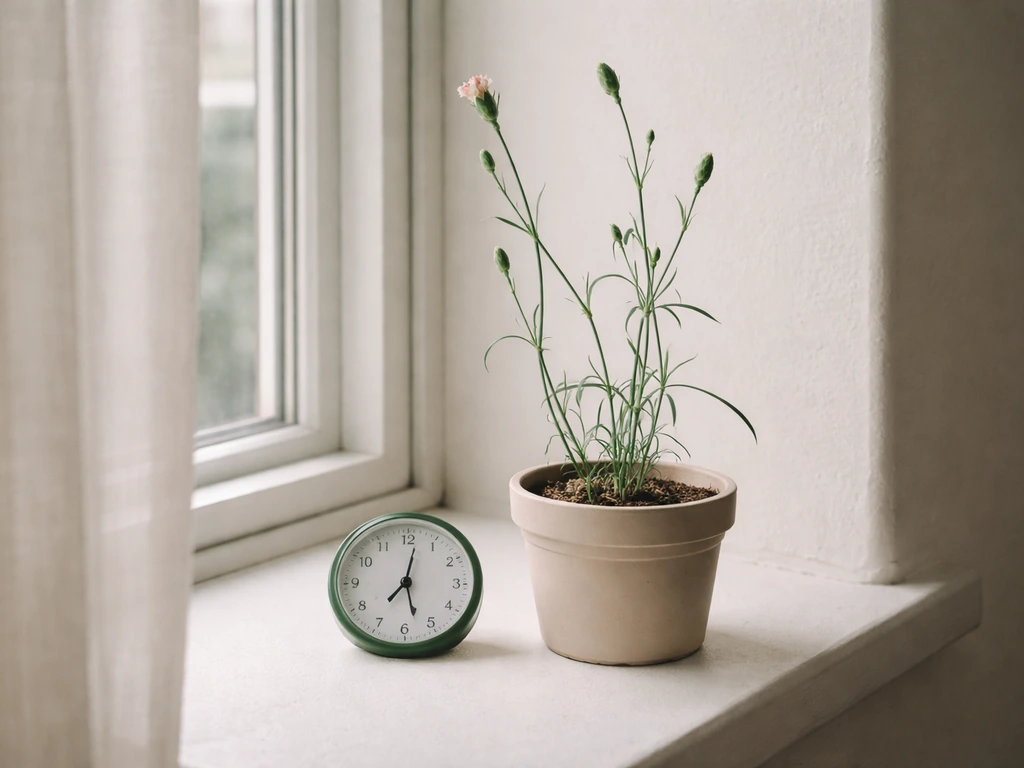
Delayed blooms are almost always traceable to one of a handful of causes. Work through this checklist before assuming something is seriously wrong. If you are trying to can you grow carnation from stem, make sure your starters have enough light and time to form strong growth before expecting blooms aren't blooming on schedule.
- Not enough sun: fewer than 4 to 5 hours of direct light will delay or prevent flowering. Move containers or choose a sunnier spot next season.
- Started too late: if you direct-sowed or transplanted late in the season, the plant simply hasn't had enough time. It may bloom the following year instead.
- Too much nitrogen: heavy feeding with a high-nitrogen fertilizer pushes leaf growth at the expense of flowers. Switch to a bloom-focused fertilizer with lower nitrogen and higher phosphorus.
- Temperature stress: carnations slow down or stall in extreme heat (above 90°F) or unexpected cold snaps. In hot climates, shade cloth during peak afternoon heat can help plants push through.
- Pest or disease damage: a bad aphid infestation or fungal disease can redirect the plant's resources away from flowering. Treat the problem and give the plant a few weeks to recover.
- Overcrowding: plants too close together compete for light and resources, which delays maturity. Thin or space appropriately at planting time.
If your carnations are healthy and growing but just haven't flowered yet, patience is often the real answer. Mini carnations also do best with the same cool-season planning, so follow a dedicated mini-carnation approach for start times, light, and spacing. They work on their own schedule, and a plant that gets established well in spring will reward you with blooms, even if it takes a little longer than expected.
If you're growing mini carnations or long-stem cutting varieties, timing nuances can differ slightly from standard types, so it's worth looking into variety-specific guidance as well. If you’re growing long-stem cutting carnations specifically, pay attention to timing and light so you can get straight stems and reliable blooms long-stem cutting varieties.
FAQ
What if my last frost date has passed, but nights are still near freezing?
If your last frost date passes but nights are still dropping near freezing, wait to transplant until temperatures stay above freezing consistently for several nights (not just the day). Newly set carnations are the most vulnerable to cold snaps, and covering them only works for short, one-off frosts.
How do I know when indoor seedlings are actually ready to move outside?
Carnations can germinate in 1 to 2 weeks, but the seedlings should be ready for transplant after they form a sturdy set of leaves and look compact, not stretched. If your seedlings are leggy, increase light and do not rush outdoors just to hit a calendar target.
Can I grow carnations from a second sowing if spring timing missed the first window?
Yes, but keep it practical: a second indoor sowing in early summer only works in climates where heat does not exceed about 90°F for long stretches. In hot summers, late sowing usually produces plants that stall or go dormant right when they should start flowering.
Why did my direct-sown carnation seeds fail even though the soil was warm enough?
For direct sowing, success depends on soil warmth and moisture. If soil is 65 to 70°F but dries out, germination and early growth stall, and the plants may not flower until the next season.
What should I do if my garden soil stays wet after watering?
In heavy clay, improve drainage before planting, then avoid overwatering right after transplant. A simple test is to water the bed and see how fast it drains, if it stays soggy for hours, carnations are at high risk of rot and damping off.
How can I prevent botrytis and rust if my weather is consistently cool and humid?
Watering at the base helps, but the bigger mistake is wetting foliage during cool, humid weather. Aim for morning watering so leaves dry quickly, and remove any dead or diseased tissue promptly to prevent botrytis.
My plants look green and healthy, but I’m not getting many flowers. What’s the usual cause?
Carnations are sun-responsive, but there is a point where extra fertilizer backfires. Avoid high-nitrogen feeding, because it can produce lush leaves with fewer blooms, especially when temperatures are still mild.
How long will deadheading extend bloom, and when won’t it help anymore?
When day length and temperatures shift, carnations may bloom less consistently. Removing spent blooms immediately reduces seed formation and encourages additional bud rounds, but it will not fully override prolonged heat stress above 90°F.
What are the most common indoor-start mistakes that delay blooming?
If you see stretched, pale seedlings, increase light right away and keep the light source close enough to prevent etiolation. Also verify the medium temperature stays near 65 to 70°F during germination, because cold soil slows growth and delays reaching transplant size.
How can I tell the right harvest moment for long-lasting carnations?
For cut flowers, the ‘star stage’ timing depends on how far the bud has cracked and whether petals are still pointing upward. If you harvest too early, unopened buds may fail to open, and if you harvest too late, flowers can drop faster in the vase.
Does ‘when to grow carnations’ change if I’m growing them in pots instead of in the ground?
With container growing, the transplant decision is the same, but water and frost protection are more critical. Use well-draining mix, do not let containers sit in runoff water, and protect containers from cold nights even when the ground is coping.
Next Article
How to Grow Carnations: Seeds, Cuttings, and Care at Home
Step-by-step how to grow carnations from seed or cuttings, with home care tips for perpetual and spray types.