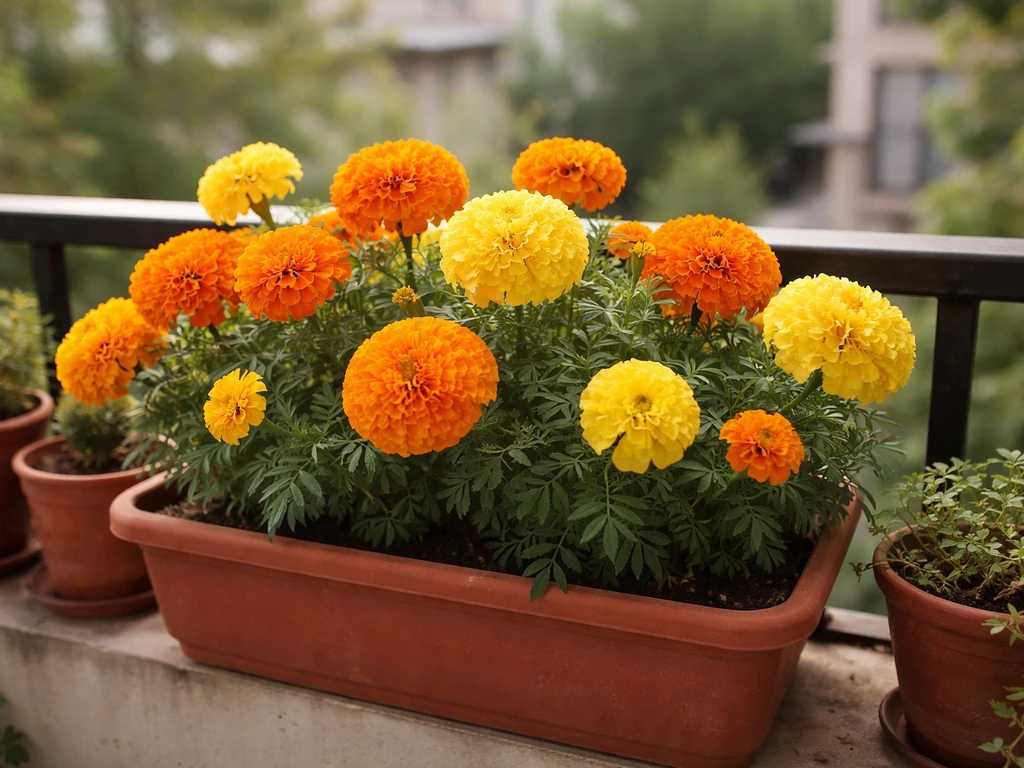
When most English-language gardeners search 'velvet flower,' they mean blank" rel="noopener noreferrer">Amaranthus caudatus, the dramatic annual amaranth with long, drooping, deep-crimson flower tassels that look almost touchably soft. That's the plant this guide focuses on. If you came here looking for how to grow bellflowers instead, you can follow a similar approach to timing and soil prep, but the plant needs its own specific care routine That's the plant this guide focuses on. .
How to Grow Velvet Flower From Seed Step by Step

Marcus Holloway
15 Jun 2026
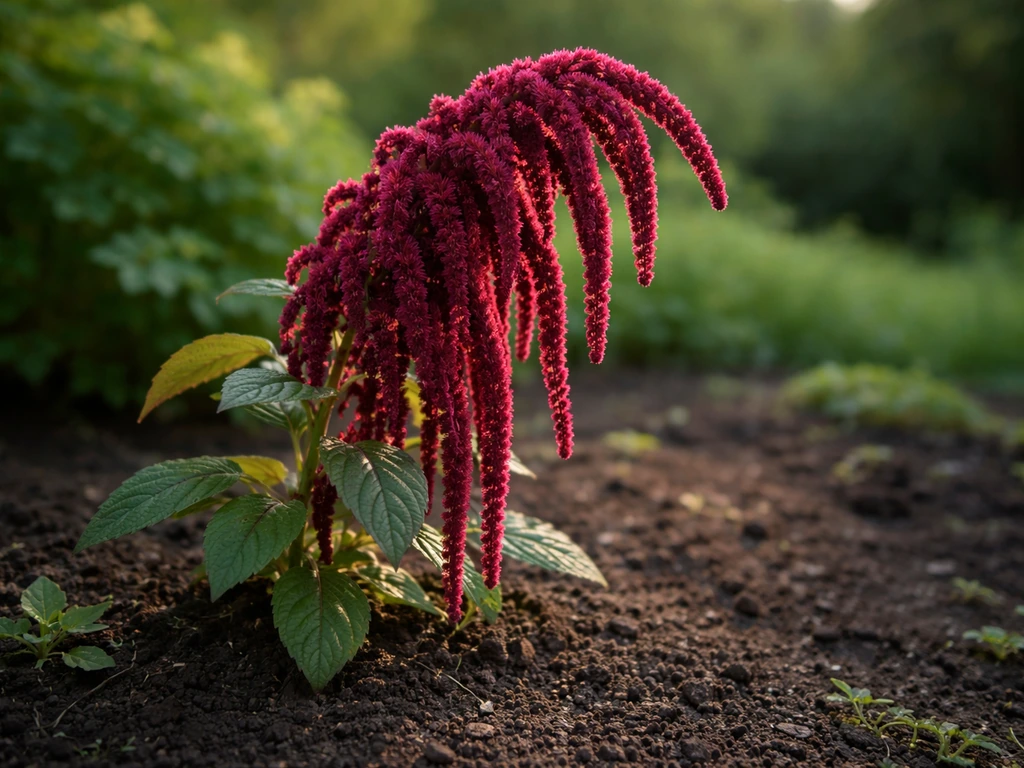
It's a fast-growing, heat-loving annual you can grow from seed in a single season, even if you've never started a flower from seed before. You'll sow indoors around 6 to 8 weeks before your last frost, transplant once soil is warm, and have towering plants with bold blooms by midsummer, with seeds ready to collect by early fall.
Wait, which 'velvet flower' are we talking about?
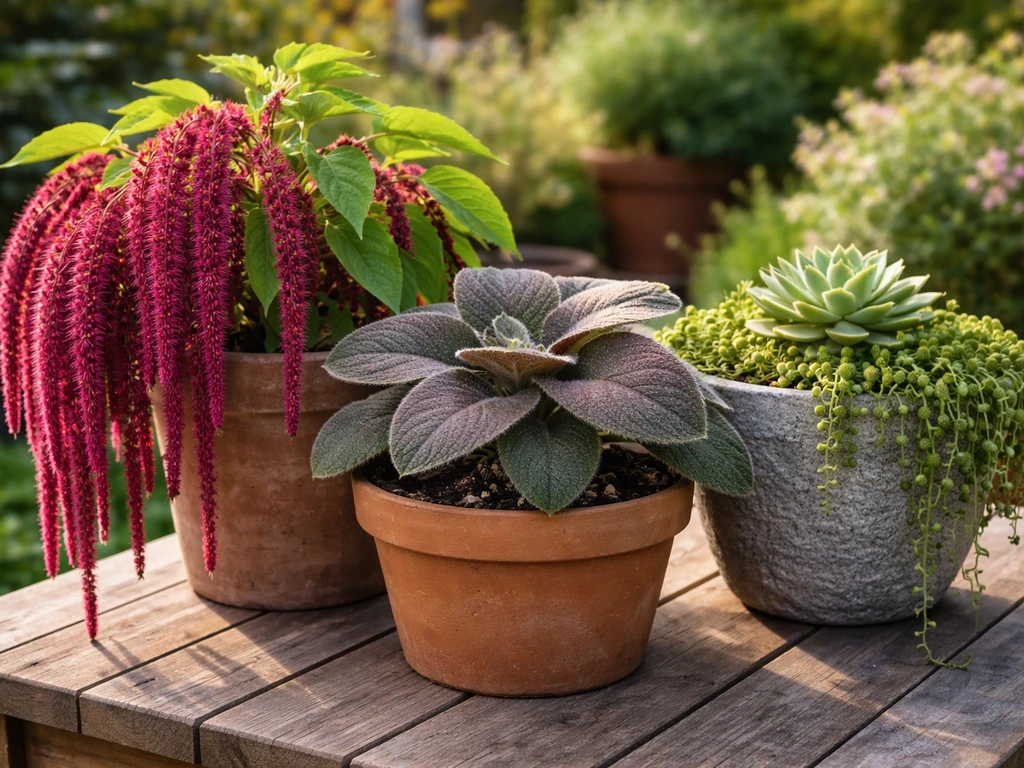
The common name 'velvet flower' attaches to a surprising number of plants depending on who you ask. North Carolina Extension and several botanical references use it for Amaranthus caudatus, a tall ornamental amaranth sometimes called love-lies-bleeding. That's the most widely recognized use in English-language gardening. Celosia argentea (cockscomb) is called 'velvet flower' in parts of Mexico and Latin America.
Common milkweed (Asclepias syriaca) occasionally gets 'velvet' nicknames too, and the trailing velvet plant (Ruellia makoyana) sometimes shows up in search results under similar names. If you were searching for one of those, this guide won't be the right fit. But if you want that stunning, cascading crimson tassel on a 3- to 5-foot plant that doubles as a cut flower and a seed crop, you're in the right place. Amaranthus caudatus is your plant.
Wikipedia — Celosia (notes “velvet flower” in Mexico) notes that wikipedia lists that some Celosia forms are called “velvet flower” in Mexico (Spanish source also echoes the name), which means “velvet flower” in searches can refer to Celosia argentea (var. cristata / cockscomb or other crested/plumed types).
The conditions Amaranthus caudatus actually needs
This plant is not fussy, but it does have clear preferences. Get these right from the start and everything else becomes much easier.
| Condition | What it needs | Why it matters |
|---|---|---|
| Light | Full sun (6+ hours direct sun daily) | Fewer hours and plants get leggy with weak tassel development |
| Soil type | Loamy, moderately fertile, well-draining | Rich, overworked soil encourages leaf growth at the expense of flowers |
| Soil pH | 6.0 to 7.0 (slightly acidic to neutral) | Outside this range, nutrient uptake suffers |
| Temperature | Soil at least 60°F (65–75°F is ideal for germination) | Cold soil causes poor germination and stunted seedlings |
| Drainage | Essential — cannot sit in wet soil | Waterlogged roots rot fast; raised beds or mounded planting help |
| Humidity | Tolerates heat and humidity well | Actually performs better in hot summers than most annuals |
One thing worth knowing: Amaranthus caudatus is surprisingly drought-tolerant once established. It evolved in warm climates and handles dry spells far better than it handles waterlogged ground. If you're working with heavy clay soil, mix in compost and coarse sand before planting, or consider a raised bed. This is one annual where 'average' or even slightly poor soil actually outperforms overly amended, super-rich beds.
Starting from seed: timing, indoor vs. direct sow, and getting germination right
When to sow
Amaranthus caudatus is a warm-season annual with zero frost tolerance. For detailed steps, you can also follow this guide on how to grow chamanthi flowers. For most of the US, the right window is 6 to 8 weeks before your last expected frost date for indoor starts, or directly in the ground once soil hits at least 60°F and frost risk is gone. In USDA zones 7 and warmer, you can often direct sow in mid-spring. In cooler zones (5 and 6), starting indoors in late March or early April gives you the best chance of flowers before summer fades.
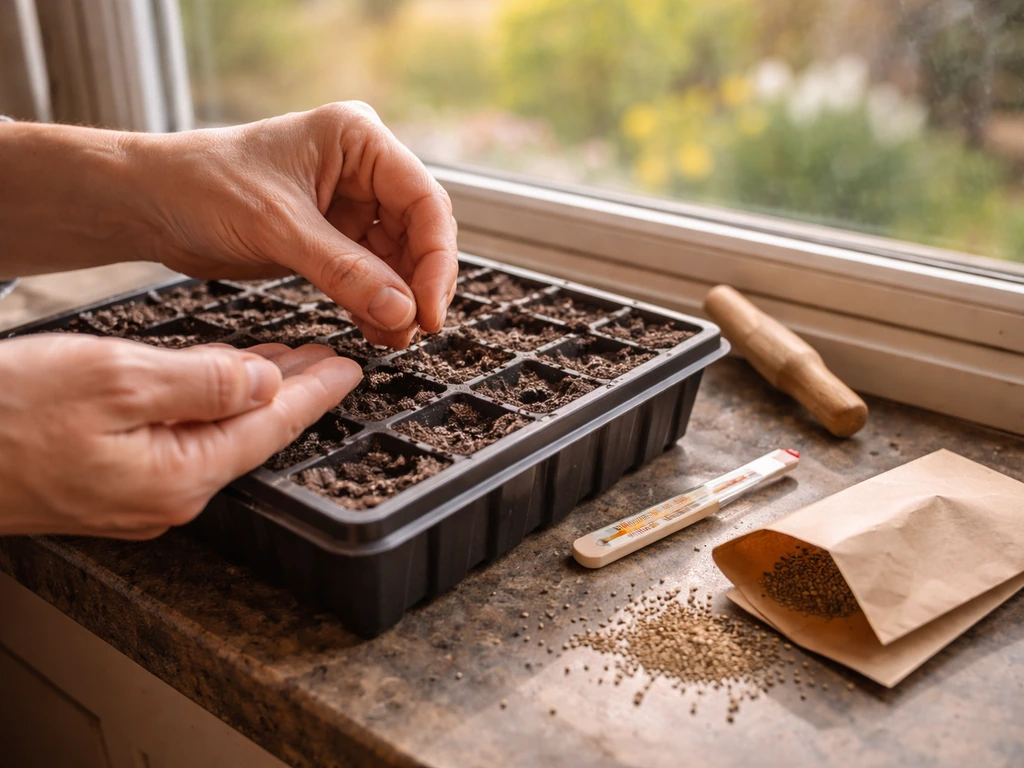
Indoor sowing, step by step
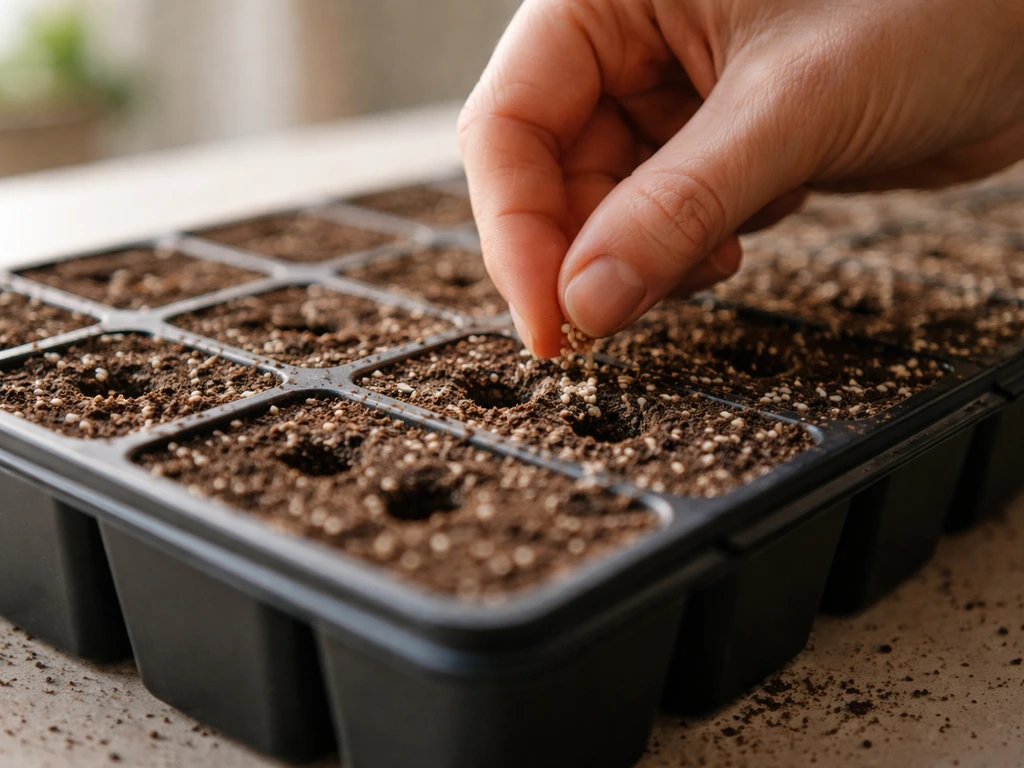
- Fill small cell trays or 3-inch pots with a sterile, fine-textured seed-starting mix. Avoid potting soil with large bark chunks, which makes it hard for tiny amaranth seeds to contact the medium properly.
- Sow 2 to 3 seeds per cell, pressing them gently onto the surface or covering with just a thin 1/8-inch layer of mix. Amaranthus seeds are tiny and need light to germinate, so don't bury them.
- Mist the surface with a spray bottle to avoid washing the seeds around. Keep the mix consistently moist but never soggy.
- Place trays somewhere warm: a heat mat set to 70–75°F speeds germination significantly. Without bottom heat, germination can be erratic.
- Expect sprouts in 7 to 14 days at the right temperature. Once seedlings appear, move them immediately to a bright south-facing window or under grow lights (14 to 16 hours of light per day prevents legginess).
- Thin to the strongest seedling per cell once they have their first true leaves, snipping extras at soil level rather than pulling, which disturbs roots.
Direct sowing outdoors
Direct sowing works well where summers are long. Rake the bed smooth, scatter seeds thinly, and press them lightly into the soil surface with the flat of your hand. Don't cover them with more than a dusting of fine compost. Keep the area moist until germination, which typically takes 10 to 14 days in warm ground. Thin seedlings to 12 to 18 inches apart once they're 3 to 4 inches tall. Yes, this feels brutal, but crowded amaranth produces weak, floppy stems and small tassels.
Germination troubleshooting
- Nothing sprouting after 2 weeks: soil or air temperature is probably too cold. Amaranth really does stall below 60°F. Use a heat mat or wait longer into spring.
- Seedlings falling over at the base (damping off): a fungal problem caused by too much moisture and poor airflow. Use sterile seed-starting mix, water from below, and run a small fan nearby to improve circulation.
- Seedlings look pale and stretched (leggy): not enough light. Move closer to a grow light or a brighter window immediately. Leggy amaranth can be buried deeper at transplant time, but it's better to prevent this.
Plant care basics once your seedlings are growing
Watering
Young transplants need regular watering for the first few weeks while roots establish. After that, Amaranthus caudatus is genuinely drought-tolerant. If you are specifically looking for how to grow bat flower, the best results come from giving it warm temperatures, consistent moisture while young, and well-drained soil. Water deeply once or twice a week rather than frequent shallow sips. Let the top inch of soil dry out between waterings. Overwatering is a far more common mistake than underwatering with this plant.
Fertilizing
Here's where people often go wrong: too much nitrogen fertilizer gives you a lush, leafy plant with disappointing flower production. If your soil is reasonably good, a single application of a balanced, slow-release granular fertilizer (something like 10-10-10) at planting time is usually all you need. If your soil is genuinely poor, one light liquid feed in midsummer is fine. Resist the urge to fertilize heavily or repeatedly. Think of it like tomatoes: push the nitrogen too hard and you get leaves, not fruit.
Spacing and mulching
Space plants 12 to 18 inches apart for large, well-branched specimens. If you're growing for cut flowers and want taller, straighter stems, plant closer together at 9 to 12 inches and let them compete a little. A 2 to 3-inch layer of organic mulch (straw, wood chips, or shredded leaves) around the base conserves moisture, suppresses weeds, and keeps soil temperature stable during heat spikes. Keep mulch an inch or two away from the stem to prevent rot.
Transplanting and getting through early growth
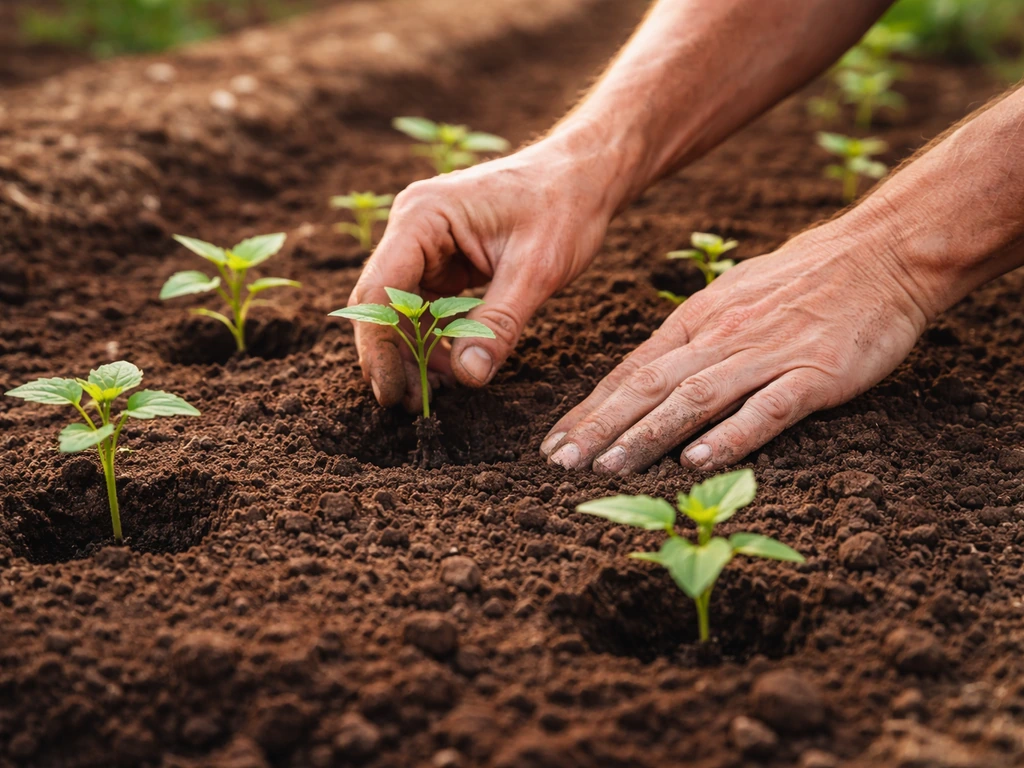
Transplanting is a make-or-break moment for Amaranthus caudatus. Harden off your indoor seedlings gradually over 7 to 10 days before moving them outside permanently. Start by putting them in a sheltered, partially shaded spot for a few hours each day, then gradually increase sun exposure and time outdoors. Skipping this step often causes transplant shock and setbacks of 2 to 3 weeks.
- Choose a cloudy day or late afternoon for transplanting to reduce stress from heat and direct sun.
- Dig holes slightly larger than the root ball. If your seedlings are a little leggy, plant them an inch or two deeper than they were in the tray — amaranth handles this well.
- Water in thoroughly right after planting. A diluted liquid seaweed or kelp fertilizer at this stage helps with transplant stress.
- Check on them daily for the first week. Wilting in the first 24 to 48 hours is normal; wilting that persists after day 3 may signal root damage or dryness.
- Once you see new growth emerging from the growing tip, the plant has established and you can relax your watering schedule.
One note on growth rate: once established, Amaranthus caudatus moves fast. It's not unusual to see 6 to 8 inches of growth per week in hot weather. If seedlings seem stalled for more than two weeks after transplanting, check for pests at the soil line or consider whether temperatures are still too cool. VDict — “velvet flower” (dictionary entry) notes that a common English-language gardening dictionary entry reports that “velvet flower” is used for Amaranthus caudatus (and related species), described as having flowers and producing young leaves/seeds used as food.
Blooming season: what to expect, and keeping plants healthy
When do the flowers appear?
Expect the first tassels to emerge roughly 70 to 90 days from sowing, or about 6 to 8 weeks after transplanting outdoor-hardened seedlings. The initial tassel grows from the central growing tip. As that matures, side shoots develop their own smaller tassels, and the plant becomes quite spectacular. Plants typically stay in bloom for 6 to 8 weeks. In warmer zones (8+), they can bloom into October.
Deadheading: yes or no?
Amaranthus caudatus doesn't require deadheading the way some annuals do, and if you want to collect seeds at the end of the season, you absolutely don't want to remove the spent tassels too early. That said, if you're growing purely for ornamental display and want to prolong flowering, trimming spent tassels encourages new side-shoot flowers. For cut flower use, harvest tassels when they're fully colored but before seed development begins, usually when the lower portion of the tassel starts to look a little rough.
Pests and diseases to watch for
- Aphids: Common on new growth. Knock them off with a strong spray of water or apply insecticidal soap. Check the undersides of leaves near the base of the tassel.
- Leaf miners: Leave characteristic 'squiggly' trails in leaves. Remove and destroy affected leaves. Not usually fatal to healthy plants.
- Root rot: Almost always caused by overwatering or poor drainage. If the lower stem turns mushy and dark at soil level, the plant is unlikely to recover. Prevention is everything — don't overwater.
- Fungal leaf spots: More common in humid climates with poor airflow. Space plants properly, avoid overhead watering in the evening, and remove affected foliage promptly.
- Caterpillars and earwigs: Occasional visitors. Hand-pick or use a neem oil spray as a gentle deterrent.
Overall, Amaranthus caudatus is one of the more pest-resistant annuals you can grow. It doesn't attract the heavy caterpillar pressure you'd see on something like a nasturtium, and it shrugs off heat stress that would flatten other flowers. If something does go wrong, root or stem issues caused by water problems are the most likely culprit.
Harvesting, seed saving, and what to do at season's end
Cutting flowers for arrangements
Amaranthus caudatus makes an outstanding cut flower. Cut stems in the morning when tassels are fully colored but the tiny individual flowers are not yet shedding pollen heavily. Strip the lower leaves, place in deep water immediately, and re-cut the stem at an angle. Tassels last 7 to 14 days in a vase. They also dry beautifully, hang stems upside down in a cool, dry, airy space for 2 to 3 weeks for everlasting arrangements.
Saving seeds for next year
This is one of the easiest flowers to save seed from. THC flower is typically grown the same way as other cannabis, but with attention to lighting, nutrients, and harvest timing to maximize THCA content. If you are wondering how to grow chorus flower, the best results come from dialing in warmth, sunlight, and consistent early care the way you would for other summer bloomers.
Amaranthus caudatus is prolific, a single mature tassel can contain thousands of tiny seeds. Wait until the tassel has dried on the plant and the seeds begin to fall when you rub the tassel between your fingers. Cut the entire tassel off and hold it over a clean bucket or bag, then rub and shake it firmly. The seeds are small and chaff-like, so do this on a calm day or indoors.
Spread the harvest on a tray to dry for another 1 to 2 weeks before storing in a cool, dry place in a labeled paper envelope or glass jar. Stored properly, amaranth seeds remain viable for 3 to 5 years.
End of season cleanup
After the first frost kills the plants, pull them out and compost the stalks (unless you saw disease problems, in which case bin or burn them). Be aware that Amaranthus caudatus self-seeds readily, so if you leave seed heads on the plant through fall, expect volunteers the following spring. That's either a bonus or a nuisance depending on your garden style. A thick layer of mulch over the bed through winter suppresses some of that volunteer germination if you'd prefer a clean slate. Come spring, you can choose to let a few volunteers grow or pull them and start fresh with seed.
A quick note on related plants you might be growing nearby
If you're already exploring other dramatic or unusual annuals in your cutting garden, Amaranthus caudatus pairs beautifully with tall celosias, bold bat flowers, and structural plants like chocolate lace flower. Many of the same seed-starting principles here, warm germination temperatures, careful hardening off, well-draining soil, apply across these varieties, so you're building skills that carry over with every new plant you try.
FAQ
How deep should I plant velvet flower (Amaranthus caudatus) seeds, and do they need light to germinate?
Press seeds lightly into the soil surface and cover with only a dusting of fine compost, no more than about 1/8 inch. They germinate best when the seed is near the surface, and you should keep the top layer consistently moist until sprouts appear (often 10 to 14 days in warm conditions).
Why aren’t my velvet flower seeds sprouting after two weeks?
Most commonly the ground is still too cool (ideal is 60°F or warmer), the seeds were covered too deeply, or the surface crust dried out between waterings. Also check that you pressed them into contact with the soil, then resume with gentle moisture and wait a few more days if temperatures are rising.
When should I thin velvet flower seedlings, and how much spacing is enough?
Thin once seedlings are about 3 to 4 inches tall. Aim for 12 to 18 inches apart for sturdy plants and strong tassels, because overcrowding leads to weak, floppy stems and smaller flower displays.
Can I start velvet flower in containers instead of the ground?
Yes, but use a pot with real drainage holes and a well-draining mix, because waterlogged roots are the main failure point. Keep watering consistent during early establishment, then let the top inch dry between deep waterings as the plants get larger.
What’s the best way to water velvet flower so I don’t overdo it?
After planting and during early root establishment, water regularly, then shift to deep watering once or twice per week. Let the top inch dry before watering again, and avoid frequent shallow sips which keep roots too wet.
Should I fertilize velvet flower, and how do I avoid getting lots of leaves but few flowers?
Use restraint. If soil is decent, a single balanced slow-release feeding at planting time is usually enough. If soil is poor, a light mid-summer liquid feed can help, but repeated or high-nitrogen feeding often reduces tassel production.
How do I know if transplant shock is happening, and what can I do?
If growth stalls for more than about two weeks after transplanting, and especially if plants look stressed, double-check hardening-off and daytime temperatures. Ensure gradual exposure over 7 to 10 days, move to a sheltered spot for the first few days outdoors, and confirm the soil is warm enough.
Do I need to deadhead velvet flower to keep it blooming?
Not if you want seed. Amaranthus caudatus does not require deadheading the way many annuals do. If you are growing mainly for decoration and want longer display, trimming spent tassels can encourage new side-shoot blooms, but stop before seed development if seed saving matters.
When is the best time to harvest velvet flower for cut arrangements?
Harvest in the morning when tassels are fully colored but before the tiny flowers are shedding heavily. For longest vase life, place stems in deep water immediately after cutting and re-cut the stem at an angle. Tassels typically last 7 to 14 days in a vase.
How can I save velvet flower seeds without losing them to self-seeding?
Wait until tassels dry on the plant and seeds start falling when rubbed between your fingers. Cut the entire tassel and process indoors or on a calm day because seeds are tiny and chaff-like. If you want fewer volunteers next spring, do not leave seed heads on through fall, and cover the bed with mulch through winter.
Is velvet flower (Amaranthus caudatus) safe to grow near pets or kids?
It is an ornamental annual with edible seeds in some cultures, but it can also be confused in search results with unrelated plants nicknamed “velvet flower.” If you have concerns, confirm the exact species you’re growing (Amaranthus caudatus) and avoid letting children and pets handle or ingest unknown plant parts.
Next Article
How to Grow Chamanthi Flowers From Seed to Harvest
Step-by-step seed to harvest guide for growing chamanthi at home, with care, troubleshooting, and bloom harvesting tips.