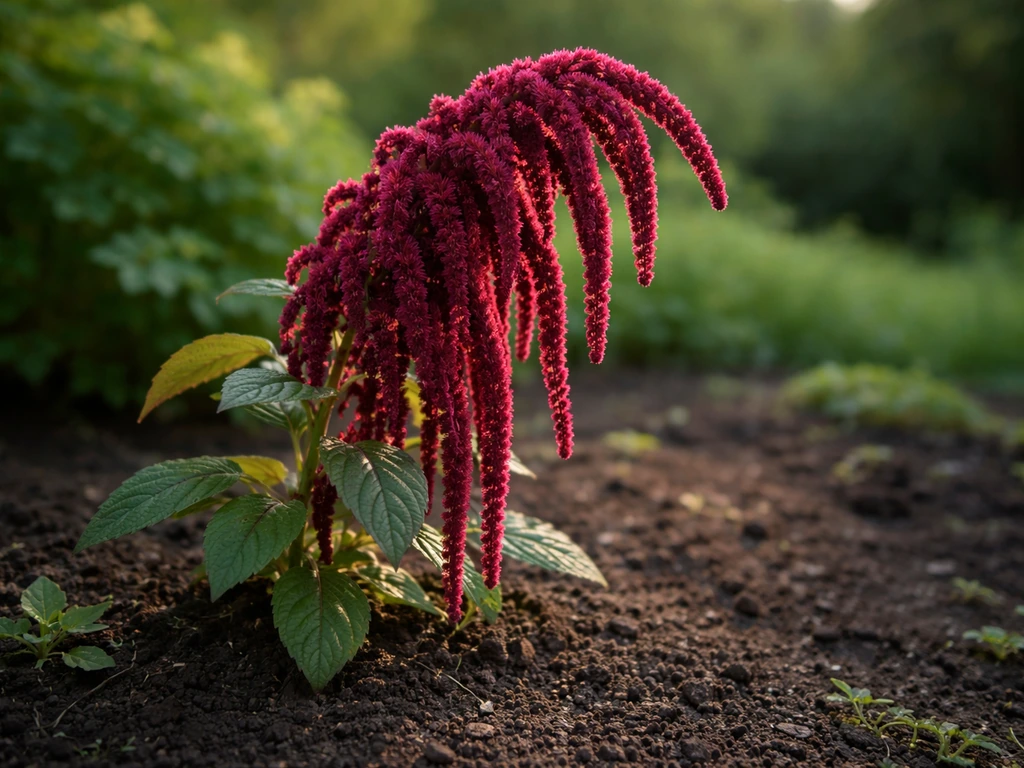
Chocolate lace flower 'Dara' (Daucus carota 'Dara') is one of the most rewarding flowers you can grow from seed. Direct sow it in early spring into full sun and well-drained soil, keep the surface moist for about two weeks while it germinates, thin to 12 inches apart, and by mid to late summer you'll have 3 to 4 foot stems topped with deep red to burgundy umbels that are flat-out stunning in a vase. It takes a little patience, but the workflow is genuinely beginner-friendly once you understand a few key quirks. Once your chocolate lace flower is established, follow the same step-by-step approach below to keep it blooming and growing well how to grow chorus flower.
How to Grow Chocolate Lace Flower From Seed to Bloom
Marcus Holloway
19 Jun 2026
What chocolate lace flower is and where it fits in the garden
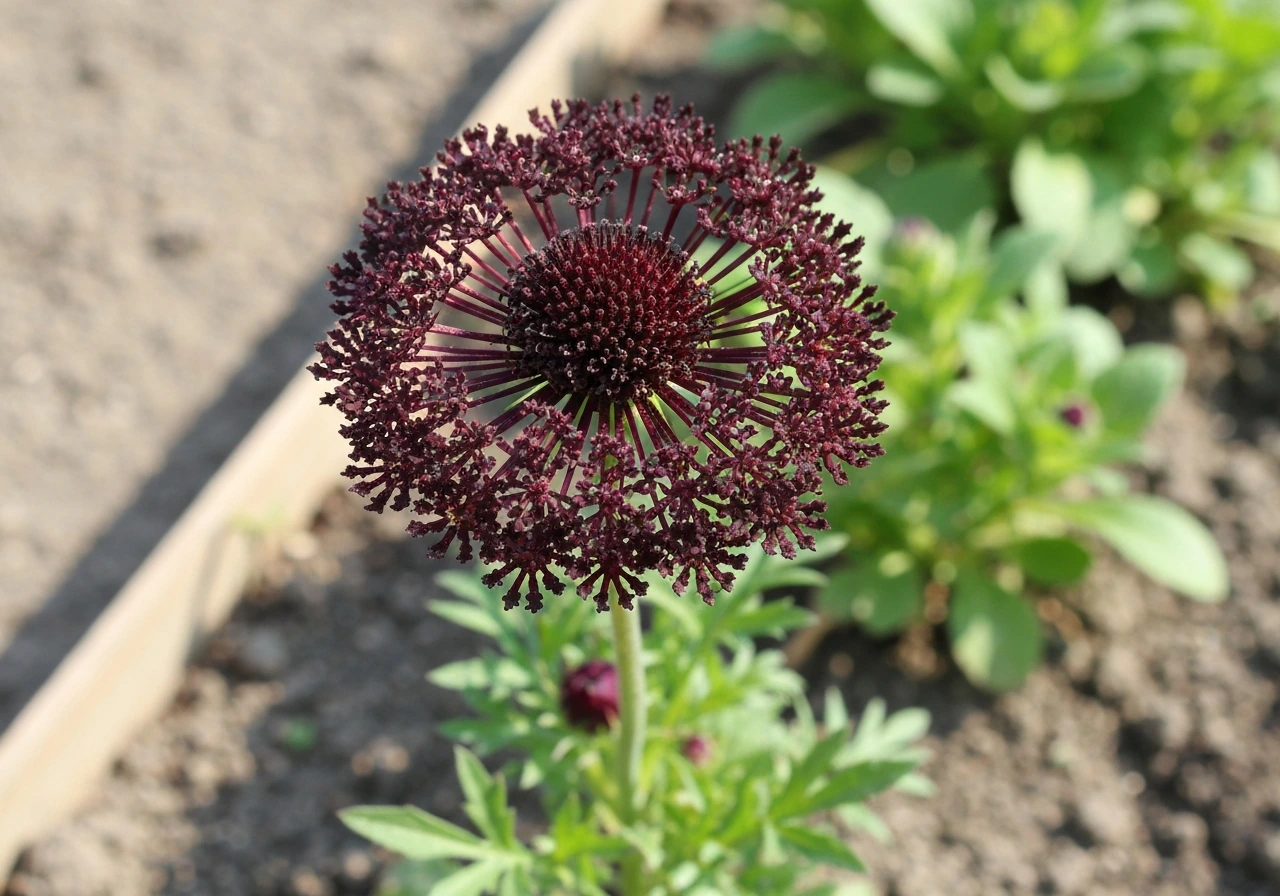
Chocolate lace flower is the common name for Daucus carota 'Dara,' a cultivated selection of wild carrot in the Apiaceae (carrot) family. You might also see it sold under the names Queen Anne's lace, bishop's lace, or carrot flower. The 'Dara' cultivar is what most people are shopping for when they search for chocolate lace: it opens a deep, rich burgundy-red and gradually fades through pink tones as the season progresses, giving one planting a multi-colored effect over time. It is technically a hardy biennial, meaning in its natural cycle it flowers in its second year, but when sown early enough in the season, most gardeners get reliable first-year bloom.
In the garden, 'Dara' functions as a tall lacy filler. It grows 36 to 50 inches tall, and those flat-topped flower heads add texture and movement that most solid-colored flowers simply can't provide. It works beautifully in cottage borders, cutting gardens, meadow-style plantings, and mixed beds with taller companions. If you've grown plants like bellflowers or velvet flower and wanted something with a more wild, airy quality, this is it.
If you’re also wondering how to grow bellflowers, the key is to match the site and watering to their needs so they thrive alongside your chocolate lace flower. It's also a genuine workhorse for anyone building a cut-flower garden since the flower trade uses it constantly as a filler in bouquets.
When to plant: timing for seeds, seedlings, and outdoor conditions
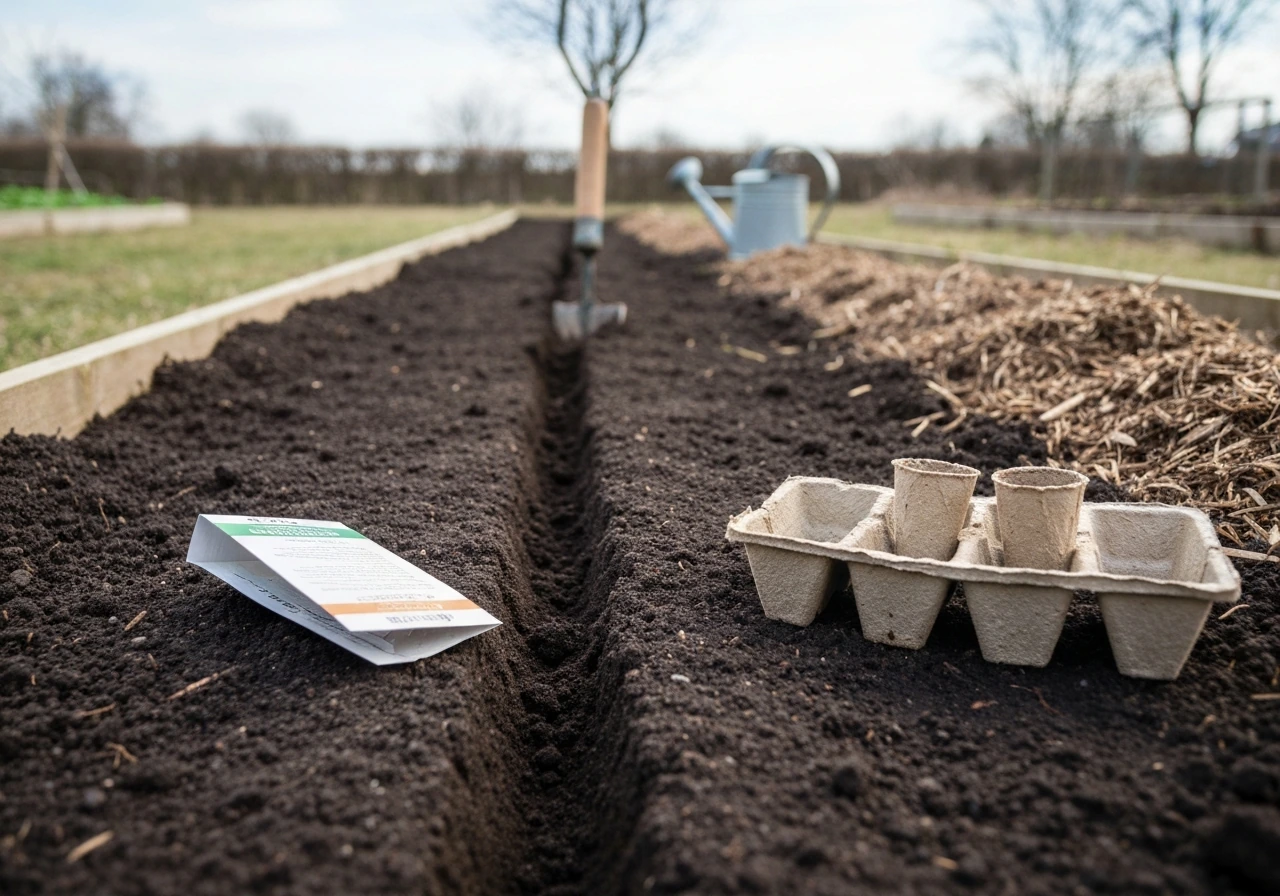
Timing is one place where a lot of gardeners trip up with 'Dara,' so let's be specific. The seeds are cool-season germinators, meaning they perform best when soil temperatures are around 55 to 65°F (13 to 18°C). That puts your direct sowing window in early spring, right around or just after your last frost date when the soil is still cool. If you're in a warmer climate and your spring heats up fast, sow as soon as the ground can be worked.
If you want to start seeds indoors, begin about 4 to 6 weeks before your planned outdoor planting date. The critical thing to understand here is that 'Dara' develops a taproot early (it's a carrot relative, after all) and it genuinely dislikes having that root disturbed. If you go the indoor route, use deep individual cells or root trainers rather than a standard shallow tray. That said, direct sowing is the recommended method for this plant, and it's what I'd suggest if you have any flexibility.
Choosing soil, light, and watering for strong growth
blank" rel="noopener noreferrer">Full sun is non-negotiable for 'Dara.' Every credible source lines up on this: RHS, Chicago Botanic Garden, BBC Gardeners World, White Flower Farm. Give it at least 6 hours of direct sun per day, and it will reward you. If you are specifically trying to learn how to grow chamanthi flowers, the same principles of timing, full sun, and good drainage will help you dial in results. In partial shade, expect lanky stems and sparse flowering.
For soil, you want well-drained ground above everything else. Sandy loam, chalky soil, or standard garden loam all work well. The plant does not like to sit in waterlogged conditions. A soil pH in the 6.0 to 7.5 range is ideal. If your soil is heavy clay, work in some grit or compost to improve drainage before sowing. Rich, over-fertilized beds can push leafy growth at the expense of flowers, so lean soil is actually fine for this plant.
Watering needs are genuinely low once the plant is established. Keep the soil surface consistently moist during the germination window, then after establishment water deeply but infrequently. If you are also wondering how to grow bat flower, the key is to mimic its natural conditions with the right light, soil, and careful watering. 'Dara' is listed as a low-water plant, and that tracks with its wild carrot roots. It handles dry spells far better than it handles constant wet feet.
How to sow chocolate lace flower seeds (indoors vs direct sow)
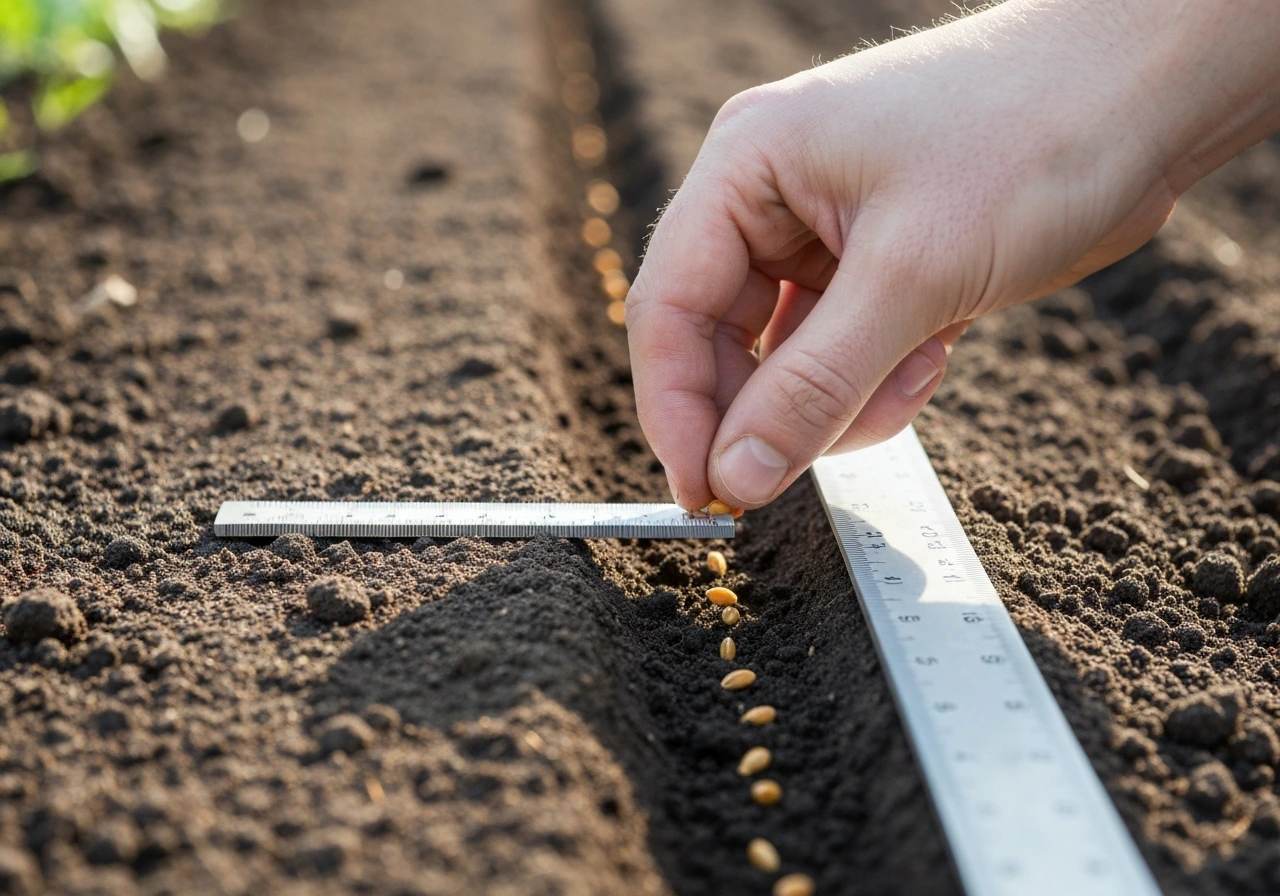
Direct sowing (recommended)
- Prepare your bed. Clear weeds, rake the soil to a fine, smooth texture, and firm it lightly. Good seed-to-soil contact makes a real difference with these tiny seeds.
- Sow shallowly. The seeds go only about 1/8 inch (3 mm) deep. This is shallower than most seeds you'll work with. Press them into a shallow furrow and cover with the thinnest layer of fine soil.
- Water gently. Use a fine mist or a watering can with a rose head so you don't displace the seeds. The goal is to dampen the soil surface without washing seeds around.
- Mark your rows. These seeds take 10 to 20 days to germinate (12 to 16 days is typical at 60 to 65°F). Mark the area so you don't accidentally disturb it or mistake seedlings for weeds.
- Keep the surface moist. This is the most important step during germination. Shallow-sown seeds dry out fast. Check daily and water lightly if the surface looks dry.
Starting indoors (if your season is short)
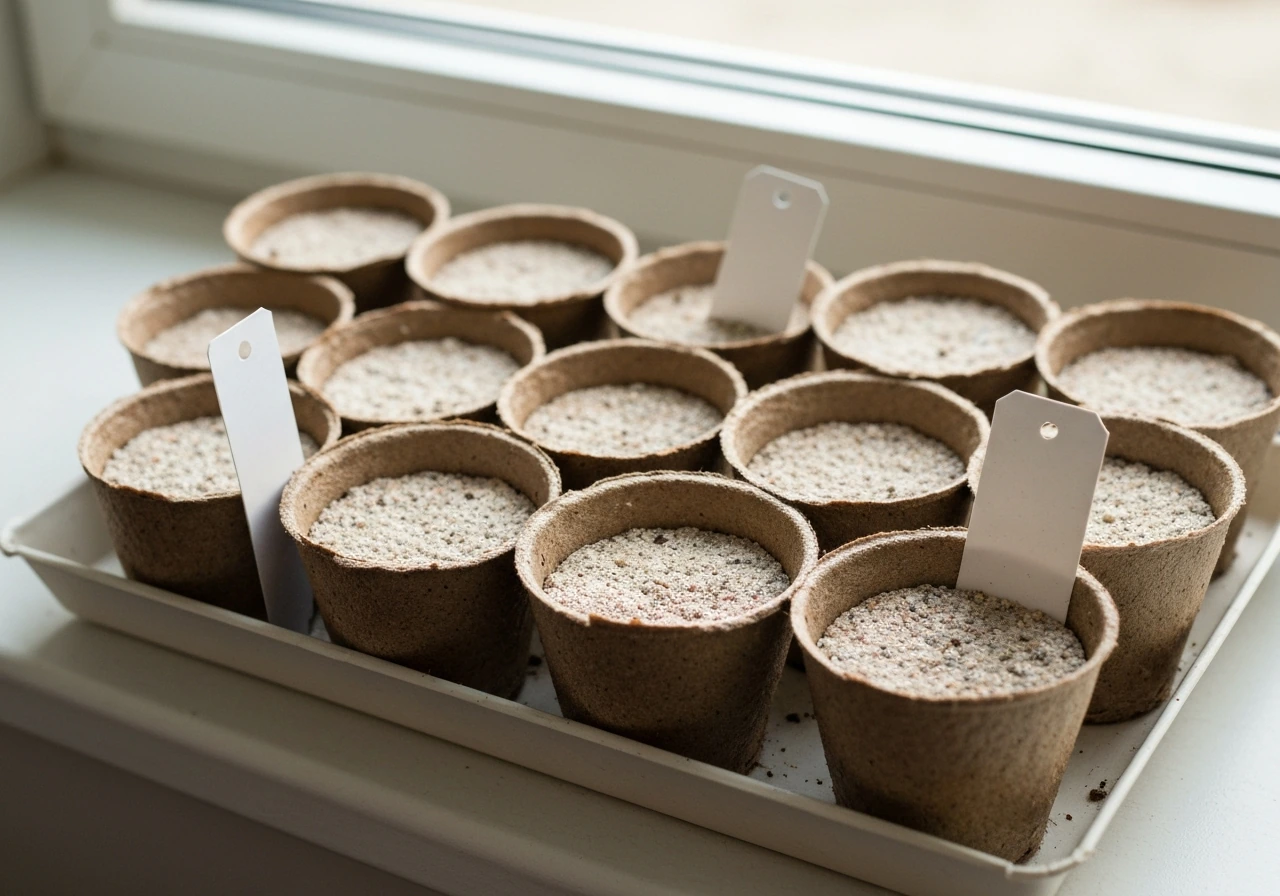
- Use deep individual cells or biodegradable pots. Root trainers or 3-inch deep cell trays work well. Avoid shallow plug trays.
- Fill with a light, well-draining seed-starting mix. Sow one or two seeds per cell at 1/8 inch depth.
- Maintain soil temps around 60 to 65°F. A heat mat set at this range helps hit that germination window. Expect sprouts in 12 to 16 days.
- Move seedlings to bright light immediately after germination to prevent legginess. A south-facing window or grow light positioned 2 to 3 inches above the seedlings works.
- Transplant carefully at 4 to 6 weeks, disturbing the roots as little as possible. Water in gently and watch for transplant shock over the first few days.
One honest note on indoor starting: because 'Dara' has that taproot instinct, even careful transplanting can set plants back temporarily. If you have the outdoor space and the timing works, direct sowing will give you stronger, less stressed plants.
Seedling and young-plant care: thinning, spacing, feeding
Once your seedlings are about 2 to 3 inches tall, it's time to thin. This step feels brutal, but crowded 'Dara' plants compete for light and air and end up weaker and more prone to disease. Thin to one plant every 12 inches. If you want a denser, more meadow-like planting, you can go up to one plant every 6 to 9 inches, but 12 inches is the sweet spot for strong stems and good airflow. Snip thinned seedlings at soil level rather than pulling them, to avoid disturbing the roots of the plants you're keeping.
Feeding is one area where less is genuinely more with 'Dara.' Because it performs well in lean to moderately fertile soils, heavy feeding with high-nitrogen fertilizers will push leafy growth and delay or reduce flowering. If your soil is very poor, a single light application of a balanced fertilizer at planting is fine. Otherwise, skip the feeding schedule entirely. If you amended with compost before sowing, that's likely all the nutrition these plants need for the season.
Troubleshooting early problems
- Poor germination: The most common cause is a dry soil surface. These shallow-sown seeds cannot pull moisture from deeper in the soil profile. Water daily during the germination window if needed.
- Leggy seedlings (indoors): Move them closer to the light source immediately. A leggy indoor seedling is almost always a light problem, not a watering or fertility issue.
- Slow early growth: 'Dara' puts energy into its taproot before it visibly takes off above ground. This is normal. Don't be tempted to over-fertilize to push it along.
- Transplant shock: Expected with indoor-started plants. Keep transplants well-watered for the first week and shelter from harsh afternoon sun for a few days if possible.
Flowering and maintenance: staking, deadheading, pest and disease watch
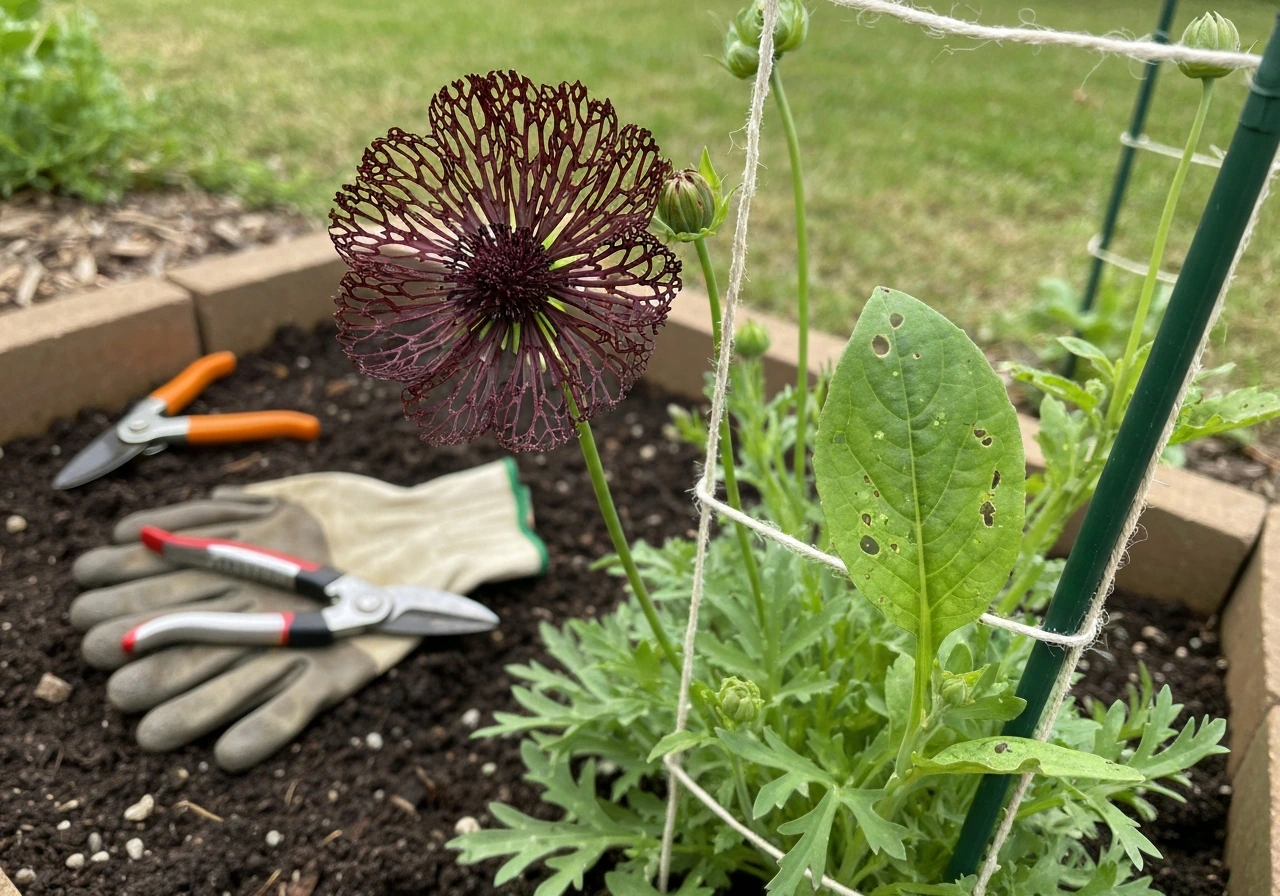
Once 'Dara' hits its stride, it doesn't ask for much. If you want the full step-by-step, follow the same growing guidance used for how to grow velvet flower Once 'Dara' hits its stride. The flower heads open deep burgundy-red and fade gracefully through pinks over time, which gives the planting a naturally varied look. At 36 to 50 inches tall, the stems can flop in windy spots or heavy rain. If you're growing in an exposed location, some support helps. A simple ring of stakes and twine around a cluster of plants, or a grow-through grid set up early in the season, keeps things upright without the work of staking each individual stem.
Deadheading is worth a conversation with yourself before you start cutting. If you remove spent flower heads regularly, you'll encourage the plant to keep producing new blooms and extend the season. If you leave some heads in place, 'Dara' will self-seed and you may get volunteers coming up next spring with zero extra effort on your part. The plant is described as a reseeder where it's happy, so this can be a genuine labor-saver for next season. I tend to deadhead the first flush, then let the later heads set seed.
On the pest and disease front, 'Dara' is reasonably tough. Good spacing and full-sun placement prevent the main problems. Watch for aphids clustering on new growth, especially in early summer. A sharp spray of water knocks them off most of the time. Powdery mildew can appear in very humid conditions or when plants are crowded. The fix is better airflow, which is why the 12-inch spacing recommendation isn't just about aesthetics. Root rot is only a risk in waterlogged soil, so make sure drainage is solid from the start.
Harvest and seed saving (and how to start again next season)
Cutting flowers for the vase
For the best vase life, cut 'Dara' stems when the flower head is about three-quarters open. Early morning is the best time to harvest, when stems are fully hydrated. Strip the lower leaves, place in water immediately, and change the water every two days. As a filler flower, it pairs beautifully with almost any upright bloom and adds that airy, wild quality that tight-headed flowers can't deliver on their own.
Saving seed to repeat the process next year
Saving seed from 'Dara' is simple and very worth doing, especially since it is an open-pollinated cultivar. If you want a wider set of bloom tips, this is also a useful starting point for how to grow cat's eye flowers, since similar full-sun and drainage basics apply. Here's the process: Garden Organic also notes that blank" rel="noopener noreferrer">drying saved seeds down to around 5% moisture can prolong seed life, and it recommends cool, dry storage such as a fridge or freezer for longer storage.
- Leave several strong, healthy flower heads on the plant after they've fully opened. Watch them as the season progresses.
- When the seed heads turn brown and dry on the stem (but before they fully shatter and drop), cut the whole stem and bring it indoors.
- Place the stem upside-down in a paper bag in a dry, ventilated spot for a week or two. The seeds will drop into the bag as they dry.
- Remove any obvious chaff, then lay seeds on a paper towel for a few more days to ensure thorough drying. You're aiming for very dry seeds before storage.
- Store seeds in a sealed envelope inside an airtight container in a cool, dry spot. A fridge works well for longer-term storage. Label with the variety name and date.
- Properly dried and stored seeds can remain viable for several years. Use them the following spring using the same direct-sow workflow you started with.
The other low-effort option is simply to let a few plants self-seed naturally. If 'Dara' is happy in your garden, it will drop seeds and produce volunteers the following season. You lose a little control over placement, but you gain a self-sustaining patch that more or less takes care of itself year after year. Either approach works; seed saving gives you more control, and self-seeding gives you less work.
A quick-reference summary of key numbers
| Factor | Recommendation |
|---|---|
| Sowing depth | 1/8 inch (3 mm) |
| Germination temperature | 60 to 65°F (16 to 18°C) |
| Germination time | 10 to 20 days (typically 12 to 16 days) |
| Indoor start lead time | 4 to 6 weeks before planting out |
| Plant spacing | 12 inches (up to 24 inches in looser plantings) |
| Mature height | 36 to 50 inches |
| Sun requirement | Full sun (minimum 6 hours direct) |
| Soil preference | Well-drained, pH 6.0 to 7.5 |
| Water needs | Low once established; keep moist during germination |
If you can commit to getting the sowing timing right, keeping that soil surface damp through germination, and thinning properly, 'Dara' will do most of the work for you. It's genuinely one of those flowers that rewards a little early attention with a big seasonal payoff, and once you have a healthy patch going, keeping it going from saved seed is almost effortless. THCA flower is grown using specific cannabis cultivation methods and careful harvesting and drying to preserve cannabinoids how do they grow thca flower.
FAQ
Why didn’t my chocolate lace flower seeds germinate after two weeks?
Chocolate lace flower can take longer than expected if the top layer dries out or if temperatures run outside the cool range. Keep the surface consistently moist, and if you are sowing in warmer weather, try sowing in the coolest part of the day or lightly shade the seed bed until sprouts appear. Also confirm the seed is fresh, because older seed often has lower germination rates.
Can I grow chocolate lace flower in containers?
Yes, but use a deep container so the taproot has room, and prioritize fast drainage. Choose a wide pot to handle the plant’s spacing needs, and avoid rich compost-heavy mixes because it can lead to lots of foliage with fewer blooms. Water regularly while germinating, then shift to deeper, less frequent watering once established.
How thin is too thin, and how thin is too crowded for best blooms?
Thinning is one of the biggest quality drivers. If you thin wider than about 12 inches, stems often get stronger but your display will be sparser. If you thin closer than 6 to 9 inches, you may get a denser look, but airflow drops and powdery mildew becomes more likely in humid weather.
What should I do if the plants flop over in wind or heavy rain?
Support early, before stems fully extend. A stake ring with twine around a cluster works well, or set a grow-through grid at planting time. Waiting until after the plants lean often means you will break stems or crack crowns when you try to straighten them.
Do I really need full sun, or will part shade still produce flowers?
Part shade usually reduces flowering and increases legginess, even if the plant survives. Aim for at least 6 hours of direct sun, and if your location gets strong afternoon heat, choose a spot that still receives morning sun plus protection from harsh midday stress if needed.
Will deadheading stop chocolate lace flower from reseeding?
Deadheading reduces self-seeding, but it does not eliminate it if you still allow some flower heads to mature. If you want volunteers next year, leave a few umbels intact while deadheading the rest, or let later heads set seed after the first flush.
How do I harvest seed from open-pollinated 'Dara' without losing it?
Let seed heads fully mature on the plant, then harvest before they fully loosen and drop. Store in a cool, dry place, and label the batch by date and location so you can compare germination next spring. Because it self-seeds easily, consider bagging a few heads with breathable fabric when they start drying.
Is chocolate lace flower safe near lawns or pets?
Because it is a cultivated wild-carrot relative, treat it like a potentially grazing-risk plant and keep it away from animals that chew vegetation. If you have pets or livestock that roam freely, consider fencing or container growing, and avoid letting seedlings volunteer in areas they frequently access.
Why do I get powdery mildew even when I thin?
Thick foliage plus humid conditions can still trigger powdery mildew. Make sure plants get true air movement, avoid wetting foliage, and consider relocating to a less shaded spot. If mildew appears, remove heavily affected leaves and improve airflow rather than adding extra fertilizer, since high growth can make the problem worse.
Should I fertilize, or will compost be enough?
Compost often is sufficient if you amended before sowing, especially since 'Dara' performs better in lean to moderately fertile soil. If you see strong leafy growth with few blooms, stop feeding and rely on your existing soil. If your soil is very poor, a single light balanced fertilizer application at planting is the safer choice than repeated feeding.
Next Article
How to Grow Velvet Flower From Seed Step by Step
Step-by-step guide to grow velvet flower from seed, including soil, timing, sowing depth, watering, transplanting, and t