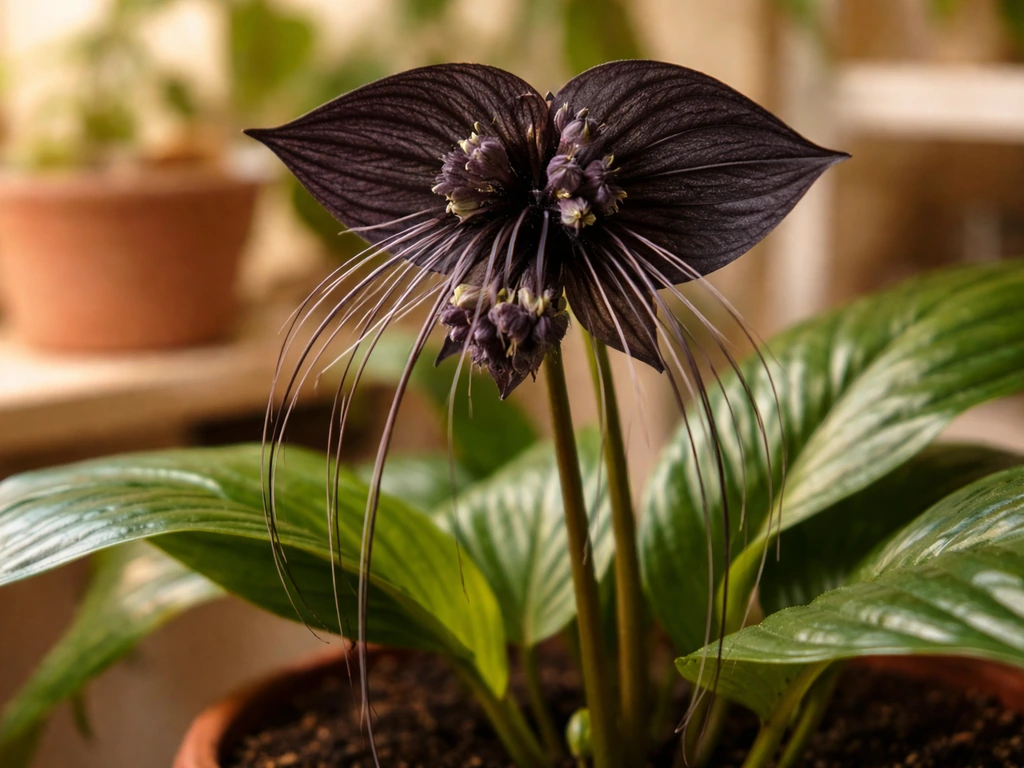
Bat flower (Tacca chantrieri) is one of the most dramatic-looking plants you can grow, with dark, almost black blooms and long whisker-like bracts that can stretch 12 inches or more. But let's be honest upfront: growing it from seed is a slow, patience-testing project. Germination can take anywhere from 1 to 9 months, and plants typically take 2 to 3 years to reach flowering size. If you go in knowing that, this plant becomes very manageable.
How to Grow Bat Flower From Seed: Step-by-Step Guide

Marcus Holloway
5 Jun 2026
The keys are warmth, humidity, bright indirect light, and never letting the roots sit in soggy soil. Get those four things right and you will eventually be rewarded with something that stops people in their tracks. If you are also curious about how THCA flower is grown, the basic principles start with choosing the right cannabis variety and controlling light, temperature, and curing conditions.
What bat flower is and what you actually need to succeed
Tacca chantrieri, the Black Bat Flower, is a tropical understory plant native to Southeast Asian jungles. It grows naturally in warm, humid, shaded forest floors, which tells you almost everything about what it wants from you. This is not a sun-loving cottage garden flower like a cosmos or marigold. It wants filtered light, consistent warmth, and humid air. It is most often grown as a container plant indoors or in a greenhouse in temperate climates, since it cannot tolerate frost and suffers below about 59°F (15°C).
Before you buy seeds, make sure you can genuinely provide the following conditions. If you can check all of these boxes, you are set up for success.
- Temperatures consistently between 77°F and 84°F (25–29°C) during the growing season
- Bright, indirect light — think a north or east-facing windowsill, or a spot set back from a south/west window
- High humidity — a bathroom, greenhouse, or humidity tray all work
- A well-draining, slightly acidic growing mix (pH around 4.5 to 6.5)
- Patience — this is a multi-year project from seed to first bloom
One more thing worth knowing: there is also a white variety called Tacca nivea (White Bat Flower). The growing approach is nearly identical, though some growers find T. nivea slightly more forgiving. If you are just starting out, either species works with the same method described below.
When to start bat flower seeds
Because bat flower is grown almost entirely indoors or in a controlled environment, the usual outdoor frost-date timing rules do not apply the way they would for an annual flower. You can start seeds at any time of year as long as you can maintain the right temperature. That said, starting in late winter to early spring (January through March in the Northern Hemisphere) is practical because it aligns the seedlings' early growth with increasing daylight hours, which helps even for an indirect-light plant.
If you are in a tropical or subtropical climate (USDA zones 10–12) and plan to grow bat flower outdoors or in a shaded garden bed, start seeds in early spring so young plants establish during the warm season. In any cooler climate, keep this as an indoor or greenhouse project year-round. Trying to rush bat flower by starting it in a cold garage or unheated shed in winter will stall germination completely, the seeds simply will not sprout below about 75°F.
How to grow bat flower from seed
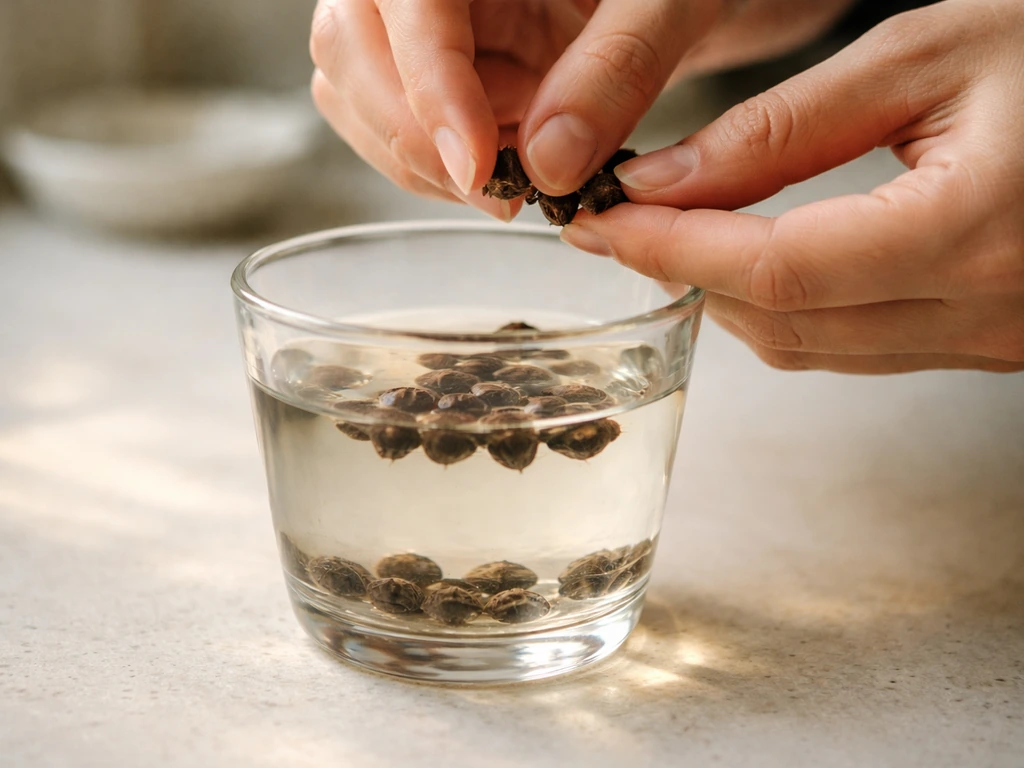
Bat flower seeds have a tough outer coat, which is a big reason germination is so slow. blank" rel="noopener noreferrer">Softening that coat before sowing makes a real difference. Here is the method that gives the best results for home gardeners. For bat flower seeds (such as blank" rel="noopener noreferrer">Tacca nivea), soaking the seeds in hot water for 24 hours in a thermos can help soften the seed coat before sowing on a heating mat with temperatures around 80, 85°F (27, 29°C), and the seeds need light to germinate. If you are also learning how to grow velvet flower, the key is matching the right temperature and moisture to the plant’s needs.
- Soak seeds in warm water for 24 hours before sowing. Some growers use a thermos filled with hot (not boiling) water to maintain the temperature through the soak. This softens the seed coat and kickstarts the process.
- Prepare your sowing mix. Use a 50/50 blend of peat (or coco coir) and perlite, or a cactus mix with added perlite. The goal is a light, free-draining medium that holds some moisture without becoming waterlogged. Avoid heavy potting soils.
- Fill a small seed tray or 3-inch pots with your moistened mix. Dampen it so it holds together when squeezed, but water does not drip out freely.
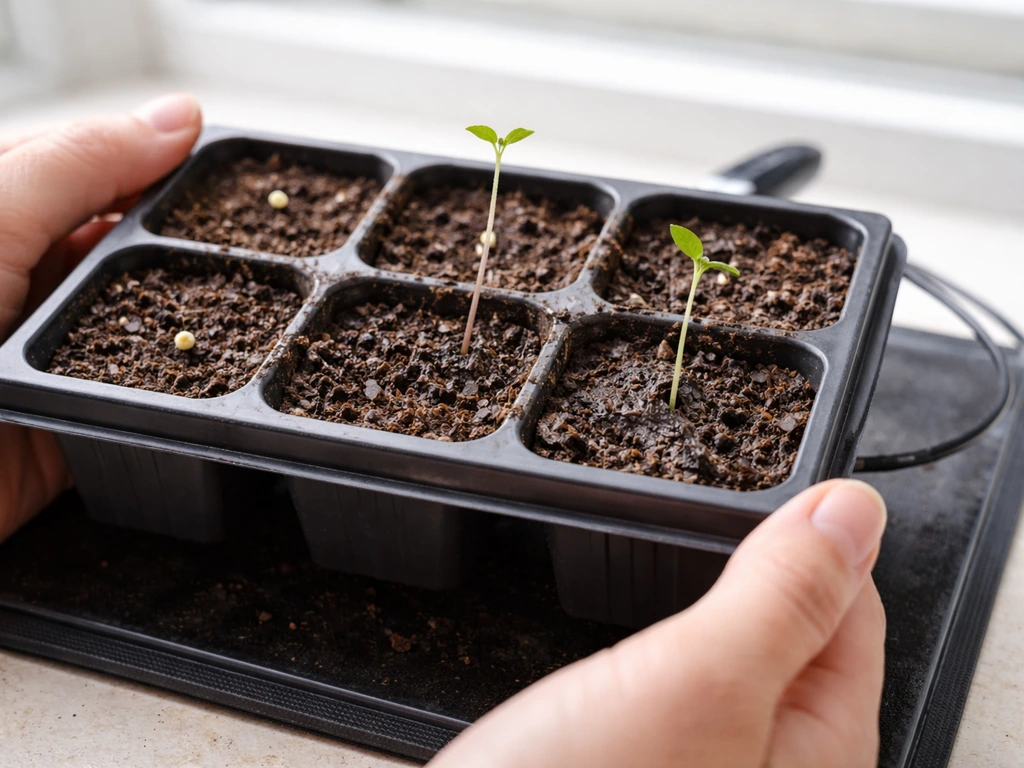
- Sow seeds on the surface. Bat flower seeds need light to germinate, so do not bury them. Press them gently onto the surface and cover with only a very thin dusting of sand or fine grit — just enough to keep them in contact with the mix.
- Cover the tray with a clear plastic dome or wrap it in a clear plastic bag. This keeps humidity high and warmth consistent, which is critical.
- Place the tray on a heat mat set to 78–85°F (25–29°C). This is the single most important factor for germination. A warm bathroom shelf works if you do not have a heat mat, but a mat gives you reliable, consistent temperature.
- Keep the surface moist but never waterlogged. Mist lightly with a spray bottle every few days rather than watering heavily. Soggy compost at this stage is the fastest way to lose your seeds to rot.
What to expect during germination
This is where patience comes in. Bat flower germination is notoriously erratic. Some seeds may sprout in 4 to 6 weeks under ideal conditions, but it is completely normal for nothing to happen for 3, 4, or even 6 months. Germination rates under good tropical conditions run around 40 to 70 percent, so not every seed will make it even if you do everything right. Do not give up on a tray and toss it after a month or two of nothing. Keep the heat mat running, keep the surface barely moist, and check every week or so. New sprouts can appear months apart from each other.
Caring for bat flower seedlings
Once you see a tiny seedling emerge, the goal shifts to keeping it stable while it builds its first real root system. Seedlings at this stage are fragile and susceptible to damping off (a fungal collapse at the base of the stem) if conditions are wrong.
Light for seedlings
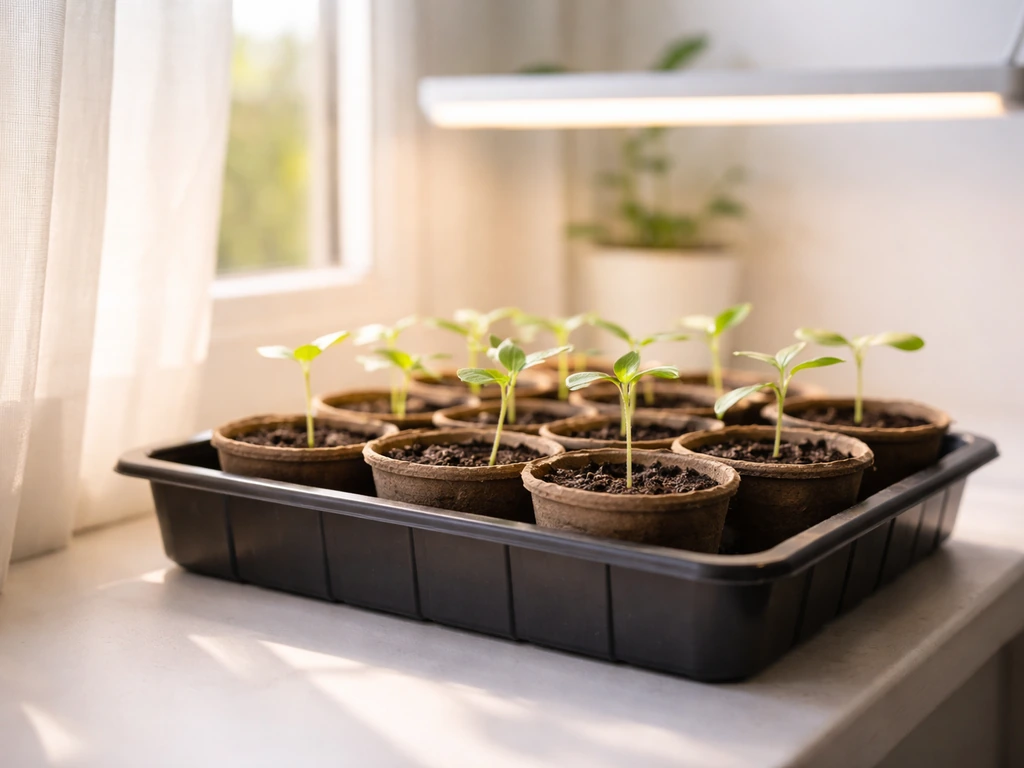
Move your newly sprouted seedlings to bright, indirect light immediately. A spot near a window that gets morning light but no harsh afternoon direct sun is ideal. Under a grow light set to 12 to 14 hours per day at a moderate intensity works well. Direct sun at this stage will scorch the delicate new growth quickly.
Watering seedlings
Continue to mist or water gently from the bottom (set the pot in a shallow dish of water for 20 minutes, then drain) rather than pouring water directly over seedlings. The surface of the mix should never be bone dry, but it also should not stay wet for days at a time. If you poke your finger into the mix and it feels damp an inch below the surface, hold off on watering. Good airflow around the seedlings, even with the humidity dome partially on, helps prevent the stagnant moisture that causes damping off.
Thinning and potting up
If multiple seeds germinated in the same small space, gently separate them once they have two or three leaves. Use a pencil or chopstick to ease them apart and pot each one into its own 3 to 4-inch container. Because bat flower grows from a rhizome and does not like being disturbed too much, the sooner you give each seedling its own space, the better. Handle them by the leaves, not the fragile stem.
Preventing damping off
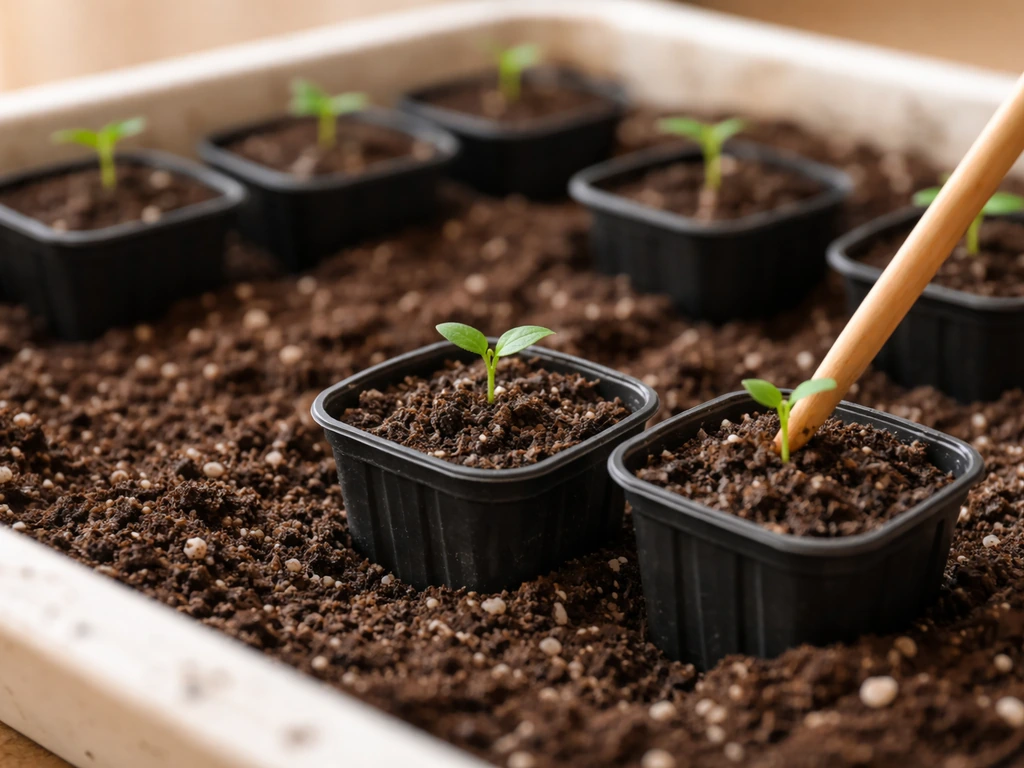
Damping off is the main seedling killer with bat flower. It shows up as a sudden collapse of the stem at soil level, and once it hits, there is no saving that seedling. Prevent it by: using fresh, sterile seed-starting mix (never reuse old potting soil for seeds), avoiding overwatering, keeping air moving slightly around the tray, and not letting water sit on the leaves or crown. Using a clean tray and clean pots also removes the fungal spores that cause the problem in the first place.
Transplanting and the right growing conditions
Bat flower does not need to be transplanted outdoors the way a typical annual does. Instead, think of it as moving the plant into progressively larger containers as it grows. When roots start circling the bottom of the pot or emerging from drainage holes, it is time to size up by one or two inches. Do not go dramatically larger all at once, too much unused soil holds excess moisture and encourages root rot.
Soil
Repot into a well-draining, slightly acidic mix. A blend of peat or coco coir, perlite, and a small amount of bark or coarse sand works well. The target pH is around 4.5 to 6.5. Avoid standard heavy potting soils that retain water for too long. Adding some orchid bark to your mix is a practical trick that improves drainage and mimics the loose forest-floor texture bat flower is adapted to.
Light
Bright, indirect light is non-negotiable at every stage. Direct sun scorches the leaves and bracts and leads to poor flowering. Think of the light under a large tree canopy: bright and ambient, but never harsh and direct. Indoors, a north or east-facing window, or a few feet back from a south-facing window, is a good starting point. If leaves start looking faded or washed out, the light is too intense. If growth is very slow and leaves are dark but small, try moving it closer to the light source.
Temperature and humidity
Keep the plant at 77 to 84°F (25–29°C) during the growing season and never let it drop below 59°F (15°C). If you are growing indoors, most heated homes stay warm enough in summer. Winter is when things can get tricky, keep bat flower away from cold drafts, air conditioning vents, and chilly windowsills. Humidity should be on the higher side; if your home is dry, a pebble tray filled with water under the pot or a small humidifier nearby makes a noticeable difference.
Spacing and container size
A mature bat flower plant fits comfortably in a 10 to 12-inch pot. Give it enough room for the rhizome to spread slightly but not so much pot that the soil stays wet between waterings. If you ever move it to a shaded garden bed in a tropical climate, space plants about 18 to 24 inches apart to allow for the wide leaves.
Feeding, watering, and keeping things on track to bloom
Growing bat flower is a long game, and consistent care over months and years is what gets you to that first bloom. Once you have the basics down, you can follow these same care steps to support steady progress toward flowering how to grow chorus flower. If you are also looking at bellflowers, you can use this same mindset for dialing in light, soil, and consistent moisture, then matching the plant to its ideal growing conditions. Here is how to manage the main inputs.
Watering
Water when the top inch of soil feels dry, then water thoroughly so it drains freely from the bottom. Empty the saucer after 30 minutes so roots are never sitting in standing water. During cooler months or if the plant is growing more slowly, let the soil dry out a bit more between waterings. The rhizome stores water, and consistent overwatering is far more damaging than letting the soil get a little drier than ideal.
Feeding
Feed bat flower with a balanced liquid fertilizer (something like a 10-10-10 or a diluted orchid fertilizer) every two to four weeks during the active growing season (spring through summer). Dilute to half the recommended strength, bat flower is not a heavy feeder and can be burned by too much fertilizer. Stop feeding in autumn and winter when growth naturally slows down. Avoid high-nitrogen feeds, which push leafy growth at the expense of flowers.
Checkpoints along the way
- After germination: move seedlings to indirect light, reduce humidity dome ventilation gradually, and begin gentle bottom watering
- After potting up to individual containers: establish a consistent watering routine and start very diluted feeding after 4 to 6 weeks
- After transplanting to a larger pot: hold off on fertilizing for 4 weeks to avoid stressing newly disturbed roots
- Once the plant has several mature leaves and is filling its pot: maintain regular feeding through the warm months and watch for the first flower scape to emerge
- When buds form: keep conditions especially stable — avoid moving the plant or changing its light exposure, as stress at this stage can cause buds to drop
Plan to repot into a fresh mix every 2 to 3 years even if the plant has not outgrown its container, as old soil breaks down and loses its drainage quality over time.
Troubleshooting the most common problems
| Problem | Likely cause | What to do |
|---|---|---|
| Seeds not germinating after 2+ months | Temperature too low, or seed coat not softened | Check heat mat temperature (must be 78–85°F), re-soak fresh seeds for 24 hours, and keep waiting — germination can take up to 9 months |
| Seedlings collapsing at the base (damping off) | Overwatering and/or poor airflow | Remove affected seedlings immediately, reduce watering, ventilate the tray slightly, and use fresh sterile mix for any resowing |
| Leggy, stretched seedlings | Not enough light | Move closer to the light source or switch to a grow light; 12–14 hours of bright indirect light per day is ideal |
| Yellow or pale leaves on established plant | Too much direct sun or overwatering | Move to a shadier spot and check that water drains freely; let the soil dry slightly more between waterings |
| No blooms after 1–2 years | Plant is not mature enough, or conditions are off | Bat flower typically takes 2–3 years from seed to bloom — keep conditions consistent; check light (too dim = no blooms), feeding schedule, and temperature |
| Brown, crispy leaf edges | Low humidity or direct sun exposure | Increase humidity with a pebble tray or humidifier, and move away from direct sun |
| Root rot / mushy base | Consistently wet soil | Repot into fresh, well-draining mix immediately, trim any rotted roots, and reduce watering frequency going forward |
The single biggest mistake beginners make with bat flower is losing patience during the germination phase and either overwatering the tray out of anxiety or tossing it too soon. Keep the heat mat on, keep the surface barely moist, and give it time. The second biggest mistake is putting the plant in too much direct sun, it looks like it should want sun because it is so dramatic, but it absolutely does not.
Cat's eye flowers also prefer bright, indirect light and careful watering rather than soaking the roots. Treat it like an orchid in terms of light and humidity, and it will reward you eventually. If you want a detailed, step-by-step plan specifically for chamanthi, look up how to grow chamanthi flowers next.
If you enjoy the challenge of unusual, slow-growing flowers and want to explore other distinctive species, some growers find interesting comparisons in the patience required by plants like velvet flower or chocolate lace flower, which also reward careful attention to specific growing conditions. Bat flower sits in its own category, though, there is genuinely nothing else quite like it in the home garden.
FAQ
Can I grow bat flower from seed without a humidifier?
Yes. You can run a heat mat and still be successful without a humidifier, but you need to keep the soil surface “barely moist,” not wet. A common approach is to use the humidity dome only until the first true leaves appear, then rely on gentle bottom-watering and airflow to prevent damping off.
What should I do if my bat flower seeds still have not germinated after a few months?
If seeds do not sprout after 6 months, keep them going longer rather than discarding immediately. Many growers continue checks for up to 9 months, with the same temperature and moisture level, because emergence can happen in staggered waves rather than all at once.
Is it better to mist seedlings or water them normally (top watering)?
Bottom-watering prevents water from pooling near the crown and stem base. Pouring water directly over seedlings is a frequent cause of fungal collapse, especially if the tray stays humid but oxygen is low. If you must mist, mist the air or sides of the tray lightly, not the soil mound.
Why does damping off happen even when I think I’m watering carefully?
Use a clean, sterile seed-starting mix and do not reuse old seed soil, even if it looks fine. Old mixes can harbor dormant fungal spores that reactivate when you add warmth and moisture, which is why damping off often appears suddenly.
How do I know if my bat flower is getting too much or too little light?
Light adjustment should be gradual. If leaves look faded or washed out, increase brightness slightly, but if they bleach or develop scorched patches, move back immediately and check your window for harsh afternoon rays. Under grow lights, keep intensity moderate and keep a 12 to 14 hour light schedule.
What potting mix texture should I look for to avoid root rot?
Aim for a mix that drains quickly but still holds a little moisture, similar to an orchid-style medium. If water takes a long time to drain or the mix smells sour, your blend is too dense, and root rot risk rises even if you water “correctly.”
Should I plant seedlings in a large container to reduce repotting later?
A pot that is too large is a bigger problem than slightly underpotting because excess soil stays wet longer. When potting up, increase container size by about 1 to 2 inches at a time, and make sure the pot has drainage holes and you always empty the saucer after watering.
How often should I fertilize, and how do I tell if I’m overdoing it?
Fertilize only during active growth, and at half strength or less. If you see dark green, lush leaves but no progress toward blooms, reduce feeding frequency and avoid high-nitrogen fertilizers. Also stop feeding in autumn, because continued feeding during slower growth can stress the plant.
Are pebble trays and humidifiers equally good for bat flower humidity?
Yes, and it’s useful for prevention. If your home is dry, a pebble tray can help nearby humidity but it should not keep the pot sitting in water. For better control, use a small humidifier set to a target humidity range and keep gentle airflow so the leaves and crown do not stay constantly wet.
If my bat flower is growing slowly, what’s the first thing to troubleshoot?
You should expect a long wait for flowers, but you can still evaluate whether the plant is on track by watching for steady new leaf growth and a healthy rhizome expansion. If growth stalls and leaves yellow despite correct watering, first check temperature (avoid drafts and cold windows) and light placement before changing the watering schedule again.
Next Article
How Do They Grow THCA Flower From Seed to Harvest
Step-by-step guide to grow THCA-rich flower from seed to harvest, covering setup, care, drying, curing, and compliance b