When gardeners search for 'chorus flower,' they almost always mean the Dawn Chorus poppy, a gorgeous variety of Papaver rhoeas with silky, ruffled petals in warm sunset shades. On blank" rel="noopener noreferrer">Minecraft Wiki, chorus flower is identified as a Minecraft block and item name, grown through the game’s chorus plant mechanics.
How to Grow Chorus Flower From Seed to Blooms

Marcus Holloway
17 May 2026
It's a hardy annual that you direct-sow straight into the ground, it needs almost zero coddling, and it will reward you with weeks of blooms if you get the timing right. If you stumbled here after a Minecraft search, this one's for real-world gardens. If you're really asking about how to grow THCA flower, the key is starting with a compliant hemp-derived strain and following the right cultivation and drying steps to preserve cannabinoids.
What exactly is the chorus flower?
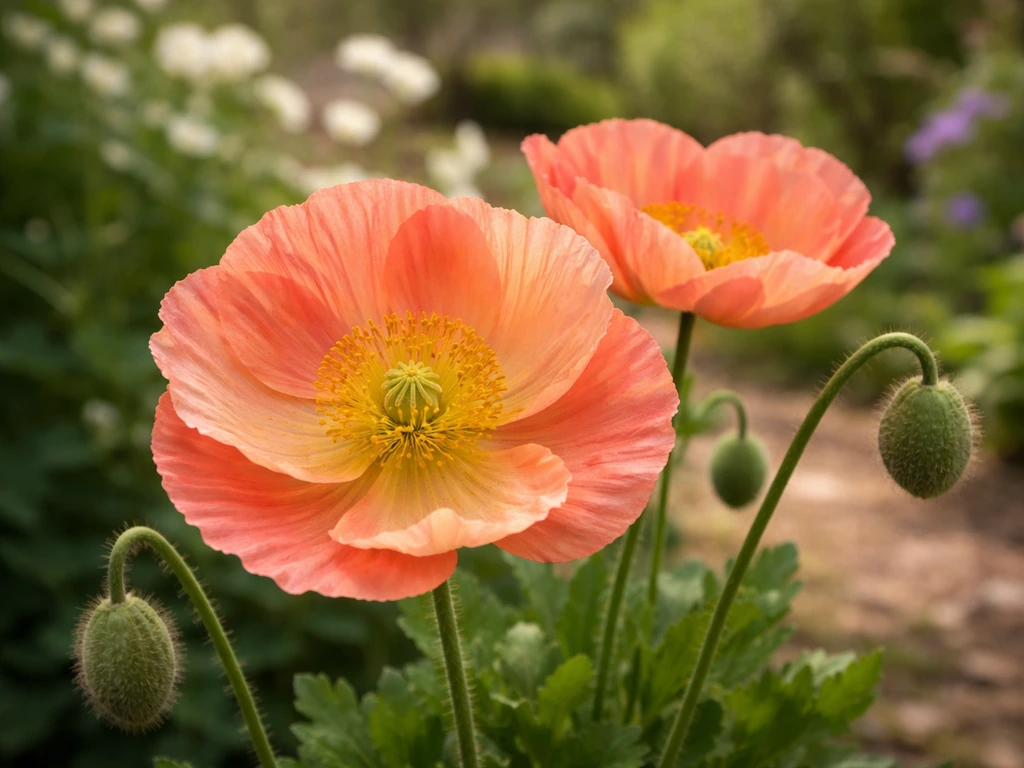
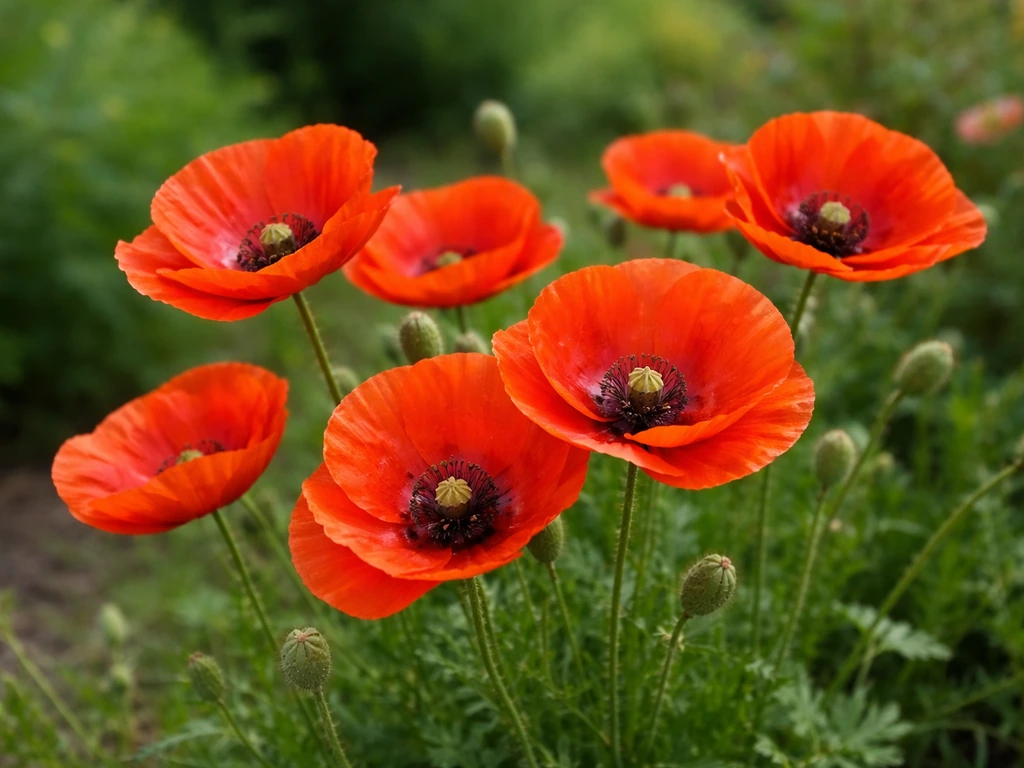
The Dawn Chorus poppy (Papaver rhoeas 'Dawn Chorus') is a cultivated variety of the common field poppy. In gardening seed catalogs, “Dawn Chorus” is commonly used as a poppy variety name for Papaver rhoeas.
It produces large, bowl-shaped flowers in blends of apricot, coral, rose, and soft orange, often with picotee edges or darker centers. Plants typically grow 18 to 24 inches tall, making them a beautiful mid-border flower and a reliable cut flower for informal arrangements. Like all Papaver rhoeas varieties, it's a cool-season annual, which means it germinates in cool soil, grows through spring, and hits its flowering peak before the heat of summer really kicks in.
This is not a plant you start indoors under lights and baby along for weeks. It actually resents transplanting and does best when you sow it exactly where it's going to grow.
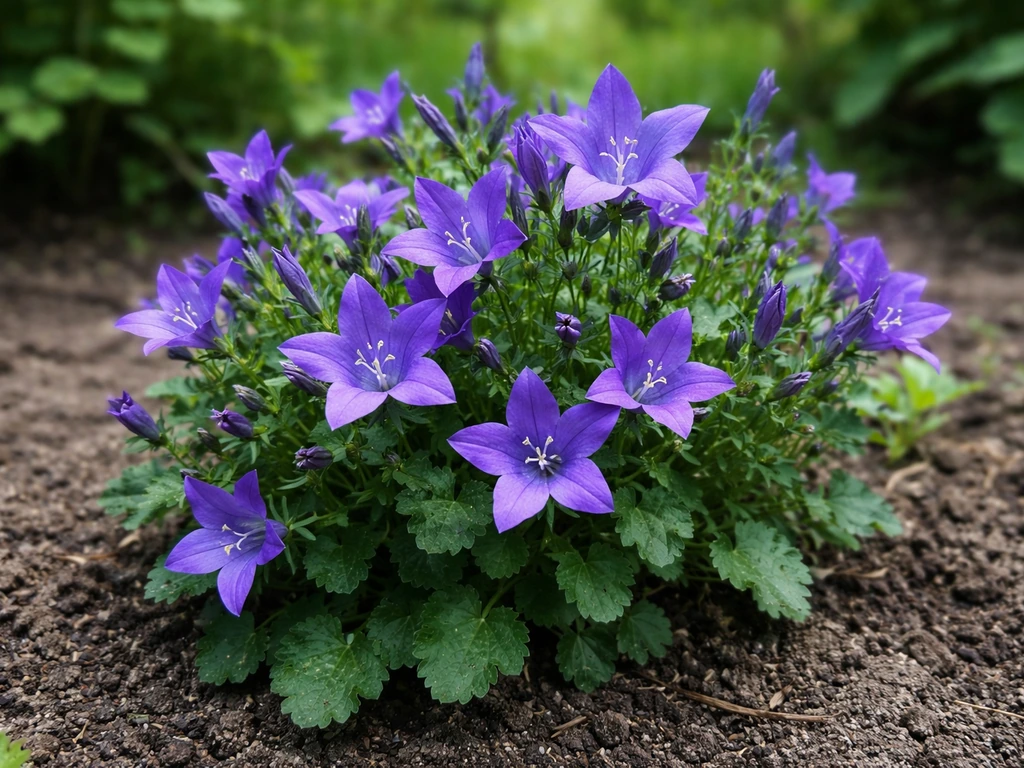
In terms of garden fit, Dawn Chorus is perfect for cutting gardens, cottage borders, and meadow-style patches. It's a fantastic companion to other early-summer bloomers and pairs especially well with other annual poppies and flowers like cornflowers and love-in-a-mist. If you also grow bellflowers or chocolate lace flower, you'll find the timing and overall approach overlaps nicely, making it easy to manage these plants together in the same seasonal workflow. Bellflowers also benefit from careful site prep and the right sowing or planting timing, so planning ahead will make your bed easier to manage.
When to plant and how to sow (timing matters a lot here)
Timing is the single biggest factor in getting Dawn Chorus poppies to thrive. Papaver rhoeas needs cold soil to germinate well, ideally between 50 and 65 degrees Fahrenheit. Sow too late into warm soil and germination becomes patchy and frustrating. Here's how I think about the timing windows depending on where you garden:
| Climate Zone | Best Sowing Window | Expects to Bloom |
|---|---|---|
| Cool temperate (Zones 4-6) | Early to mid-spring, as soon as soil is workable (March-April) | Late May through June |
| Mild/moderate (Zones 7-8) | Late winter to early spring (February-March), or fall sowing | April through May |
| Warm/southern (Zones 9-10) | Fall sowing only (October-November) | February through April |
| Autumn sowing (all zones) | September-October, before first hard freeze | Following spring |
Fall sowing is genuinely the lazy genius move with this plant. You scatter seed in autumn, it sits dormant through winter, and it germinates naturally when conditions are right in spring. You get better germination rates and stronger seedlings than with spring sowing, and you barely have to think about it. I do both in my own garden: a fall sowing for the main flush and a succession sowing in early spring to extend the blooming period by a few weeks.
Skip starting these indoors. Poppies have long taproots that do not survive being transplanted from pots. Even if you use biodegradable pots, the stress of being moved usually sets plants back badly or kills them outright. Direct sowing is not just the easier option here, it's the correct one.
How to sow the seeds and care for seedlings

Dawn Chorus poppy seeds are tiny, almost dust-like, which makes precision sowing a bit awkward. Don't stress about it. Here's the process I use every time:
- Prepare the bed by loosening the top 3 to 4 inches of soil and raking it smooth. Remove any large clumps or stones. You want fine-textured, crumbly soil at the surface so these tiny seeds make good contact with the ground.
- Mix the seeds with a small amount of dry sand (about a 1: 4 ratio of seed to sand). This stretches the seed and makes it easier to spread evenly across the area.
- Scatter the seed-sand mix across the prepared area. Aim for fairly thin coverage. You can always thin later, but you can't un-sow an overcrowded patch.
- Do not cover the seeds. Papaver rhoeas needs light to germinate. Just press the seeds gently into the soil surface using your palm or the back of a rake so they have good contact, then water gently.
- Keep the area consistently moist until you see germination, which typically takes 10 to 20 days in cool conditions. Use a fine-rose watering can or a hose with a gentle spray setting so you don't displace the seeds.
- Once seedlings appear and are about an inch tall, you can start backing off watering slightly. At this stage they're established enough to handle a bit of drying between waterings.
Seedlings look like tiny blue-green rosettes at first, with notched, slightly fuzzy leaves. They can be slow to put on height in cool weather, which is totally normal. Don't mistake slow growth for poor health. As long as the leaves are a healthy blue-green and the stems aren't flopping over, the plants are doing exactly what they should.
Spotting and fixing damping off early
Damping off (a fungal rot that collapses seedlings at the soil line) is the main disease risk at the seedling stage. It's most common when soil is waterlogged or when seedlings are overcrowded and airflow is poor. If you see seedlings keeling over at the base despite good conditions, pull the affected ones out immediately, improve drainage, and thin surrounding seedlings to improve airflow. Avoid overhead watering in the evening. Since you're direct sowing outdoors rather than growing in humid indoor conditions, damping off is much less of a risk here than with flowers you'd start on a windowsill.
Light, soil, spacing, watering, and feeding
Dawn Chorus poppies are not demanding, but they do have clear preferences. Cat's eye flowers can be grown by sowing or planting at the right time for your climate, then keeping moisture consistent while avoiding transplant shock Dawn Chorus poppies are not demanding. Nail these basics and the plants basically take care of themselves. Bat flowers can be grown with a similar mindset: get the growing conditions right and follow a light, consistent care routine so buds set reliably how to grow bat flower.
- Light: Full sun is ideal, meaning at least 6 hours of direct sunlight per day. They'll tolerate light afternoon shade in warmer climates, which can actually extend blooming slightly by keeping the soil cooler.
- Soil: Average to moderately fertile, well-draining soil is best. Rich soil or heavy clay tends to push plants toward producing lots of leafy growth at the expense of flowers. If your soil is heavy, work in some coarse grit or compost to improve drainage before sowing.
- Soil pH: Slightly acidic to neutral, roughly 6.0 to 7.0. Most garden soils fall in this range without any adjustment.
- Spacing: Thin seedlings to 6 to 9 inches apart once they're 2 to 3 inches tall. Crowded plants compete for light and airflow, which leads to weaker stems and more disease.
- Watering: Once established, these poppies are fairly drought-tolerant. Water deeply but infrequently, allowing the top inch of soil to dry out between waterings. Overwatering is a more common problem than underwatering with this plant.
- Fertilizing: Go light on the fertilizer. A single application of a balanced granular fertilizer (10-10-10 or similar) worked into the soil before sowing is usually plenty. Heavy nitrogen feeding produces lush foliage but disappointing flowers.
Thinning, supporting, and training for the best growth
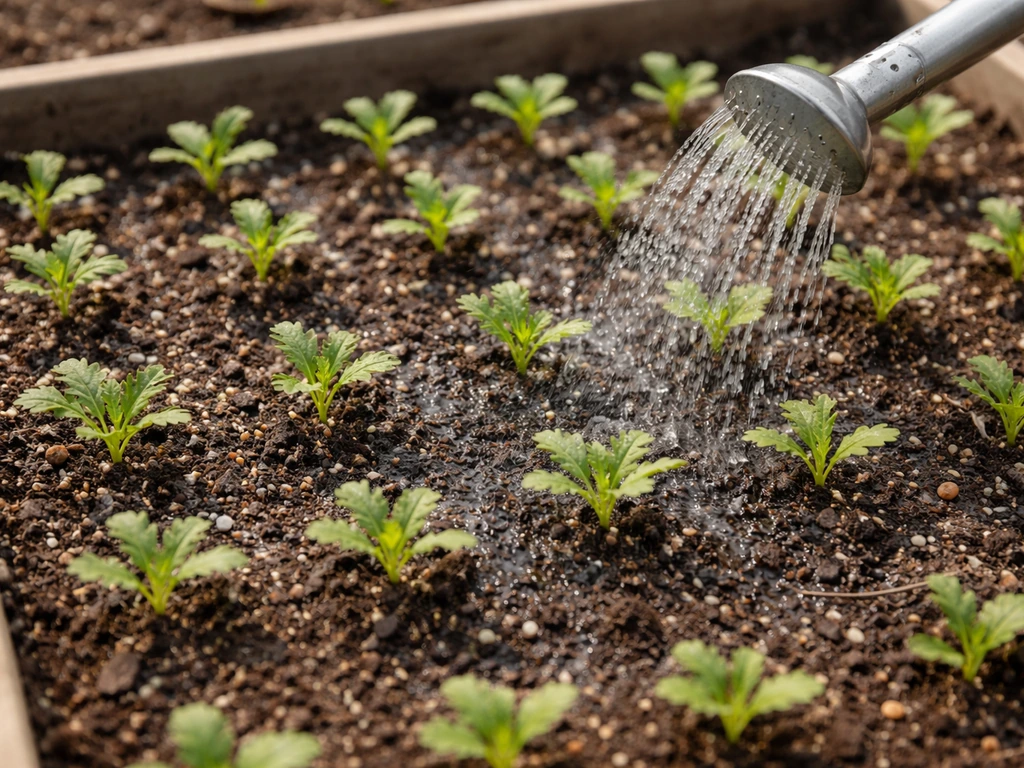
Thinning is the step most beginners skip, and it's the one that makes the biggest difference. When your seedlings are 2 to 3 inches tall, go in and thin them to one plant every 6 to 9 inches. Use small scissors to snip unwanted seedlings at the base rather than pulling them out, which can disturb the roots of neighboring plants. I know it feels wrong to cut down perfectly healthy seedlings, but the remaining plants will be noticeably larger, stronger, and more floriferous as a result. The difference between a thinned patch and an unthinned one is dramatic.
Dawn Chorus poppies generally don't need staking in a sheltered spot, but if you're growing them in a windy location or if the stems are flopping, a simple framework of twiggy sticks pushed into the ground around the clump will give stems something to lean on without looking heavy-handed. Install any support early, before plants are more than 6 inches tall, so they can grow up through it naturally.
Deadheading spent flowers will keep the plant producing new buds for a few extra weeks. Just snap or snip the stem back to the next set of leaves. If you want the plants to self-sow for next year (which is one of the great joys of growing poppies), let the last flush of flowers go to seed and don't deadhead those ones.
Pests, diseases, and common problems
Poppies are pretty tough, but a few issues do come up regularly. Here's what to watch for and what to do about each one:
| Problem | Likely Cause | Fix |
|---|---|---|
| Poor or patchy germination | Soil too warm, seeds covered too deeply, or seeds displaced by heavy watering | Resow in cooler conditions, press seeds to surface only, use a gentle spray when watering |
| Leggy, floppy seedlings | Not enough direct light, or overcrowding | Thin aggressively and move to a sunnier spot if possible; use twiggy sticks for support |
| No flowers despite healthy growth | Too much nitrogen fertilizer, or too much shade | Stop feeding, reduce shade, and be patient; flowering often kicks in once the plant matures |
| Aphids on stems and buds | Common in warm, dry spells | Knock off with a strong stream of water; ladybugs are your friend; neem oil as a last resort |
| Downy mildew (gray fuzzy coating on leaves) | Cool, damp conditions with poor airflow | Remove affected leaves, improve spacing, avoid evening watering |
| Slug and snail damage (ragged holes in leaves) | Moist conditions, especially early spring | Use copper tape around beds, go out at night with a torch and pick them off, or use iron phosphate pellets |
One issue that catches beginners off guard: poppy plants look quite rough after their main flowering flush ends in early summer. The leaves yellow, the stems droop, and the whole plant starts to look spent. This is completely normal, not a disease or a pest problem. It's just the plant's natural lifecycle wrapping up. Let it happen.
Harvesting, cutting, and end-of-season care
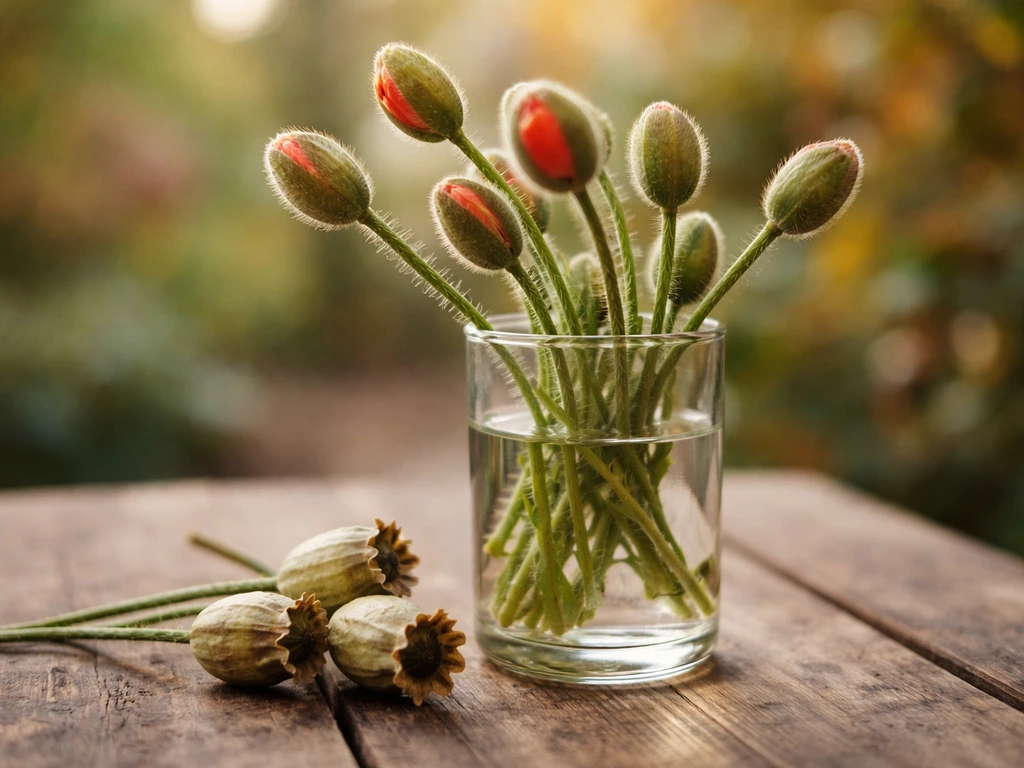
Dawn Chorus poppies make lovely cut flowers if you catch them at the right moment. Cut stems just as the bud is beginning to crack open and show color, before the flower is fully open. Immediately sear the cut end of the stem by dipping it in boiling water for about 20 seconds or passing it through a flame. This stops the milky sap from bleeding into the water and dramatically extends vase life. Change the vase water every day or two and you can expect flowers to last 4 to 7 days.
For end-of-season seed saving, let a handful of the last flowers mature fully on the plant. The seed pods will turn papery and dry, and you'll hear seeds rattling inside when you shake them. Cut the pods and tip the seeds into a paper envelope. Label it with the variety and date, and store it somewhere cool and dry. Papaver rhoeas seed stays viable for 2 to 3 years if stored properly, so you can save enough to sow for several seasons from a single plant's worth of pods.
Once the plants are spent, pull them out and compost them. If you want a self-sowing colony that returns every year with zero effort on your part, simply cut the plants at the base but leave them in place for a week or two so ripe seeds can fall naturally onto the soil below. Then remove the stems. You'll likely find a carpet of self-sown seedlings appearing in the same spot next spring, which you can thin in exactly the same way as described above.
Your season at a glance
- Autumn (optional but recommended): Scatter seed directly into a prepared, sunny bed. Leave it to overwinter.
- Early spring: Direct sow seed if you didn't do autumn sowing, or watch for self-sown seedlings from last season. Keep the area moist.
- When seedlings are 2 to 3 inches tall: Thin to 6 to 9 inches apart. Add twiggy support in windy spots.
- Late spring to early summer: Enjoy the main flowering flush. Cut regularly for vases and deadhead to extend blooming.
- Mid-summer: Allow final flowers to go to seed if you want self-sowing. Collect seed pods when dry.
- After plants die back: Pull up spent plants or leave briefly for seed drop. Prepare bed for autumn sowing.
That's really the whole thing. Dawn Chorus poppies are genuinely one of the easier flowers to grow once you accept that they do things on their own schedule and don't like being fussed with too much. Give them sun, decent drainage, cool soil to germinate in, and room to breathe, and they'll deliver those gorgeous ruffled blooms reliably every season. If you’re wondering how growers cultivate THCA flower, the key is understanding the cannabis plant’s lifecycle from harvest timing through drying and curing how do they grow thca flower.
FAQ
Can I start how to grow chorus flower indoors and transplant outside later?
It usually backfires. Dawn Chorus poppies have long taproots that get damaged by potting and transplanting, even in biodegradable containers. Direct sow outdoors is the main way to avoid setback or plant loss, and you should only plan for fall or early spring sowing in the exact bed you want.
What’s the best way to tell if my soil is cold enough to sow?
Use a soil thermometer at planting depth, then target germination-friendly cool conditions around 50 to 65°F. If your soil is warmer than that, expect patchy emergence, so wait a couple weeks or sow in a shadier spot where the ground stays cooler.
How deep should I sow Dawn Chorus poppy seed?
Because the seeds are tiny, cover them very lightly or not at all, just barely pressing them into firm soil. If you bury them too deeply, emergence drops dramatically, especially when the soil is cool.
My seedlings came up but growth is slow. Does that mean they’re failing?
Not necessarily. In cool weather they often stay as small blue-green rosettes for a while. Look for healthy blue-green foliage and sturdy stems, then give them time before concluding something is wrong.
How far apart should I thin chorus flower seedlings?
Thin when seedlings are about 2 to 3 inches tall, leaving one plant every 6 to 9 inches. Snipping with small scissors helps avoid disturbing nearby roots, and the remaining plants will flower more strongly than an overcrowded patch.
What should I do if I see damping-off or seedlings collapsing at the soil line?
Remove the collapsed seedlings promptly, thin to improve airflow, and correct waterlogging. Avoid overhead watering in the evening, and only water to keep the topsoil evenly moist, not soggy.
Should I water chorus flower daily once seeds sprout?
Aim for consistent moisture until plants are established, but avoid keeping the soil constantly wet. Water at the base in the morning, and if the weather is cool and rainy, you may need little supplemental watering.
Do I need to deadhead, or can I let chorus flowers self-sow?
Both options work. Deadhead the early flush to extend blooming, then leave the last flowers to form pods if you want volunteers next year. If you do not want reseeding, remove spent blooms before pods fully mature.
How do I prevent flopping without using obvious stakes?
Install support early, before plants exceed about 6 inches tall, using twiggy sticks around the clump. If you stake after they get tall, you often have to bend stems back, which can reduce flowering.
When is the right time to cut Dawn Chorus poppies for a vase?
Cut when buds are starting to crack open and show color, before the petals fully open. Sealing the milky sap by dipping the cut end in boiling water for about 20 seconds (or briefly flaming) can extend vase life, and refresh water every day or two.
How can I save seed pods and still avoid losing seeds to wind or popping pods?
Collect pods from the last flowers when they turn papery and dry, then cut and capture them in a container before shaking. Tip seeds into a labeled paper envelope and store cool and dry, since viable seed storage is key for sowing future seasons.
Why do my plants look ragged after flowering, and should I remove them?
That rough look after the main bloom is normal for this annual lifecycle, leaves yellowing and drooping included. Let the plant finish naturally if you plan to deadhead or save seed; otherwise you can remove and compost once the season is clearly done.
Next Article
How to Grow Bellflowers: Step-by-Step Care From Seed
Step-by-step bellflower care from seed to blooms: sowing, light, soil, watering, thinning, transplanting, pests, and ove