Chamanthi flowers are marigolds (Tagetes spp. ), and yes, they are genuinely one of the easiest flowers you can grow from seed at home. Sow them after your last frost, give them full sun and decent soil, and you will have bright, bushy plants covered in blooms within 70–90 days. If you want flowers even sooner, start seeds indoors 6–8 weeks before your last frost date and transplant once the cold is gone.
How to Grow Chamanthi Flowers From Seed to Harvest

Marcus Holloway
8 Jun 2026
That is the whole framework, everything below fills in the details so nothing trips you up. Cat's eye flowers (often grown as Coreopsis) can be started from seed too, and the same focus on sun and well-draining soil helps them thrive. If you are also curious about how to grow chorus flower, check out the specific steps for getting strong stems and consistent blooms.
Choosing your chamanthi variety and planning your setup
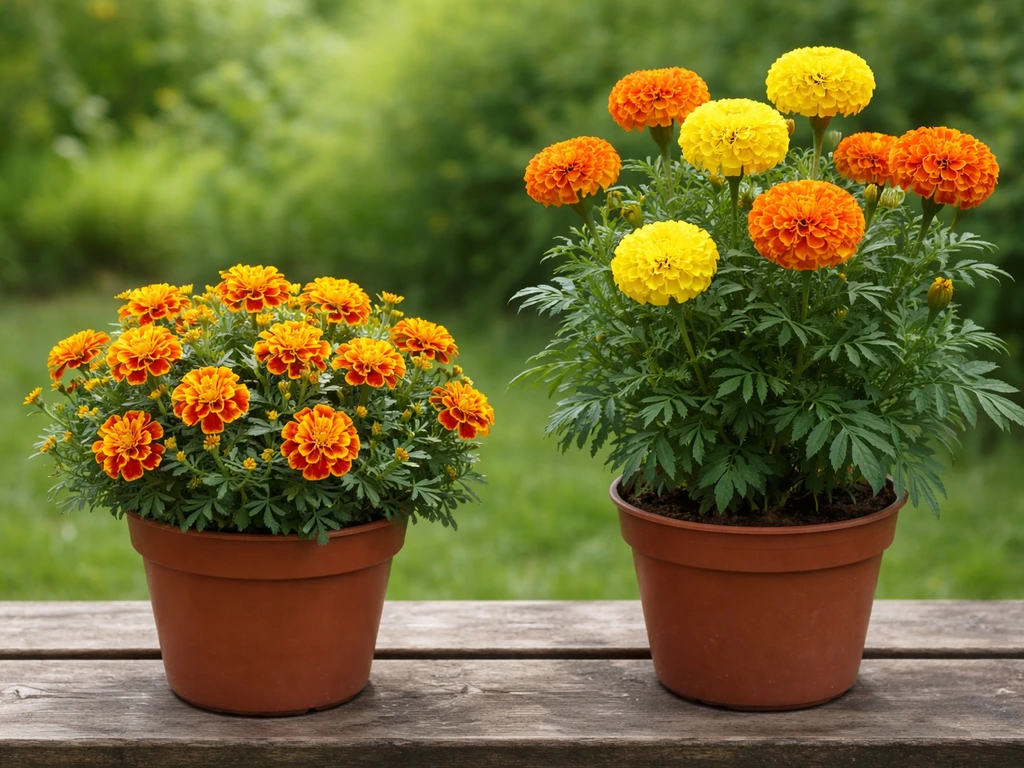
Before you buy seeds, decide which type of marigold fits your space and goal, because the two main types behave quite differently in the garden.
| Type | Height | Best use | Days to bloom |
|---|---|---|---|
| French marigold (Tagetes patula) | 6–12 inches | Borders, containers, small cutting patches | ~50–60 days |
| African marigold (Tagetes erecta) | 36–40 inches | Cut flowers, back of border, cutting garden rows | ~70–90 days |
For a home cutting garden, African marigolds (Tagetes erecta) are the better pick. They produce large, globe-shaped blooms on long stems, exactly what you want for vases. French marigolds are shorter and bushier, which makes them better for pots on a patio or edging a bed. If space is your constraint, French marigolds are the easier win. If you want serious cut-flower production, go with Tagetes erecta and give them room to grow tall.
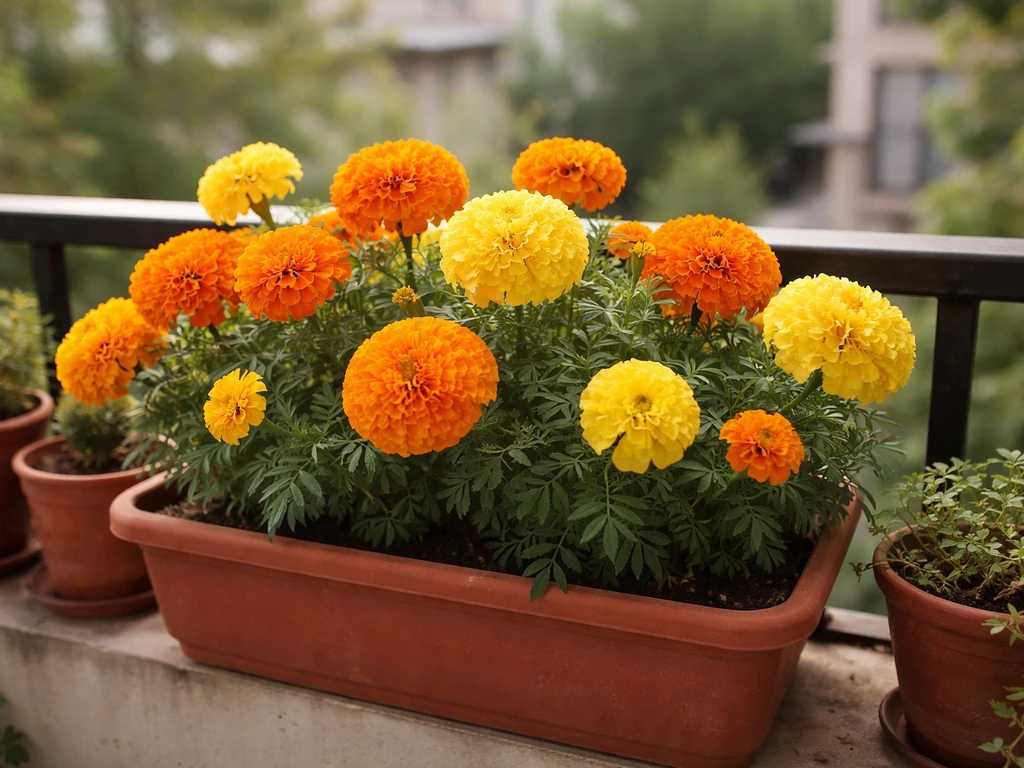
Planning your setup just means deciding whether you are growing in the ground, in raised beds, or in containers. All three work fine for chamanthi. The key commitment is sunlight, wherever you plant them, that spot needs at least 6–8 hours of direct sun per day. Partial shade leads directly to sparse flowering and leggy, floppy stems, so do not compromise on this.
Soil, containers, and sunlight and temperature needs
Soil
Chamanthi are not fussy about soil, but they do best in well-draining, moderately fertile ground. Compacted, waterlogged soil is their main enemy because it sets up root rot almost immediately. If you are growing in the ground, work in some compost to loosen things up. For seed starting or container work, aim for a slightly acidic growing medium with a pH around 5.5–5.9. A standard peat or coco coir-based seed-starting mix from any garden center hits that range without any extra effort.
Containers
For containers, choose pots at least 8–10 inches deep for French marigolds and 12–14 inches deep for African types. The single most important thing about any container is drainage holes, no drainage holes means waterlogged roots, and chamanthi will not recover from that. Fill with a quality potting mix rather than garden soil, which tends to compact and suffocate roots in pots.
Sunlight and temperature
Full sun, 6–8 hours minimum, every day. Chamanthi are warm-season plants that do not tolerate frost at all. They germinate best at around 21°C (70°F) and grow happiest when daytime temperatures sit between 18–23°C (65–75°F). One thing worth knowing: during peak summer heat in July and August, flowering can stall temporarily. This is normal. The plants are not dying, they are just waiting for slightly cooler nights. Keep watering and they will pick back up.
Sowing seeds and getting the timing right
You have two solid options: start seeds indoors for earlier flowers, or direct sow outdoors once conditions are right. Both work well for beginners.
Starting indoors (recommended for cut flowers)
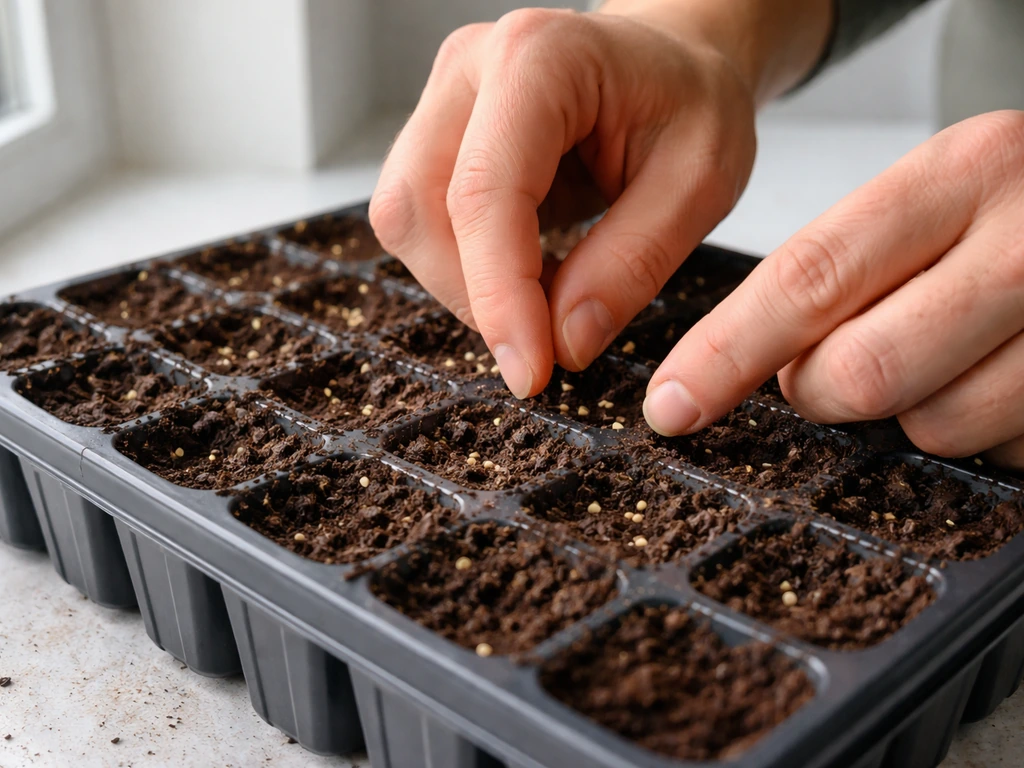
- Count back 6–8 weeks from your area's average last frost date. That is your indoor sowing date.
- Fill small plug trays or seed cells with moist seed-starting mix.
- Sow seeds at a depth of about 0.5 cm (roughly a quarter of an inch). Press the mix gently over the top.
- Keep the tray at around 21°C (70°F). A warm windowsill or heat mat works well. Light is not required for germination — the seeds will sprout in the dark.
- Expect germination in 5–7 days. Once seedlings emerge, move them immediately to your brightest window or under a grow light to prevent leggy stretching.
- After 4–5 weeks, seedlings will be ready to harden off. Set them outside in a sheltered spot for increasing amounts of time over 7–10 days before transplanting.
- Transplant outdoors only after all frost risk is gone and soil temperatures are above 65°F (18°C).
Direct sowing outdoors
Wait until soil temperatures are reliably above 65°F and all frost risk has passed. Loosen the top inch of soil, press seeds in at 0.5 cm depth, and water gently. Outdoor direct-sown seeds typically germinate in 4–7 days at 75–80°F. Once seedlings are about 5 cm (2 inches) tall, thin them to their final spacing: 20–30 cm (8–12 inches) apart for French marigolds, and 30–45 cm (12–18 inches) apart for African types. Thinning feels wasteful, but crowded plants compete for light and air, which causes disease problems later.
Watering, feeding, and day-to-day care
Watering
Aim for about 1 inch of water per week for garden-grown chamanthi. Let the top inch of soil dry slightly between waterings, consistently soggy soil leads straight to root rot. Container-grown plants dry out faster than in-ground plants, so check them more often, especially in hot weather. When you water, direct the water at the base of the plant and avoid wetting the foliage. Wet leaves sitting overnight are an open invitation to fungal disease.
Feeding
Chamanthi are not heavy feeders. If your soil has reasonable organic matter, they will grow fine without much fertilizer. For cut-flower production where you want maximum blooms, feed weekly with a balanced liquid fertilizer at a diluted rate (around 100–150 ppm if using a professional fertilizer, or follow the label on a general-purpose flower fertilizer). A standard 14-0-14 type formula works well because it delivers nitrogen and potassium without excess phosphorus that can encourage soft, floppy growth. For container plants, regular feeding matters more because watering leaches nutrients out of pots faster than in-ground beds.
Mulching and weed control
A 2-inch layer of mulch around your plants keeps soil moisture stable, moderates soil temperature, and suppresses weeds in one step. Straw, shredded leaves, or wood chips all work. Keep mulch a few inches away from the stem base to prevent rot. Hand-pull weeds when they are small, once weeds get established near young chamanthi, they compete for water and nutrients and can harbor pests.
Pests, diseases, and common problems with fixes
Common pests
- Spider mites: look for fine webbing on stems and yellowing, stippled leaves, especially in hot dry weather. Fix: blast plants with water to knock them off, and increase irrigation to raise humidity around the plants.
- Aphids: small clusters of soft insects on new growth. Fix: knock off with water or spray with diluted neem oil.
- Caterpillars and budworms: holes chewed in buds or petals. Fix: hand-pick them off in the evening, or use Bt (Bacillus thuringiensis) spray.
Common diseases
- Powdery mildew: white powdery coating on leaves. It can occur even in full sun and is worsened by crowded planting and poor airflow. Fix: space plants properly, avoid overhead watering, remove affected leaves, and apply a baking soda or neem oil solution.
- Septoria leaf spot: dark spots with lighter centers, progressing from older lower leaves upward. Fix: remove affected leaves, water at the base only, and avoid working around plants when foliage is wet.
- Damping off and root rot (Pythium): seedlings collapse at the soil line, or established plants wilt from the base. Fix: ensure excellent drainage, avoid overwatering, and do not reuse old unsterilized potting mix for seed starting.
Common growth problems beginners run into
| Problem | Likely cause | Fix |
|---|---|---|
| Leggy, stretched seedlings | Not enough light after germination | Move to a brighter spot or add a grow light immediately after sprouting |
| Yellowing leaves | Overwatering, poor drainage, or nitrogen deficiency | Check drainage, reduce watering frequency, and feed with balanced fertilizer |
| Slow or no germination | Soil too cold or seeds sown too deep | Ensure temperature is at least 18–21°C and depth is no more than 0.5 cm |
| Transplant shock (wilting after planting out) | Skipped hardening off, or planted during peak heat | Harden seedlings properly over 7–10 days; water in well and shade briefly if needed |
| No flowers despite healthy plants | Insufficient sun or plants still in vegetative stage | Confirm 6–8 hours of direct sun; African types need up to 90 days so patience is needed |
Encouraging blooms and harvesting your chamanthi flowers
Deadheading to keep flowers coming
The single most effective thing you can do to keep chamanthi flowering heavily is deadhead consistently. Once a bloom fades, pinch or cut it off just above the nearest leaf or side shoot. This stops the plant from putting energy into making seeds and redirects it into producing new flower buds. Check plants every 2–3 days during peak bloom season. It takes two minutes per plant and the difference in bloom volume is dramatic. For African marigolds grown as cut flowers, regular cutting of stems is itself a form of deadheading, so the more you cut, the more they produce.
When and how to cut chamanthi for the vase
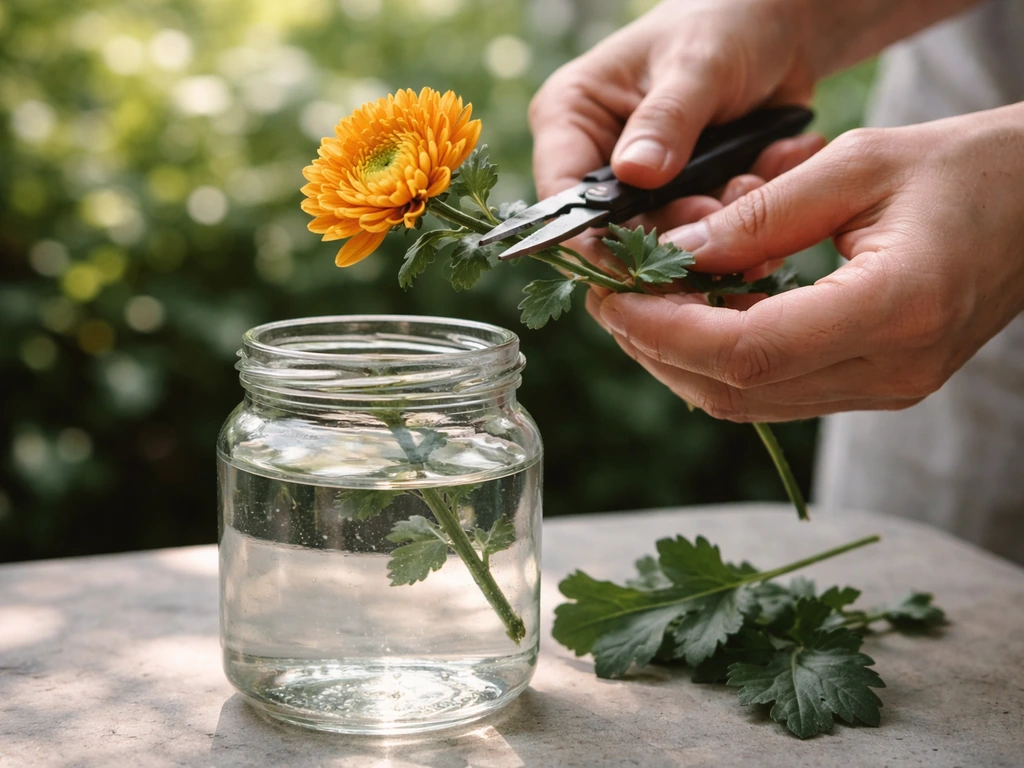
Cut chamanthi flowers when they are just opening, not fully blown open, but at the point where petals are unfurling and the color is vivid. Flowers cut at this stage last significantly longer in a vase than flowers left to fully open on the plant first. Use clean, sharp scissors or garden snips and cut in the morning when stems are most hydrated. Cut at a length that leaves at least one set of leaves below your cut point on the plant, this helps the plant branch and produce more stems.
Once cut, place stems in cool water immediately. Strip any leaves that will sit below the waterline in the vase (submerged leaves rot and foul the water quickly). Change vase water every two days to extend vase life.
What to do after the main bloom cycle
Chamanthi are warm-season annuals, so they bloom from your planting date right through to the first frost. Nematode suppression with marigold (Tagetes spp. ) depends on the specific variety, and [not all varieties control all nematode types, including Meloidogyne spp. ](https://edis.
ifas. ufl. edu/publication/NG045) As temperatures drop in autumn, flowering naturally slows and stops. At that point you have two useful options: pull the plants and compost them, or leave a few spent flower heads on the plant to dry and save seeds for next year.
Saved seeds come true to type for most standard (non-F1 hybrid) varieties, so you can start the whole cycle again the following spring for free. If you are also looking for how do they grow thca flower, the key is starting with the right genetics and providing the proper light, temperature, and careful drying and curing chamanthi flowers.
If you want a continuous supply of cut flowers through summer, consider succession sowing every 3–4 weeks starting from your first outdoor sow date, staggered batches mean you never hit a gap between flushes.
If you enjoy the process of growing chamanthi and want to explore other flowers with a similarly rewarding cut-flower cycle, bellflowers, velvet flowers, and chocolate lace flowers are all worth looking into as companion projects in a cutting garden. Bat flower (Tacca chantrieri) has its own care needs, so make sure you follow the specific steps for how to grow bat flower before you start planting.
If you are curious about chocolate lace flowers next, you can follow a similar approach to soil, sun, and consistent care when learning how to grow chocolate lace flower. To learn how to grow velvet flower the same way, focus on strong light, well-drained soil, and consistent care from seed to bloom velvet flowers. If you want to grow bellflowers too, focus on choosing the right soil and giving them consistent moisture as they establish.
FAQ
What’s the best way to get chamanthi seeds to germinate reliably at home?
Use a warm spot (about 70°F/21°C), keep the seed-starting mix evenly moist but not soggy, and cover seeds lightly with soil (around 0.5 cm). If your room runs cool, germination can stall even if you watered correctly, so a propagation mat or a sunny but warm location helps a lot.
Can I grow chamanthi flowers in partial shade if my balcony doesn’t get 8 hours of sun?
You can try, but expect fewer blooms and taller, weaker stems. If you have a choice, rotate containers weekly so all sides get direct light, and consider using French varieties (shorter and bushier) as a better match for light-limited spaces.
My seedlings look tall and floppy, what did I probably do wrong?
The most common cause is insufficient light early on. Start them in the brightest window you have or under grow lights, avoid overwatering, and thin seedlings promptly at the recommended spacing so airflow and light competition do not make stems weak.
How do I water chamanthi when it’s raining frequently or the weather stays humid?
Reduce frequency and only water when the top inch of soil dries slightly. Water at the base and avoid wetting foliage, improve airflow with correct spacing, and make sure containers have drainage holes and never sit in a saucer of runoff.
What fertilizer should I use, and how can I avoid overfeeding?
For most gardens, compost is enough, and a diluted balanced liquid feed works best when you want maximum blooms. If you see lush green growth with fewer flowers, cut back the fertilizer strength or pause feeding for 1 to 2 weeks, then restart at a lighter dilution.
When is the right time to deadhead, and how much should I remove?
Deadhead as soon as petals fade, pinch or cut the spent bloom just above a nearby leaf or side shoot. During peak bloom, check every 2 to 3 days, and if you want more stems for cutting, remove blooms more aggressively instead of letting seed heads form.
Should I cut chamanthi flowers, or is it better to leave them on the plant?
Both work, but for cut-flower volume, regular cutting acts like deadheading and encourages more side shoots. Cut when flowers are just unfurling, keep at least one leaf set on the plant below your cut, and harvest in the morning for the longest vase life.
Why are my plants not blooming even though they look healthy?
Check the big three: sun (minimum 6 to 8 hours), spacing (crowding reduces airflow and bud set), and temperature (heat can temporarily stall flowering in mid-summer). Also confirm you are not keeping soil constantly wet, since root stress can delay blooming.
How can I save seeds from chamanthi, and will they come true next year?
Let a few flower heads fully dry on the plant after flowering slows, then collect the dried seed and store it in a cool, dry place. Seeds usually come true to type for standard non-hybrid varieties, but if you saved from mixed or questionable genetics, traits can shift.
Are there any container-specific tricks to prevent root rot?
Yes. Always use potting mix, not garden soil, ensure ample drainage holes, and don’t let containers sit in standing water. In hot weather, containers dry faster, so monitor moisture more frequently while still keeping the surface slightly dry between waterings.
How long do chamanthi cut flowers last, and what should I do in the vase?
They last longest when cut at the right stage (petals unfurling, color vivid) and immediately placed in cool water. Remove submerged leaves, change water every two days, and recut stems slightly if they start to look blocked or dull.
Do I need to replant each season, or can chamanthi survive winters?
Chamanthi are warm-season annuals and do not tolerate frost. If you want a jump start each year, save seeds from selected plants or start indoors 6 to 8 weeks before your last frost, but plan to replant rather than overwintering them.
Next Article
How to Grow Bat Flower From Seed: Step-by-Step Guide
Step-by-step bat flower from seed: timing, sowing depth, germination needs, early care, and tips for flowering success.