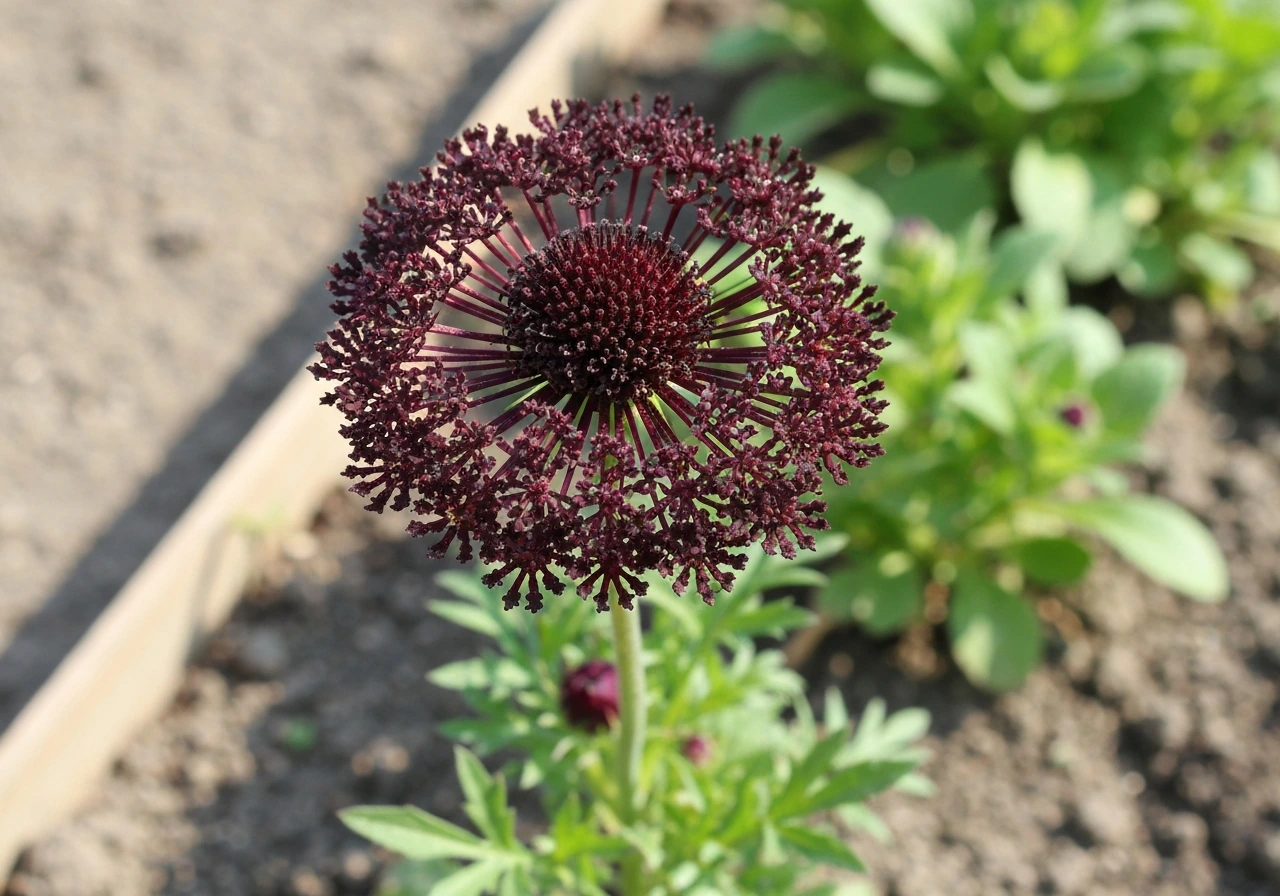
Cat's eye flowers is a name that covers a few very different plants, and knowing which one you're actually growing makes the difference between a rewarding season and a lot of frustration. The two most useful options for home gardeners are native cat's eye wildflowers in the genus Cryptantha or Oreocarya (small, white-bloomed annuals and perennials from western North America) and the named dwarf bearded iris cultivar Iris pumila 'Cat's Eye,' a compact spring bloomer that tops out around 15 inches. This guide walks you through both, from seed to seed-saving, with honest timing, soil, and care details for each. Before anything else: if you've seen 'Cat's Eye Dazzle' seeds sold online with striking kitten-face flower photos, skip them entirely. Those images are AI-generated, and multiple fact-checkers confirmed in 2024 that those seed listings are fraudulent. Stick to the real plants, and you'll have plenty to work with.
How to Grow Cat's Eye Flowers: Complete Guide for Gardeners

What you're actually growing: a quick orientation
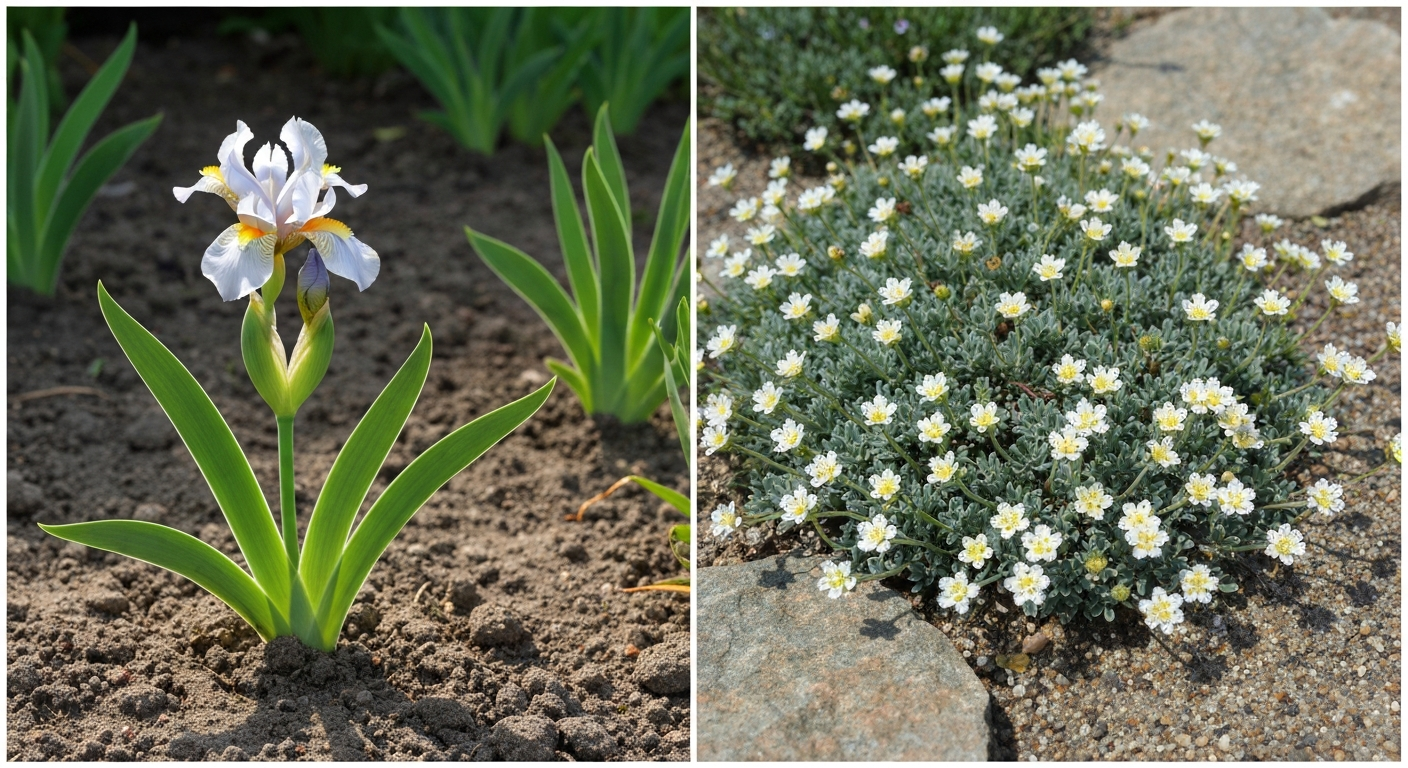
The name 'cat's eye' gets applied loosely in gardening, so it's worth being clear about what each plant is before you buy seeds or rhizomes. Cryptantha intermedia, the common or large-flower cat's eye (also called popcorn flower), is a low-growing annual forb, typically 10 to 60 cm tall, that produces clusters of small white flowers from late winter through summer depending on your region. Its relatives blank" rel="noopener noreferrer">Oreocarya cana (mountain cat's eye) and Oreocarya crassipes (Terlingua Creek cat's eye) are short-lived perennials with a similar mat-forming habit, native to rocky western landscapes. Iris pumila 'Cat's Eye' is a registered dwarf bearded iris cultivar, bred for the garden, that blooms reliably every spring and can be divided and replanted year after year. These two groups have almost nothing in common in terms of care, so the instructions in this guide are split by plant type wherever they differ.
Which cat's eye variety should you choose?
Your choice really depends on where you live, what your soil looks like, and what you want from the plant. Here's a practical breakdown of the main options.
| Variety | Type | Height | Bloom Time | Best For | Difficulty |
|---|---|---|---|---|---|
| Cryptantha intermedia (common cat's eye / popcorn flower) | Annual wildflower | 10–60 cm (4–24 in) | March–July (region-dependent) | Native gardens, rockeries, wildflower patches | Moderate (needs stratification) |
| Oreocarya cana (mountain cat's eye) | Short-lived perennial | Low/mat-forming | May–June | Dry rockeries, xeriscape | Challenging (long cold stratification needed) |
| Oreocarya crassipes (Terlingua Creek cat's eye) | Short-lived perennial | Low/mat-forming | Spring–early summer | Arid Southwest gardens | Challenging (specialist plant) |
| Iris pumila 'Cat's Eye' (dwarf bearded iris) | Perennial (rhizome) | ~38 cm (15 in) | Early to late spring | Borders, containers, cut flowers | Beginner-friendly |
My honest recommendation: if you're a beginner who wants a reliable, repeatable result, start with Iris pumila 'Cat's Eye.' Plant a rhizome in fall, and it will bloom for you the following spring with very little fuss. If you're drawn to the native wildflower side and you live in the western U.S. with sandy or rocky soil, Cryptantha intermedia is the most achievable of the native cat's eyes, but budget extra time for seed pre-treatment. The Oreocarya species are genuinely rewarding but demand patience and the right microclimate, so treat them as an intermediate-level project.
Beginner tips: quick wins and what to skip
A few things will save you real time and disappointment, regardless of which cat's eye you choose.
- Buy iris rhizomes, not seeds, if you want Iris pumila 'Cat's Eye' to bloom this year. Rhizome-grown plants are reliable; iris seed germinates poorly without special treatment and won't come true to the parent cultivar anyway.
- For native Cryptantha, always cold-stratify your seed before sowing indoors. Skipping this step leads to poor or zero germination. The seed has physiological dormancy baked in.
- Don't buy 'Cat's Eye Dazzle' seeds online. No matter how good the photos look, multiple sources confirmed in 2024 that these are fraudulent listings using AI images.
- Use very well-drained soil for all cat's eye types. These plants hate wet feet. Both the native wildflowers and the iris will rot in heavy clay or waterlogged beds.
- Fall sowing directly into the ground is the easiest method for native Cryptantha — let winter do the stratification work for you.
- Expose iris rhizomes to sunlight. Unlike most bulbs, dwarf bearded iris rhizomes should sit at the surface with the top half uncovered after planting.
- Label everything. Cat's eye seedlings are small and easy to confuse with weeds in their early stages.
Planting calendar and timeline
Timing is different for each plant type, so here are two separate itemized timelines. Use your last spring frost date as the anchor point for the native wildflower calendar, and use the first fall frost date as the anchor for iris rhizome planting.
Native cat's eye (Cryptantha / Oreocarya), annual or short-lived perennial
- Late summer (August–September): Collect or purchase seed. Store in a cool, dry location until pre-treatment begins.
- Early fall (September–October): Begin cold-moist stratification if starting indoors. Mix seed with damp sand or vermiculite in a sealed bag and refrigerate. Target: 4 to 5 months of cold treatment.
- Late fall (October–November): For direct outdoor sowing, scatter seed directly onto prepared soil after the ground begins to cool. Natural winter conditions do the stratification work for you.
- Late winter / early spring (February–March, after 5 months cold): For indoor-started seed, remove from refrigerator and sow in trays. Place in a cool, bright location.
- Early spring (March–April): Germination begins for indoor starts. Keep trays moist but not wet.
- Mid-spring (April–May, after last frost): Harden off indoor seedlings over 7 to 10 days. Transplant to final position.
- Late spring to early summer (May–July): Bloom window for most Cryptantha and Oreocarya species.
- Late summer (July–August): Seed pods (nutlets) mature and split. Collect seed for saving.
Iris pumila 'Cat's Eye', dwarf bearded iris
- Late summer to early fall (August–September): Order or purchase rhizomes. This is peak planting season.
- Fall (September–October): Plant rhizomes in prepared beds. Firm soil, leaving top of rhizome exposed.
- Late fall (October–November): Water in lightly. Apply no heavy mulch over rhizomes — they need light and air circulation.
- Early spring (March–April): New foliage fans emerge. Begin watering if spring is dry.
- Early to late spring (April–May): Bloom window. Peak flowering lasts 2 to 3 weeks.
- Post-bloom (May–June): Remove spent flower stalks. Continue watering through summer.
- Summer (July–August): Every 3 to 4 years, divide congested clumps and replant divisions for next year's bloom.
Choosing the right site: soil, light, and microclimate
Both plant types are sun lovers, but their soil preferences pull in opposite directions. Native Cryptantha and Oreocarya species evolved on rocky, sandy, often calcareous (lime-rich) slopes with very low organic matter. They thrive in exposed, hot microclimates, south-facing slopes, gravel beds, and rock gardens. Rich potting mixes or heavily amended beds will actually work against them by holding too much moisture and encouraging the kind of soft growth that collapses. Iris pumila 'Cat's Eye' wants more of a conventional garden bed: well-drained but with moderate organic matter and a roughly neutral pH. It performs best with at least 5 hours of direct sun daily and tolerates some afternoon shade. In warm climates, a bit of afternoon shelter can actually extend the bloom period. Both types will struggle badly in shaded or poorly drained spots.
Preparing your planting area
For native cat's eye (Cryptantha / Oreocarya)
Do less, not more. Clear the site of weeds and existing vegetation. If your soil is reasonably sandy or gravelly, you may not need to amend it at all. If it's heavier, work in coarse grit or horticultural sand at a ratio of roughly 1 part sand to 2 parts existing soil, just enough to improve drainage. Avoid compost or fertilizer at this stage, these plants are adapted to lean conditions and excess nitrogen produces weak, floppy growth. Target pH is 7.0 to 8.0 (neutral to slightly alkaline), which reflects their natural calcareous habitats. Raised beds or rockery installations are ideal because they provide the sharp drainage these plants need even in wetter climates.
For Iris pumila 'Cat's Eye'
Work the bed to about 12 inches deep. Add a 2 to 3 inch layer of compost and work it in, but don't go overboard, moderately fertile, not rich. Check pH and aim for 6.5 to 7.0. If your soil is heavy clay, raise the bed by at least 6 inches and mix in coarse sand and grit to improve drainage. Iris rhizomes rot quickly in waterlogged soil, and no amount of good care will fix that if the drainage isn't right from the start. A slightly raised planting mound in a flat bed works well, it naturally sheds water away from the rhizome crown.
Direct sowing step-by-step (native cat's eye)
Direct sowing in late fall is the most practical approach for native Cryptantha species, and it's genuinely low-effort once the bed is prepared. The cold winter months do all the stratification work naturally.
- Prepare the bed as described above. Rake the surface to a fine, level tilth with no large clumps.
- Wait until nighttime temperatures are consistently below 40°F (4°C) before sowing — you don't want seeds germinating in fall, only to be killed by hard frost.
- Scatter seed thinly across the surface. The nutlets are tiny (1–2 mm), so mix them with a small amount of dry sand to help distribute them evenly.
- Press seed gently into the surface with a flat board or your palm. Cryptantha seeds need close contact with the soil and should be surface-sown or covered with no more than 1–2 mm of fine grit. Deep burial reduces germination.
- Water lightly to settle the seed. After that, winter rainfall or snowmelt is typically sufficient.
- Mark the area clearly — seedlings will be small and easy to mistake for weeds in spring.
- Target spacing: thin to 6 to 12 inches apart once seedlings are large enough to handle, depending on species.
Indoor seed-starting for beginners
Starting native cat's eye seeds indoors gives you more control, but it requires planning ahead by about 5 months. This is not a last-minute project. The core challenge is physiological dormancy: the seeds need a prolonged cold, moist period before they're ready to germinate.
Step-by-step indoor starting schedule
- September–October: Place seeds in a zip-lock bag with just-damp vermiculite or milled sphagnum peat. Seal, label with the date, and refrigerate at 34–40°F (1–4°C).
- Check the bag monthly. The medium should stay just barely moist — not wet. Re-dampen lightly if it dries out.
- February (after 4–5 months cold): Remove the bag from the refrigerator. Fill plug trays or small pots with a well-draining seedling mix. A good DIY recipe based on nursery protocols is 6 parts milled sphagnum peat, 1 part perlite, 1 part vermiculite. Add a small amount of slow-release fertilizer at the lowest recommended rate.
- Surface-sow stratified seed onto the mix. Press down gently. Cover with a thin layer of fine grit (no more than 1–2 mm) or leave uncovered.
- Place trays in a cool, bright location (50–60°F / 10–15°C is ideal) — a cool windowsill or unheated greenhouse works well. Warmer temperatures can inhibit germination in these species.
- Keep medium consistently moist but never soggy. A spray bottle is ideal for the first weeks.
- Germination is slow and uneven. Be patient — it can take 2 to 6 weeks after the stratification period ends.
- Once seedlings have 2 to 3 true leaves, pot on into slightly larger containers to build a firm root plug before outdoor planting.
- Hardening off: starting about 2 weeks before your last frost date, move trays outside for a few hours daily, gradually increasing exposure over 7 to 10 days. Start in sheltered shade and build up to full sun.
- Transplant after last frost when plants have a solid root plug and are well-adjusted to outdoor conditions.
A practical note on lighting: native Cryptantha seedlings benefit from as much natural light as possible. If your windowsill is dim, a basic LED grow light positioned 4 to 6 inches above the trays for 14 to 16 hours a day will prevent the legginess that's common in low-light indoor starts.
Transplanting seedlings
For native cat's eye seedlings, transplant after all risk of frost has passed and after a proper hardening-off period. Space plants 6 to 12 inches apart depending on species size. Dig a hole just large enough for the root plug, set the plant at the same depth it was growing in the tray, firm the soil gently, and water in well. Avoid disturbing the roots more than necessary, these plants are not fond of root disturbance and benefit from being transplanted while still in a compact plug rather than as bare-root seedlings.
For Iris pumila 'Cat's Eye' rhizomes, timing is different. Plant rhizomes in late summer to early fall (August to October in most zones). Dig a shallow planting hole, create a small central mound of soil, drape the rhizome over the mound with roots spreading downward, and backfill so that the top of the rhizome sits at or just above the soil surface. The rhizome must not be buried, it needs sunlight and air to stay healthy. Space rhizomes 12 to 18 inches apart to allow for spread over 2 to 3 seasons.
Container vs. in-ground planting
| Factor | Native Cat's Eye (Cryptantha/Oreocarya) — Container | Native Cat's Eye — In-Ground | Iris pumila 'Cat's Eye' — Container | Iris pumila 'Cat's Eye' — In-Ground |
|---|---|---|---|---|
| Pot/bed size | Min. 8–10 in diameter, very deep drainage holes essential | Rockery or raised bed preferred | Min. 10–12 in diameter, wide and shallow preferred | Standard border, min. 12 in depth |
| Soil mix | Gritty, lean: 50% coarse sand/grit, 50% low-peat mix. No rich compost. | Native sandy/rocky soil or amended with grit | Well-drained potting mix with added grit; moderate fertility | Loamy, well-drained, amended with compost |
| Watering | Minimal — allow to dry fully between waterings | Minimal once established; rely on rainfall | Water when top inch is dry; reduce after bloom | Water during dry spells; reduce after bloom |
| Drainage | Critical — elevate pots or add extra drainage layer | Sharp drainage essential | Ensure pot has multiple large holes | Raise bed if drainage is poor |
| Pros | Full control over lean, dry conditions | Most naturalistic; self-seeding possible | Portable, good for small spaces or patios | More natural root run; less watering needed long-term |
| Cons | Can dry out quickly in summer heat | Requires naturally good drainage or significant soil work | Rhizomes need top exposure; easy to over-water | Rhizomes need space; can spread over time |
If you're growing native Cryptantha in a container, resist the urge to use a standard potting mix straight from the bag. These plants naturally grow in some of the leanest soils around, and a rich, moisture-retentive mix will cause root rot before the season is out. Go gritty, go lean, and water sparingly.
Watering and feeding: an itemized care schedule
Native cat's eye (Cryptantha / Oreocarya)
- After sowing or transplanting: water once to settle soil and seed into contact. After that, allow natural rainfall to take over where possible.
- Establishment phase (first 4–6 weeks after transplanting): water once every 7 to 10 days if no rainfall. Allow the top 2 inches of soil to dry fully between waterings.
- Once established: these plants are drought-adapted and rarely need supplemental watering in temperate climates. In arid regions, a deep soak every 2 to 3 weeks during active growth is sufficient.
- Fertilizer: apply little to none. A very light application of a balanced slow-release fertilizer (e.g., 10-10-10) at half the recommended rate at the start of the growing season is the maximum these plants need. Heavy feeding causes lush, floppy growth and reduces flowering.
- Post-bloom: reduce or eliminate watering as plants set seed and dry down naturally.
Iris pumila 'Cat's Eye'
- After fall planting: water rhizomes in well. Continue to water every 1 to 2 weeks until the ground freezes if conditions are dry.
- Early spring (emergence to bud stage): water every 7 to 10 days if rainfall is below 1 inch per week. Consistent moisture during bud development improves bloom quality.
- During bloom: maintain even moisture. Do not let the soil dry out completely.
- Post-bloom (June–August): reduce watering to every 10 to 14 days. Irises prefer a slightly drier rest period in summer.
- Fertilizer: apply a low-nitrogen fertilizer (e.g., 6-10-10) in early spring as shoots emerge, and again about 6 weeks after bloom. Avoid high-nitrogen feeds, which push leafy growth at the expense of flowers and can encourage rot.
- Do not fertilize in late summer or fall — you don't want to stimulate new growth before winter.
Staking, pruning, and deadheading
Native Cryptantha and Oreocarya species are low-growing by nature and generally don't need staking. If plants become leggy (usually a sign of insufficient light or over-feeding), cut back by about one-third after the first flush of flowering to encourage compact regrowth. Deadhead spent flower stems to redirect energy into producing more blooms and to prevent excessive self-seeding if you want to control the spread.
Iris pumila 'Cat's Eye' is short enough (around 15 inches) that staking is almost never needed. After flowering, snap or cut the flower stalk off at the base, don't just pull it, as this can damage the rhizome. Leave the fan of leaves in place through summer and into fall, as the foliage photosynthesizes and builds energy for next year's bloom. Cut foliage back to about 4 to 6 inches in late fall before winter. Remove any brown or diseased leaves promptly throughout the season to reduce the risk of fungal issues.
Pests and diseases: what to watch for and how to deal with them
Native cat's eye (Cryptantha / Oreocarya)
These plants are generally tough and pest-resistant in their preferred conditions. The main threats are fungal diseases caused by overwatering or poor drainage, you'll see stem rot at the base or wilting despite moist soil. The fix is almost always cultural: improve drainage, reduce watering frequency, and increase airflow around plants. Aphids occasionally colonize the soft growing tips in spring; knock them off with a firm stream of water or use an insecticidal soap spray (dilute to label instructions). Slugs and snails can damage seedlings; a ring of coarse grit around young plants acts as a physical barrier.
Iris pumila 'Cat's Eye'
- Iris borer (Macronoctua onusta): the most damaging iris pest. Look for chewed leaf margins in spring and slimy, soft rhizomes later in the season. Remove and destroy affected rhizomes; clean up dead foliage in fall to eliminate egg-laying sites. For organic control, Spinosad-based sprays applied to leaves in early spring kill young larvae before they reach the rhizome.
- Bacterial soft rot (Erwinia carotovora): causes a foul-smelling, mushy rhizome. Almost always associated with overwatering, poor drainage, or borer damage. Cut out and discard affected tissue; dust the wound with powdered sulfur or activated charcoal. Improve drainage immediately.
- Iris leaf spot (Didymellina macrospora): shows as brown or tan spots with yellow halos on foliage. Remove affected leaves and avoid wetting foliage when watering. Copper-based fungicide sprays can be used if infection is widespread.
- Aphids: cluster on buds and new growth. Knock off with water or use insecticidal soap spray.
- Thrips: cause silvery streaking on petals and leaves. Neem oil spray applied at 7 to 10 day intervals provides effective organic control.
Suggested photo to include here: close-up of a healthy iris rhizome half exposed at the soil surface versus a rotted one (cross-section view), to help beginners identify the problem early.
Harvesting for cut flowers
Native Cryptantha blooms are small and delicate, and while they're charming in a naturalistic arrangement, they're not traditional cut-flower stems. If you want to use them, cut when about half the flowers on a stem are open, place immediately in cool water, and use them the same day for the best results. The stems are short, so they work best in small bud vases or as filler in mixed arrangements.
Iris pumila 'Cat's Eye' makes a genuinely lovely cut flower despite its compact size. Cut stems when the first bud on the stalk is just beginning to open (showing color but not yet fully unfurled). Cut at an angle with clean, sharp scissors or snips, down to the base of the stem. Strip any foliage that would sit below the waterline. Place immediately in a clean vase with cool water and change the water every two days. Recut the stem end each time you change the water. Expect a vase life of 5 to 7 days as successive buds on the stalk open over several days.
Saving seed
Native cat's eye (Cryptantha / Oreocarya)
Watch the seed heads in late summer. The small nutlets (1 to 2 mm, often with a slightly rough or tubercled surface) are ready when the capsule begins to split open naturally. Collect by cutting the entire stem and placing it head-down in a paper bag. Dry indoors at room temperature for 1 to 2 weeks, then rub the stems between your hands over a tray and screen out the chaff. Store the cleaned nutlets in a paper envelope or small glass jar with a tight lid. Label with the species and collection date. Keep in a cool, dry, dark location. Seed viability can decline rapidly in warm conditions, so if you're not sowing that fall, cold storage (sealed in the fridge) will extend viability.
Iris pumila 'Cat's Eye'
A word of caution on iris seed saving: Iris pumila 'Cat's Eye' is a named cultivar, and seedlings grown from its seed will not reliably reproduce the parent's flower color or form, most will be hybrids. Seed pods form in late summer and ripen to a tan-brown color before splitting. If you want to experiment, collect pods just before they split, dry them in a paper bag, and extract the seeds. Be aware that iris seed has its own dormancy and typically needs either scarification (gently nicking the hard seed coat) or cold-moist stratification before germination. Division of the rhizomes is the reliable way to reproduce this cultivar true to type.
Troubleshooting checklist
| Symptom | Likely Cause | Quick Fix |
|---|---|---|
| Yellowing leaves (iris) | Overwatering, poor drainage, or natural die-back after bloom | Check drainage; reduce watering; remove yellow leaves cleanly |
| Yellowing leaves (native cat's eye) | Overwatering or soil too rich | Reduce watering frequency; check drainage; avoid fertilizing |
| No germination (native cat's eye seed) | Insufficient stratification period or seed too deeply buried | Ensure 4–5 months cold-moist stratification; surface-sow or cover with max 1–2 mm grit |
| Leggy, stretched seedlings | Insufficient light indoors | Move closer to window or add grow light 4–6 in above trays; 14–16 hours daily |
| Poor flowering (iris) | Rhizome buried too deep, overcrowding, or low-nitrogen oversupply | Expose top of rhizome; divide crowded clumps; switch to low-nitrogen fertilizer |
| Poor flowering (native cat's eye) | Too much shade, too much fertility, or plants too young | Relocate to full sun; reduce or eliminate fertilizer; allow time for establishment |
| Wilting despite moist soil | Root rot from overwatering or poor drainage | Check roots; improve drainage; reduce watering; remove rotted roots and treat with sulfur |
| Soft, smelly rhizome (iris) | Bacterial soft rot or iris borer damage | Cut out affected tissue; dust with sulfur; improve drainage; inspect for borers |
| Seedlings eaten at base | Slugs or snails | Apply grit barrier around plants; use iron phosphate slug pellets (organic-approved) |
| Stunted, mottled foliage | Aphids, thrips, or viral infection | Check undersides of leaves; treat aphids/thrips with insecticidal soap or neem oil; remove and destroy virus-affected plants |
Quick-care reference table
| Attribute | Cryptantha intermedia (annual cat's eye) | Oreocarya cana (mountain cat's eye) | Iris pumila 'Cat's Eye' |
|---|---|---|---|
| Planting depth (seed/rhizome) | Surface-sow; max 1–2 mm cover | Surface-sow; max 1–2 mm cover | Rhizome top half exposed at surface |
| Spacing | 6–12 in (15–30 cm) | 8–12 in (20–30 cm) | 12–18 in (30–45 cm) |
| Light | Full sun | Full sun | Full sun (min. 5 hours); tolerates some afternoon shade |
| Water | Low; drought-tolerant once established | Very low; xeric | Moderate; reduce after bloom |
| Fertilizer | None to minimal (half-rate balanced once in spring) | None | Low-nitrogen (6-10-10) in early spring and 6 weeks post-bloom |
| Soil pH | 7.0–8.0 (neutral to slightly alkaline) | 7.0–8.0 | 6.5–7.0 (neutral to slightly acidic) |
| Bloom time | March–July (region-dependent) | May–June | Early to late spring |
| USDA Hardiness Zones | Annual — all zones (sow seasonally) | Zones 4–8 (varies by species) | Zones 4–9 |
| Height | 10–60 cm (4–24 in) | Low/mat-forming | ~38 cm (15 in) |
| Stratification needed? | Yes — 4–5 months cold-moist | Yes — 5 months cold-moist | Yes for seed (division preferred for true-to-type) |
Materials and shopping checklist
- Seeds: Cryptantha intermedia or Oreocarya cana from a reputable native seed supplier (avoid any listing for 'Cat's Eye Dazzle' — these are fraudulent)
- Rhizomes: Iris pumila 'Cat's Eye' from a bulb or iris specialist supplier
- Seedling trays and plug inserts (28- or 50-cell trays work well for native cat's eye starts)
- Milled sphagnum peat (not garden peat moss — look for finely milled product for seedling media)
- Perlite
- Vermiculite
- Slow-release balanced granular fertilizer (for seedling media; use at half recommended rate)
- Low-nitrogen fertilizer (6-10-10 or similar) for iris bed feeding
- Coarse horticultural sand or grit (for soil amendment and surface dressing)
- Zip-lock bags (for cold-moist stratification)
- Labels and waterproof marker
- Spray bottle (for watering seedling trays)
- LED grow light (if indoor light is limited)
- Copper-based fungicide (for iris leaf spot)
- Insecticidal soap spray (for aphids/thrips on both plant types)
- Neem oil (for thrips on iris)
- Iron phosphate slug pellets (organic-approved, for seedling protection)
- Clean, sharp garden snips or scissors (for cutting and deadheading)
- Garden labels and stakes
- Paper bags (for seed drying and collection)
Suggested photos and diagrams for this article
- Close-up of Cryptantha intermedia in bloom — showing the scorpioid (coiled) white flower clusters and small tubular flowers with yellow fornices
- Side-by-side comparison of Cryptantha nutlets (seed) versus a larger iris seed — scale reference with ruler
- Iris pumila 'Cat's Eye' rhizome at the correct planting depth — top half exposed above soil (annotated diagram)
- Refrigerator stratification setup: zip-lock bag with damp vermiculite and seeds labeled with date
- Seedling tray stages: from germination to 2 true leaves to firm plug ready for transplanting
- Healthy iris rhizome (clean, firm) versus soft-rotted rhizome (cross-section) — side by side
- Iris borer entry marks on leaf base (early season damage identification)
- Correct iris cutting technique: stem cut at an angle at the base, just above the rhizome
- Mature iris seed pod versus Cryptantha nutlet capsule at seed collection stage
Keep exploring: related flower guides
If you enjoyed working through the native wildflower or dwarf iris side of cat's eye growing, there are several closely related projects worth exploring next. For a step-by-step companion guide, see how to grow chamanthi flowers. Bellflowers (Campanula species) share the same preference for well-drained soil and full sun and make excellent companions in a rockery planting alongside native Cryptantha. Bat flower is another specialist plant with specific germination requirements, much like the cold-stratification work needed for native cat's eyes, and the approach to seed pre-treatment transfers well. For detailed, step-by-step instructions on cultivating this specialist, see our guide on how to grow bat flower. If you're drawn to the delicate, lacy look of small-flowered wildflowers, chocolate lace flower is a rewarding annual that starts easily from seed with a much simpler germination process. Velvet flower is a good next step if you want to expand your cutting-garden collection with plants that share the iris's love of full sun and moderate fertility. For detailed instructions on how to grow velvet flower, see the dedicated guide (ID 21287f98-9a06-47d6-8bb5-5504f8c3bd8e). If you’re also curious about specialized cultivation techniques for other crops, see our practical primer on how do they grow THCa flower for an overview of methods used to encourage high-THCa production. For a different look, see our guide on how to grow chorus flower.
FAQ
What exactly are 'cat's eye' flowers — which plant should I expect to grow from seed?
'Cat's eye' is an ambiguous common name. It can refer to several native wildflowers in the Boraginaceae family (Cryptantha and formerly included Oreocarya species) — typically low, sun‑loving annuals/short‑lived perennials with small white or cream tubular flowers — or to a garden cultivar Iris pumila 'Cat's Eye' (a dwarf bearded iris sold as rhizomes). Before buying seed, verify the botanical name on the packet. Beware of 2024-era online scams labeled 'Cat's Eye Dazzle' — many listings were AI‑generated or fraudulent.
Which 'cat's eye' variety is best for a beginner home gardener?
Choose by goal: for a native, drought‑tolerant, sunny rock garden use Cryptantha/Oreocarya species (best for in‑ground rockeries, naturalistic beds). For showy spring blooms and easy container culture, choose Iris pumila 'Cat's Eye' (buy healthy rhizomes, not anonymous seeds). If you want seed‑to‑seed cycles and native plant conservation, select specific Cryptantha/Oreocarya species from reputable native‑seed suppliers and check local provenance.
What planting calendar should I follow for Cryptantha/Oreocarya (native 'cat's‑eye')?
Recommended calendar (temperate climates, adjust for your USDA zone): late fall — direct sow outdoors or pot seeds for natural cold‑moist stratification; winter — seeds stratify outdoors; early spring — seedlings emerge as soils warm; late spring/early summer — thin, flower; summer — collect seed when capsules split (late summer). If starting indoors, begin cold‑moist stratification five months before desired spring sow date (e.g., start in November for April sowing). Local adjustments: warmer regions may need earlier fall sowing; colder zones may stratify longer naturally.
How do I start Cryptantha/Oreocarya seeds outdoors (direct sow) step by step?
1) Confirm the species and local timing; choose a sunny, very well‑drained site (sandy/rocky or amended to drain). 2) Prepare a shallow seedbed: remove weeds, lightly roughen surface. 3) Broadcast or line sow nutlets thinly — they are tiny; surface‑sow or cover with a dusting of coarse grit (no more than 1–2 mm). 4) Press seeds into soil with a board — do not bury deeply. 5) Mulch lightly with gravel (not organic mulch) if needed to prevent washout. 6) Nature will provide winter cold/moisture; monitor for erosion. 7) In spring, thin seedlings to recommended spacing for the species.
How do I start Cryptantha/Oreocarya seeds indoors (recreating stratification)?
1) Clean seed and place in a moist medium (damp sterile peat or vermiculite) in a sealed bag or container. 2) Cold‑moist stratify in a refrigerator at ~1–5°C (34–41°F) for about five months (RNGR protocols recommend ~5 months). 3) After stratification, sow surface‑to‑lightly covered in shallow trays using a well‑drained plug mix (example: 6:1:1 peat:perlite:vermiculite). 4) Provide cool germination temperatures that mimic spring warming; use bright light once cotyledons open. 5) Grow to a firm plug (multiple true leaves) before hardening off and transplanting after frost risk passes.
How do I transplant Cryptantha/Oreocarya seedlings into the garden?
Harden off seedlings over 7–14 days (gradual outdoor exposure). Choose a sunny, extremely well‑drained bed. Transplant in spring after frost risk, spacing according to species (check vendor or species notes; many are 6–12 in / 15–30 cm for mats). Plant at same depth as in the plug; avoid adding rich organic matter that retains moisture. Water in once; thereafter provide minimal supplemental water — these species prefer dryish conditions once established.
How to Grow Chocolate Lace Flower From Seed to Bloom
Step-by-step guide to grow chocolate lace flower from seed to blooms: soil, light, sowing, care, troubleshooting, and se