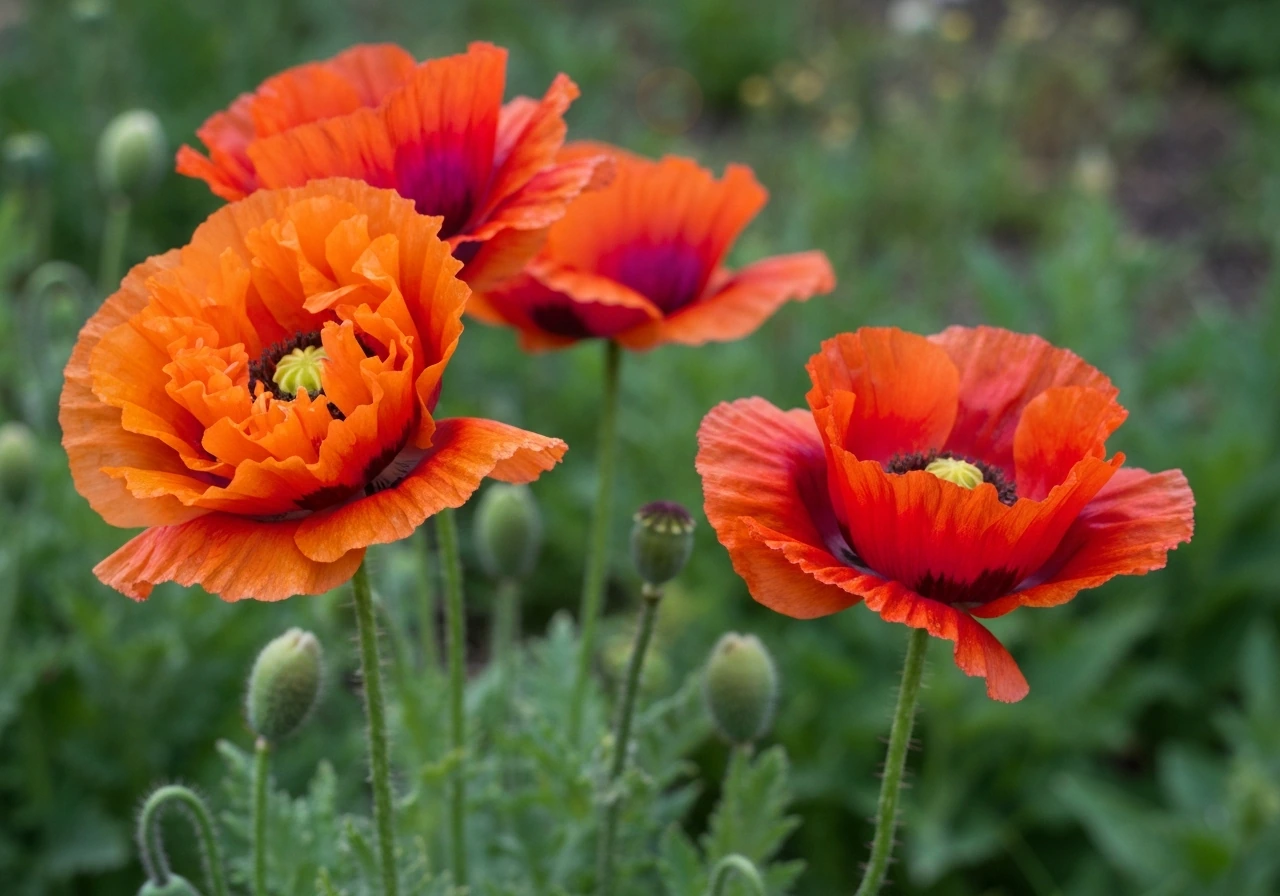
Madagascar periwinkle (Catharanthus roseus) is one of the most heat-tough, low-fuss flowering plants you can grow. Start seeds indoors about 10 weeks before your last frost date, give the plants full sun and well-drained sandy-ish soil, and they will pump out pinwheel blooms from early summer until the first frost with almost no coaxing. Whether you're growing from seed or dropping in nursery transplants, this guide walks you through every step.
Madagascar Periwinkle How to Grow: Step-by-Step Guide
Marcus Holloway
7 Jun 2026
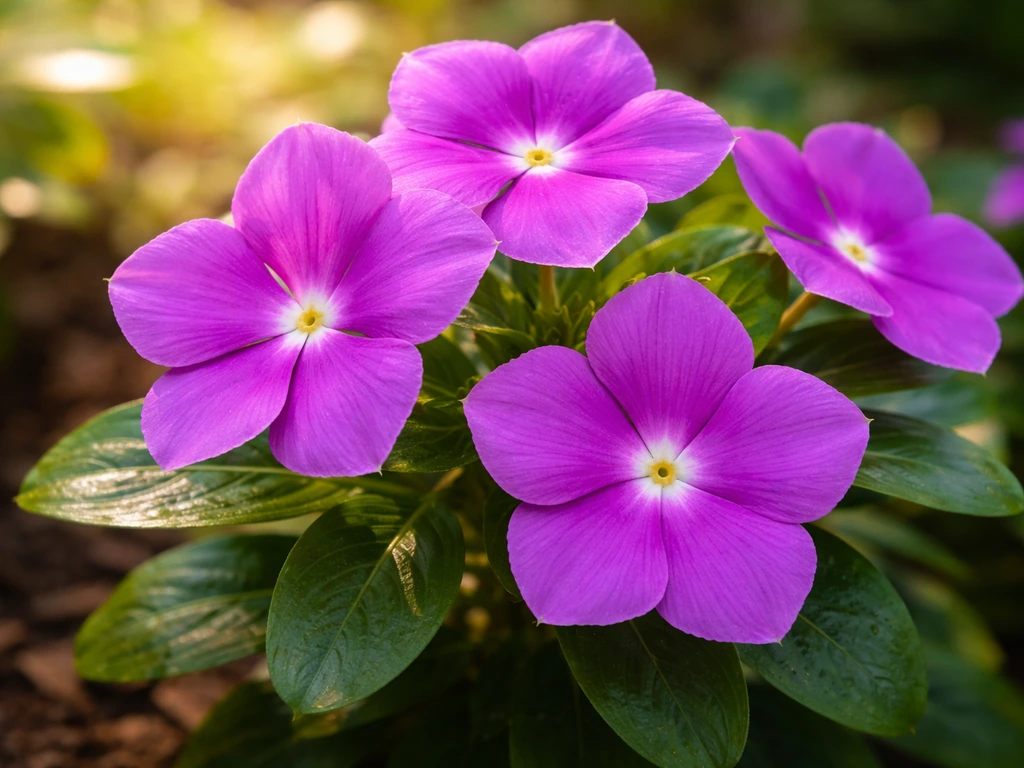
Where Madagascar periwinkle actually comes from
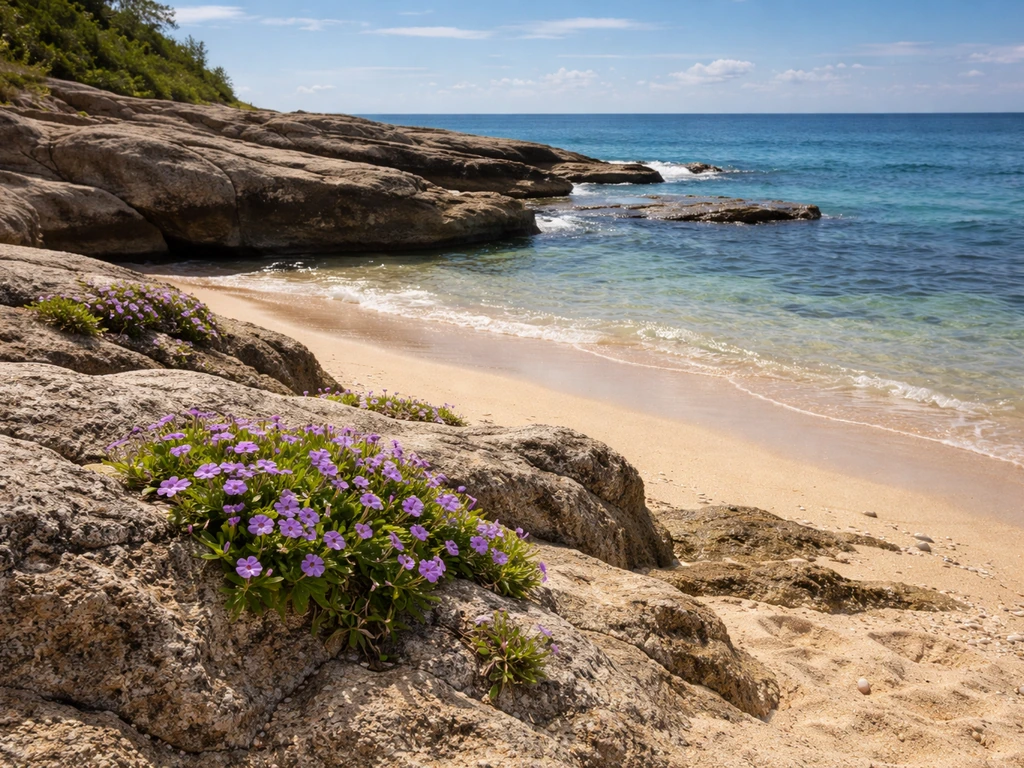
As the name suggests, Catharanthus roseus is native and endemic to Madagascar. In the wild it hugs coastal habitats: cliff faces, rocky ocean ledges, sand dunes, and river banks, as well as savannah vegetation and roadsides near villages. That natural habitat tells you almost everything you need to know about what it wants from your garden: sandy, fast-draining soil, blazing sun, and consistent warmth. It has since naturalized across the tropics and subtropics worldwide, and it performs beautifully in any warm, sunny garden.
Best site, light, and soil setup
Pick the sunniest spot you have. Madagascar periwinkle is one of the few flowering annuals that genuinely thrives under stressful summer heat, making it ideal for south-facing beds, hot patios, and spots near heat-reflecting walls where other flowers fry. Full sun is ideal, though it will tolerate part shade, where it may bloom a little less freely.
Soil drainage is non-negotiable. This plant roots on cliff faces and sand dunes in the wild, so soggy ground is its one real weakness. Aim for a well-drained sandy loam. If your garden beds are heavy clay, mix in coarse sand or perlite and raise the bed a few inches. Container growing is actually ideal because you can control drainage completely. Soil pH should sit between 5.8 and 6.2, which is mildly acidic and easy to hit with a standard potting mix or garden soil that hasn't been heavily limed.
Seed starting and timing
Madagascar periwinkle needs a long, warm start to hit the ground running outdoors, so give seeds about 10 weeks of indoor time before your anticipated transplant date. In most temperate zones that means starting seeds in late winter or early spring.
Starting seeds indoors (the recommended route)
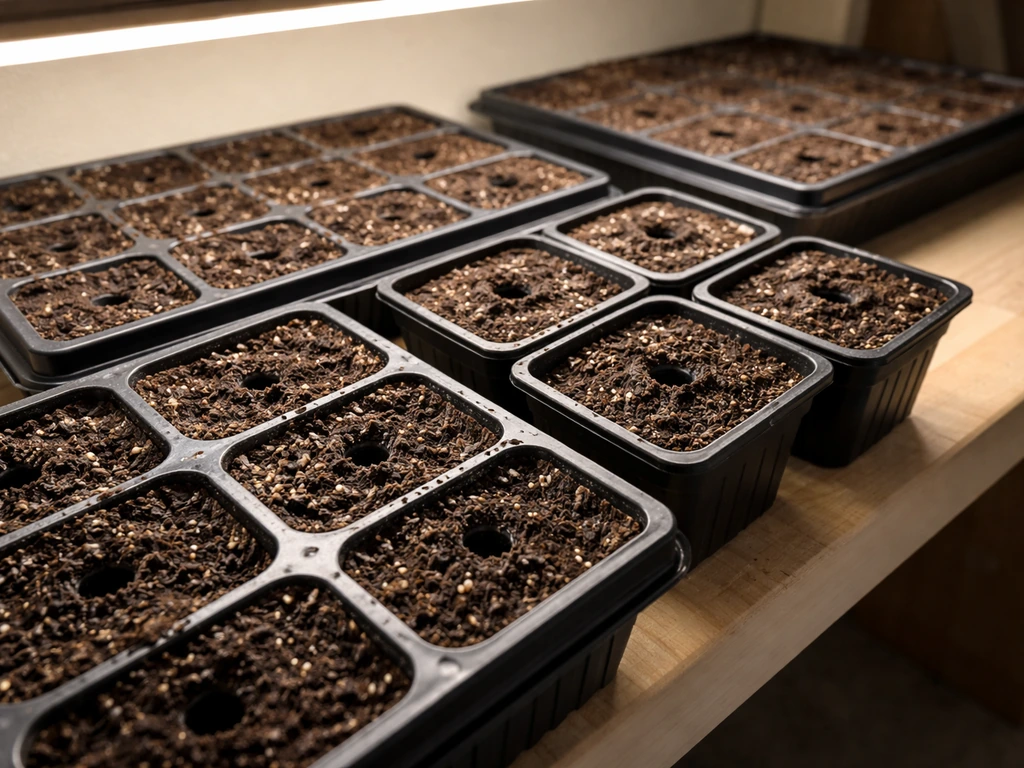
- Fill cell trays or small pots with a sterile, soilless seed-starting mix at a pH of 5.8 to 6.2.
- Sow seeds and cover them with a thin layer of mix (light is not necessary for germination, so covering helps retain moisture and warmth).
- Keep the medium at 75 to 78°F (24 to 26°C) for germination. A heat mat set under the trays is the easiest way to hold this temperature consistently. Germination typically takes 3 to 5 days under these conditions.
- Once seedlings emerge, drop the temperature slightly to around 70 to 72°F (21 to 22°C) for the grow-on stage. Keep light bright, providing up to 2,500 foot-candles if using grow lights.
- Grow on for roughly 5 weeks in plugs before stepping up to larger containers, then continue for the remaining weeks until outdoor planting time.
Avoid overwatering during germination. The biggest killer of young periwinkle seedlings is damping off, a fungal problem caused by Rhizoctonia, Fusarium, and Pythium. Use fresh, sterile mix, water from the bottom when possible, and make sure there is good airflow around the trays. Seedlings that have developed their first true leaves and a proper root system resist damping off much better than tiny fresh sprouts.
Direct sowing outdoors
Direct sowing works only once soil temperatures are reliably warm, typically well after your last frost date when nights stay above 50°F. Papaver rhoeas, also called the corn poppy, has a similar approach where you match sowing time to warm conditions so seeds establish reliably Direct sowing works only once soil temperatures are reliably warm. In most temperate climates this shortens the bloom season noticeably, so it is best reserved for gardeners in warmer zones (USDA 9 and above) or as a cost-cutting experiment in a warm corner of a sheltered bed. In cooler zones, stick with indoor starting.
Planting out, spacing, and transplant tips
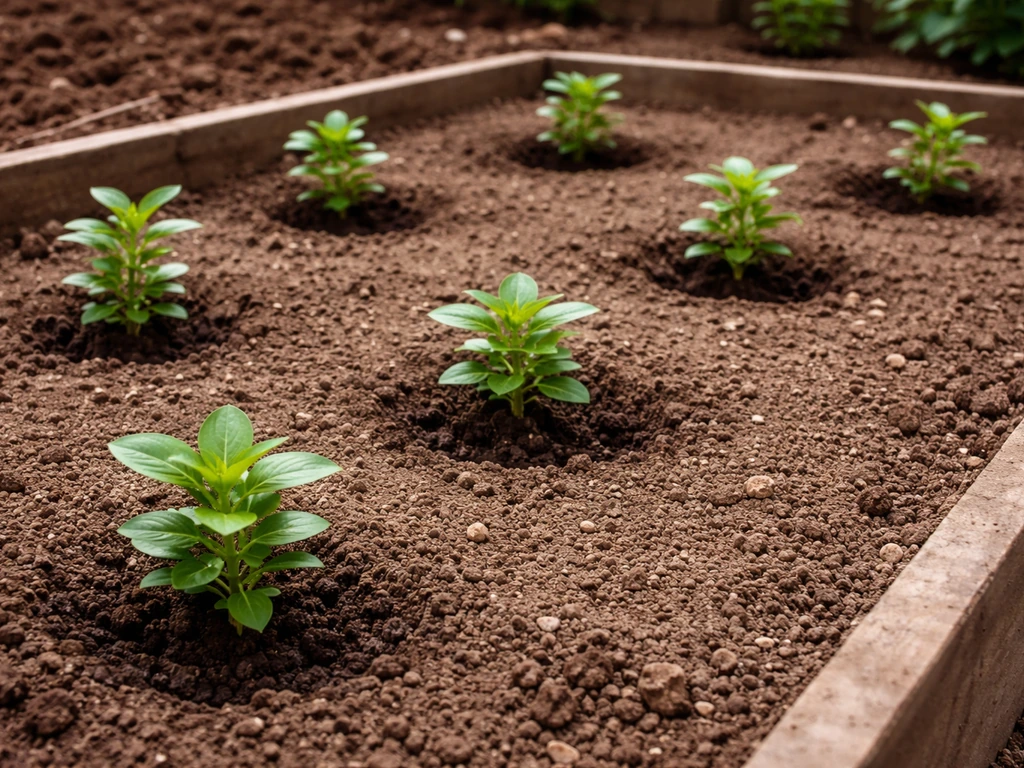
Madagascar periwinkle is cold-sensitive, so do not rush transplanting. Wait until nighttime temperatures are consistently above 50°F and all frost risk is gone. Hardening off matters here: set seedlings outdoors in a sheltered, partially shaded spot for a few days before moving them to their final sunny position.
For spacing, about 12 inches apart in all directions is the standard guidance for most garden varieties, giving plants enough room to branch out and create a full, lush look. Compact series may do fine at 9 inches apart, while larger spreading types can be pushed to 12 inches or slightly beyond. When transplanting, water the cells well beforehand, handle root balls gently (disturbing the roots as little as possible), and plant at the same depth the seedling sat in its cell. Water in thoroughly and keep the soil evenly moist for the first week or two while roots establish.
Watering, feeding, and keeping the blooms coming
Once established, Madagascar periwinkle is impressively drought-tolerant, reflecting its origins on sandy, free-draining coastal soils. That said, consistent moisture during dry spells keeps plants looking their best. Water deeply but infrequently, letting the top inch or so of soil dry before watering again. Avoid getting water on the foliage in humid weather, as wet leaves invite the fungal problems described below.
For feeding, a water-soluble balanced fertilizer applied every 7 to 10 days during the growing season works well. Don't over-fertilize with high-nitrogen products or you will push leafy green growth at the expense of flowers. A balanced or bloom-boosting formula is the right choice.
Here is the real bonus of growing this plant: Madagascar periwinkle is self-cleaning, meaning old flowers drop on their own without deadheading. You do not need to go out and pinch spent blooms to keep the show going. That makes it genuinely low-maintenance once it is in the ground and growing well. It blooms from early summer right through to the first frost.
Troubleshooting growth issues, pests, and disease
Leggy, weak seedlings
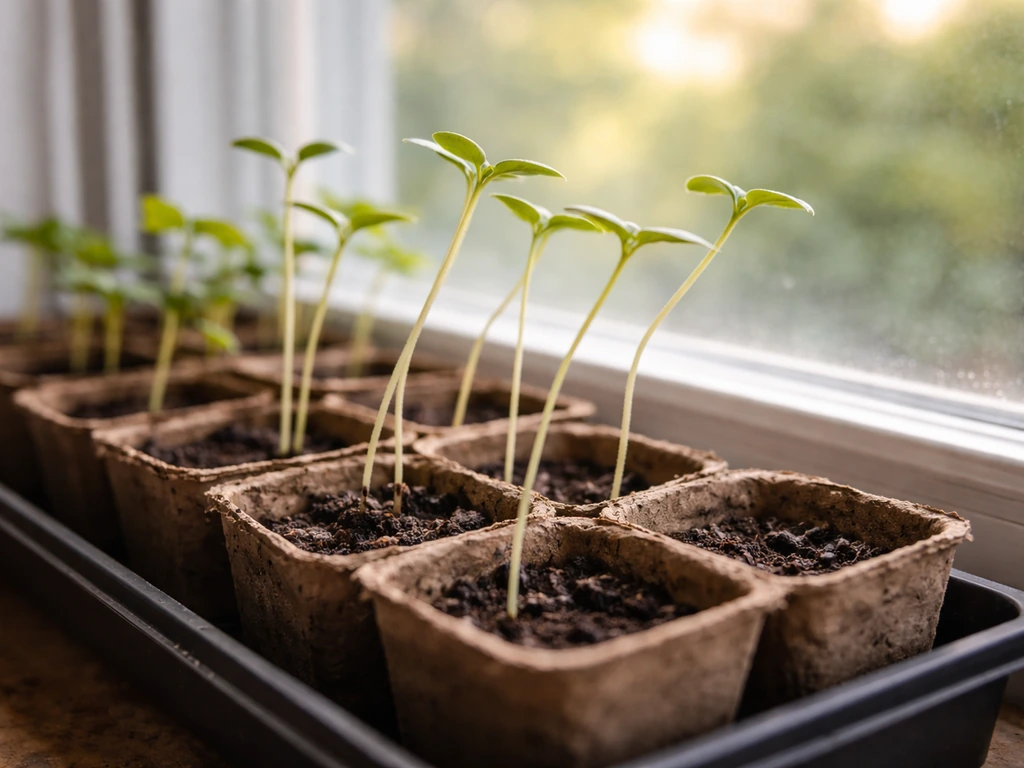
Legginess is almost always a light problem. If seedlings are stretching toward the window, they need more light. Move them closer to a grow light (keeping it at the right intensity) or to the brightest possible window position. Once planted outside in full sun, plants that were leggy indoors often tighten up within a couple of weeks.
Poor flowering
If plants are growing fine but not blooming well, the most common culprits are too much shade, too much nitrogen fertilizer, or planting out before the soil was warm enough. Move containers to a sunnier spot, switch to a balanced or lower-nitrogen fertilizer, and be patient. Plants that went through a cold shock often take a few extra weeks to hit their stride.
Damping off in seedlings
Seedlings that keel over at the base or rot off at soil level are suffering from damping off, caused by fungal pathogens like Rhizoctonia, Fusarium, and Pythium. Prevention is everything here: use sterile seed-starting mix, avoid overwatering, provide good airflow, and don't sow seeds too thickly. There is no cure once a seedling collapses, but healthy neighboring seedlings in the same tray often survive if you improve conditions immediately.
Leaf spot and fungal issues
Alternaria leaf spot can appear as dark spots or lesions on the foliage, especially during periods of high humidity. Avoid overhead watering, remove affected leaves promptly, and make sure plants have adequate spacing for airflow. Fungal issues tend to be far worse in wet, humid summers than in hot, dry ones, which again aligns with the plant's preference for arid coastal conditions.
Spider mites
Spider mites are the most common pest, particularly during hot, dry spells. The first sign is typically stippling or yellowing on the leaves before you spot the mites themselves. Inspect the undersides of leaves regularly. If mites appear, treat with insecticidal soap or horticultural oil, testing on one or two plants first to check for sensitivity before treating the whole planting.
Growing Madagascar periwinkle in cooler climates
In USDA zones 9 to 11, Madagascar periwinkle can behave as a short-lived perennial and may survive mild winters outdoors. In all cooler zones (zones 8 and below), treat it as an annual: start fresh from seed each year indoors or buy nursery transplants in late spring. For a detailed, step-by-step approach specifically for black swan poppy, follow the guide on how to grow it and match its light and drainage needs black swan poppy how to grow. The 10-week indoor start is your main tool for squeezing the most out of a shorter growing season.
If you want to try overwintering a particularly nice plant or an unusual variety, bring it indoors before the first frost. Cut it back by about one-third, pot it up if it was in the ground, and place it in the sunniest window you have (or under grow lights). Keep watering light over winter, and resume regular feeding in late winter as new growth picks up. Rooted cuttings taken in late summer are actually easier to overwinter than large plants, so it is worth taking a few before the season ends. That said, for most home gardeners, starting fresh from seed each spring is simpler, cheaper, and just as rewarding.
If you enjoy growing other heat-loving annuals from seed, the same indoor-start approach and warm-soil principles apply to quite a few flowers. If you are specifically looking for how to grow oriental poppies, the key is also giving them warm conditions and the right site heat-loving annuals. If you are also looking for a showy challenge, our guide on giant poppies explains how to grow them for bold blooms in the right conditions giant poppies how to grow.
Seed timing, light, and drainage are the fundamentals that show up across almost every annual you'll grow, from easy cutting-garden staples to more demanding varieties. If you also mean papaver (poppies), focus on their specific sowing, light, and soil needs, which differ from Madagascar periwinkle papaver how to grow. For papaver how to grow, focus on sowing at the right time and matching their specific light and soil requirements papaver (poppies).
Quick-reference growing summary
| Factor | What Madagascar periwinkle wants |
|---|---|
| Native origin | Madagascar (coastal sandy and rocky habitats) |
| Light | Full sun; tolerates part shade |
| Soil | Well-drained sandy loam, pH 5.8 to 6.2 |
| Germination temperature | 75 to 78°F (24 to 26°C) |
| Days to germinate | 3 to 5 days |
| Indoor start timing | 10 weeks before transplant date |
| Transplant spacing | 9 to 12 inches apart |
| Watering | Deep and infrequent; drought-tolerant once established |
| Feeding | Balanced water-soluble fertilizer every 7 to 10 days |
| Deadheading needed? | No, self-cleaning |
| Bloom season | Early summer through first frost |
| Zone treatment | Annual in zones 8 and below; perennial in zones 9 to 11 |
FAQ
Can I grow Madagascar periwinkle indoors year-round?
Yes, but only if you can keep it warm and bright. If you bring containers indoors, keep them near a sunny window or under grow lights and water sparingly, letting the top inch dry before watering again. Any cool drafts or low light can trigger slow growth and reduced blooming until spring.
What’s the best soil setup for Madagascar periwinkle in a container?
For containers, use a pot with drainage holes and a lightweight mix that drains quickly. A good target is a sandy or perlite-rich potting blend, and never let the pot sit in a saucer of water, because soggy media leads to damping off in seedlings and root issues in established plants.
How do I handle heavy clay soil when growing Madagascar periwinkle?
If you have clay soil, the safest approach is a raised bed or mounded planting and soil amendments focused on drainage (coarse sand or perlite worked in thoroughly). Avoid planting it directly into heavy, compacted clay, since even occasional slow-draining water can shorten plant life.
When should I start fertilizing, and what if it grows lots of leaves but few flowers?
Don’t start feeding until you’ve transplanted and see active growth. Once established, use a balanced fertilizer at the interval you prefer (about every 7 to 10 days), but if leaves become lush and flowers stall, switch to a lower-nitrogen option or reduce the frequency.
Do I need to deadhead Madagascar periwinkle to keep it flowering?
You can skip deadheading because the plant drops spent blooms on its own. If you see ragged, diseased foliage, remove only the affected leaves promptly to reduce humidity around the plant and prevent fungal spread.
What watering method helps prevent leaf spot?
Overhead watering can be worse than occasional missed watering, especially in humid conditions, because wet leaves increase the chance of Alternaria leaf spot. Water at the base early in the day and aim for deep, infrequent irrigation once it is established.
My seedlings are stretching. What should I do before transplanting?
Leggy seedlings usually mean insufficient light during the indoor stage. Fix it by moving seedlings closer to the light source, increasing daily light duration, or raising the light intensity correctly, then transplant as soon as nights are reliably warm to help them recover.
How can I catch spider mites early and what’s the best first treatment?
Spider mites often show up first on leaf undersides during hot, dry spells. Keep an eye out for stippling and yellowing early, then treat promptly with insecticidal soap or horticultural oil, testing on a couple of plants first for sensitivity.
Why did my plant stop blooming after transplanting?
Self-cleaning means you can avoid deadheading, but the plant is still sensitive to stress. If it stops blooming after transplanting, check for cool nights, insufficient sun, or soil staying too wet, then give it a few weeks to recover as long as conditions are corrected.
Should I treat Madagascar periwinkle as an annual or try to overwinter it?
In cooler zones, the most reliable plan is to grow it as an annual: start indoors about 10 weeks before the last frost and replant fresh next spring. In USDA 9 to 11 you can try leaving it outdoors, but treat it as short-lived, especially if winters are wetter or colder than “mild.”
Next Article
How to Grow Oriental Poppies From Seed: Step-by-Step
Step-by-step guide to grow oriental poppies from seed, from sowing and timelines to blooming care and troubleshooting.