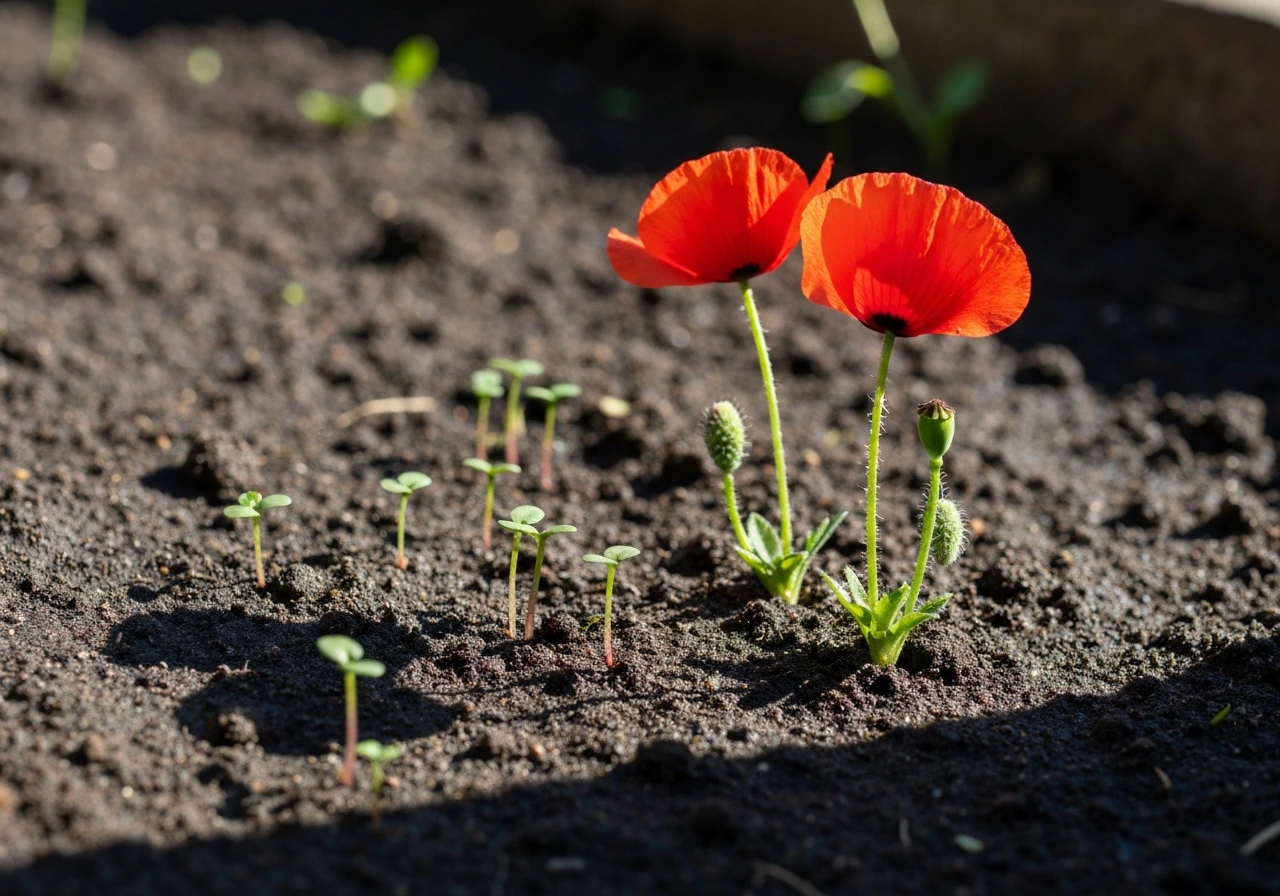
Papaver rhoeas, the corn poppy, is one of the easiest flowers you can grow from seed. Direct-sow it straight into the ground as soon as the soil can be worked in early spring (about 4–6 weeks before your last frost date), barely press the seed into the surface, blank" rel="noopener noreferrer">keep the bed moist, and you'll see seedlings in as little as 6–21 days. That's really the whole secret: get the seed in early, go shallow, and don't overwater. Everything else is fine-tuning.
How to Grow Papaver rhoeas From Seed: Full Guide

Marcus Holloway
20 Jun 2026
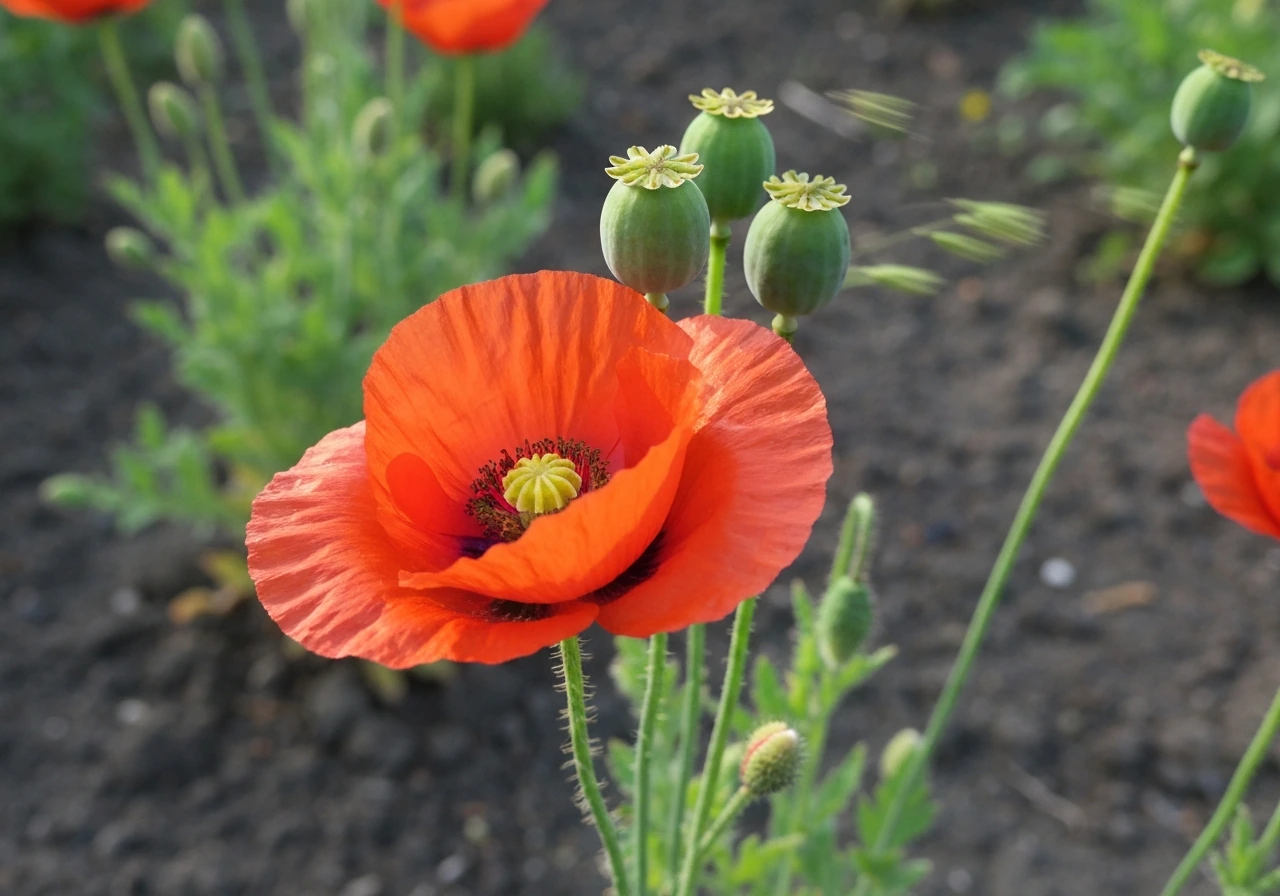
Why corn poppy is a fantastic beginner annual
Papaver rhoeas is about as forgiving as an annual gets. It germinates in cool soil, tolerates poor and rocky ground, requires almost no feeding, and will actually do worse if you fuss over it too much. The plants grow 24–36 inches tall and produce those iconic crinkled red (or pink, white, or bi-color) petals from June through August. Once established, they self-seed vigorously, so if you let a few pods ripen and split, you'll get a free crop again next year with zero effort.
Compared to other poppies in the Papaver family, rhoeas is the most relaxed about conditions. Oriental poppies are perennials that need specific timing and more coddling; giant poppies and the dramatic Black Swan types are showier but pickier. Oriental poppies also benefit from careful site preparation and the right timing, so they establish well and flower reliably. Corn poppy is the gateway drug: grow it once and you'll be hooked on the whole genus.
When to sow: getting the timing right
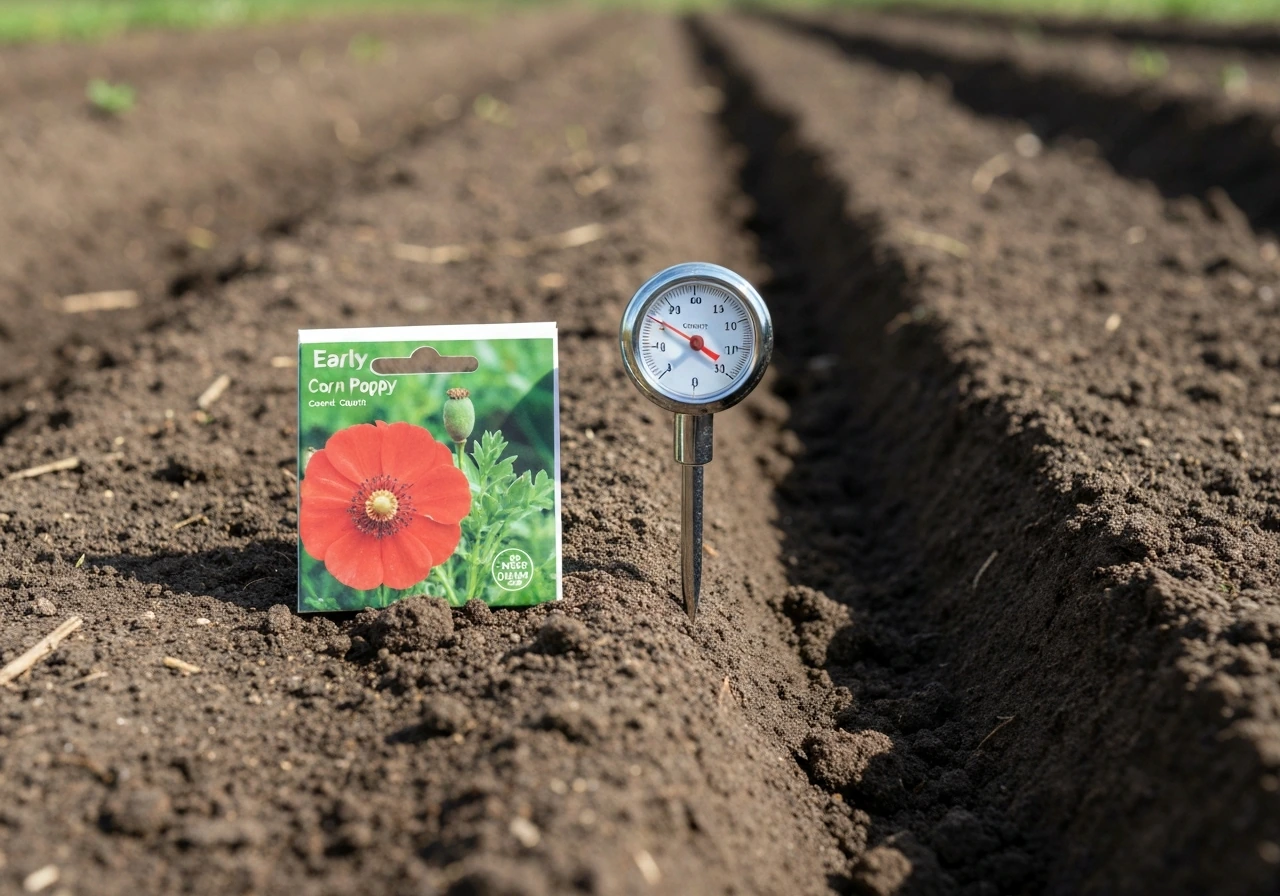
Corn poppy needs cool soil to germinate well. The sweet spot is 55–65°F soil temperature. That's why direct sowing 4–6 weeks before your average last spring frost is the standard recommendation. In most of the US and UK, that window falls somewhere between late February and early April depending on your zone. Don't wait until the soil warms up for summer crops, that's actually too late and too warm for the best germination.
If you're in zone 8 or warmer (parts of California, the US South, or mild UK regions), autumn sowing is an excellent option. Sow in late September or October, let seeds overwinter in the soil, and they'll germinate in early spring and bloom even earlier than spring-sown plants. This mimics what the plant does naturally, it builds a long-lived seed bank in the soil and germinates when conditions are right after soil disturbance.
Should you start indoors?
Honestly, no. Papaver rhoeas hates having its roots disturbed, and transplanting almost always sets it back or kills it. Direct sowing outdoors is faster and more reliable than fighting with indoor starts. If you're tempted to get ahead of the season, just resist, the extra few weeks indoors won't give you earlier blooms, and you'll likely lose seedlings at transplant time. Stick with direct sowing and you'll come out ahead.
How to sow corn poppy from seed, step by step
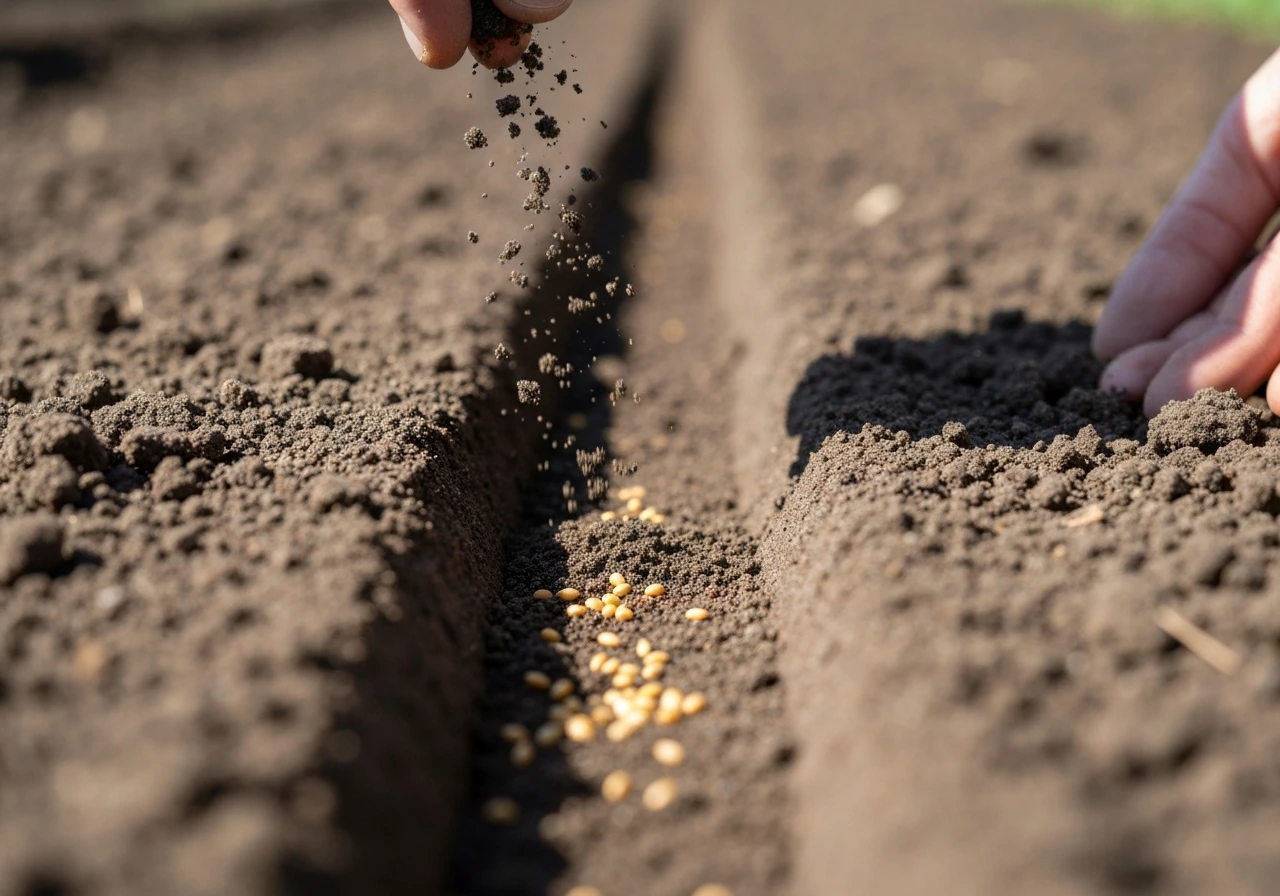
The process is simple but the details matter, especially seed depth and soil prep. If you want the full papaver how to grow walkthrough from seed to bloom, follow the steps below. Here's exactly what to do:
- Choose your spot: pick a location in full sun with decent drainage. Corn poppies will grow in poor, rocky, or sandy soil — that's actually where they thrive. Avoid heavy clay that stays waterlogged.
- Prep the seed bed: rake the surface to a fine tilth, removing large clumps and stones. You don't need to dig deep — just loosen the top inch or two and level it out. Skip the fertilizer; rich soil causes floppy plants and fewer flowers.
- Mix seed with sand: corn poppy seed is tiny. Mixing it with a small amount of dry silver sand (roughly 3–4 parts sand to 1 part seed) makes it far easier to scatter evenly and avoids the clumped patches that lead to overcrowded, weak seedlings.
- Sow the seed: scatter the sand-and-seed mix thinly and evenly across the prepared area. For rows, aim for roughly 1/8 inch deep — but 'barely cover' is the real guidance. Press the seed gently into the soil surface with the flat of your hand or a board. Do not bury it; corn poppy seed needs light to germinate.
- Water gently: use a watering can with a fine rose or a gentle spray setting. You want the seed bed evenly moist, not washed out. Displacement of tiny seeds by heavy watering is one of the most common reasons germination looks patchy.
- Keep the bed moist until emergence: check daily and water if the surface dries out. Germination takes 6–21 days depending on soil temperature — faster if it's been warm, slower in cold snaps.
- Thin when seedlings are 1–2 inches tall: once the first true leaves appear, thin to one plant every 6–9 inches (15–23 cm). Yes, this feels brutal when they're tiny, but crowding leads to leggy, disease-prone plants. Snip thinned seedlings at soil level with scissors rather than pulling, to avoid disturbing the roots of the ones you're keeping.
Growing conditions and ongoing care
Light and soil
Full sun, at least 6 hours a day. If you're growing Madagascar periwinkle, aim for bright light and consistent care to support healthy growth and flowering Full sun. Corn poppies in shade get leggy and produce fewer flowers. On soil: lean is better. Poor, well-drained, even stony soil produces the most compact, floriferous plants. If your soil is rich from years of composting, hold off on adding any amendments for this crop. Excess fertility literally reduces flower quality and makes plants floppy and prone to falling over.
Watering
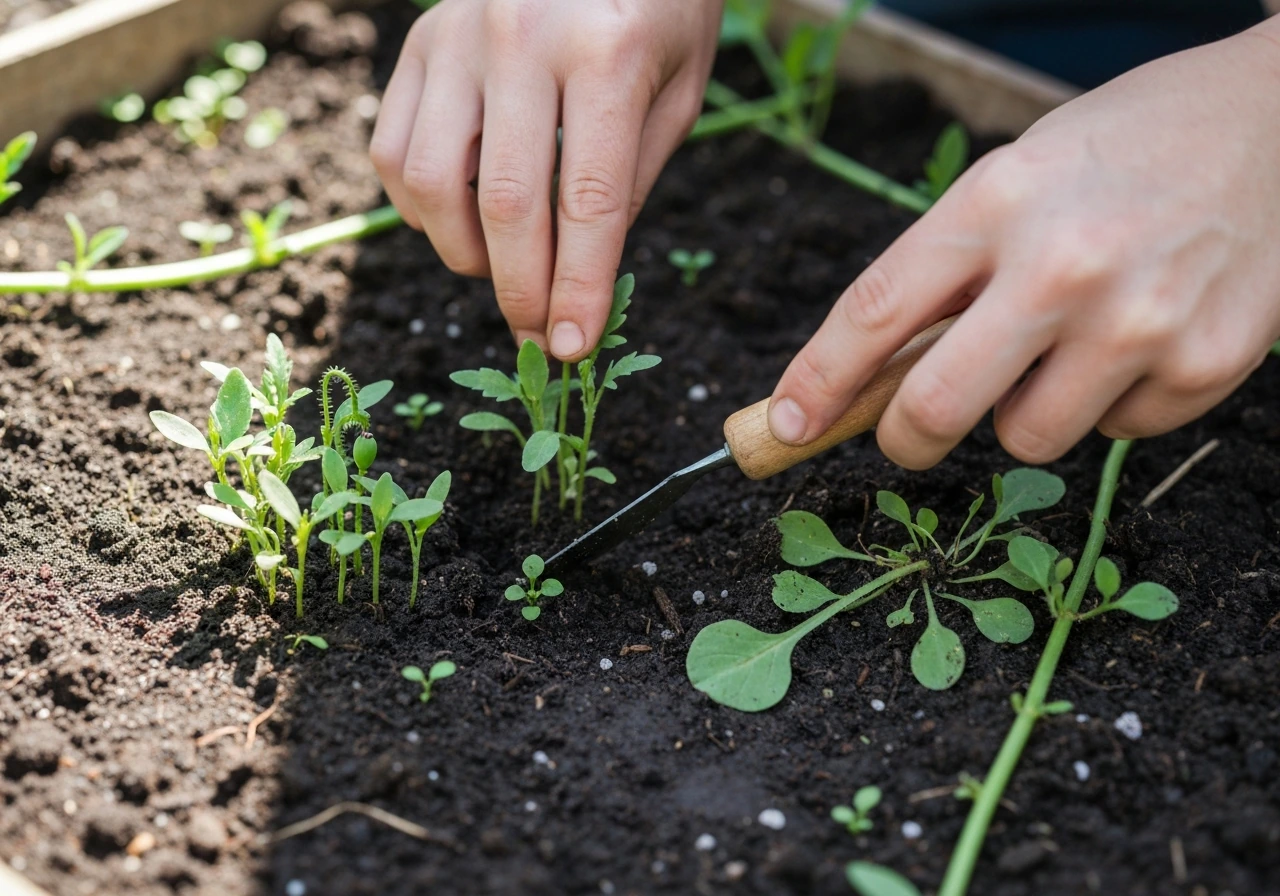
Once established, corn poppies are surprisingly drought-tolerant and actually prefer to be on the drier side. Water young seedlings regularly to help them settle in, but once they're a few inches tall, ease off. If you want giant poppies, focus on richer compost, consistent moisture early on, and giving plants plenty of spacing for big blooms giant poppies how to grow. The biggest watering mistake is keeping the soil too wet, it encourages damping off and root problems. Water at the base of plants rather than overhead, and always let the top inch of soil dry out between waterings.
Thinning and weeding
Thinning is non-negotiable with this plant. Don't skip it hoping the seedlings will sort themselves out, they won't. Crowded corn poppies produce weak stems and are far more vulnerable to disease. Weed regularly in the early weeks because young poppy seedlings can easily be outcompeted by fast-growing weeds. Once thinned and established, the plants are vigorous enough to handle themselves, but that first month of establishment is critical.
Common problems and how to fix them
| Problem | Likely Cause | Fix |
|---|---|---|
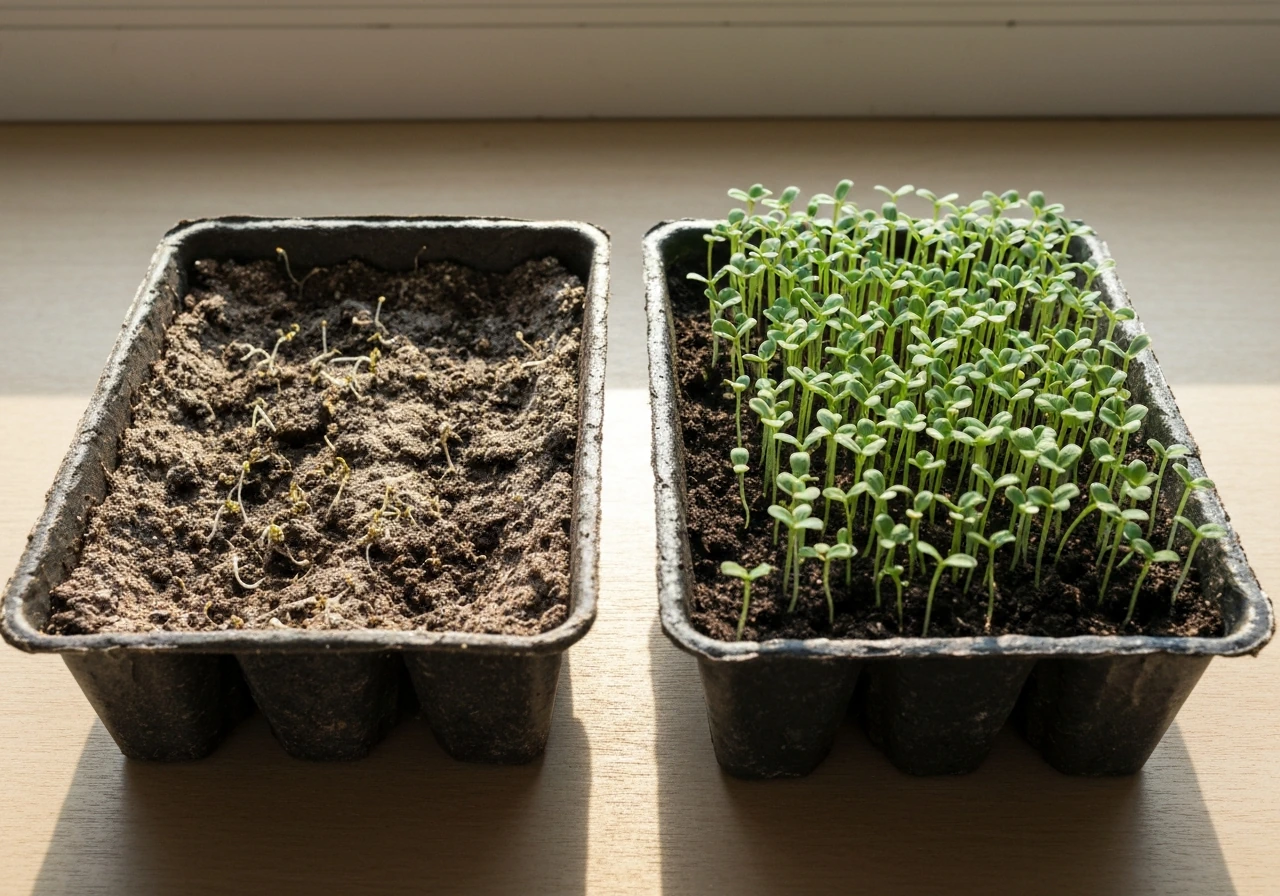
| Poor germination | Seed buried too deep, soil too warm, or seed bed dried out | Re-sow shallowly, keep the bed consistently moist, and aim for cooler soil (55–65°F). Try again in early morning shade if it's a warm spell. |
| Damping off (seedlings collapsing at soil level) | Overwatering and poor air circulation causing fungal/oomycete infection | Reduce watering immediately, improve drainage, and thin seedlings to increase airflow. Copper-based fungicide can help prevent spread in severe cases. |
| Leggy, weak seedlings | Not enough light, or too much nitrogen in the soil | Move to a sunnier spot; avoid fertilizing. Ensure seedlings are thinned to proper spacing so they aren't competing for light. |
| Aphids on stems and buds | Bean aphid or green peach aphid infestation | Knock them off with a strong spray of water from a hose. Repeat every few days. For heavy infestations, insecticidal soap works well without harming beneficial insects. |
| Slug and snail damage to seedlings | Moist conditions attracting slugs, especially after sowing | Use integrated control: copper tape, beer traps, or iron phosphate pellets. Go out at night with a torch and remove them by hand if numbers are small. |
| Uneven germination/patchy sowing | Seed clumped during sowing | Always mix seed with fine sand before sowing for even distribution. Re-sow thin patches as soon as you notice them while conditions are still cool. |
What to expect from sowing through to bloom and seed harvest
The timeline
Spring-sown corn poppies germinate in 6–28 days (soil temperature makes a big difference, 55–65°F is the sweet spot). Seedlings develop quickly once established, and you can expect your first blooms roughly 60–70 days after sowing, putting most spring-sown plants into flower from late May through August. Each individual flower lasts only a few days, but plants produce them in succession over many weeks, so the overall display is long.
Managing the blooms
If you want to extend flowering, deadhead spent blooms before the seed pods swell. This redirects the plant's energy into producing more flowers rather than setting seed. If you want seeds for next year (or for cooking or saving), let some pods develop fully, just choose the best, most vigorous plants to save from.
Harvesting seeds
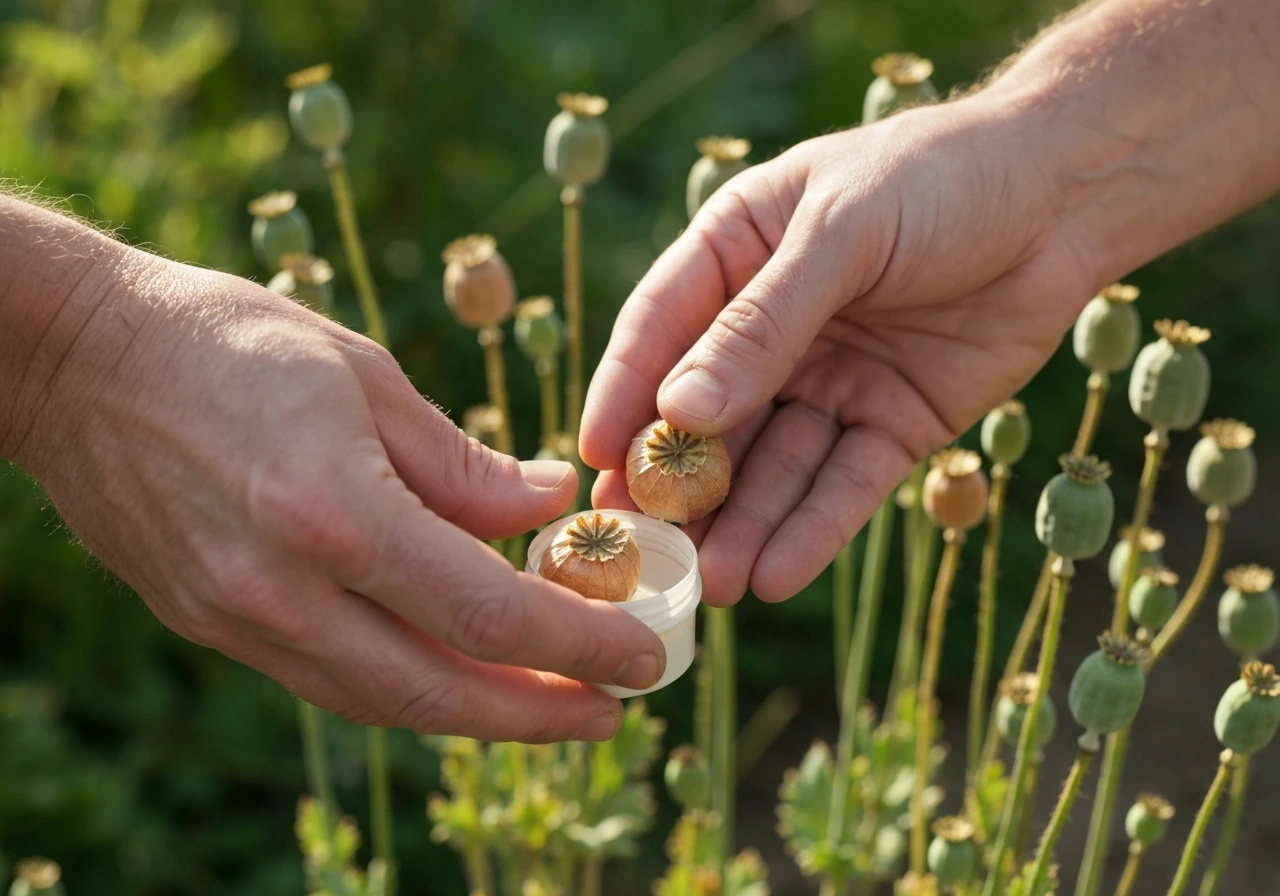
Corn poppy seed capsules are ready to harvest when they've turned tan or light brown, feel papery and dry, and you can hear the seeds rattle inside when you gently shake the pod. Don't harvest too early, green or damp pods contain unripe seed that won't store or germinate reliably. On a dry day, turn ripe seed heads upside down over a piece of paper or into a paper bag and the seeds will scatter out through the small pores at the top of the pod. Alternatively, snip the whole dry pod into a paper bag and shake. Let seeds dry completely at room temperature for a week before storing in a labelled paper envelope in a cool, dry place. Stored correctly, corn poppy seed stays viable for 2–3 years.
Letting them self-seed
If you do nothing, corn poppies will self-seed prolifically. The capsule literally explodes to distribute seed when fully ripe, and those seeds can persist in the soil for years, germinating whenever the ground is disturbed. This is a lovely feature if you want a naturalistic drift that returns every year with minimal effort, just cultivate the area lightly in autumn or early spring and watch them come back. It's less ideal if you want to keep them in a specific spot, so deadhead the pods you don't want to spread before they fully ripen. If you are looking specifically for black swan poppies, you can use these same sowing and care timings as a starting point for how to grow them.
FAQ
My papaver rhoeas seeds won’t germinate, what’s the most likely cause?
Aim for bare-minimum moisture at germination. Keep the surface evenly moist until you see seedlings, but once they emerge, let the top inch dry between waterings to reduce damping-off. If you see a green crust, puddling, or seedlings collapsing at the soil line, cut back and improve drainage.
How deep should I sow papaver rhoeas seed?
First check that you did not cover them too deeply. Corn poppy seeds need light at the surface, so press them in gently but keep them exposed or barely under soil. Also confirm your timing, early spring or late autumn for mild zones, because warm summer soil can delay or fail germination.
Can I thin corn poppy seedlings by moving them to another spot?
Use thinning to set the spacing, do not transplant the extras. Snip or carefully remove seedlings once they have a few true leaves, leaving the strongest plants spaced so air can move through (crowding leads to floppy stems and more disease). If you must disturb anything, do it quickly and only at thinning time.
What’s the best way to manage weeds before papaver rhoeas takes over?
In-ground weeds are usually the bigger issue in the first few weeks. Hand-weed shallowly, and avoid hoeing deeply near seedlings. A simple approach is to weed after the first watering when soil is slightly moist, then recheck every few days until the crop establishes.
I already started seeds indoors, is there any way to save them?
For best survival, avoid indoor starting and transplanting. If you already started indoors, plan to sow outdoors at the earliest cool window and minimize root disturbance, but expect lower success than direct sowing. For the most reliable results, stick to direct sowing or autumn sowing in mild climates.
How do I deadhead papaver rhoeas, and when should I leave seed pods?
Deadhead only the blooms you want to prevent. If you remove faded flowers before pods swell, the plant will keep producing more flowers. If you want seeds, leave a few capsules on your chosen plants and deadhead the rest to balance flowering with seed production.
Why are my corn poppies not flowering well?
Poor flowering often comes from overly rich soil or too much shade. Corn poppy typically performs best in lean, well-drained ground and full sun (at least 6 hours). If your bed is heavily composted, stop adding amendments and wait for the plant to express its natural floriferous habit.
Should I sow papaver rhoeas in spring or autumn in my region?
Yes, but timing matters. In mild zones, autumn sowing lets seedlings emerge earlier, often leading to earlier blooms. In cooler regions, spring sowing is more dependable, because overwintering wet soil can rot seeds or create uneven emergence.
How can I tell when papaver rhoeas seed pods are ready to harvest?
Let pods dry fully before harvesting, when they turn tan or light brown and feel papery. Harvest on a dry day and shake into paper to prevent mold from stored moisture. If you harvested green pods, expect lower viability and consider composting rather than storing.
How do I stop papaver rhoeas from taking over my garden?
Corn poppies are mostly grown for showy blooms and their natural reseeding, but you can control spread by deadheading before capsules ripen. If you want a drift, cultivate lightly after pods have dropped. For a fixed bed, remove all ripe pods promptly so volunteers do not appear later.
My flowers fade quickly, is there a way to extend the overall bloom time?
Expect brief individual flower life, but frequent succession. If you want a longer display, keep weeding early, avoid overwatering, and deadhead before pods form. The plant’s overall flowering window is usually several weeks even though each bloom lasts only a few days.
Next Article
Papaver How to Grow From Seed: Step by Step Guide
Step-by-step poppy seed guide: pick varieties, sowing depth, germination, care, troubleshooting, and harvest or self-see