Yes, you can absolutely grow oriental poppies from seed. Black swan poppies follow the same core method as other oriental poppies, so use the same timing, light, and seed-starting steps. Giant poppies have similar requirements, so follow these growing steps to get the biggest blooms giant poppies how to grow. It takes a bit of patience because they're a perennial that often puts most of its energy into root and foliage establishment in year one, with the real flower show arriving in year two. But the process is straightforward once you understand two things: these seeds need light to germinate (so don't bury them), and they hate being moved once they've settled in. Get those two points right and you're most of the way there.
How to Grow Oriental Poppies From Seed: Step-by-Step
Marcus Holloway
11 May 2026
What oriental poppies actually are (and what to expect)
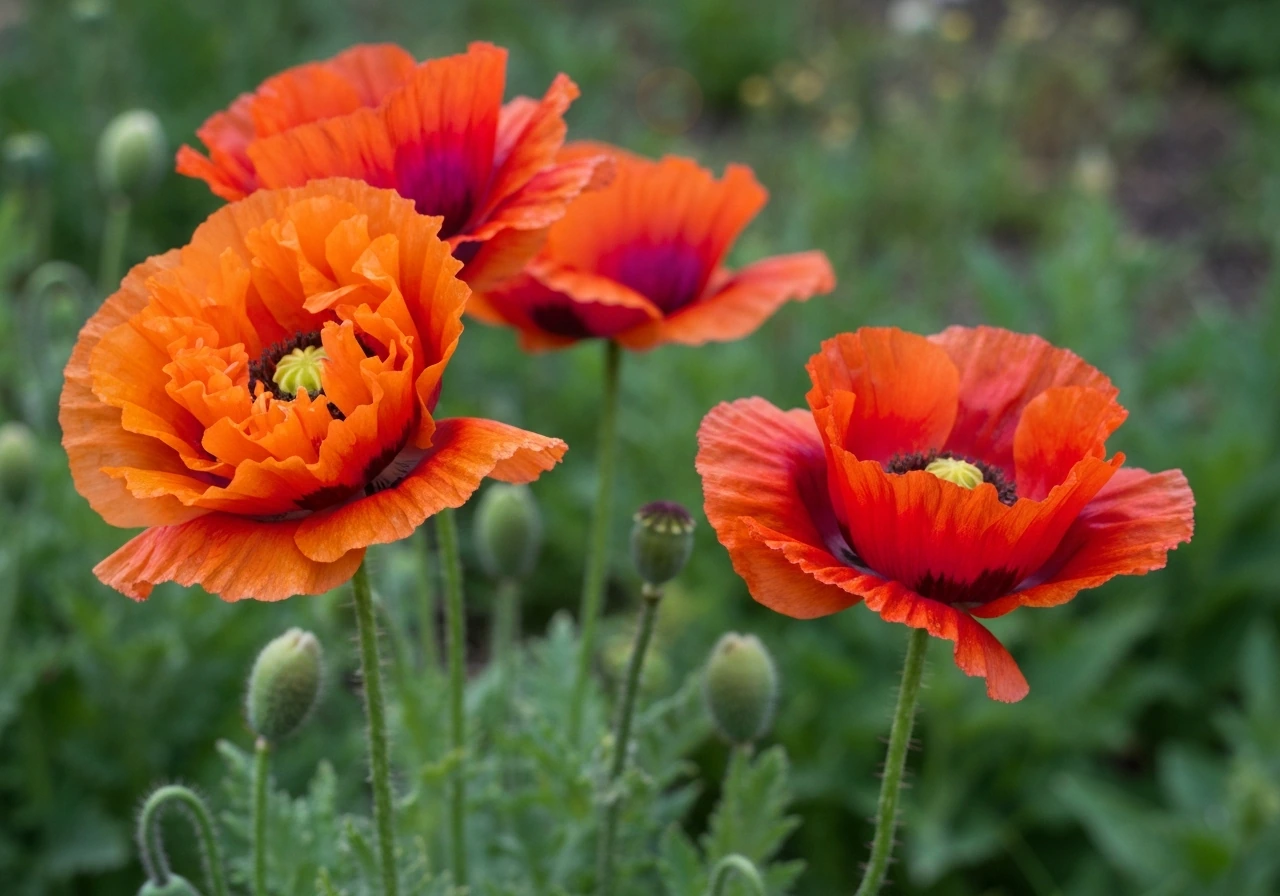
Papaver orientale is a hardy perennial that produces those enormous, tissue-paper blooms in late spring to early summer. The flowers are dramatic, the colors are intense, and the plants are tough once established. They thrive in cool conditions, go dormant in summer heat, and reappear reliably year after year. That dormancy is something first-time growers get confused by: after blooming, the foliage dies back completely. The plant isn't dead, it's just resting until autumn.
Growing from seed is totally viable, but set your expectations correctly. Most seed-grown plants will produce foliage and build a root system in year one and bloom in year two. Some gardeners get lucky with a bloom or two in the first season if they start early and conditions are ideal, but plan for year two as your main event. Oriental poppies develop a long, fleshy taproot, which is what makes them drought-tolerant as mature plants but tricky to move around. If you're growing from seed, you have the advantage of establishing plants exactly where you want them from the start.
If you've already been reading about other poppy varieties, it's worth knowing that oriental poppies behave quite differently from annual types like Papaver rhoeas. If you’re also wondering how to grow Papaver rhoeas, the approach is different because it’s an annual rather than a long-lived perennial annual types like Papaver rhoeas. They're slower, deeper-rooted, and more permanent. That's a good thing once they're going, but it does mean the seed-starting process requires a slightly different approach.
When to sow: timing is everything
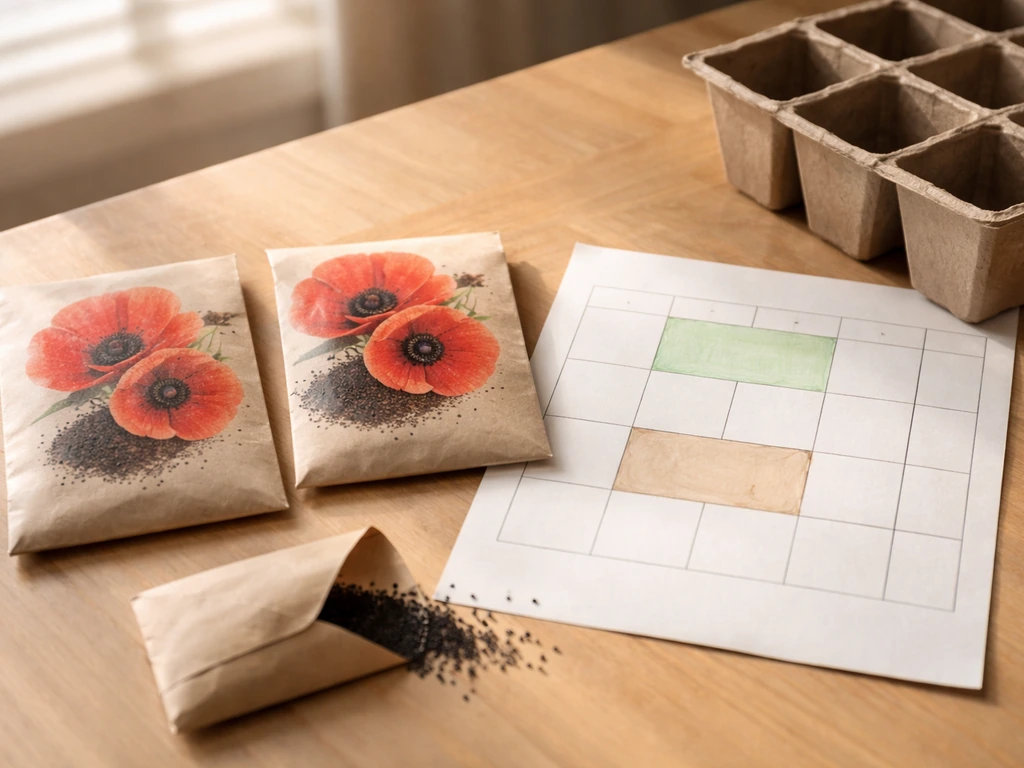
Oriental poppies are cool-season growers, and their seeds actually benefit from cold exposure to germinate well. That gives you two solid timing windows.
Starting indoors
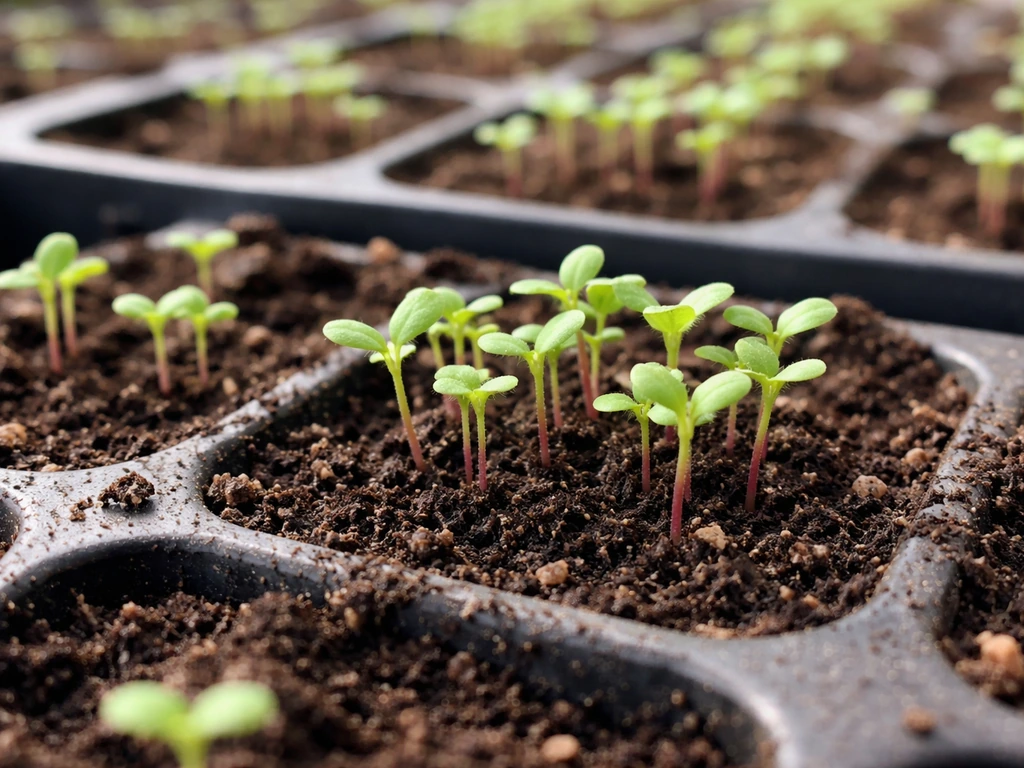
Sow indoors 6 to 8 weeks before your last frost date. This is the most reliable route for beginners because you control temperature and moisture. RBG’s plant profile for oriental poppies describes starting indoors in pots with moist seed-starting mix at around 20°C, then providing light after germination, hardening off, and planting after frost blank" rel="noopener noreferrer">starting indoors in moist seed-starting mix and keeping about 20°C. At a soil temperature of 65 to 75°F (18 to 24°C), expect germination in 7 to 14 days. Once the seedlings are up, drop the temperature to around 50 to 60°F to grow them on. This mimics the cool conditions they love and keeps them sturdy rather than leggy.
Direct sowing outdoors
You can also direct sow directly into the garden in early spring as soon as the soil is workable, or in late fall for natural cold-stratification over winter. The late fall sow is particularly effective because the seeds sit through winter, get their cold period naturally, and germinate when conditions are right in spring. Germination from direct-sown seed typically takes 14 to 20 days in spring. If your summers are hot and humid, North Carolina Extension notes that oriental poppies generally don't perform well in those conditions long-term, so make sure you're in a climate where they'll get the cool winter period they need.
| Method | When to Sow | Germination Time | Best For |
|---|---|---|---|
| Indoors | 6–8 weeks before last frost | 7–14 days at 65–75°F | Beginners, controlling conditions |
| Direct sow (spring) | Early spring, soil workable | 14–20 days | Simpler setup, less transplanting |
| Direct sow (fall/winter) | Late fall before ground freezes | Following spring | Natural cold stratification, easiest long-term |
Picking the right containers and materials
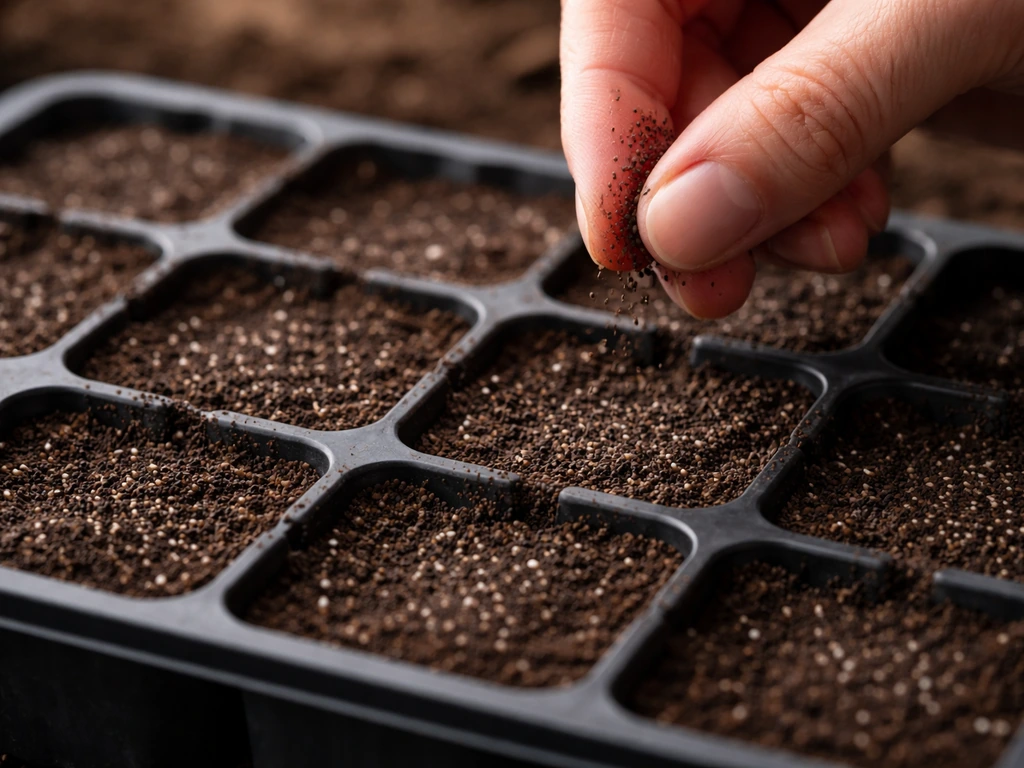
Because oriental poppies develop that long taproot early, your container choice matters more than with most seeds. Individual peat pots or deep cell trays (at least 3 to 4 inches deep) are ideal. Peat pots are especially useful because you can plant the whole pot into the ground without disturbing the roots at all, which sidesteps the transplant stress issue entirely.
Use a sterile, pathogen-free seed-starting mix. This is non-negotiable. Damping-off (a fungal rot that kills seedlings at the soil line) is one of the main ways people lose their poppy starts, and using old potting mix or garden soil from the yard is a fast track to that problem. Fresh, sterile mix from a bag costs almost nothing and removes one of the biggest risks.
- Individual peat pots or deep cell trays (3–4 inches minimum depth)
- Fresh sterile seed-starting mix, not garden soil
- A plastic humidity dome or clear plastic wrap to hold moisture until germination
- Fine vermiculite for a very light surface covering (optional but helpful)
- A spray bottle for watering without disturbing seeds on the surface
How to sow oriental poppies from seed, step by step
The single most important rule: do not bury the seed. Oriental poppy seeds are tiny, and light helps trigger germination. Covering them deeply is one of the most common reasons people get no germination at all.
- Fill your peat pots or cell trays with moist seed-starting mix to about half an inch below the rim. The mix should be damp but not dripping.
- Place one or two seeds on the surface of each cell. Don't press them in. Just lay them on top.
- If you want to cover them at all, use the thinnest possible dusting of fine vermiculite. This holds a little moisture around the seed while still allowing light through. Many growers skip covering entirely and do just fine.
- Mist the surface gently with a spray bottle so the seeds make good contact with the mix.
- Place a clear humidity dome or plastic wrap over the tray to hold moisture. You should not need to water again until germination as long as the dome is on.
- Set the tray somewhere with a consistent temperature of 65 to 75°F (18 to 24°C). A heat mat set to the lower end of that range works well, but a warm windowsill or the top of a refrigerator also works.
- Check daily. Remove the dome as soon as you see sprouts, usually within 7 to 14 days indoors.
- Once the dome is off, move the seedlings to your brightest windowsill or under grow lights and keep temperatures cooler, around 50 to 60°F.
The growing conditions oriental poppies need
Light
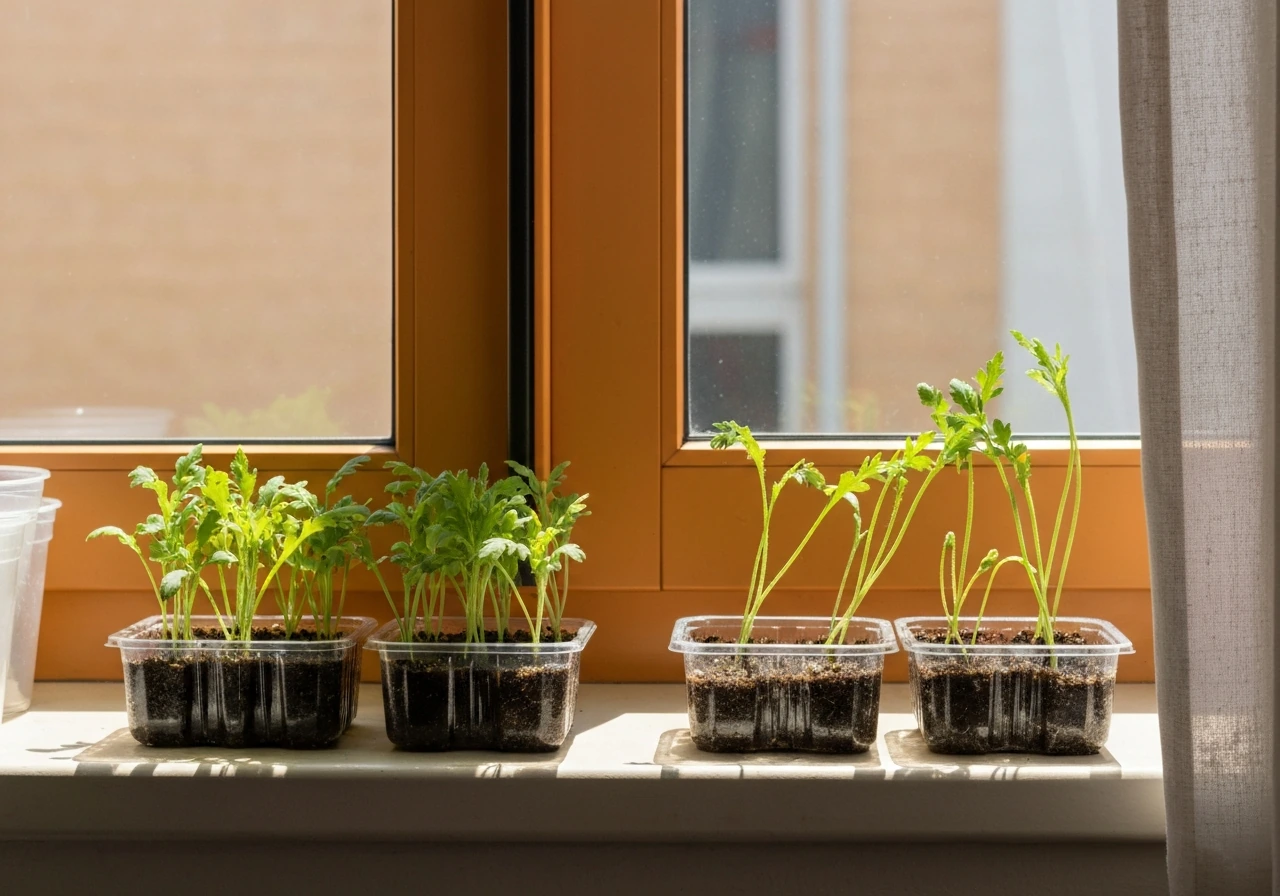
Full sun is the requirement, both for seedlings and mature plants. Indoors, that means the brightest south-facing window you have, or grow lights positioned 2 to 3 inches above the seedlings for 14 to 16 hours a day. Insufficient light is the main reason seedlings go leggy. In the garden, pick a spot that gets at least 6 hours of direct sun. Less than that and you'll get weak stems and fewer flowers.
Soil
Oriental poppies want well-drained soil with a pH close to neutral. If your soil is on the acidic side, work in some lime before planting. Heavy clay soil that holds water is a real problem because these plants do not tolerate wet roots. Sandy or loamy soil with decent drainage is ideal. For Madagascar periwinkle, follow a similar planning mindset: choose the right spot, use well-drained soil, and keep a steady watering routine until it establishes Madagascar periwinkle how to grow. Amend heavy soils with compost and grit before transplanting seedlings out.
Watering
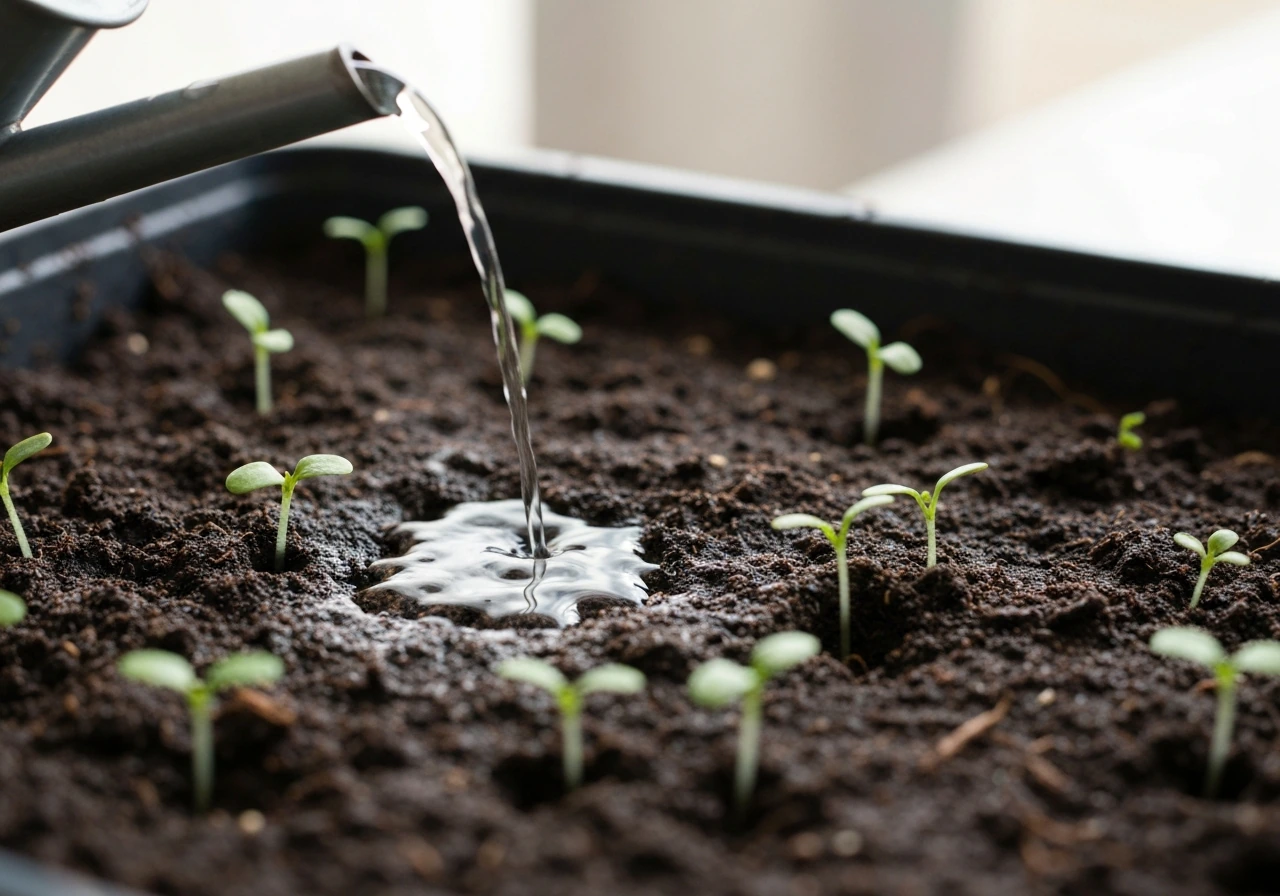
Water seedlings carefully. The goal is consistently moist but never soggy. Oriental poppies are susceptible to damping-off when kept too wet, especially in the early seedling stage. Water from the bottom when possible by setting pots in a shallow tray of water and letting them soak up what they need, then draining the excess. Once plants are established in the garden, they're surprisingly drought-tolerant and only need watering during dry spells.
Temperature
Germination happens best at 65 to 75°F, but once seedlings are up and growing, cooler is better: 50 to 60°F produces stockier, healthier plants. This is actually easy to achieve in early spring if you have a cool basement or unheated garage. In the garden, oriental poppies are fully frost-hardy and start growing actively in cool spring weather.
Thinning and transplanting
If you sowed two seeds per cell and both germinated, snip the weaker one at soil level with scissors. Don't pull it out, because you'll disturb the roots of the one you're keeping. When it comes to transplanting seedlings into the garden, timing and size matter. Smaller seedlings with shorter taproots transplant better than larger ones. If you've used peat pots, plant the whole pot. If you used plastic cells, handle the root ball very gently and disturb it as little as possible. Harden off seedlings for a week or two before the move by setting them outside in a sheltered spot for a few hours a day, gradually increasing exposure to sun and wind.
If you direct sowed into the garden, thin seedlings to about 12 to 18 inches apart once they're a couple of inches tall. Crowded plants compete for resources and are more prone to disease.
What to do from seedling to first bloom
After transplanting, let the plants settle in. They don't need much fussing. Keep the soil just moist while roots establish, then ease off and water only when the top inch of soil feels dry. You don't need to fertilize heavily: a light application of a balanced granular fertilizer worked into the soil at planting time is plenty. Rich soil with too much nitrogen produces lots of foliage but fewer flowers.
In year one, your plant will produce a rosette of hairy, blue-green leaves and focus all its energy underground. That's normal and a good sign. Don't be discouraged. Going into winter, the foliage dies back. Leave the crowns in place. In early spring of year two, you'll see new growth emerge and, if all goes well, flower buds forming on tall stems through late spring into early summer.
After blooming, let the flowers fade and the seed pods dry on the plant if you want to collect seeds for next year. Then the plant will go dormant again: foliage yellows and disappears. This is the window to do any dividing or moving if you need to, though smaller clumps always transplant better. Come autumn, you may see new basal foliage emerge, which will persist through mild winters before dying back again.
Common problems and how to fix them
No germination
The most common cause is seeds buried too deeply. Oriental poppy seeds need light or near-surface conditions to germinate. Wikipedia states that oriental poppy seeds may be sown at a depth of about 1 cm or less, because light may stimulate germination blank" rel="noopener noreferrer">light or near-surface conditions. If you pressed them into the soil or covered them with more than the thinnest dusting of vermiculite, try again with seeds on the surface. Also check soil temperature: if it's below 60°F, germination will be very slow or stall entirely.
Damping off
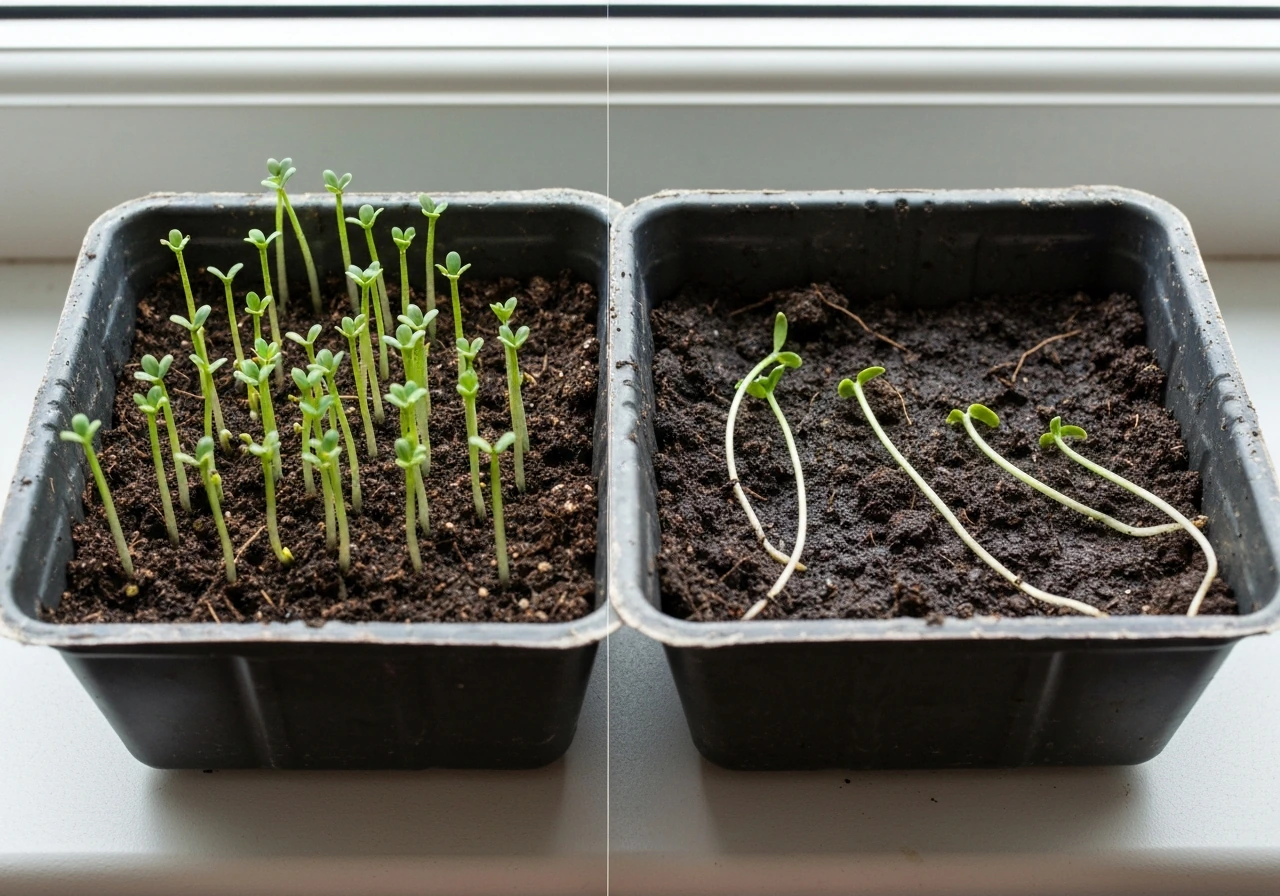
This fungal rot causes seedlings to collapse at the soil line, often seemingly overnight. It's almost always caused by overwatering, non-sterile growing media, or poor air circulation. Use fresh sterile seed-starting mix every time, water from the bottom rather than overhead, and don't leave standing water under your trays. A small fan running on low nearby helps keep air moving. Once damping-off appears, there's no saving affected seedlings, so prevention is the whole strategy.
Leggy seedlings
Tall, floppy seedlings that flop over or look stretched out are a sign of insufficient light or temperatures that are too warm. Move them closer to the light source or switch to grow lights. Dropping temperatures to that 50 to 60°F range after germination also helps a lot. Leggy seedlings don't establish as well outdoors, so it's worth addressing early.
Transplant stress and failure
If seedlings wilt and don't recover after transplanting, the taproot was likely damaged. This is why peat pots are so useful for this particular plant. Always transplant the smallest seedlings you can, harden them off properly before moving them, and water in well immediately after planting. Shade newly transplanted seedlings from harsh afternoon sun for the first week to reduce stress.
Poor flowering in year one
This is almost always normal, not a problem. Seed-grown oriental poppies typically bloom in year two. If year two comes and goes with only foliage, check that the plant is getting full sun and that the soil drains well. Plants in shade or waterlogged soil rarely bloom well, regardless of age.
FAQ
How deep should I cover oriental poppy seeds if I want them to germinate reliably?
Keep them on the surface, or cover with only a barely-there dusting (thin enough to let light through). Even a light press into the soil can reduce germination, so mist the surface, sow, then leave alone.
Can I save and replant oriental poppy seeds from my garden?
Yes, but let pods fully dry on the plant before collecting, and store seeds cool and dry. For best results, sow fresh if possible, or ensure cold exposure before germinating if you start them later in the season.
Do oriental poppies need fertilizer after germination?
Usually no. After seedlings emerge, focus on light and careful watering, then use only a light balanced feeding at planting time. Too much nitrogen pushes leaf growth at the expense of flowering.
What’s the best way to water seeds and seedlings without causing damping-off?
Water to keep the mix consistently moist but not wet, and use bottom watering when you can. Avoid overhead misting after seeds sprout, and make sure trays drain completely so seedlings are never sitting in water.
Should I thin seedlings if both seeds in a cell germinated?
Yes, thin by snipping the weaker one at soil level. Don’t pull it out, because disturbing roots of the survivor can lead to poor establishment or delayed flowering.
Can I move established oriental poppies after they’ve been planted?
It’s risky, because the long taproot makes them hard to transplant. If you must move them, do it during the dormant window after foliage fades, and choose smaller clumps, handling roots as little as possible.
Why did my oriental poppies come up, but then stopped growing?
Often it’s a temperature or light issue. Germination can stall if conditions stay too cool (below about 60°F), and slow growth can also happen if seedlings are too dim, leading to weak plants that struggle outdoors.
My oriental poppies have blooms, then the foliage disappears. Is my plant dead?
Usually not. Complete dieback after flowering is normal dormancy for this perennial. Leave the crown in place through winter, and expect new basal growth to return in autumn or spring depending on your climate.
What spacing should I use for direct-sown oriental poppies?
Thin to about 12 to 18 inches apart once seedlings are a couple of inches tall. This spacing improves airflow, reduces disease pressure, and helps plants develop sturdy stems and more flowers.
If I don’t get flowers until year two, how can I troubleshoot for the second season?
Check three things first: full sun (at least 6 hours of direct light), drainage (no waterlogged soil), and not overwatering. If all three are right, remember they can prioritize roots in year one, so missing flowers often reflects site conditions rather than seed failure.
Next Article
How to Grow Poppies: A Step-by-Step Guide for Beginners
Step-by-step guide to grow poppies from seed indoors or outdoors, with timing, sowing, thinning, spacing, and troublesho