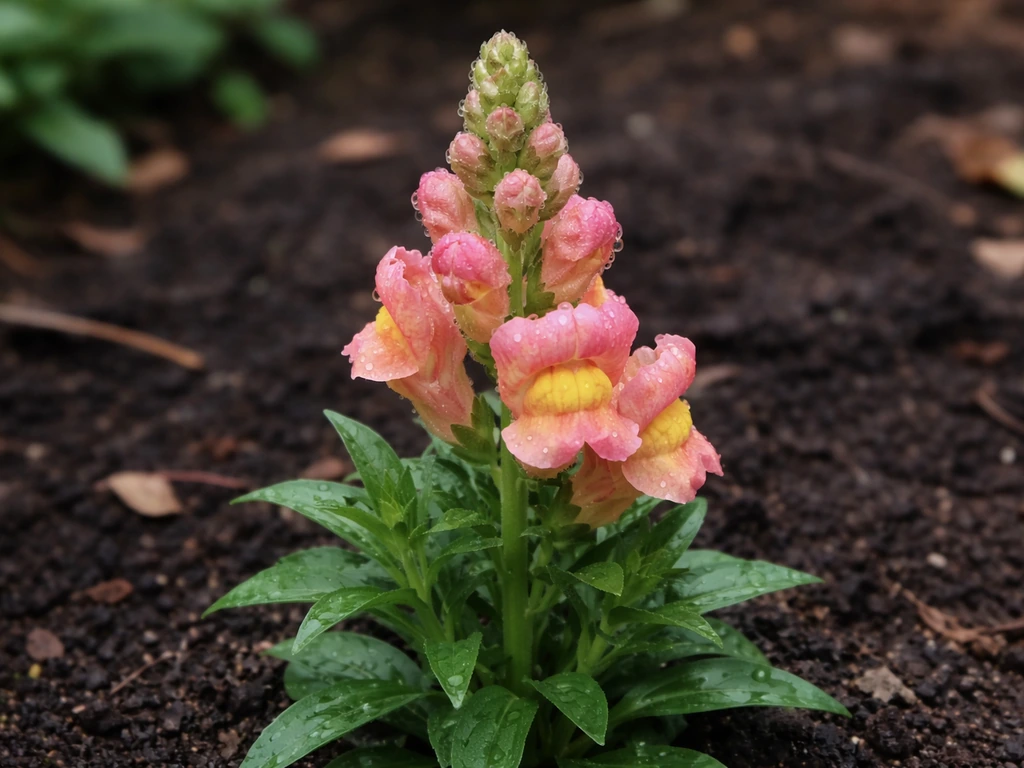
Snapdragons pair beautifully with cosmos, zinnias, marigolds, salvia, and scabiosa. If you are interested in more cool-season bulbs and early blooms, this guide also covers how to grow snowdrops. Those five alone will keep your bed or cutting garden looking great from late spring through fall, and every one of them is easy to start from seed. The real trick is matching companions to snapdragons' cool-season preference and their need for full sun in well-drained, slightly alkaline soil, then staggering your sow dates so you're not left with a gap when the summer heat causes snaps to sulk.
What to Grow With Snapdragons: Companion Plants Guide

Marcus Holloway
4 Jul 2026
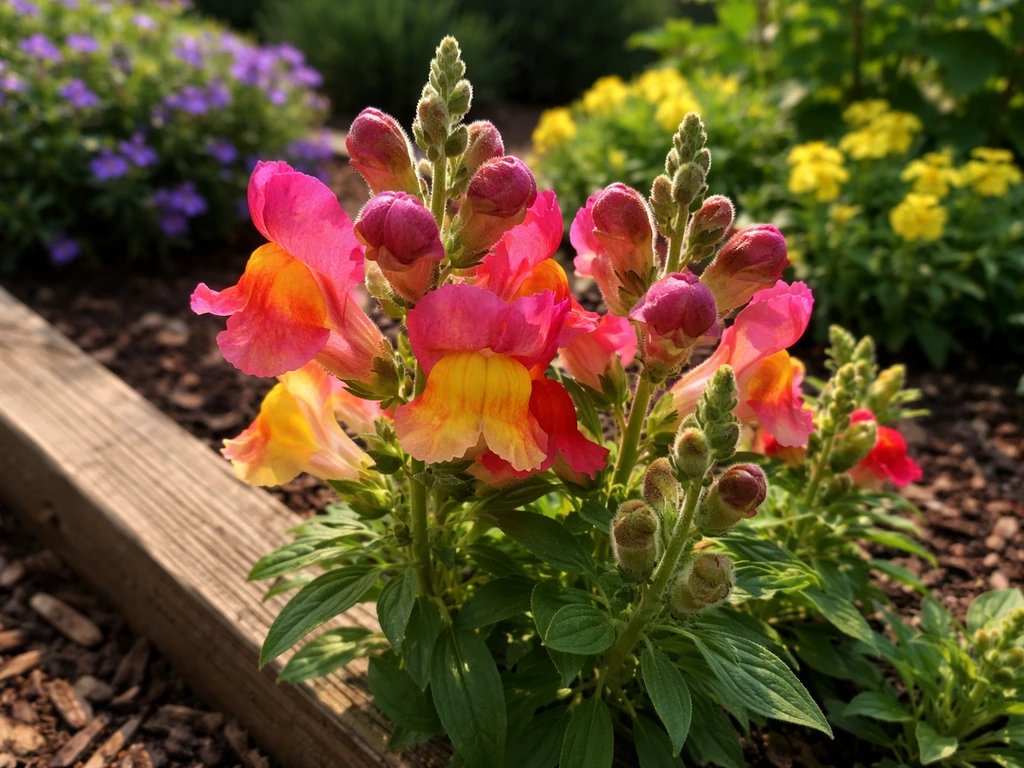
Best companion plants for snapdragons
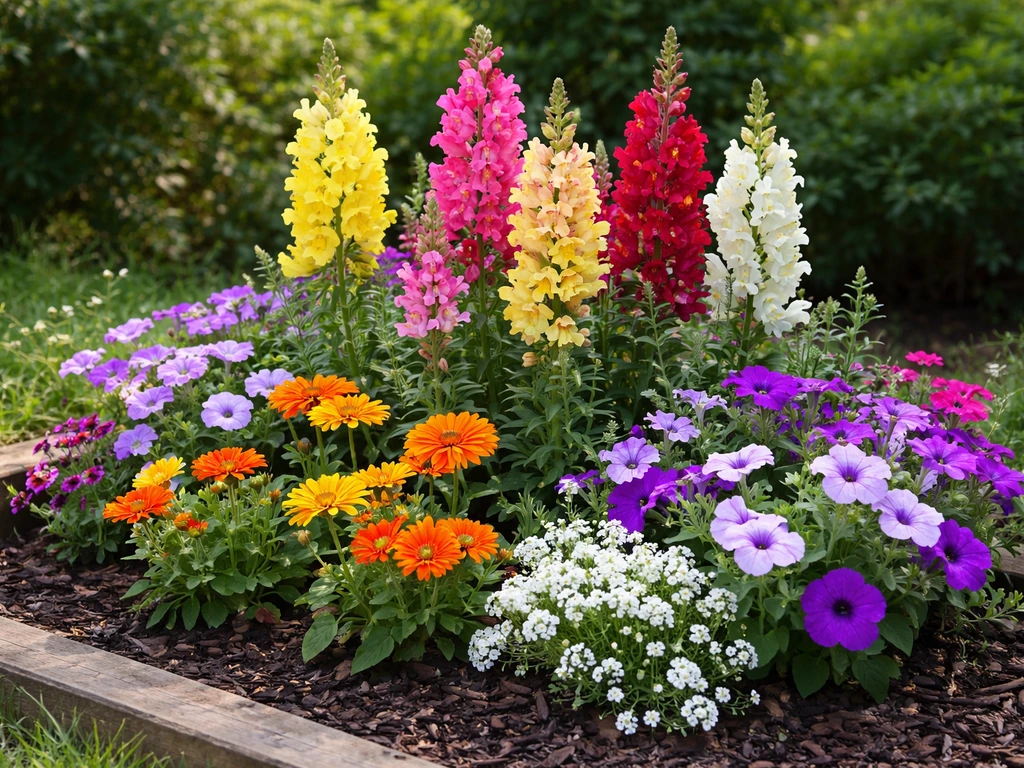
Snapdragons (Antirrhinum majus) are cool-weather performers. They thrive in temperatures in the 60s and 70s°F, bloom hard in spring and fall, and slow down or stop during peak summer heat. The best companions either share that cool-season rhythm or are tough enough to bridge the gap when snaps take a mid-summer breather. Here are the most reliable options for a beginner. If you also want a flowering shrub to add next to your snapdragons, camellias how to grow is a good related option to compare care needs like soil and watering companion plants.
Easy annuals that work every time
- Cosmos (Cosmos bipinnatus): Direct-sow after last frost, grows fast, produces airy flowers in pink, white, and crimson that contrast the vertical spikes of snaps beautifully. It tolerates heat, so it carries the bed while snapdragons rest.
- Zinnia (Zinnia elegans): A warm-season workhorse. Start seeds indoors 4 to 6 weeks before last frost, or direct-sow once soil warms. Bold, saturated colors make snaps pop alongside them.
- Marigold (Tagetes): Compact French varieties like 'Bonanza' sit at 8 to 12 inches, filling in at the feet of medium snapdragons. Easy from seed, tolerant of a range of soils, and they deter some pests.
- Salvia (Salvia splendens or S. farinacea): Blue or purple salvia echoes the spiky form of snapdragons while offering a color complement. Start indoors 8 to 10 weeks before last frost.
- Scabiosa (Scabiosa atropurpurea): Pincushion-shaped flowers on long stems make it a cut-flower staple alongside snaps. Direct-sow early or start indoors 8 weeks before last frost.
- Feverfew (Tanacetum parthenium): Small white daisy-like flowers that add a frothy filler layer. It self-seeds reliably and complements snaps well in the cutting bed.
- Verbena (Verbena bonariensis): Tall, purple-flowered, and see-through enough that it never blocks shorter neighbors. Start indoors 10 to 12 weeks before last frost.
Perennials worth including
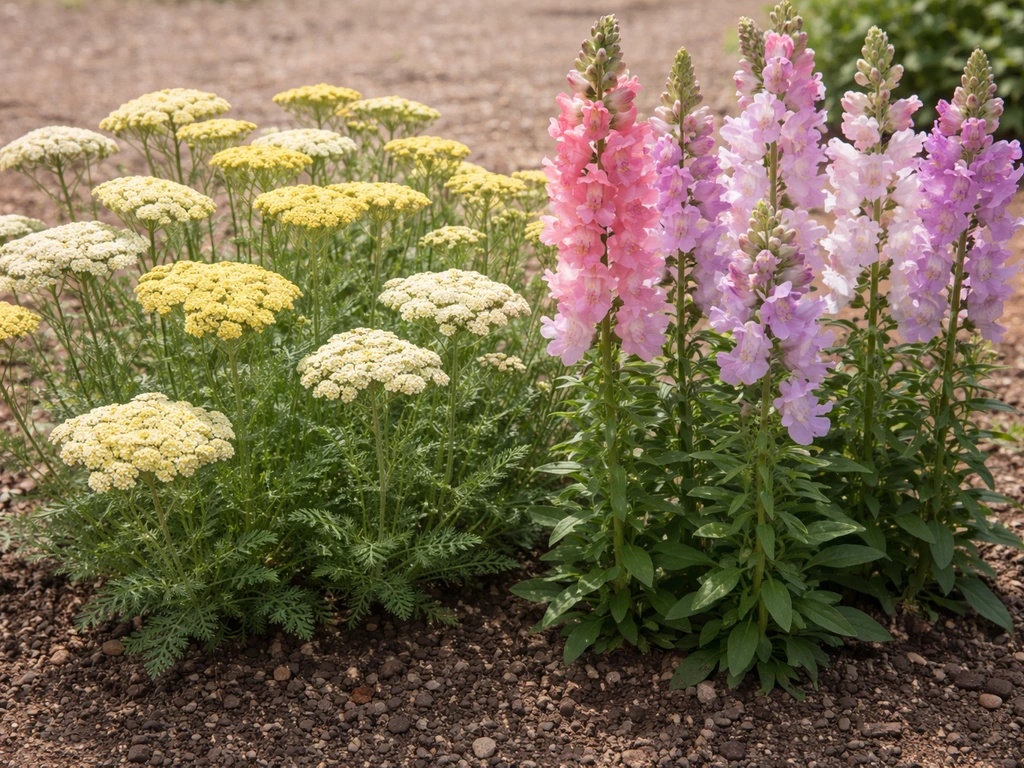
- Yarrow (Achillea millefolium): Flat-topped clusters in yellow, pink, or white contrast snapdragon spikes perfectly. It loves dry, well-drained soil, which suits snaps, and returns every year with zero fuss.
- Pansies and violas: These are cool-season allies that bloom alongside spring snapdragons and can be transplanted at the same time. They work especially well at the front edge of a mixed bed.
- Catmint (Nepeta): Low, sprawling, and covered in lavender-blue flowers in spring and again in fall, precisely when snaps are happiest. Cut it back in midsummer and it reblooms just as snaps recover.
Pairing for height, color, and bloom time
Think in three layers: tall at the back, medium in the middle, low at the front. Tall snapdragon varieties like 'Rocket' or 'Madame Butterfly' reach 24 to 36 inches and look great behind medium cosmos or salvia at 18 to 24 inches, with marigolds or pansies tucked in at the front edge. Intermediate snaps (12 to 18 inches) sit nicely alongside scabiosa or zinnia at the same height, creating a full, mixed look rather than a tiered one.
For color, warm-toned snaps in orange, red, and yellow sing next to the golden yellows of marigolds and the crimson or hot-pink of zinnias. Cool-toned snaps in lavender, white, and soft pink pair better with blue salvia, purple verbena, or the white daisies of feverfew. If you want a cohesive cutting garden rather than a riot of color, pick one warm palette or one cool palette and stick to it for your companion selections.
Bloom time is where a lot of beginners get caught out. To get them growing well, snapdragons need cool weather, consistent moisture while establishing, and sun or bright light for the strongest blooms what do snapdragons need to grow. Snapdragons peak in spring (April to June in most zones), rest in midsummer heat, and then rebound from late summer through first frost. Cosmos and zinnias peak in the heat of July and August, which means they carry the bed right through the snap gap. Catmint and yarrow echo the spring snap bloom and then repeat in fall. That overlapping rhythm is the whole secret to a bed that never looks empty.
| Companion | Bloom Season | Height | Color Range |
|---|---|---|---|
| Snapdragon | Spring & Fall | 6–36 in (variety dependent) | Full spectrum |
| Cosmos | Summer–Fall | 24–48 in | Pink, white, crimson, bicolor |
| Zinnia | Summer–Fall | 12–36 in | Full spectrum |
| Marigold | Summer–Fall | 8–18 in | Yellow, orange, red |
| Salvia | Summer–Fall | 12–24 in | Blue, purple, red |
| Scabiosa | Spring–Fall | 18–24 in | Purple, pink, white |
| Catmint | Spring & Fall | 12–18 in | Lavender-blue |
| Yarrow | Summer | 18–36 in | Yellow, white, pink |
| Verbena bonariensis | Summer–Fall | 36–48 in | Purple |
| Feverfew | Summer | 18–24 in | White |
Matching companions to snapdragons' growing needs
Snapdragons want full sun (at least 6 hours), well-drained soil that leans slightly alkaline, and consistent moisture without waterlogging. To help you grow tall snapdragons, prioritize full sun, avoid crowding, and keep the soil evenly moist without letting it stay soggy Snapdragons want full sun. Missouri Botanical Garden lists their water needs as medium, meaning they don't want to dry out completely but they'll rot in soggy soil. Every companion I've listed above is compatible with those conditions. That's not a coincidence. I deliberately left out plants like impatiens (too much shade), astilbe (needs moist, acidic soil), and lobelia (prefers consistently damp conditions), because those are common beginner mistakes.
Yarrow is actually the driest-tolerating companion on the list, which makes it perfect if your bed drains fast or you garden in a drier climate. Scabiosa and cosmos are similarly unfussy about water once established. Zinnias prefer warm, dry conditions, so avoid overwatering when they're in the same bed as your snaps. Cowslips are a cool-season, woodland-style plant, so learning their soil, light, and winter needs will help you grow them successfully how to grow cowslips. The one companion that needs a little more attention to moisture is salvia, which performs better with even watering, but it handles well-drained soil just fine as long as it's not bone dry.
How to sow and plant snapdragons alongside companions
Getting the timing right is what separates a bed that looks intentional from one that looks accidental. To match your garden’s temperature, start snapdragons at the right stage so they bloom through the cool months instead of stalling in peak summer when to grow snapdragons. Here's how to coordinate your sow dates so everything arrives in roughly the right order.
- Start snapdragon seeds indoors 6 to 10 weeks before your last frost date. Sow into 72 to 144-cell trays at 16 to 18°C (60 to 65°F). Don't cover the seeds, they need light to germinate. Seedlings are ready to transplant in about 5 to 6 weeks.
- At the same time, start salvia and verbena indoors (both need 8 to 12 weeks). These slower germinators get going alongside your snaps.
- Four to six weeks before last frost, start scabiosa indoors. It's a medium-speed grower and will be ready to go out around the same time as your snaps.
- Once you've transplanted snapdragons outside (usually 2 weeks before last frost, since they handle light frost), direct-sow cosmos and marigolds in the same bed. They'll germinate once soil temperatures rise and fill in as the season warms.
- After last frost, direct-sow or transplant zinnias. They don't like cold soil, so waiting until the frost risk is gone is non-negotiable.
- Space snapdragons 6 to 12 inches apart depending on variety: 6 inches for dwarf types, 9 to 12 inches for intermediate and tall. Give companions similar room based on their mature spread. Cosmos can go at 12 inches, zinnias at 9 to 12 inches, marigolds at 8 to 10 inches.
For a fall planting, the rhythm reverses slightly. Snapdragons started mid- to late summer (transplanted into the bed around 8 to 10 weeks before first fall frost) will bloom through autumn and often survive into early winter. If you want more detail, follow a snapdragon flower how to grow guide for soil, watering, and timing. For this planting, pair them with late-season companions like marigolds (still going strong in September and October) or scabiosa, which also handles cool conditions well.
What not to plant with snapdragons
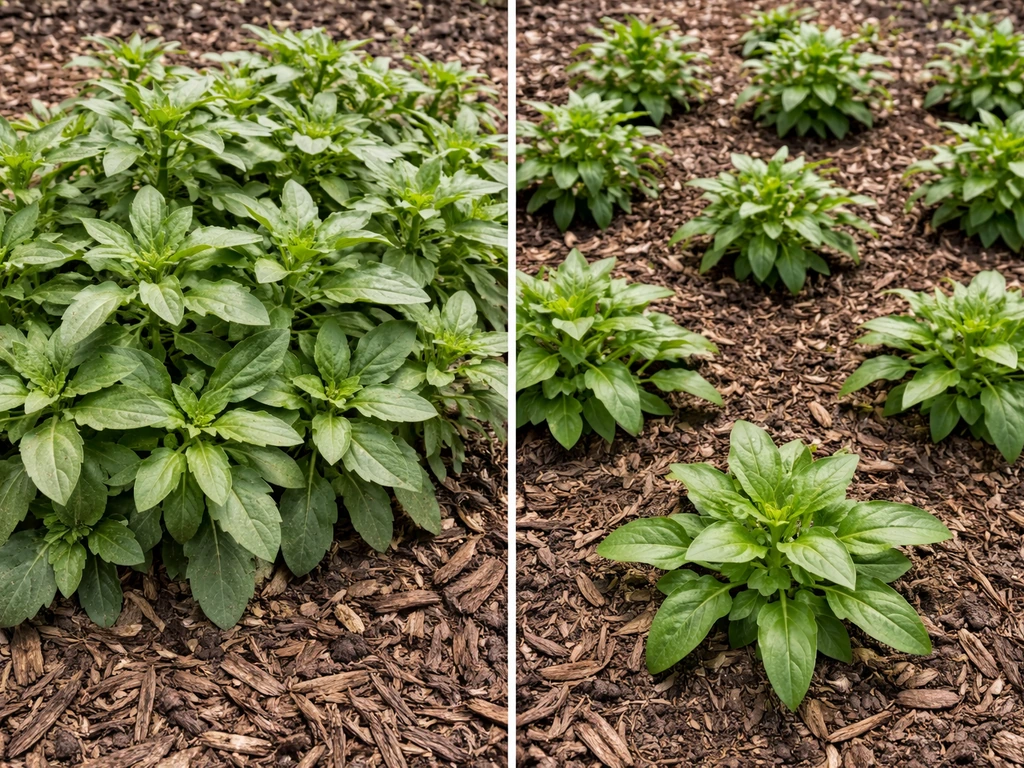
Snapdragons have a few disease vulnerabilities worth knowing about before you plan your bed. The main ones are powdery mildew, rust (Puccinia antirrhini), and stem rots caused by Pythium and Phytophthora. Rust spreads by water splash and through contact, and it thrives when plants are crowded and airflow is poor. That means any companion that grows aggressively and crowds your snaps increases the risk of fungal problems.
- Avoid overcrowding companions: Dense plantings of tall annuals like sunflowers directly alongside snaps can block airflow and hold moisture, creating ideal rust conditions. Keep taller companions at least 12 inches away.
- Skip plants with very high water needs: Impatiens, astilbe, and similar moisture-lovers will push you to water more than snaps want, which increases stem rot risk.
- Don't interplant with other plants in the Plantaginaceae or Scrophulariaceae families: Some relatives of snapdragons can share rust and other fungal diseases. Foxglove planted too close has been noted as a disease-pressure risk in shared beds.
- Avoid aggressive spreaders: Mint, certain ornamental grasses, and invasive groundcovers will out-compete snapdragons for nutrients and space, especially in a small bed or container.
- Don't plant right next to brassicas or fennel: Fennel in particular is allelopathic and inhibits growth of many nearby plants, including most annuals.
The practical rule is simple: give snapdragons breathing room, keep companion plants from touching them, and water at the base rather than overhead. Those three habits eliminate most disease risk, regardless of what you're planting nearby.
Turning this into a simple planting plan
For a garden bed (cutting garden focus)
A 4x8-foot raised bed gives you a workable cutting garden with snapdragons and companions. Plant a row of tall snapdragons along the back at 9-inch spacing (about 10 plants), a row of cosmos or scabiosa in the middle at 12-inch spacing, and a front row of marigolds or pansies at 8-inch spacing. Tuck in a salvia plant or two at the corners. This gives you staggered heights, a bloom succession from spring through frost, and enough flowers to cut regularly without the bed looking stripped.
For the spring flush, your snaps and pansies carry the show. When snaps slow in July, the cosmos and zinnias you've direct-sown take over. Cut snapdragon spikes regularly and cut back any flowering stems to about 6 inches after the first flush, and they'll rebound for fall. The whole bed comes full circle and looks intentional even to someone who's never planted a seed before.
For containers
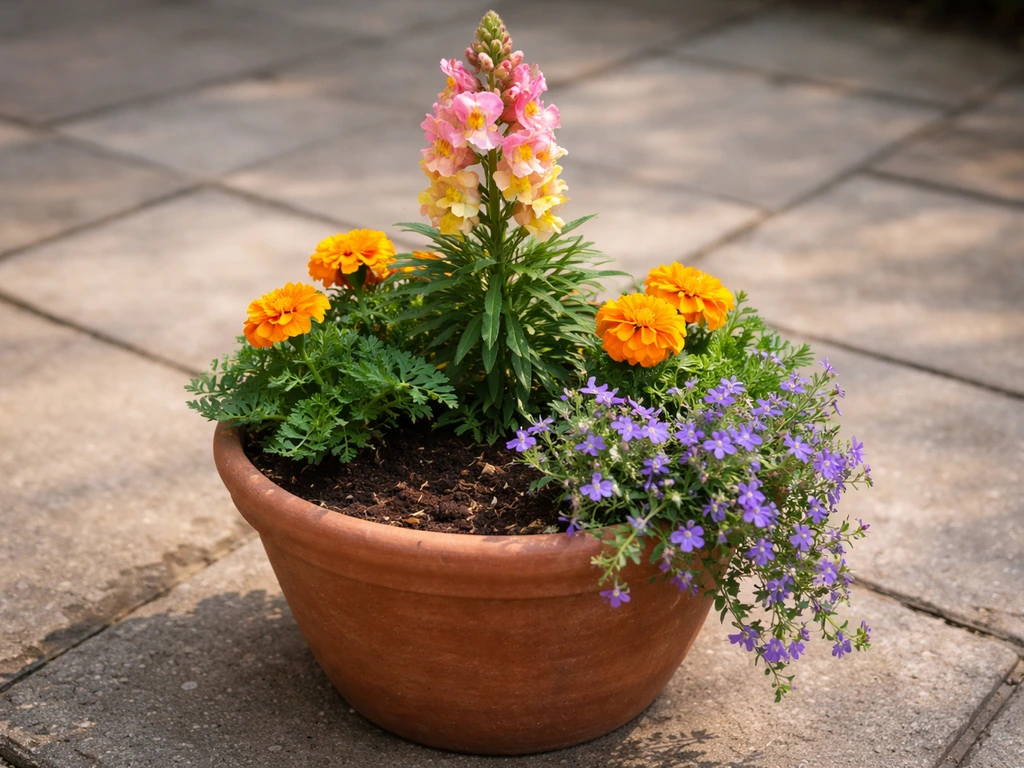
In a container, use the thriller-filler-spiller formula. One intermediate snapdragon variety as the thriller (upright, dramatic), compact marigolds or salvia as the filler around it, and trailing verbena or lobelia as the spiller over the edge. Use a 12-inch or larger pot for a trio like this, as snaps need at least 6 to 8 inches of root space. Use free-draining potting mix and don't let the pot sit in a saucer full of water, the same root-rot risk applies in containers as in the ground.
Three starter combinations for beginners
- Classic cutting bed: Tall snapdragons + cosmos + scabiosa. All three can be started from seed, all prefer the same conditions, and the combination gives you a vase-ready bouquet from spring through October.
- Warm-color cottage border: Intermediate orange and yellow snaps + French marigolds + zinnia 'Benary's Giant Orange'. Direct-sow the marigolds and zinnias once snaps are in the ground. Incredibly low-maintenance and great for beginners.
- Cool-color container: Lavender or white snapdragon (dwarf variety) + blue salvia + white feverfew. Start all three indoors and pot them up together after last frost. Elegant, easy, and long-blooming.
If you're just getting started growing snapdragons from seed and want to nail the basics first before layering in companions, the timing and germination details are worth digging into on their own. Start snapdragon seeds indoors about blank" rel="noopener noreferrer">6 to 10 weeks before the last frost in spring, and note that warmth can inhibit germination (Gardening Know How). To understand exactly how do you grow snapdragons, focus on sowing depth, temperature, and how long germination takes in your conditions. Getting snapdragons established well makes every companion combination work better, because healthy plants resist disease pressure and bloom harder and longer. Once you've got that foundation, these pairings will genuinely make your garden look like you planned it all season long.
FAQ
What to grow with snapdragons if my summers get hotter than “peak summer heat”?
Not necessarily. If you want snapdragons to stay showy in the hottest weeks, choose companions that overlap their cool-season bloom or tolerate some dryness (cosmos, zinnia, catmint, yarrow). If you only match on flower color, you can end up with a bed where the snapdragons stall while the neighbors also peak and fade, creating an obvious gap.
Do I need full sun for the companions too, or can some be partial-shade plants?
Use the same full-sun rule, then adjust spacing. Even sun-loving companions can cause mildew if they grow so dense that snapdragon leaves never dry after watering. Keep snapdragons as the “anchor” and prevent taller companions from shading them at midday by leaving the recommended row spacings and trimming back any fast-growing plants that encroach.
Which companion mistakes most often lead to mildew or rust on snapdragons?
Overcrowding is a bigger problem than plant choice. If you notice lower leaves staying wet, powdery mildew starting, or rust appearing on leaf surfaces, thin companions so there is visible air space around snapdragon stems and water strictly at the base. Also avoid overhead watering during humid mornings, because rust spreads more easily when droplets splash between plants.
Can I mix spring-and-fall bloomers with snapdragons, or will they mess up the bloom succession?
Yes, but manage timing. You can sow warm-season bloomers early, then stagger sowing so they do not all peak at once. A common approach is to let cosmos and zinnias take over mid-summer by starting them slightly later than your spring snapdragon peak, so their first big flush lines up with when snapdragons slow down.
What to grow with snapdragons in containers, and what changes compared with in-ground planting?
In containers, drainage is the main make-or-break factor. Choose a pot at least 12 inches wide, use a free-draining mix, and ensure there are drain holes. Water when the top inch feels dry, then empty any saucer water promptly, because snapdragons and many companions can rot if the mix stays waterlogged.
Can I plant snapdragons next to hydrangea-like or boggy-soil plants?
Avoid companions that need consistently wet, acidic soil or deep shade. That is where many beginners get burned, because snapdragons prefer slightly alkaline, well-drained conditions. If you really want a “moisture-loving” plant nearby, put it in a separate container or relocate it so it does not share the same watering rhythm.
How do I choose colors so the bed looks intentional through the snapdragon lull?
If you want a “set it and forget it” look, keep the palette simple and pick either all warm tones (orange, red, yellow snaps with marigolds and hot-pink reds) or all cool tones (lavender or white snaps with blue salvia and white feverfew). Too many color temperatures together can make a bed feel messy even when the plants bloom at the right time.
What to grow with snapdragons if the front edge is what usually looks empty?
No, but you can use height as a visual anchor. When snapdragons slow in summer, the middle and front layer should already be in their strongest growth phase. Prioritize companions that reliably carry the bed during July and August (cosmos, zinnias) and keep the front row lower plants blooming so the edge does not look bare.
If I’m doing a fall planting, should I still use the same companion list?
Yes, and it can be easier than trying to correct timing later. If you transplant snapdragons into a fall schedule (about 8 to 10 weeks before first fall frost), then pair them with late-season companions like marigolds that keep going in September and October. This reduces the risk of buying or sowing companions that peak too early.
What if my garden soil is very dry and I struggle to keep snapdragons established?
If your soil drains extremely fast, swap in the more drought-tolerant options from the list and increase establishment care. Yarrow is the most drought-tolerant in the guide, but snapdragons still need evenly moist soil while they establish. Mulch lightly and check moisture regularly for the first few weeks after planting, then taper once growth is underway.
Next Article
Snapdragon Flower How to Grow: Seed to First Blooms
Step-by-step snapdragon flower how to grow guide: seed timing, sowing, transplant spacing, care, and cut-flower harvest.