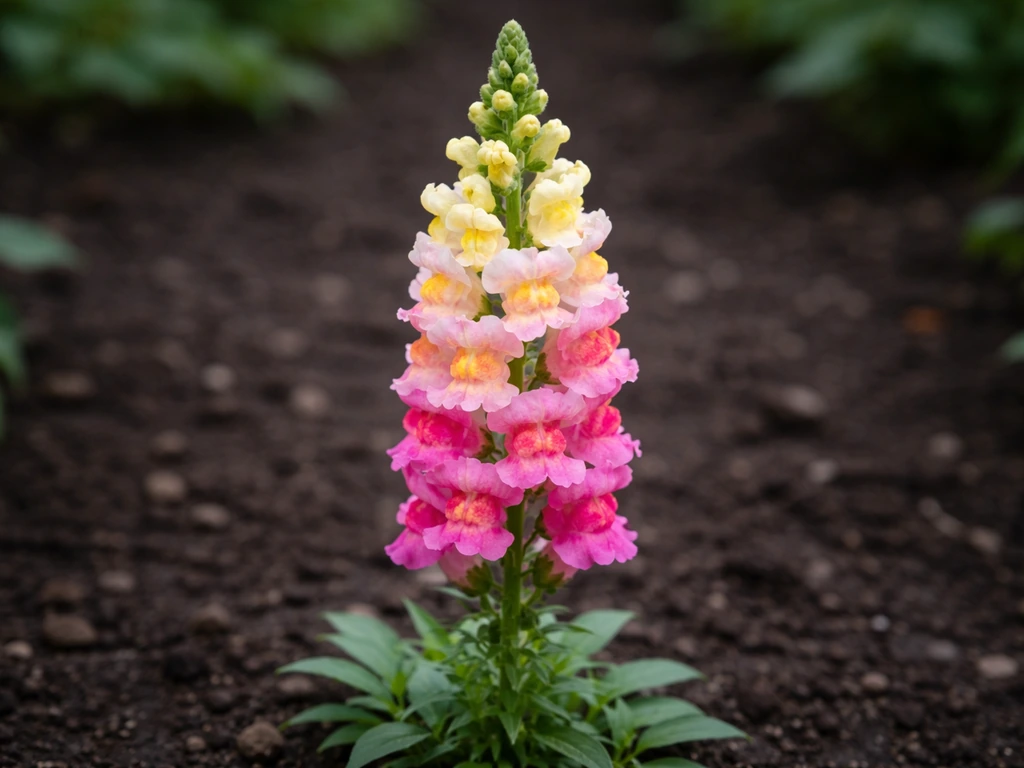
Snapdragons are one of the most rewarding flowers you can grow from seed. Start seeds indoors 8 to 10 weeks before your last frost, transplant after hardening off, give them cool temperatures and full sun, and you'll have tall, colorful spires blooming in late spring to early summer. The whole process from sowing to first cut flower takes roughly 12 to 16 weeks, and most of it is hands-off.
Snapdragon Flower How to Grow: Seed to First Blooms

Marcus Holloway
1 Jun 2026
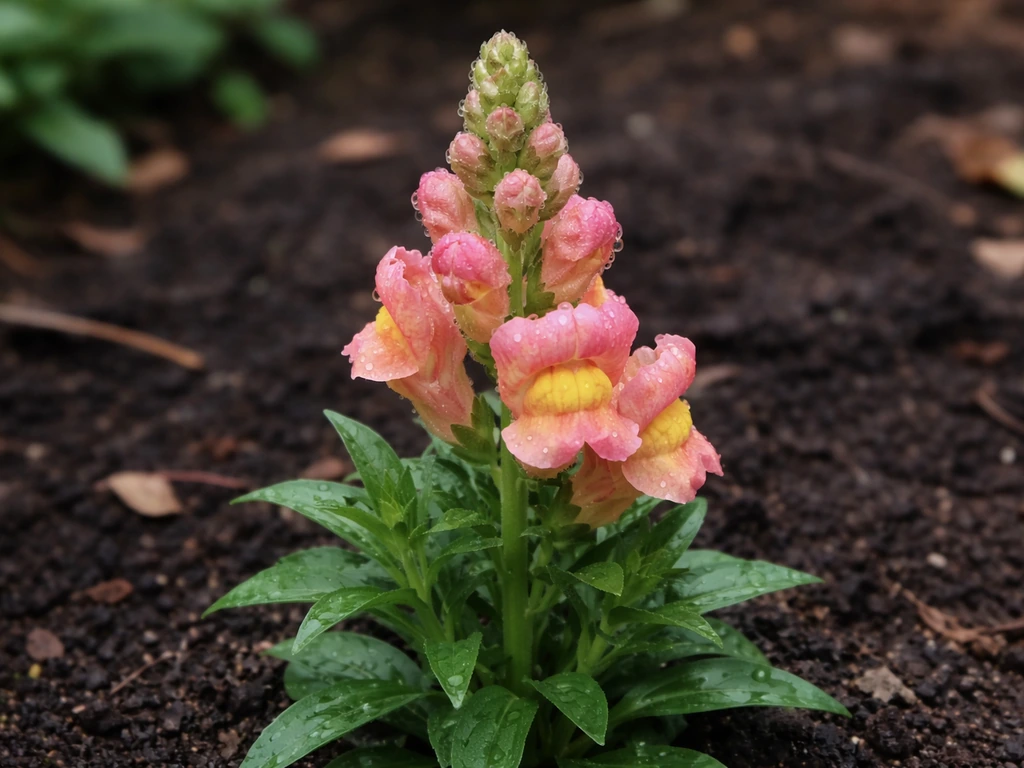
Choosing the right snapdragon type and growing season
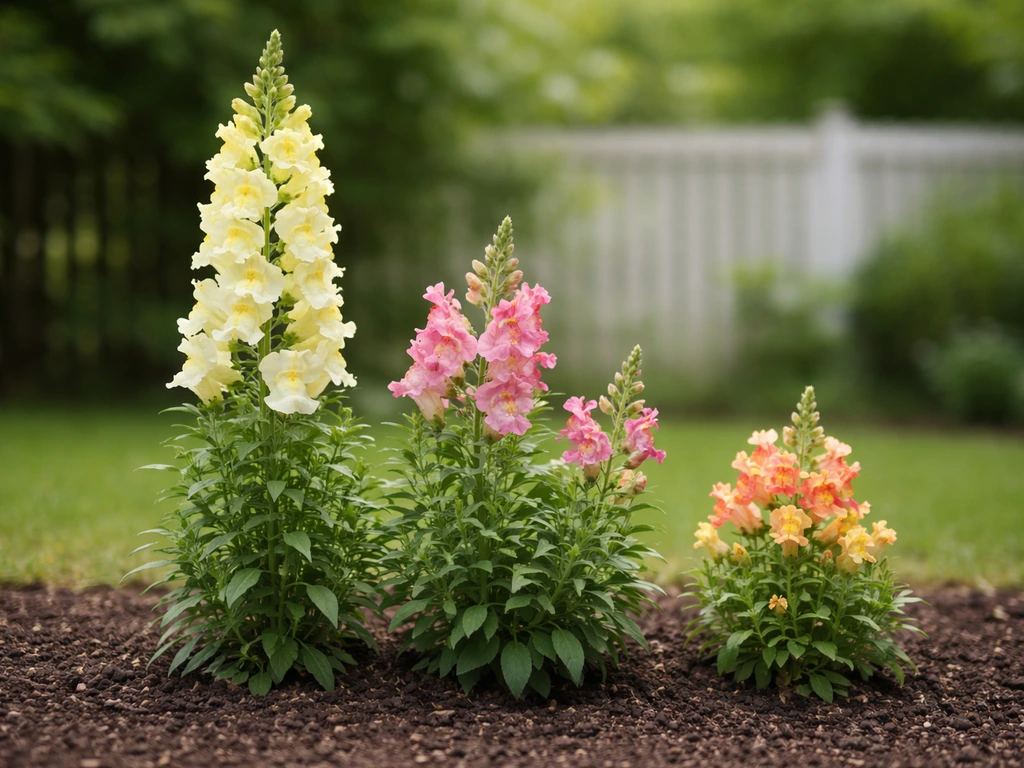
The snapdragon you'll find at most seed suppliers is Antirrhinum majus, the common garden snapdragon. How it behaves depends a lot on where you live. In USDA Zones 3 through 6, treat it as a hardy annual: plant it, enjoy it, let it go. blank" rel="noopener noreferrer">In Zones 7 through 10 it acts more like a short-lived perennial, sometimes coming back for a second year, especially in mild winters. In the warmest zones (around 9b to 10), it can truly perennialize. But for most home gardeners, planning around a single season gives you the most predictable results.
Beyond climate behavior, you need to decide on height. Snapdragons generally break into two camps: tall upright varieties that shoot up 24 to 36 inches and produce long cutting stems, and compact or dwarf types that stay in the 8 to 12 inch range and work better as bedding plants. If you want to cut them for arrangements, go tall. Varieties like Rocket, Madame Butterfly, and Animation are classics for the cutting garden. If you just want color in the front of a border, dwarf types like Floral Showers are perfectly suited.
One other distinction worth knowing: the traditional 'mouth-type' snapdragon has the classic hinged lip that kids love to pinch open, while 'open face' or butterfly types have a flared, more open bloom that photographs beautifully in arrangements. Open face or butterfly-type snapdragons have a flared, more open bloom, while traditional mouth-type snapdragons have a hinged lip, and these differences affect spike presentation for arrangements open face or butterfly types have a flared, more open bloom. Both are easy to grow, but the open face types tend to show off better in a vase.
Snapdragons are cool-season plants. They hit their stride when daytime temperatures are between 55°F and 65°F and struggle in intense summer heat. This makes them ideal for spring and fall growing, or year-round in mild coastal climates. Time your growing season around that cool window and you'll get the most blooms. If you’re also planning a spring bulb garden, learn how to grow snowdrops for reliable early blooms.
Seed starting: timing, soil mix, and sowing steps
The most important thing to get right with snapdragon seeds is timing. If you also need a step-by-step overview, start by timing your indoor seed starting and keeping them in a cool, sunny spot. Start seeds indoors 8 to 10 weeks before your last expected frost date. For most of the U.S., that means starting in late January through early March. Getting this wrong by a few weeks either direction isn't catastrophic, but starting too late means you miss the cool window that snapdragons love. If you’re wondering camellias how to grow, the key is choosing the right site and keeping soil evenly moist as they establish cool window that snapdragons love.
Snapdragon seeds are tiny, almost dust-like, and they need light to germinate. That single fact changes how you sow them. Do not bury them. Here's exactly how to do it:
- Fill a seed tray or small pots with a fine-textured seed-starting mix. Avoid garden soil or heavy potting mix, which compacts and causes damping-off. Moisten the mix until it holds together but doesn't drip.
- Scatter seeds on the surface of the mix. Aim for roughly one seed per square centimeter if you're using a tray. Don't worry about being perfect.
- Do not cover the seeds with soil. Press them gently into the surface with your fingertip or the back of a spoon so they make good contact with the mix.
- Mist the surface lightly with a spray bottle. You want moisture without washing the seeds around.
- Cover the tray with a clear plastic dome or wrap and place it under grow lights or in a bright south-facing window. Seeds germinate best between 65°F and 75°F.
- Check daily. Germination usually takes 10 to 14 days. The moment you see the first sprouts, remove the dome and move the tray under lights for at least 14 to 16 hours per day.
Leggy seedlings are the most common early problem, and they almost always come from not enough light. If you're growing under a window and the seedlings are stretching toward the glass, get them under a grow light as soon as the dome comes off. Keep the light just 2 to 3 inches above the seedling tops. If you see the stems collapsing or rotting at the soil line, that's damping-off, a fungal problem caused by overwatering or poor air circulation. Water from the bottom (set the tray in a shallow dish of water and let the mix soak it up) and keep a small fan blowing nearby to keep air moving.
Transplanting and spacing for healthy plants
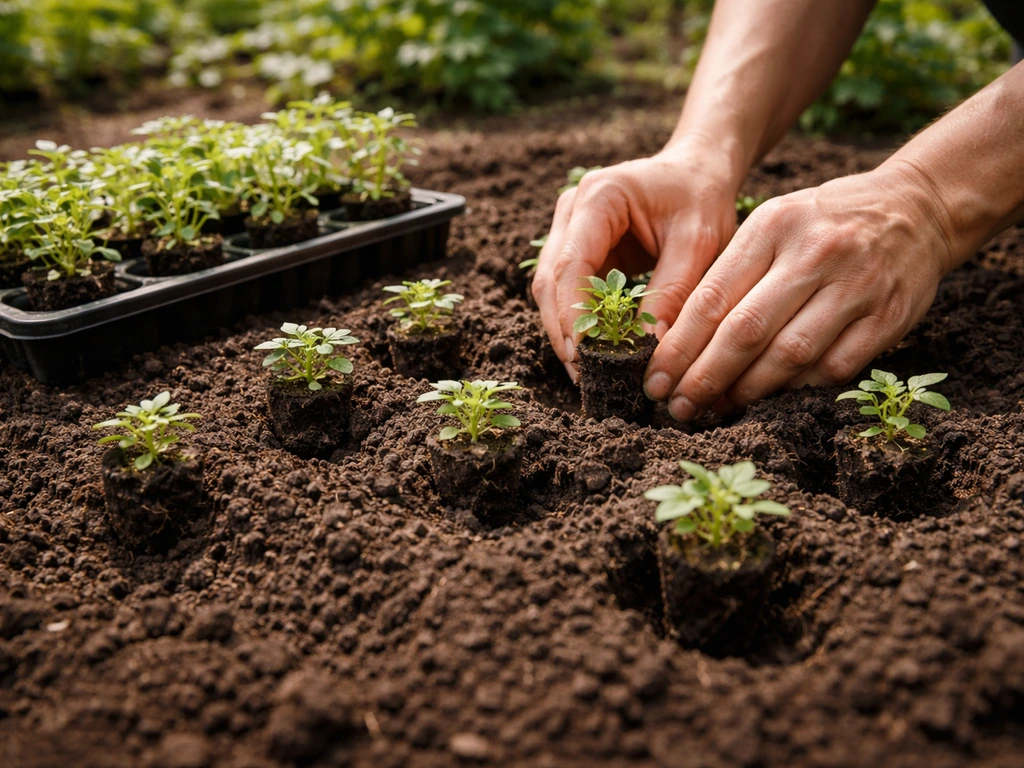
Before anything goes outside, you need to harden off your seedlings. About 10 to 14 days before transplanting, start setting the tray outside in a sheltered, partly shaded spot for an hour or two a day. Gradually increase the exposure over two weeks until they're spending full days outside. Skip this step and you risk sunscald or transplant shock that can set plants back by weeks.
Transplant snapdragon seedlings into the garden 2 to 3 weeks before your last frost date. Snapdragons are genuinely cold-tolerant, handling light frosts down to around 28°F once they've been hardened off. Cowslips have different growing preferences, so it helps to match timing, temperature, and soil to what they need cold-tolerant. This is one of their best qualities: you get them in the ground early, which means they establish before the heat hits.
Spacing depends on the variety. Tall cutting types do best at 9 to 12 inches apart in rows. Dwarf bedding types can go a bit closer at 6 to 9 inches. Give them room to breathe, because good airflow reduces fungal disease problems later in the season. Dig a hole slightly larger than the root ball, set the plant at the same depth it was growing in the pot, firm the soil around it, and water in well.
Light, temperature, watering, and fertilizing basics
Snapdragons want full sun: at least 6 hours of direct sunlight per day, and 8 hours is better. In consistently warm climates, a little afternoon shade can extend blooming into summer by keeping the plants cooler, but shade cuts flower production. Go with the sunniest spot you have.
Temperature is the key variable with snapdragons. They bloom best when days are 55°F to 65°F and nights are 40°F to 50°F. Once temperatures climb consistently above 80°F, most varieties slow down or stop flowering entirely. Don't panic when this happens. Cut the plants back by about one-third, keep them watered, and many will rebound and bloom again when fall cools things down.
Water snapdragons consistently but avoid soaking the soil for long periods. Aim for about 1 inch of water per week, either from rain or irrigation. Water at the base of the plants rather than overhead, and do it in the morning if possible. Wet foliage sitting overnight is an invitation for botrytis and other fungal diseases. Let the top inch of soil dry out between waterings rather than keeping it constantly wet.
For fertilizing, a balanced slow-release granular fertilizer (something like a 10-10-10 or 5-10-10) worked into the planting area at transplant time is usually enough to get them started. Once they begin to bud, a liquid fertilizer that's lower in nitrogen and higher in phosphorus (like a 5-10-10 or tomato fertilizer) every two to three weeks encourages more flowers rather than excessive leafy growth. Don't over-fertilize with nitrogen or you'll get lush, beautiful foliage and disappointingly few blooms.
Ongoing care: pinching, deadheading, pest and disease prevention
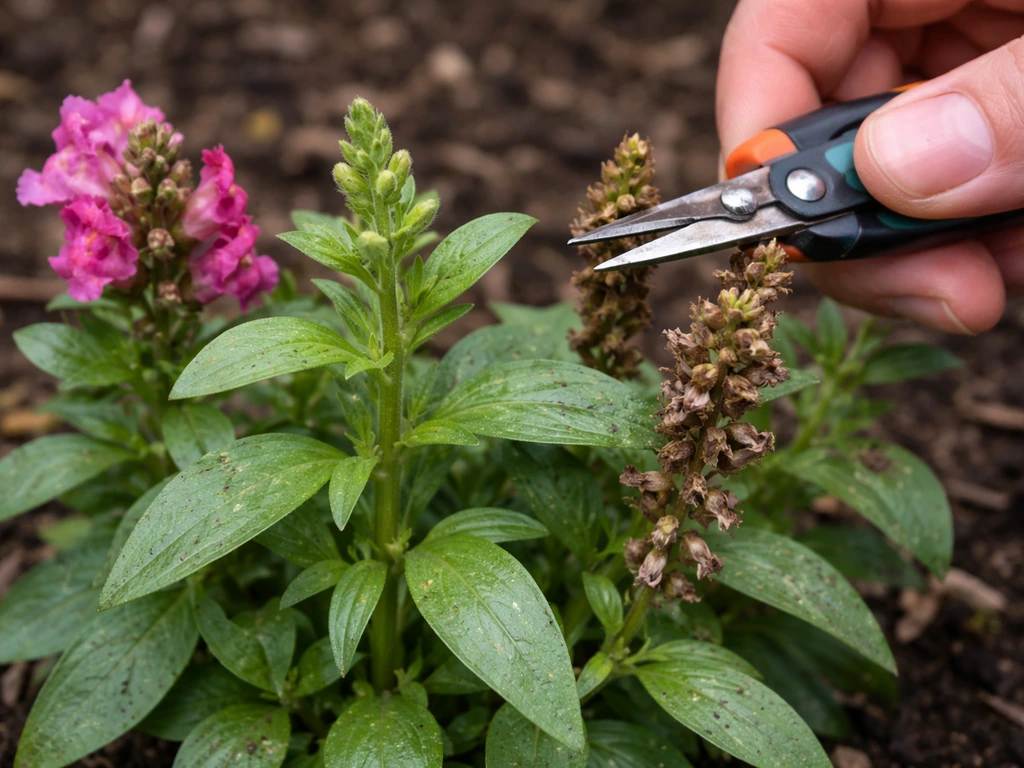
Pinching is the single most impactful thing you can do to improve your snapdragon harvest. If you want to grow with snapdragons, pair them with other cool-season flowers like calendula, sweet alyssum, and bachelor’s button for complementary bloom times and easy care. When your seedlings have developed 3 to 4 sets of true leaves, pinch out the growing tip right above the third or fourth leaf node. This sounds counterintuitive because you're removing growth, but it forces the plant to send out multiple side shoots instead of growing as a single spire. The result is a bushier plant with significantly more flowering stems. If you're growing for cutting, more stems means more bouquets.
Deadheading, which means removing spent flower spikes before they go to seed, keeps the plant focused on producing new blooms rather than setting seed. As each spike finishes, cut it back to just above a leaf node or a side branch that's already forming. You don't need to deadhead individual florets, just the whole spent spike at once. In my experience, plants that are deadheaded consistently bloom weeks longer than those that are left to go to seed.
Snapdragons are generally tough, but a few pests and diseases are worth watching for. Aphids cluster on new growth and flower buds, especially in spring. A strong blast of water from the hose knocks them off, and insecticidal soap handles heavier infestations. Rust (orange powdery spots on the undersides of leaves) is the most common disease problem, especially in humid climates. The best prevention is good airflow at planting time, watering at the base, and removing any affected leaves promptly. Botrytis (gray mold) shows up in cool, wet weather and usually means plants are too crowded or waterlogged. Again, spacing and bottom watering go a long way.
Flowering timeline and harvesting and cutting tips
Here's a realistic timeline from seed to first bloom: germination takes 10 to 14 days, seedlings reach transplant size in about 6 to 8 weeks, and from transplant to first flowering is typically another 6 to 8 weeks. Add it up and you're looking at 14 to 18 weeks from seed sowing to first cut flower. If you started seeds in February, expect blooms in late May or early June in most U.S. climates.
| Stage | Typical Timeframe |
|---|---|
| Germination (seed to sprout) | 10 to 14 days |
| Seedling to transplant size | 6 to 8 weeks after germination |
| Transplant to first bloom | 6 to 8 weeks after transplanting |
| Total from seed to first flower | 14 to 18 weeks |
For cutting, timing the harvest correctly makes a big difference in vase life. Cut snapdragon spikes when the bottom one-third to one-half of the florets on the spike are open and the rest are still in bud. If you wait until the spike is fully open, the lower flowers will drop within a day or two in the vase. Harvest in the early morning when stems are fully hydrated, and cut with clean, sharp scissors or snips at an angle. Immediately place the cut stems in a bucket of cool water and let them drink for a few hours in a cool spot before arranging.
Snapdragon stems have a mild curve to them when they're upright in a vase. If you want straighter stems for arrangements, condition the stems by laying them flat in the water bucket for an hour or two rather than standing them upright. In the vase, change the water every two days and recut the stems. With proper care, snapdragon stems last 7 to 10 days in the vase, sometimes longer for tall cutting varieties.
Once you've cut the first flush of flowers, don't let the plants sit idle. Cutting is itself a form of deadheading, and plants that are regularly harvested typically produce more side shoots and more blooms over the season. Keep cutting, keep fertilizing every two to three weeks, and you'll extend your harvest from a single flush into a steady supply of stems all the way until heat shuts the plants down for summer or frost closes out the fall.
FAQ
Why aren’t my snapdragon seeds germinating, even though I followed the dates?
Most failures come from burying the seed or covering it too thickly. Snapdragons need light, so press seeds gently onto the surface (or just barely cover with a transparent layer of mix) and keep the tray in bright light. Also check that the medium stays lightly moist, not soggy, and confirm you have cool conditions during germination.
What’s the best temperature range to germinate snapdragon seeds?
Aim for cool to mild germination conditions, roughly near the same “cool season” range snapdragons prefer for growth (around the mid 50s to low 60s F). If your indoor space runs warm, place the seed tray in the coolest bright spot or use a light cooling setup, because heat can slow or suppress germination.
My seedlings are tall and floppy before I transplant. What should I do?
Stretching is almost always light shortage. Move seedlings under a grow light immediately (rather than waiting), keep the light close, and avoid overwatering. If they’re still very spindly, you can transplant carefully after hardening off, giving them the best chance to root into stronger footing rather than trying to rescue them later indoors.
Should I pinch every snapdragon seedling, even if I want tall spires?
Pinching is most useful when you want bushier plants and more flowering stems. For the tallest cutting-type growth habit, you can delay pinching or pinch only a portion of your plants so you can compare results. If you pinch too aggressively, you may trade some main-spire height for side shoots.
Can I direct sow snapdragon seeds instead of starting indoors?
In many climates you can only direct sow if you have reliable cool conditions long enough for seedlings to establish before heat arrives. Indoors gives more control over light and timing, and it helps you hit the cool window. If you direct sow, expect a later bloom and use surface sowing with careful moisture management.
How do I prevent damping-off without overcorrecting my watering?
Use bottom watering so the crown stays drier, keep the top layer from staying constantly wet, and increase air movement with a small fan. Also don’t stack trays tightly, since poor airflow accelerates fungal problems. If you see collapse, remove affected seedlings promptly rather than treating the whole tray as a single unit.
What spacing should I use if I’m not sure whether my snapdragons are dwarf or tall?
Start with the “safe middle” spacing of about 9 inches apart if uncertain. If plants end up crowding, you can thin once they’re established. The key goal is airflow to reduce rust and botrytis, so avoid the temptation to pack them for maximum color density.
Do snapdragons need feeding before they bud?
They usually start fine with a balanced slow-release feed at transplant time. If you fertilize too early with high nitrogen, you may get leafy growth but fewer flower stems. When you begin to see bud formation, switch to a lower-nitrogen, higher-phosphorus liquid and keep the schedule consistent (every 2 to 3 weeks).
How can I extend snapdragon blooming during a warm spell?
If heat spikes, cut plants back by about one-third and keep soil evenly moist, then wait for cooler weather to trigger a rebound. You can also provide light afternoon shade only if it doesn’t reduce total daylight below your full-sun target, since too much shade lowers flower production.
What’s the best way to deadhead snapdragons so they keep producing?
Remove the entire spent spike once it finishes, cutting back to a node or a side branch that’s already forming. Don’t try to remove individual florets at random, since leaving the spike can signal the plant to shift toward seed rather than new blooms.
Why do some flower spikes fail to open or look deformed?
This can happen when temperatures are outside the cool-season sweet spot for a sustained period, or when plants are under-watered during bud development. Keep night temperatures cool when possible, water at the base in the morning, and avoid letting the soil swing between very dry and very wet.
When should I harvest snapdragon spikes for cut flowers?
Cut when the lower third to half of florets are open, with the rest still in bud. Harvest early in the day, place stems into cool water immediately, and expect better vase results when stems start hydrated rather than waiting until mid or late day.
How do I improve vase life if my snapdragons are wilting quickly?
Recut the stem ends and change the vase water every two days. Condition by laying stems flat in the water for a short period before arranging if you want straighter growth. Also remove any leaves that would sit below the water line, since submerged leaves increase bacterial buildup.
Next Article
How to Grow Tall Snapdragons: Step-by-Step Guide
Step-by-step tips to grow taller snapdragons: pick the right variety, perfect seed starting, temps, feeding, and care fo