The key thing to understand upfront is that snapdragons are cool-season plants. They don't love summer heat, and their best stems come when temperatures are moderate. That makes timing your planting one of the most important decisions you'll make. If you're still figuring out what do snapdragons need to grow, start by matching the timing and cool-season conditions that let them germinate and bloom. If you want the best results, follow a simple when to grow snapdragons guide that matches your local last frost and the cool-season schedule they need timing your planting. Get that right, and everything else falls into place pretty naturally.
Choosing varieties and when to plant
Not all snapdragons are worth growing for cut flowers. The short, mounding types sold for bedding aren't what you want here. You want tall, single-stem varieties bred specifically for long, sturdy flower spikes. Two solid choices are the Rocket Mix, which is widely marketed for cut flower use and flowers in roughly 100 to 110 days from seed, and the Tall Maximum Blend, which is specifically positioned for cut flower production and delivers abundant, multicolored blooms on sturdy stems. Both are easy to source and perform well for home growers. If you want to go deep on tall varieties specifically, there's a lot more to explore on that front.
Snapdragons are classified into flowering groups (roughly groups 1 through 4) based on their daylength and temperature response. For home garden cutting purposes, you'll most often be working with groups 3 and 4, which are the standard garden types. These need 13 to 16 weeks from transplant to finish as a cut flower, so plan your sowing calendar with that in mind.
For timing, the goal is to get your plants growing and budding during cool weather. In most temperate regions, that means sowing indoors 8 to 10 weeks before your last frost date for a spring planting. In mild-winter areas (USDA zones 7 and warmer), you can also direct-sow or transplant in fall for winter and early-spring blooms. Snapdragons can handle a light frost once established, which makes them great candidates for getting into the ground earlier than most annuals. The related topic of when exactly to time your sowings for different regions is worth looking into if you want to plan multiple successions across your season.
Starting from seed: sowing, temperature, light, and transplanting
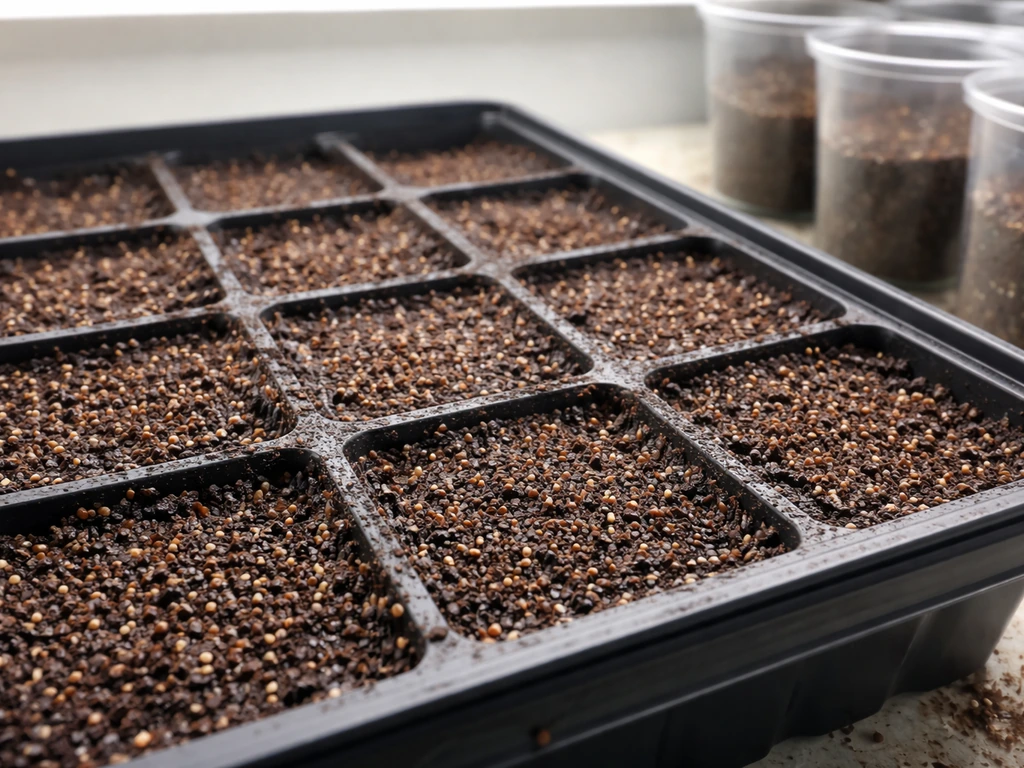
Snapdragon seeds are tiny, and that changes how you sow them. The most important rule: do not cover them with soil. They need light to germinate. Surface sow them directly onto moistened seed-starting mix, press them gently so they make good contact with the surface, and then cover the tray with a clear lid or plastic wrap to hold in humidity.
Some growers add just the thinnest possible dusting of fine vermiculite over the seeds, which helps keep moisture around the seeds without blocking the light they need. If you want an early, winter-blooming addition to your garden, learning how to grow snowdrops can be a great next step. You can apply similar cool-season planning to learn how to grow cowslips for early color in your garden how to grow snowdrops.
If you want to expand beyond cool-season cut flowers, learning how to grow camellias is a great next step.
Keep your soil temperature between 65 and 75°F (18 to 24°C) for germination. A heat mat set to the lower end of that range works well. Once you see the first seedlings emerge (usually within 10 to 14 days), remove the dome or plastic and move the tray to bright light immediately. Under grow lights, keep the light source close, around 2 to 3 inches above the seedlings, to prevent the leggy, floppy growth that happens when seedlings reach for light they're not getting enough of.
- Fill a seed tray or cell pack with moistened seed-starting mix and level it off.
- Scatter snapdragon seeds thinly across the surface (or place 2 to 3 seeds per cell) and press them gently into the mix. Do not cover with soil.
- Optionally, dust the very lightest layer of fine vermiculite over the seeds for moisture retention.
- Cover the tray with a clear humidity dome or plastic wrap and place in a warm spot (65 to 75°F) with bright indirect light or under grow lights.
- Check daily for moisture and germination. Remove the dome as soon as seedlings appear.
- Once seedlings have two sets of true leaves, thin to one seedling per cell by snipping extras at the base rather than pulling.
- Harden off seedlings for 7 to 10 days before transplanting by gradually introducing them to outdoor conditions.
- Transplant into the garden 8 to 10 weeks after sowing, once nighttime temperatures stay above about 25 to 28°F (-4 to -2°C).
One thing beginners often get wrong: they sow snapdragon seeds too thickly and then don't thin. Crowded seedlings compete for light and air and end up weak. Snipping the extras rather than pulling them avoids disturbing the roots of the seedling you're keeping. It feels wasteful, but it's the right move.
Soil, sunlight, and spacing for strong stems
Snapdragons want full sun, at least 6 hours a day and ideally more. Shade produces thin, weak stems that flop over and don't make good cut flowers. Site them where they'll get unobstructed morning sun at minimum, and make sure taller plants or structures aren't blocking light later in the season.
Soil matters more than most beginners expect. Snapdragons perform best in well-draining, slightly acidic soil with a pH around 5.5 to 5.8. At that pH, nutrients are readily available and root diseases are less likely to take hold. Work in compost before planting to improve drainage and add organic matter, but don't overdo it with fertilizer at this stage. High soluble salts in the soil stress snapdragons, so keep your EC (electrical conductivity) below 0.75 mS/cm if you're testing, or just avoid over-fertilizing at planting time.
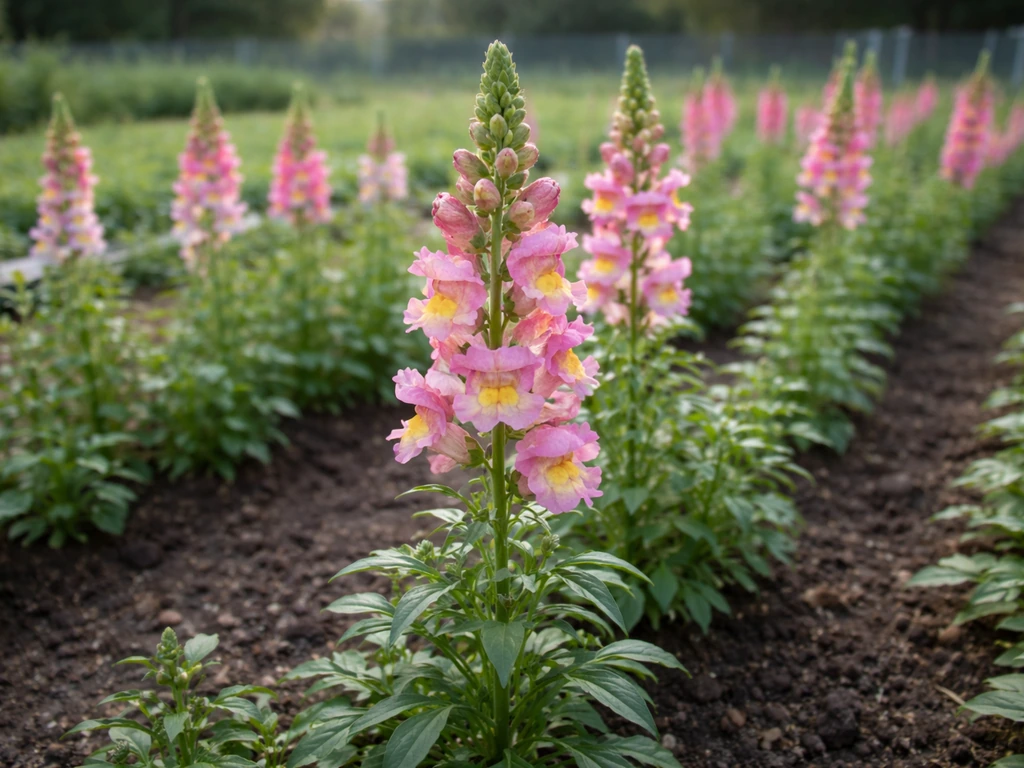
For spacing, tall single-stem varieties grown for cutting should be planted fairly close together, roughly a 4-inch grid spacing per plant. This tight spacing encourages the plants to grow upright and produce long, straight stems rather than branching out low and wide. It also means you can fit more plants into a bed, which matters when you're growing for a vase. Shorter or branching types need more room, around 6 to 12 inches apart, but for cut flower production you really want the tall, single-stem varieties at that tighter spacing.
If you're growing in containers, it's doable but challenging to get the stem length and quality you'd get in a garden bed. Use a deep container (at least 12 inches), a quality potting mix amended with compost, and accept that you may get slightly shorter stems. Beds win for cut flower production.
Ongoing care: watering, feeding, thinning, and pest/disease watch
Watering and feeding
Water deeply and consistently, but always in the morning so the foliage has time to dry before nightfall. Wet leaves sitting overnight are an open invitation for fungal disease, and snapdragons are genuinely susceptible. Aim for about an inch of water per week through rain or irrigation, and water at the base of the plants rather than overhead if you can manage it.
For feeding, snapdragons are moderate feeders. Once plants are established (2 to 3 weeks after transplanting), start feeding every 2 weeks with a balanced liquid fertilizer, something in the 10-10-10 range or a bloom-focused formula once buds form. Don't overfeed nitrogen or you'll get lush foliage at the expense of flowers. If your leaves are pale green or growth is sluggish, that's a signal to increase feeding. If the plants look dark green and leafy without much budding, ease off.
Managing heat and leggy growth
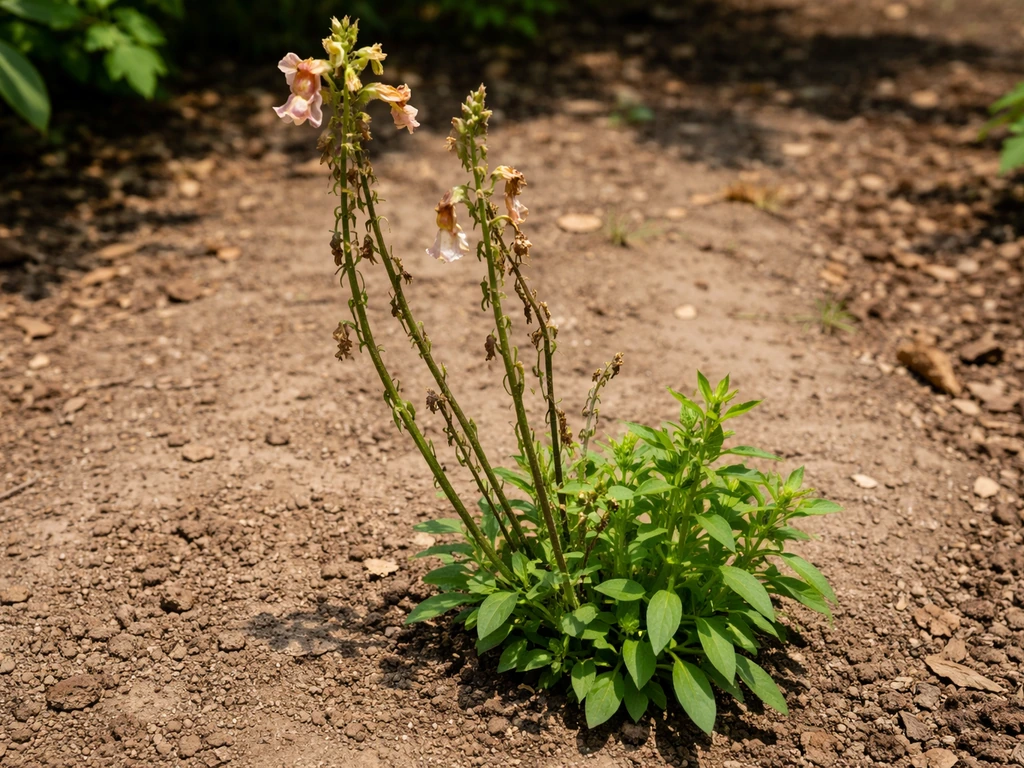
When summer heat arrives, snapdragons slow down, stop blooming, or get straggly. This is normal. In hot climates, they may go dormant entirely in midsummer. You have a few options: pull them and replace with something heat-tolerant, cut them back hard and hope for a fall flush (which often works in zones with a long, mild fall), or plan your timing so the main harvest window happens before peak heat. Most experienced growers treat snapdragons as a spring and fall crop and plan around heat rather than fighting it.
Pests and diseases to watch for
Snapdragons have a few specific disease vulnerabilities. Rust (Puccinia antirrhini) shows up as orange-brown pustules on the undersides of leaves and is the most common problem. Downy mildew causes grayish patches on foliage and thrives in humid conditions. Stem rot from Pythium or Phytophthora can collapse plants at the soil line, usually when drainage is poor or plants are overwatered. Crown and collar rots are also possible in wet conditions. Good air circulation between plants, morning watering, and well-draining soil address most of these before they start.
- Rust: Look for orange pustules under leaves. Remove affected leaves immediately and avoid overhead watering.
- Downy mildew: Grayish fuzz on leaf surfaces. Improve air circulation and reduce humidity around plants.
- Stem rot (Pythium/Phytophthora): Wilting or collapse at soil level. Caused by overwatering or poor drainage. Improve soil structure and ease up on water.
- Aphids: Check stem tips and undersides of leaves. A strong spray of water or insecticidal soap handles light infestations.
- Mosaic virus: Mottled, distorted foliage. Remove and destroy affected plants; control aphids, which spread it.
Cutting for bouquets: harvest timing and how to get repeats
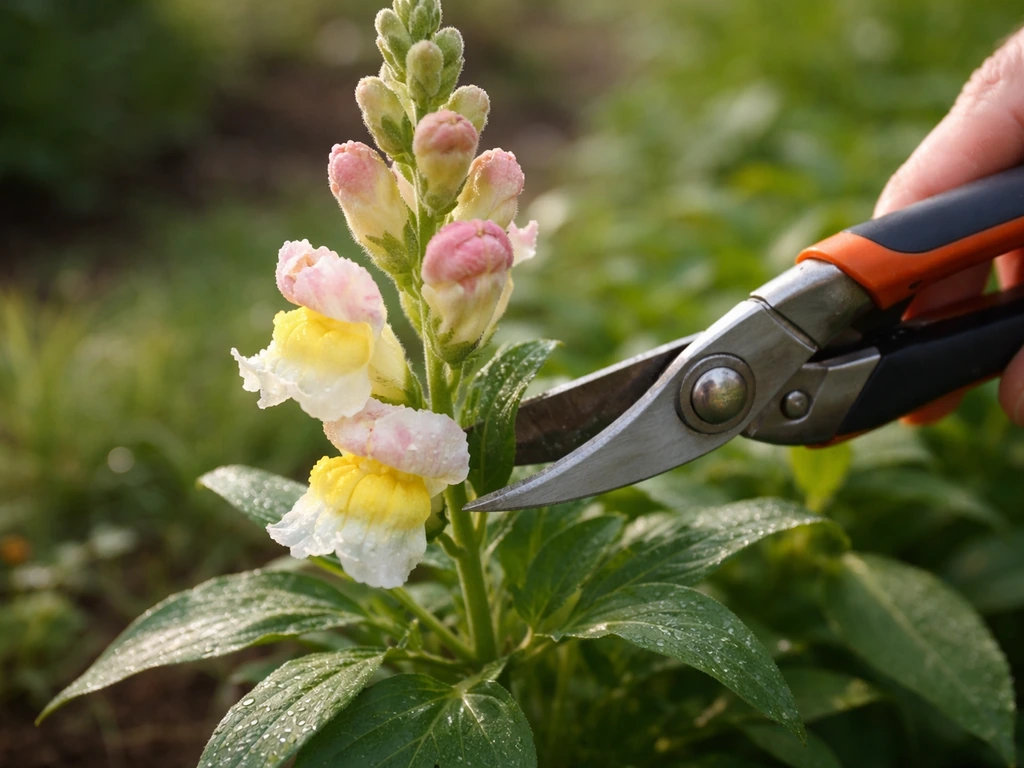
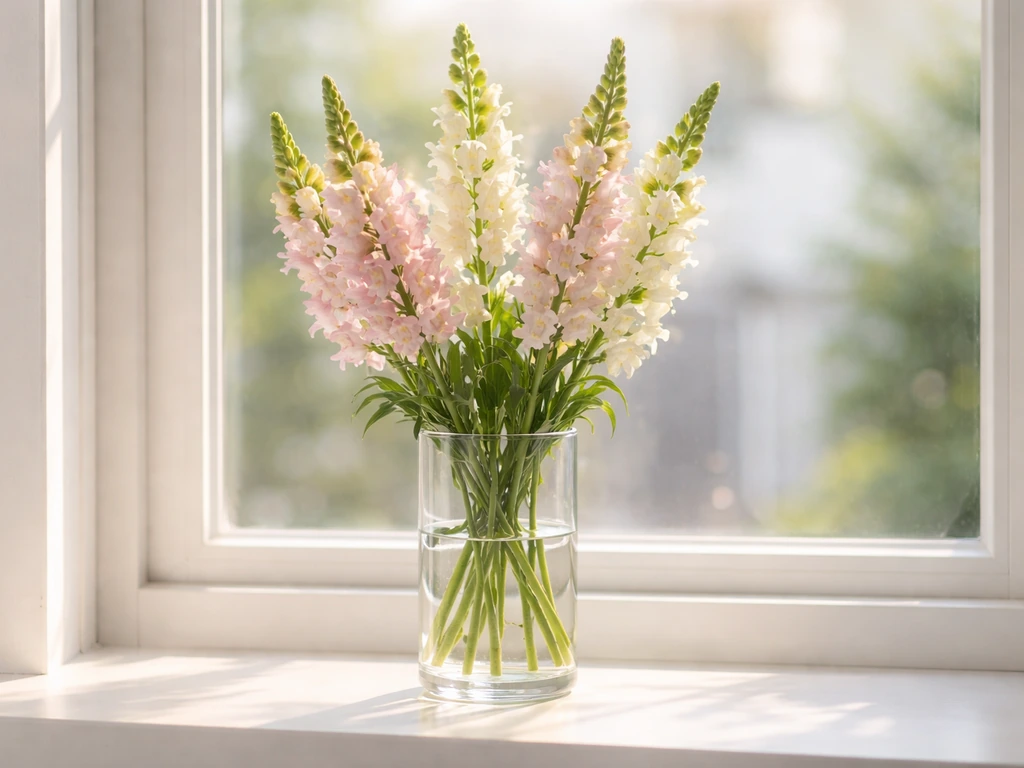
Harvest timing makes a real difference in how long your snapdragons last in the vase. The sweet spot is when the bottom 2 to 3 florets on the spike are fully open and the rest of the spike is in bud, coloring up but not yet open. At that stage, the remaining buds will continue to open in the vase over several days, giving you the full spike effect. If you wait until more than half the spike is open, you're already past the ideal harvest window and vase life will be shorter.
Cut stems early in the morning when they're fully hydrated. Use clean, sharp snips and cut at an angle. Get the stems into cool, clean water immediately after cutting. Snapdragons can be stored at 32 to 35°F (0 to 1°C) for up to 7 to 10 days if you wrap them loosely in polyethylene film to slow moisture loss, which is useful if you want to hold them for an event or build up a supply before arranging.
Here's the part that makes snapdragons genuinely rewarding for cutting garden growers: how you cut them determines whether you get a second and third flush. When you harvest a stem, cut it back to just above a set of healthy leaves lower on the plant rather than cutting at the base. This leaves nodes that will push out new lateral shoots, each of which can produce another flowering stem. Those side shoots are usually shorter than the first stem but still vase-worthy. Keep cutting and the plant keeps producing, at least until heat shuts it down.
If you want a steady supply of cut snapdragons across the season, succession sowing is the move. Sow one tray every 3 to 4 weeks starting 10 weeks before your last frost date, and you'll have plants hitting their stride at staggered intervals rather than all at once. Combined with a fall sowing in mild climates, this approach can give you snapdragons from late spring all the way into autumn.
| Stage | What to look for | Action |
|---|
| Seed sowing | Tiny dust-like seeds, no burial needed | Surface sow at 65–75°F with light; cover tray with dome |
| Germination | Sprouts appear in 10–14 days | Remove dome, move to bright light immediately |
| Transplant ready | 8–10 weeks from sowing, 2+ sets of true leaves | Harden off 7–10 days, then plant outdoors at 4-inch spacing |
| Harvest window | Bottom 2–3 florets open, rest in bud | Cut at an angle in the morning, place in cool water right away |
| After cutting | Lateral shoots emerging from cut node | Continue watering and feeding to push second-flush stems |
Growing snapdragons well is one of those gardening tasks that rewards a little upfront planning, especially around timing and seed starting, more than it rewards any special skill. Get your sowing date right, surface sow those tiny seeds without covering them, give the plants a cool sunny spot with good drainage, and cut consistently once they bloom.
If you follow these steps for snapdragon flower how to grow, you can plan your sowing and care for strong spikes and long-lasting blooms. If you're wondering what to grow with snapdragons to build a cohesive cutting garden, choose cool-season companions that match their light and temperature needs. Do those four things and you'll have armfuls of tall, beautiful stems to bring indoors all season long.