For most gardeners, the sweet spot for starting snapdragon seeds indoors is 8 to 10 weeks before your last expected frost date. If you want the complete process, follow this snapdragon flower how to grow guide from seed to blooming. Cowslips are another cool-season favorite, and you can use similar timing ideas to start the right way for your local conditions cool-season timing. That means roughly January to February in colder zones (USDA zones 3 to 6), and as late as March in milder ones. In warm-winter climates (zones 8 to 10), you can skip spring sowing entirely and grow snapdragons as a fall or winter crop instead. Snapdragons love cool weather and hate summer heat, so timing everything around that one fact will get you further than anything else.
When to Grow Snapdragons: Planting Dates by Region
Snapdragons are cool-season plants, and that changes everything
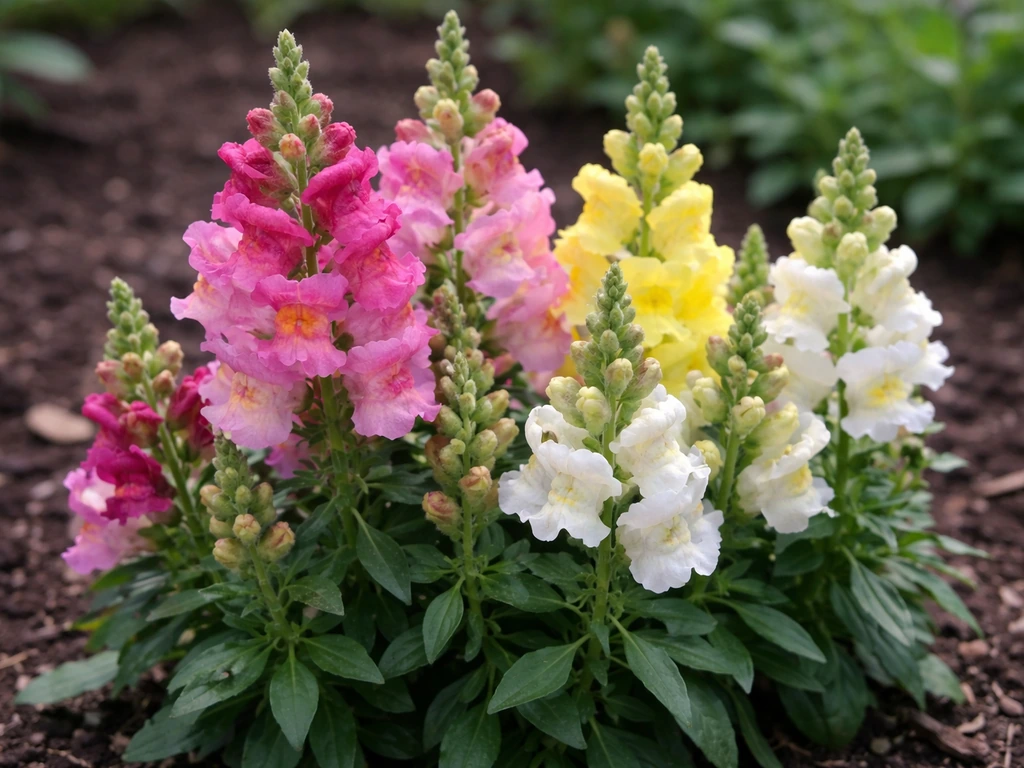
Antirrhinum majus (that's the Latin name you'll see on seed packets) is a cool-season flower that genuinely thrives when temperatures sit between 45 and 65°F (7 to 18°C). Because snapdragons can be finicky about cool weather, pairing them with other cold-season plants is the easiest way to keep the garden blooming together. It's not just tolerant of cool conditions, it actually performs better in them. Plants produce more blooms, hold their colors longer, and stay upright and bushy rather than flopping over and going to seed.
Once summer heat kicks in and daytime temperatures stay consistently above 75 to 80°F (24 to 27°C), snapdragons tend to slow down, stop blooming, and eventually bolt (go to seed prematurely). This is why getting the timing right isn't just about planting on a calendar date, it's about matching the snapdragon's preferred temperature window to your local growing season.
Established snapdragon plants can tolerate a light frost down to around 28 to 32°F (-2 to 0°C), especially if they've been hardened off gradually. Young seedlings need a little more protection, but once they're settled in, a light spring frost won't set them back much. That frost tolerance is actually part of the strategy: you want plants in the ground while nights are still cool, not after the weather has already warmed up.
When to sow and plant by season and region
Because snapdragons are cool-season plants, the timing rules shift depending on where you live. Here's a practical breakdown by region and season.
Cold climates (zones 3 to 5): spring planting is your main window
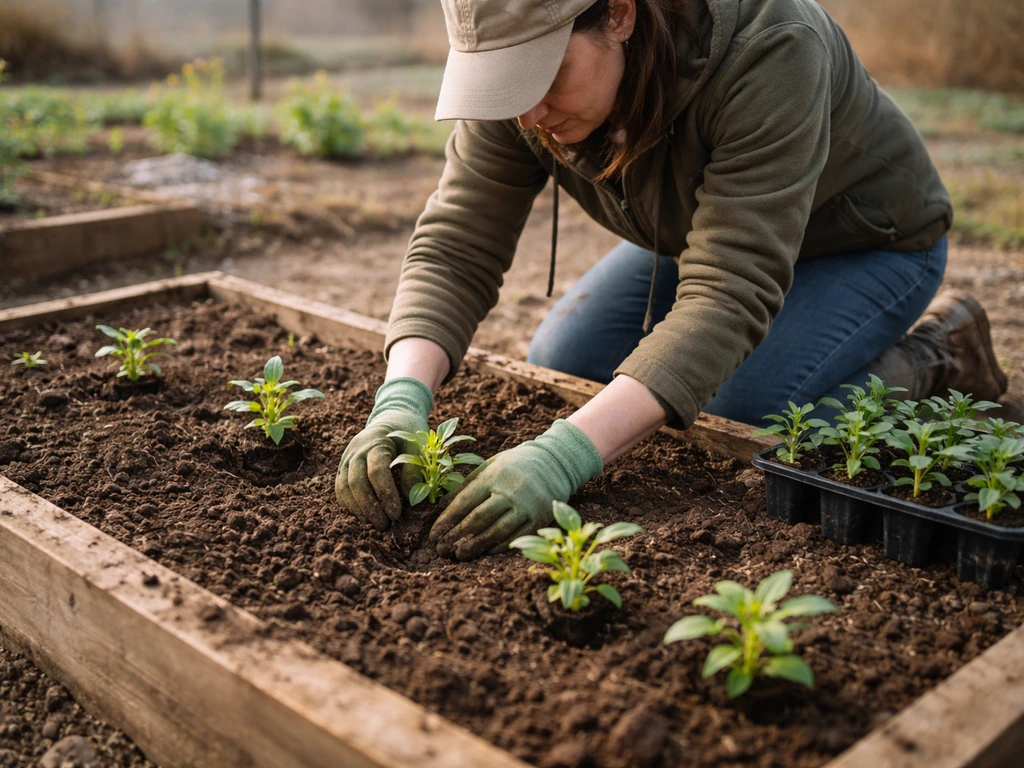
In zones 3 to 5, winters are too harsh for outdoor snapdragon survival, so your entire growing window is spring through early summer. Start seeds indoors in late January or February, around 10 weeks before your last frost date. Transplant outdoors in April or May, two to three weeks before that last frost date, snapdragons can handle a light frost, so there's no need to wait for completely frost-free nights. You'll get blooms from late May through July, and sometimes into September if summers stay mild.
Moderate climates (zones 6 to 7): early spring and a possible fall run
In zones 6 and 7, you can do a spring planting (sow indoors in February to March, transplant in March to April) for late spring blooms. You may also get a second window in late summer: sow seeds indoors in late July or early August, then transplant in September for a fall bloom run before hard frost shuts things down. Fall-planted snapdragons often have a different look, stockier, more vibrant color, because they're growing in their preferred cool weather.
Mild-winter climates (zones 8 to 10): fall and winter planting is prime time
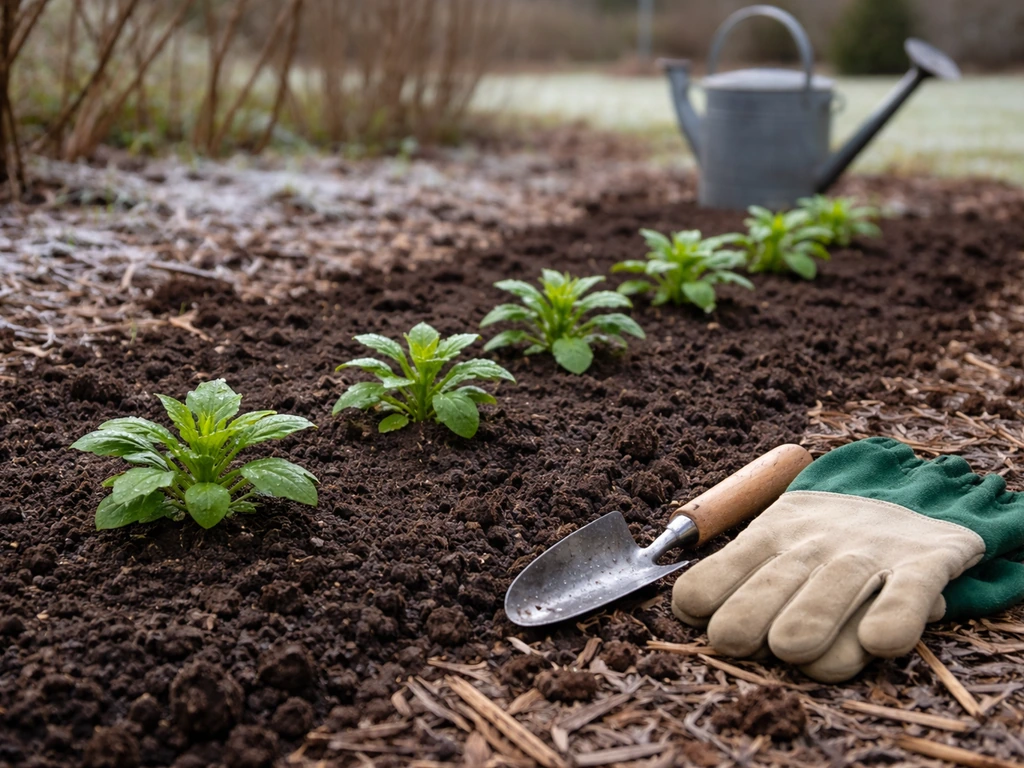
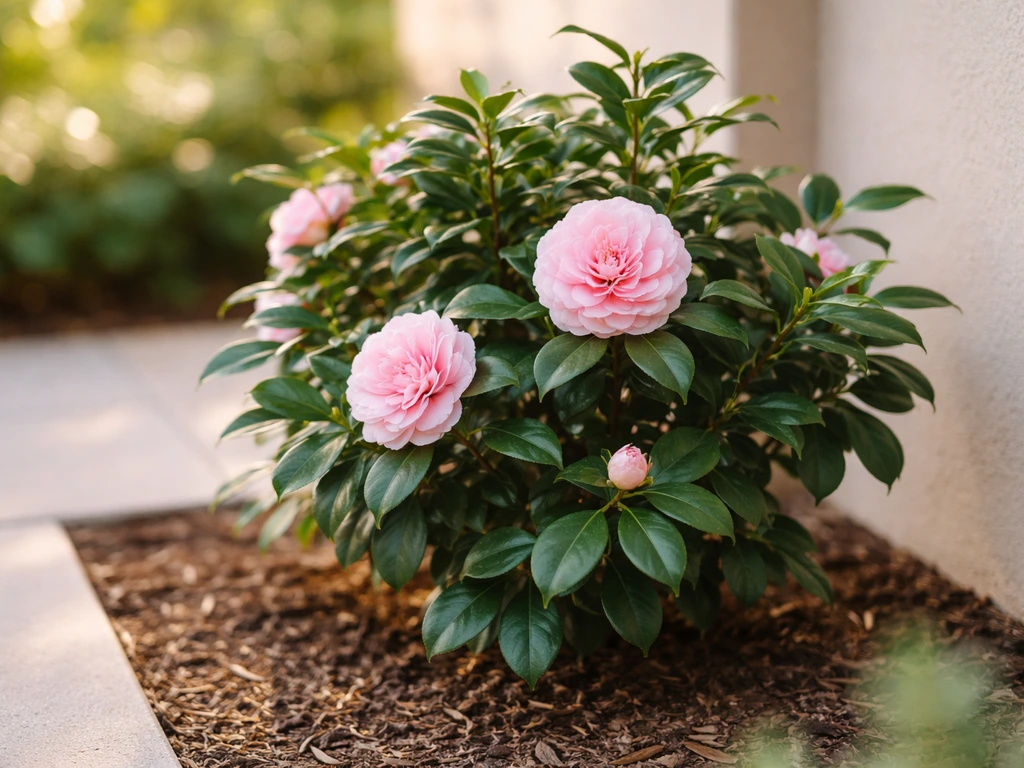
In zones 8 to 10, summer is too hot for snapdragons, and spring comes and goes quickly before heat sets in. The real growing season is fall through spring. If you are wondering how to grow snowdrops, the key idea is similar: plan for the cool season when these bulbs can establish and bloom fall through spring. Sow seeds indoors in September or October, or direct sow in October to November. Plants establish over winter and bloom prolifically from late winter through spring, often from January all the way through April. This is how commercial cut-flower growers in California and the Gulf Coast operate, and it works beautifully. If you want a complete guide, review camellias how to grow for plant size, light, soil, and care tips.
| Zone | Indoor Sow Date | Transplant/Direct Sow Outdoors | Expected Bloom Window |
|---|---|---|---|
| Zones 3–5 | Late Jan – Feb | Apr – May (2–3 wks before last frost) | Late May – July |
| Zones 6–7 (spring) | Feb – Mar | Mar – Apr | May – June |
| Zones 6–7 (fall) | Late July – Aug | September | Oct – Nov |
| Zones 8–10 | Sept – Oct | Oct – Nov | Jan – Apr |
Starting indoors vs sowing directly outside
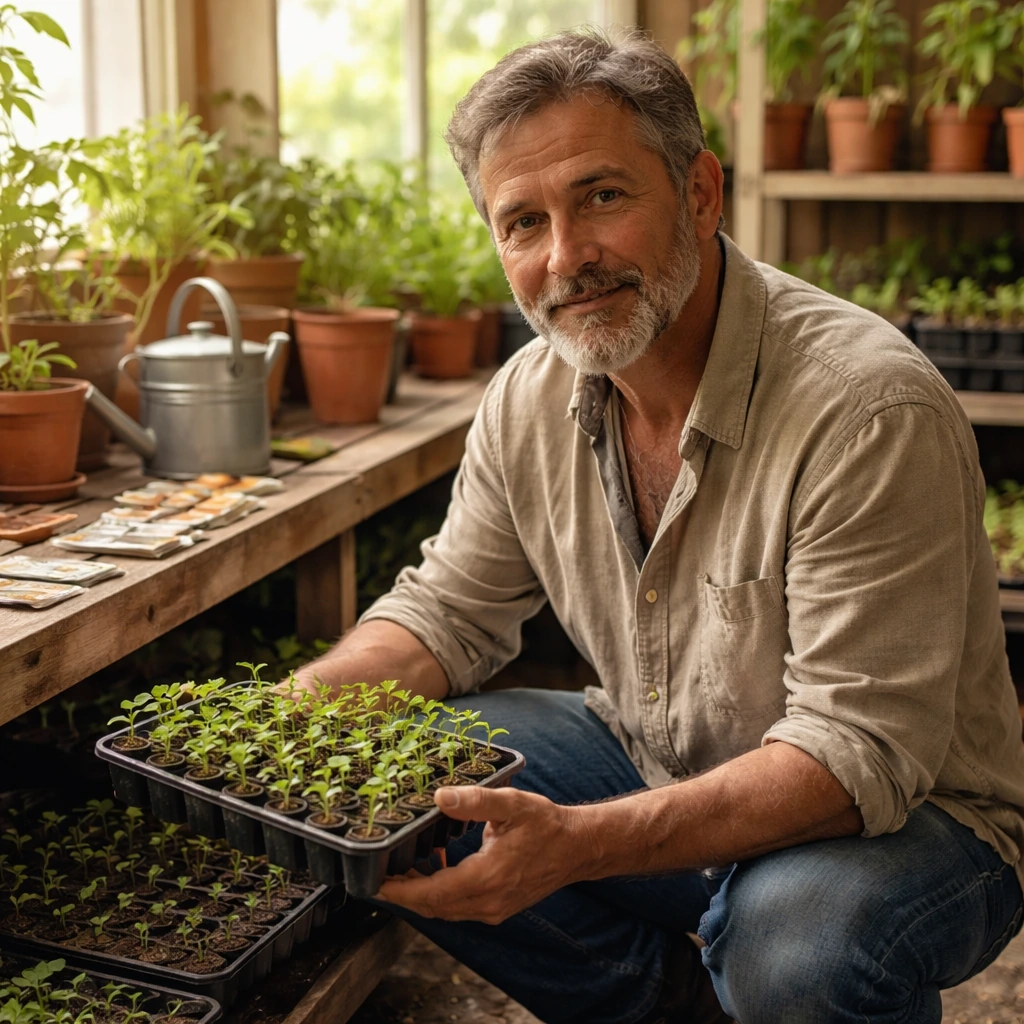
For most home gardeners in North America, indoor seed starting gives you a real advantage with snapdragons. The seeds are tiny and need precise conditions to germinate well. Starting indoors means you control the temperature, keep moisture steady, and get a head start on the season. That said, direct sowing can work in the right climate and at the right time of year. After you’ve figured out timing, focus on light, soil, and consistent watering to learn how do you grow snapdragons successfully.
Starting snapdragon seeds indoors
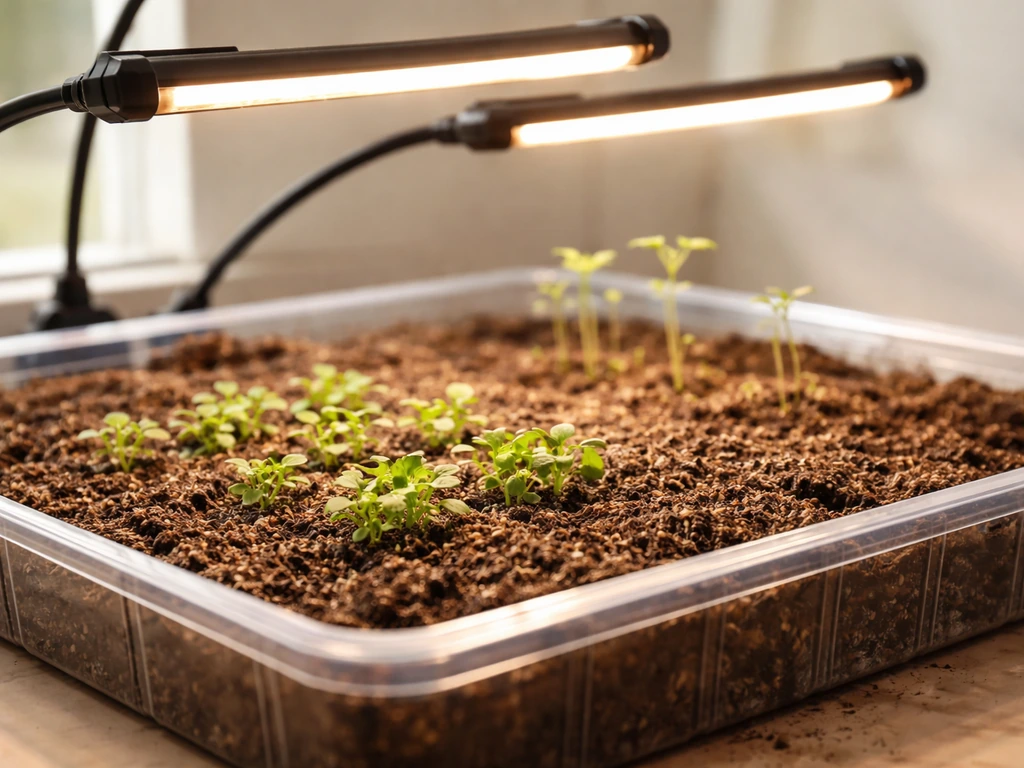
Snapdragon seeds need light to germinate, this is one of the most important things to know. Once you know their light requirements for germination, you can fine-tune the rest of what snapdragons need to grow well need light to germinate. Do not cover them with soil. Surface-sow them onto moist, fine-textured seed-starting mix, press them gently into contact with the medium, and then cover the tray loosely with plastic wrap or a humidity dome. If you want to add a very thin layer of coverage for moisture retention, a fine dusting of vermiculite is acceptable, but anything thicker will block the light the seeds need and reduce germination dramatically.
- Fill seed trays or small cells with pre-moistened, fine seed-starting mix.
- Scatter seeds on the surface — about 2 to 3 seeds per cell — without covering them with soil.
- If needed, dust a very thin layer of fine vermiculite over the seeds to help hold moisture without blocking light.
- Place the tray somewhere with bright light (a sunny windowsill, grow lights set 2 to 3 inches above the tray, or a greenhouse).
- Maintain soil temperature between 64 and 68°F (18 to 20°C). A heat mat can help in winter, but watch that you don't overheat — above 75°F slows germination.
- Keep the surface moist but not waterlogged. Mist gently rather than watering from above.
- Germination typically happens in 10 to 21 days under good conditions.
- Once seedlings emerge, remove the humidity dome and keep grow lights close to prevent leggy stretching.
Direct sowing outdoors
Direct sowing works best in mild-winter climates (zones 8 to 10) where you're planting in fall and the soil temperature sits around 65°F (18°C). In cold climates, direct sowing in spring is tricky because the soil often isn't warm enough when it's time to plant, and the plants won't have enough time to establish before summer heat arrives. If you want to try direct sowing in a cool climate, wait until soil temperatures consistently reach 60 to 65°F, surface-sow seeds in a prepared bed, and thin to about 6 to 12 inches apart once seedlings have 2 to 3 sets of leaves. Keep in mind that direct-sown plants will flower significantly later than transplants started indoors.
Transplanting: when to move seedlings outside and how to space them
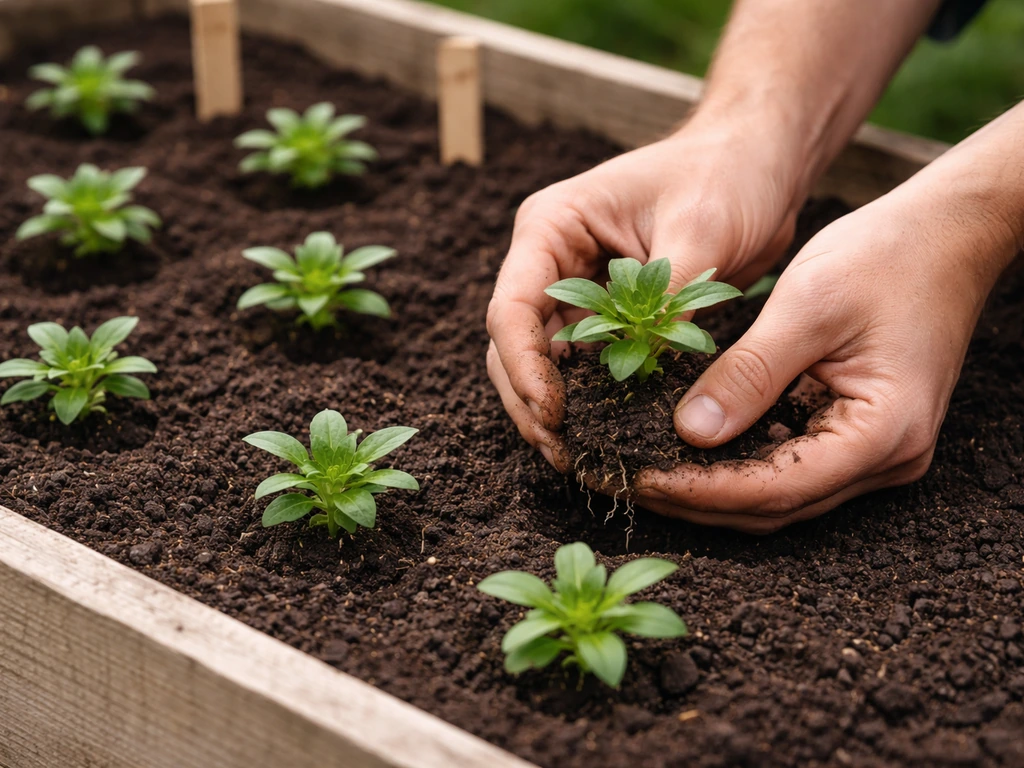
Seedlings are ready to transplant when they have 3 to 4 sets of true leaves and are around 3 to 4 inches tall. Before moving them outside, harden them off over 7 to 10 days: start by putting them outside in a sheltered spot for just a couple of hours in the afternoon, then gradually increase their outdoor time each day until they're spending full days outside. This step really does matter, seedlings that skip hardening off often stall or show leaf burn when transplanted.
In cold climates, transplant 2 to 3 weeks before your last frost date. In mild climates doing a fall planting, transplant when daytime temperatures have dropped below 75°F (24°C) and nighttime temps are in the 45 to 60°F range. Snapdragons transplanted into actively cooling fall weather establish quickly and reward you with strong root systems before they start putting on top growth.
Spacing depends on the variety. Dwarf types (under 12 inches) can be spaced 6 to 8 inches apart. Intermediate varieties (12 to 18 inches) need around 9 to 12 inches. Tall cutting varieties (18 to 36 inches or more) want 12 to 15 inches between plants to allow good airflow and stem development. Crowded snapdragons are much more susceptible to rust and mildew, so resist the urge to plant them close together. If you're growing tall types specifically for cut flowers, you might want a closer 6-inch spacing in rows with support netting, but that's a more specialized setup covered in depth when you're growing for height and stem length.
How long until snapdragons germinate and bloom
Under good conditions (blank" rel="noopener noreferrer">consistent 64 to 68°F soil temperature, good light, proper surface sowing), snapdragon seeds typically germinate in 10 to 21 days. Syngenta’s snapdragon dwarf series culture guideline notes optimal seedling-development temperatures around 65, 68°F (18, 20°C), which aligns with germination success in the mid-60s blank" rel="noopener noreferrer">consistent 64 to 68°F soil temperature. If your conditions are on the cooler side or light is limited, expect the longer end of that range. If nothing has sprouted after 25 days, poor germination is likely and restarting with fresh seeds in better conditions is worth doing.
From germination to flowering, expect roughly 12 to 16 weeks total (about 3 to 4 months), depending on the variety and growing conditions. Dwarf and intermediate types tend to be quicker; taller cutting-garden varieties take a bit longer. This is exactly why starting indoors 8 to 10 weeks before transplanting, and then transplanting well before summer heat, gives you the full bloom season you're after. If you do the math backward from when you want flowers, it makes the seed-starting calendar pretty intuitive.
Common timing mistakes and how to fix them
Started too early: leggy seedlings
If you start seeds in November thinking you'll get a jump on the season, you'll end up with stretched, floppy seedlings by January that are too fragile to transplant well. The fix is to either pot them up into larger containers and keep them under grow lights at a cool-ish temperature (60 to 65°F), or, honestly, start fresh closer to the right date. Snapdragons don't reward super-early starts the way tomatoes do.
Started too late: missed the cool window
If you start seeds in April or May in zone 5 (where summer hits in June), you'll be transplanting young seedlings right into warming weather, and they'll struggle to establish before heat stress kicks in. At this point, it's often better to wait and plan for a fall planting or order next year's seeds early. In mild climates, a late spring start is definitely a write-off, save your energy for fall.
Poor germination
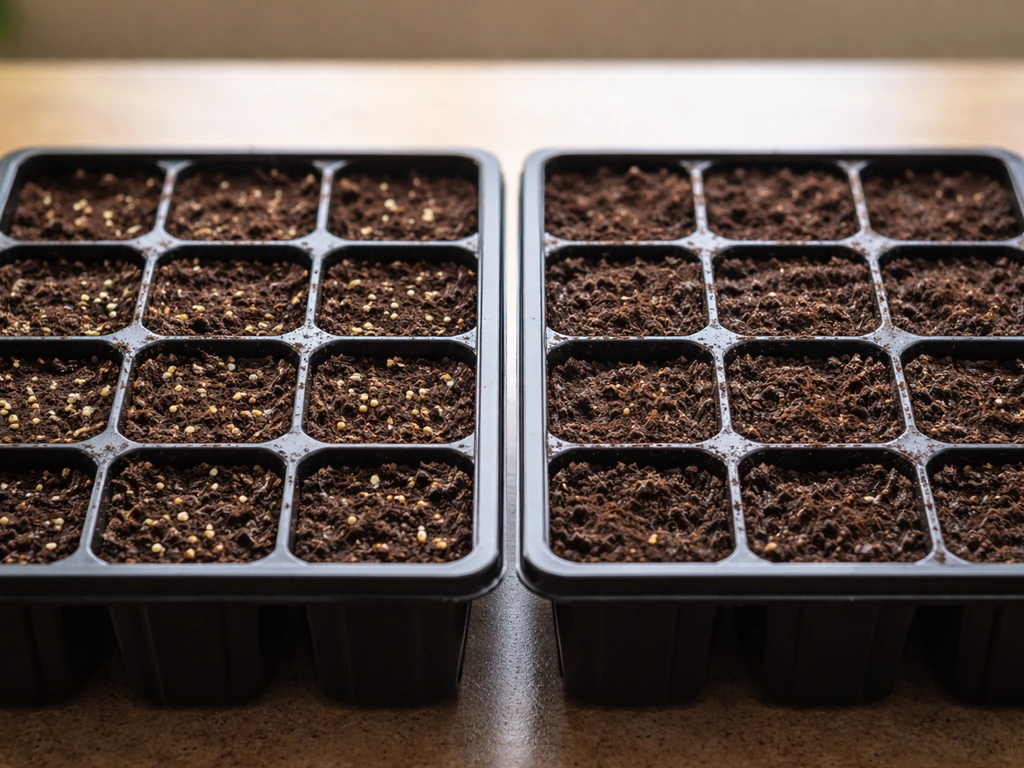
The most common reason snapdragon seeds don't germinate is covering them with soil. If you've buried them even slightly, germination rates drop sharply. The second most common issue is temperature: seeds kept below 60°F or above 75°F germinate much more slowly and unevenly. There's no need to refrigerate snapdragon seeds before sowing, unlike many perennials, they don't require cold stratification. Just make sure they're fresh (older seeds lose viability quickly), surface-sown, lightly misted, and kept in a warm, bright spot.
Plants bolting too quickly
If your snapdragons produce a brief bloom and then quickly go to seed without putting on a sustained flower show, late planting is almost always the cause. Plants that go into the ground when temperatures are already warm feel an urgency to complete their life cycle fast. The solution is earlier planting next time. In the meantime, cut spent flower spikes back hard (down to a side shoot) to encourage reblooming and slow the bolting process as long as possible.
Seedlings stretched and thin under grow lights
Leggy indoor seedlings usually mean the light source is too far away. Snapdragon seedlings want grow lights set 2 to 3 inches above the top of the tray, not 12 inches up. If you're growing near a windowsill, a south-facing window in winter often isn't bright enough without supplemental light. Pinching the seedling tips once plants have 4 to 5 sets of leaves encourages bushier growth and stronger stems before transplanting.
Overwintering and fall planting: where it works and where it doesn't
In zones 8 to 10, snapdragons can be treated as winter annuals that live through the mild season and bloom for months on end. You're not really "overwintering" them so much as growing them through the winter as your primary season. Plant in October or November, and they'll establish roots as the weather cools, then push out strong blooms from January through April. This is genuinely one of the best-kept secrets in warm-climate gardening, snapdragons in a Southern California or Gulf Coast winter garden are spectacular.
In zones 6 and 7, overwintering is possible but requires some protection. Plants set out in early fall can survive through winter with a layer of mulch (3 to 4 inches of straw or shredded leaves) applied after the first hard frost. They won't look like much in January, but they can bounce back in February and March to give you very early blooms before anything else in the garden is going. Row cover fabric adds another layer of protection during hard freezes.
In zones 3 to 5, overwintering outdoor snapdragons is not realistic. Hard freezes will kill the plants, and there's no amount of mulching that changes that. Your strategy in cold climates is simply to get seeds started early indoors and get transplants in the ground as soon as the soil is workable in spring. If you want the very earliest possible blooms, grow a cold-tolerant variety and get it in the ground boldly, two to three weeks before your last frost date rather than waiting for frost-free nights.
One thing worth noting: if you're interested in self-seeding, snapdragons do drop seed and can pop up again the following season in milder climates. In colder zones, those volunteer seedlings only appear reliably if the seeds were shed in fall and the soil was not deeply disturbed over winter. It's unpredictable, but a pleasant surprise when it happens. For a dependable crop, though, always plan to start fresh from seed each season.
FAQ
Can I grow snapdragons if I miss the usual “8 to 10 weeks before last frost” start time?
Yes, but timing changes. In cool climates, start seeds indoors 8 to 10 weeks before your last frost, then transplant when nighttime temperatures are still cool. If you move them into the ground after nights regularly warm, they often pause bloom and bolt instead of finishing the season.
When should I transplant snapdragons for a fall bloom, especially in zones 6 to 7?
For fall crops in milder areas, aim for transplanting when days are cooling below about 75°F and nights are roughly in the 45 to 60°F range. In practice, that usually means counting back from your first hard frost, but also watching daytime heat, because overly warm fall days cause the same slow-down as spring planting.
Is a light frost after transplanting really safe, and do I need protection for young plants?
Snapdragons can handle light frost once established, but seedlings need more buffering. Harden them off fully over 7 to 10 days and consider protecting them on the coldest nights with row cover if temps are near the low end of that tolerance, especially right after transplanting.
Should I refrigerate snapdragon seeds (cold stratify) before sowing?
Usually, no. Snapdragons do not need cold stratification to germinate, and refrigerating seeds often adds steps without improving sprouting. The key is surface sowing, keeping moisture steady, and maintaining a temperature range that supports germination.
What should I do if I want earlier blooms but I’m tempted to start snapdragon seeds too early?
If you want the earliest flowers but your schedule is tight, do not sow much earlier just to “get ahead.” The article’s problem scenario is November starts causing leggy, fragile seedlings by January. The practical fix is to start closer to the target date and use grow lights plus a cool-ish temperature around 60 to 65°F only if you must bridge time.
My snapdragon seeds did not sprout. What are the most likely causes, and when should I give up?
Germination failure is almost always tied to covering seeds, temperature, or age. For your check list, confirm you surface-sowed (no soil), use fresh seed, and keep conditions bright and within a reasonable temperature band. If nothing appears after about 25 days, restart with new seeds rather than waiting indefinitely.
If I direct sow snapdragons instead of starting indoors, will they bloom at the same time?
Yes, and it affects your calendar. Direct-sown plants typically flower later than transplants started indoors, because they need time to establish before the cool period and before they can build enough growth to bloom. In warm-summer climates where you direct sow in fall, plan for later flowering compared with indoor-started transplants.
What’s the best way to fix leggy snapdragon seedlings indoors?
If seedlings look stretched, raise light intensity first. Grow lights should sit roughly 2 to 3 inches above the tray, and windowsills often do not provide enough winter brightness. Also avoid early watering that keeps the mix soggy, since leggy, weak growth gets worse when seedlings are also stressed.
Does spacing change when to grow snapdragons, or just how well they grow?
Not exactly. When snapdragons are packed too tightly, airflow drops and disease risk rises, even if the bloom timing is perfect. If your goal is a long, steady display, follow the variety spacing guidance in the article and thin early enough that crowded plants do not develop quickly.
My snapdragons bloomed briefly and then went to seed. What caused it, and what can I do now?
If you see a brief flush then quick seeding, the plants likely went into warm conditions too late. The immediate fix is to cut spent flower spikes back to a side shoot, but the lasting correction is to plant earlier (or shift to a fall window) so the main growth period happens in the snapdragon’s cool temperature range.
Will snapdragons come back from self-seeding, and can I encourage it?
You can, in limited ways. Snapdragons self-seed more reliably in milder climates when dropped seed lands on undisturbed soil in fall. If you want volunteer plants, avoid heavy winter cultivation, but expect unpredictability in where they appear and how true they are to the original variety.
Camellias How to Grow: Step by Step Home Guide
Step-by-step guide to grow camellias at home: choose varieties, plant right, care, fertilize, prune, and troubleshoot is