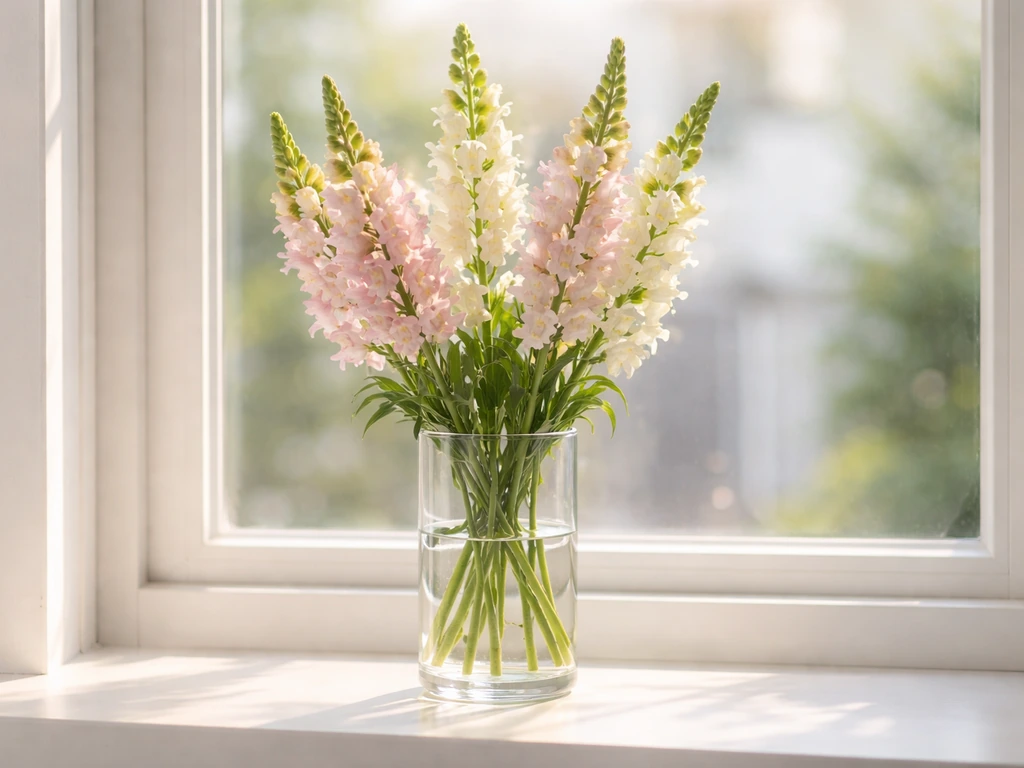
Plant snowdrop bulbs in autumn, between September and November, about 3 inches deep in a partly shaded spot with moist but well-drained soil. Snapdragons grow tall best in full sun with consistent watering and nutrient-rich soil, so their care needs differ from snowdrops grow tall snapdragons. That is the whole secret in one sentence. The details below will help you get every part of that right, avoid the most common beginner mistakes (mostly around letting bulbs dry out), and keep your snowdrops coming back stronger every year. Once you know the basics of how to grow snapdragon flowers, you can apply the same steady care approach to keep your blooms reliable snowdrops coming back stronger every year.
How to Grow Snowdrops from Bulbs Step by Step

Marcus Holloway
1 May 2026
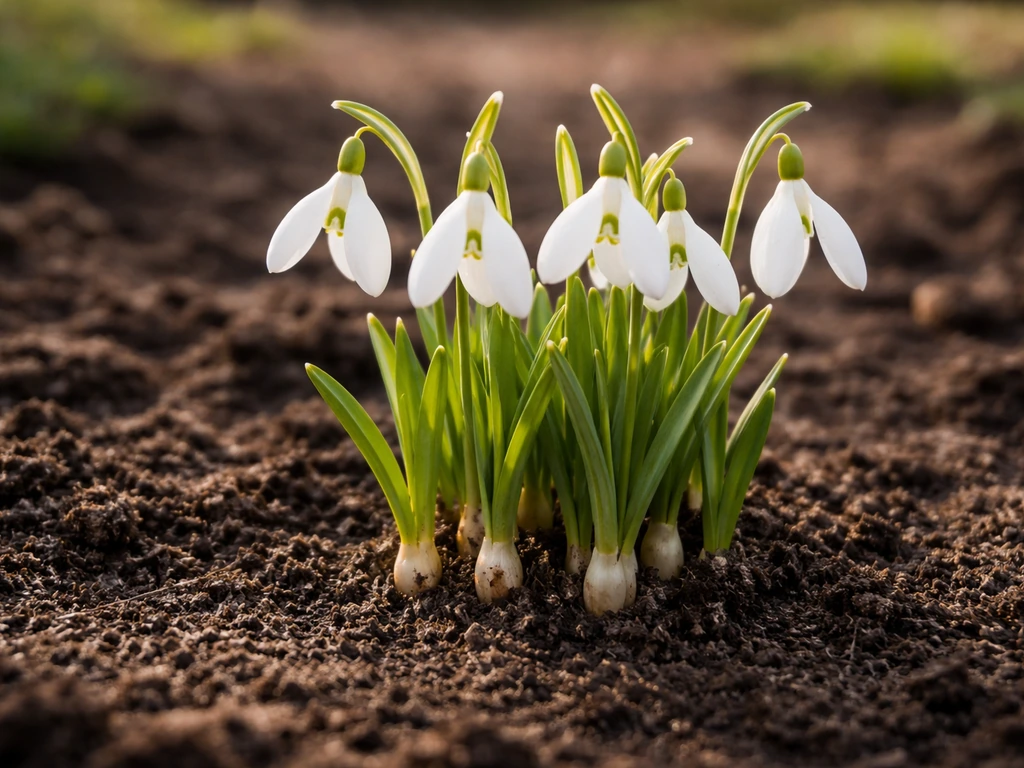
What snowdrops need to thrive
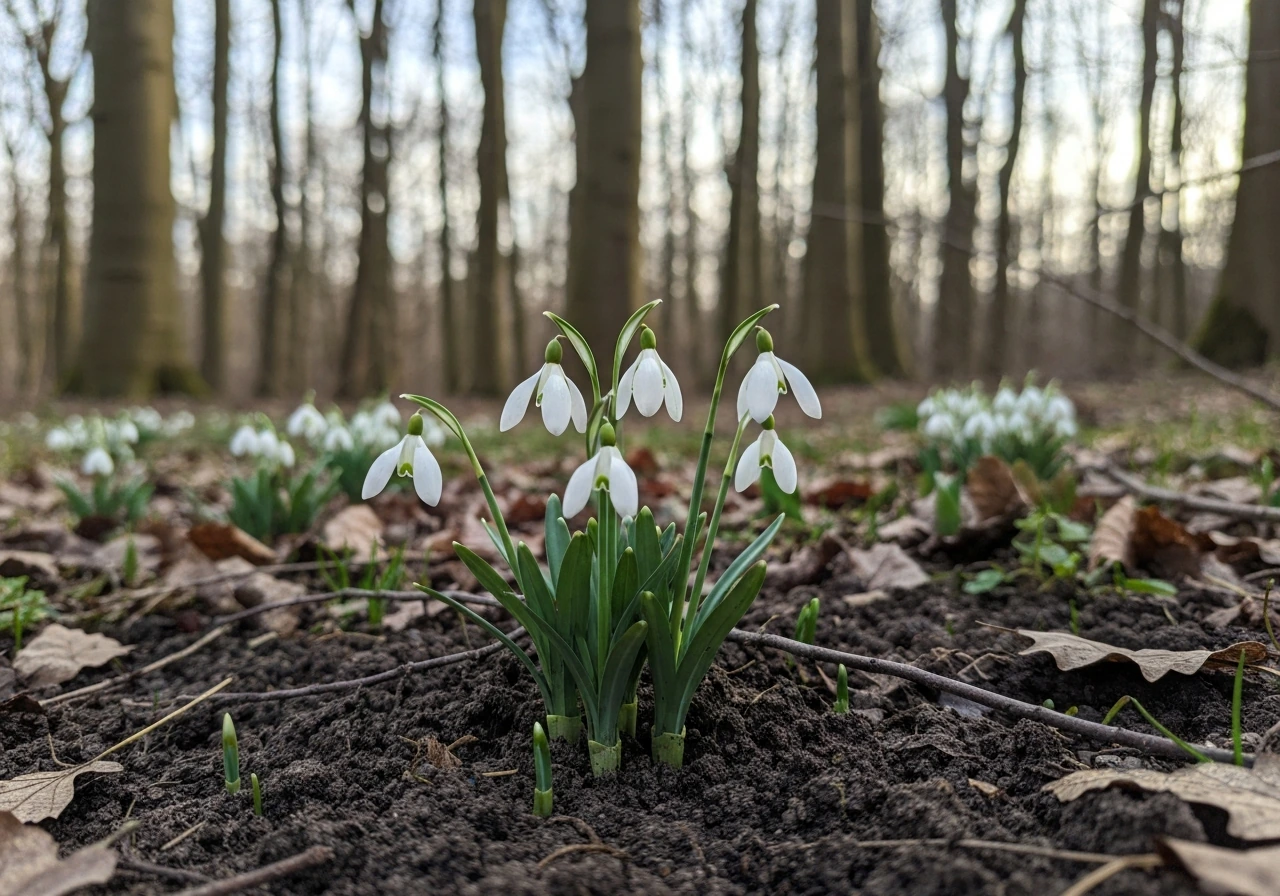
Snowdrops (Galanthus) are woodland plants at heart, and that tells you almost everything about what they want. Their ideal spot is under or near deciduous trees and shrubs, where they get dappled light while in growth but enjoy a leafy, moisture-retaining soil that never fully dries out in summer. The Royal Horticultural Society recommends growing snowdrops in partial shade near deciduous trees and shrubs, and they will grow in most soil types except permanently wet soil. That last part trips up a lot of gardeners: snowdrops go dormant in summer, but their bulbs still need some residual soil moisture underground. A bone-dry spot in July can weaken them badly.
Partial shade is the target for light. Full sun is tolerable in early spring when the trees above are still bare, which is actually why the deciduous tree position works so well: they get their light when they need it, and the canopy shades them during summer dormancy. Avoid permanently shaded spots and avoid open beds that bake in summer heat, as excess warmth can cause bulbs to 'go blind' and fail to produce flowers.
For soil, moist and well-drained is the phrase to remember. They grow well in most soil types as long as it is never waterlogged. If your ground tends to sit wet, work in some grit to improve drainage before planting. Equally, if your soil is on the dry or sandy side, dig in generous amounts of leafmould or garden compost to boost moisture retention. Leafmould in particular mimics their natural woodland floor habitat perfectly.
- Light: partial shade, ideally under deciduous trees or shrubs
- Soil: moist but well-drained; add leafmould or garden compost to improve moisture retention
- Avoid: permanently wet soil, baking summer sun, and very exposed sites in regions with extreme cold (below around -30°F/-34°C)
When to plant snowdrop bulbs for best blooms
The ideal planting window for dry snowdrop bulbs is autumn, from September through to the end of November. If you are wondering when to grow snapdragons, the timing is very different because they prefer warmer weather. That gives the bulbs enough time to settle into the soil and develop a root system before the ground freezes, so they are primed to push up their flowers in late winter or very early spring. In mild climates, snowdrops typically flower from January to March, though in colder or higher-altitude gardens they can bloom as late as April.
If you miss the autumn window entirely, do not give up. The RHS recommends buying snowdrops 'in the green' as the next best option. This means purchasing plants that have already flowered and are still in active leaf growth, usually available from specialist nurseries in late winter or early spring. Transplanting them at this stage with foliage intact gives them a much better chance of establishment than a desiccated dry bulb planted late.
How to buy and store snowdrop bulbs before planting
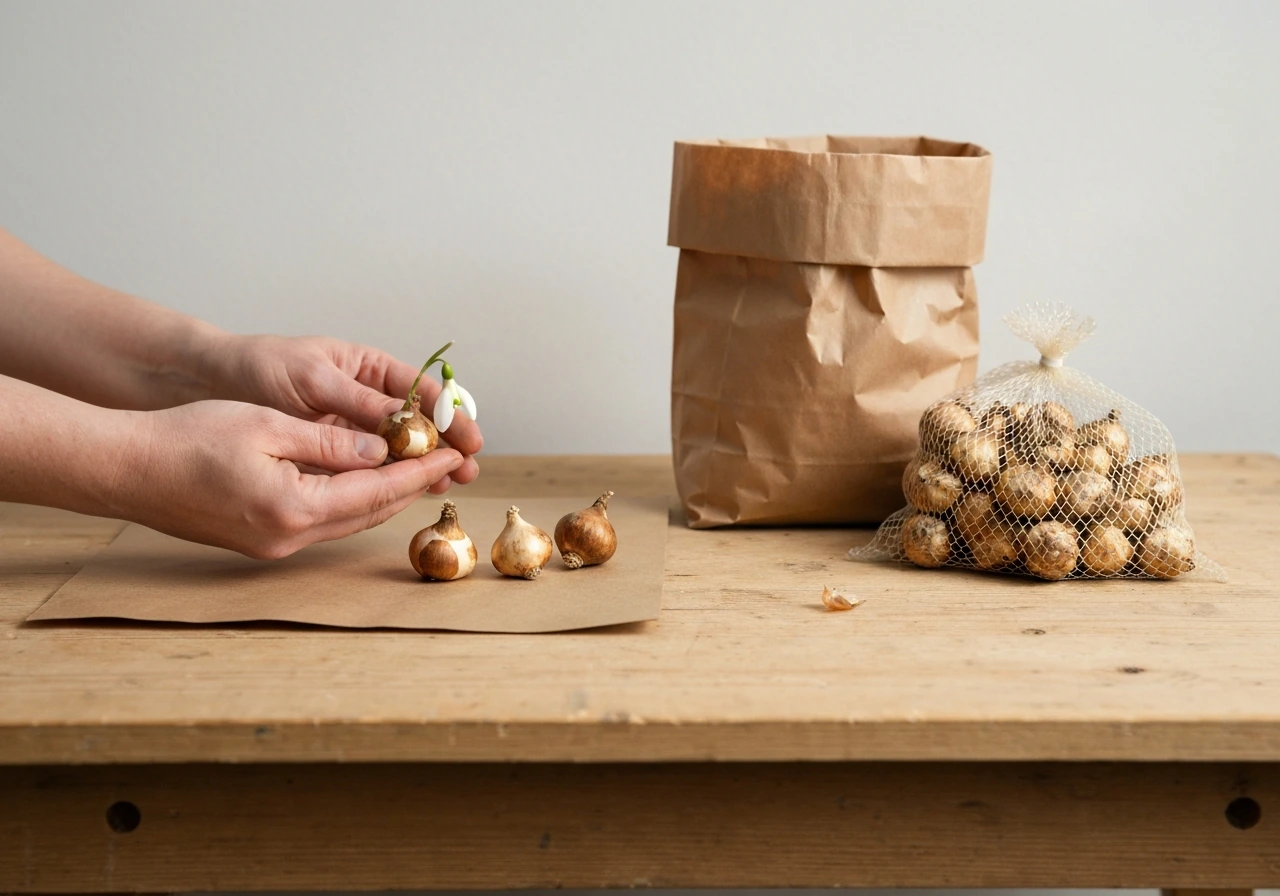
Here is something every snowdrop guide should shout louder: snowdrop bulbs dry out faster than almost any other spring bulb. Once they start desiccating, their viability drops quickly. The RHS is blunt about this: buy them as soon as they become available in late summer and plant them immediately. Do not leave them sitting in a bag on a shelf for weeks while you get around to it.
If you genuinely cannot plant them straight away, store them properly. Pack the bulbs in a breathable container or paper bag layered with slightly moist peat, vermiculite, or fine sand, making sure the bulbs are not touching each other. Keep the container somewhere cool and well-ventilated, like a shed or garage. Check them every few days. Any sign of softness or rot on one bulb needs to be removed before it spreads to the others. Even with perfect storage, try to get them in the ground within a couple of weeks.
When buying, choose bulbs that feel firm and plump. Avoid any that are soft, shriveled, or show signs of mold. If your only local source is a garden center that has clearly had its stock sitting under fluorescent lights for a month, buying 'in the green' from a specialist bulb nursery is genuinely the better choice.
How to plant snowdrop bulbs
Planting snowdrops is straightforward, but getting the depth right matters. Too shallow and the bulbs are vulnerable to frost heave and squirrel disturbance. Too deep and they can struggle to push through. Aim for about 3 inches (8 cm) deep, measured from the top of the bulb to the soil surface. Some sources suggest up to 6 inches for larger bulbs, but for the standard Galanthus nivalis most home gardeners buy, 3 inches is the reliable target.
- Prepare the soil: loosen it to about 6 inches deep with a hand fork or trowel. Remove any large stones and mix in leafmould or garden compost if needed.
- Dig individual holes or a shallow trench about 3 inches deep.
- Place bulbs pointed end up, flat base down. If you cannot tell which end is which, plant them on their side and the shoot will find its way up.
- Space bulbs roughly 3 inches apart. Closer spacing (2 inches) works fine for a dense clump effect; just avoid crowding them so tightly that air cannot circulate.
- Back-fill gently with soil, pressing it down lightly to eliminate air pockets around the bulb.
- Water in well immediately after planting to settle the soil.
Snowdrops naturalize beautifully over time, spreading by bulb offsets to form larger and larger clumps. If you are planting under trees for a naturalized woodland look, try scattering handfuls of bulbs loosely and planting them roughly where they fall. It gives a much more natural distribution than rigid rows.
After-planting care
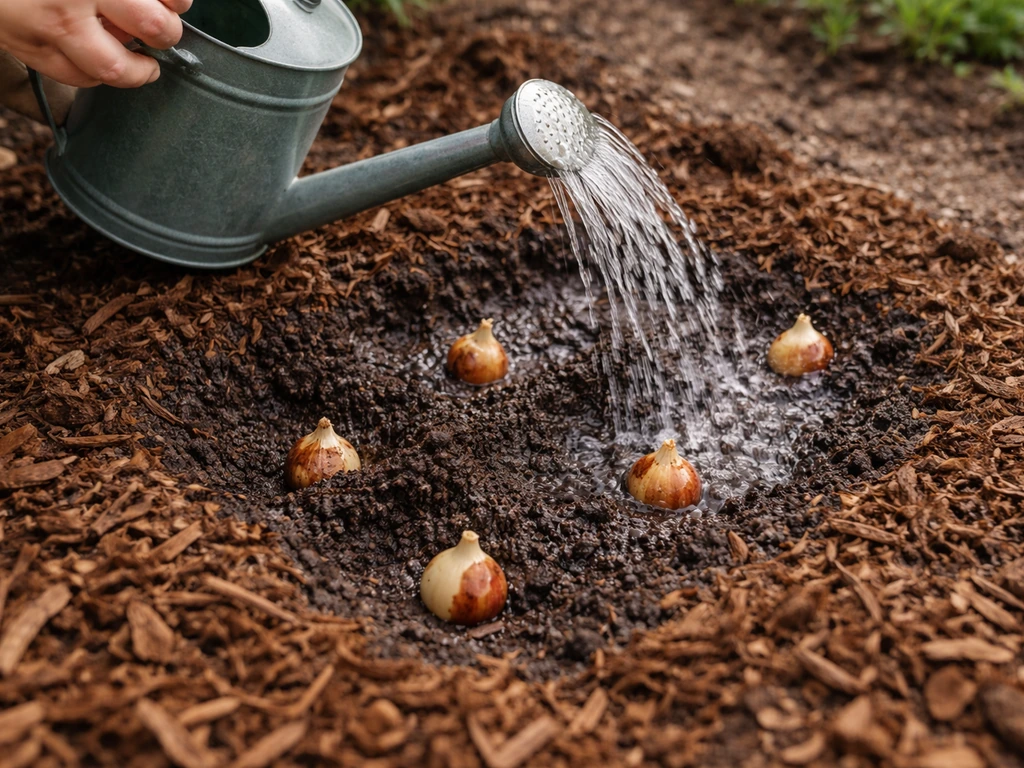
Once your bulbs are in the ground, watering is the most important early task. Give them a good soak at planting time if the soil is dry, and continue watering during any dry spells in autumn while they are putting down roots. Once established, snowdrops are largely self-sufficient during their growing season because they naturally coincide with wetter winter and spring weather. If you are also growing cowslips, the same woodland-style soil and moisture balance will guide your approach how to grow cowslips.
A light layer of mulch, around 1 to 2 inches of leafmould or composted bark, spread over the planting area after watering helps retain soil moisture and keeps the soil temperature more stable over winter. Avoid thick, heavy mulch that sits right against the bulb nose as it can encourage rot.
Squirrels can be an annoyance, particularly with freshly planted dry bulbs. A simple deterrent is to lay a piece of chicken wire or mesh flat over the planting area and pin it down, removing it once the shoots appear in late winter. The wire stops digging without damaging anything.
Do not expect a spectacular display in year one. Freshly planted dry bulbs often produce modest or single flowers in their first season as they settle in. Year two and beyond is when they really get going, especially as clumps build up.
Keeping them coming back year after year
The single most important rule for long-term success is to leave the foliage alone after flowering. The leaves are doing the work of photosynthesizing and replenishing the bulb's energy reserves for next year's blooms. Let them die back naturally, which usually takes until late spring. Cutting the leaves off early is the quickest way to weaken your clumps over time.
Once the foliage has yellowed and died back completely, that is the right moment to lift and divide overcrowded clumps if you want to spread them around the garden. Carefully dig up the clump, separate the individual bulbs or smaller offsets by hand, and replant them at the same 3-inch depth in refreshed soil. This is also the best time to move established snowdrops to a new spot in your garden.
Troubleshooting common problems
| Problem | Likely cause | Fix |
|---|---|---|
| Bulbs rot before flowering | Soil too wet or bulbs damaged when bought | Improve drainage with grit; always buy firm, plump bulbs |
| Leaves appear but no flowers ('blind' bulbs) | Bulbs dried out before planting, overcrowding, or too much heat | Plant immediately after buying; divide congested clumps every 3-4 years |
| Shoots appear then collapse | Late frost damage | Apply a light mulch over the planting area in very cold snaps; generally they recover quickly |
| Snowdrops not spreading | Clumps too young or soil too dry in summer | Be patient, add leafmould, and ensure summer moisture retention |
| Squirrel damage to newly planted bulbs | Freshly planted bulbs disturbed before rooting in | Lay chicken wire flat over the bed until shoots emerge |
Snowdrops are genuinely one of the more forgiving and rewarding bulbs you can plant, especially once a clump is established. They ask for very little: the right spot, decent soil moisture, and patience with the foliage. If you are also growing snapdragons, it helps to know what they need to grow so you can give them the right light, soil, and watering what do snapdragons need to grow.
If you are growing snapdragons instead, the same idea of matching the plant to the right conditions and then keeping a steady routine applies. Get those basics right and they will reward you with flowers every late winter for decades, spreading quietly into bigger and bigger drifts.
If you enjoy working with early-flowering bulbs and want to build on this, it is worth exploring other winter and early-spring performers like cowslips, which share similar preferences for moist, part-shaded conditions and complement snowdrops beautifully in a naturalized planting scheme. You can apply the same woodland-style approach when deciding what to grow with snapdragons for a coordinated, low-maintenance bed winter and early-spring performers. If you want to diversify your woodland-style planting, you can use the same principles in our guide to how to grow cowslips.
You can apply the same kind of thinking when planning what to grow with snapdragons, pairing them with companions that suit similar light and moisture needs. Once they are established, you will know when to grow snapdragons by watching how quickly your soil warms up in spring other winter and early-spring performers. To get camellias how to grow right, focus on their preferred soil and consistent watering, and plan around their seasonal needs.
FAQ
How many snowdrop bulbs should I plant for a decent display?
For a naturalized drift, start with about 10 to 20 bulbs per square meter. That usually gives you enough stems for a visible first bloom without waiting many years for clump size to build. If you want a quicker fuller look, plant more densely (for example 20 to 30 bulbs per square meter) and spread them wider later when you divide.
Can I plant snowdrops in containers instead of in the ground?
Yes, but they need an unforced cold period and steady moisture underground. Use a well-drained potting mix, keep the compost lightly moist during autumn root growth, and avoid drying out completely in summer dormancy. Also plan to protect the pot from extreme drying winds, and do not let the compost sit waterlogged in winter.
What should I do if my snowdrops come up but do not flower?
Most often it is planting too shallow, bulbs that dried out before planting, or a site that gets too warm during dormancy. Check that bulbs are roughly 8 cm (3 inches) deep and that the area stays shaded in summer. If bulbs were recently purchased and look healthy, ensure they are not in a baked, open bed that heats up early.
Is it okay to move snowdrops after they’ve finished blooming?
Yes, the best time is after the leaves have fully yellowed and died back, which is when the bulb has replenished energy. If you lift too early and remove green foliage, you can reduce next year’s flowering. When replanting, keep the same planting depth and water in gently.
How do I handle weeds or lawn grass over snowdrops?
Avoid disturbing the bulbs when they are active. In spring, spot-weed carefully by hand rather than digging. If snowdrops are in a lawn, reduce competition by using careful, shallow weeding around the clumps and avoid mowing until foliage has naturally died back in late spring.
Do snowdrops need fertilizer, and when should I feed them?
Usually they do fine without feeding if the soil is enriched with leafmould or compost. If growth looks weak, apply a light, slow-release bulb fertilizer after flowering and before leaves fully yellow, then stop so the foliage can keep restoring the bulb. Avoid heavy feeding too late in the season.
Can I plant snowdrops in full shade, like under evergreen shrubs?
Snowdrops prefer dappled light during growth with a cooler, shaded summer period. Deep, permanent shade under dense evergreens can reduce flowering because growth stays too weak. If your spot is always dark, try a location with winter and early spring light, or add leafmould to support moisture retention.
What is the best way to store snowdrop bulbs if I can’t plant them immediately?
Keep them in a breathable container such as a paper bag, layered with slightly moist peat, vermiculite, or fine sand, and ensure bulbs do not touch. Store cool and well-ventilated, check every few days, and discard any bulb showing rot or softness before it affects others. Aim to plant within a couple of weeks even if storage is perfect.
Why do snowdrops sometimes “disappear” after a year?
Common causes are bulb desiccation before planting, a site that dries out too much in summer, or waterlogging in wet soil. Another frequent issue is heavy mulch piled against bulb noses. Recheck planting depth, improve drainage if the area stays wet, and ensure leafmould or compost is spread lightly over the area rather than smothering the bulbs.
Next Article
How Do You Grow Snapdragons for Cut Flowers Step by Step
Seed to cut flowers guide: choose varieties, sow, transplant, feed, prevent pests, and harvest for vase-ready snapdragon