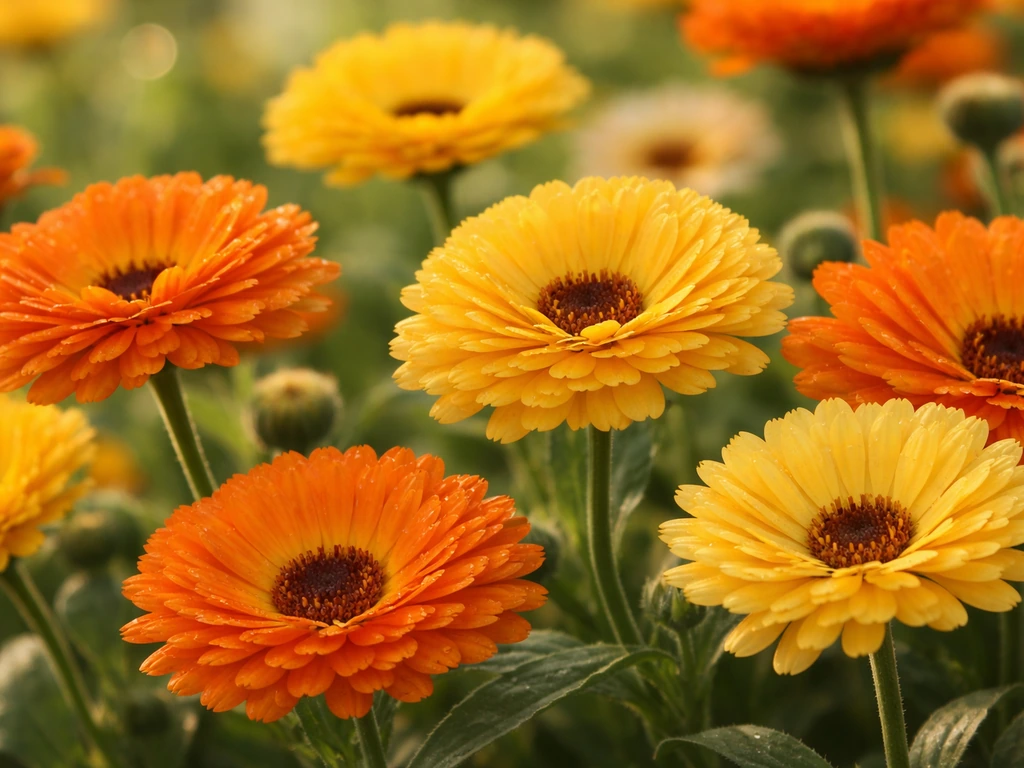
Yes, calendula is genuinely easy to grow, even if you've never started a flower from seed before. It germinates fast (usually within 7 to 14 days), tolerates poor soil better than most flowers, and asks for very little beyond decent drainage and a sunny spot. If you can water consistently and deadhead spent blooms every week or so, you'll have flowers from late spring through fall with almost no effort. Mexican marigold is grown differently from calendula, so use the right spacing and watering schedule for the plant you have. Blue marigolds (a different type than pot marigold) are grown a bit differently, so it helps to follow specific guidance for their sun, soil, and spacing needs. If you want to branch out beyond calendula, figuring out where to grow marigolds and how much sun they need can help you get similar easy blooms deadheading spent flowers.
Is Calendula Easy to Grow? Seed-to-Harvest Guide
Why calendula is considered easy (and when it isn't)
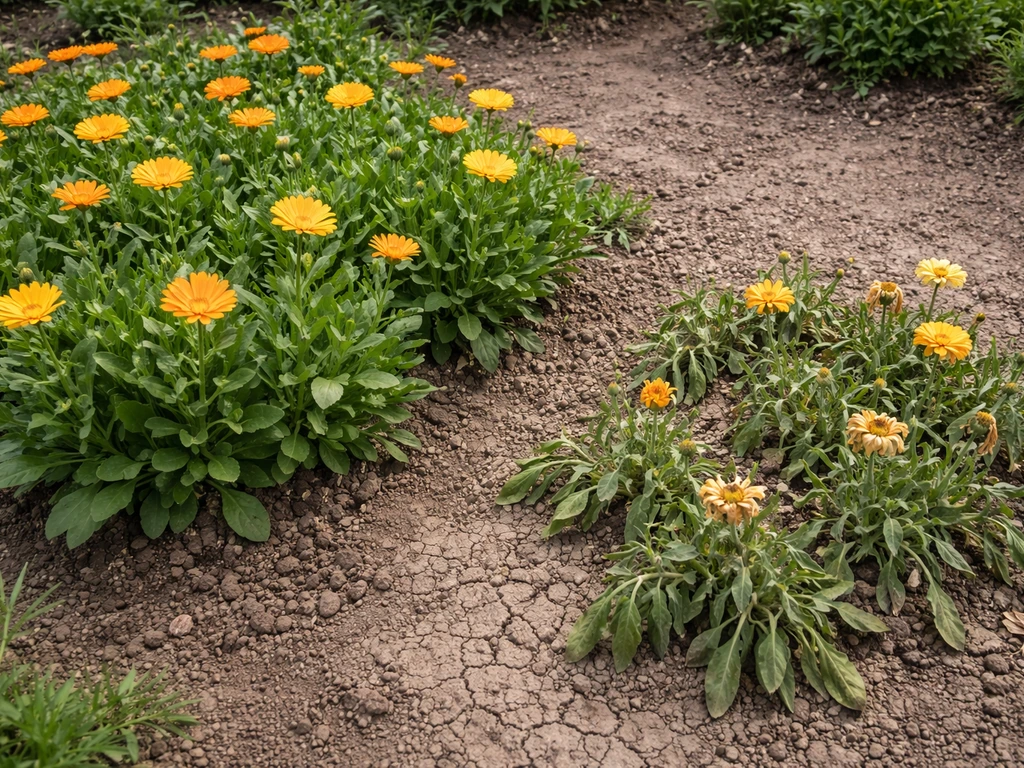
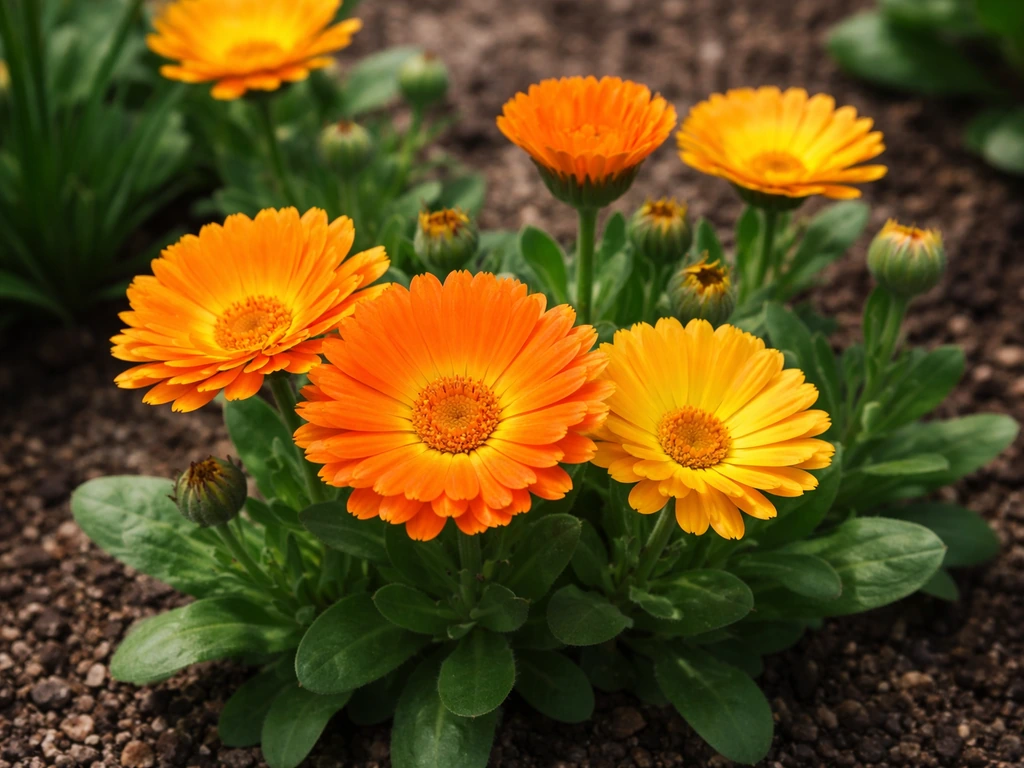
Calendula (Calendula officinalis, also called pot marigold) earns its beginner-friendly reputation for good reason. It grows in almost any well-drained soil, including poor or thin soil where other flowers would struggle. It self-seeds readily, germinates reliably, and the seeds are large enough to handle and place exactly where you want them. There's no fussy stratification period, no need for special equipment, and no particular sensitivity to minor gardening mistakes like planting depth or irregular watering.
That said, there are two situations where calendula gets difficult: heat and poor drainage. Calendula is a cool-season flower at heart. When summer temperatures climb and stay high, blooms slow down or stop entirely, and the plants look tired. This isn't failure on your part, it's just the plant's biology. The fix is timing your planting for spring or fall (more on that below) rather than mid-summer. The second problem is waterlogged soil. Calendula adapts to a wide range of soil types, but sitting in wet, compacted ground invites root rot and fungal disease fast. If your soil drains slowly after rain, you'll want to amend it or grow in raised beds before planting.
Choosing the right conditions: sun, soil, spacing, watering
Get these four things right and calendula basically takes care of itself.
| Condition | What Calendula Needs | Notes |
|---|---|---|
| Sun | Full sun (6+ hours) | Partial shade is tolerable in hot climates; too much shade reduces bloom significantly |
| Soil | Well-drained, any fertility level; pH 6–7 | Tolerates poor soil, but fertile and well-drained is ideal for constant blooms |
| Spacing | 16 inches apart (or thin to 8–12 inches minimum) | Good airflow reduces powdery mildew and fungal problems |
| Watering | Evenly moist, not soggy | Consistent moisture matters more than frequency; never let roots sit in standing water |
In practice, full sun is the single most important factor. Calendula in partial shade will grow but produce far fewer flowers and become leggy. If you're in a hot climate (Zone 8 and above), some afternoon shade during peak summer can help keep plants going longer, but don't sacrifice morning sun to get it. For soil, the main rule is drainage first. If your bed drains well, calendula will perform in everything from sandy loam to average garden beds without needing much amendment. For pH, aim somewhere between 6 and 7, which covers most garden soils without any special adjustment.
When and how to plant from seed
Calendula is a cool-season annual, so your planting window follows the cool parts of your year, not the warmest ones. In most climates, that means early spring (4 to 6 weeks before your last frost date) or late summer into fall (6 to 8 weeks before your first fall frost). If you're in a mild winter climate like the Deep South or Pacific Coast, you can even sow in fall for winter and spring blooms.
Direct sowing outdoors (the easiest method)
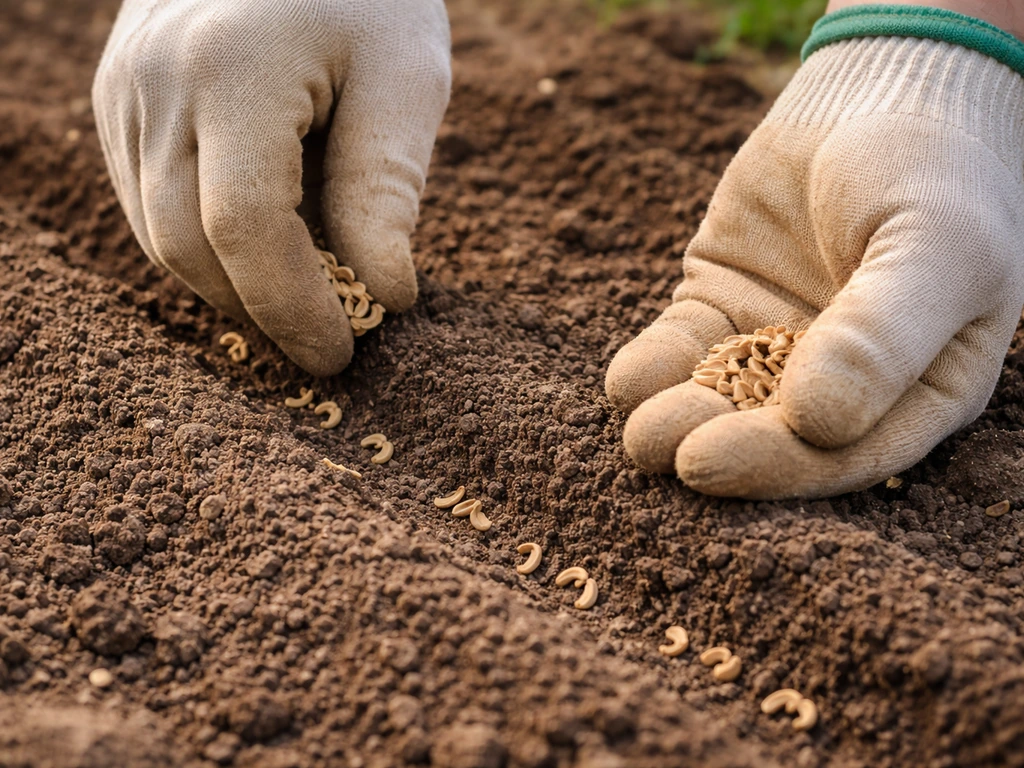
Direct sowing is the go-to method for calendula, and it works extremely well. The seeds are big, easy to handle, and germinate reliably in the ground once conditions are right. Aim to sow when soil temperature has reached at least 60°F and you're past the risk of hard frost. Here's how to do it step by step:
- Loosen the top few inches of soil and rake it smooth.
- Sow seeds about 1/4 inch deep, spacing them roughly 2 to 3 inches apart (you'll thin later).
- Water gently so seeds don't wash around, and keep the soil consistently moist until germination.
- Expect sprouts in 7 to 15 days at soil temperatures around 60 to 70°F.
- Once seedlings have their first true leaves, thin to 8 to 16 inches apart, depending on variety.
Starting indoors (if you want a head start)
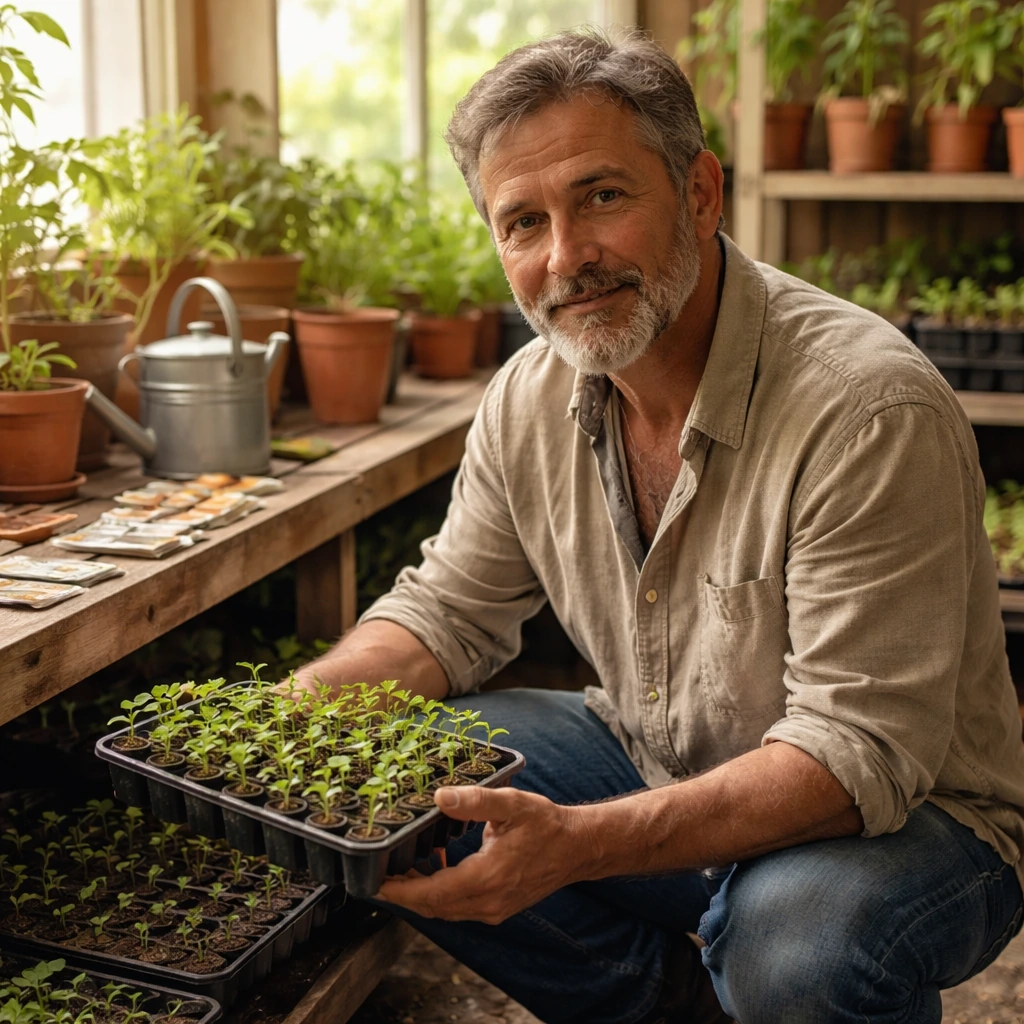
You can start calendula indoors 4 to 6 weeks before your last frost date if you want transplants ready to go out as soon as the ground is workable. Use fresh seed-starting mix, not garden soil (garden soil introduces damping-off pathogens). To reduce damping-off risk, avoid reusing old soil and plant seeds at the proper depth, since deeper planting increases stress and leaves seedlings exposed to soilborne pathogens longer garden soil introduces damping-off pathogens. Sow at the same 1/4-inch depth, keep the mix moist but not wet, and give seedlings as much direct light as possible (a south-facing window or grow light works well). Transplant outdoors after hardening off for about a week. Honestly, because calendula direct-sows so reliably, starting indoors is optional rather than necessary. But if you want blooms two to three weeks earlier than your neighbors, it's a worthwhile shortcut.
Germination and early growth troubleshooting
Most germination problems with calendula come down to one of three issues: soil too cold, soil too wet, or seedlings not getting enough light once they sprout. Here's how to diagnose and fix each one.
- Seeds not sprouting after 2 weeks: Check soil temperature. If it's below 60°F, germination stalls. Either wait for the soil to warm or move flats to a warmer spot indoors.
- Seedlings collapse at the base (damping-off): This is a fungal problem that spreads fast in warm, wet conditions. Use only fresh, sterile seed-starting mix indoors, not garden soil. Water from the bottom rather than overhead, and don't let trays sit in standing water. Improve airflow around seedlings. Once damping-off appears in a tray it's hard to stop, so prevention is everything.
- Leggy, stretched seedlings: Almost always a light problem. Seedlings reaching toward a window need more direct sun or a grow light placed 2 to 3 inches above the tops. Leggy seedlings can still recover outdoors once transplanted, but they'll take longer to establish.
- Sparse or patchy germination: Usually from sowing too deep or inconsistent moisture. Stick to the 1/4-inch depth rule and keep the soil surface from drying out between waterings during the germination window.
Ongoing care: feeding, thinning, deadheading, and repeat blooms
Once your calendula is established and blooming, the main job is keeping it blooming. Three things drive that: thinning for airflow, deadheading spent flowers, and occasional feeding.
Thinning to 8 to 16 inches apart matters more than it might seem. Crowded plants compete for light and water, but more importantly, poor airflow between dense plants is the setup for powdery mildew and gray mold, which are calendula's main disease problems. Give plants room and you cut your disease risk significantly.
Deadheading is the single most effective thing you can do to extend the blooming season. When spent flowers are left on the plant, it shifts energy toward seed production and slows new flower development. Cut or snap off spent heads back to a lateral bud or leaf as soon as petals fade, doing a quick pass through the garden every few days. One side note: if you want calendula to self-seed into next year's garden, leave a few spent heads at the end of the season and let them mature fully before you collect or drop them.
For feeding, calendula is undemanding but responds well to a monthly side-dressing with a balanced soluble fertilizer. This keeps nutrient levels steady and supports consistent bloom production through the season. If your soil is already reasonably fertile, you can skip heavy feeding, but a light monthly boost keeps plants looking their best.
Common pests and diseases and how to handle them
Calendula is generally tough, but two fungal problems show up regularly: powdery mildew and gray mold (Botrytis). Both are more likely when plants are crowded, airflow is poor, or conditions have been wet and humid.
- Powdery mildew: Shows up as white, dusty patches on leaves, stems, and sometimes buds. It's more cosmetic than fatal in mild cases, but heavy infections weaken the plant. Improve spacing and airflow first. Some varieties have better resistance than others, so if mildew is a recurring problem in your garden, look for resistant cultivars. Remove and dispose of badly affected leaves; don't compost them.
- Gray mold (Botrytis): Shows as brown, fuzzy rot on flowers, stems, or leaves, especially after wet or humid weather. Remove affected plant material immediately and improve airflow. Avoid overhead watering when possible.
- End-of-season sanitation: Both diseases can persist in plant debris. Clear spent calendula plants at the end of the season and don't leave infected material on the bed over winter. This simple cleanup step reduces disease pressure for next year significantly.
- Aphids: Occasionally appear on young growth. A strong spray of water usually knocks them off. Serious infestations can be treated with insecticidal soap.
Harvest timing and what to do after you pick
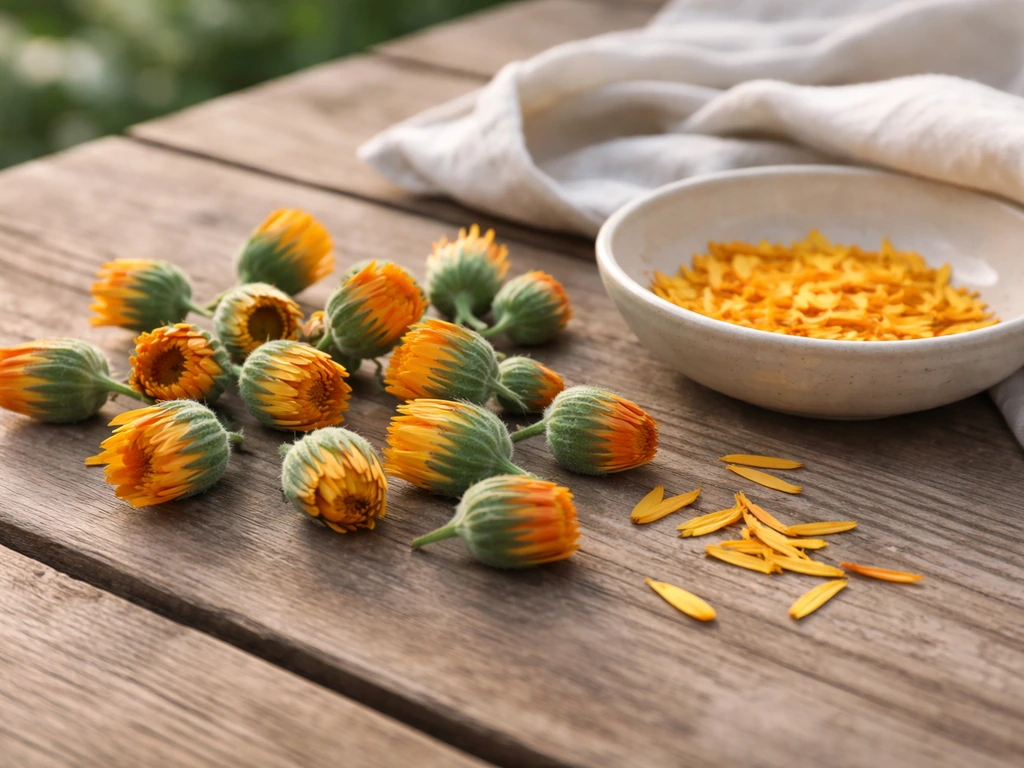
For cut flowers, harvest calendula when the blooms are about half open. They'll continue opening in the vase, last longer than fully open flowers, and the plant will push out new buds faster since you're removing the flower before it fully matures. Cut the stem back to a lateral leaf or bud rather than just snapping the head off, and you'll get a branched, bushier plant that produces more stems over time.
If you're growing calendula for its petals (they're edible and useful fresh or dried for teas, salves, and cooking), harvest individual flowers or petals as they fully open. Dry petals on a screen or paper in a warm, well-ventilated spot out of direct sunlight, which helps preserve the color. Fully dried petals store well for several months in an airtight container.
After a flush of harvesting, keep deadheading anything you don't pick, water consistently, and give the plants a light feed. They'll rebound with another round of blooms. In cooler climates, calendula will keep going until hard frost arrives. When plants finally give out, pull them, compost the healthy ones, bin any disease-affected material, and decide whether you want to save seeds from a few of the last seed heads for next year. Calendula seeds store well in a cool, dry place and stay viable for two to three seasons.
What to do right now based on your season
Since it's late May, here's where most gardeners in North America stand today. In cool northern climates (Zones 3 to 5), you're right in the sweet spot for direct sowing or transplanting seedlings outdoors. Get seeds or transplants in the ground now while temperatures are still comfortable. In warm climates (Zones 7 to 9), spring planting may already be pushing into heat territory. If you haven't planted yet, either get seeds in the ground immediately and give plants afternoon shade to buy time, or wait and plan a late-summer sow for fall blooms, which is often the better display in warm regions anyway. In Florida specifically, focus on the right sowing timing and full sun with reliable drainage to keep marigolds thriving through warm weather afternoon shade. In mild coastal climates, you may be able to keep spring-started plants going longer with consistent deadheading and some afternoon shade. Whatever your zone, the key action this week is soil prep and seed placement, because calendula rewards early movers with the longest possible bloom window before summer heat arrives. If you're comparing timing and placement across different easy flower options, you can also use the same mindset in how to grow margarita flower: start with the right sun and drainage, then sow or plant when conditions are favorable soil prep and seed placement. If you're specifically growing Calendula 'Pacific Beauty,' follow these same sun and drainage basics, and use the calendula pacific beauty how to grow guide for variety-specific timing and care calendula pacific beauty how to grow. If you're considering adding marigolds to the garden, this is where the question of why grow marigolds helps you choose the right varieties for your goals.
FAQ
Can I grow calendula in summer heat, or is it only a spring/fall flower?
Yes, but treat it as a cool-season plant in warm weather. Start seeds in late winter to early spring, or sow for fall blooms, and give afternoon shade only if it still receives strong morning sun. In persistent summer heat, expect fewer flowers rather than a complete failure, so planning timing is the main lever.
What should I do if my calendula is growing tall and not flowering much?
If you end up with leggy plants, the most common causes are too little sun and overcrowding. Move plants to full sun, thin to the recommended spacing for airflow, and deadhead to keep energy going toward new buds instead of spent heads.
Is it hard to transplant calendula, and will it bounce back quickly?
Yes, but avoid transplant shock by keeping disturbance minimal. Use a clean, well-draining mix, water before and after transplanting, and harden off for about a week. If the plant wilts, shade for one or two days and keep moisture consistent, not soggy.
How do I prevent powdery mildew without using harsh chemicals?
Powdery mildew is often worst when leaves stay damp and plants are crowded. Thin for airflow, water at the soil line, and remove heavily affected foliage early. Avoid high-nitrogen feeding, since it can encourage lush growth that mildew can take advantage of.
My calendula has gray mold (Botrytis), what’s the best course of action?
Gray mold shows up fast in wet, humid conditions, especially when flowers and stems stay wet. Improve drainage, remove infected plant parts promptly, increase spacing, and avoid overhead watering. If the problem spreads, remove the whole plant rather than trying to salvage it.
How often should I water calendula, and how can I tell if I’m overwatering?
Calendula usually tolerates light dry spells, but inconsistent watering can reduce blooms. Aim for steady moisture while plants are establishing, then water when the top inch of soil is dry. Do not let it sit in water, because that increases root rot risk.
Will calendula still grow well in rainy climates or heavy clay soil?
Yes. Use the same direct-sowing depth and spacing rules, but expect later and less consistent germination if soil stays cool or stays wet. In rainy regions, raised beds or containers with fast-draining potting mix can make the difference.
What’s the correct way to deadhead calendula to keep it blooming longer?
For deadheading, the goal is to remove spent heads back to a nearby leaf or lateral bud, then repeat every few days during peak bloom. If you deadhead less often, you will see the plant shift energy toward seed production and flowering slows.
Can I let calendula self-seed, and how do I do it without losing control of the garden?
Yes, but be selective. Leave only a few seed heads for self-seeding, and mark them so you do not accidentally remove them. Seeds only remain viable for a couple of seasons, so if you want predictable planting next year, collect and store some seed rather than relying entirely on volunteers.
How should I harvest and store calendula petals for teas or salves?
Keep harvested flowers out of direct sun while they dry, and spread petals so they are not piled too thickly. For storage, use an airtight container once fully dry, then keep it in a cool, dark place to preserve color and aroma.
Is calendula easy to grow in pots, and what’s different from in-ground planting?
Yes for containers, as long as you use a pot with strong drainage holes and a potting mix that does not stay wet. Choose a sunny spot, thin seedlings appropriately, and water based on how quickly the mix dries, since containers dry out faster than garden beds.
Calendula Pacific Beauty How to Grow Step by Step
Learn how to grow Calendula Pacific Beauty with step-by-step sowing, care, deadheading, harvesting, and troubleshooting.