Marigolds grow best in full sun with well-drained soil. That's the short answer, and it's enough to get you started. But if you want to know exactly where to plant them in your yard, which spot will give you the most blooms, and how to make containers or raised beds work just as well as an open garden border, keep reading. This guide covers where marigolds come from, what that tells us about what they need, and how to translate all of it into a planting decision you can make today.
Where to Grow Marigolds: Best Spots, Soil, and Sun
Marcus Holloway
22 Apr 2026
Where marigolds come from (and why it matters)
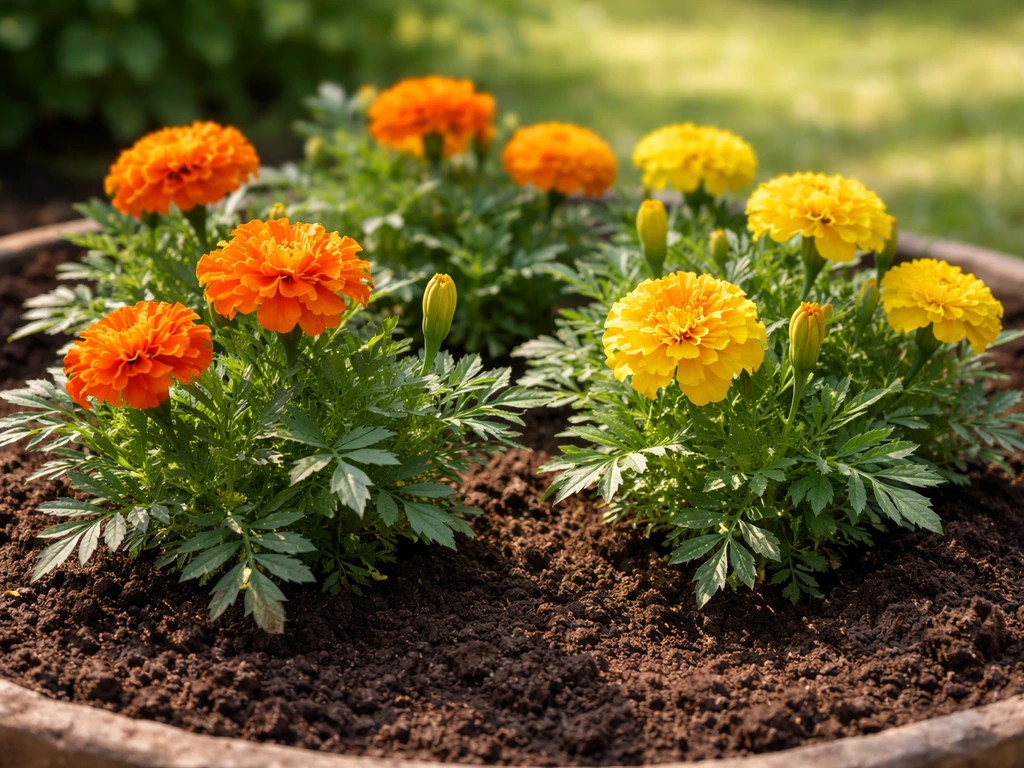
Common garden marigolds (Tagetes erecta and Tagetes patula) are native to Mexico and Guatemala, and that origin story tells you a lot about how to grow them well. Kew's Plants of the World Online lists the native range of Tagetes erecta as Mexico to Guatemala, and the French marigold (Tagetes patula) shares that same highland Central American home. In those native habitats, marigolds bloom from September right up to the first killing frost, growing in open, sun-drenched hillsides where the soil drains freely and nobody is babying them with extra water. Despite the confusing names (African marigold, French marigold), both of the most popular garden types trace back to the same region in the Americas. Spain introduced them to Europe in the 1500s, and from there they spread to gardens worldwide.
Understanding this background helps you avoid the most common siting mistakes. Marigolds did not evolve in boggy lowlands, dense shade, or overly rich soil. They evolved where it was warm, bright, and the ground drained quickly after rain. Recreate those conditions and marigolds practically grow themselves.
What 'where to grow' really means at home
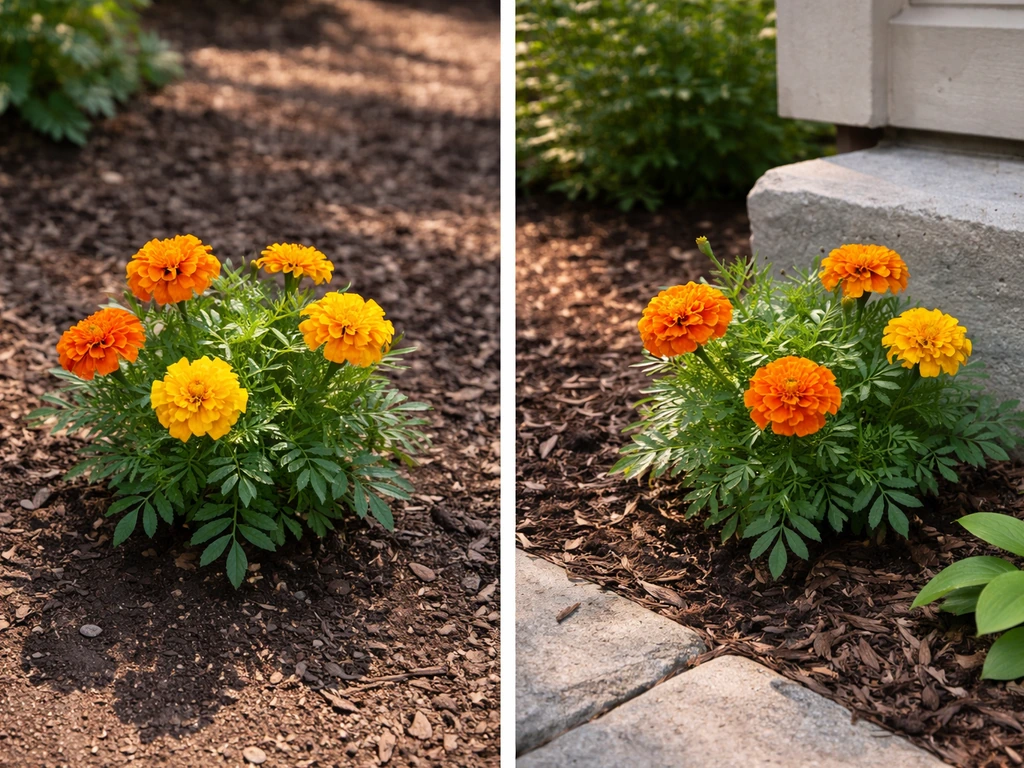
When gardeners ask where to grow marigolds, they're usually asking one of two things: how much sun do they need, and what kind of soil works? The answers are connected, so let's go through both.
Sunlight: more is more
Marigolds can handle partial sun, but full sun is what produces the most flowers. North Carolina State University Extension is clear on this: full sun encourages blooms. In practice, that means at least six hours of direct sunlight a day, and eight is even better. If you plant marigolds in a spot that gets only three or four hours of sun, you'll get a leggy plant with fewer flowers. The plant is perfectly alive, just not performing. Choose the sunniest corner of your yard without hesitation.
Soil: almost anything works, except wet
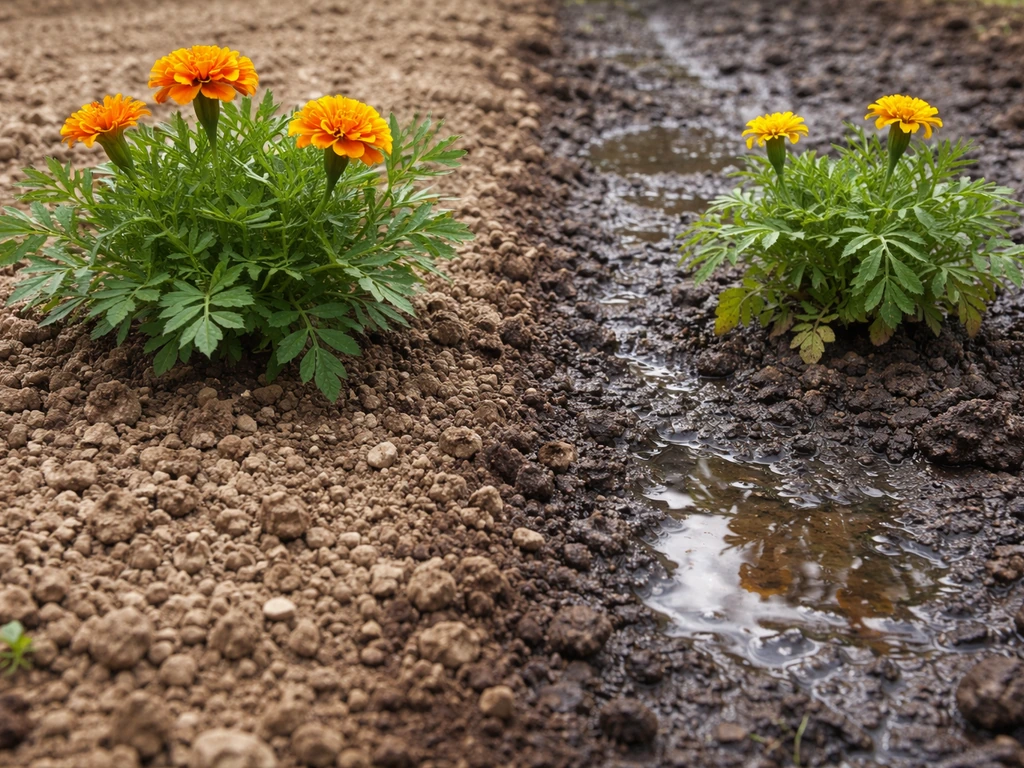
Marigolds are genuinely unfussy about soil fertility and texture. NC State Extension notes they grow well in almost any soil as long as drainage is good, and some cultivars even tolerate drought. Ohio State University Plant Facts adds that Tagetes patula does best in moist, well-drained soils and is not adaptable to wet sites. The critical word there is 'wet.' Soggy soil is where marigolds fail. If your garden bed stays damp for days after rain, you need to fix that before you plant, because sitting in waterlogged soil leads directly to root rot.
Drainage: the one thing you can't skip
UF/IFAS guidance for marigolds is blunt about this: plant in an open site with good drainage. NC State Extension also warns that frequent heavy rains combined with poorly drained beds will reduce plant performance and increase the chances of root rot problems. If you're working with clay-heavy garden soil that puddles, amend it with compost or grit before planting, or switch to a raised bed or container where you control the drainage from the start.
How marigolds actually grow: from seed to flower
Knowing the growth stages helps you understand why location choices matter at each step. Marigolds are warm-season annuals, which means they complete their entire life cycle in one season and need warm temperatures to do it.
Germination is fast when the conditions are right. UF/IFAS reports that marigold seeds germinate in about one week at 70 to 75 degrees Fahrenheit. Syngenta's technical data for commercial Tagetes production confirms daytime germination temperatures of around 70 to 73 degrees Fahrenheit (21 to 23 degrees Celsius). Drop below that range and germination slows or stalls. This is why starting seeds indoors in cooler climates before the last frost makes sense, and why you shouldn't direct sow outdoors until the soil has genuinely warmed up.
From sowing to a transplant-ready seedling takes roughly 15 to 25 days (two to three weeks) according to commercial marigold culture guides. Low temperatures during this phase delay transplanting and affect flowering quality, so the location of your seed-starting setup matters just as much as where you'll eventually plant them outside. After transplanting, marigolds move quickly from seedling to flowering plant as long as they have sun, warmth, and good drainage. They don't need rich soil or heavy feeding. In fact, University of Minnesota Extension is explicit: too much fertilizer causes the plant to produce fewer blooms, as energy shifts into foliage instead of flowers. A balanced fertilizer worked in at planting is enough, and after that, leave them alone.
Garden bed, container, or raised planter: which is right for you?
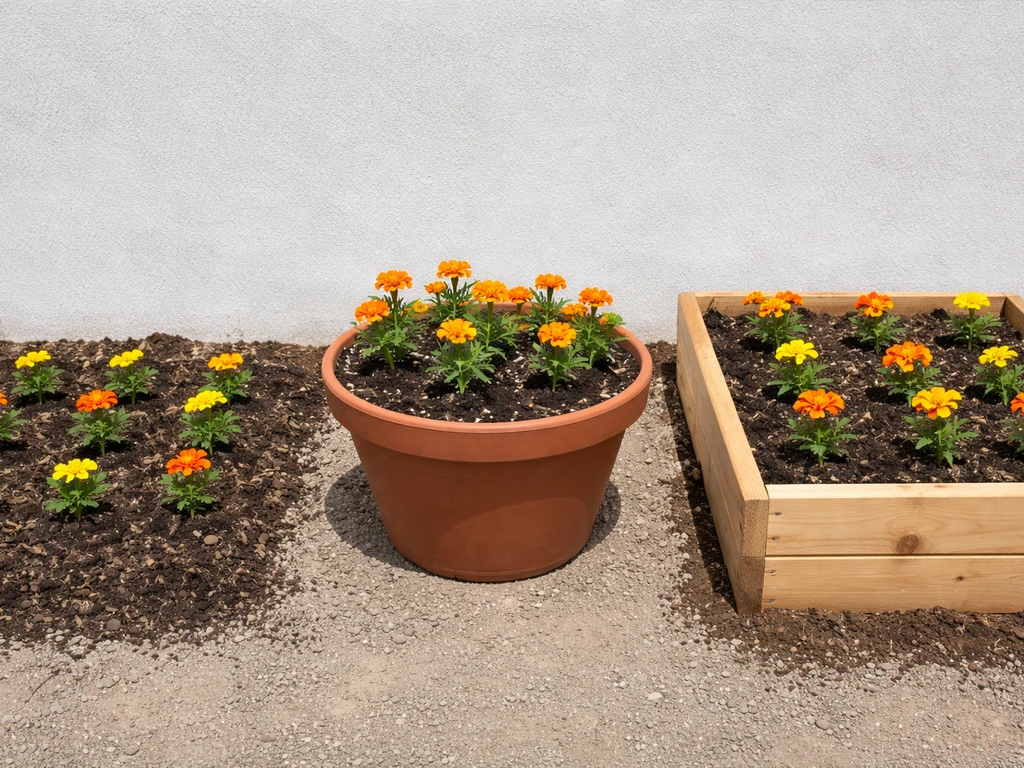
You have three main options for where to physically put your marigolds, and each has real trade-offs. If you're really set on how to grow margarita flower, the garden bed versus container trade-offs discussed next will still help you choose the right setup.
| Option | Best for | Key advantage | Main risk |
|---|---|---|---|
| Garden bed | Most marigold varieties, borders, cutting gardens | Largest root zone, lowest maintenance once established | Poor drainage in clay or compacted soils |
| Raised planter | Gardens with bad native soil, small yards, accessible gardening | Full drainage control, easy soil amendment | Dries out faster, needs more frequent watering in heat |
| Container | Patios, balconies, Signet marigold varieties | Move to follow sun or shelter from wind/rain | Drainage holes are non-negotiable; smaller root zone limits plant size |
University of Minnesota Extension recommends garden beds as the primary growing environment for most marigolds, but specifically calls out Signet marigolds (Tagetes tenuifolia) as well-suited to containers. If you're growing the big African/American types (Tagetes erecta), a garden bed or large raised planter will serve them better than a small pot. For containers of any kind, Oklahoma State University Extension is clear: the container must have drainage holes near the bottom so excess water can escape. For containers of any kind, Oklahoma State University Extension notes that all containers need drainage at or near the bottom so excess water can escape the container must have drainage holes near the bottom. No drainage holes means waterlogged roots, and that's the end of your plant.
Planting guidance for different growing conditions
Your specific climate and yard conditions change how you approach planting. Here's how to adjust for the most common situations.
Cool climates and short seasons
Start seeds indoors four to six weeks before your last frost date, in a warm room or on a heat mat set to 70 to 75 degrees Fahrenheit. Don't put transplants outside until nighttime temperatures are reliably above 50 degrees Fahrenheit. Marigolds hit by a late cold snap won't die immediately, but they'll sulk and stall. Choose a south-facing bed that catches maximum sun and warms up earliest in the season.
Warm and hot climates
In warm regions, including Florida and other hot, humid areas, marigolds are among the most reliable summer bloomers you can plant. If you follow the same sunlight and drainage rules outlined above, you'll be on track for how to grow marigolds in Florida. UF/IFAS highlights them specifically for Florida gardens, noting they bloom reliably in that heat. In these climates, drainage and air circulation matter even more because humidity raises disease pressure. Choose an open site, avoid planting too close together, and make sure water isn't pooling around the base of the plants after rain.
Windy spots
Tall African/American marigold varieties can get top-heavy, and a windy spot will knock them over or snap stems. If your sunniest spot is exposed and windy, either stake taller plants early or choose compact French marigold (Tagetes patula) varieties that stay low and sturdy. Containers in a windy spot are a problem too, as pots can blow over. Weight down containers with heavier potting mix or move them to a sheltered corner of a patio.
Rainy seasons
During extended wet periods, the single biggest risk is waterlogged roots. If your beds stay wet, mound the soil slightly to improve surface drainage or switch to raised planters. In containers, check that drainage holes aren't blocked by compacted mix or sitting in a saucer that has filled with water. Emptying saucers after rain is a small habit that makes a big difference.
When your marigolds aren't thriving: location-related problems
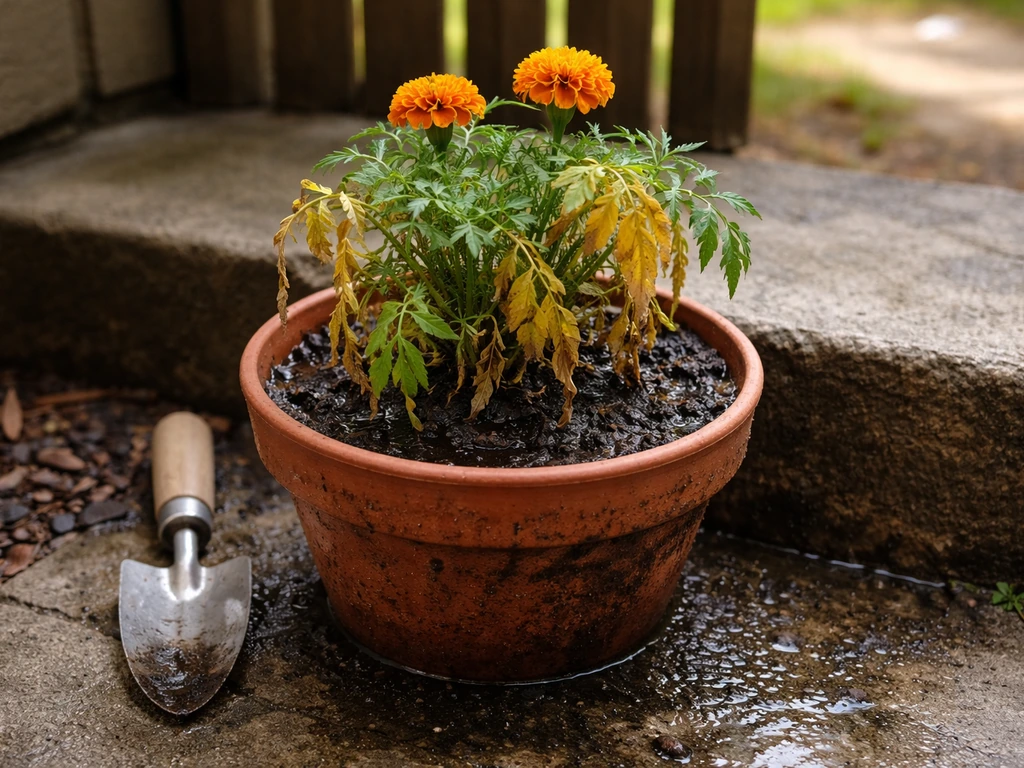
Most marigold problems trace back to the planting site. Here are the most common ones and what to do about them.
- Yellowing leaves and wilting despite adequate water: This is the classic sign of root rot from poor drainage. University of Minnesota Extension links these exact symptoms (leaves yellowing, wilting) to root rot in marigolds. If this is happening, check whether the soil is staying wet. Improve drainage, reduce watering, or move the plant to a better-draining spot or container if it's early enough in the season.
- Lots of green leaves but very few flowers: Two possible causes, both location-related. Either the plant isn't getting enough sun (fewer than six hours), or it's been over-fertilized. Move the pot to a sunnier position if possible, and stop feeding. UMN Extension is clear that excess fertilizer pushes leaf production at the expense of blooms.
- Leggy, stretched stems reaching toward the light: This is almost always a sun problem. The plant is searching for more light. Relocate to a sunnier spot or move the container to a brighter position.
- Stunted growth that doesn't improve: Check soil temperature if it's early in the season. Marigolds planted into cold soil (below 65 to 70 degrees Fahrenheit) will stall. Wait for genuine warmth, or cover the bed temporarily with black plastic to pre-warm the soil before transplanting.
- Flopped or snapped stems: Wind exposure combined with a tall variety. Stake plants or choose shorter cultivars for exposed spots next time.
Your next step: pick the spot and get planting
If you're deciding where to plant marigolds right now, the process is straightforward. If you are still deciding, it also helps to review why grow marigolds so your siting choice matches the results you want. Walk your yard and find the spot that gets the most direct sun from morning through afternoon. Check that the soil drains within an hour or two after watering or rain. If it does, that's your bed. If it doesn't, build or buy a raised planter and fill it with good quality, free-draining potting or garden mix. For patios or balconies, Signet marigolds in containers with drainage holes work beautifully. Plant after your last frost date when soil temperatures are at or above 65 degrees Fahrenheit, give them a single balanced feed at planting, and then step back. Marigolds don't need much once they're in the right place. That's what makes them such a satisfying first flower to grow from seed.
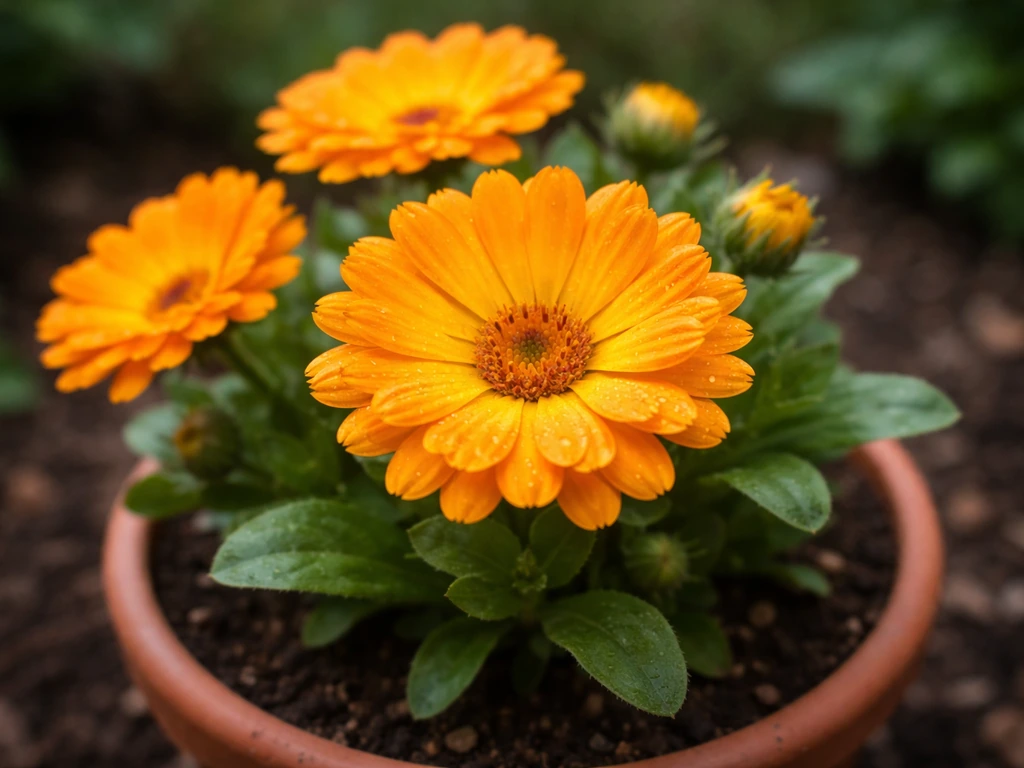
If you're exploring other varieties beyond standard garden marigolds, it's worth knowing that Mexican marigold (Tagetes lemmonii) has different habit and hardiness considerations, and growing blue marigolds involves a different set of expectations entirely since true blue isn't naturally occurring in the Tagetes genus. Calendula, while often called pot marigold, is a different plant altogether with its own siting needs. If you're wondering is calendula easy to grow, the good news is that it follows similar basics for sun and drainage as other garden-friendly flowers. If you're looking for how to grow calendulas specifically, focus on similar sun and drainage needs, then follow the right timing for your climate Calendula, while often called pot marigold. If you’re aiming for calendula pacific beauty, those same basics apply, so you’ll get the best results by matching its light and drainage focus on similar sun and drainage needs. But for the classic annual Tagetes you're most likely picturing, the guidance above is all you need to find the right home for them in your garden. Blue marigolds are a bit different from standard garden types, so they need the same sunny, well-drained setup and careful timing based on your last frost.
FAQ
Can I grow marigolds in partial shade if my yard is not sunny enough?
If you want marigolds to bloom heavily, aim for the sunniest area you can manage, because shade usually reduces flower count more than it slows growth. If the only spot you have is partial shade, choose smaller French types (often denser and sturdier) and keep watering minimal so plants do not stay damp while they search for light.
How often should I water marigolds in the spot I choose?
Marigolds prefer soil that drains, but they still need consistent moisture while establishing. Water deeply after planting, then let the top inch dry slightly before the next watering. A practical rule, if you can pick up a handful of soil: if it feels wet and sticks together into a heavy clump, it is likely staying too damp.
What should I do if my soil is clay and puddles after rain?
You can amend to improve drainage, but avoid overcorrecting fertility. For heavy clay, mix in coarse material (like grit or pumice) plus compost, then test drainage by watering the bed thoroughly and watching how long it takes to stop puddling. If water is still sitting after a couple of hours, raised beds or containers are usually the better fix.
Are raised beds a must in rainy climates, or can I manage it in-ground?
Raised beds are often a better guarantee than garden beds when you get frequent wet spells, because you can control how fast water moves through the root zone. Use a free-draining blend, keep the soil level slightly higher than surrounding ground, and avoid planting too close to downspouts where water concentrates.
What container size and setup prevents marigolds from wilting or toppling?
For containers, choose pot size based on variety: large African-type marigolds generally need a larger planter than small French or Signet types. Always use drainage holes, and do not let the pot sit in a saucer of water after rainfall. If your balcony is wind-exposed, a heavier potting mix and a snug placement near a wall or railing helps prevent toppling.
How much spacing do marigolds need where I plant them?
Spacing affects both airflow and flowering. Overcrowding makes the plant stay humid around the stems, which can contribute to disease, and it can also make plants stretch toward light. As a starting point, follow the label spacing for your specific cultivar, and if your plants get leggy, you may need to thin or prune once they are established.
Can I transplant marigolds early if they look healthy indoors?
Yes, but timing matters. Plant outdoors only after nighttime temperatures are reliably warm, because cold snaps during transplant establishment can delay flowering even if the plants survive. If the weather turns cool again, use a temporary cover to buffer nighttime temperatures rather than leaving them exposed.
How do I tell if my marigolds are getting too much fertilizer?
If your goal is flowers, start with minimal feeding. Use a light, balanced fertilizer at planting, then stop. If foliage becomes lush and blooms slow down, the most common cause is too much fertilizer or rich soil, not a lack of sun.
What is the fastest way to diagnose a marigold problem related to the planting spot?
Common “where” problems are usually hidden in the root zone: poor drainage, water pooling at the base, or containers blocked by compacted mix. Check by digging a small hole near the stems or by lifting the pot after watering, healthy soil drains and does not smell sour. If you find soggy soil, mound up, improve the mix, and avoid extra watering until the area dries.
Next Article
How to Grow Calendulas From Seed to Flower Harvest
Step-by-step how to grow calendulas from seed to flower harvest, incl. Calendula officinalis care and troubleshooting.