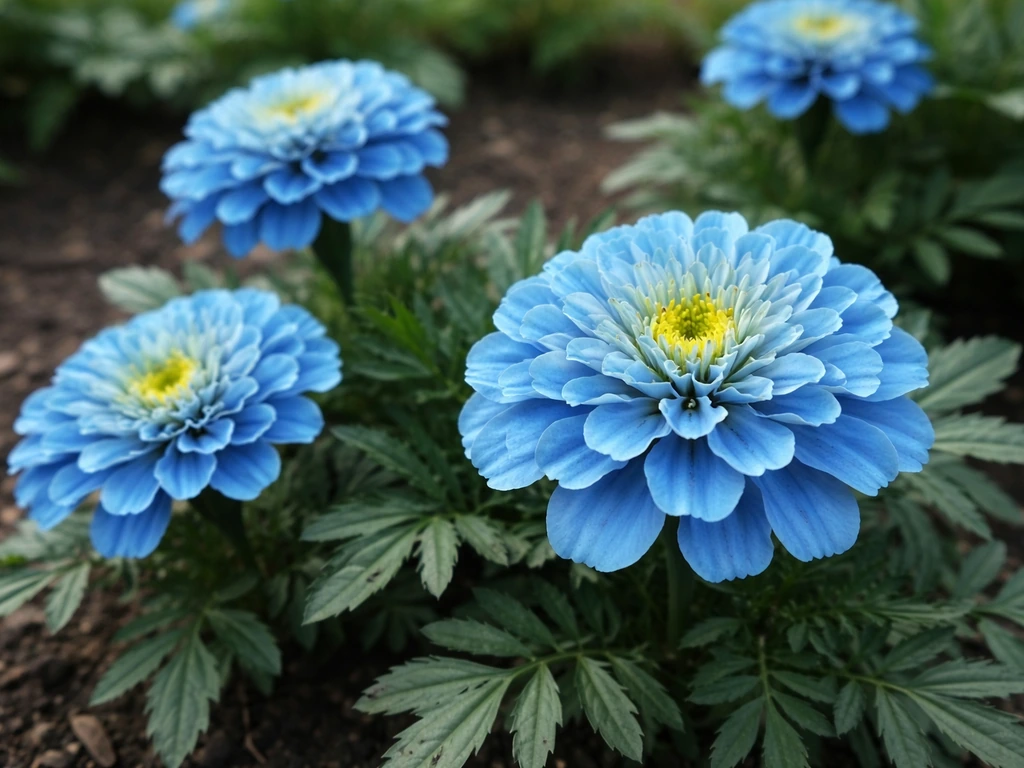
If your seed packet says 'margarita flower,' the most likely plant is Gazania rigens, also called treasure flower, a bright daisy-like annual that grows 8–10 inches tall, thrives in full sun, tolerates dry spells, and blooms in vivid oranges, yellows, reds, and pinks. Start seeds indoors 8–10 weeks before your last frost date, sow them at 68–72°F, transplant after the frost risk is gone, space plants 6–8 inches apart in well-drained soil, and keep them in full sun. If you want to grow calendula like Pacific Beauty, you’ll use a similar approach, including starting indoors early and transplanting after frost calendula Pacific Beauty. That is the core recipe. Everything below fills in the details so you can actually pull it off.
How to Grow Margarita Flower From Seed to Bloom
Marcus Holloway
11 Jun 2026
What 'margarita flower' actually means (and why you need to check your packet)
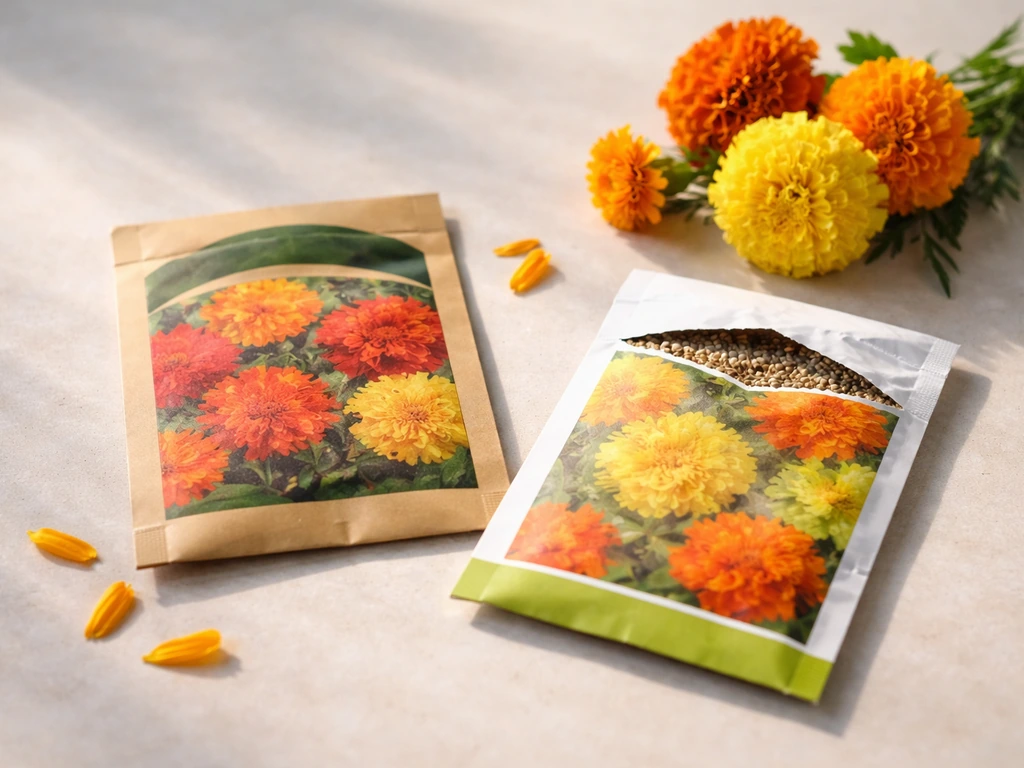
Here is the honest problem with the name 'margarita flower': it is not a fixed botanical name, it is a branded or casual label that has been applied to more than one plant. Most commonly it refers to Gazania rigens (treasure flower), a South African perennial that is grown as an annual in most climates and produces those classic daisy-like blooms with pointed petals radiating around a central disc. But 'Margarita' is also a registered series name used by PanAmerican Seed for a Portulaca (moss rose) line, and there are other ornamental plants that pick up the same nickname in different regions. PanAmerican Seed’s “Margarita” page is a branded portulaca (moss rose) series scheduling document, supporting that “Margarita” can refer to different plants and should be verified by the scientific name on the packet.
Before you do anything else, flip the packet over and look for the scientific name. If you see Gazania rigens or just 'Gazania,' you are in the right place and this entire guide applies directly to your plant. If you see Portulaca or another genus, the steps are different. The portulaca 'Margarita' series, for example, is a heat-loving plant with flowers that close at night, and it has its own sowing and care rhythm. Getting the genus right before you sow saves you from weeks of confusion.
Assuming your packet confirms Gazania rigens (which is the case for the vast majority of 'margarita flower' searches), here is what you are working with: a low, spreading plant that reaches about 8–10 inches (20–25 cm) tall with a spread of 6–8 inches (15–20 cm). It is technically a half-hardy perennial but behaves as an annual everywhere that gets frost. Named cultivars you might see include 'Golden Margarita,' 'New Day' series varieties, and similar. All follow the same growing fundamentals.
Timing and season planning for your climate
Gazania is frost-sensitive, so your whole schedule rotates around your last expected frost date. In USDA zones 9–11 (mild winters, minimal frost), gazania can behave as a true perennial and will come back year after year. In zones 8 and below, treat it as an annual and plan to resow or replant each season. The good news is that gazania is genuinely not demanding about climate as long as you get the frost timing right and give it enough sun and heat once it is in the ground. If you are planning your garden in Florida, use this guide’s frost and full-sun timing to plan when and how to grow marigolds in Florida. Because gazania loves full sun, dries out between waterings, and tolerates heat, it is generally easy to grow once you time it around frost.
| Approach | When to sow/start | When to plant out |
|---|---|---|
| Indoor start (most climates) | 8–10 weeks before last frost (some sources say up to 13–16 weeks for earlier blooms) | After last frost, when soil is warm |
| Direct sow outdoors | After last frost date, when soil has warmed | No transplant needed, thin in place |
| Warm climates (zones 9–11) | Late winter to early spring, or autumn for winter bloom | Spring or autumn depending on heat pattern |
Jung Seed recommends 13–15 weeks from sowing to first bloom for some gazania mixes, which means if you want flowers by mid-June in a zone 6 garden, you should be sowing indoors in late February or early March. Burpee suggests a shorter 6–8 week indoor window. The gap between these recommendations reflects different cultivar speeds, so check your specific packet for timing details. When in doubt, 8–10 weeks is a safe middle ground. Outdoors, Truffaut-style advice points to planting out in spring once frost risk is reliably gone and soil temperature has climbed, which typically means April through June depending on where you live.
Soil, light, and deciding between containers and in-ground
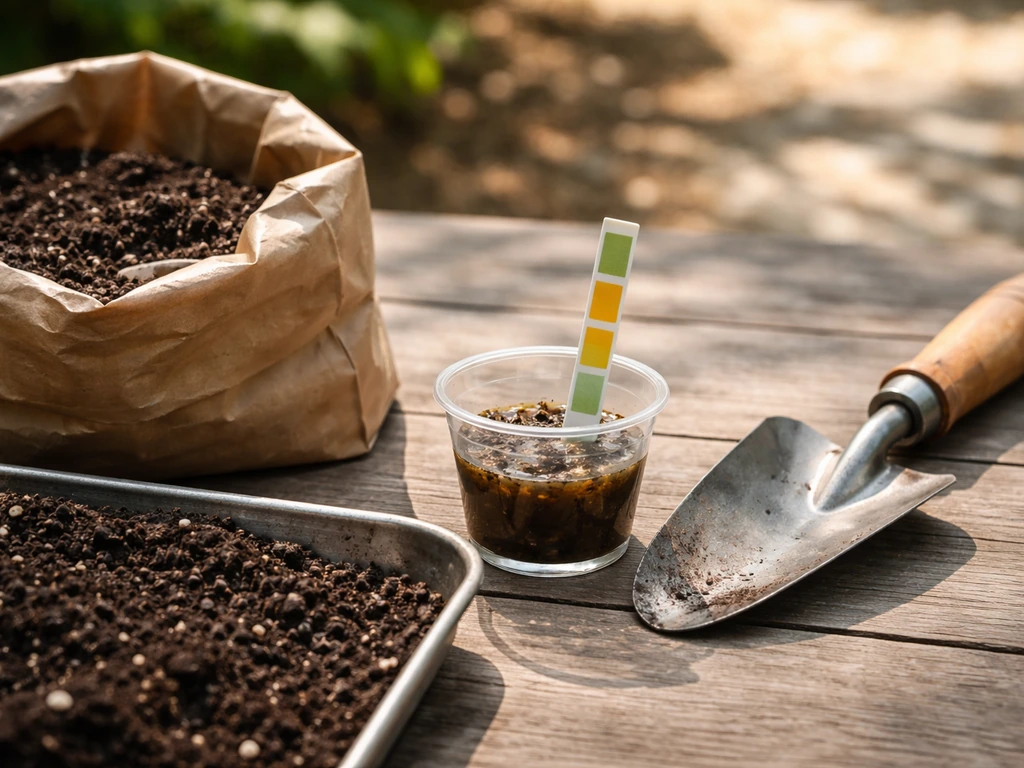
Gazania is unapologetically a sun plant. If you are wondering where to grow marigolds, the same idea applies: choose a spot with plenty of sun and fast-draining soil Gazania is unapologetically a sun plant.. If you are also learning how to grow Mexican marigold, the key is matching the right sun and soil conditions for this variety too. It wants full sun, meaning at least 6 to 8 hours of direct light per day. In lower light, it gets leggy, produces fewer flowers, and becomes more susceptible to rot issues. If your outdoor spot only gets part-day sun, adjust your expectations or pick a different plant. This is a non-negotiable requirement.
For soil, the target pH is 5.8–6.2, which is a slightly acidic to near-neutral range that most standard potting mixes and garden soils naturally fall into. The PanAmerican Seed Product Information Guide lists gazania plug targets including media pH (about 5.8, 6.2) and example day/night growing temperatures (about 65, 70°F by day and 55, 60°F at night) blank" rel="noopener noreferrer">slightly acidic to near-neutral range. The bigger issue is drainage. Blue marigolds can be grown with the same general care approach: prioritize sharp drainage and plenty of sun to keep plants healthy. Gazania hates waterlogged roots. Extended wet conditions or poorly drained soil promotes fungal disease, root rot (especially Pythium), and can kill sections of the plant outright. Whether you are planting in the ground or in a container, sharp drainage is the single most important soil characteristic to get right. In the garden, if your soil is clay-heavy or slow to drain, work in coarse sand or fine grit to open it up. For containers, use a quality peat-free or peat-based potting mix with added perlite.
Containers are a genuinely good option for gazania. This makes marigolds an easy companion choice when you are figuring out why to grow marigolds in the first place. They let you control drainage completely, move plants to follow the sun, and bring them indoors in climates with unpredictable late frosts. A 6-to-8-inch pot works well for a single plant. In-ground planting suits gazania well in dry, sunny borders, rock gardens, and edge plantings where the soil does not stay wet. It is a classic dry-garden or coastal-garden plant because it handles drought far better than soggy conditions.
How to sow gazania seeds: indoors vs direct sow
Starting indoors
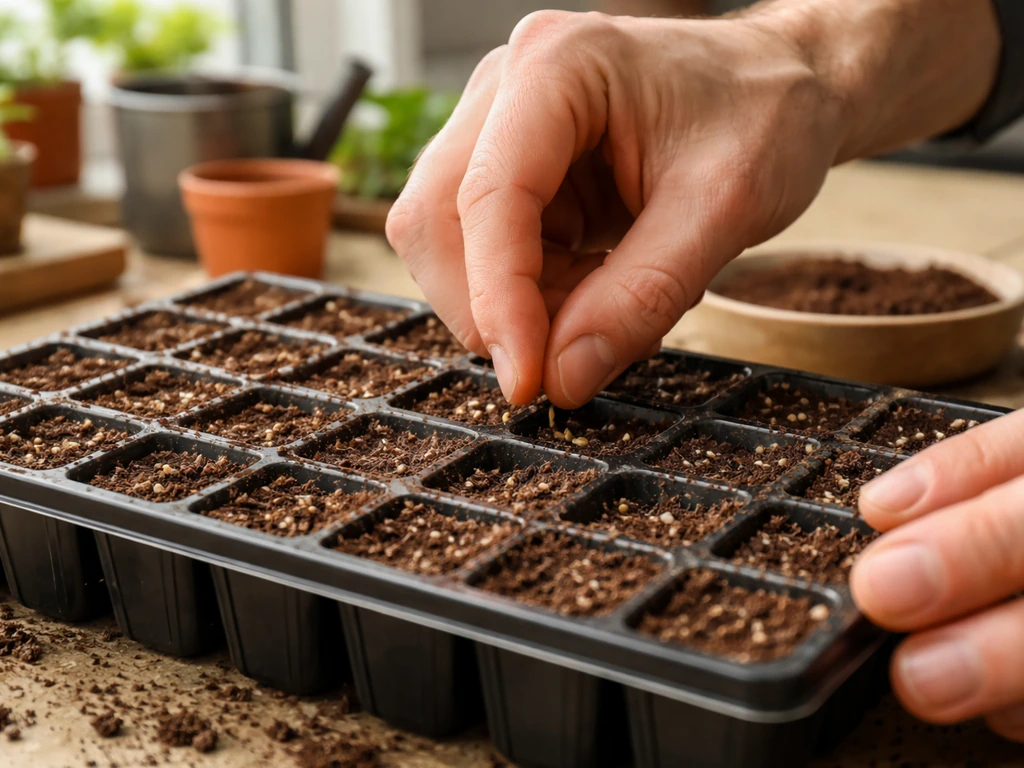
- Fill small cells or a seed tray with a fine-textured seed-starting mix. Aim for pH 5.8–6.2 if you can test it, but standard seed compost is usually fine.
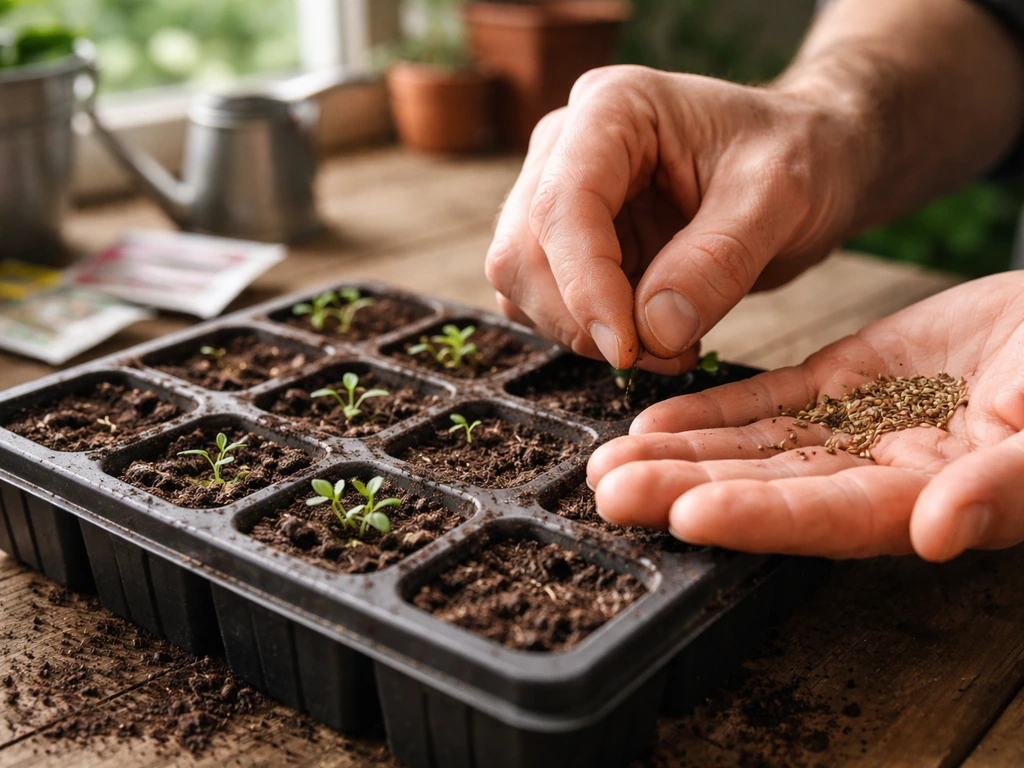
- Sow one or two seeds per cell, pressing them gently onto the surface or covering them very lightly with a thin layer of mix. Gazania seeds are small and some cultivars germinate fine with light, so don't bury them deep.
- Water from the bottom by setting the tray in a shallow container of water and letting the mix absorb moisture. This avoids disturbing seeds.
- Maintain a germination temperature of 68–72°F (20–22°C). A heat mat under the tray is the easiest way to hold this range. At the right temperature, expect germination in roughly 3–10 days for most cultivars.
- Once seedlings emerge, move the tray to your brightest window or under grow lights. Gazania seedlings need strong light immediately or they will stretch and go leggy.
- Thin to one seedling per cell once the first true leaves appear, keeping the strongest one.
- Feed lightly once true leaves develop. A diluted liquid fertilizer at around 100 ppm nitrogen works well at this stage. Don't over-fertilize young seedlings.
Direct sowing outdoors
Direct sowing is simpler but means later blooms. Wait until all frost risk has passed and soil temperature is at least 65–68°F. Prepare a weed-free seedbed in your sunniest spot, sow seeds thinly across the surface, press them in lightly, and water gently. Keep the seedbed moist until germination. Once seedlings show their first true leaves, thin them to the correct final spacing (see the transplanting section below). Direct-sown plants may take a few extra weeks to reach bloom compared to transplants.
Watering, feeding, and managing heat
Once gazania is established in the garden, it is surprisingly low-maintenance about water. Water deeply and then let the soil dry out noticeably before watering again. A good rule for in-ground plants is to water thoroughly once or twice a week in warm weather, less often once roots are established. For containers, check daily in hot weather because pots dry faster. The important thing in both cases is not to let plants sit in constantly moist soil. If you are in a wet summer region, raised beds or containers with excellent drainage become even more important.
For fertilizer, gazania is not a heavy feeder. A balanced slow-release granular fertilizer worked into the soil at planting time is usually enough to carry the plant through the season. If growth looks slow or leaves are pale, a monthly liquid feed at moderate strength (around 100–175 ppm nitrogen equivalent for home gardeners, or follow your product's flowering-plant rate) will help. Avoid over-feeding with high nitrogen, which pushes leafy growth at the expense of flowers.
Gazania is genuinely heat-tolerant once established, which makes it ideal for hot, sunny spots where other plants struggle. It comes from South Africa, and it appreciates warmth. Day temperatures in the 65–80°F range are ideal, with nights around 55–60°F. It can handle higher temperatures as long as it is not waterlogged at the same time. In truly extreme heat waves (sustained 100°F+), plants may temporarily slow or look tired, but they usually bounce back once temperatures moderate.
Transplanting, spacing, and thinning
If you started indoors, transplant seedlings outdoors once they have at least two to three sets of true leaves and the weather is reliably frost-free. Harden them off first: set trays outside in a sheltered spot for a few hours each day over 7–10 days, gradually increasing their exposure to sun and wind. This step matters because soft, indoor-grown seedlings can sunburn or wilt if moved straight into full outdoor sun.
Spacing is 6–8 inches (15–20 cm) between plants. Gazania is compact, and this spacing gives each plant room without wasting too much bed space. Closer spacing reduces airflow and increases disease risk; wider spacing is fine if you have room. When transplanting, plant at the same depth the seedling was growing in its cell. Water in well after transplanting and keep plants consistently moist for the first week while roots establish.
For direct-sown plants, thin to 6–8 inches as soon as seedlings are large enough to handle easily. Thinning feels brutal when seedlings are small and cute, but crowded plants compete for light and nutrients, produce fewer flowers, and are more prone to fungal disease. Snip the extras at soil level rather than pulling them up, to avoid disturbing the roots of the plants you are keeping.
Care through the flowering season
Deadheading and pruning
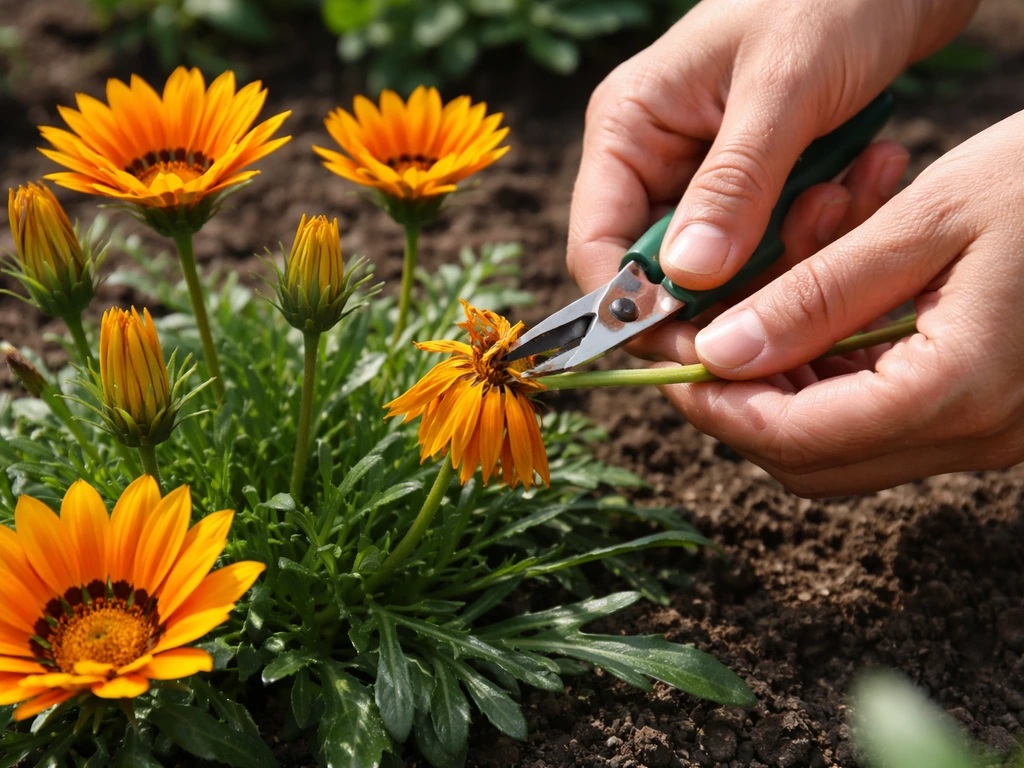
Deadheading (removing spent flowers) keeps gazania blooming for a longer season. When a flower fades, the plant puts energy into setting seed rather than producing new blooms. Snip spent flower stems off at the base of the stem, just above the foliage. Do this every week or two during peak flowering and you will extend the display noticeably. Gazania does not require hard pruning during the season, but if plants look untidy or have a lot of dead foliage, a light tidy-up trim does no harm.
Pest and disease management
Gazania is not particularly pest-prone, but a few problems are worth watching for. Aphids can cluster on new growth, especially in spring. A strong blast of water from a hose dislodges them effectively, and you can follow up with insecticidal soap if infestations persist. Slugs and snails can damage young transplants before they toughen up, so use slug control around newly planted-out seedlings if this is a known issue in your garden.
The biggest disease threat is Pythium root rot, which Penn State Extension identifies as a key gazania disease pattern. It shows up as yellowing, wilting, and then plant death, and it is almost always triggered by waterlogged or consistently wet soil. Prevention is simple: never overwater, ensure drainage is excellent, and avoid wetting foliage when you water. If you see a plant going yellow and wilting despite adequate watering, suspect root rot rather than drought. Pull the affected plant, improve drainage in that spot, and do not replant in the same hole immediately. Keeping weeds down during the growing season, as Burpee recommends, also helps reduce competition and prevents the humid, congested conditions that encourage disease.
Harvesting seed and planning for next season
Once you have had a full season of blooms, you have two options for next year: buy fresh seeds or collect your own. Gazania produces seeds inside the spent flower heads. To harvest, let a few flowers fully mature and dry on the plant (leave them past the pretty stage until the head looks fluffy and papery). Snip the whole dried head off, bring it inside, and rub the seeds free over a piece of paper. They look like small, hairy or tufted seeds. Spread them out to dry for another week or so, then store in a labelled paper envelope inside a cool, dry drawer or an airtight container in the fridge.
Keep in mind that if your gazania was a named F1 hybrid cultivar, seeds saved from it may not come true to the parent. You will still get gazania plants, but flower colour, size, and habit may vary. Open-pollinated or non-hybrid varieties come truer from saved seed.
In zones 9–11 where gazania is a true perennial, you do not need to resow every year. Cut plants back lightly after the main flowering flush, keep watering during dry spells, and they will return and rebloom. In colder zones, the plant dies after frost and you are starting fresh each year from seed. Either way, your sowing window for next season follows the same formula: 8–10 weeks before the last frost date for indoor starts, or direct sow after frost passes. Keeping your harvest notes from this season (which varieties you liked, what spacing worked, what date you sowed) makes next year's planning much faster. It is the kind of habit that turns one good season into many.
If you enjoyed growing gazania and want to expand into other daisy-family annuals with similar sunny care requirements, calendula (pot marigold) and marigolds are natural next steps. They share a lot of the same sunlight and drainage preferences and are equally rewarding for a cutting garden or bright summer border.
FAQ
How can I tell if my “Margarita flower” packet is Gazania or Portulaca before I start?
Look for the scientific name (genus and species). If it says Gazania (for example Gazania rigens), use the gazania timing and full-sun, dry-between-waterings approach. If it says Portulaca (moss rose), expect a different heat and sowing rhythm, and note that portulaca flowers typically close at night.
My seeds sprouted indoors, but the seedlings look floppy. What went wrong?
Most often it is insufficient light or moving them outdoors too quickly. Seedlings should be grown near their brightest window or under grow lights, then hardened off over 7 to 10 days before full sun. If you see long, thin stems, increase light intensity and avoid keeping the soil constantly wet.
Can I start gazania in containers and then move them into the ground later?
Yes, but treat it like transplanting, not hard direct sowing. Wait for true leaves (at least two to three sets), harden off, and keep drainage excellent after you move them. Also remember containers warm up faster than garden beds, so transplanting into cooler soil can slow growth until the weather settles.
What should I do if my gazania isn’t blooming even though it’s alive?
Check sun first, then nitrogen. Gazania needs at least about 6 to 8 hours of direct light, and low light reduces flowering. Also avoid high-nitrogen feeding, since it pushes leafy growth. If you have both covered and buds still do not form, give it more heat and let watering dry the soil between waterings, rather than keeping the root zone damp.
How often should I water young gazania right after transplanting?
For the first week after transplant, keep the soil lightly moist so roots can establish, but do not create a constantly wet environment. After that, switch to deep watering followed by noticeable drying. In containers, this usually means watering more often than in-ground, but still never allowing waterlogged conditions.
Is it safe to water gazania from above, like with a sprinkler or hose sprayer?
It’s better to water at the base to reduce leaf wetness, because waterlogged roots drive issues like Pythium root rot. If you do overhead water, do it early in the day so foliage dries quickly, and avoid frequent nighttime wetting.
Do gazania flowers need to be deadheaded, or will they bloom again on their own?
Deadheading helps keep the plant focused on new blooms instead of setting seed. Snip spent flower stems off at the base just above the foliage and repeat every week or two during peak flowering. If you leave many faded flowers, blooming often slows as more energy goes into seed development.
What pot size and drainage do I need for a single gazania plant?
A 6 to 8 inch pot works well for one plant, but drainage matters more than volume. Use a quality potting mix with added perlite, ensure the pot has drainage holes, and never let the container sit in a saucer of water.
Why are my lower leaves yellowing and the plant wilting despite watering on schedule?
That pattern can point to root rot from waterlogged soil rather than drought stress. If yellowing and wilting continue even when you water properly, remove the affected plant, improve drainage in that spot, and avoid replanting in the same hole immediately.
Can I save seeds from my gazania to plant next year, and will the flowers come true?
You can save seeds, but if your plant is a named F1 hybrid, saved seed may not match the parent’s flower color or shape. Seeds from open-pollinated or non-hybrid types are much more likely to come true. Collect only after flowers fully mature and the seed head dries on the plant.
Next Article
How to Grow Blue Marigolds: Step-by-Step Guide
Learn what blue marigolds really are and get step-by-step seed to blooms care, spacing, watering, and troubleshooting.