Calendulas are one of the most rewarding flowers you can grow from seed. They germinate fast, bloom prolifically, and keep going even when summers get rough. If you are looking for a step-by-step guide to growing calendula from seed to full bloom, you are in the right place. This covers everything: soil, timing, sowing, spacing, feeding, pest fixes, and how to harvest the flowers. I'll call out specifics for Calendula officinalis throughout, since that is the species most home gardeners are growing.
How to Grow Calendulas From Seed to Flower Harvest
Marcus Holloway
21 Apr 2026
Best conditions for calendula
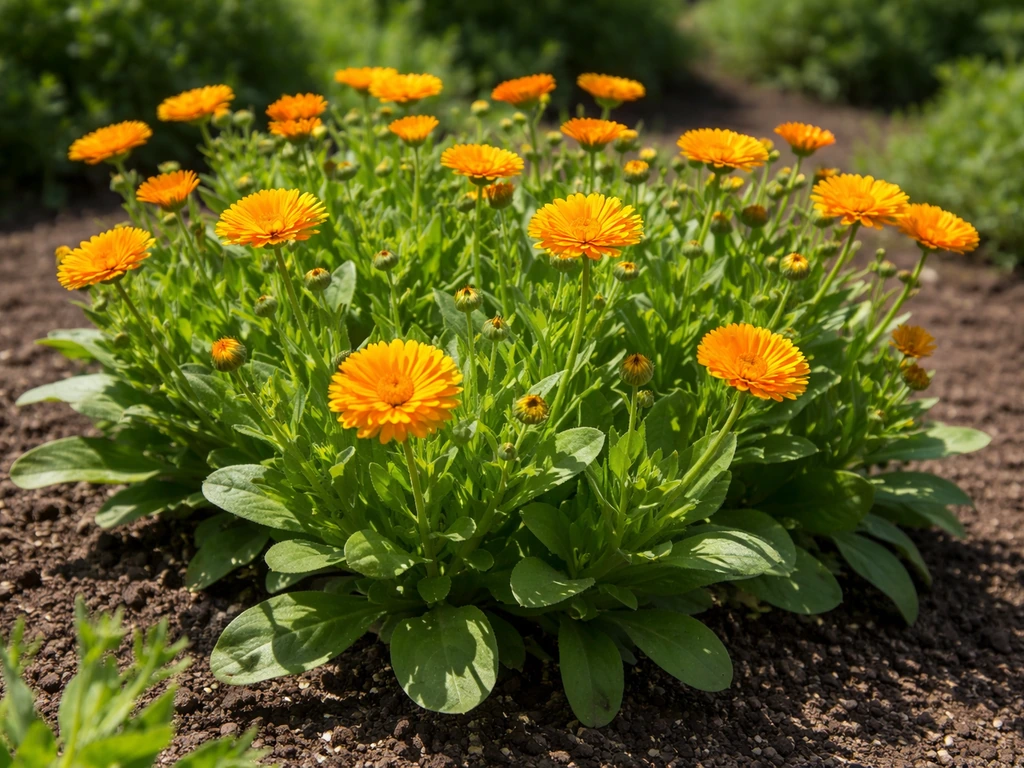
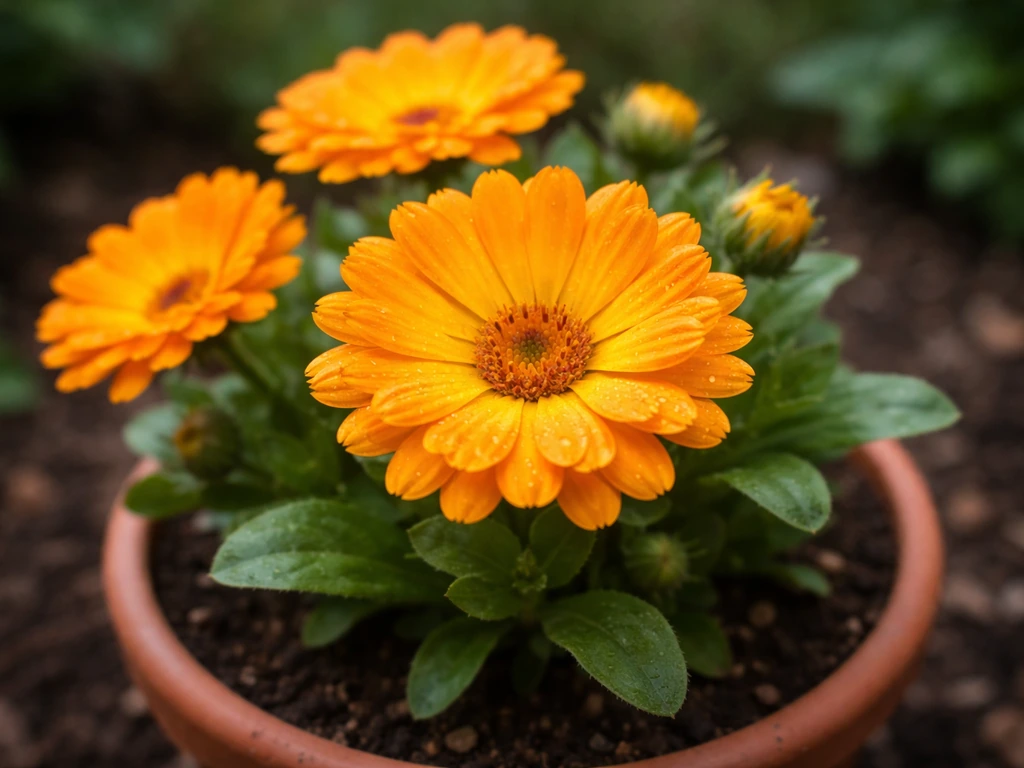
Calendula officinalis wants full sun. Give it at least six hours of direct sun per day and it will reward you with dense, continuous bloom. It will tolerate part shade, but flower production drops noticeably in shadier spots, and the plants tend to get leggy reaching for light. If you are choosing a spot in your garden, pick the sunniest bed you have.
For soil, calendula is genuinely forgiving. It prefers rich, well-drained soil, but it will grow in poor soil too as long as drainage is decent. What it cannot handle is sitting in waterlogged ground. Aim for a soil pH between 5.5 and 7.0. If your soil is compacted clay, work in some compost before planting to improve drainage. If it is sandy, a little compost helps retain just enough moisture. Either way, compost fixes most problems.
Calendula is a cool-season annual, which is one of its best qualities. It actually prefers cooler temperatures and will bloom its heart out in spring and fall. Hot summers slow it down, but it bounces back when temperatures drop in late summer. This means it is an excellent choice for early-season color in almost every climate zone across the US. If you have grown marigolds before, you will notice calendula has a longer sweet spot in cool weather, making it a useful companion in the cutting garden alongside other spring bloomers. If you are still deciding, learning why grow marigolds can help you choose the right plant for your garden goals. For marigolds in Florida, you will also want to focus on full sun, heat-tolerant timing, and well-drained soil so they keep flowering through the warmer months. If you are also wondering how to grow Mexican marigold, use this same sunny, well-drained approach and then adjust timing for warm-season conditions marigolds. If you are aiming for blue marigolds specifically, you will want to adjust the growing conditions and care a bit to match their needs. If you want to match that timing with a reliable warm-season flower, check where to grow marigolds for the best sun and soil companion in the cutting garden alongside other spring bloomers.
When to plant: timing and seed-starting options
Calendula is one of those flowers that genuinely does best when direct sown outdoors. The seeds are large, easy to handle, and germinate in soil temperatures as low as 50°F (10°C). In most regions, you can sow seeds directly in the garden 2 to 4 weeks before your last expected frost date. UNH Extension recommends direct sowing in early spring once soil temperature reaches 60°F and the risk of heavy frost has passed directly in the garden 2 to 4 weeks before your last expected frost date. The seedlings are frost-tolerant and will push through light freezes without drama.
If you want to get a head start, you can start calendula seeds indoors 4 to 6 weeks before your last frost date and transplant them out once the seedlings are 2 to 3 inches tall. Just know that calendula does not love being transplanted, so handle the roots carefully and plant out on a cloudy day or in the evening to reduce transplant stress. Honestly, unless you are in a region with a very short cool season, direct sowing is simpler and produces equally strong plants.
For fall blooms, sow again in late summer, about 8 to 10 weeks before your first fall frost. In mild-winter climates like coastal California or the Pacific Northwest, you can even sow in fall for late-winter and early-spring color. The key is catching that cool-weather window. Succession sowing every 3 to 4 weeks extends the bloom season considerably.
| Method | When to start | Best for | Notes |
|---|---|---|---|
| Direct sow outdoors | 2 to 4 weeks before last frost | Most home gardeners | Easiest, least transplant stress |
| Start indoors | 4 to 6 weeks before last frost | Short cool-season climates | Handle roots gently at transplant |
| Fall sow (mild climates) | 8 to 10 weeks before first fall frost | Coastal/mild-winter regions | Blooms late winter through spring |
How to sow, space, and give seedlings the best start
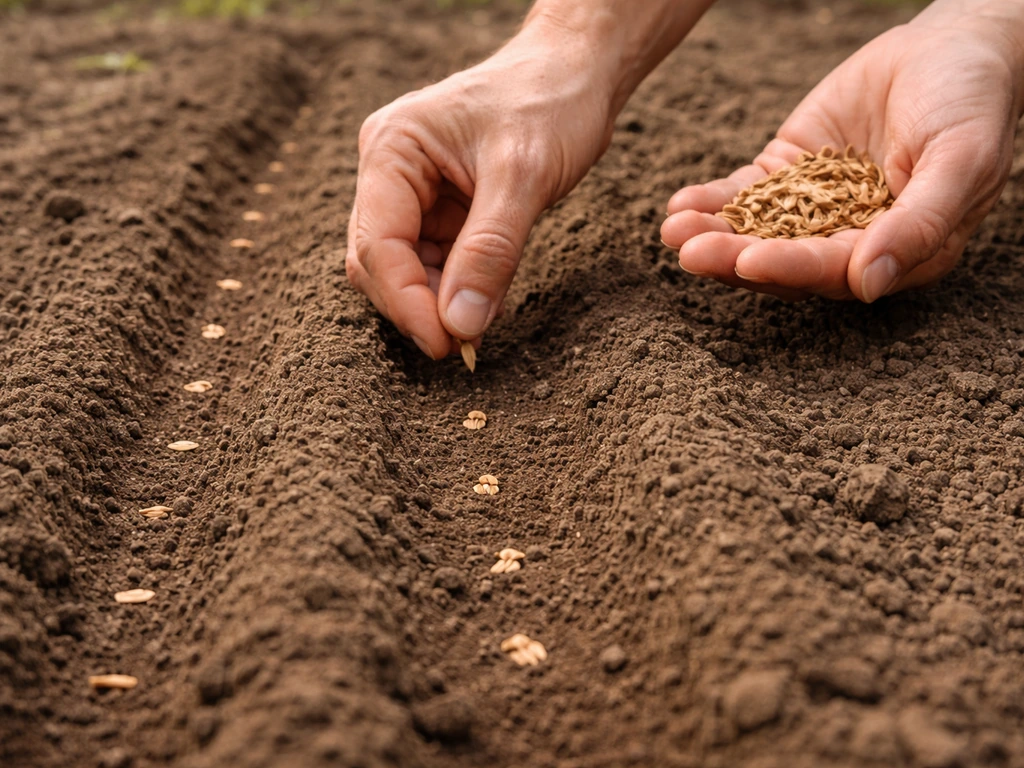
Here is exactly how to go from seed packet to established seedlings, step by step.
- Prepare your bed by loosening the soil to about 6 inches deep and raking it smooth. Pull any weeds and mix in a couple of inches of compost if your soil is poor or dense.
- Sow seeds about 1/4 to 1/2 inch deep. Calendula seeds are curved and light-blocking, so cover them fully. Light actually inhibits germination.
- Space seeds or seedlings 12 to 18 inches apart. Crowding leads to poor air circulation and increases disease risk. If you are sowing in rows, scatter seeds more thickly and thin to final spacing once seedlings have two sets of true leaves.
- Water gently after sowing. You want the soil moist but not soaking. A watering can with a rose head is perfect here.
- Germination happens in 5 to 14 days at cool soil temperatures. At 70°F (21°C) soil temperature indoors, germination can be as fast as 5 to 7 days.
- Thin seedlings to 12 to 18 inches apart when they reach 2 to 3 inches tall. Do not skip thinning. Crowded calendulas struggle with powdery mildew and produce fewer flowers.
- If starting indoors, pot seedlings into individual 3-inch pots once they have true leaves, and harden them off for 5 to 7 days before transplanting outdoors.
One quick tip: calendula seeds sometimes look odd and curved, almost like little caterpillars. That is completely normal for Calendula officinalis. Each one of those curved seeds is viable and ready to grow. Do not mistake them for debris and toss them.
Watering, feeding, and keeping the blooms coming
Calendula does not need much water once established. Water young seedlings consistently to keep the soil evenly moist, then back off as plants mature. In spring and fall, rainfall usually covers most of the work. During dry spells, water deeply once or twice a week rather than frequent shallow watering, which encourages shallow roots and stress. Always water at the base of the plant, not overhead, to keep foliage dry and reduce mildew risk.
For feeding, calendula is not a heavy feeder. In reasonably fertile soil with compost worked in, you may not need to fertilize at all. If plants look pale or growth is slow, give them a balanced, slow-release fertilizer at half strength, or a liquid feed of fish emulsion or seaweed every three to four weeks. Avoid high-nitrogen fertilizers. Too much nitrogen pushes leafy green growth at the expense of flowers, which is the opposite of what you want.
The single most important thing you can do to keep calendula blooming is deadhead regularly. blank" rel="noopener noreferrer">Remove spent flowers before they go to seed. When a calendula plant starts setting seed, it slows flower production because its reproductive goal is met. Pick or snip off old blooms every few days and you will see a dramatic difference in how long and how heavily the plant flowers. This is true for most annual flowers, but calendula responds especially well to consistent deadheading. Margarita flowers (Tagetes) have their own sun, spacing, and watering needs, so review the specific steps for how to grow them for best results how to grow margarita flower.
If plants start looking exhausted mid-summer, cut them back by about a third. Water and give a light feed, then wait. In many cases they will flush with fresh growth and a new round of blooms when cooler temperatures return in late summer or early fall.
Common problems and how to fix them
Powdery mildew
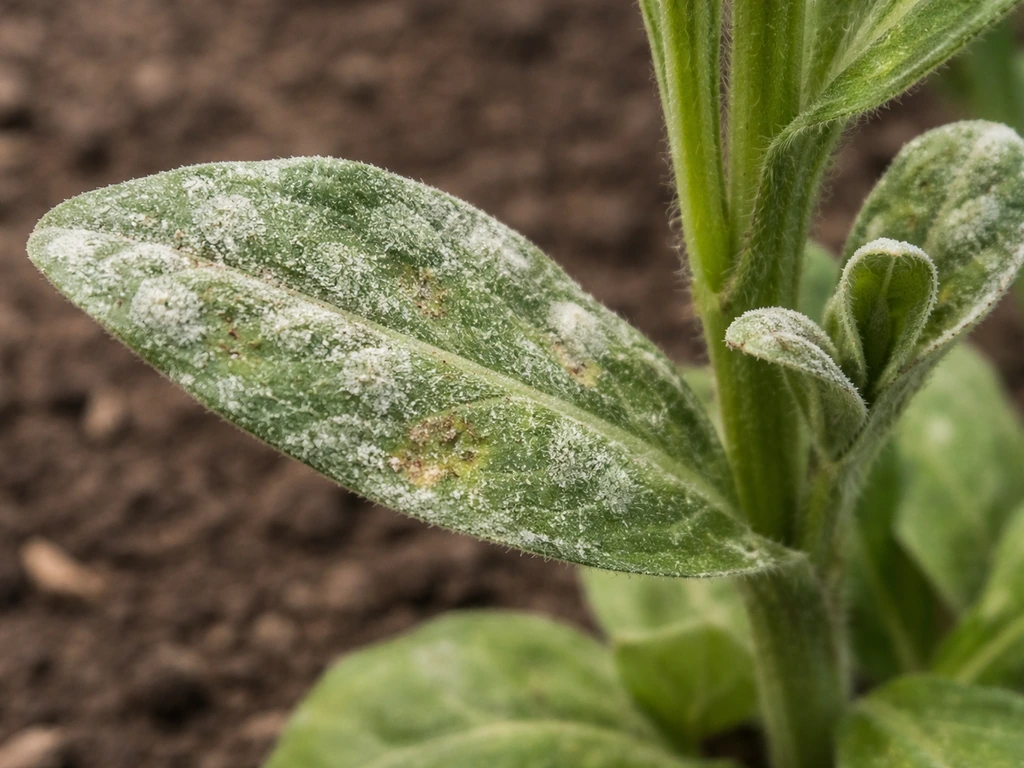
Powdery mildew is the most common disease issue with calendula, showing up as a white, dusty coating on leaves. It tends to appear when air circulation is poor, humidity is high, or plants are crowded. Prevention is mostly about spacing: keep plants 12 to 18 inches apart. If mildew appears, remove affected leaves and spray with a diluted baking soda solution (1 tablespoon per gallon of water) or a neem oil spray. Severe cases may require removing the plant entirely to protect others.
Aphids and whitefly
Aphids love calendula, clustering on new growth and flower buds. Check the undersides of leaves regularly. A strong blast of water from the hose knocks them off. For heavier infestations, insecticidal soap spray is effective and gentle on beneficial insects. Whitefly can be treated the same way. Keep in mind that calendula also attracts beneficial predators like lacewings and ladybugs, so give nature a chance to balance things out before reaching for any spray.
Leggy, floppy growth
Legginess almost always comes down to not enough sun or overcrowding. If your seedlings are indoors, make sure they have strong light for at least 14 to 16 hours per day under a grow light, or sit them in your sunniest south-facing window. Outdoors, thin ruthlessly and choose the sunniest spot available. Pinching the growing tip when seedlings are 4 to 6 inches tall encourages bushier growth and more branching, which means more flower stems.
Poor germination
If seeds fail to germinate, the two most common culprits are soil that is too wet (rotting seeds before they sprout) or seeds sown too shallow without good soil contact. Calendula seeds need darkness and direct contact with moist soil. Firm the soil gently after sowing to ensure contact, and water just enough to keep things moist without soaking. Old seeds can also be the problem: calendula seed viability drops off after 2 to 3 years, so buy fresh seed when in doubt.
Harvesting calendula flowers
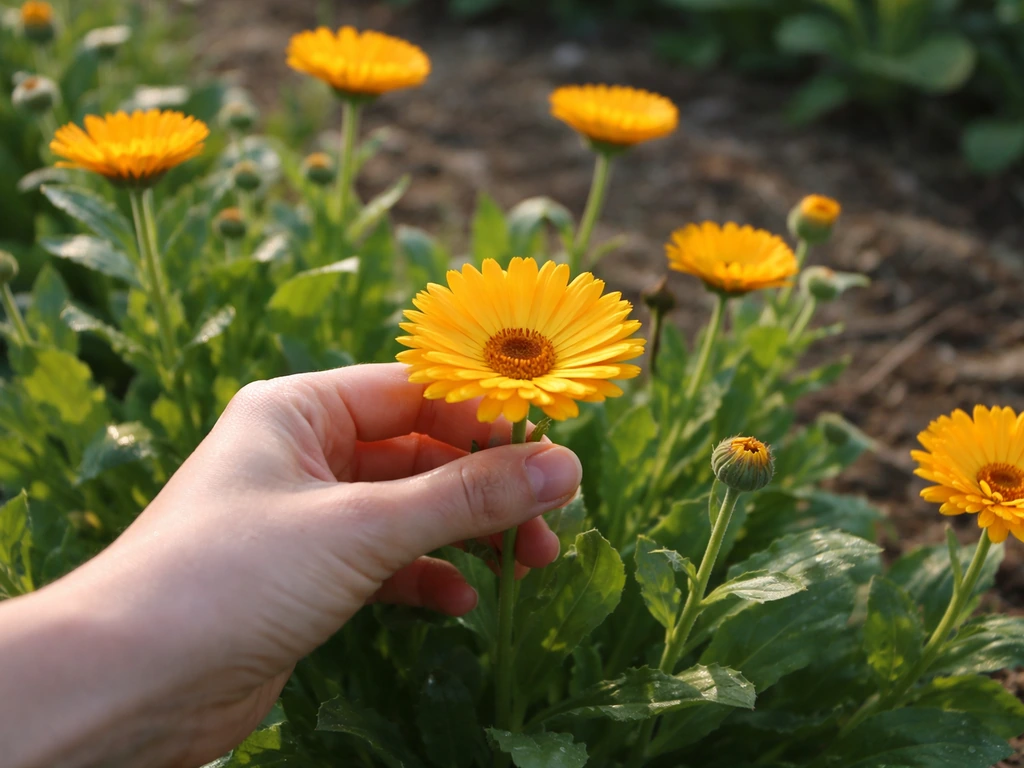
Calendula flowers are ready to harvest when they are fully open but before the petals start to curl back or the center goes fluffy and brown. For cut flowers, pick in the morning after any dew has dried. Cut the stem just above a leaf node or side shoot to encourage the plant to branch and produce more flowers. A clean, sharp snip is better than tearing, which can damage the stem and invite disease.
If you are growing calendula for herbal or medicinal use (the dried petals of Calendula officinalis are widely used in skin care and infusions), harvest the flower heads at full bloom and dry them on a screen or rack in a warm, well-ventilated spot out of direct sunlight. Petals dry in about one to two weeks. Store dried flowers in an airtight jar away from heat and light. Properly dried calendula keeps its color and properties for up to a year.
For cutting garden purposes, the more you harvest, the more the plant produces. A well-cared-for Calendula officinalis plant can produce dozens of blooms over a single season. Pick every few days rather than letting flowers linger and age on the plant.
Calendula officinalis specifics and your quick grow checklist
Calendula officinalis is the species almost everyone is growing when they talk about pot marigolds or common calendula. It is the same plant used medicinally and as a cutting flower, and it is extremely beginner-friendly. Popular varieties like Pacific Beauty (a prolific, multi-petaled series) show just how much variation exists within the species. If you want Pacific Beauty blooms specifically, use the same sun and deadheading basics, and keep the soil well-drained. Some varieties reach 24 inches tall; compact types stay closer to 12 inches and work well in containers. All share the same basic growing requirements: cool temperatures, full sun, well-drained soil with a pH of 5.5 to 7.0, and consistent deadheading.
Here is everything condensed into a checklist you can refer back to throughout the season.
- Choose a full-sun spot with at least 6 hours of direct sunlight daily
- Prepare well-drained soil with a pH between 5.5 and 7.0; work in compost if needed
- Sow seeds directly outdoors 2 to 4 weeks before last frost, or start indoors 4 to 6 weeks before last frost
- Sow seeds 1/4 to 1/2 inch deep, covering fully since they need darkness to germinate
- Thin or space seedlings to 12 to 18 inches apart once they reach 2 to 3 inches tall
- Water at the base, not overhead; keep soil evenly moist but never waterlogged
- Fertilize lightly with a balanced feed only if soil is poor; avoid high-nitrogen formulas
- Pinch growing tips at 4 to 6 inches tall to encourage bushy, branching plants
- Deadhead spent blooms every 2 to 3 days to maximize continuous flowering
- Watch for powdery mildew and aphids; treat early with good spacing, water blasts, or neem oil
- Harvest flowers at full open bloom; cut above a leaf node to encourage more stems
- Dry harvested heads on a screen in a warm, ventilated spot if using for herbal purposes
- Succession sow every 3 to 4 weeks to extend the bloom season through cool weather
Calendula is genuinely one of the easier flowers you can grow from seed, which is why it shows up on so many beginner plant lists alongside cosmos and marigolds. If you want another low-fuss option similar to calendula, marigolds are also known for being easy to grow in the right sun and soil how to grow marigolds. If you follow the basics, the plants almost grow themselves. The biggest mistakes are skipping thinning, overwatering, or planting in too much shade. Nail those three things and you will have more blooms than you know what to do with by late spring.
FAQ
Can I harvest calendula for seeds and still keep getting lots of flowers?
Yes, but keep harvest timing in mind. For best flavor and appearance, pick heads at full bloom, before petals curl or the center turns fluffy and brown. If you want seed for next season, leave a few heads on the plant and deadhead everything else so the plant continues producing.
Will calendula reliably come back the next year, or should I plan on re-seeding?
Most gardeners should treat it as a single annual season, since seed viability drops after 2 to 3 years. If you want earlier blooms next year, save seed from the healthiest plants, but expect variability in size and petal fullness between plants.
What spacing should I use if powdery mildew shows up every year?
Space requirements are less about “airflow only” and more about disease prevention. If you routinely get powdery mildew, move toward the wider spacing end (18 inches) and avoid crowding in fertile soil. Dense plantings can look fine at first, then mildew accelerates once humidity stays high.
Why are my calendula blooms slow even though the plants are alive?
If your plants are flowering but slowly, first check for heat stress and shade. Calendula prefers cooler weather, so in hot stretches you may see a slowdown. Use deep watering during dry spells (1 to 2 times per week) and keep the site in maximum sun to help it bounce back when temperatures drop.
How can I reduce transplant shock when I start calendula indoors?
Transplant shock is the main risk with starting indoors. If you do transplant, water the day before, keep the root ball intact, and avoid disturbing seedlings. Planting on a cloudy day or evening helps, but the bigger win is careful handling of roots and consistent moisture for the first week.
How often should I water, and what’s the difference between watering seedlings and mature plants?
Aim to water at the base and keep leaves dry, but do not let seedlings dry out completely. A useful rule is evenly moist soil until established, then shift to deep watering during dry spells. Frequent shallow watering after establishment can stress roots and reduce overall bloom.
If I deadhead regularly, will calendula still need a mid-summer cutback?
Yes. Deadheading prevents seed formation, but if you also stop watering and feeding at the same time, blooms may still taper. For recovery, keep watering at the base, apply only a light balanced feed (at half strength if needed), and wait for cooler temperatures to trigger a new flush.
My plants look pale, what should I check before adding fertilizer?
Don’t over-fertilize, especially with high nitrogen. If you want to correct weak growth, switch to a light feed rather than boosting nitrogen, and confirm drainage. Pale plants can also be a sign of poor sun or compacted soil, not just nutrient shortage.
What are the top reasons calendula seeds won’t sprout, and how do I troubleshoot my sowing method?
If seeds fail to germinate, rule out wet soil first, then shallow sowing. Calendula seeds need darkness and solid contact with moist soil, so firm the surface gently after sowing. If seeds are older than 2 to 3 years, replace them, since viability drops even if conditions are perfect.
Can I grow calendula in containers, and what changes when growing in pots?
Choose container sizes based on the variety. Compact types work well in smaller containers, while taller varieties need more room for branching and airflow, which also helps prevent mildew. Use well-draining potting mix and keep the pH in the same general range, then monitor moisture closely since containers dry faster.
Next Article
How to Grow Marigold From Stem Cutting: Step-by-Step
Learn how to grow marigold from stem cuttings, root in water or soil, avoid rot and mold, and transplant to flower.