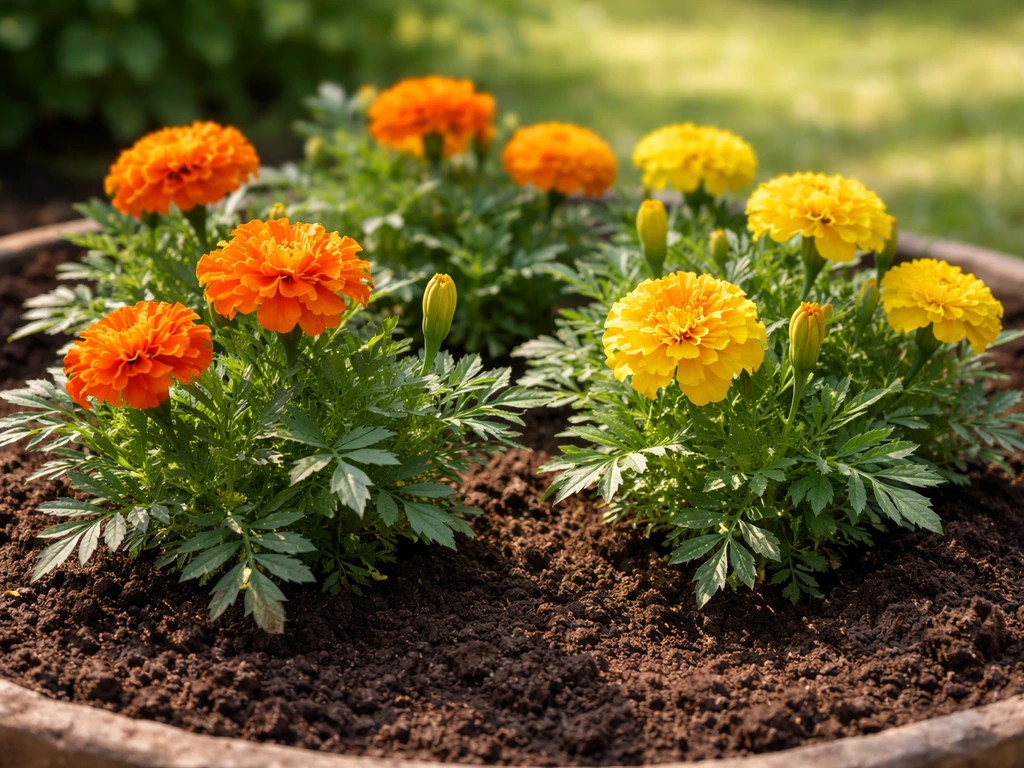
Calendula 'Pacific Beauty' is one of the most rewarding flowers you can grow from seed. Sow it about 1/8 to 1/4 inch deep in decent soil with full sun, keep it watered, and you'll have blooms in 55 to 70 days. It's genuinely forgiving, handles light frost, and keeps flowering as long as you keep picking. To get better results with other similar flowers, you can also follow specific steps on how to grow margarita flower. If you follow the simple sowing, sun, and spacing tips above, calendula is easy to grow for most gardeners is calendula easy to grow. Here's everything you need to know to grow it well.
Calendula Pacific Beauty How to Grow Step by Step
Marcus Holloway
23 May 2026
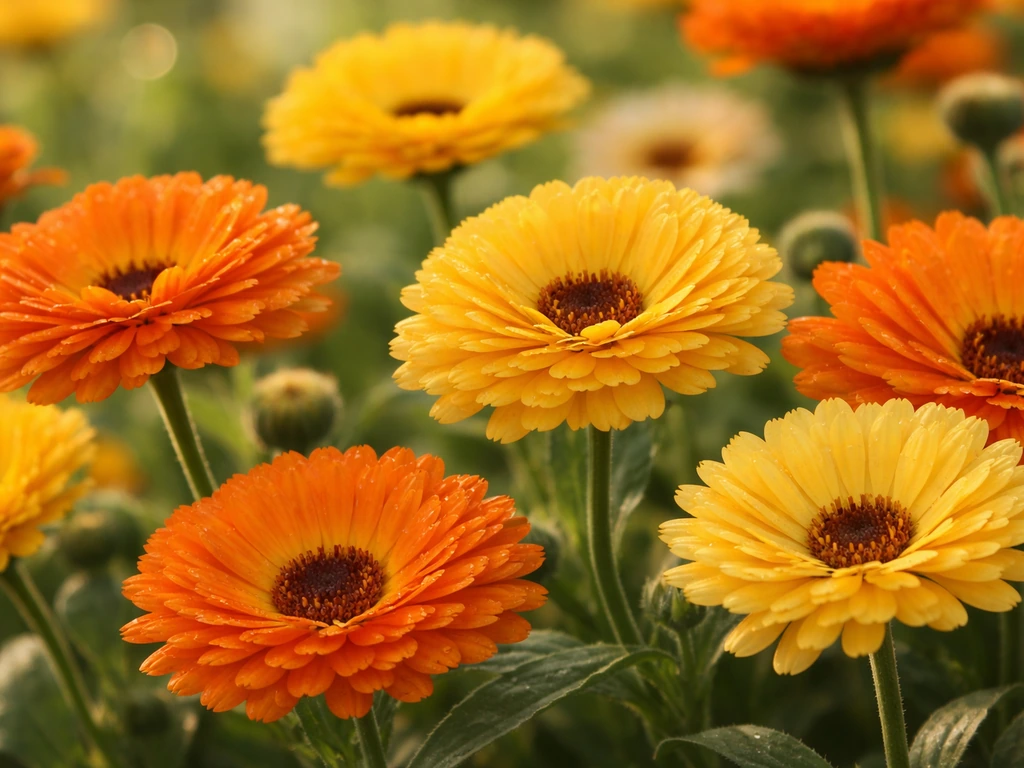
Know your calendula variety: Pacific Beauty basics
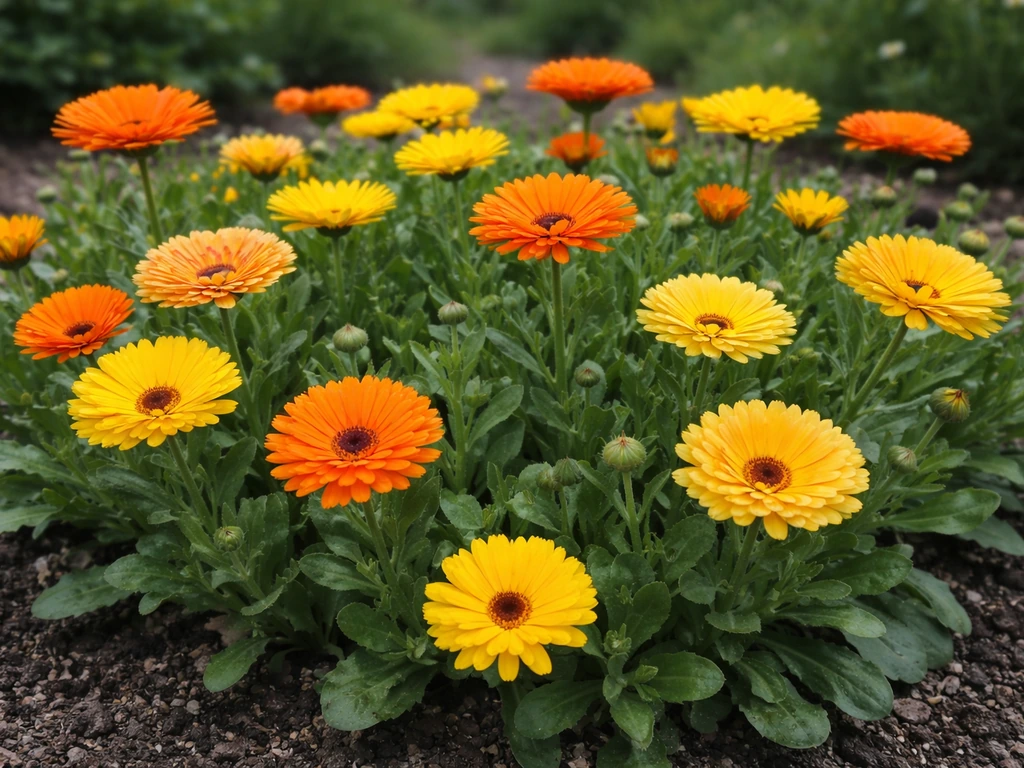
Pacific Beauty is a named blend of Calendula officinalis, sold as a seed mix rather than a single-color variety. That means you'll get a beautiful range of flowers in one planting: deep orange, golden yellow, soft apricot, and creamy white, often with rich chocolate-brown centers that make each bloom look almost painted. Individual flowers can reach about 4 inches across, which is generous for calendula. Plants grow 12 to 24 inches tall (most sources cluster around 18 to 24 inches) and develop a compact, branching habit, meaning each plant pushes out multiple stems and keeps producing as long as conditions suit it.
This is an annual, not a perennial, so it completes its full life cycle in one season. It's cool-season by nature, which is a big part of what makes it so useful. Pacific Beauty thrives when temperatures are moderate, tends to slow down or go to seed faster when summer heat arrives, and can survive a light frost down to about 25°F. That cool-season preference shapes every decision you'll make about timing.
If you've grown other easy annuals like marigolds, you'll find calendula operates on a similar timeline but with a preference for cooler conditions. If you are wondering why grow marigolds, they are a similarly easy option that also thrives in warmer conditions and can help deter some garden pests. If you are also growing Mexican marigold, the same timing ideas can help you avoid heat stress and get more reliable blooms marigolds.
If you want specifics on growing blue marigolds, focus on timing in cool weather, full sun, and well-draining soil, just like with other easy annuals. Marigolds are also cool-weather favorites, so choosing an early-spring planting window and a sunny spot helps many gardeners get strong blooms. It's not fussy, but it does have a rhythm, and working with that rhythm rather than against it makes all the difference.
When to plant: timing for your climate and starting method
Timing is where most beginners make their only real mistake with Pacific Beauty, and it's an easy fix once you understand what this plant likes. The goal is to get blooms happening during cool weather, not the hottest stretch of summer.
Direct sowing outdoors
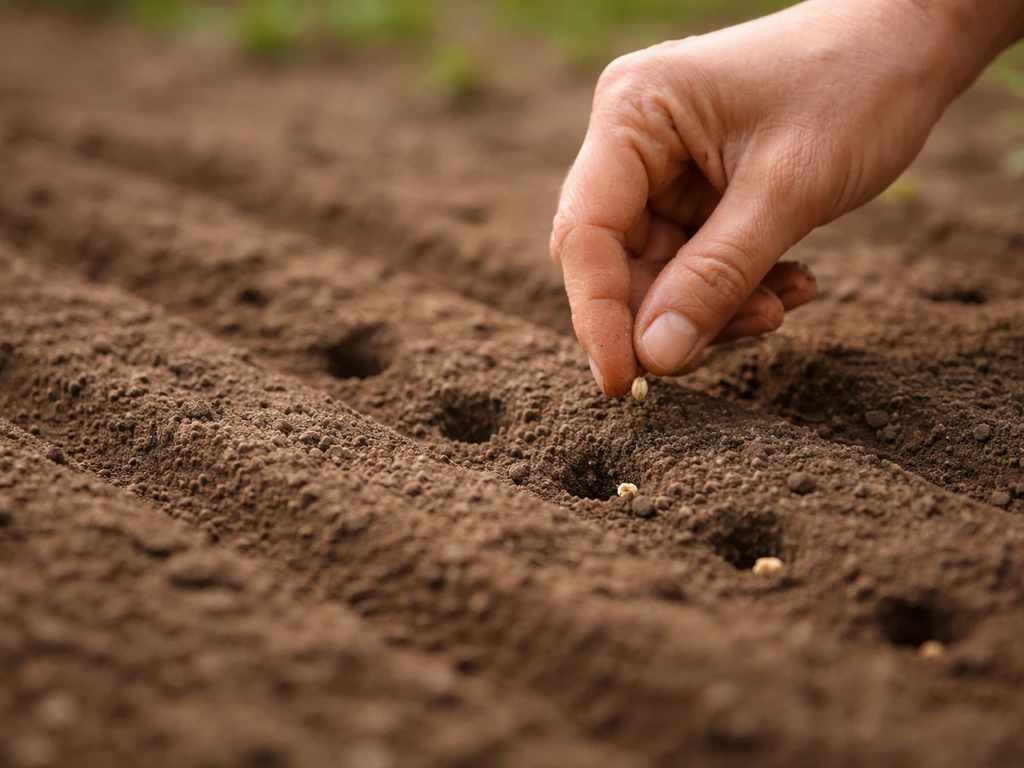
For most gardeners in temperate climates, the sweet spot is direct sowing in early spring once soil temperature reaches about 60°F and the worst hard frosts have passed. Because Pacific Beauty tolerates light frost (down to 25°F), you can push the timing a bit earlier than you'd risk with a tender annual. In mild-winter regions on the West or Gulf coast, you can actually sow outdoors in October for blooms that start in February and carry through spring, which is a real advantage if you live somewhere like coastal California or the Gulf South. If you’re wondering how to grow marigolds in Florida, focus on timing your planting around Florida’s heat and choosing a sunny site with good drainage.
Starting indoors
If you want a head start on the season, sow indoors 6 to 8 weeks before your last expected frost date. An ideal germination temperature is around 70°F. In colder climates where spring is short, starting indoors in late winter (January in some mild regions, mid-March through early April in cooler ones) gives you transplants ready to go out while conditions are still cool and favorable. Harden them off for about a week before transplanting outdoors.
A quick timing cheat sheet
| Climate / Situation | When to Sow | Method |
|---|---|---|
| Mild winter (West Coast, Gulf South) | October | Direct sow outdoors |
| Temperate (most of US/UK) | Early spring, soil at 60°F+ | Direct sow outdoors |
| Short-spring / cold climate | 6–8 weeks before last frost | Start indoors at ~70°F |
| Want extra-early transplants | January–March (indoors) | Start indoors, harden off before planting out |
Soil + sunlight + spacing for strong plants
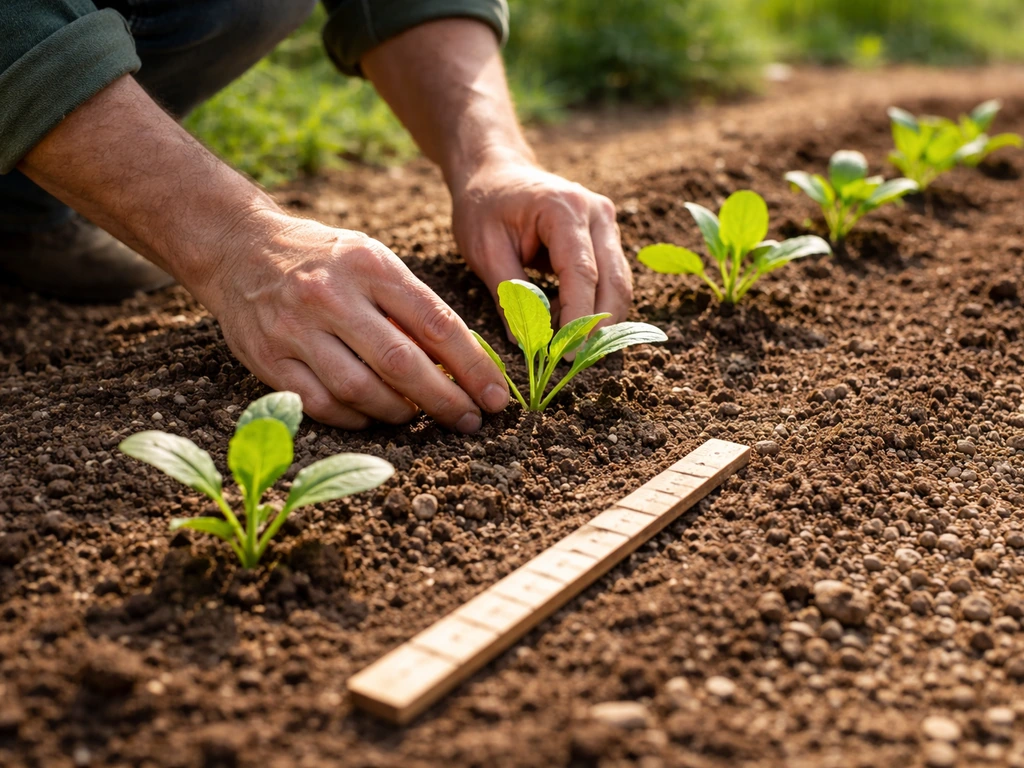
Pacific Beauty isn't demanding about soil, but giving it decent conditions early on means less work later. Aim for a well-draining, moderately fertile soil with a roughly neutral pH. It doesn't need rich, heavily amended ground, and overly fertile soil can push leafy growth at the expense of flowers. If your soil is heavy clay or compacted, work in some compost before sowing or transplanting.
Full sun is the non-negotiable here. Pacific Beauty wants at least 6 hours of direct sun daily. Less than that and you'll get stretched, leggy plants with fewer blooms. If you're growing in containers, pick the sunniest spot on your patio or balcony.
Spacing matters more than most beginners expect, not because the plants need a lot of room to spread, but because tight spacing is the single biggest driver of powdery mildew, which is the most common problem with calendula. After thinning, aim for 8 to 12 inches between plants as a practical minimum, and up to 23 cm (about 9 inches) per the RHS guidance for this variety specifically. Some sources suggest you can go wider (up to 18 inches) in dense beds where airflow is restricted. More space means better air circulation, healthier foliage, and longer-lasting blooms.
Seed-starting and direct sowing steps
Direct sowing in the garden or a container
- Loosen the top few inches of soil and rake it smooth. Remove any large clumps or debris.
- Sow seeds about 1/8 to 1/4 inch deep (no deeper than 1/2 inch). A good rule: cover each seed with roughly twice its own thickness of soil. This is important because light can actually inhibit calendula germination, so don't leave seeds sitting on the surface.
- Space seeds about 4 to 6 inches apart if you're direct sowing and plan to thin. If you're scattering in a patch, you can sow more densely and thin after emergence.
- Water gently so you don't disturb the seeds. Keep the soil consistently moist until sprouts appear.
- Expect germination in 5 to 15 days, most often 8 to 14 days under reasonable conditions.
- Once seedlings are a couple of inches tall, thin to your final spacing of 8 to 12 inches apart. It feels wasteful, but it's worth it. Thinning is the best thing you can do for the plants you keep.
Starting indoors
- Fill small pots or cell trays with a good seed-starting mix. Moisten it before sowing.
- Sow one or two seeds per cell, about 1/8 to 1/4 inch deep. Cover and firm gently.
- Place in a warm spot around 70°F. A heat mat helps but isn't required if your indoor temps are consistent.
- Seeds should germinate in 7 to 14 days. Once they sprout, move them to your brightest window or put them under a grow light for at least 12 to 14 hours daily. This prevents the leggy, stretched seedlings that happen when light is too weak.
- When seedlings have two sets of true leaves and outdoor conditions are suitable, begin hardening off: put them outside in a sheltered spot for an hour the first day, gradually increasing exposure over 7 to 10 days.
- Transplant to the garden or a larger container once hardened, spacing at 8 to 12 inches apart, and water in well.
Care week to week: watering, feeding, and weed control
Pacific Beauty is not a high-maintenance plant, but it does have a few consistent needs. Get these right and it practically takes care of itself.
Watering
Water regularly to keep soil evenly moist, but not waterlogged. Calendula doesn't like sitting in wet soil for extended periods. More importantly, try to water at the base of the plant rather than overhead. Wet foliage is a direct invitation for powdery mildew, which loves calendula. If you're using a hose, aim low. If you're using a watering can, same. During dry spells, water more frequently; during cool, wet weather, ease off.
Feeding
Pacific Beauty doesn't demand heavy feeding, but it does respond well to a monthly side-dressing with a balanced, complete soluble fertilizer. Think of it as a regular top-up rather than a heavy dose. This consistent, light feeding keeps growth steady and supports continuous bloom development. Don't overdo nitrogen or you'll push leaves over flowers.
Weeding
Keep the area around young plants weeded, especially in the first few weeks when seedlings are small and competing for water and light. Once plants are established and branching, they do a reasonable job shading out weeds themselves. A thin layer of mulch around (not touching) the stems helps retain moisture and suppress weeds at the same time.
Keep it blooming: deadheading and harvesting flowers
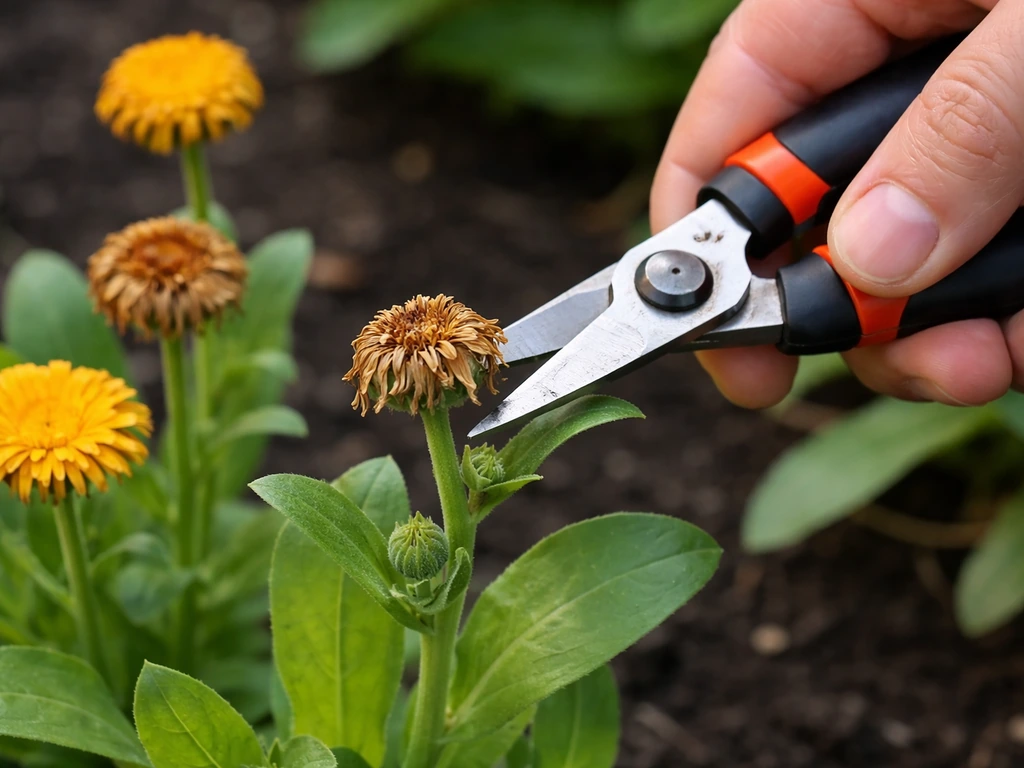
This is the most important ongoing task with Pacific Beauty, and it's also the most satisfying. The plant's instinct is to set seed and stop flowering once it has achieved that. Your job is to interrupt that process repeatedly, which signals the plant to keep producing more flowers.
Deadheading
Remove spent flowers at least once a week, cutting or snapping the stem back to a leaf node or side bud. If you let flowers go to seed, the plant winds down production. One thing worth knowing: if you skip deadheading entirely, Pacific Beauty will self-sow readily and you may end up with volunteer seedlings all over the bed next season. That can be a nice surprise or a nuisance depending on your garden, so manage it intentionally.
Harvesting blooms
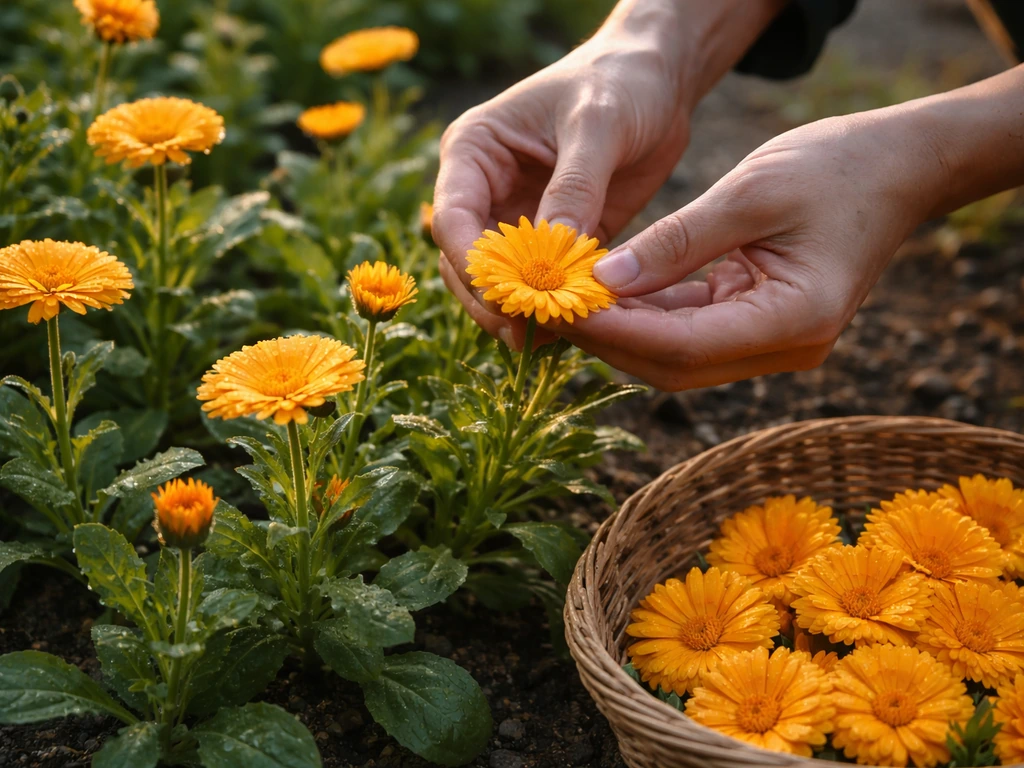
For cut flowers or edible use, harvest in the morning after the dew has dried but before the heat of midday. Flowers should be fully open for the best color and petal quality. If you're cutting for vases, harvest when flowers are half to fully open. Pick every 2 to 3 days during peak season to stay ahead of blooms going past their prime. The more you pick, the more flowers come. It's one of those plants where harvesting aggressively is actually the best thing for production.
Saving seeds for next year
If you want to save seeds for next season, leave a few flower heads on the plant at the end of the season and let them fully mature. Harvest when the seeds look brown and dry and fall easily from the head when you rub it. Store them in a clean, dry envelope or jar in a cool spot. Leave the rest of the dead-heading in place through the season to maximize bloom time.
Troubleshooting common problems (germination, disease, pests)
Seeds not germinating
If nothing has sprouted after two weeks, the two most likely causes are temperature and depth. Calendula germinates best around 60 to 70°F. If soil is too cold (below 50°F) it'll be very slow or stall. Also check depth: if seeds were sown too shallow and exposed to light, germination can be inhibited. Re-sow at 1/8 to 1/4 inch depth and give it another 10 to 14 days. Old or poorly stored seeds are another factor, so start fresh if you're using a packet that's been sitting around for years.
Leggy or stretched seedlings
This is almost always a light problem. Seedlings started indoors need bright, direct light or a grow light running 12 to 14 hours a day. A north-facing windowsill won't cut it. Move them closer to the light source or lower the grow light. Once outdoors in full sun, legginess is rarely an issue.
Powdery mildew
This is the most common disease problem with calendula, showing up as a white, powdery coating on leaves. Prevention is far easier than treatment: give plants adequate spacing (at least 8 to 12 inches apart), avoid wetting the foliage when watering, and ensure good air circulation. If you already have mildew, remove and bin affected leaves, improve airflow, and switch to base watering only. Mild cases often slow down if conditions improve, but heavily infected plants rarely fully recover.
Aphids and whiteflies
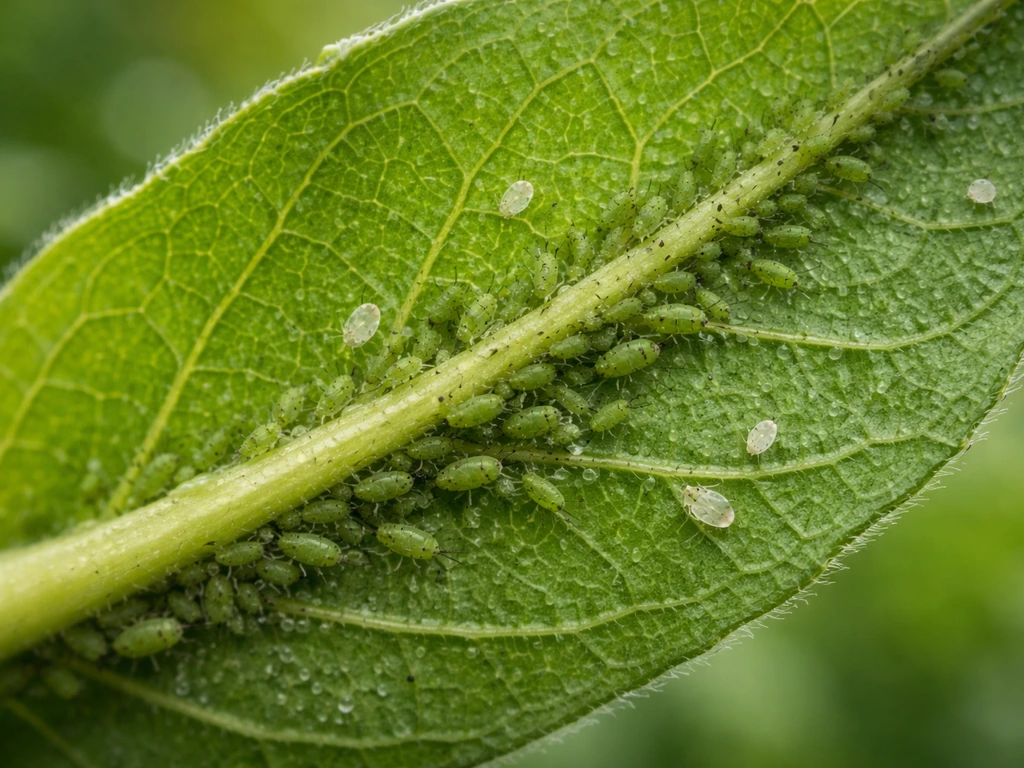
Both aphids and whiteflies can attack calendula foliage. Aphids cluster on new growth and undersides of leaves; whiteflies scatter in clouds when disturbed. For both, a spray of insecticidal soap (diluted per the bottle instructions) is effective and safe for edible-use plants. Apply in the morning or evening, not in full sun. Repeat every few days until the infestation clears. Catching them early makes a big difference.
Slugs and snails
Young seedlings are especially vulnerable to slug damage, particularly in cool, damp spring conditions. Ragged holes in leaves or missing seedlings overnight are the giveaway. Remove debris and mulch from directly around plant bases (where slugs hide during the day), hand-pick at night, and use slug bait if needed. Combining cultural controls with bait is more effective than bait alone.
Plants stop flowering in summer
If Pacific Beauty slows down or stops blooming during a heat spell, that's normal. This is a cool-season plant and it naturally winds down when temperatures consistently climb above the mid-80s°F. Keep deadheading, water consistently, and it often rebounds when temperatures ease in late summer or early fall. In very hot climates, you may get a strong spring flush, a pause, and then a second wind in autumn.
Nutrient or water stress signs
Yellow leaves on established plants usually signal either overwatering, poor drainage, or nitrogen deficiency. Check that water isn't pooling at the roots, then consider a light balanced fertilizer application. Wilting during the heat of the day is normal and usually recovers overnight, but if plants are still wilted in the morning, they need more water. Consistent moisture, rather than irregular deep soaks, keeps Pacific Beauty healthiest.
FAQ
Can I grow calendula Pacific Beauty in containers, and how should I adjust care?
Yes, but treat it as a cool-season annual and manage containers like a mini greenhouse. Use a pot with drainage holes, and choose a soil mix that drains fast (garden soil plus compost often stays too wet). In hot weather, move the container to the coolest available spot with morning sun and afternoon shade, because the plant will slow when temperatures stay above the mid-80s°F.
How long should I wait for Pacific Beauty seeds to sprout, and what if nothing appears?
For the best germination, don’t rely on “sprinkle and hope.” Seeds do best when soil is roughly 60 to 70°F, and they should be covered lightly (about 1/8 to 1/4 inch). If you want a quick check, monitor emergence for about 10 to 14 days after sowing, then reassess temperature and depth before re-sowing.
What’s the correct way to start Pacific Beauty indoors without getting leggy seedlings?
Pacific Beauty can be started indoors, but only if you can provide strong light. Use bright, direct light or a grow light for 12 to 14 hours a day, and avoid stretching by keeping seedlings close to the light source. Transplant when conditions are still cool, then harden off for about a week so they don’t shock in full sun.
How can I tell if my Pacific Beauty is getting too much water, and what should I do?
Overwatering is one of the fastest ways to invite powdery mildew and yellowing. Water to keep the soil evenly moist, but let the surface dry slightly between waterings, and always water at the base to avoid wet foliage. If your soil stays wet after a rain, improve drainage before the next watering cycle.
Does thinning matter for powdery mildew, or is it just about plant size?
Yes, and spacing is your main tool for prevention. Thin after emergence so plants end up about 8 to 12 inches apart as a practical minimum (and closer to the recommended spacing for your variety when plants are crowded). Good airflow plus base watering reduces mildew far more reliably than trying to “treat” it after it appears.
What fertilizer should I use for Pacific Beauty, and how do I avoid producing lots of leaves but fewer flowers?
You can, but be careful with how much and when. Stick to a light monthly side-dressing using a balanced complete soluble fertilizer, and avoid high-nitrogen feeding because it can promote leafy growth with fewer blooms. If plants are already lush and flowering poorly, pause feeding and reassess soil fertility and sunlight.
Are insecticidal soap treatments safe for Pacific Beauty if I want to use the flowers, and how should I apply it?
For edible-use and pest control, insecticidal soap works best when pests are actively present, and timing matters. Spray in the morning or evening (not in full sun) and coat affected leaves, including undersides. Reapply every few days until the infestation clears, and stop if plants show signs of stress.
My Pacific Beauty stopped blooming during summer heat, will it come back?
The plant typically pauses or slows during heat stress, and that’s not usually a failure. Keep deadheading, water consistently, and expect a rebound when temperatures drop in late summer or early fall. If growth never restarts after cooler weather arrives, then reassess sun exposure, spacing, and soil drainage.
Will Pacific Beauty self-sow, and how can I control where volunteer seedlings show up?
Yes, Pacific Beauty can self-sow readily if flowers are left to set seed. If you want a clean bed, deadhead at least weekly and remove spent blooms before they mature. If you want volunteers, leave a few heads at the end of the season and manage where seedlings emerge next spring.
When is the best time to harvest Pacific Beauty for vases, and how often should I cut?
For cut flowers, pick in the morning after dew dries but before the day warms up. Harvest when blooms are half to fully open for best color and petal quality, and cut frequently during peak season (every 2 to 3 days). The more you harvest, the more new stems and blooms the plant tends to produce.
Next Article
Where to Grow Marigolds: Best Spots, Soil, and Sun
Find the best spots to grow marigolds: sun, soil, drainage, climate fit, and planting tips for beds or containers.