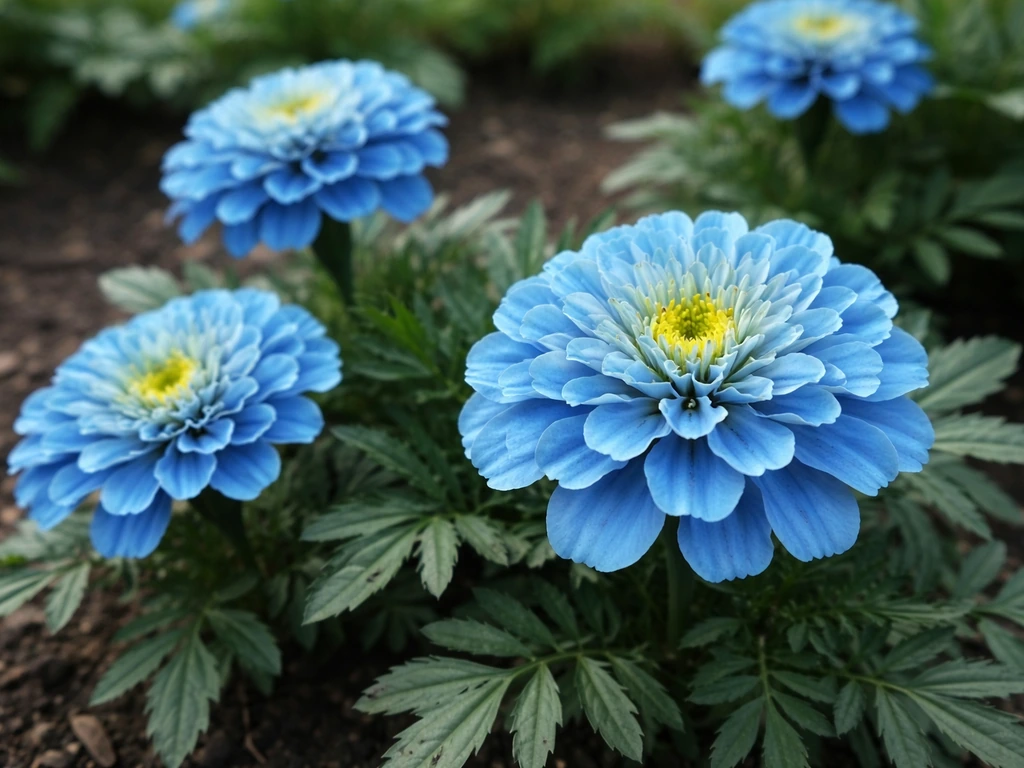
There are no true-blue marigolds in nature. If you bought seeds labeled 'blue marigold,' you almost certainly have a Tagetes cultivar (usually French marigold, Tagetes patula, or African marigold, Tagetes erecta) that blooms in purple-blue, lavender, or cool-toned shades rather than the kind of pure cobalt blue you'd see in a delphinium. That's not a scam, those flowers are genuinely beautiful and unusual, but it's worth knowing upfront so you set the right expectations.
How to Grow Blue Marigolds: Step-by-Step Guide
Marcus Holloway
9 Jun 2026
The good news: you grow them exactly like any other marigold, and they're one of the easiest annuals a beginner can start from seed. If you're still wondering why grow marigolds, they're prized for being easy, fast to bloom, and forgiving even for beginners. If you're wondering how to grow a margarita flower specifically, you'll want to focus on its unique sunlight, soil, and watering needs in addition to starting from quality seed how to grow margarita flower.
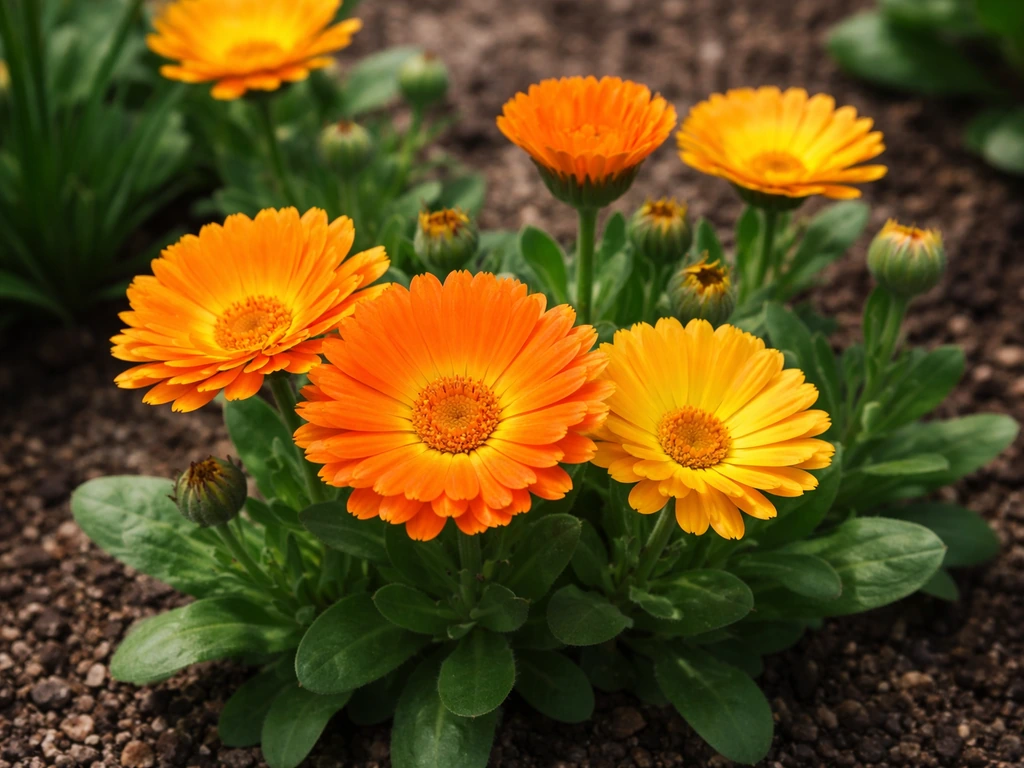
Calendula is also a great beginner plant, and it generally grows well with simple care like full sun and regular watering is calendula easy to grow. Calendula is easy to grow in similar beginner-friendly conditions, so you can plan it alongside your marigold seeds.
What 'blue marigolds' actually are
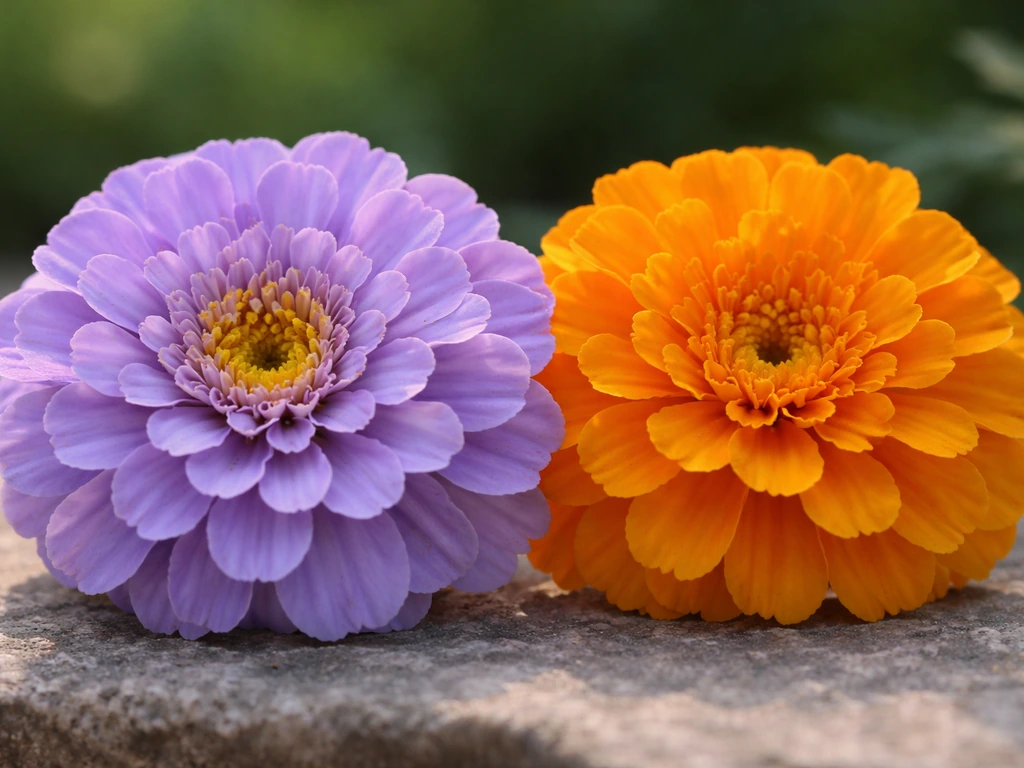
True blue is notoriously rare in the plant world. The chemistry behind blue flowers relies on specific anthocyanin variants, co-pigments, and cell pH conditions that shift color toward blue. Most 'blue' flowers are really purple-lavender, and marigolds are no exception. The genus Tagetes is best known for yellow, orange, and red, and no cultivar has achieved a genuine delphinidin-level true blue.
When seed companies sell 'Tagetes Erecta Purple Blue' or similar names, they mean cool-toned blooms that lean toward burgundy-purple or blue-lavender compared to the typical warm marigold palette. They're still 100% Tagetes, annual, heat-loving, fragrant, and easy to grow from seed. One thing to watch out for: some online retailers slap the word 'blue' on products that aren't marigolds at all (aquilegias, for example, sometimes appear in searches alongside marigold terms). Always check the Latin name. If it says Tagetes patula or Tagetes erecta on the packet, you're in the right place.
When to start your seeds
Timing is the single most important decision you'll make, and it all revolves around your last frost date. For most gardeners, here's how to think about it:
| Method | When to Start | Best For |
|---|---|---|
| Start indoors | 4–8 weeks before last frost date | Earlier blooms, more control, short-season climates |
| Direct sow outdoors | 1–2 weeks after last frost, once soil hits 70°F | Warm climates, less fuss, no transplanting needed |
| Direct sow before frost | Up to 2 weeks before last frost | Mild climates only — seeds won't germinate in cold soil |
If you want flowers as early as possible, start indoors. Texas A&M recommends 6–8 weeks before last frost for T. patula; Purdue puts germination at about 5–7 days under warm conditions, so you won't be waiting long. If you're reading this in June (which is already post-frost for most of the US), go ahead and direct sow now, marigolds started from seed in early summer will still flower well into fall.
For more guidance specific to Florida conditions, including timing around last frost and summer heat, follow the marigolds-in-Florida instructions how to grow marigolds in Florida. For more specifics on where to grow marigolds, focus on getting full sun and well-draining soil that won't stay waterlogged. French marigolds in particular are fast: you can go from seed to first bloom in about 8 weeks.
Sowing seeds and getting them to germinate
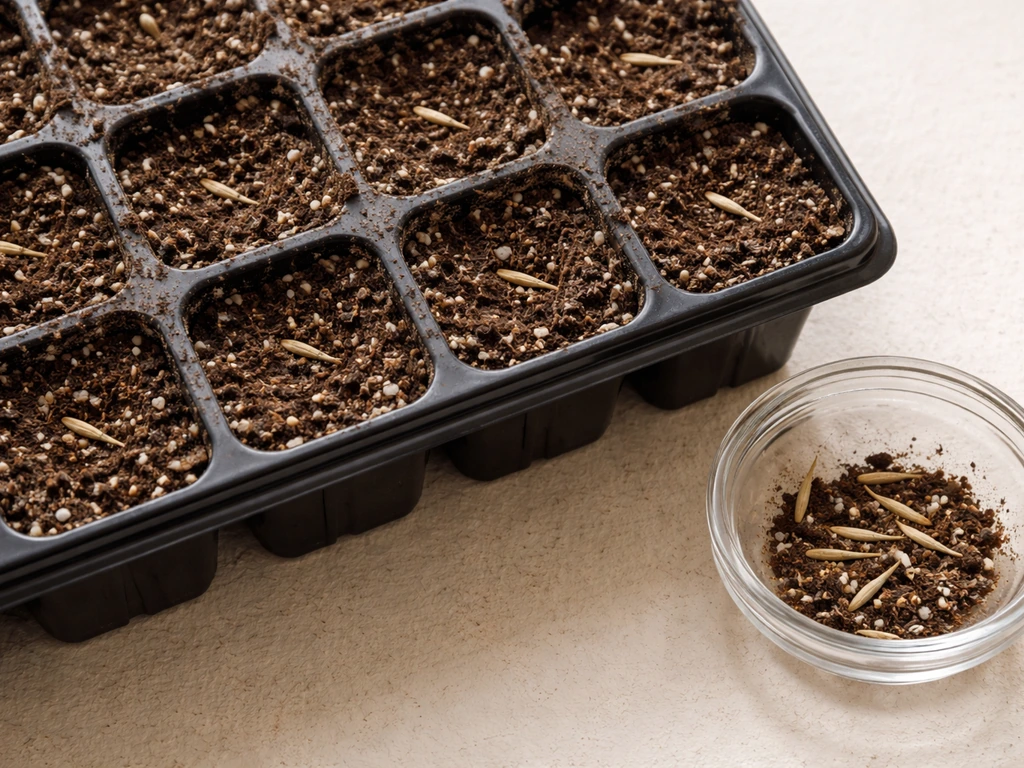
Marigold seeds are large, easy to handle, and forgiving. Here's exactly how to sow them whether you're starting indoors or direct sowing outside. For a specific example like Calendula Pacific Beauty, the same basic marigold approach works: start at the right time, give full sun, and keep the soil moderately moist start indoors or direct sowing outside.
Starting indoors
- Fill a cell tray or small pots with fresh, sterile seed-starting mix. Do not use garden soil — it compacts and harbors pathogens.
- Sow one seed per cell, pressing it about 1/4 inch deep into the mix.
- Marigold seeds do not need light to germinate — cover them fully and don't worry about putting the tray near a window yet.
- Keep the mix moist but not soggy. Water from below by setting the tray in a shallow dish of water for a few minutes, then letting it drain. This is the single best way to prevent damping-off.
- Aim for soil temperatures of 70–75°F. A heat mat helps if your home is cool. At that temperature, expect germination in 5–7 days, sometimes up to 14 days.
- Once seedlings emerge, move them immediately under grow lights or into the brightest window you have. They need strong light right away or they'll stretch and go leggy.
Direct sowing outdoors
- Wait until soil temperature reaches at least 70°F — cold soil stalls germination completely.
- Loosen the top inch of soil and rake it smooth.
- Press seeds in about 1/4 inch deep, spacing them roughly 6 inches apart (you'll thin later).
- Water gently and keep the surface consistently moist until seedlings appear.
- Thin to final spacing once seedlings have their first set of true leaves.
Caring for seedlings indoors
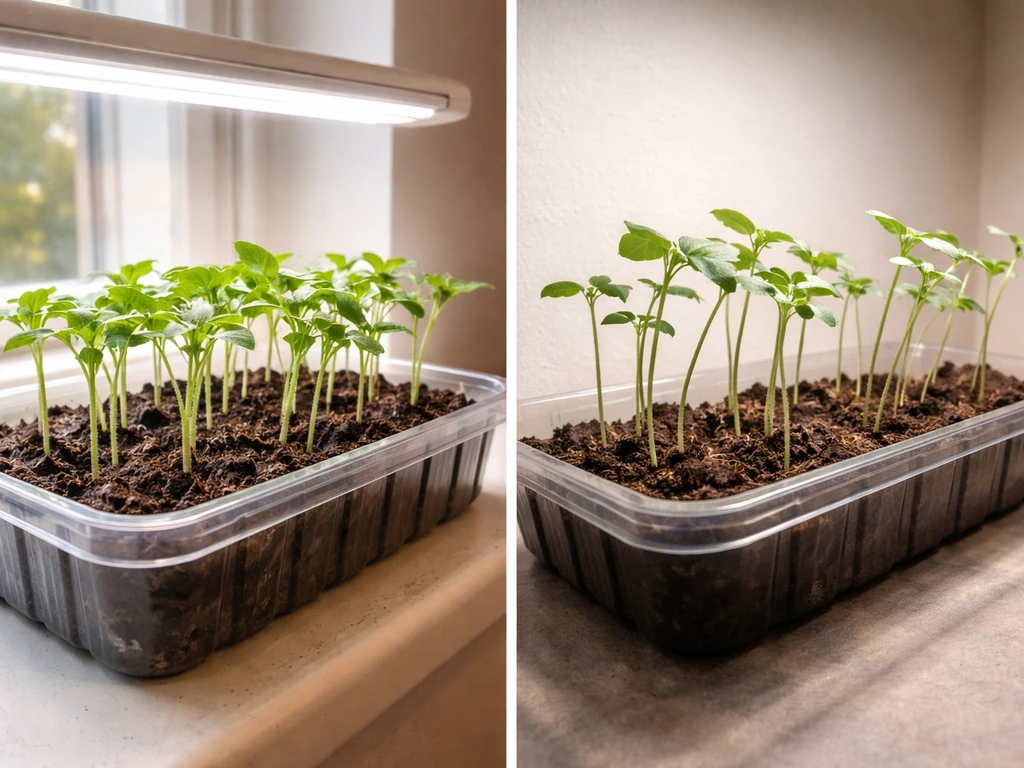
The two killers at this stage are overwatering and insufficient light. Let the surface of the mix dry out slightly between waterings, if you stick your finger in and it feels wet, wait. Water-logged seedlings in warm conditions are a recipe for damping-off, where the stem rots right at the soil line and the seedling topples over. There's no saving a seedling that's damped off, so prevention is everything: sterile mix, good airflow, and bottom-watering. If you see seedlings flopping dramatically toward a light source, they need more light, not more water.
Hardening off and transplanting outside
Seedlings started indoors have no idea what wind, direct sun, or temperature swings feel like. Skipping the hardening-off step is one of the most common reasons transplants sulk or die. Give yourself about a week to do this right.
- Start by setting seedlings outside in a sheltered, partly shaded spot for 1–2 hours on a mild day.
- Each day, increase the time outdoors and gradually move them into more direct sun.
- By day 5–7, they should be able to handle a full day of sun and stay out overnight if frost is no longer a risk.
- Transplant into the garden when nights stay above 50°F and all frost risk is past.
For soil prep, work in a couple inches of compost before planting. Marigolds like well-draining soil with a pH of about 6.0 to 7.5. They're not fussy, but they hate sitting in waterlogged ground. Space French marigolds (T. patula) about 8–12 inches apart; African marigolds (T. erecta) need more room, about 12–18 inches. Plant at the same depth as they were in their cells. Water in well after transplanting, then ease off.
Sun, water, fertilizer, and temperature
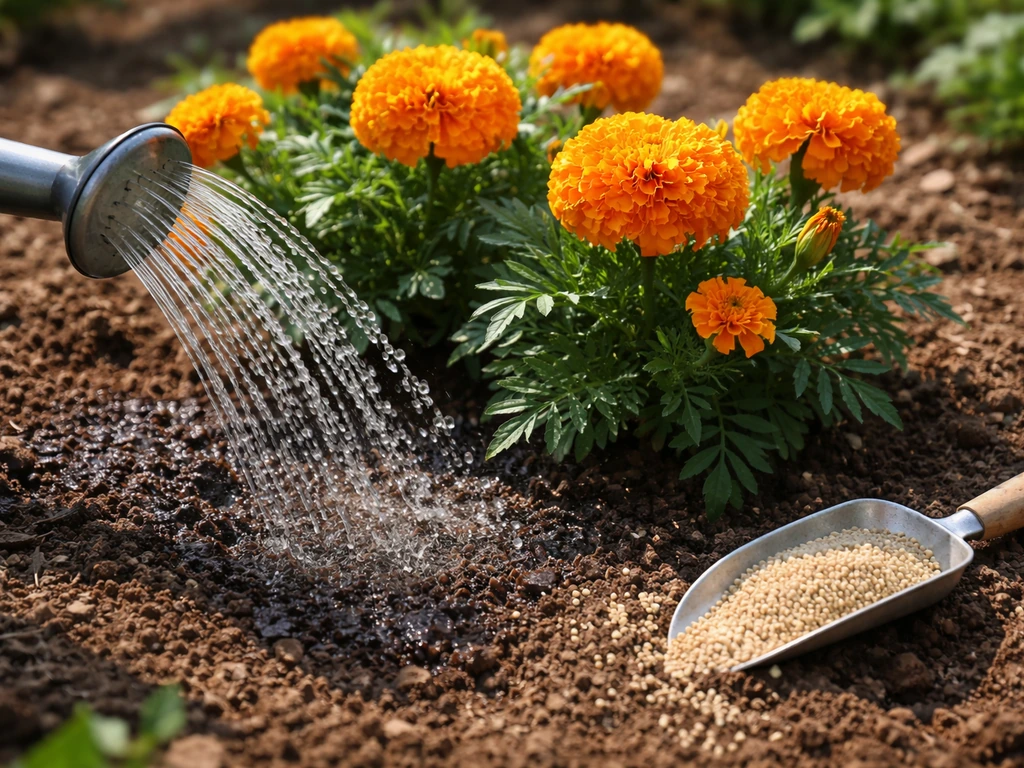
Marigolds want full sun, at least 6 hours a day, and more is better. In shade, they produce lush foliage and almost no flowers. Water deeply but infrequently once established; aim to water at the base of the plant rather than overhead to reduce foliar disease risk. Let the top inch of soil dry out before watering again.
Fertilizer is where a lot of gardeners accidentally sabotage themselves. Excess nitrogen produces gorgeous, bushy dark-green plants with almost no blooms. If you've already worked compost into decent garden soil, marigolds often need nothing extra. If you do fertilize, use a balanced or slightly phosphorus-leaning formula (something like 5-10-5) rather than a high-nitrogen lawn or vegetable fertilizer. Phosphorus supports flowering and root development, nitrogen just feeds leaves.
Temperature matters a lot for the cool-toned 'blue' cultivars and for French marigolds generally. T. patula can slow or nearly stop flowering during peak summer heat. If you're in a hot climate and your plants seem to stall in July and August, that's normal. Keep them deadheaded, water consistently, and they'll typically rebound and bloom heavily once temperatures ease in late summer and fall. African marigold types (T. erecta) tend to handle heat a little better.
Troubleshooting the most common problems
Seeds aren't germinating
First check soil temperature, if it's below 65°F, seeds will sit there doing nothing. Also check seed age: marigold seeds are typically viable for 2–3 years, and older seed may have sharply reduced germination rates. If your packet is more than 3 years old, do a quick germination test (wrap 10 seeds in a damp paper towel, seal in a bag, wait 7 days, and count how many sprout) before committing to a full sowing.
Leggy, stretched seedlings
This is almost always a light problem. If seedlings are tall and floppy rather than stocky and upright, they need stronger light immediately. A grow light placed 2–3 inches above the seedling tops makes a huge difference. A south-facing windowsill can work but often isn't enough during cloudy spring weeks. You can also bury leggy transplants a bit deeper when you move them outside, marigolds can root along their buried stem, similar to tomatoes.
Plants aren't flowering
Two main culprits: too much nitrogen, or not enough sun. If the plant is dark green and bushy, cut back on any fertilizer and make sure it's getting at least 6 hours of direct sun. Summer heat can also temporarily reduce flowering in French marigold types, especially cool-toned cultivars. Be patient, flowering usually resumes. Also make sure you're deadheading regularly: plants allowed to set seed shift their energy away from producing new flowers.
Damping-off (seedlings collapsing at the stem)
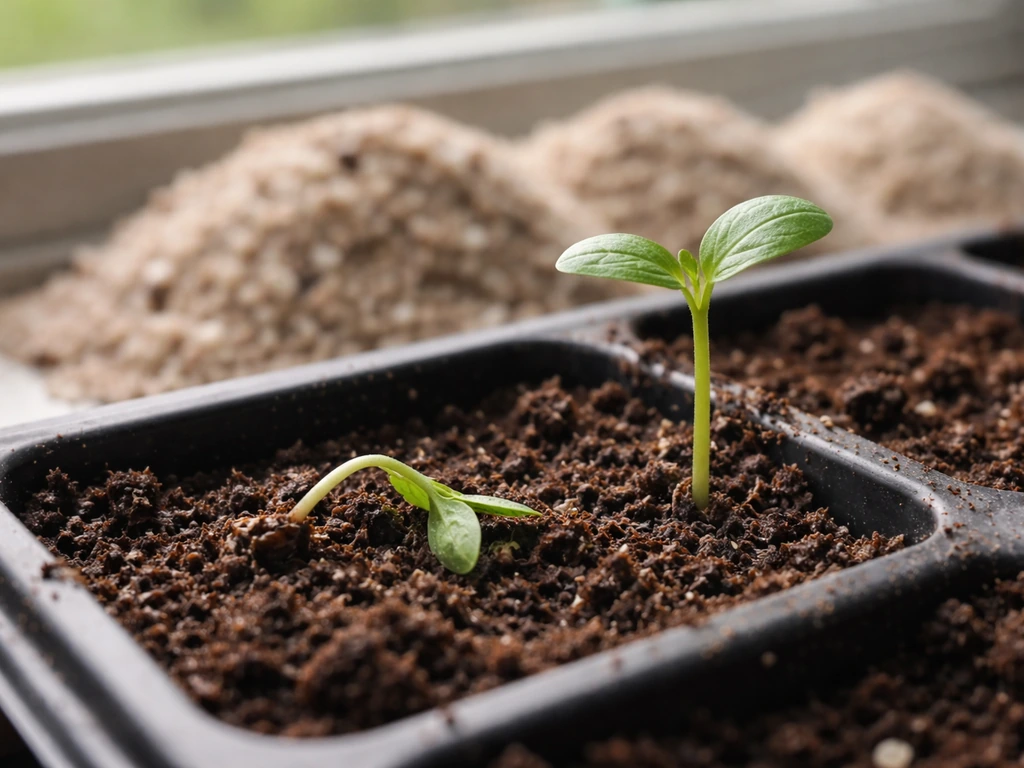
There's no fix once it happens, the seedling is gone. Prevention is the whole game: use fresh sterile seed-starting mix every time, never reuse old mix from a previous season, water from below rather than overhead, don't let trays sit in standing water, and make sure there's airflow around your seedlings (a small fan on low works well). Thin crowded seedlings as soon as they're up, because crowded conditions encourage fungal spread.
Yellowing leaves
Yellow lower leaves on otherwise healthy plants are usually a nitrogen deficiency or overwatering (roots sitting in wet soil can't take up nutrients properly). Check drainage first. If the soil is fine and well-draining, a light balanced fertilizer application can green them up. If the whole plant looks yellow and stunted and the soil is consistently wet, you may have root rot from poor drainage, amend the bed with compost or grit and be more conservative with watering going forward.
Pests
Marigolds are famously pest-resistant and are often planted as companions near vegetables for that reason. That said, spider mites can appear in hot, dry conditions (look for stippled leaves and fine webbing), and aphids occasionally cluster on new growth. A strong spray of water from a hose knocks both back effectively. Slugs can be a problem in wet conditions, especially on young transplants, a ring of coarse grit or diatomaceous earth around the base of plants helps.
Keeping plants blooming all season
Deadheading is the single biggest thing you can do to extend the bloom season. As soon as a flower fades, snap or snip it off at the base of the flower stem, not just the petals. The plant's goal is to produce seed; when you remove spent flowers before seeds form, it keeps producing new blooms to try again. Make a habit of deadheading every few days during peak season. Gardening Know How recommends starting as soon as you see the first faded blossom and keeping it up consistently throughout the season.
Marigolds will bloom continuously from planting until the first killing frost if you stay on top of deadheading and give them consistent water during dry spells. In hot climates, a light trim and a deep watering in late July can help revive plants that have slowed down mid-summer, setting them up for a strong fall flush.
Saving seed at the end of the season
If you want to save seed from your blue-toned marigolds, let a few flowers fully mature and dry on the plant in late summer or early fall. The seed head (a cluster of long, thin achenes) is ready when the base of the flower head has turned papery brown and the seeds rattle when you shake it, T. patula seeds typically ripen within about two weeks of bloom starting.
Pull the whole dried head off, peel apart the achenes, and let them air dry on a paper towel for another week before storing. Keep them in a labeled paper envelope or glass jar in a cool, dry, dark spot. Expect good germination for 2–3 years; after that, do a paper-towel test before sowing a full batch.
One honest note on saving seed from 'blue' cultivars: many of these are F1 hybrids, which means seeds saved from them won't reliably reproduce the same cool-toned color. You may get a mix of flower colors from saved seed. If color consistency matters to you, buy fresh seeds each year. If you're happy with a surprise mix of marigold shades, save away.
FAQ
I bought “blue marigold” seeds, will they ever turn true blue?
If you want the “cool blue” look specifically, start by choosing a packet that lists Tagetes species (Tagetes patula or Tagetes erecta) and then expect true cobalt blue is not achievable. The most reliable way to keep the intended tone is to save no seeds from hybrid “blue” types (many are F1), and instead buy fresh seed each season.
What if my garden soil is clay or stays wet after rain, can I still grow blue-toned marigolds?
Yes, but marigolds dislike soggy beds. If you have heavy clay or frequent rain, plant them on a slight mound or raised bed, and confirm drainage by watering once and checking how long it takes the top inch to dry. If it stays wet for more than a day, you likely need more compost and grit or a higher planting site.
My seedlings are tall and floppy, what should I do besides watering less?
The fastest way to avoid leggy seedlings is to provide light immediately after they emerge. Use a grow light if your window is dim, and keep the light close enough to prevent stretching (about 2 to 3 inches). Once they’re up, let the soil surface dry slightly between waterings rather than keeping it constantly moist.
Direct-sown seeds did not sprout, could temperature be the reason?
For direct sowing, soil temperature is the limiting factor. If it is below about 65°F, seeds may sit and then sprout later, making you think they “failed.” Wait for warmer weather, or use a cloche or row cover briefly to warm the soil, then remove it once seedlings appear.
How can I tell whether poor flowering is caused by fertilizer or not enough sun?
Marigolds grown in partial sun can look healthy but produce fewer blooms. A practical test is to observe them for a few days, if flowers are scarce and foliage is dark and dense, assume light is the bottleneck first. Increase direct sun time (move pots, thin nearby plants, remove shading) before adding fertilizer.
Can I grow blue-toned marigolds in pots, and how should watering change?
For container growing, use a pot with drainage holes and do not let the pot sit in a tray of water. Water when the top inch feels dry, then water thoroughly at the base until excess drains. Containers often run hotter and drier than ground soil, so they may need more frequent watering, but never more frequent shallow watering that keeps the root zone wet.
What should I do if the leaves turn yellow on my marigolds?
If plants yellow and the soil is not waterlogged, the next suspect is nutrient imbalance or exhaustion of the container or bed. Apply only a light, balanced feed, then reassess in 1 to 2 weeks. However, if yellowing comes with consistently wet soil or slow growth, treat it as a drainage or root health problem first rather than fertilizing.
How do I revive marigolds when they stop blooming during peak summer heat?
Deadheading is usually enough, but if blooming stalls in mid-summer (common for French types in hot areas), do a light tidy trim and water deeply during the hottest stretch, then keep deadheading once new buds form. They typically rebound when temperatures cool, so avoid heavy nitrogen feeding during that slowdown.
Can I save seed from my blue-toned marigolds and keep the same color next year?
If you do want to save seed, let the seed heads fully dry on the plant and only then harvest, remove the achenes, air dry, and store in a labeled, cool, dry place. If your plants are F1 hybrids, you may get different flower colors next year, so treat saved seed as “surprise marigolds,” not an exact color guarantee.
What are the most common reasons marigold seedlings die right after sprouting?
A lot of “failure” is simply damping-off or weak light after germination. Prevent it by using fresh sterile mix, bottom-watering, and airflow, then thin seedlings as soon as they’re large enough to handle. If you see seedlings collapsing at the soil line, remove the affected ones promptly since there is no true rescue once damping-off starts.
Next Article
Is Calendula Easy to Grow? Seed-to-Harvest Guide
Is calendula easy to grow? Get a seed-to-harvest guide: planting times, care, troubleshooting, and harvesting tips for b