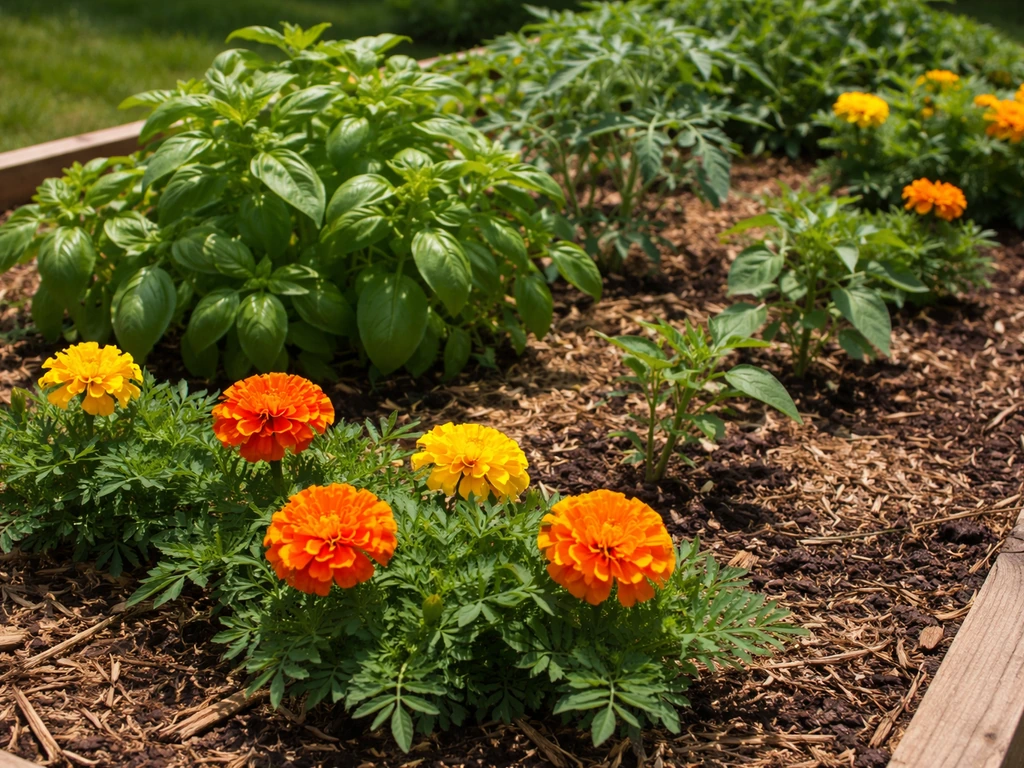
Marigolds are supposed to be easy, and honestly, they usually are. But when they stall, it almost always comes down to one of a handful of fixable problems: soil that's too cold, seeds sown too deep, seedlings drowning in soggy mix, or plants parked in too much shade. The good news is that once you pinpoint the stage where things went wrong, the fix is usually simple and fast. If you’re also wondering what do marigolds need to grow overall, focus on sun, warmth, well-draining soil, and consistent moisture.
Why Won’t My Marigolds Grow? Fix Germination and Stalls

Marcus Holloway
2 Jun 2026
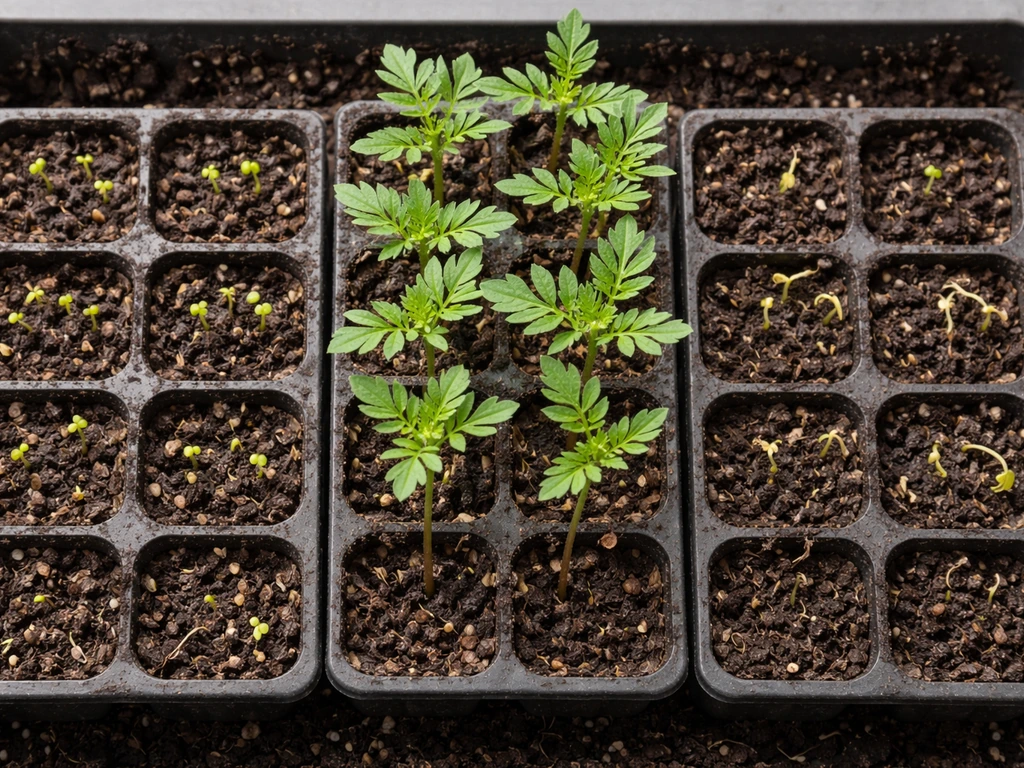
Quick diagnosis: which stage are your marigolds stuck in?
Before you do anything else, figure out exactly where the problem is happening. Marigold problems cluster into three distinct stages, and the solution for each is completely different. Ask yourself which description fits your situation right now.
| Stage | What you're seeing | Most likely culprit |
|---|---|---|
| Seeds won't germinate | Nothing emerging after 10–14 days | Cold soil, too-deep sowing, or old seed |
| Seedlings collapsing or stalling | Sprouts falling over, turning mushy, or just sitting still | Damping-off, overwatering, or low light |
| Established plants not growing | Stunted, pale, or leggy plants that just won't take off | Too much shade, wrong soil, or heat stress |
Match your situation to one of those rows, then jump to the right section below. If you're not sure, just read through in order, it only takes a few minutes and you'll know exactly what's going on by the end.
Seeds won't germinate: temperature, depth, moisture, and viability
Marigold seeds are genuinely quick germinators when conditions are right. You should see sprouts in 5 to 10 days indoors and 7 to 14 days in the ground. If nothing has appeared after that window, one of these four things is almost certainly the reason.
Soil temperature is too cold
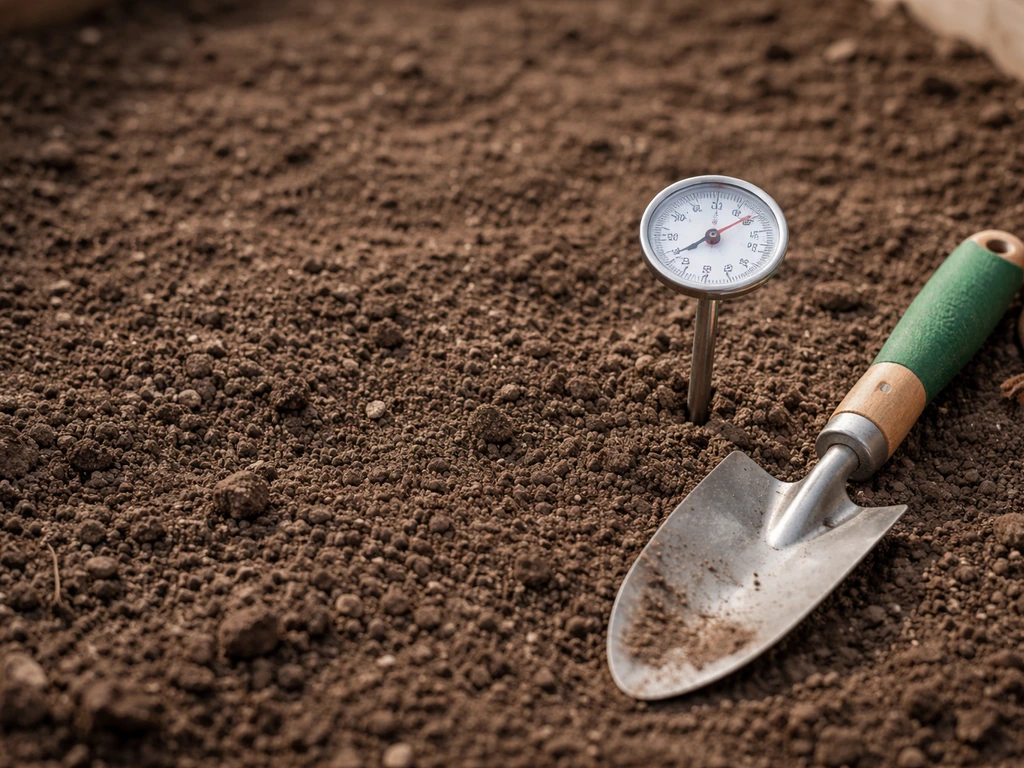
This is the number one reason marigold seeds fail to germinate. They need soil temperatures between 70°F and 75°F (21–24°C) to wake up reliably. Ground soil that feels cool to the touch is often sitting in the low 60s, which dramatically slows germination or stops it entirely. If you're starting indoors, use a heat mat set to 70°F and expect germination within a week. Outdoors, wait until nighttime temperatures are consistently above 50°F and the ground has warmed properly. Marigolds are annuals and have no interest in cold soil.
Seeds sown too deep
Marigold seeds should be covered with no more than 1/4 inch (about 6mm) of soil or seed-starting mix. Any deeper and the seedling runs out of energy before it can push through. A lot of beginners instinctively bury seeds too deep because it feels more secure. With marigolds, barely cover them and press the surface gently so the seed has good soil contact. That's really all they need.
Moisture is wrong: too dry or too waterlogged
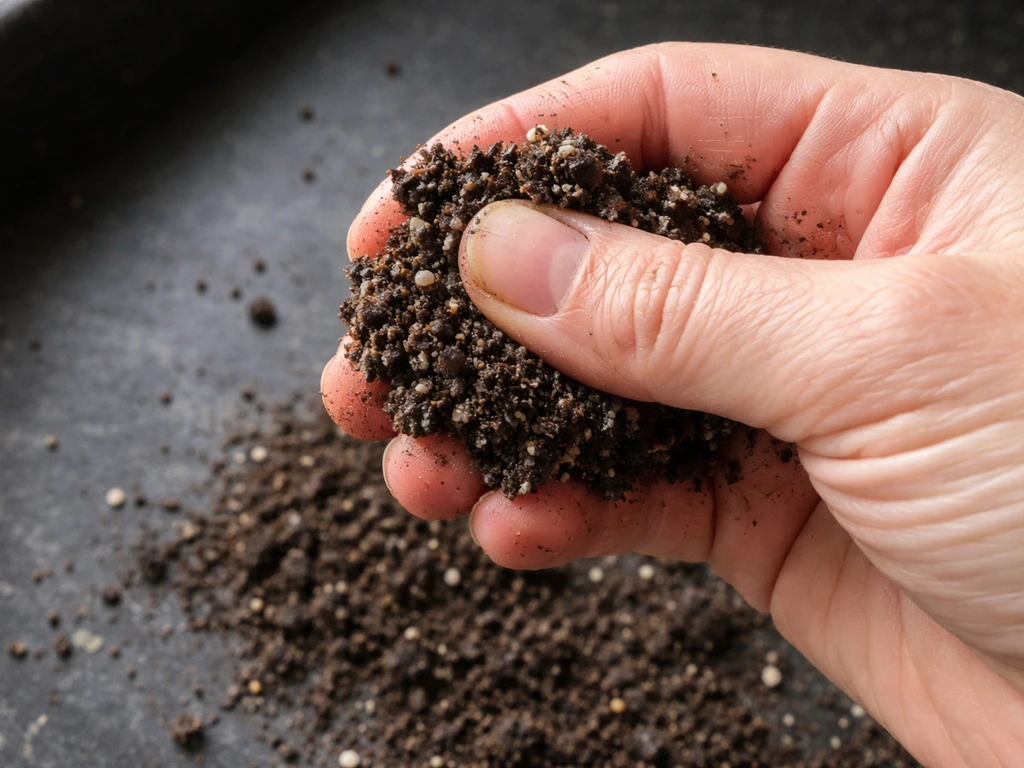
Seeds need consistent moisture to germinate, but not soggy conditions. The seed-starting mix should feel like a wrung-out sponge: damp throughout but not dripping. If the surface dries out even once during germination, seeds can stall or die. Check twice a day and mist gently if needed. Covering the tray with a clear plastic lid or plastic wrap until sprouts appear keeps moisture more consistent and reduces the need to water constantly.
Old or non-viable seed
Marigold seeds stay viable for about 2 to 3 years if stored properly in a cool, dry place. If your packet has been sitting in a hot shed or a damp drawer, germination rates drop fast. Do a quick viability test before you commit a whole tray: dampen a paper towel, place 10 seeds on it, fold it over, seal it in a zip-lock bag, and leave it somewhere warm for a week. If fewer than 6 out of 10 sprout, get fresh seed. It's not worth fighting bad seed.
Seedlings failing or damping off: watering, airflow, and light
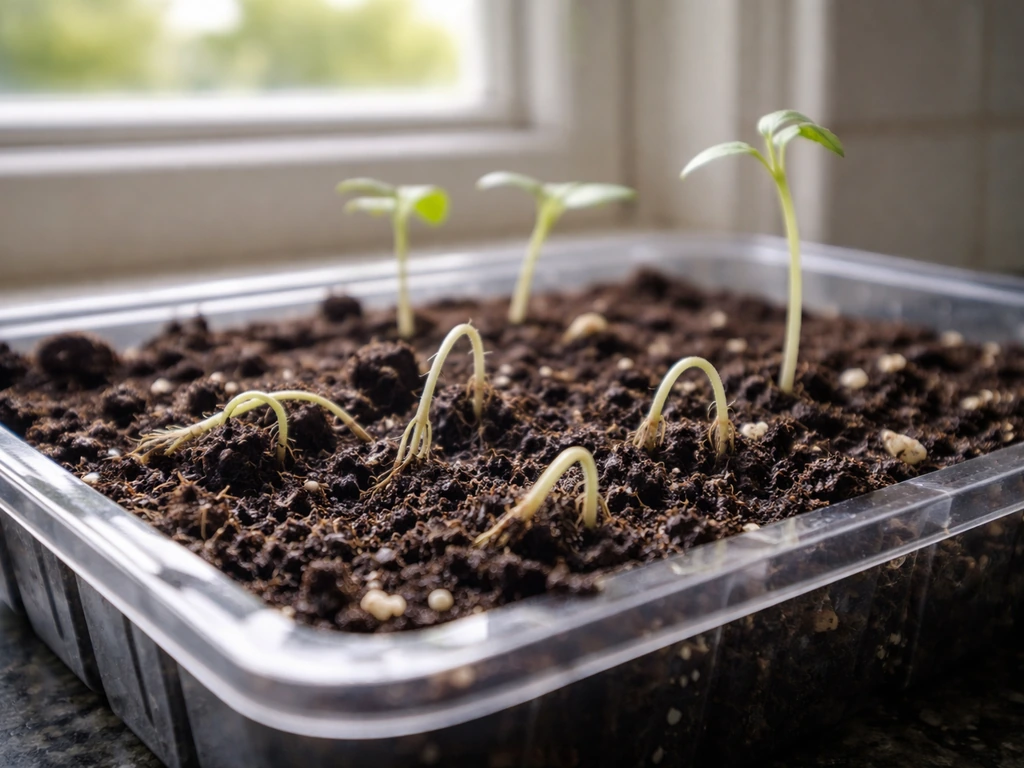
You had sprouts, things looked promising, and then they collapsed. Or maybe they just sit there looking thin and pale for weeks. This is the most heartbreaking stage for beginner gardeners, but it's also very diagnosable.
What damping-off actually is
blank" rel="noopener noreferrer">Damping-off is a disease caused by soilborne pathogens, mainly Pythium, Phytophthora, Rhizoctonia, and Fusarium species. These fungi live in the soil and mix, and they attack seedlings at the soil line, causing that classic pinched, rotted stem right where the plant meets the growing medium. The seedling falls over and often has a white mould or water-soaked appearance near the base. blank" rel="noopener noreferrer">Because these pathogens are soilborne (not airborne), you stop them by controlling conditions at soil level: moisture, airflow, and temperature. Damping-off is especially common when light levels are low and temperatures are cool, which is why bright, warm conditions are so important in those early weeks.
How to prevent and respond to damping-off
- Always use fresh, sterile seed-starting mix. Never use garden soil in trays as it carries pathogens.
- Water from the bottom: set the tray in a shallow dish of water for 20 minutes, then drain. This keeps the soil surface drier and less hospitable to fungal growth.
- Add airflow as soon as seeds sprout. Remove any plastic cover and run a small fan on low nearby, or open a window for a few hours daily.
- Don't crowd seedlings. Thinning to one strong plant per cell improves air circulation dramatically.
- If damping-off appears in one cell, remove the affected seedling immediately and stop watering the surrounding area until the surface dries out.
Leggy seedlings and light problems
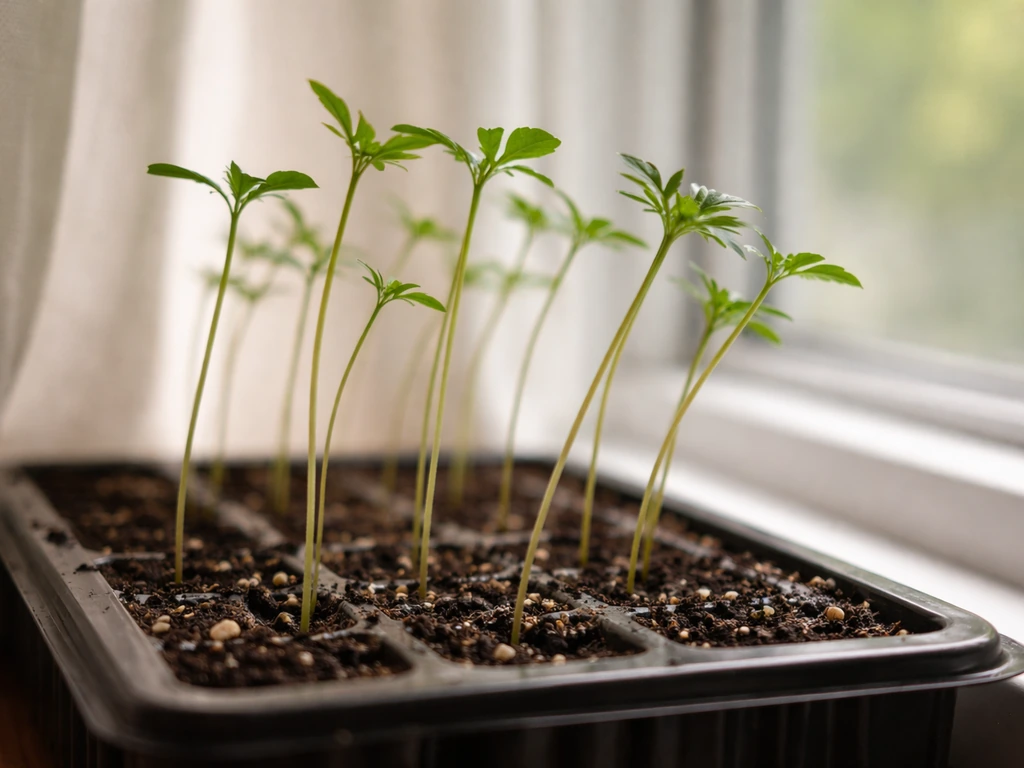
If your seedlings are tall, thin, and flopping toward the nearest window, they're not sick, they're just starving for light. To keep marigolds growing tall rather than leggy, give them enough bright light and avoid crowding so they do not stretch If your seedlings are tall, thin, and flopping toward the nearest window. Marigold seedlings need at least 14 to 16 hours of bright light per day indoors. A south-facing windowsill rarely provides this consistently, especially in spring. A basic grow light positioned 2 to 3 inches above the seedlings and running on a timer for 16 hours a day solves this completely. Outdoors, make sure seedlings get direct sun, not dappled light under a tree.
Plants not growing well: sun, soil, pH, spacing, and heat
If your marigolds are in the ground or in pots but just seem stuck, like they've been the same size for weeks, the issue is almost always one of the following environmental factors. Marigolds are tough but they have non-negotiable needs.
Sun: there's no negotiating on this one
Marigolds want full sun, meaning a minimum of 6 hours of direct sunlight per day, with 8 hours being ideal. Plants in partial shade will survive but grow slowly, bloom sparsely, and become prone to disease. If your bed gets shade from a fence, tree, or structure for more than half the day, that's your answer right there. Pot-grown marigolds have one big advantage here: you can move them.
Soil quality and pH
Marigolds prefer well-draining, moderately fertile soil with a pH between 6.0 and 7.0. Soil that's too heavy and clay-like stays waterlogged and stunts root growth. Soil that's overly sandy drains too fast and can't hold nutrients. If you're planting in an existing bed, work in some compost before planting to improve both drainage and nutrient availability. An inexpensive soil pH test kit (available at any garden center) will tell you in minutes if acidity is the issue. Below pH 6.0, marigolds struggle to take up nutrients even when they're present.
Spacing and crowding
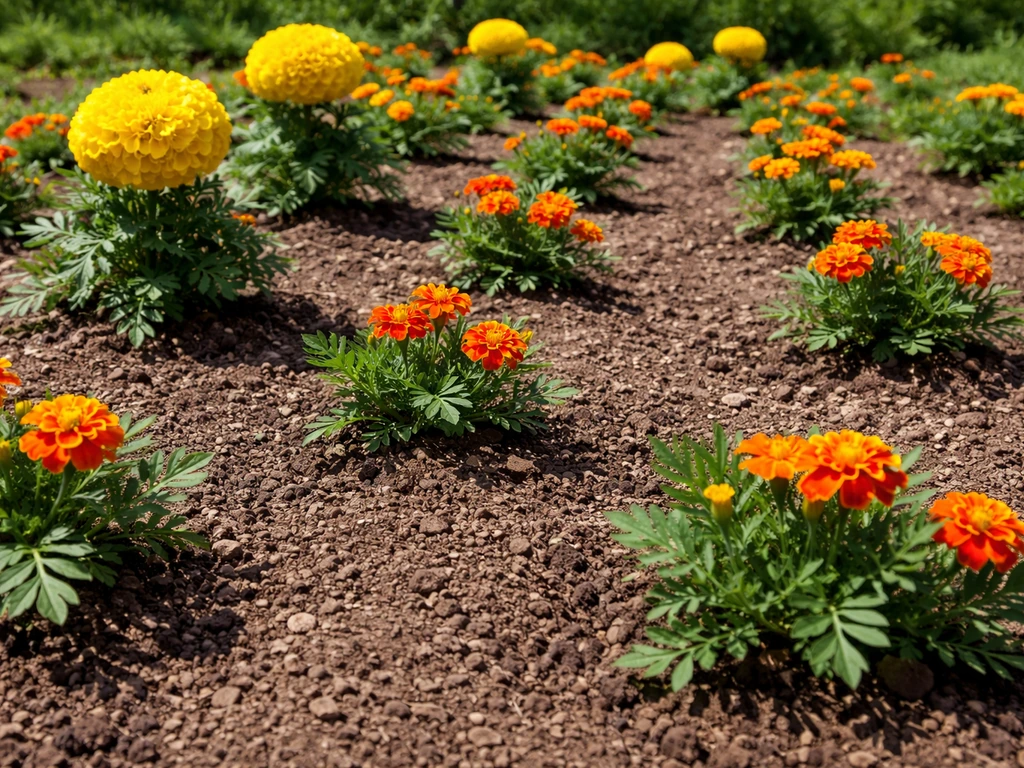
French marigolds (Tagetes patula) should be spaced about 6 to 9 inches apart. African marigolds (Tagetes erecta), which grow much larger, need 10 to 12 inches or more. Crowded plants compete for water, light, and nutrients, and poor air circulation between them encourages disease. If you direct-sowed and didn't thin, now is the time. It feels cruel to pull out perfectly good-looking seedlings, but the ones you leave will genuinely perform far better.
Heat stress in midsummer
This one surprises a lot of gardeners. Marigolds love warmth but can stall or even drop their blooms temporarily when temperatures consistently push above 90°F (32°C). African marigolds in particular sometimes sulk in peak summer heat. This isn't a permanent problem. Keep them watered consistently during heat waves and they'll typically bounce back and bloom again as temperatures moderate in late summer.
Pots versus ground: what changes
Container marigolds face a different set of challenges than in-ground plants. Pots dry out faster (sometimes daily in summer heat), the soil can become compacted over a season, and nutrients are depleted more quickly. If your potted marigolds are struggling, check whether the pot drains freely, whether the plant has become rootbound (roots circling the bottom), and whether the potting mix is still loose and fresh rather than hard and grey. Upgrading to a larger pot mid-season can completely transform a stalled plant.
Nutrients and feeding: when to fertilize (and when not to)
Marigolds are not heavy feeders, and this is where a lot of well-meaning gardeners actually make things worse. Too much nitrogen, the first number in any fertilizer label, pushes lush, dark green leafy growth at the expense of flowers. If you've been feeding regularly with a general all-purpose fertilizer and you're getting big bushy plants with few blooms, back off.
For seedlings in trays, hold off on fertilizing entirely for the first 3 to 4 weeks. Fresh seed-starting mix has enough nutrients for young seedlings. Once you transplant into the garden or a larger pot, a single application of a balanced fertilizer (something like a 10-10-10) at planting time is usually all they need for the season if you've added compost to your soil. For container plants, a diluted liquid fertilizer once every 3 to 4 weeks is plenty. If the plant is in poor soil and clearly yellowing or stunted, a phosphorus-heavy fertilizer (look for a higher middle number, like 5-10-5) encourages both root development and blooming without the excessive vegetative growth.
Watering and drainage: fixing the root causes
Overwatering kills more marigolds than drought does. Marigolds are reasonably drought-tolerant once established and they genuinely prefer to dry out slightly between waterings. The single most useful test you can do right now is stick your finger 2 inches into the soil. If it still feels damp, don't water. If it's dry at that depth, water deeply and then leave it alone.
For in-ground plants, water at the base rather than overhead. Wet foliage sitting overnight invites fungal problems. A deep watering once or twice a week is far better than a light daily sprinkle, which encourages shallow roots. For pots, water until it flows freely from the drainage holes, then don't water again until the top inch of mix is dry.
How to check your drainage
If you suspect waterlogged soil in a garden bed, do this: dig a hole about 12 inches deep and 12 inches wide, fill it with water, and time how long it takes to drain. It should empty within an hour or two. If water is still sitting there after several hours, you have a drainage problem. Raised beds, added grit or coarse sand mixed into the planting area, or simply relocating your marigolds to a spot with better natural drainage are your options.
What to do today: rescue plan, re-sowing steps, and prevention
Here's the practical action plan depending on where you are right now. Today is early June, which is actually a great time to either rescue struggling plants or start fresh with a direct sow outdoors in most climates.
If your seeds never germinated
- Run the paper towel viability test described above before investing in more trays.
- Get fresh seed if your current batch is more than 2 years old or stored poorly.
- Direct sow now: in early June, soil is warm enough in most regions for direct sowing outdoors. Sow seeds 1/4 inch deep, water in gently, and thin to the right spacing once seedlings reach 2 inches tall.
- If starting indoors, use a heat mat and fresh sterile seed-starting mix. Expect sprouts in 5 to 7 days.
If your seedlings are struggling or collapsed
- Remove any collapsed or mushy seedlings immediately to stop damping-off from spreading.
- Let the surface of the remaining cells dry out before watering again.
- Add a fan or open ventilation to improve airflow.
- If only a few cells are affected, the others can often be saved by correcting conditions right now.
- If most of the tray is affected, it's faster to resow fresh seed in clean trays with new mix.
If your established plants are stuck
- Check sun exposure honestly: count the hours of direct sun your bed actually gets today.
- Do the finger-in-soil test and adjust your watering frequency based on what you find.
- Thin or space plants if they're crowded.
- Do a quick soil pH test if plants look pale and nutrient-deficient despite regular care.
- If plants are in pots, check whether they need repotting into a larger container.
- Hold back on nitrogen-heavy fertilizer and switch to a bloom-focused formula if flowering is poor.
Prevention going forward
The best planting window for direct sowing marigolds outdoors is after your last frost date when soil has reached 65°F or above, which for most gardeners means late April through June. For indoor starts, sow 4 to 6 weeks before your last frost. Before planting, work 2 to 3 inches of compost into the top 6 inches of soil to improve both drainage and fertility.
Water deeply but infrequently, keep spacing generous for airflow, and resist the urge to fertilize heavily once plants are in bloom. These four habits prevent the vast majority of marigold problems before they start. If you want a quick refresher on how to help marigolds grow, focus on the basics that match the stage your plants are in.
If you’re starting from scratch, this marigolds how to grow guide will help you pick the right conditions and avoid the most common setbacks.
Marigolds genuinely reward a light touch. Give them sun, decent drainage, and room to breathe, and they'll do most of the work themselves. Once you've got this troubleshooting framework in your head, you'll find they're as forgiving and rewarding as everyone promises they are.
FAQ
My marigolds have leaves but no flowers, what should I check first?
Confirm they are getting enough direct sun, at least 6 hours daily (8 ideal). Then check fertilizer, if you are using anything heavy in nitrogen, reduce or stop, high nitrogen delays blooms. Finally, make sure spacing is adequate for airflow, crowded plants often stay vegetative and struggle to flower.
How can I tell if my marigolds are failing because of poor drainage versus watering too much?
Look at the base of seedlings or stems, if the soil stays wet for long periods or the plants look waterlogged, drainage is likely the issue. Use the finger test at 2 inches, if it is still damp, hold water. For a more direct check, fill a 12-inch deep hole with water and see if it drains within 1 to 2 hours.
Are marigolds still worth saving if the seedlings have started to damp off?
If you see pinched or rotted stems at the soil line, remove and discard the affected seedlings and do not plant those back into the same tray. Then improve conditions at the soil level, warmer temps and drier surface conditions, and avoid watering from above. In severe cases, starting with fresh seed is usually faster than trying to salvage a badly infected batch.
My marigold seeds sprouted, then stopped growing, could it be temperature?
Yes. Even after sprouting, prolonged cool conditions can stall growth. If nights are staying near or below the 50°F range, consider waiting to grow them outdoors until temperatures are consistently warmer, or move them to the warmest available spot indoors or under cover temporarily.
How deep is too deep for marigold seed, and what if I already buried them deeper?
Marigold seed should be barely covered, no more than about 1/4 inch. If you sowed deeper, seedlings may fail to emerge because they run out of energy. You generally cannot fix depth after sowing without disturbing the bed, so the practical approach is to start a new sowing at the correct depth and keep the soil warm and evenly moist for the new batch.
Should I thin marigold seedlings even if they look healthy?
Yes. Thinning improves airflow and reduces competition for water and nutrients, which helps plants avoid disease and stunting. Follow variety spacing, French marigolds about 6 to 9 inches, African marigolds about 10 to 12 inches or more.
Do marigolds need fertilizer during germination or right after they sprout?
Usually no. For seedlings started in trays, avoid fertilizing for the first 3 to 4 weeks because fresh seed-starting mix already contains enough nutrients. After transplanting, a single balanced feed at planting can be enough, and containers typically need more frequent but diluted feeding.
Why do my potted marigolds keep wilting even though I water them regularly?
Check for rootbound growth and pot drainage, both can cause symptoms that look like thirst. Make sure excess water drains freely, then only water again when the top inch is dry. If roots are circling the bottom, upgrade to a larger pot with loose, fresh mix, compacted or old mix holds water incorrectly and limits oxygen to roots.
My marigolds are leggy and pale, should I move them closer to a window or add a grow light?
Either can help, but grow lights are usually the most reliable. Aim for 14 to 16 hours of bright light daily, positioning the light about 2 to 3 inches above seedlings. If you rely only on a windowsill, the light intensity often fluctuates too much, leading to stretching and weak growth.
Will marigolds recover if they stop blooming during hot weather?
Often yes. When temperatures stay above about 90°F, marigolds can temporarily pause or drop blooms, African marigolds are especially prone. Keep watering consistently during heat waves, and they typically resume flowering as temperatures moderate in late summer.
Next Article
What to Grow With Marigolds: Best and Worst Companions
What to grow with marigolds and what to avoid, plus spacing and timing tips for pest control and pollinators.