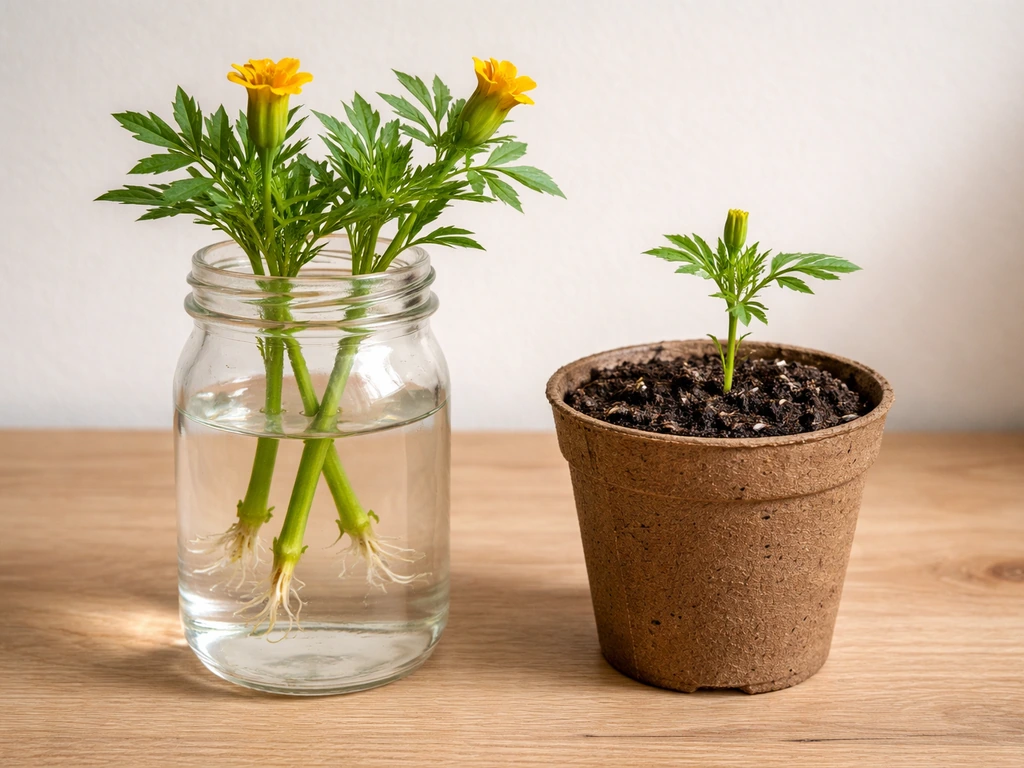
Marigolds are one of the most rewarding flowers you can grow from seed. Sow them at the right time, give them full sun and decent drainage, and they'll reward you with non-stop color from early summer until frost. The whole process from seed to blooming plant takes about 8–10 weeks, and once you've done it once, you'll wonder why you ever bought transplants.
Marigolds How to Grow From Seed to Blooming Plants

Marcus Holloway
2 May 2026
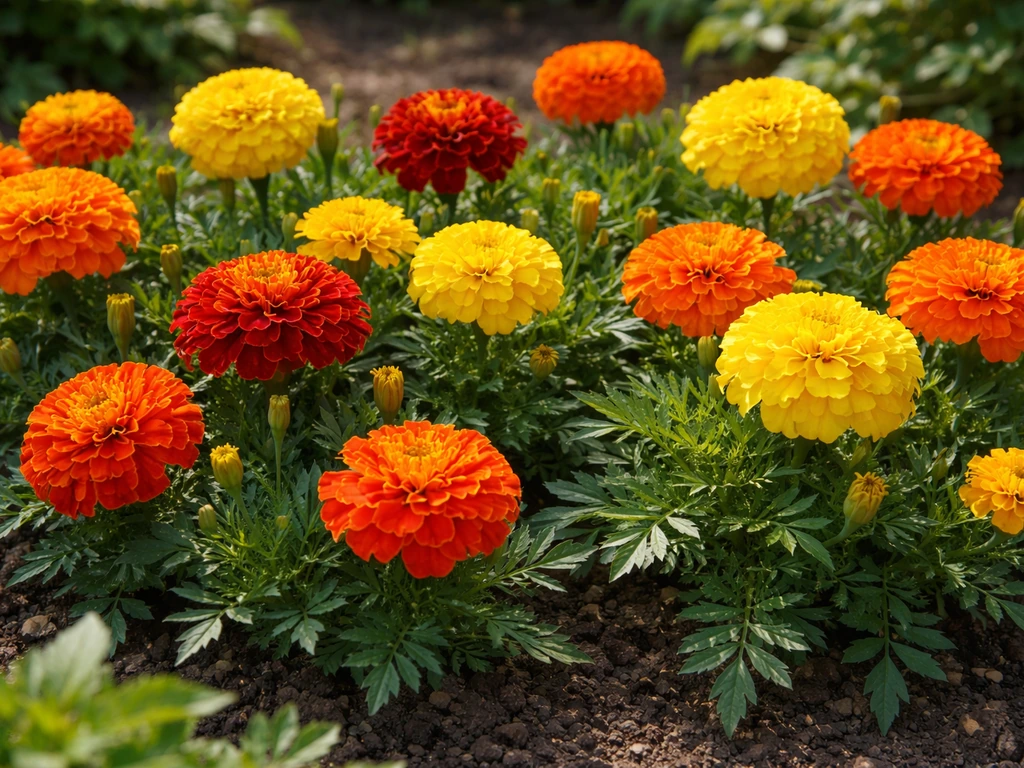
Pick your marigold type before you do anything else
The type of marigold you grow changes everything: how tall the plant gets, where it works best, and how long it takes to bloom. There are three main types worth knowing about.
| Type | Height | Best Use | Notes |
|---|---|---|---|
| French (Tagetes patula) | 6–18 inches | Edging, containers, small beds | Compact, bushy, early to bloom, very beginner-friendly |
| African (Tagetes erecta) | 1–4 feet | Back of borders, cut flowers, large beds | Bigger blooms, needs longer season, harder to start late |
| Signet (Tagetes tenuifolia) | 1–2 feet | Containers, edging, herb gardens | Masses of tiny flowers, feathery foliage, edible blooms |
If you're a beginner, start with French marigolds. They're forgiving, fast, and compact enough to work in pots or garden beds. African marigolds produce those big, showy pom-pom blooms you see at markets, but they need a longer growing season and are more sensitive to early-season mistakes. Signet marigolds are a great pick for containers or edging if you want a slightly different look with finer-textured foliage and a lemony scent.
For containers specifically, French or Signet types are the practical choice. African marigolds can get top-heavy and floppy in pots. In open garden beds, all three types work well, though African types really shine when given plenty of space and a long, warm summer.
When to sow: indoors vs. direct in the ground
Timing is the most important decision you'll make. What do marigolds need to grow? Focus on warm temperatures, full sun, and well-drained soil for the best results. For the fastest growth, you can also follow tips on how to make marigolds grow faster. Marigolds are warm-season annuals and do not tolerate frost, so everything works backward from your last expected frost date. If you don't know yours, look it up for your zip code before you plan anything.
Starting indoors
Starting indoors gives you a head start, especially if you're growing African marigolds (which need more time) or if your summers are short. For example, UMN Extension’s “Starting seeds indoors” guide recommends starting African marigolds indoors around mid-March in Minnesota African marigolds (which need more time). Aim to sow indoors 4–6 weeks before your last frost date. Some sources recommend up to 6–8 weeks, and the University of Minnesota Extension even suggests up to 10 weeks for certain situations, but in practice 4–6 weeks hits the sweet spot. Go too early and your seedlings get leggy and root-bound before it's warm enough to plant out.
Direct sowing outdoors
Direct sowing is perfectly viable for marigolds, especially French types. Wait until after your average last frost date when the soil has warmed up. Marigolds germinate quickly in warm soil (typically 5–7 days at 70–75°F), so you don't lose as much time as you might think. In warmer climates, direct sowing is honestly the easier route. In short-summer climates, start indoors to guarantee blooms before fall arrives.
How to sow marigold seeds the right way
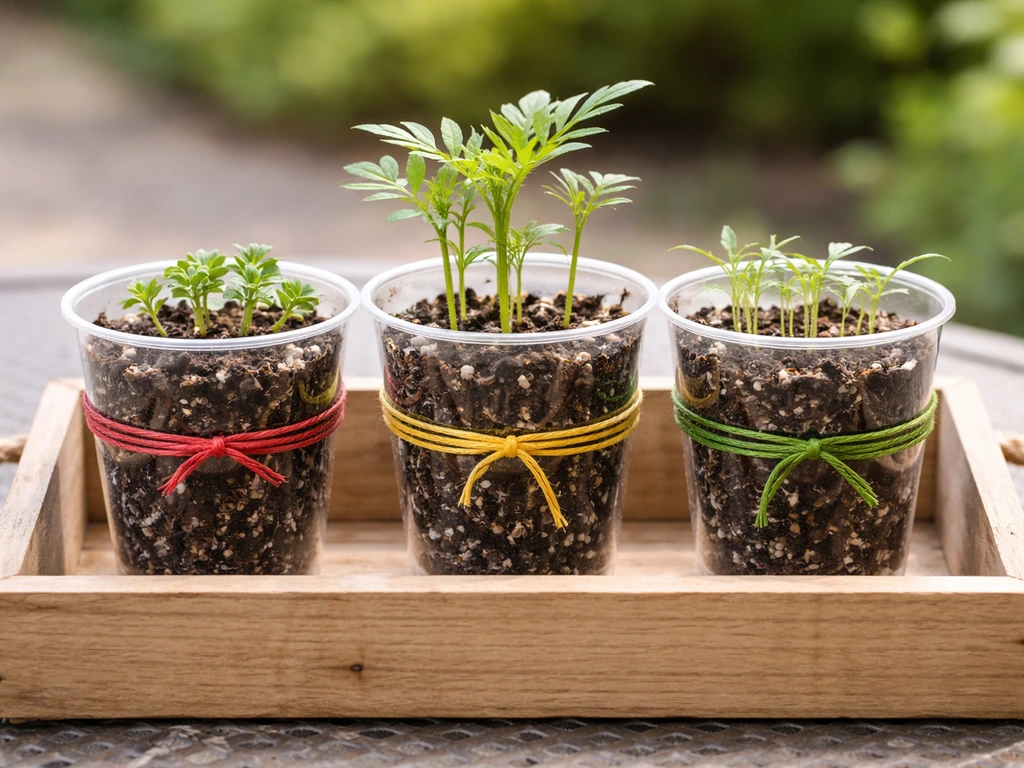
Starting seeds indoors
- Fill a 72-cell seedling tray (or small pots) with fresh, sterile seed-starting mix. Do not use garden soil or potting mix with heavy bark chunks. Sterile mix dramatically reduces damping-off risk.
- Moisten the mix before sowing so it's damp but not dripping. Water sitting on the surface invites disease.
- Place one or two seeds per cell, pressing them onto the surface, then cover with about 1/4 inch of mix. Seeds need to be fully covered to germinate well.
- Set the tray somewhere warm: 70–75°F is ideal. A heat mat speeds things up. Don't put them under grow lights yet, just keep them warm and check daily.
- Mist or bottom-water to keep the surface barely moist. Avoid overhead watering that keeps the surface soggy — that's how damping-off starts.
- Once sprouts appear (usually 5–7 days), move them immediately under bright light: a grow light 2–3 inches above seedlings, or a very sunny south-facing window. Without enough light they'll go leggy fast.
- Keep the soil temperature warm and avoid letting seedlings sit in cold drafts or on cold windowsills.
Direct sowing in the garden
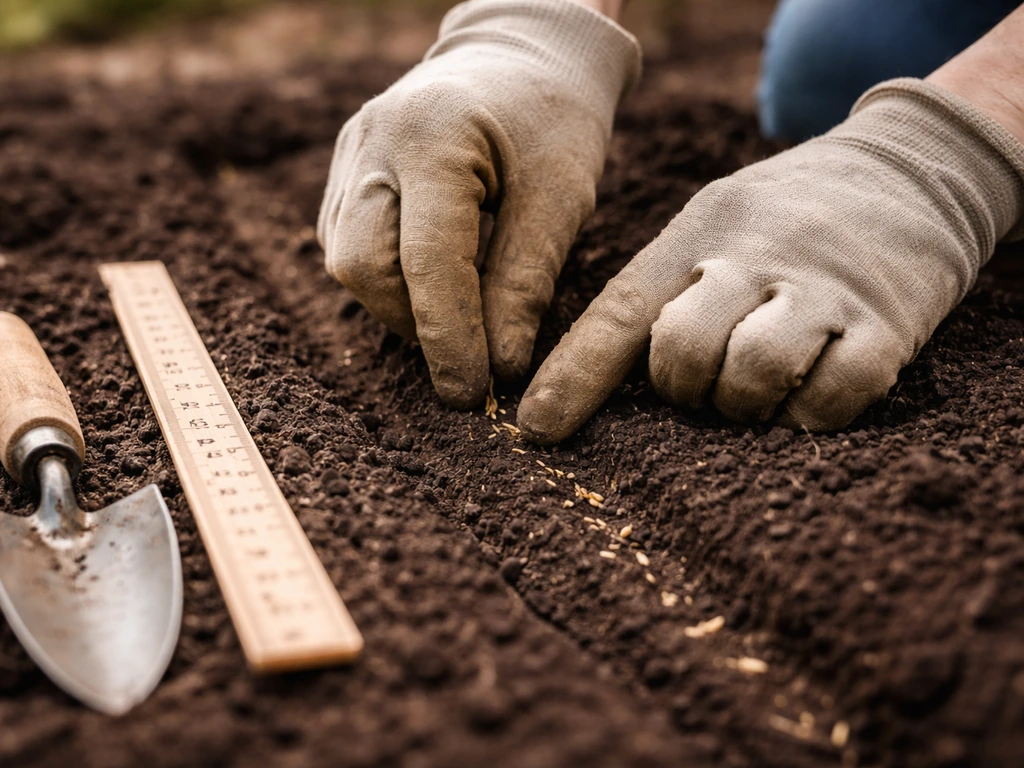
- Wait until after the last frost date and the soil feels warm to the touch.
- Loosen the soil to about 6 inches deep, remove debris, and rake it smooth.
- Sow seeds about 1/4 inch deep. Don't plant deeper: marigold seeds are small and need to be close to the surface to push through.
- Space seeds or thin to 8–12 inches apart for French and Signet types. African types need more room, 12–18 inches minimum.
- Water gently so seeds don't wash away. Keep the soil consistently moist until sprouts appear.
A word on damping-off
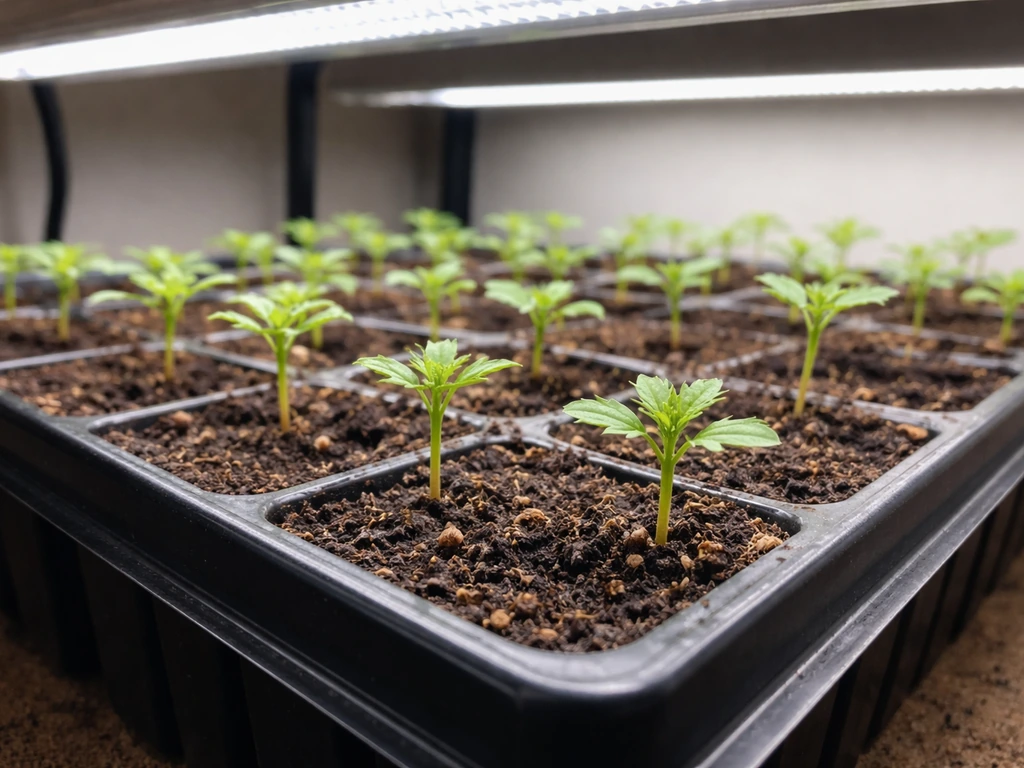
Damping-off is the main killer of marigold seedlings. It's a fungal problem that causes seedlings to collapse at the soil line, usually because the surface stays too wet, light is too low, the soil is too cold, or there are high salt levels from over-fertilizing. Use sterile mix, water from the bottom when possible, keep temps above 65°F, and don't feed seedlings until they have their first true leaves. Those four steps prevent most damping-off problems before they start.
Light, soil, and watering: the three non-negotiables
Light
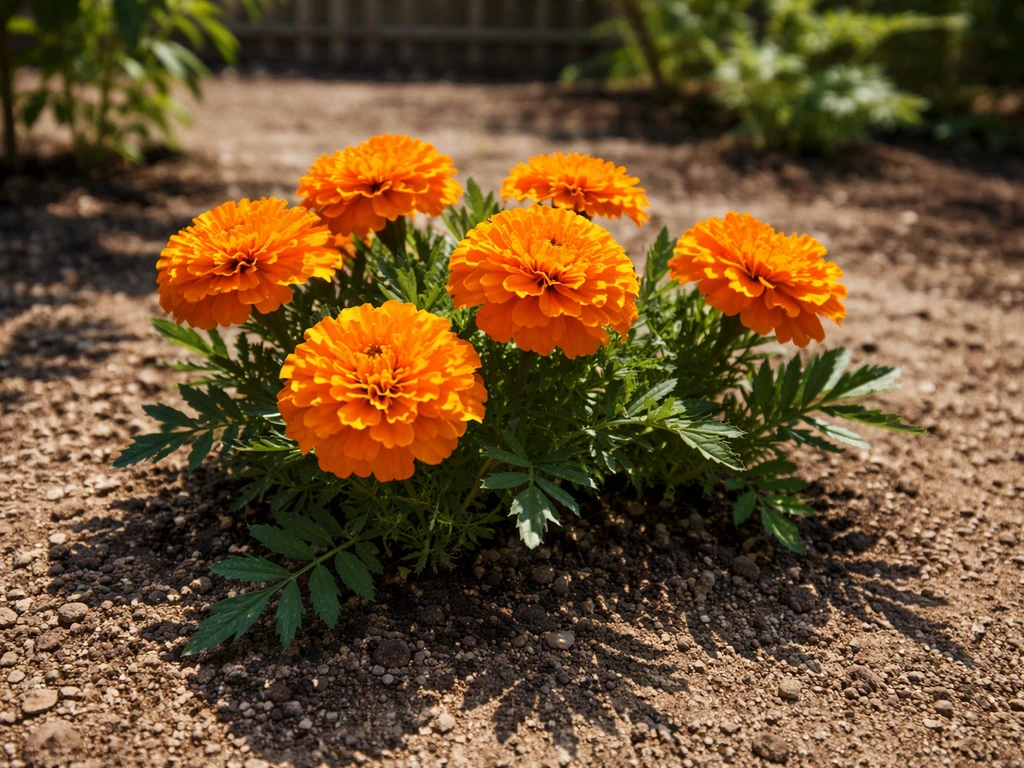
Marigolds want full sun, meaning at least 6 hours of direct sunlight per day. They'll survive in part shade, but you'll get fewer flowers and leggier plants. The more sun, the better the blooms. If you're growing them indoors as seedlings, a grow light or a genuinely bright south-facing window is the minimum. A dim north window will produce weak, stretched seedlings that never really recover.
Soil
Marigolds aren't fussy about soil quality, but they absolutely need good drainage. Standing water around the roots leads to root rot and disease. A loose, moderately fertile soil works well. Work in some compost before planting if your soil is heavy clay or very sandy. In containers, use a quality potting mix with good drainage and make sure pots have holes in the bottom.
Watering
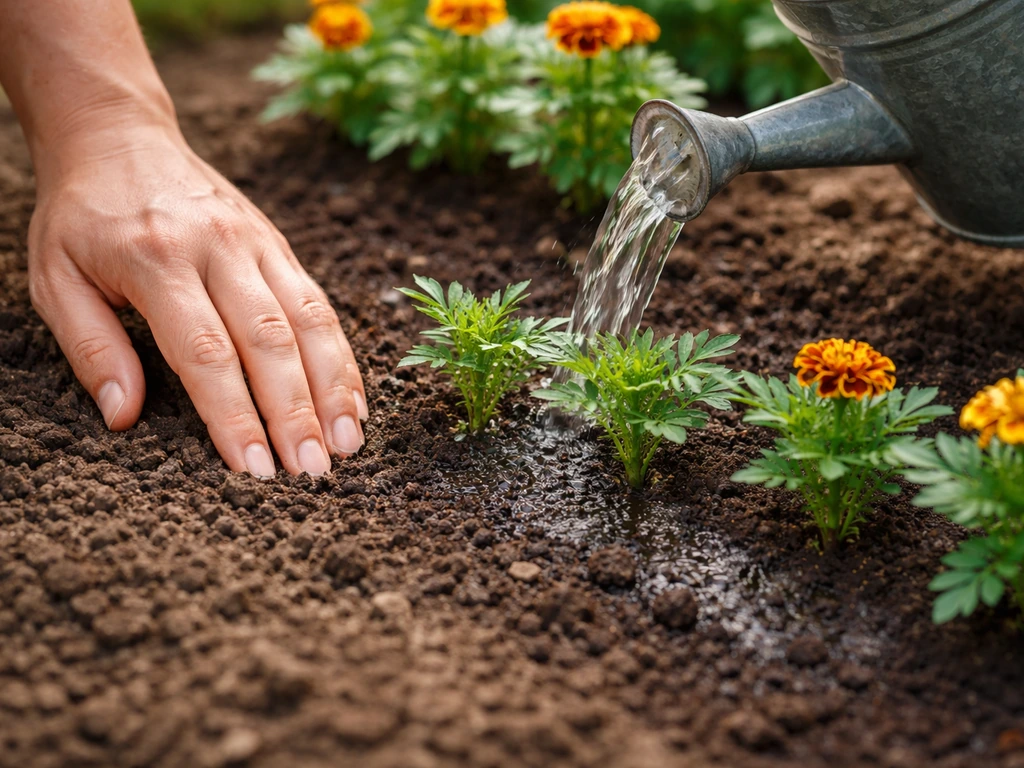
Water deeply and then let the top inch of soil dry out before watering again. Marigolds are fairly drought-tolerant once established but they do need consistent moisture while young. The most common watering mistake is keeping the soil constantly wet, which invites root rot and fungal diseases. Overhead watering in the evening is also worth avoiding: wet foliage overnight encourages Botrytis and other fungal issues. Water at the base of the plant in the morning when possible.
Thinning, transplanting, and keeping up with your plants
Thinning direct-sown seedlings
Once direct-sown seedlings are about 2 inches tall, thin them so each plant has 8–12 inches of space. It feels wasteful to pull out healthy seedlings, but crowded marigolds compete for light, air, and moisture, which leads to weaker plants and more disease. Snip thinned seedlings at the soil line with scissors rather than pulling them out, to avoid disturbing the roots of the plants you're keeping.
Transplanting indoor-started seedlings
Harden off indoor-started seedlings before planting out. Move them outside to a sheltered, shady spot for a few hours on the first day, gradually increasing outdoor time and sun exposure over 7–10 days. This acclimates them to wind, temperature swings, and direct sun. Skip this step and even healthy seedlings will sulk or get sunscald. Transplant on an overcast day or in the evening to reduce transplant stress, and water in well.
Ongoing care through the season
Marigolds are genuinely low-maintenance once they're established. Weed regularly while plants are small (they can't compete with aggressive weeds early on), but once they fill in, they shade the soil and weeds become less of a problem. Pinching the growing tip on young plants when they're about 6 inches tall encourages branching and a fuller, more compact plant with more flower sites. Pinching the growing tip and keeping plants from getting leggy can help your marigolds grow taller and fuller. This is especially useful for African types that can otherwise get tall and floppy.
Feeding for flowers, not just foliage
Work a balanced, general-purpose fertilizer with equal N-P-K numbers (something like 10-10-10) into the soil at planting time. That's usually all marigolds need for the season. Here's the important caveat: blank" rel="noopener noreferrer">over-fertilizing, especially with high-nitrogen fertilizers, pushes the plant to produce lots of lush green leaves at the expense of flowers. If your marigolds are big and bushy but blooming poorly, too much nitrogen is often the cause. If your marigolds are struggling, it can help to troubleshoot the exact reasons they might not grow, from light and soil to watering and timing blooming poorly. Less is genuinely more with marigolds. If you're growing in containers, a light feeding every 4 weeks with a balanced liquid fertilizer is reasonable, since nutrients leach out faster in pots. If you’re choosing container plants to pair with marigolds, also review what to grow with marigolds so you can plan compatible neighbors that share the same light and watering needs.
Also worth noting: high fertilizer salt levels in the soil raise the risk of damping-off in seedlings and can stress established plants. Stick to the label rate and don't assume more food means more flowers. With marigolds, it almost never does.
Keeping plants blooming all season long
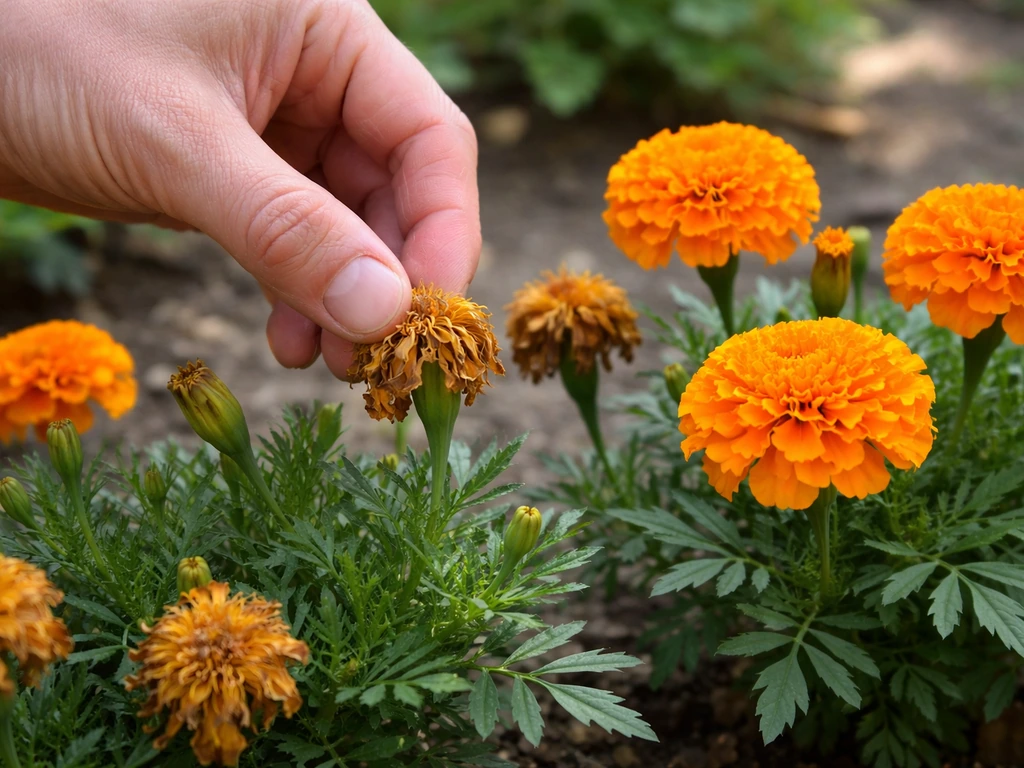
Marigolds don't strictly require deadheading, but if you want continuous blooms, it makes a real difference. When a flower fades and starts to form a seed head, the plant shifts its energy toward producing seed rather than new flowers. Snipping off spent blooms before that happens redirects that energy back into producing more flower buds. In practice, a quick pass through your marigolds every week or so to pinch off faded flowers keeps the display going much longer than leaving them alone.
If your marigolds are getting leggy mid-season, either they're not getting enough sun, or the plants are just naturally tall varieties. A hard pinch back by about one-third can reinvigorate a leggy plant and encourage fresh bushy growth. Water and a light feed after cutting back helps too. This is one of those techniques that feels drastic but works well in practice.
Pests and diseases to watch for
Common pests
- Aphids: Small soft-bodied insects that cluster on new growth and under leaves. A strong blast of water knocks most of them off. Insecticidal soap works for heavier infestations.
- Whiteflies: Tiny white flying insects that congregate on the undersides of leaves. Sticky yellow traps help monitor them; neem oil or insecticidal soap can reduce populations.
- Spider mites: More common in hot, dry conditions. Look for fine webbing on the undersides of leaves and a speckled, dusty look to foliage. Regular watering and increased humidity deter them.
Common diseases
- Botrytis blight (gray mold): Gray fuzzy mold on flowers and stems, usually triggered by cool, wet, or humid conditions. Remove affected parts immediately, improve air circulation, and avoid watering foliage.
- Powdery mildew: Pale, whitish or yellowish powdery coating on leaves. Most common in warm days and cool nights. Improve air circulation by thinning crowded plants and avoid overhead watering.
- Septoria leaf spot: Small brown spots with lighter centers on leaves, spreading upward from the base. Remove affected leaves and keep the soil surface clean of plant debris.
- Damping-off (in seedlings): Seedlings collapse at soil level. Caused by fungal pathogens favored by wet, cold, low-light conditions. Prevention is the only real fix: sterile mix, warmth, good air movement, and careful watering.
- Root and crown rots (Fusarium, Pythium): Plants wilt and die despite adequate water. Almost always linked to poor drainage or persistently wet soil. There's no cure once it's established, so improve drainage before replanting.
The single best disease-prevention habit is sanitation: remove dead or rotting flowers and leaves promptly, don't let plant debris pile up at the soil surface, and space plants properly so air can circulate. Most marigold disease problems come down to moisture sitting where it shouldn't.
Saving seeds for next year
One of the most satisfying things about growing marigolds is that collecting seeds for next season is genuinely easy. Toward the end of summer, instead of deadheading every flower, let some of your best-looking blooms fully mature and dry on the plant. You're looking for a spent flower head that has turned papery and brown, with the petals withered and dry.
- Choose seed heads on healthy, vigorous plants with the flower form and color you want to repeat.
- Wait until the seed head is fully dry and papery, ideally on a dry day.
- Pinch or snip the whole seed head off and bring it indoors.
- Pull the seed head apart over a tray or paper towel. Each seed looks like a thin, elongated sliver, dark at one end with a pale papery tip.
- Let the seeds air-dry on the tray for another week or two in a warm, dry spot out of direct sun.
- Store in a paper envelope (not a sealed plastic bag, which traps moisture) labeled with variety and date. Keep in a cool, dry place through winter.
- Test germination in early spring before committing to a full sowing.
One thing to note: if you're growing hybrid marigold varieties (most commercial varieties are F1 hybrids), the seeds you save won't produce plants identical to the parent. You'll still get marigolds, but the flower size, color, or form may vary. Open-pollinated or heirloom varieties like 'Crackerjack' or 'Lemon Gem' come true from seed and are worth seeking out if seed saving matters to you.
Your marigold growing checklist
- Choose your type: French for compact/containers, African for tall/showy, Signet for finer texture and edible flowers.
- Find your last frost date and count back 4–6 weeks to set your indoor sowing date.
- Sow indoors in sterile seed-starting mix, 1/4 inch deep, in 72-cell trays. Keep warm (70–75°F) until germination.
- Move seedlings under bright light immediately after sprouting. No bright light equals leggy, weak plants.
- Harden off for 7–10 days before transplanting outside after last frost.
- For direct sowing: wait until after last frost, sow 1/4 inch deep, thin to 8–12 inch spacing.
- Plant in full sun with well-draining soil. Work in a balanced fertilizer at planting.
- Water deeply but infrequently. Let the top inch dry out between waterings.
- Pinch growing tips at 6 inches tall for bushier plants.
- Deadhead spent blooms weekly to keep flowers coming all season.
- Watch for aphids, whiteflies, gray mold, and powdery mildew. Catch problems early.
- Let a few late-season flowers dry completely on the plant, then harvest and store seeds for next year.
FAQ
How many marigold seeds should I plant per spot, and how deep should they go?
For each intended plant location, sow 2–3 seeds and thin later to the strongest seedling. A typical sowing depth is about 1/4 inch (6 mm), then lightly cover and water in gently to settle soil around the seeds.
Do marigolds need to be covered or kept in the dark to germinate?
They do not need darkness, but they do need consistent warmth and moisture at the surface. Keep the soil lightly moist until germination, then shift to your normal “water deeply, dry the top inch” rhythm once seedlings are up.
What’s the best way to prevent leggy marigolds without changing everything else?
First confirm they’re getting at least 6 hours of direct sun. If they’re indoor seedlings, increase light intensity (closer grow light or a brighter window) before transplanting. A later pinch (when plants are around 6 inches tall) helps, but light is the main driver.
My marigolds are blooming poorly, but the plants look healthy. What’s the most likely cause?
Over-fertilizing, especially with nitrogen-rich fertilizer, is the most common culprit. If you suspect this, stop feeding, avoid compost “top dressing” with extra nutrients, and focus on maximizing sun and using a balanced fertilizer only at label rates (containers need more careful, lighter feeding).
How do I know if my seedlings are suffering from damping-off vs. underwatering?
Damping-off usually looks like collapsed seedlings at the soil line, often with a sudden failure after a period of cool, wet conditions. Underwatering typically causes slow wilting and dry, pulling soil rather than collapse at the stem base.
Can I reuse potting mix or trays for marigolds?
It’s safer not to reuse seed-starting mix for new seedings, because damping-off spores can persist. If you do reuse containers, scrub them well and consider replacing old seed-starting mix with fresh, sterile mix for the next sowing.
Should I soak marigold seeds before planting?
Usually no. Marigolds germinate quickly in warm soil, and soaking can make them more prone to rot if temperatures are borderline. If you want to experiment, keep the soak brief and plant immediately after, but follow warmth and surface moisture over soaking for best results.
How far apart should I plant marigolds, and does spacing differ by type?
As a general rule, thin to 8–12 inches for most French and signet types. African marigolds often need more room because they can get taller and broader, so increase spacing if the variety description suggests a larger mature width.
What’s the best time of day to water marigolds to reduce disease?
Morning watering at the base of the plant is the easiest way to keep foliage drier overnight. If you must water later, aim to water at the base and avoid wetting leaves, especially when nights are cool or humid.
Can marigolds handle hot weather and humidity?
Yes, they tolerate heat well when they have full sun and good airflow. In humid regions, sanitation and spacing matter more, because crowded plants with wet foliage create conditions for fungal problems.
If I want continuous blooms, should I deadhead every flower or only the faded ones?
Only the faded blooms that are starting to form seed heads should be removed. A weekly pass works well, and the goal is to snip before the petals are fully transitioning into a papery seed head.
How do I save marigold seeds from my garden?
Let some blooms fully dry on the plant until the seed head turns papery and brown, then harvest and store in a cool, dry place. Keep in mind hybrids often do not come true, so choose open-pollinated or heirloom plants if consistency matters.
Why did my marigolds start fast, then stall after transplanting?
Transplant stress is common, especially if seedlings were not hardened off or if they were moved in strong sun or at the wrong temperature. Transplant on an overcast day or evening, water in well, and make sure the garden is warm enough for marigolds before moving them out.
Next Article
How to Grow Marigold From Stem Cutting: Step-by-Step
Learn how to grow marigold from stem cuttings, root in water or soil, avoid rot and mold, and transplant to flower.