
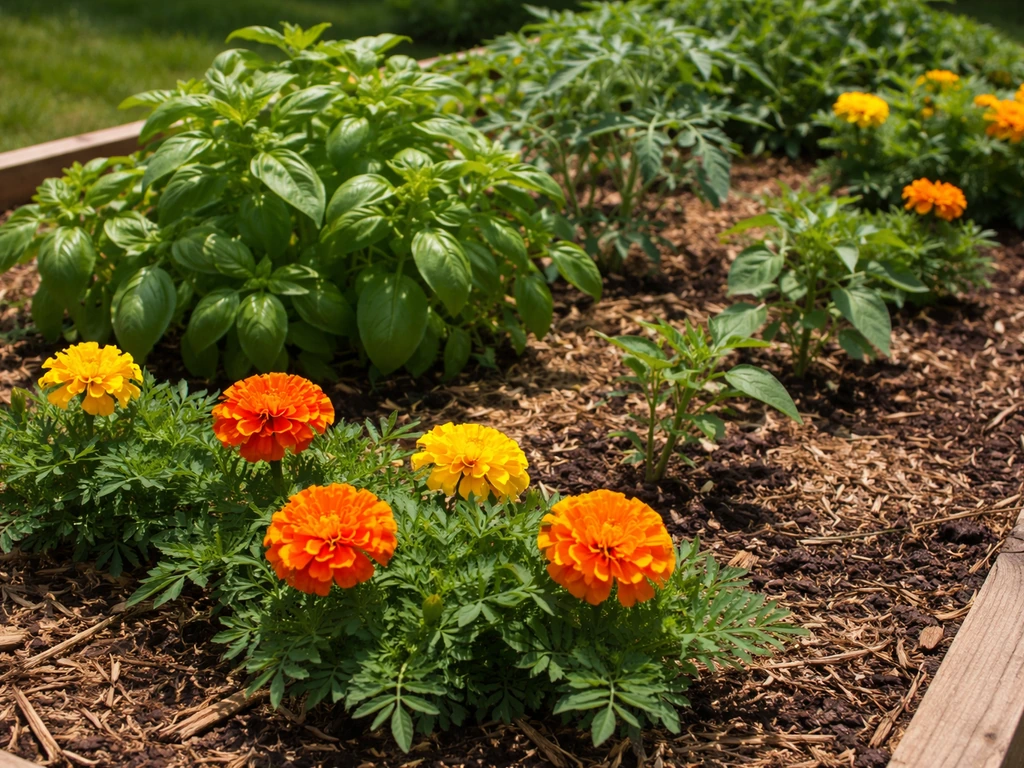
Marigolds pair best with tomatoes, peppers, basil, calendula, sweet alyssum, zinnias, and most brassicas. If you're wondering marigolds how to grow, start by matching the bed to their full-sun, warm, well-drained preferences. They work well with a wide range of vegetables and flowers, but they genuinely struggle next to beans, fennel, and plants that need shade or consistently moist soil. The good news is that once you know the logic behind the pairings, choosing companions becomes pretty intuitive.
What to Grow With Marigolds: Best and Worst Companions

Marcus Holloway
30 May 2026
Best companion plants for marigolds
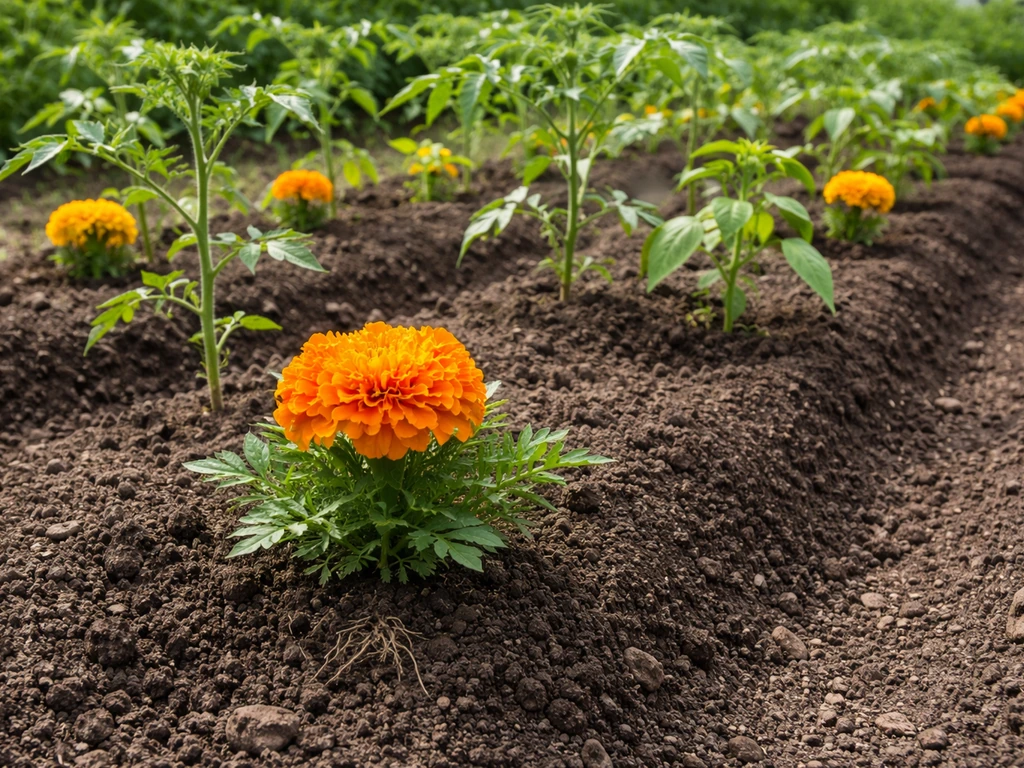
Marigolds are unusually flexible companions because they offer something real: their roots produce a compound called alpha-terthienyl that can suppress root-knot nematodes in the soil, their scent puts off deer and rabbits, and their open flowers feed bees and hoverflies. That means the best companions are plants that benefit from one or more of those things, and that don't compete hard for the same resources. If you want stronger results from these companion choices, also review how to help marigolds grow so your beds have the right light, watering, and timing for maximum flowering.
Tomatoes and peppers
This is the classic pairing for good reason. Tomatoes and peppers are vulnerable to root-knot nematodes, and planting French marigolds (Tagetes patula) nearby gives some real nematode suppression, especially when marigolds are grown densely in the bed before the crop goes in. There's also evidence from greenhouse and field studies that marigolds combined with basil can reduce thrips pressure on tomatoes. French marigolds stay compact at 6 to 12 inches, so they won't shade out your tomato plants either.
Brassicas (cabbage, broccoli, kale)
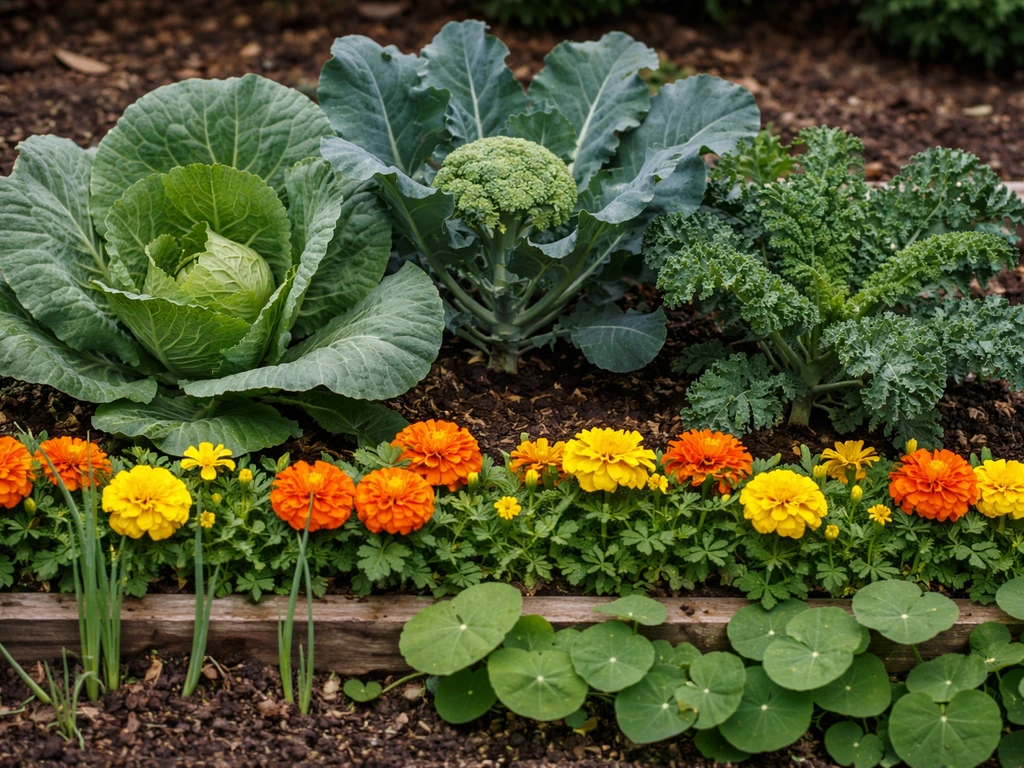
Cabbage, broccoli, and kale benefit from marigolds as a border plant. The combination of marigold, onion, and nasturtium has been noted to help reduce cabbage worm pressure. Marigolds won't do all the heavy lifting, but as part of a diverse planting they add useful pest-deterrent effect, and the pop of orange or yellow against blue-green brassica leaves is genuinely lovely.
Basil
Basil and marigolds are a natural team. Both need full sun and warm temperatures, so their growing conditions align perfectly. Basil's strong scent adds another layer of pest deterrence alongside the marigold's own aroma. Plant them together in your cutting or kitchen garden and you get a low-maintenance duo that also looks great.
Calendula
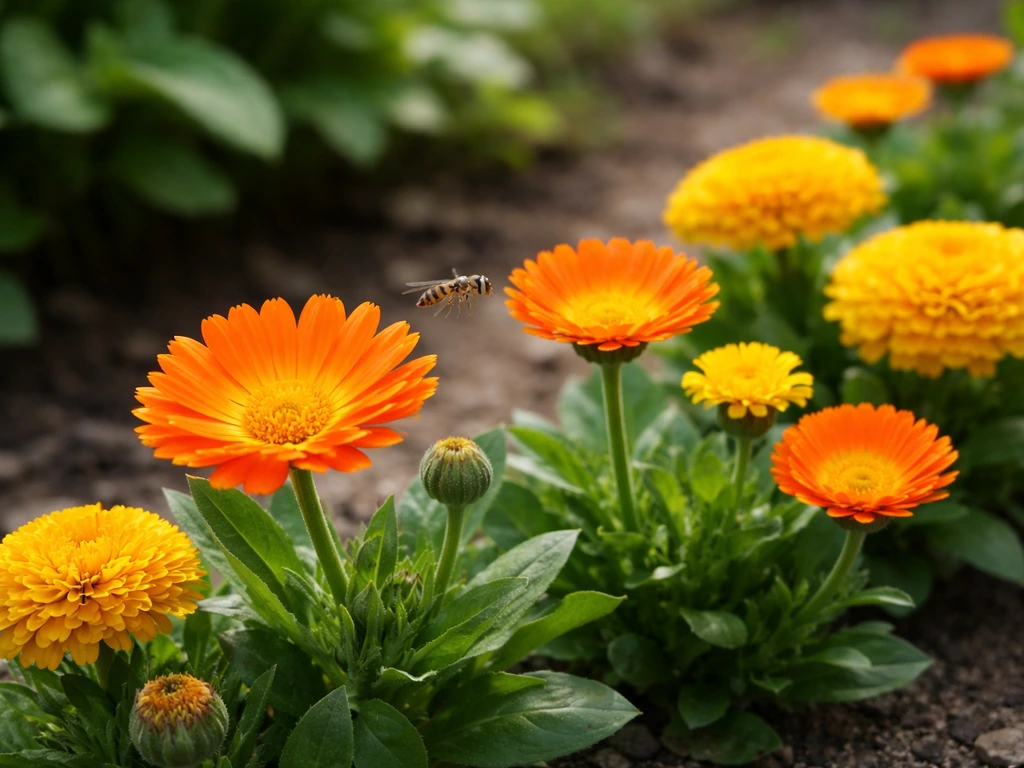
Calendula is one of the best flower companions for marigolds. Both attract a wide range of beneficial insects, including hoverflies and parasitic wasps that prey on aphids. Calendula spacing is typically around 16 inches, so give each plant room and they won't crowd the marigolds. Visually, orange calendula and yellow or bi-color marigolds complement each other really nicely in a cutting border.
Sweet alyssum
Sweet alyssum is a low, compact plant with a long growing season, making it ideal for filling gaps at the front of a marigold border or tucking between rows in a vegetable bed. It's inexpensive, easy to grow, and attracts beneficial insects throughout the season. Because it stays low and doesn't compete aggressively, it pairs well with both French marigolds and larger African types.
Zinnias and cosmos
If you're building a cutting garden or a pollinator border, zinnias and cosmos are excellent companions for marigolds. They all need full sun, warm conditions, and well-drained soil. Together they extend your season of color and keep pollinators moving through the garden from early summer right into autumn.
Borage
Borage is a powerful pollinator magnet that draws bees consistently and reliably. Plant it near marigolds to pull more beneficial insects into your garden, but keep one thing in mind: borage can get large (18 to 24 inches or taller), so position it where it won't shade the marigolds, which need full sun to flower well.
Plants and crops to avoid near marigolds
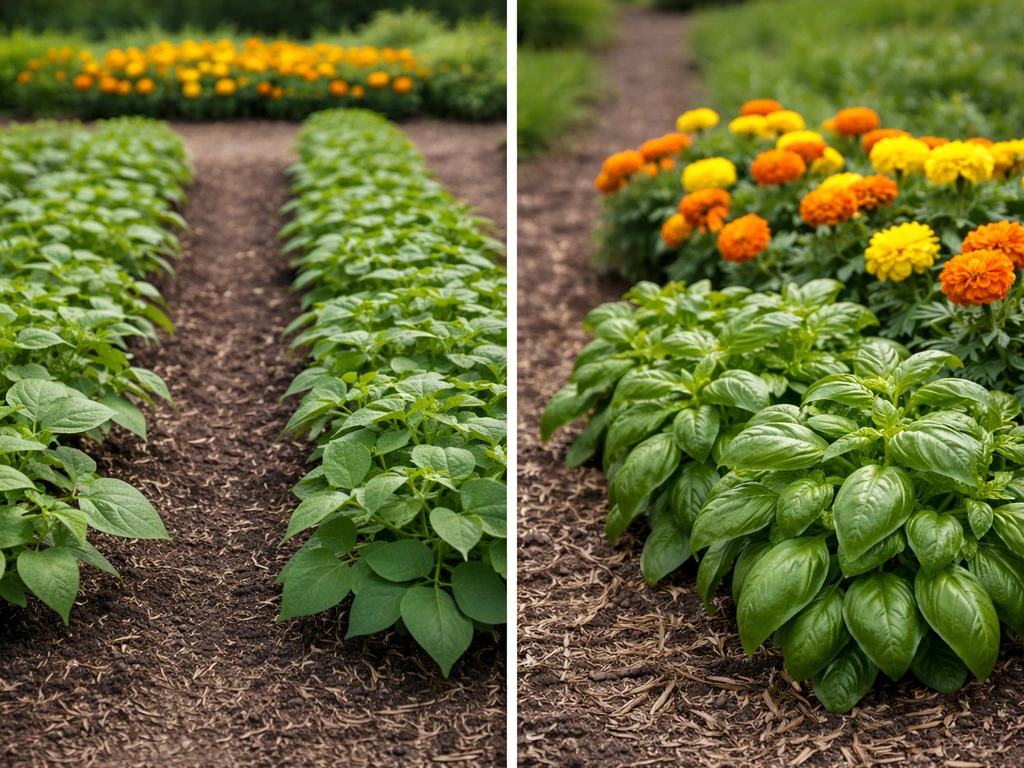
Marigolds are pretty agreeable, but there are a few plants that genuinely don't mix well with them, either because of direct growth interference or conflicting needs.
- Beans: This is the most important one to remember. Marigolds can inhibit bean growth, so keep them well separated. Beans and marigolds are simply not good neighbors.
- Fennel: Fennel is notoriously bad with most plants in the garden, and marigolds are no exception. Fennel tends to produce allelopathic compounds that suppress neighboring plants. Keep fennel in its own container or isolated bed.
- Shade-tolerant plants: Marigolds need full sun to thrive and flower. Pairing them with shade lovers like impatiens or ferns creates a mismatch in light requirements. One of them will struggle, and it's usually the marigold that flowers poorly.
- Heavy feeders on rich soil: Marigolds actually bloom better in moderately fertile soil. If you're growing them next to plants that get heavily fertilized, the excess nitrogen can push marigolds toward lush foliage at the expense of flowers.
- Plants that need consistently moist or wet soil: Marigolds want well-drained soil and don't like sitting in moisture. Companions that need constant watering can cause root rot issues in the marigolds.
How to choose companions by your goal
The best way to pick your marigold companions is to decide what you actually want from the pairing. Different goals lead to different plant choices.
| Your goal | Best companions | Why it works |
|---|---|---|
| Suppress nematodes | Tomatoes, peppers, eggplant | Marigold roots release alpha-terthienyl, which can reduce root-knot nematode populations in the soil |
| Deter aphids and soft-bodied pests | Brassicas (cabbage, broccoli, kale), calendula, basil | Marigold scent deters some pests; calendula and marigolds together attract aphid-eating beneficials like hoverflies |
| Attract pollinators | Sweet alyssum, borage, zinnias, cosmos | All of these feed bees and other pollinators; marigolds add nectar and pollen as well |
| Deter deer and rabbits | Any vulnerable crop or cutting flower nearby | French marigold's strong scent tends to repel deer and rabbits from the surrounding area |
| Fill a cutting garden border with color | Zinnias, cosmos, calendula | All share sun and drainage needs; blooms span from early summer to frost |
| Improve overall biodiversity | Sweet alyssum, borage, calendula mixed through vegetable beds | Diverse plantings support a broader range of beneficial insects across the whole season |
One honest note here: some of the pest-repellent claims around marigolds are better supported by research than others. The nematode suppression effect is real and documented. The broader repellent claims (e.g., marigolds keeping all aphids or whiteflies away from any nearby plant) are less consistent, and you shouldn't plant marigolds expecting them to do all the work. Think of them as one useful layer in a diverse garden, not a silver bullet.
Spacing and planting layout for healthy marigold pairings
Getting the spacing right matters more than most beginners expect. Crowded companions compete for light and airflow, which leads to disease and fewer flowers on everyone.
- French marigolds (Tagetes patula): Space plants 6 to 8 inches apart. They top out at 6 to 12 inches tall, so they work as a front-of-border edging or tucked between taller crops.
- African marigolds (Tagetes erecta): These get much larger, often 18 to 36 inches tall. Give them 12 to 18 inches between plants and position them toward the back of a border so they don't shade smaller companions.
- Calendula: Space at 16 inches to give each plant room and prevent fungal issues. Alternate with French marigolds for a full, mixed cutting border.
- Sweet alyssum: Plant 6 to 8 inches apart as a low front edge. It naturally fills in over the season without aggressive spreading.
- Borage: Give borage 18 to 24 inches from the nearest marigolds. It grows large and needs its own space. Position it to the north of marigolds (in the Northern Hemisphere) so its height doesn't cast shade on the sun-hungry marigolds.
- Tomatoes or peppers: Plant French marigolds in a ring around each tomato plant or in a dense border row between beds. For nematode management, the denser the marigold planting, the better the soil effect.
A practical layout for a mixed vegetable and flower bed: run a row of French marigolds along the front edge, interplant sweet alyssum between them, put your tomatoes or brassicas in the center, and tuck calendula or borage at the back or corners. This layers plants by height, maximizes sun exposure for everyone, and creates overlapping pest-deterrent and pollinator benefits across the whole bed.
For cutting gardens, a good approach is to use African marigolds as mid-border anchors and French or signet marigolds as edge plants, with zinnias and cosmos filling the middle ground. Avoid planting so tightly that air can't move through, especially in humid climates where botrytis and powdery mildew are a risk.
Timing: when to sow and plant marigolds with companion crops
Getting your timing lined up between marigolds and their companions saves a lot of frustration later. Here's how to coordinate it.
Starting marigolds indoors
Marigold seeds can be started indoors about 4 to 6 weeks before your last frost date (some sources go up to 10 weeks for very early starts). Germinate them at around 65 to 75°F during the day and 65 to 70°F at night. They're fast germinators, usually sprouting within 5 to 7 days. Transplant outside after all danger of frost has passed.
Syncing with companion crops
If you're pairing marigolds with tomatoes or peppers, start both at roughly the same time indoors. Tomatoes typically go in 6 to 8 weeks before last frost, so French marigolds started at 4 to 6 weeks will be ready to transplant at nearly the same time. Plant them out together once the frost risk is gone.
For brassicas, which are cool-season crops that go out weeks before your last frost date, you'll be working in two phases. Get your brassicas in early, then transplant marigold seedlings alongside them once overnight temperatures stay consistently above 50°F. French marigolds can tolerate cool but not frosty conditions.
Calendula is a cool-season flower and can go out earlier than marigolds, even tolerating light frost. Sow calendula direct or transplant it while you're still waiting to harden off your marigold seedlings. This actually works in your favor: calendula gets established first, starts attracting beneficials, and then marigolds follow to extend the season.
Sweet alyssum can be direct-sown around the last frost date or started indoors a few weeks earlier. It germinates fast and doesn't need a head start the way marigolds do. Borage is best direct-sown once the soil has warmed, as it doesn't transplant well.
The nematode timing trick
If your main goal is suppressing nematodes for a tomato or pepper bed, the timing trick is to plant marigolds densely in that bed for 60 to 90 days before your main crop goes in. This gives the root-produced alpha-terthienyl time to build up in the soil. This SpringerLink study attributes root-knot nematode suppression to thiophenes such as alpha-terthienyl, which can generate oxygen radicals when activated. This means starting marigolds very early (as a pre-crop) or using a section of your garden purely as a marigold bed one season before rotating your tomatoes into it the next.
Practical troubleshooting when marigolds don't seem to help
If you've planted marigolds with companions and things aren't working the way you hoped, here are the most common reasons and what to do about them.
Marigolds aren't flowering much
If your marigolds have lush green growth but few flowers, excess nitrogen is almost always the culprit. This often happens when marigolds are planted next to heavily fertilized vegetables. Scale back feeding, or stop fertilizing the marigolds altogether. Marigolds bloom better in moderately fertile, even slightly lean soil. Also check that they're getting full sun: marigolds in partial shade flower significantly less, which undercuts their pollinator value. Deadhead spent blooms regularly to keep new flowers coming.
Companion plants seem stunted or struggling next to marigolds
If a companion looks stunted, check first whether you've accidentally planted beans nearby (marigolds and beans are a poor pair), or whether overcrowding is limiting airflow and root space. Also check soil drainage: both marigolds and most companions dislike waterlogged soil. If a plant consistently sulks next to marigolds despite good conditions, move it. Some combinations just don't work in your specific microclimate, and that's fine.
Pests are still a problem despite marigolds
Marigolds are not a force field. If you're still seeing significant aphid or caterpillar pressure on neighboring plants, that's normal and expected. Marigolds are one tool in the box, not a complete solution. Layer your approach: add calendula and sweet alyssum to bring in more aphid predators, consider physical barriers or row cover for serious pest pressure, and check that your marigolds are flowering well (non-flowering plants offer very little beneficial insect value).
Nematode problems persist even with marigolds
The nematode suppression effect of marigolds is real but variable. It depends on the marigold species and variety, the nematode species present, and how densely and how long the marigolds were grown. French marigold (Tagetes patula) is the most documented for this effect. A single row of marigolds at the edge of a bed for one season is unlikely to dramatically reduce a heavy nematode load. Dense plantings grown in situ for 60 to 90 days, followed by incorporation of the plant material into the soil, give the best results. If nematodes are a serious problem, treat marigolds as a rotation strategy rather than a one-season fix.
Marigolds look leggy or spindly
Leggy marigolds are almost always a light problem. If they're being shaded by a taller neighbor (a common issue when borage or African marigolds get large), they'll stretch toward the light and produce fewer blooms. If you want marigolds to grow tall, focus on light, avoid overcrowding, and pick varieties that naturally reach the height you’re after. Pinch the growing tips early in the season to encourage bushier growth, and if needed, relocate smaller marigold plants away from shade-casting companions. Getting the height layering right in your layout from the start (as described in the spacing section) prevents most of this.
The broader point here is that marigolds perform best when their own growing conditions are right: full sun, well-drained soil, moderate fertility, and consistent deadheading. If you're troubleshooting companion planting problems, start by making sure the marigolds themselves are healthy and flowering well. A stressed, shaded, or nitrogen-overloaded marigold contributes almost nothing to the companion planting equation.
FAQ
Can I grow marigolds with any type of beans, or are there exceptions to the “avoid beans” rule?
In general, skip beans because they tend to interfere with marigold performance. If you must trial it, do it away from your main crop area and keep marigolds in full sun with moderate feeding, since bean vigor and moisture needs can quickly create overcrowding or overly rich soil.
Do marigolds help with nematodes if I plant them only around the edges?
Edge planting helps at best modestly, especially if the marigolds only occupy the bed briefly. For meaningful suppression, plan a true pre-crop or dense in-bed planting for 60 to 90 days, then rotate your crop into that same section.
What’s the minimum spacing I should use for marigolds when interplanting companions?
Keep airflow in mind. For most companion setups, avoid “carpeting” the bed. A practical rule is to give taller companions enough distance that marigolds get full sun and root space, then adjust based on your climate humidity (closer spacing increases disease risk).
Should I deadhead marigolds even if my goal is pest reduction, not flowers?
Yes. Non-flowering plants attract fewer beneficial insects, and marigolds that don’t keep blooming often indicate stress or low light. Deadheading also encourages continuous flushes, which maintains the pollinator and predator layer you are relying on.
How do I choose between French, African, and signet marigolds for companion planting?
French marigolds are typically the best all-around choice for bed companions and nematode suppression timing. African marigolds act more like mid-border anchors because they get larger, and signet types are useful for edging and lower, tighter spacing. Match the variety to height and sun access first, then to your pest goal.
If marigolds are thriving but the neighboring vegetables still get pests, what should I do next?
Treat marigolds as one layer, not a full solution. First verify marigolds are actually flowering well. Then add another biological layer (like calendula and sweet alyssum for beneficial insects) and consider physical barriers such as row cover for outbreaks, especially on young plants.
Will marigolds compete with basil or tomatoes for water?
They can if the bed is over-fertilized or stays wet too long. Marigolds do best in well-drained soil, so use watering practices that keep the marigolds from sitting in moisture. For shared beds, target deep, infrequent watering for thirstier crops while ensuring drainage allows marigolds to dry back.
Can I start marigold seeds at the same time as tomatoes, even if I’m growing brassicas earlier?
Yes, but split your plan. For brassicas, get them established first, then add marigold seedlings once nights are reliably above about 50°F. For tomatoes and peppers, start marigolds roughly on the same indoor schedule so both transplant after frost risk passes.
Why are my marigolds growing tall and floppy, and what fix works fastest?
Most leggy marigolds are a light or crowding problem, often from a taller companion shading them. Increase light exposure, thin nearby plants, and if needed pinch early growth to encourage branching. Relocating the marigolds away from shade-casting plants is usually the quickest fix.
Do marigolds still work as companions if my soil is very poor or very rich?
They tolerate a range, but extremes reduce performance. In very rich soil (especially nitrogen-heavy), marigolds often grow lush with fewer flowers. In very poor soil, flowering can also lag. Aim for moderate fertility, and adjust feeding before assuming the companion choice is “not working.”
Is it better to transplant companions between marigold plants, or place companions at the border and let marigolds fill in?
Either can work, but match to the companion’s growth habit. Low fillers like sweet alyssum fit well in the front and between rows. Higher plants like borage are better positioned where they won’t shade marigolds. A simple height-layer layout usually reduces the trial-and-error.
Next Article
How to Make Marigolds Grow Faster: A Step-by-Step Guide
Step-by-step tips to speed marigold germination and growth: timing, sowing depth, warmth, watering, feeding, and trouble