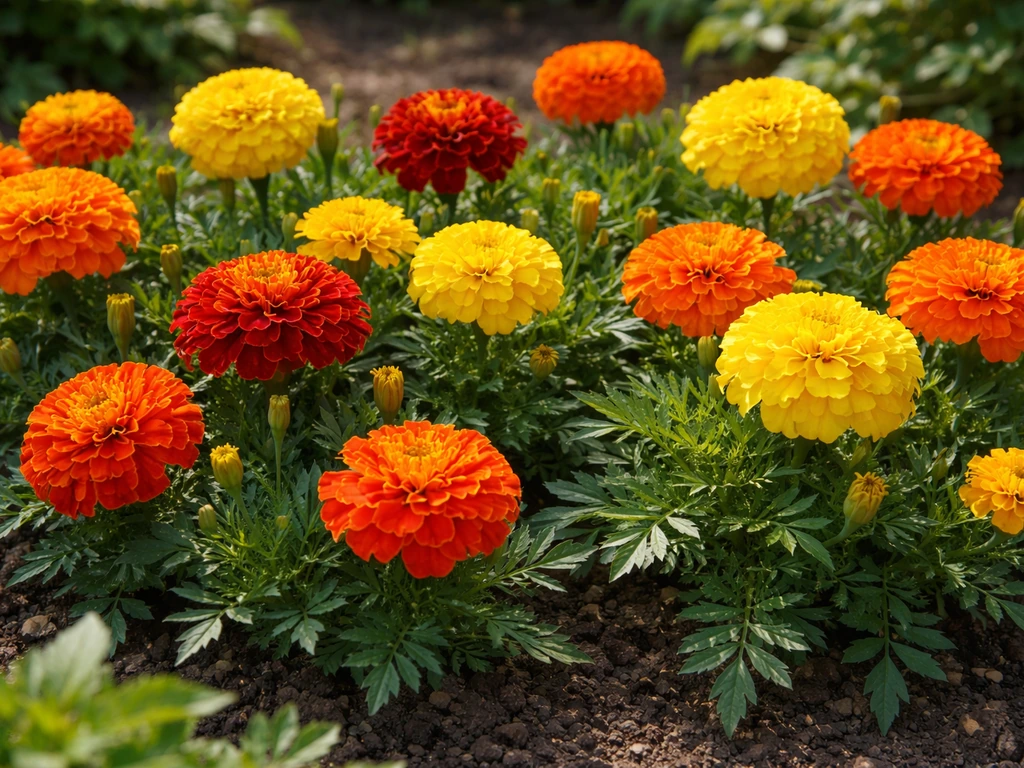
Marigolds need full sun, well-draining soil with a pH of 6 to 7, consistent but moderate watering, and warm temperatures above 65°F. Give them those four things and they'll reward you with non-stop blooms from early summer through the first frost. They're genuinely one of the easiest flowers to grow from seed, and if yours aren't thriving, it's almost always a light or drainage issue.
What Do Marigolds Need to Grow: Sun, Soil, Water, Timing
Marcus Holloway
19 May 2026
Best growing conditions for marigolds
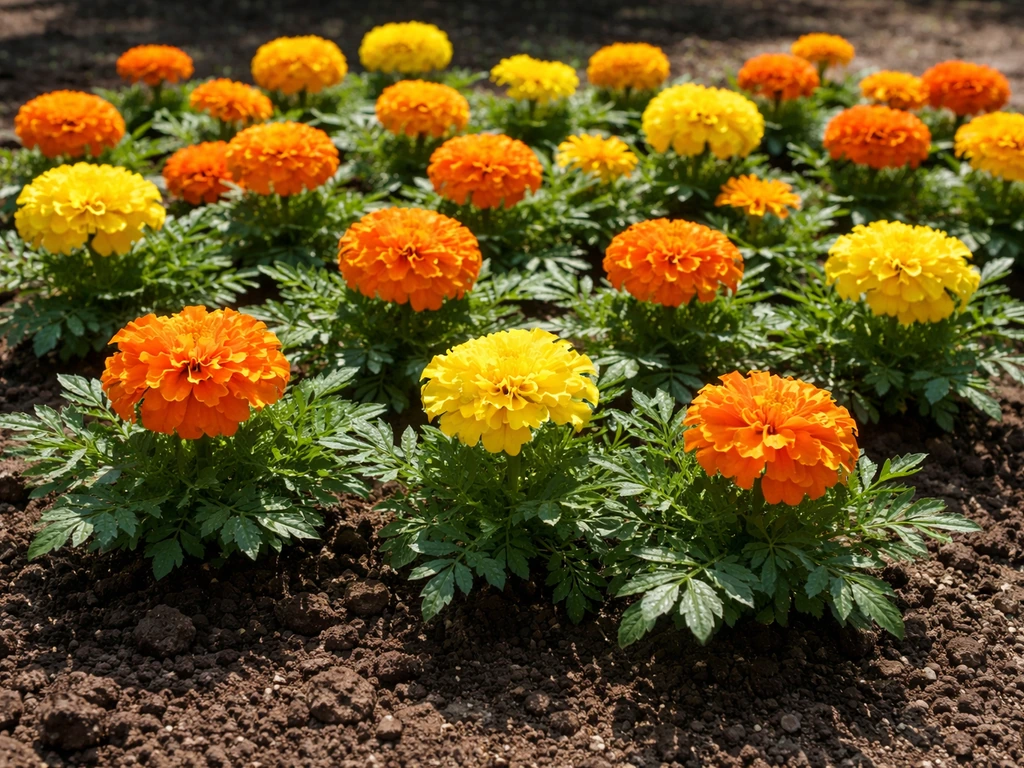
The single most important condition is sunlight. Marigolds want full sun all day, ideally 6 to 8 hours of direct light at minimum. Put them in partial shade and they'll grow, but the flower count drops noticeably and the plants get leggy chasing the light. If you're deciding between a spot that gets morning shade and one that gets afternoon shade, go with the afternoon shade option since morning sun dries dew off the foliage and reduces fungal issues.
Beyond sun, marigolds actually prefer conditions that lean toward modest rather than lavish. They bloom better in soil that isn't too rich, and they handle heat well once established. What they don't tolerate is sitting in wet soil or being overcrowded without airflow. Think of the ideal marigold spot as somewhere sunny, a little lean, and with good air circulation around the plants.
Soil needs and how to prep your bed or containers
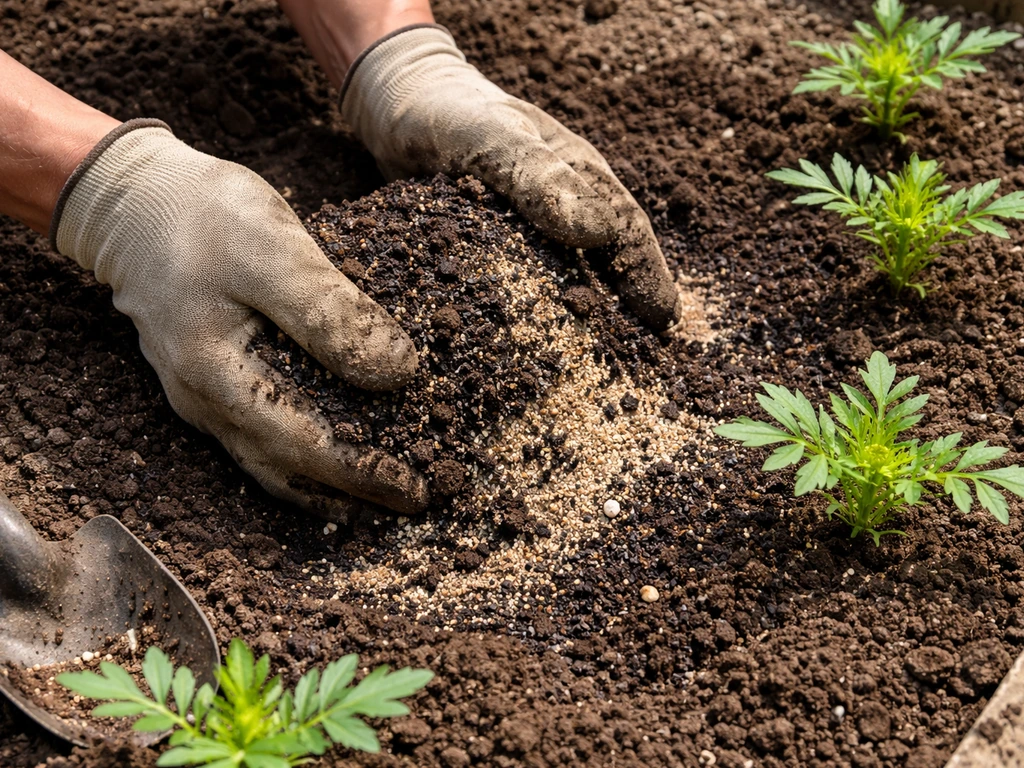
Marigolds thrive in soil with a pH between 6 and 7, which is slightly acidic to neutral and what most garden beds naturally sit at. More important than hitting an exact pH number is making sure the soil drains well. Heavy clay that holds water is the real enemy here because saturated roots lead to root rot quickly, and marigolds are more susceptible to this than many people realize.
If your soil is heavy or compacted, mix in compost or coarse sand before planting. Compost improves drainage in clay and adds just enough organic matter to keep plants healthy without over-feeding them. Work amendments into the top 8 to 10 inches of soil before planting. If you're growing in containers, use a quality potting mix rather than garden soil, and make absolutely sure the containers have drainage holes.
One thing worth repeating: marigolds don't need rich, amended soil to bloom their best. In fact, overly fertile soil pushes the plant into producing lots of foliage at the expense of flowers. A light compost amendment at bed prep time is plenty. Skip the heavy fertilizer loading at this stage.
Light, watering, and temperature basics
Full sun means at least 6 to 8 hours of direct sunlight daily. This isn't negotiable if you want a plant covered in flowers. A spot that only gets 4 hours of sun will give you a living plant, just not a spectacular one.
For watering, the goal is even moisture without waterlogging. Check the soil by sticking your finger about an inch deep. If the top inch is dry but the soil below still has a little moisture, you can wait. If it's dry at two inches, water. You're aiming to prevent both drought stress and soggy roots. In practice, established marigolds in the ground usually need watering once or twice a week in summer, more in intense heat, less if you've had rain. Container-grown plants dry out faster and may need daily attention in hot weather.
Temperature-wise, marigolds want warmth. They germinate best between 70 and 75°F and grow well when daytime temperatures are 65 to 75°F with nights staying above 65°F. They'll tolerate heat above this range, but they don't like cold. Frost kills them outright, so don't rush them outside in spring until the threat of frost has genuinely passed and soil temperatures have climbed above 65°F.
How to plant marigolds from seed
Timing: indoors vs. direct sowing
You have two solid options for starting marigolds from seed, and both work well. The choice mostly depends on your climate and how early you want blooms.
| Method | When to Start | Best For |
|---|---|---|
| Start indoors | 8 to 10 weeks before your last frost date | Getting a head start in short-season climates; earlier blooms |
| Direct sow outdoors | After last frost, once soil is above 65°F | Simplicity; works well in warm climates or long growing seasons |
If you're starting indoors, count back 8 to 10 weeks from your average last frost date and mark that on a calendar. That's your sowing window. The good news is that marigolds germinate fast, typically within 5 to 8 days at the right temperature, so you won't be waiting long to see sprouts.
How to sow seeds indoors
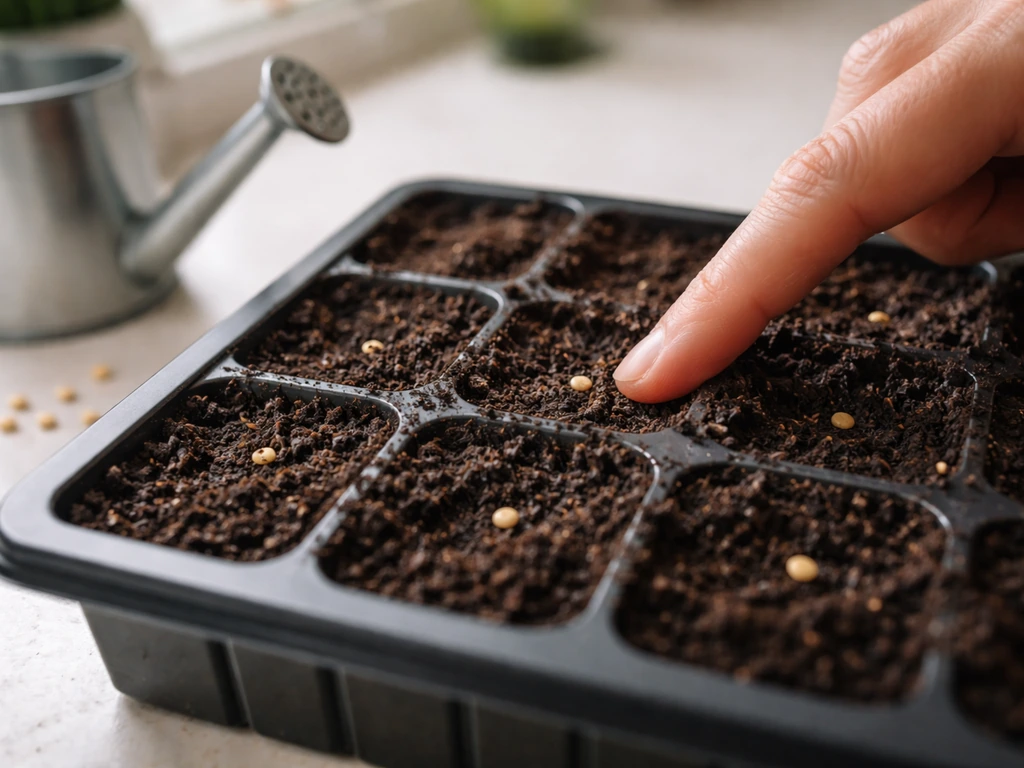
- Fill seed trays or cell packs with a quality seed-starting mix, not regular potting soil. Moisten the mix before filling.
- Sow seeds 1/4 inch deep. Press them in and make sure they're fully covered by the growing medium.
- Cover the tray with a clear plastic dome or plastic wrap to hold humidity in. This speeds up germination significantly.
- Place the tray somewhere warm, around 70 to 75°F. A heat mat works perfectly here. You don't need light yet at this stage.
- Check daily and mist the surface if it looks dry. Remove the cover as soon as sprouts appear.
- Once seedlings are up, move them to a bright spot (a sunny windowsill or grow lights) and keep temperatures at 65 to 75°F during the day and above 65°F at night.
- Thin to one seedling per cell when plants have two sets of true leaves.
How to direct sow outdoors
- Wait until after your last frost date and confirm soil temperature is above 65°F.
- Loosen the top few inches of soil and rake it smooth.
- Sow seeds 1/4 inch deep, spacing them a few inches apart in rows or a grid.
- Water gently and keep the soil consistently moist until germination.
- Once seedlings reach about 1 inch tall, thin them to 8 to 12 inches apart for French types, or follow the spacing on your seed packet for other varieties.
Spacing matters more than people expect. French and Signet marigolds do well at 8 to 10 inches apart. African marigolds, which grow larger, need more room. Crowding plants reduces airflow and makes fungal problems more likely, especially in humid summers.
Caring for marigolds as they grow
Thinning and transplanting
Whether you started indoors or direct-seeded, thinning is one step beginners often skip because it feels wrong to pull out perfectly good seedlings. Don't skip it. Crowded plants compete for water and nutrients, and the lack of airflow between them invites disease. Thin early, while seedlings are still small and roots aren't yet tangled. Burpee recommends thinning plants to stand 9, 12 inches, using seedlings about 1 inch high as the timing point blank" rel="noopener noreferrer">Thin early, while seedlings are still small. Pinch the unwanted seedlings at soil level rather than pulling, so you don't disturb the neighbors.
Fertilizing without overdoing it
At planting time, work a balanced, general-purpose fertilizer (equal N-P-K numbers, something like a 10-10-10) into the soil according to package directions. After that, go easy. Marigolds genuinely bloom better in leaner conditions, and too much fertilizer sends the plant's energy into leafy growth instead of flowers. If you amended with compost at bed prep, you may not need to fertilize at all during the season. If you do feed, use a slow-release formula at a low rate. Avoid high-nitrogen fertilizers entirely once plants are in the ground.
Pests and disease to watch for
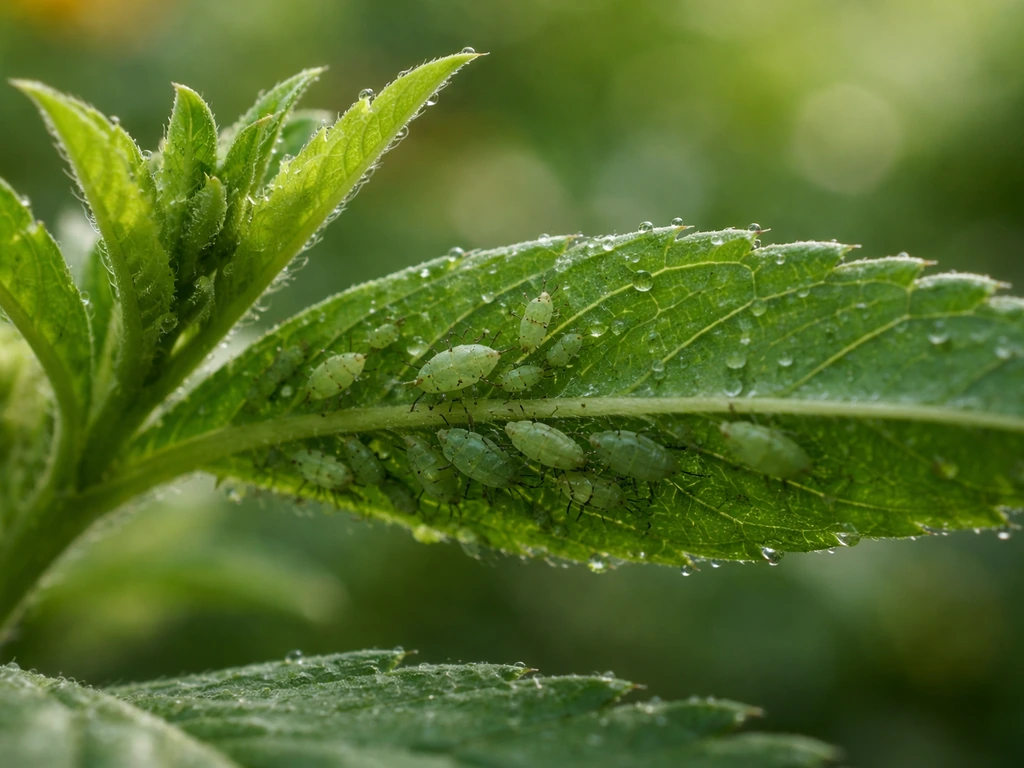
Marigolds are relatively tough, but a few problems show up reliably. Here's what to look for and how to respond:
- Aphids: Small soft-bodied insects clustering on new growth and undersides of leaves. They produce sticky honeydew that can lead to sooty mold. A strong spray of water from a hose knocks them off effectively. Check back every few days.
- Spider mites: Look for fine webbing and stippled, dry-looking leaves, usually in hot dry weather. Spray the plant forcefully with water every other day until they clear.
- Slugs: You'll see large irregular holes in leaves, often overnight. Slugs hide under mulch or debris in damp areas. Remove hiding spots, hand-pick at night, or use a slug bait around affected plants.
- Botrytis (gray mold): A gray fuzzy mold that appears on flowers, leaves, and stems in humid, wet conditions. Remove affected plant parts immediately and improve airflow around plants. Avoid overhead watering.
- Root rot: Caused by consistently wet soil. Prevention is everything here. Improve drainage before planting and don't overwater.
If you find yourself troubleshooting a plant that just isn't growing the way it should, it's worth checking whether the issue is environmental before assuming pests or disease. Poor sun, waterlogged soil, or over-fertilizing account for most marigold problems. If your marigolds aren't growing, the most common reasons are too little sun, drainage problems, or soil that is overly rich why won't my marigolds grow.
There's a whole separate conversation to be had about getting marigolds to grow taller or faster, which usually comes back to sun and spacing. If you want a quick boost, also review the guide on how to make marigolds grow faster so you can fine-tune the key drivers like sun, spacing, and watering grow taller or faster.
There is a whole separate approach to getting marigolds to grow taller, and it usually comes down to choosing enough light and avoiding crowding.
Deadheading, cutting, and saving seeds
Deadheading for more blooms
Deadheading means removing spent flowers before they go to seed, and it makes a real difference with marigolds. When a plant sets seed, it shifts energy away from producing new flowers. Remove faded blooms regularly and the plant keeps trying to bloom. Pinch or snip spent flowers off at the base of the flower stem, not just the petals. Check plants every few days during peak season.
Beyond encouraging more flowers, deadheading also prevents a specific problem: marigold blooms rot easily in humid weather, and leaving spent flowers on the plant creates a breeding ground for botrytis and other fungal issues. Clean up fallen petals from the soil surface too, especially after rain.
Using marigolds as cut flowers
Marigolds make cheerful, long-lasting cut flowers and cutting blooms for a vase counts as deadheading too. Cut stems in the morning when flowers are fully open, and place them immediately in water. African marigold varieties with large, double flower heads are especially good for cutting because of their size and vase life.
Saving seeds for next year
At the end of the season, let a few blooms stay on the plant until the seedhead dries out fully. Marigold seeds form inside the dried flower head, looking like thin, elongated slivers. Collect them on a dry day to avoid mold. Pull the seedhead apart and let the seeds dry out completely on a paper towel for a few days before storing. Pack them into a labeled paper envelope, then place that inside an airtight container with a small desiccant packet to absorb moisture. Store in a cool, dark place. Seeds stay viable for about two to three years stored this way.
What to do right now depending on your situation
If it's mid-May and you haven't started yet, don't panic. In most of the US, you can still direct sow marigold seeds outdoors now if your last frost has passed and soils are warm. You'll have blooms by mid-summer. If you're in a region where summer is still weeks away, start seeds indoors this week. Marigolds germinate so fast (5 to 8 days) that even a late indoor start gives you strong transplants within a month.
If you already have seedlings started indoors and you're waiting to transplant, harden them off over 7 to 10 days before moving them outside permanently. Set them outside in a sheltered spot for a few hours each day, gradually increasing exposure. This prevents transplant shock and gives you a much stronger plant in the ground.
The bottom line: marigolds are forgiving. Get the sun and drainage right, sow at the right depth (1/4 inch), space them properly, go easy on fertilizer, and deadhead regularly. If you want ideas for what to grow alongside marigolds, focus on plants that also like full sun and well-drained soil go easy on fertilizer. Do those things and you'll have a thriving, blooming plant from now through fall.
FAQ
How much sun is “full sun” for marigolds if my yard has dappled light?
Aim for continuous direct sun, not just bright shade. If leaves or a structure filter the light, marigolds often produce fewer blooms and stretch. If your only options are partial shade, choose the spot with the longest uninterrupted block of direct sun (even if it is morning or afternoon).
What’s the right sowing depth and why does it matter?
Sow seeds about 1/4 inch deep. Too shallow can dry out quickly, too deep slows or prevents germination. If your soil crusts after watering, gently loosen the top layer or water lightly to avoid sealing the surface.
Should I water marigolds every day during the first week after planting?
Not automatically. Water to settle the soil at planting, then check the top inch before each additional watering. Daily watering can keep the root zone soggy, especially in clay, and that is a common cause of poor growth early on.
Can I grow marigolds in heavy clay if I don’t want to amend the soil?
You can, but success depends on improving drainage. Use raised beds or mounded rows so water moves away from the roots. If water stands after rain or the bed stays damp for days, marigolds are likely to struggle without drainage improvements.
Do marigolds need fertilizer, or will they stop blooming if I don’t feed them?
They usually bloom well without feeding if the soil is not overly rich. If you do fertilize, use a low rate and avoid high nitrogen, which can reduce flower production. If you amended with compost, skip additional fertilizer unless growth looks pale and slow.
Why are my marigolds tall and leafy but not flowering much?
The most common causes are too little sun, overly rich soil, or crowding. Check that they are getting the recommended direct hours and that you are not using a high nitrogen fertilizer or heavy compost loading.
How do I thin marigolds without disturbing the remaining seedlings?
Thin when seedlings are small and before their roots tangle. Use scissors or pinch at soil level rather than pulling, so you do not yank neighboring plants and damage their roots.
Are marigolds safe to grow in containers, and what pot size should I use?
Yes, but drainage is non-negotiable. Use containers with drainage holes and quality potting mix. Larger varieties need bigger pots, so if plants are getting crowded, move up one pot size or thin them to maintain airflow.
What watering schedule works best for container marigolds in hot weather?
Containers dry faster than beds, so switch from a fixed schedule to a soil-check routine. In extreme heat, that can mean checking daily and watering when the top inch is dry, rather than keeping the soil constantly wet.
Should I deadhead marigolds if I want seeds later?
Yes, but only on the plants or blooms you are saving. Deadhead most flowers to keep blooming, then let a small number of blooms stay on until the seedheads dry fully, so the plant is not spending energy on both tasks.
My marigolds have brown mushy blooms in humid weather. What should I do?
Remove spent flowers quickly before they rot and discard them rather than leaving them on the soil. Improve airflow by thinning and avoid overhead watering if possible. Clean up fallen petals because they can encourage fungal problems.
When can I transplant marigolds outdoors without shocking them?
Wait until the threat of frost has passed and nights are reliably warm, with soil temperatures above about 65°F. Harden off for 7 to 10 days by increasing outdoor exposure gradually, especially if you are moving from indoors or a protected spot.
How long do marigold seeds stay viable, and how should I store them?
Marigold seeds typically stay viable for about 2 to 3 years when stored dry and cool, in a dark place. Use sealed paper packaging with a desiccant packet, and avoid moisture exposure during storage.
Next Article
Marigolds How to Grow From Seed to Blooming Plants
Step-by-step marigolds how to grow from seed to blooming plants: sowing, sunlight, watering, fertilizing, pests, and see