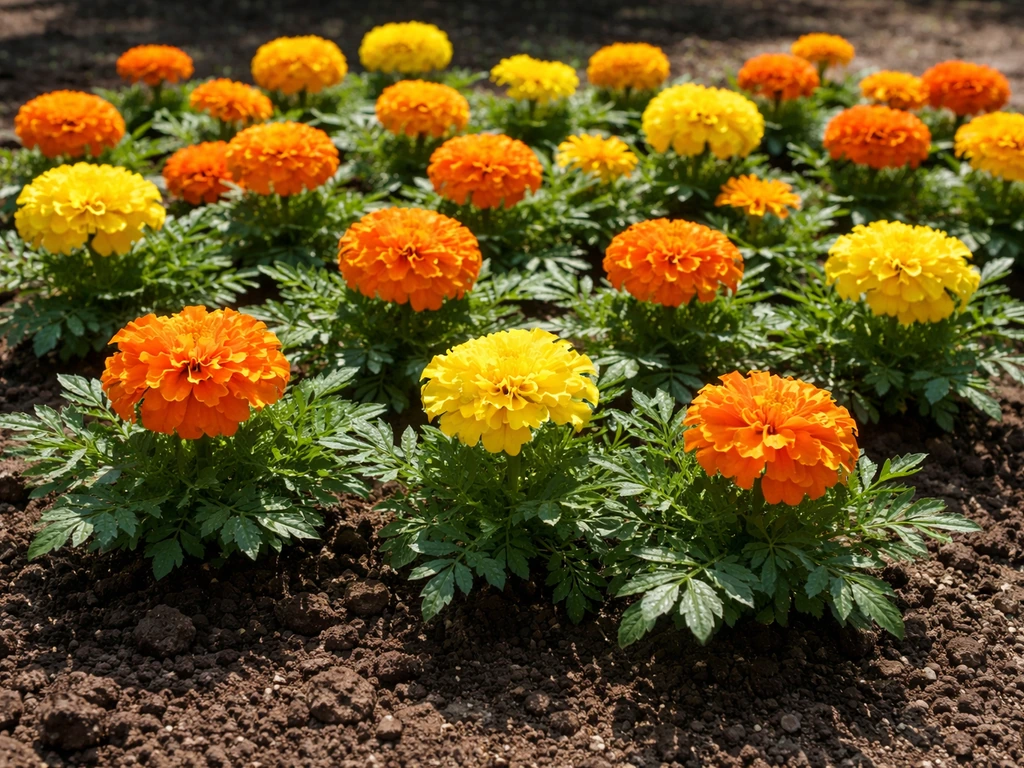
Marigolds are already one of the fastest flowers you can grow from seed, but you can push that speed even further by nailing a few key variables: soil temperature at germination, sowing depth, consistent moisture, and getting them into full sun as early as your climate allows. French marigolds (Tagetes patula) will sprout in 5–8 days at 70–75°F, while African marigolds (Tagetes erecta) can pop in as little as 4–7 days when soil temps hit 75–80°F. Get those conditions right and you're already ahead. Everything else in this guide is about keeping that momentum going all the way to a flowering plant.
How to Make Marigolds Grow Faster: A Step-by-Step Guide

Marcus Holloway
28 May 2026
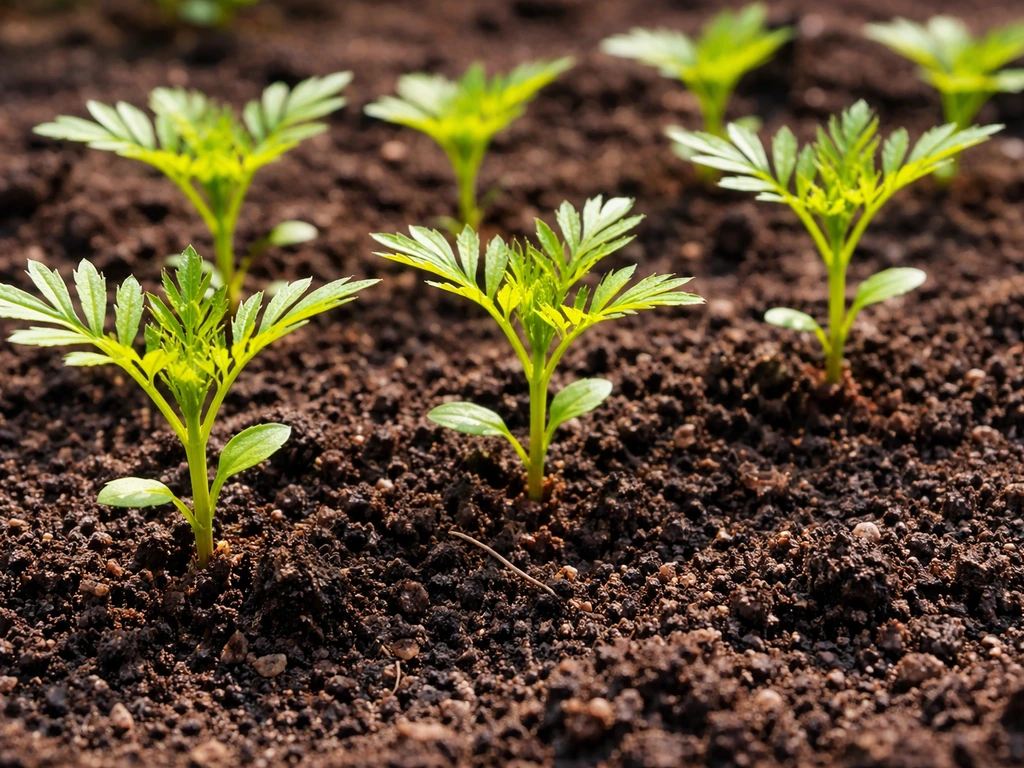
Choose the right marigold type and timing for your climate
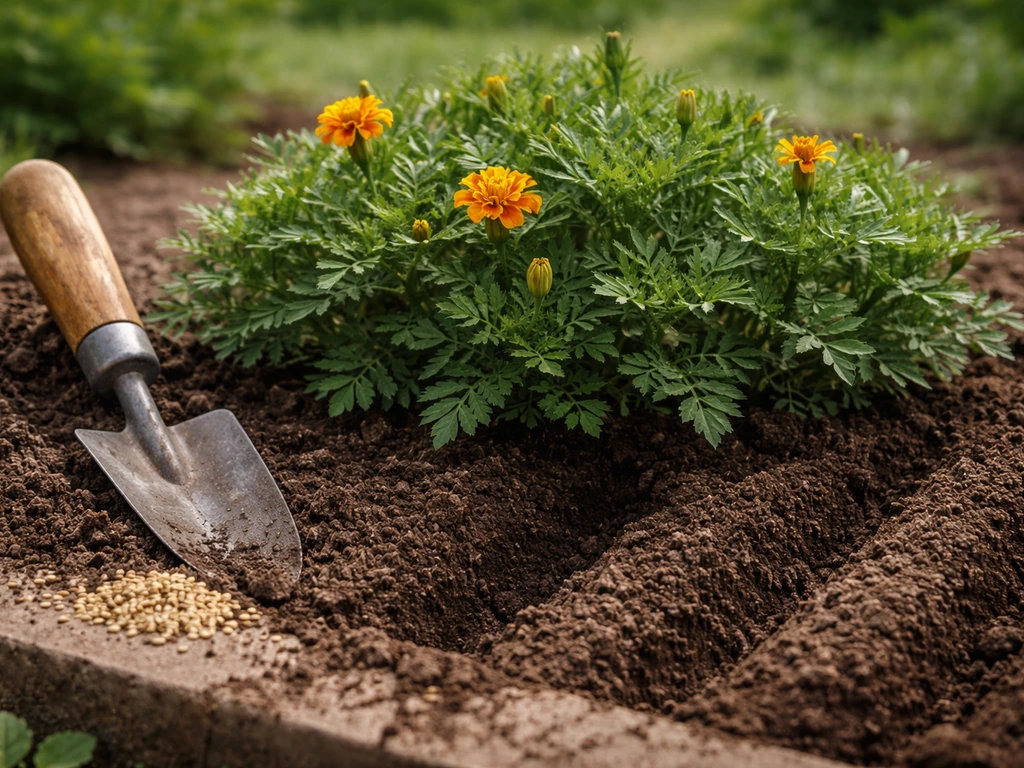
Your first speed advantage is picking the right variety for your region and your goals. French marigolds are compact (typically 6–12 inches tall) and very forgiving across a range of climates. African marigolds grow taller and more showy, but they need more warmth and a longer season to really perform. Signet marigolds (Tagetes tenuifolia) are the wild card: some growers report germination in as few as 0–7 days under ideal conditions, making them a good pick if you want the fastest possible sprout.
Timing matters more than most beginners realize. The goal is to get seeds into warm conditions as soon as possible without exposing young plants to cold snaps or, on the other end, the brutal stall that happens when summer heat peaks in July and August. Mississippi State University Extension specifically flags high summer temperatures as a cause of growth slowdowns and temporary decline in African marigolds. For most gardeners in the northern US, that means starting seeds indoors 4–6 weeks before your last frost date and transplanting out once nights stay reliably above 50°F. In warmer climates (zones 8–10), you can direct sow outdoors earlier in spring or again in late summer for a fall flush.
| Variety type | Germination temp | Days to sprout | Recommended timing |
|---|---|---|---|
| French (Tagetes patula) | 70–75°F (21–24°C) | 5–8 days | Start indoors 4–6 weeks before last frost |
| African (Tagetes erecta) | 75–80°F (24–27°C) | 4–7 days | Start indoors 4–6 weeks before last frost; direct sow after frost |
| Signet (Tagetes tenuifolia) | 70–75°F (21–24°C) | 0–7 days | Start indoors or direct sow after soil warms |
Speed up germination: seeds, temperature, moisture, and sowing depth
Germination speed comes down to four things working together: seed quality, temperature, moisture, and depth. Start with fresh seed from a reliable source. Old seed germinates unevenly, and uneven germination wastes time. Marigold seed stays viable for about two to three years if stored cool and dry, but for the fastest results, use seed from the current or previous season.
Temperature is your biggest lever. Sow into a propagation space where you can hold 70–75°F for French and Signet types, or push closer to 75–80°F for African marigolds. A seedling heat mat under your tray makes a dramatic difference indoors, especially in spring when ambient room temperatures often hover in the low 60s. Without supplemental bottom heat, germination can stretch to two weeks or more, and that delay compounds through the whole growing cycle.
Depth is the other easy win. Sow marigold seeds 1/8 to 1/4 inch deep, and no deeper. Planting too deep makes seedlings work harder to push through the soil, which adds days to emergence and stresses the seedling before it even has its first leaf. University of Minnesota Extension recommends 1/4 inch as the target; Park Seed narrows it to 1/8 to 1/4 inch. I err toward the shallower end, especially indoors.
Marigold seeds also need light to germinate well. Territorial Seed's guidance for French marigolds specifies at least 12 hours of light per day during germination, and recommends covering seed with just a thin layer of vermiculite rather than dense soil so light still reaches the seed. If you cover too heavily, you block light and slow things down. A dusting of fine vermiculite is ideal: it holds moisture, lets light through, and keeps a consistent seed environment.
Moisture should be steady but not waterlogged. The goal is an evenly damp seed zone from sowing until sprouts appear. Letting the surface dry out between waterings is one of the most common reasons germination stretches out. A humidity dome over your tray helps enormously indoors: it keeps moisture levels stable so you don't have to hover and mist constantly. Once you see sprouts, remove the dome to prevent the fungal problems covered later in the troubleshooting section.
Seed-starting vs. direct sowing: what to do for the fastest start
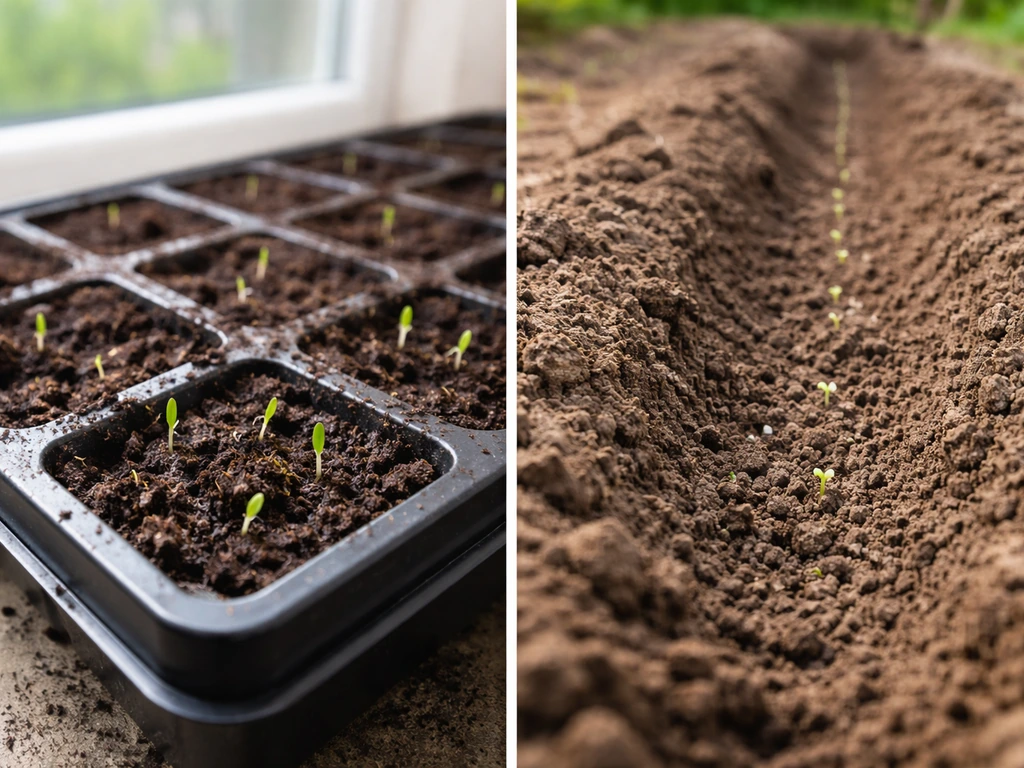
For most gardeners who want flowers as quickly as possible, starting seeds indoors wins. If you’re wondering what to grow alongside marigolds, use the same fast-start principles to pair them with companions that also thrive in full sun what to do for the fastest start. Johnny's Selected Seeds recommends sowing into 72-cell flats 4–6 weeks before your transplant date. That head start means your plants are already established and ready to hit the ground running when outdoor temperatures cooperate. You control the temperature, the light, and the moisture, which is why indoor-started marigolds almost always beat direct-sown ones by several weeks in northern climates.
That said, direct sowing works beautifully in warmer climates or if you've missed your indoor window. African marigolds in particular can go from direct-sown seed to germinated sprout in 4–7 days when soil temperature is at 75–80°F. Gardening Know How notes that marigold seed germination usually takes five to seven days under good conditions. If your ground has warmed up and your last frost has passed, direct sowing is a perfectly legitimate fast route. The catch is that outdoor soil temperatures are often lower than air temperatures in early spring, which slows germination considerably compared to a heated indoor setup.
If you're direct sowing, choose a spot that warms quickly (south-facing, dark soil helps) and cover the seed bed with a floating row cover for the first week or two to trap heat and moisture. Remove it as soon as you see consistent germination so seedlings get full light.
Planting conditions: sun, soil, and containers vs. beds
Marigolds are full-sun plants, and 'full sun' here really means it: at least 6–8 hours of direct sunlight per day, with more being better. Inadequate light is one of the single biggest reasons marigolds grow slowly after transplanting. A seedling that looks healthy indoors under grow lights can stall visibly if it goes into a spot that gets afternoon shade. Pick your sunniest bed or container location, even if it means moving a pot around to chase the sun.
Soil preparation pays off quickly. Marigolds don't need rich, heavily amended soil, but they do need soil that drains well and isn't compacted. Loosen the bed 6–8 inches deep and work in a few inches of compost before planting. This improves drainage, warms the soil faster, and gives roots room to establish without fighting through compacted ground. In containers, use a quality potting mix rather than garden soil, which tends to compact and drain poorly in pots.
Containers actually have one speed advantage over beds: they warm up faster in spring, which means transplanted marigolds in dark-colored pots can start growing vigorously earlier than those in a cold in-ground bed. Just make sure containers have drainage holes so roots never sit in standing water.
A watering schedule that keeps growth moving (and avoids damping-off)
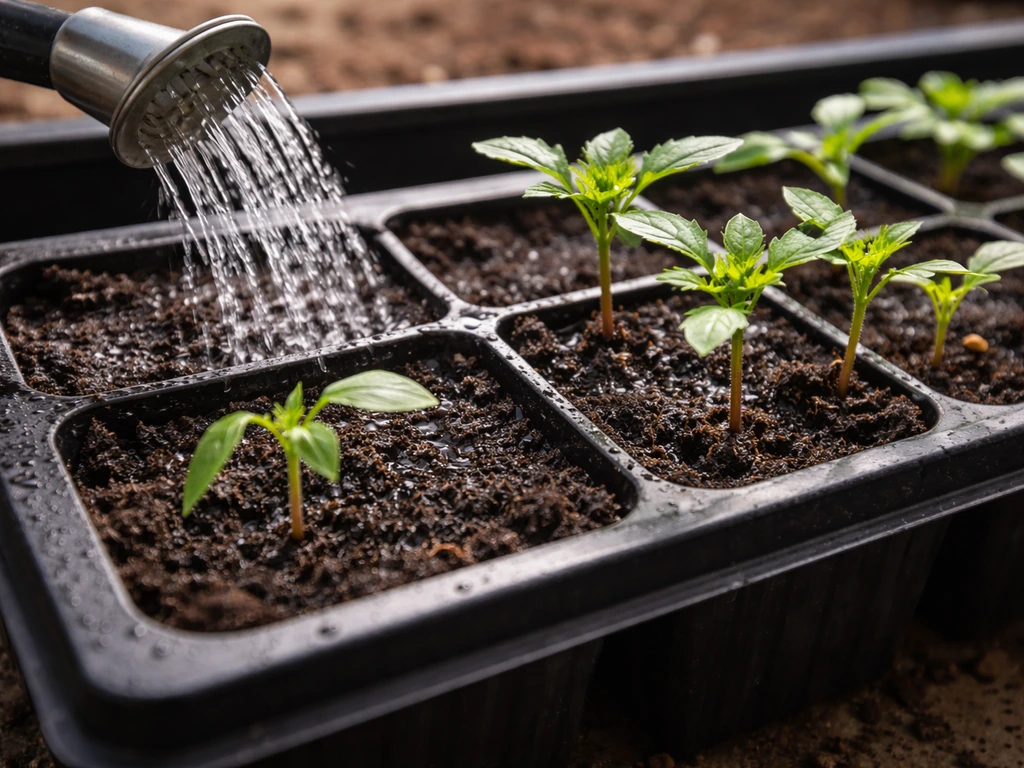
Overwatering is the most common reason marigold seedlings slow down or collapse entirely. Damping-off, which is the sudden rot and toppling of seedlings at the soil line, is caused by fungal pathogens that thrive in wet, poorly ventilated conditions. Penn State Extension describes it as rotting of seeds and young seedlings by fungi, and Utah State University Extension specifically flags keeping seedlings very wet as the primary risk factor. Once damping-off hits a tray, it spreads through shared water and growing medium fast.
The practical watering rule for seedlings is: water thoroughly, then let the top of the medium dry slightly before watering again. You want the root zone moist but the surface to cycle through a brief dry period. Bottom-watering (setting trays in a shallow dish of water and letting the medium absorb from below) is the best technique for seedlings because it keeps the surface drier and discourages the fungal activity that causes damping-off.
Once marigolds are in the ground or a container, they're quite drought-tolerant and actually prefer to dry out slightly between waterings. A good rule of thumb for established plants is to water deeply once or twice a week, less in cool or cloudy weather, more in hot dry spells. Consistent moisture without saturation keeps growth steady. Irregular watering, alternating between dry stress and flooding, causes visible growth pauses.
Early feeding for quick growth: what to use and when
Here's where gardeners often overcorrect. Marigolds are genuinely light feeders, and University of Minnesota Extension states that after planting, marigolds typically do not require fertilizer. Overfeeding, especially with high-nitrogen fertilizers, pushes lush leafy growth at the expense of flowers and can actually slow overall development by encouraging soft, stressed tissue.
That said, a modest fertility boost at specific moments does speed things up. When starting seeds indoors, use a seedling starter mix rather than straight potting soil: it has a gentle nutrient charge appropriate for early growth without burning roots. About two to three weeks after germination, when seedlings have their first true leaves, a single application of a diluted balanced liquid fertilizer (something like a 10-10-10 or similar at half the label rate) gives them the phosphorus they need for strong root development without the nitrogen excess that causes problems.
At transplant time, mixing a small amount of compost into the planting hole is usually all that's needed for the rest of the season. If your soil is genuinely poor and sandy, a slow-release granular fertilizer worked into the bed at planting gives a steady background nutrient supply without the risk of overfeeding. Avoid high-nitrogen formulations once plants are established and starting to bud.
Spacing, thinning, and light management as plants mature
Crowded marigolds grow slowly. When plants compete for light, water, and nutrients, every individual plant in the cluster loses. This is why thinning is not optional if you want fast, vigorous growth. Direct-sown patches need thinning to 8–10 inches apart for French and Signet types, and 10–12 inches apart for African marigolds. Yes, it feels wasteful to pull out seedlings you grew from seed, but the remaining plants will reward you with noticeably faster growth and better airflow that reduces disease.
Indoors, thin cell trays to one seedling per cell as soon as the strongest plant is identifiable, usually right after the first true leaves appear. Use scissors to snip weaker seedlings at the soil line rather than pulling them, which can disturb roots of the seedling you're keeping.
Light management matters as plants get bigger. If you're growing indoors under grow lights, keep lights close enough (typically 2–4 inches above seedling tops for fluorescent or T5 LED fixtures) to prevent the seedlings from stretching toward the light source. Leggy, stretched seedlings grow slowly once transplanted outdoors because their stems are weak and they've spent energy reaching for light instead of developing roots. Outdoors, the equivalent issue is partial shade: if anything is casting shadow on your marigolds for part of the day, consider moving pots or trimming back nearby plants.
Troubleshooting slow growth: common causes and quick fixes
If your marigolds are growing slower than expected, there's almost always a specific cause you can identify and fix. If you are still wondering what do marigolds need to grow overall, use the same checklist of conditions throughout the season to diagnose slow growth. Here are the most common culprits and what to do about each.
| Problem | What you'll see | Quick fix |
|---|---|---|
| Soil temperature too low | Seed hasn't sprouted after 10+ days; germination spotty | Add a heat mat; check soil temp with a thermometer and aim for 70–80°F |
| Sown too deep | Very slow emergence; seedlings look exhausted at soil line | Next sowing: 1/8 to 1/4 inch depth; thin existing seedlings and improve light |
| Damping-off | Seedlings topple suddenly; stem pinches or rots at soil level | Improve airflow; switch to bottom-watering; use fresh sterile mix for any resowing |
| Insufficient light | Leggy, pale seedlings; slow growth after transplant | Move to full sun; adjust grow light height indoors to 2–4 inches above seedlings |
| Overwatering | Yellow lower leaves; slow growth; soil stays wet for days | Let medium dry between waterings; check container drainage |
| Overcrowding | Slow growth across the whole planting; plants look stressed | Thin to 8–12 inches apart depending on variety; remove the weakest plants |
| Summer heat stress | Growth stalls in mid-July/August; flower production drops | Wait it out; keep watering consistently; plants typically recover when temps ease |
| Overfertilizing with nitrogen | Lots of lush foliage, few buds, slow maturation | Stop fertilizing; flush container soil with plain water; let soil dry slightly |
One thing worth mentioning: if your marigolds look healthy but are simply growing at a normal pace, that is not a problem. French marigolds will typically flower 45–50 days from transplant; Africans take a bit longer. If you've checked all the variables above and everything looks good, the plants are likely just doing what they do. The goal of all these steps is to eliminate the preventable delays, not to conjure growth that isn't possible for the variety or season.
Your fastest-marigold checklist
Pull this list out at the start of each growing season and work through it before you sow a single seed. If you want the fastest results overall, follow a marigolds how to grow approach that matches your climate with the right timing, temperature, and light. Each item on its own makes a small difference; together they stack up into a noticeably faster-growing, more vigorous plant.
If you’re still wondering why your marigolds won’t grow, check these common issues like light, temperature, watering, and seed depth why won’t my marigolds grow. To get that best start, make sure you meet the specific growing needs covered earlier, starting with warm soil and plenty of sun what do marigolds need to grow.
- Choose fresh seed in a variety that matches your climate and season length (French for shorter seasons, African for longer warm summers, Signet for speed experiments).
- Start seeds indoors 4–6 weeks before your last frost date in a 72-cell flat or similar container.
- Sow at 1/8 to 1/4 inch depth, cover with a thin layer of vermiculite, and use a heat mat to hold soil temperature at 70–80°F.
- Provide at least 12 hours of light per day during germination; keep grow lights 2–4 inches above seedling tops.
- Keep the seed zone consistently moist but not waterlogged; use a humidity dome until sprouts appear, then remove it for airflow.
- Thin to one seedling per cell as soon as the first true leaves appear.
- Transplant into full sun (6–8+ hours) once nighttime temperatures stay above 50°F.
- Prepare soil with compost mixed in; ensure good drainage in both beds and containers.
- Water deeply but infrequently; let the surface dry slightly between sessions; use bottom-watering for seedlings.
- Feed lightly with diluted balanced fertilizer at the two-to-three-week seedling stage only; skip or go minimal after transplant.
- Thin or space plants to 8–10 inches (French/Signet) or 10–12 inches (African) to prevent crowding.
- Check weekly for signs of damping-off, yellowing, or pests and address immediately rather than waiting to see if they resolve.
FAQ
Can I use fertilizer to make marigolds grow faster?
Yes, but do it carefully. Excess nitrogen tends to trade flowers for leaves and can stall budding. If you choose to feed, use a diluted balanced liquid only after the first true leaves appear (about 2 to 3 weeks after germination), then stop routine feeding and rely on compost at transplanting.
What should I do if my marigolds start strong but slow down after transplanting?
Choose the warmest, sunniest spot you can, but protect seedlings from sudden cold. If nights drop below about 50°F, growth often slows even if daytime looks fine. Indoors, use the heat mat for the tray and keep lights on so you do not get leggy, slow seedlings after transplant.
How often should I water marigold seedlings to speed germination?
Aim for the seed area to stay evenly damp, not soggy. A quick test is to feel the top inch of your medium, if it is starting to lighten in color and feels slightly less cool, it is time to water again. Bottom-watering helps because the surface stays drier, reducing damping-off risk.
My marigold seeds won’t sprout, could planting depth or light be the reason?
Light is a real germination trigger, so avoid covering seeds with thick soil. In practice, you want 1/8 to 1/4 inch depth max, and if you are getting poor sprouting, the fix is usually shallower planting plus a thin layer of vermiculite rather than heavier soil.
Do marigolds need a heat mat to grow faster indoors?
If you are starting indoors, temperatures that are only slightly cool are a common bottleneck. Without bottom heat, germination can drag to 2 weeks or more. A simple approach is to target about 70 to 75°F for French and Signet, and about 75 to 80°F for African, measured at the tray, not just in the room.
How do I use row cover when direct sowing marigolds?
Floating row cover can speed early outdoor germination, but timing matters. Remove it once you see consistent sprouting so seedlings get full light, and avoid leaving it on after warm weather arrives since trapped heat can stress young plants.
Should I thin marigolds even if I want them to fill in quickly?
You do not want to pull and discard everything, you want airflow and spacing. Thinning at the correct distance (about 8 to 10 inches for French and Signet, 10 to 12 inches for African) prevents competition, which is one of the fastest ways to recover growth rate.
Do containers really grow marigolds faster than in-ground planting?
Yes, but it is best as a targeted approach. Raised beds and dark containers warm faster in spring, and dark pots can give a noticeable early boost for transplanted seedlings. Just keep drainage excellent, standing water can trigger damping-off.
How long should it take for marigolds to start flowering after I transplant them?
It depends on the variety and the timing you started with. French marigolds often flower roughly 45 to 50 days after transplant, Africans usually take longer, and cool weather can stretch the timeline further. If plants look healthy and you followed temperature, light, and spacing, a slower schedule may be normal for the cultivar rather than a problem.
Why is my marigold germination uneven, even though my temperatures are right?
For fastest results, use fresh or last season seed and store remaining seed cool and dry. If you see patchy emergence, it is often aged seed or uneven moisture, and the practical fix is to restart with better seed or improve tray consistency rather than repeatedly re-sowing in the same uneven bed.
Next Article
What Do Marigolds Need to Grow: Sun, Soil, Water, Timing
Get step-by-step marigold growing needs: sun, soil prep, watering schedule, sowing timing, spacing, feeding, pests, dead