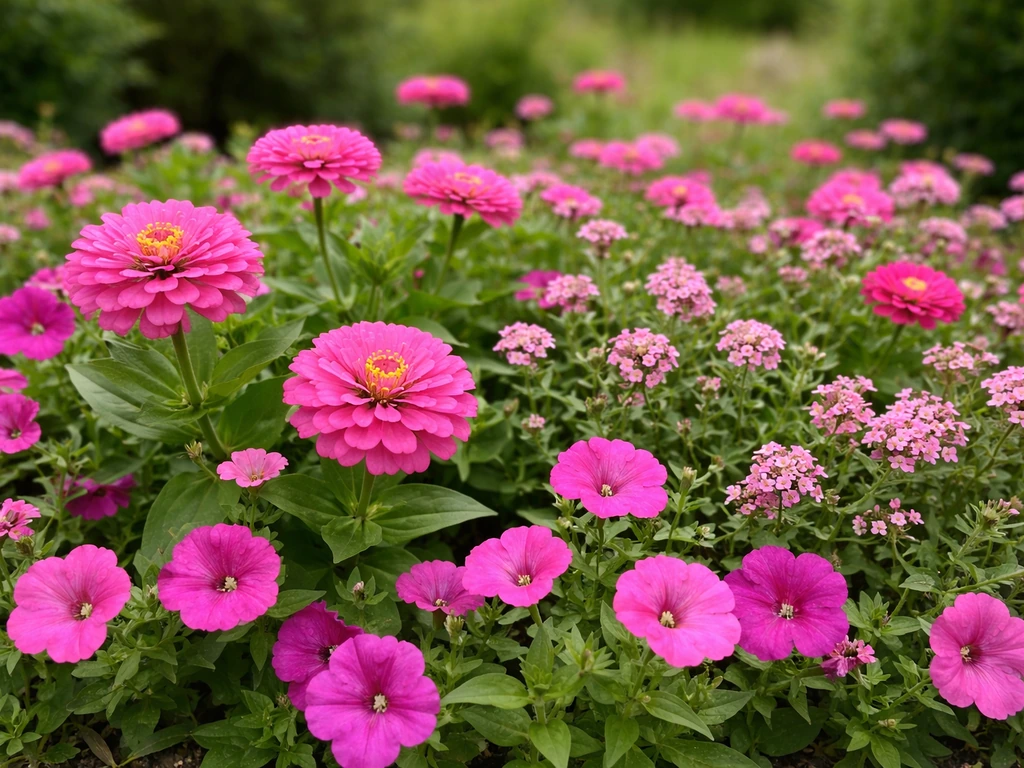
Pick one or two easy pink-flowering annuals, zinnias and petunias being the best starting points, get your timing right around your last frost date, and you will have reliable pink blooms from summer into fall. The broad question of how to grow pink flowers really comes down to three decisions: which plant, when to start it, and how to keep it blooming once it gets going. This guide walks you through all three, step by step.
How to Grow Pink Flowers: Step-by-Step Planting Guide

Marcus Holloway
16 Jun 2026
Choose the right pink-flowering variety first
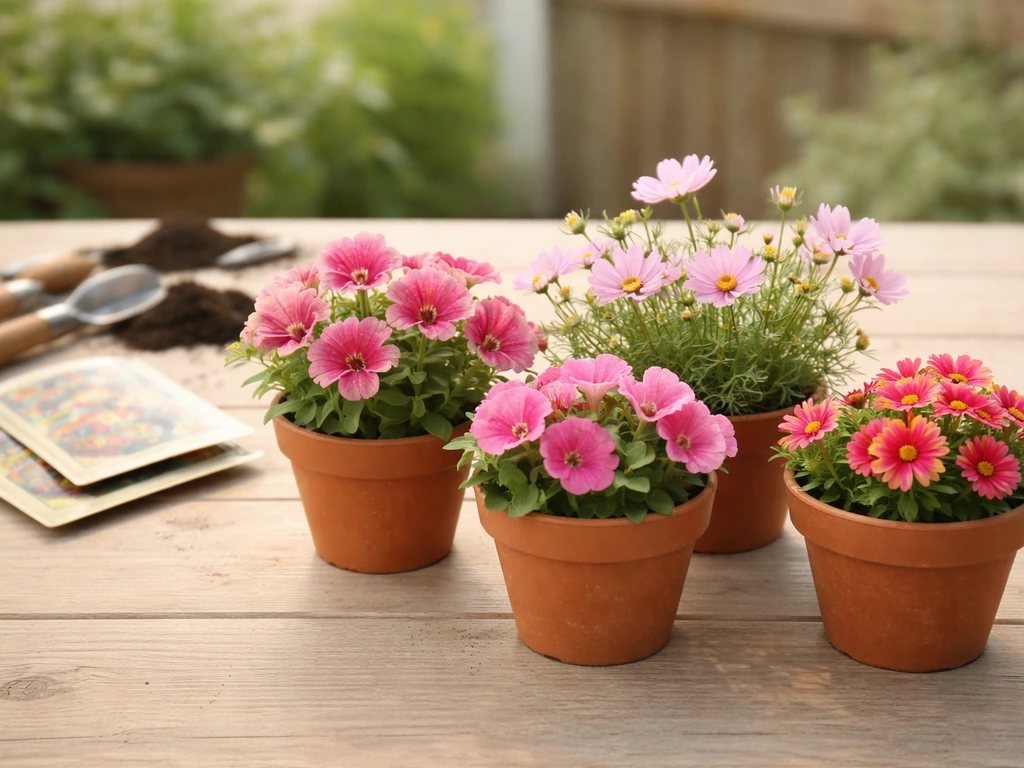
Before you buy a single seed packet, decide whether you want an annual or a perennial. Annuals like zinnias, petunias, and cosmos complete their whole life cycle in one season. They bloom hard, they are forgiving for beginners, and most of them produce pink varieties that are easy to find. Perennials like blanket flower (Gaillardia) come back each year, but they need well-drained soil to survive winter and are hardy to about zone 3a depending on the variety. If you just want pink flowers in your garden this summer with minimal fuss, start with annuals.
For cutting gardens and beds, the Profusion Series zinnia is a standout. Plants grow 12 to 15 inches tall and wide, produce 2-inch flowers in shades of pink and cherry, and need almost no coddling. Petunias are another rock-solid choice, especially for containers and borders. If you want something a little more unusual, celosia in the flamingo feather style adds a feathery pink texture that is genuinely different from anything else in the garden. To grow celosia flamingo feather successfully, give it full sun, warm temperatures, and well-drained soil, and follow the same consistent watering and deadheading habits you use for other annuals celosia in the flamingo feather style. All three work well from seed.
| Plant | Type | Height | Sun | Best For | Difficulty |
|---|---|---|---|---|---|
| Zinnia (Profusion Series) | Annual | 12–15 inches | Full sun (6+ hrs) | Beds, cutting garden | Easy |
| Petunia | Annual | 6–18 inches | Full sun (6+ hrs) | Containers, borders | Easy |
| Cosmos | Annual | 24–48 inches | Full sun | Cottage garden, cutting | Easy |
| Blanket Flower (Gaillardia) | Perennial | 1–3 feet | Full sun | Dry gardens, borders | Moderate |
| Celosia (Flamingo Feather) | Annual | 12–24 inches | Full sun | Beds, dried flowers | Easy–Moderate |
My honest recommendation: if this is your first season growing pink flowers from seed, go with zinnias. They germinate in 5 to 7 days at 70 to 75°F, they are nearly impossible to kill once established, and the payoff in color is enormous. Petunias are a close second and are worth starting alongside if you want container color too.
When to plant based on your climate
Everything hinges on your last frost date. For most of the Midwest and Mid-Atlantic, that falls between late April and early May. Illinois and Pennsylvania gardeners, for example, are looking at roughly April 30 to May 1 as their average last frost, with a first fall freeze around October 31. That gives you a solid five-month window, which is more than enough for annuals to germinate, grow, and bloom. In climates like Pennsylvania (zone 6), most annual seeds can be sown outdoors after the last frost date because there’s enough growing season time for annuals to germinate, grow to maturity, and bloom before near-freezing temperatures annuals can be sown outdoors after the last frost date in zone 6 climates.
Once you know your last frost date, work backwards or forwards depending on whether you are starting seeds indoors or sowing directly outside. Petunias need a head start, so sow them indoors 8 weeks before your last frost. Zinnias are better direct-sown right around last frost because they hate having their roots disturbed. Cosmos and celosia can go either way, but direct sowing after frost is usually the easiest path. If you are not sure of your exact last frost date, your local cooperative extension office or a quick zip-code search will give you a reliable answer.
Starting seeds indoors vs. sowing directly outside
Starting indoors (best for petunias)
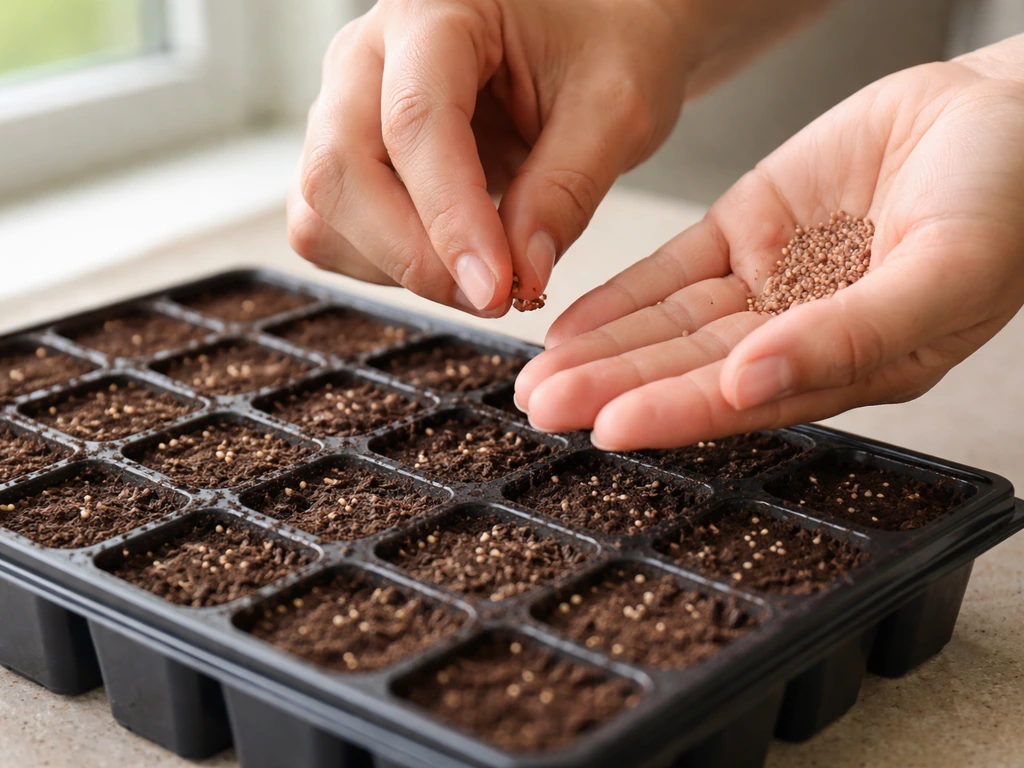
- Fill small cell trays or pots with a fine seed-starting mix, moisten it until it holds together without dripping.
- Sow petunia seeds on the surface of the mix. Do not cover them. Petunia seeds need light to germinate.
- Place the tray under grow lights or on a very sunny south-facing windowsill. Keep the temperature around 70°F.
- Expect germination in 5 to 10 days. Keep the mix evenly moist but not waterlogged.
- Once seedlings have two true leaves, thin or transplant to individual cells.
- Harden off for 7 to 10 days before moving outside: start with an hour of outdoor shade, gradually increase sun exposure.
Direct sowing outdoors (best for zinnias and cosmos)
- Wait until after your last frost date and the soil has warmed to at least 65°F.
- Loosen the top 2 to 3 inches of soil and rake it smooth.
- Sow zinnia seeds 1/4 inch deep and space them 12 to 15 inches apart, or sow in clusters and thin later.
- For cosmos, sow 1/4 to 1/2 inch deep and thin seedlings to 12 to 18 inches apart once they reach 2 inches tall.
- Water gently so you do not wash seeds out of place. A watering can with a rose head works well.
- Germination for zinnias takes 5 to 7 days in warm soil. Cosmos are similarly fast.
A heat mat makes a real difference if you are starting seeds indoors. Zinnias and petunias both benefit from consistent bottom heat around 70 to 75°F, and a basic seedling heat mat costs less than $20. It is one of the few gardening gadgets that actually earns its keep.
Soil, sunlight, watering, and fertilizing for maximum pink blooms
Soil and bed prep
All the pink-flowering annuals listed here want moist, well-drained, fertile soil. Heavy clay that stays wet after rain is the enemy of zinnias in particular since standing moisture invites fungal disease. If your soil is dense, work in compost before planting. A 2 to 3 inch layer dug in to about 8 inches of depth will improve drainage and fertility at the same time. Petunias in containers need a quality potting mix, not garden soil, which compacts in pots.
Sunlight
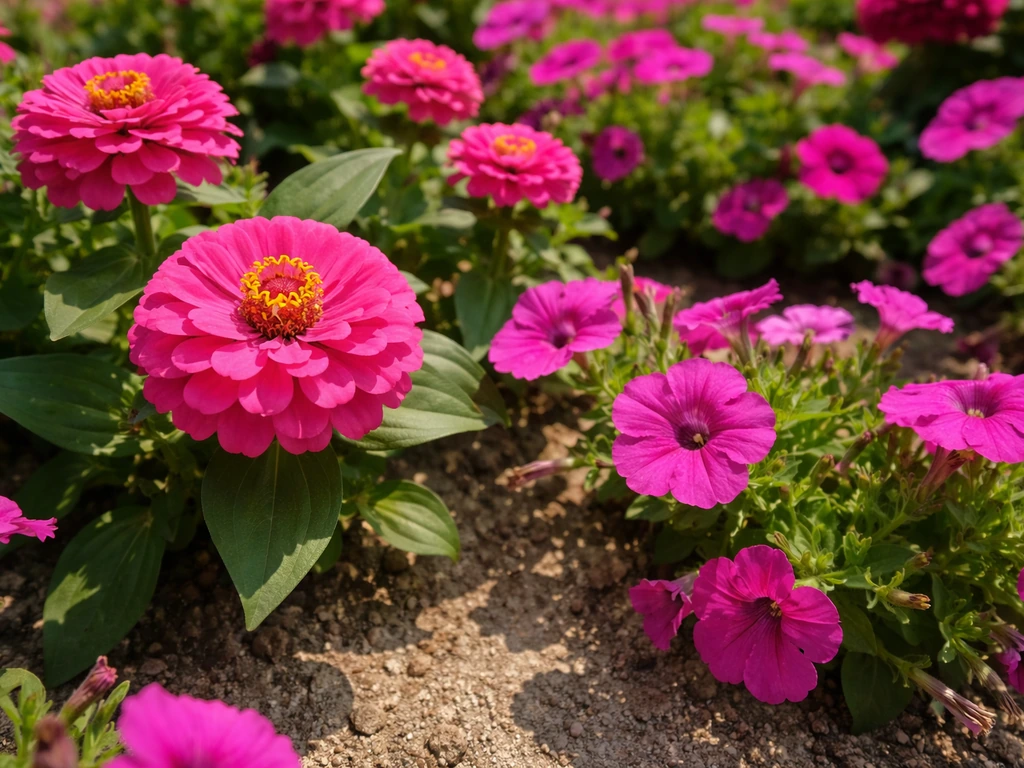
Give your pink flowers at least 6 hours of direct sun per day. Full sun is not optional for zinnias, petunias, cosmos, or blanket flower. Fewer than 6 hours produces weak, leggy plants with fewer blooms. If you have a partly shaded spot, save it for shade-tolerant plants and put your pink annuals where the sun is strongest, typically a south or west-facing bed.
Watering
Water consistently but do not overdo it. Zinnias can tolerate drier soil better than soggy conditions, and overwatering is one of the fastest ways to invite powdery mildew and root rot. University of Minnesota Extension also cautions that overwatering can contribute to fungal diseases overwatering is one of the fastest ways to invite powdery mildew and root rot. Water at the base of the plant rather than overhead whenever possible, which keeps foliage dry and reduces fungal risk. A good rule of thumb is to water deeply once or twice a week rather than a shallow sprinkle every day. Let the top inch of soil dry out slightly between waterings.
Fertilizing
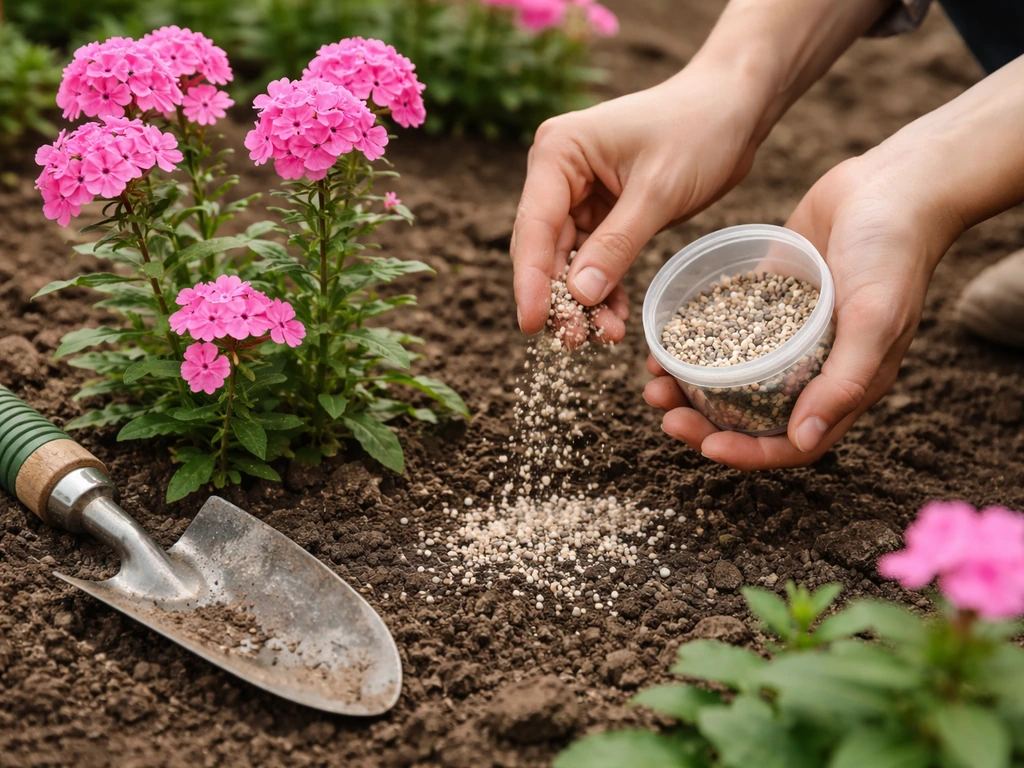
For flowering plants, the ratio of nutrients in your fertilizer matters. You want more phosphorus than nitrogen. High-nitrogen fertilizers push leafy green growth at the expense of flowers. For zinnias, a monthly application of a balanced or bloom-boosting fertilizer (look for a middle or last number higher than the first on the N-P-K label) keeps new blooms coming. Do not over-fertilize: too much is wasteful, can burn roots, and can cause the same leafy-no-flower problem as nitrogen-heavy formulas. Petunias in containers benefit from a liquid fertilizer every two weeks since nutrients wash out of pots faster.
Transplanting, thinning, and supporting your plants
If you started petunias or celosia indoors, transplant them outside after hardening off and once night temperatures stay above 50°F consistently. Dig a hole slightly larger than the root ball, set the plant at the same depth it was growing in its cell, firm the soil around it, and water it in immediately. Avoid transplanting on a hot, sunny afternoon. Early morning or a cloudy day reduces transplant shock significantly.
Thinning is one of those tasks that feels counterintuitive but genuinely matters. If you direct-sowed zinnias or cosmos thickly, thin seedlings to the recommended spacing (12 to 15 inches for zinnias, 12 to 18 inches for cosmos) once they are 2 to 3 inches tall. Crowded plants compete for light and air circulation, which leads to disease and poor blooming. Snip thinned seedlings at soil level with scissors rather than pulling them out, so you do not disturb the roots of the seedlings you are keeping.
Most compact pink annuals like zinnias and petunias do not need staking. Taller cosmos (which can reach 3 to 4 feet) benefit from simple support: a ring of garden twine strung between short bamboo stakes around a clump works well and is nearly invisible once the plants fill in. Install the support early, before the stems flop, rather than trying to rescue them after they tip over.
Keeping blooms coming: deadheading, pruning, and pest basics
Deadheading
Deadheading, which just means removing spent flowers before they set seed, is the single most effective thing you can do to keep pink flowers blooming all season. When a plant thinks its job is done (it has made seeds), it slows bloom production. Remove spent flowers and it redirects that energy back into making new blooms. For zinnias, cut the stem just below the old flower, back to a pair of leaves or a side shoot. For petunias, pinch or snap off the faded flower along with the small swelling beneath it (the developing seed pod), cutting just above a leaf node. Expect a slight pause of a week or more before the next flush of blooms appears, which is completely normal.
Pinching the growing tip of young zinnia or petunia plants, meaning snipping off the very top inch of the main stem when plants are 6 to 8 inches tall, encourages branching and produces a bushier plant with more flower stems. It feels aggressive at first but the results are worth it.
Common pests and diseases
Powdery mildew is the most common disease problem with zinnias, showing up as a white, dusty coating on leaves, usually in late summer when nights cool down. Good air circulation (proper spacing and deadheading) is the best prevention. Aphids cluster on new growth and can be knocked off with a firm stream of water from a hose. Caterpillars occasionally eat petunia foliage and can be hand-picked or treated with Bacillus thuringiensis (Bt), a natural, plant-safe option. Check plants a couple of times a week so problems do not get ahead of you.
Troubleshooting: no blooms, leggy plants, and weak color
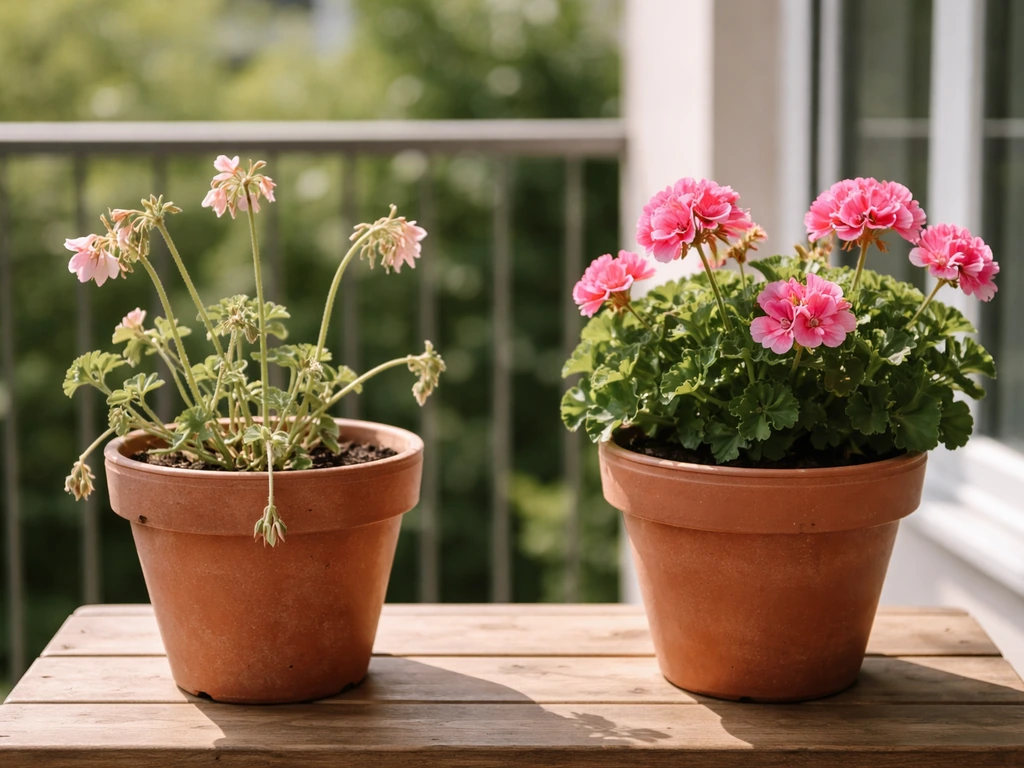
- No blooms at all: This is almost always a light problem or a fertilizer problem. Make sure plants are getting 6 or more hours of direct sun. Switch to a fertilizer with higher phosphorus than nitrogen, since too much nitrogen produces leafy green plants with no flowers.
- Leggy, floppy seedlings: Leggy seedlings started indoors are not getting enough light. Move them closer to your grow light (2 to 4 inches from the bulb) or to a brighter window. Once outdoors, leggy established plants usually firm up with more sun.
- Seeds not germinating: Check your soil temperature. Zinnia and petunia seeds stall in cold soil. Use a heat mat and aim for 70 to 75°F. Also check seed age since very old seeds have poor germination rates.
- Pale or washed-out pink color: Bloom color can fade in extreme heat. This is usually temporary and improves as temperatures moderate. Consistent watering and phosphorus-focused fertilizing helps maintain color intensity.
- Powdery mildew on leaves: Improve air circulation by thinning overcrowded plants. Water at the base, not overhead, and water in the morning so any splashed foliage dries quickly. Remove badly affected leaves and dispose of them in the trash, not compost.
- Seedlings collapsing at the base (damping-off): This fungal issue hits seedlings started indoors in wet, poorly ventilated conditions. Use fresh seed-starting mix each season, do not overwater, and run a small fan near your trays to keep air moving.
- Transplants wilting after moving outside: Transplant shock is common. Make sure you hardened off plants gradually. Water them in well, shade them for a day or two if the sun is intense, and they should recover within a week.
Growing pink flowers successfully is genuinely not complicated once you match the right plant to your climate and give it what it needs: sun, well-drained soil, consistent water, and regular deadheading. If you are also exploring a pink flower fae farm, start with hardy varieties and steady conditions so the blooms stay reliable match the right plant to your climate. Zinnias and petunias will reward even first-time gardeners with months of color. If you want to go deeper on specific plants, celosia flamingo feather and porcelain flower are two interesting directions worth exploring once you have a season of pink annuals under your belt.
FAQ
Why are my pink flowers blooming early, then slowing down by mid-summer?
Most often it is seed pod set or uneven watering. Keep up with deadheading, and water deeply only when the top inch of soil dries slightly, because stress can trigger plants to “finish” the season instead of pushing new blooms.
Can I grow pink flowers from seed in containers instead of planting in the ground?
Yes, but zinnias still prefer direct sowing near the outdoor date (root disturbance is a problem), while petunias do well started indoors and moved to pots later. Use a potting mix, make sure the container drains well, and avoid letting the mix stay wet because fungal issues are common in small containers.
What should I do if my seedlings are leggy and leaning toward the light?
Legginess usually means not enough light or inconsistent warmth. Give seedlings stronger light (often a brighter window or grow light), keep bottom heat steady during germination, and avoid letting them dry out between waterings.
How do I know whether to start indoors or direct sow for a specific pink flower?
Use the root-disturbance rule. Zinnias typically do best direct-sown around last frost, petunias usually need an indoor head start for early blooming, and cosmos or celosia can often be direct-sown after frost if your season is long enough.
My zinnias are not flowering, but the plants look healthy and leafy. What’s wrong?
Check fertilizer first. Too much nitrogen, or frequent “feeding” without bloom-focused ratios, can push foliage and reduce blooms. Switch to a fertilizer with relatively higher phosphorus for flowering, and stop feeding if you have done multiple heavy applications.
Why do my petunias get fewer blooms in hot weather?
Heat and dryness plus container nutrient washout are common causes. Water at the base and keep the potting mix from drying out completely, and plan for liquid fertilizer about every two weeks in containers since nutrients leach out faster than in-ground soil.
Can I mix different pink annuals together in one bed?
Yes, but space them based on the largest expected plant and keep air flow in mind. For example, zinnias and cosmos need room, and crowded patches increase powdery mildew risk, even if the plants are all sun-lovers.
What is the best way to prevent powdery mildew without changing everything?
Prioritize spacing and dry foliage. Follow the recommended thinning spacing, deadhead regularly, water at the base, and remove severely affected leaves early to slow spread when late-summer nights cool down.
Do I need to stake tall pink flowers like cosmos, or can I just let them flop?
Staking is worth it if you want clean, uninterrupted blooms and less breakage. Install support early, before stems tip, such as a simple twine and stake ring around a clump, so plants grow supported instead of bending permanently.
When should I thin seedlings, and why do people make mistakes doing it wrong?
Thin when seedlings are about 2 to 3 inches tall so the remaining plants get enough light and airflow. A common mistake is waiting too long, which lets competition stunt growth and increases disease pressure once plants are crowded.
How long should it take to see a new bloom flush after deadheading?
Expect a short delay, often about a week or more, because the plant redirects energy to new flower development. If you see no improvement after a couple of weeks, reassess sunlight, watering consistency, and fertilizer strength (especially nitrogen).
Next Article
How to Grow Pink Princess (Philodendron) Indoors
Step-by-step indoor care to grow Pink Princess philodendron, keep pink variegation, propagate cuttings, and fix common i