
Pink Princess Philodendron (Philodendron erubescens 'Pink Princess') is a vining houseplant known for its dramatic dark green leaves splashed with bubblegum-pink variegation. Growing it well comes down to one core principle: give it enough bright, indirect light to keep that pink alive, and don't drown it. If you're specifically dreaming of a fae-style pink flower farm, you can use these same light, drainage, and watering principles to keep your plants healthy as you scale up give it enough bright, indirect light. Get those two things right and the rest is surprisingly manageable, even for a beginner.
How to Grow Pink Princess (Philodendron) Indoors

Marcus Holloway
14 Jun 2026
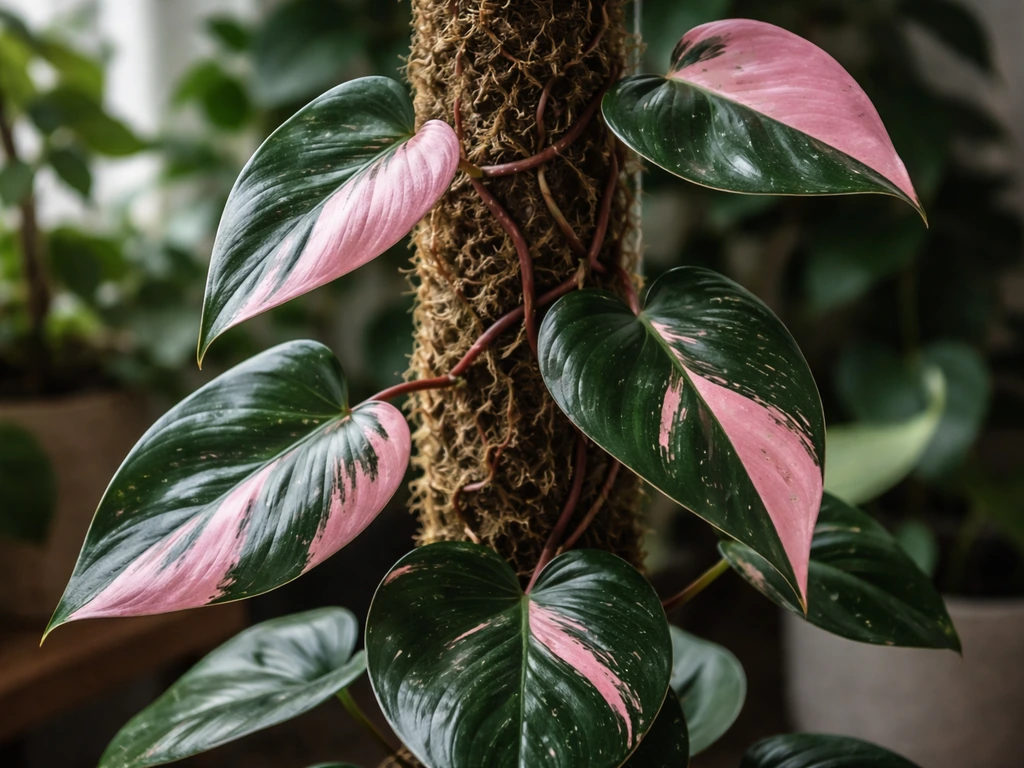
First, Make Sure You Have the Right Plant
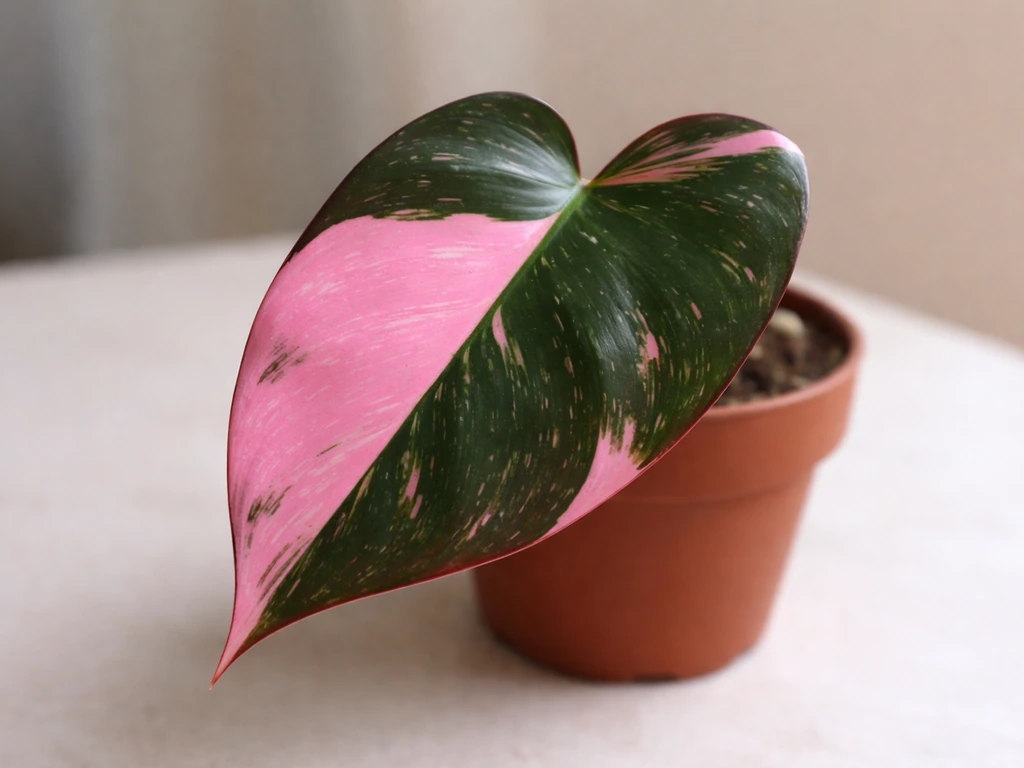
Before you do anything else, confirm what you actually bought. 'Pink Princess' is a cultivar of Philodendron erubescens, originally from Colombia, and its pink coloring comes from stable genetic variegation called a periclinal chimera. That means the pink is baked into the plant's tissue layers and, under the right conditions, it stays pink.
The problem is that a lookalike called 'Pink Congo' (sometimes sold as 'Pink Chameleon') gets mixed up with it constantly. “Pink Princess” is described as stable chimera variegation, while “Pink Congo” (chemically induced) is expected to revert to green as the chemical fades lookalike called 'Pink Congo'. Pink Congo leaves are often entirely bright pink and the leaf shape tends to be slightly pointier.
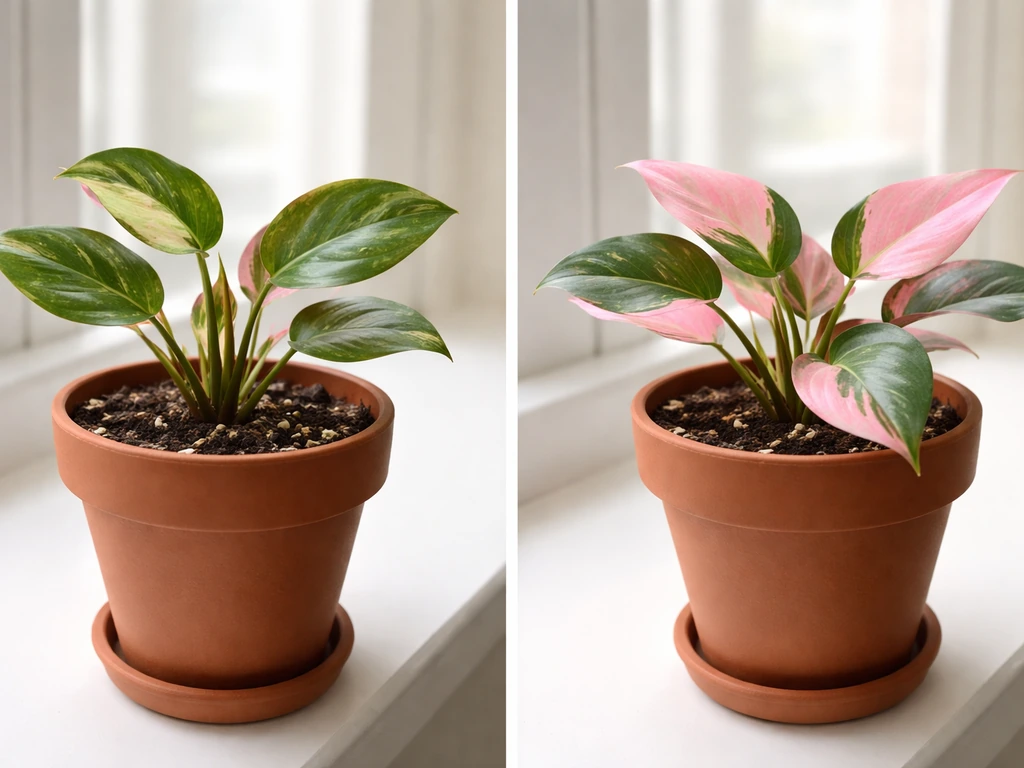
That all-over pink look is actually chemically induced using greenhouse ethylene gas, and it fades. Within a few months, those leaves revert to plain green because there's no real genetic variegation underneath. If you bought a plant with fully pink leaves for a low price and it's already going green, that's likely what happened. True Pink Princess leaves are variegated, meaning you'll see a mix of deep green and irregular pink patches or sections on each leaf, not solid pink.
Also worth noting: Pink Princess is not related to the porcelain flower or celosia flamingo feather, even though all share similar names. Pink Princess is purely a foliage houseplant, not grown from seed for cutting gardens the way many flowers on this site are.
Light, Temperature, and Humidity: Getting the Conditions Right
Light is everything for keeping the pink
Bright indirect light is non-negotiable for Pink Princess. A spot near a north- or east-facing window often isn't enough. You want a well-lit room where the plant gets several hours of strong, filtered light each day, ideally close to a south- or west-facing window with a sheer curtain diffusing the direct rays. Avoid harsh afternoon sun hitting the leaves directly because the pink sections have less chlorophyll and burn more easily, leaving dry bleached patches.
Here's why light matters so much for the pink: pink tissue can't photosynthesize as efficiently as green tissue, so when the plant doesn't get enough light, it responds by producing more chlorophyll, which means more green in new leaves. Over time, a Pink Princess kept in dim conditions will push out leaves that are mostly or entirely green. That's reversion, and it's the most common reason people lose their plant's variegation. Move it somewhere brighter as soon as you notice new growth coming in with very little pink.
Temperature and humidity targets
Keep daytime temperatures between 65–80°F (18–27°C) and try not to let nights drop below 60°F (15°C). This plant is tropical and won't tolerate frost or cold drafts, so keep it away from exterior doors and air conditioning vents in summer.
Humidity should sit above 50%, and ideally between 60–80%. Average household air in winter heating season often drops to 30–40%, which is too dry. A small humidifier near the plant is the most reliable fix. A pebble tray filled with water under the pot also helps a little, as does grouping tropical plants together. Misting works short-term but isn't as consistent.
Airflow matters too, even though it's rarely mentioned. Stagnant humid air around leaves increases the risk of fungal issues. A gentle fan running nearby on low, or just a naturally ventilated room, keeps things fresh without drying the plant out.
Soil Mix and Pots: Set Up for Drainage from Day One
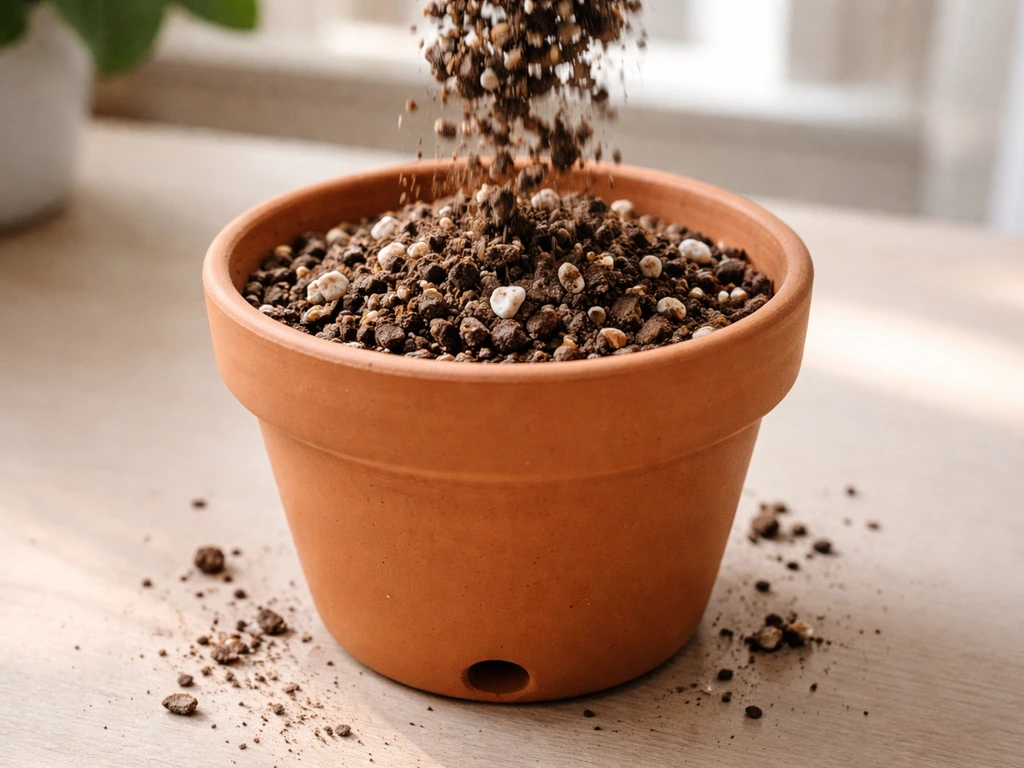
Pink Princess roots hate sitting in wet soil. A chunky, well-draining mix that still holds a little moisture is the goal. You can build your own with roughly 30–40% peat moss or coco coir, 20–30% perlite, 20% orchid bark, 10% worm castings, and 5–10% horticultural charcoal. That might sound fussy, but the chunky bark and perlite are what actually prevent rot by keeping air pockets around the roots. Standard potting mix on its own is usually too dense and holds too much moisture.
For pots, always use a container with a drainage hole. Terracotta is a good choice for beginners because it breathes and dries out faster, giving you more margin for error if you tend to overwater. Plastic pots work fine too but stay wet longer, so be more conservative with watering frequency.
Start in a pot that's only slightly larger than the root ball, roughly 4–6 inches for a young plant. Pink Princess is a slow grower, and an oversized pot holds excess moisture around roots that aren't using it yet. Repot only when roots are circling the bottom or poking out of drainage holes, typically every 1–2 years. When you do repot, go up just one pot size (about 2 inches larger in diameter).
How to Start Your Plant: Cuttings vs. Seeds
Forget seeds. Pink Princess fruit has never been reliably seen in home cultivation, and even the seeds sold online are usually not true Pink Princess genetics. Buying seeds is almost always a waste of money and time. The only reliable way to grow a new Pink Princess is from a stem cutting taken from a verified plant.
How to propagate from a stem cutting
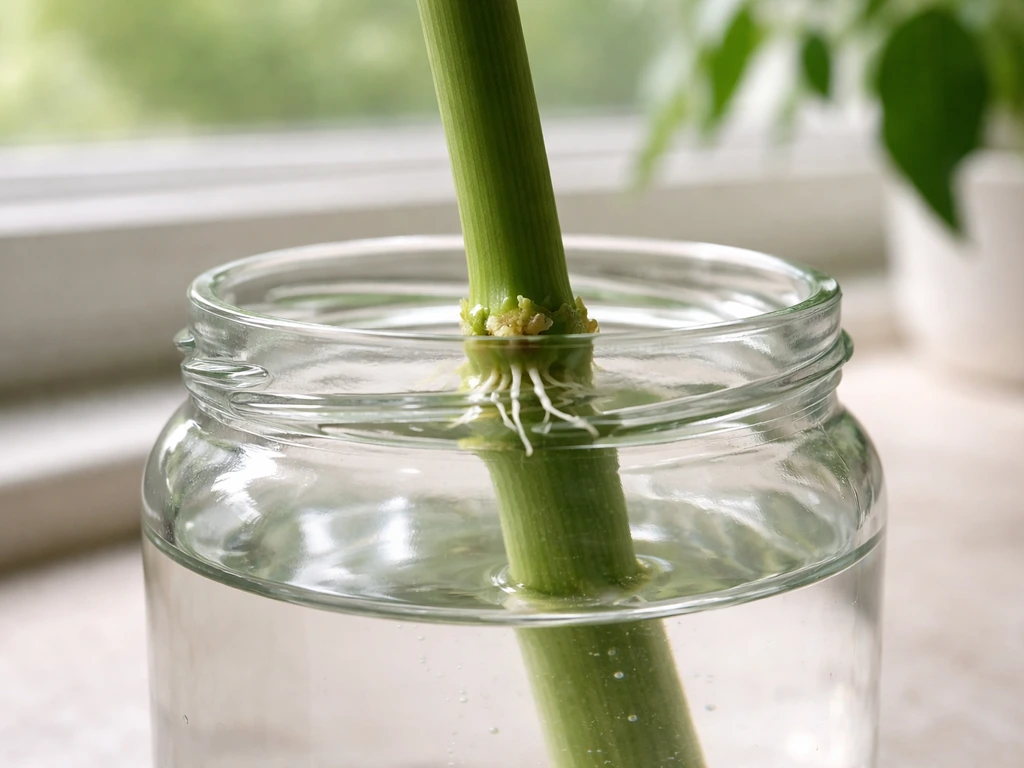
- Pick a healthy stem cutting with at least one node (the small bump or joint where a leaf or aerial root attaches) and ideally one or two leaves. The cutting should include some pink variegation if you want the new plant to carry that trait.
- Let the cut end dry for 30–60 minutes so the wound calluses slightly. This reduces the chance of rot at the cut site.
- Place the cutting in a glass or jar of clean water so the node is submerged but the leaves stay above the waterline. Set it in a warm, bright spot, changing the water every few days to keep it fresh.
- Roots typically appear within 2–4 weeks. Some cuttings take 3–6 weeks, especially if the node is small. Be patient and don't move the cutting around.
- Once roots are at least an inch long, pot the cutting into your prepared chunky mix. Water it in well, then let the top inch of soil dry before watering again.
- To boost humidity during rooting, especially if you're planting directly into soil instead of water, loosely tent a clear plastic bag over the cutting and pot to create a mini greenhouse effect. Remove it for an hour each day to prevent mold.
A week or so after the cutting is rooted and potted, you can give it a very diluted half-dose of liquid fertilizer to encourage it to settle in. Don't feed before roots are established.
Watering and Feeding: Simple Routines That Work
How to water without causing rot
The most reliable watering cue is to check the soil with your finger. When the top 1–2 inches of soil feel dry, water thoroughly until it flows out the drainage hole, then stop. Don't let the pot sit in standing water in a saucer. Empty the saucer after 30 minutes if drainage has pooled there. During winter when growth slows, you'll water even less frequently, sometimes every 10–14 days depending on your conditions.
What you're avoiding is two extremes: soggy soil that suffocates roots, and bone-dry soil that stresses the plant. Consistent moisture checks beat any watering calendar because temperature, pot material, and season all affect how fast your soil dries.
Feeding schedule
During spring and summer (active growing season), feed with a balanced liquid fertilizer every 4–6 weeks at the recommended dilution, or every 2 weeks at half strength. Don't fertilize in fall and winter when the plant is resting. Pink Princess is a slow grower, so it doesn't need heavy feeding. Over-fertilizing won't speed it up but can burn roots and cause other problems.
Day-to-Day Care as the Plant Grows
Pink Princess is a vining philodendron that naturally wants to climb. Give it a moss pole or coco coir pole to attach to and it will reward you with larger, healthier leaves. Without support, it tends to sprawl, which isn't a disaster but the leaves stay smaller. Use soft plant ties or velcro tape to guide stems up the pole as they grow.
Pruning serves two purposes: shaping the plant and managing variegation. If a stem starts producing all-green leaves with no pink, cut it back to a node further down the stem where variegation was present. This encourages the plant to push new growth that may carry more pink. You can root those cuttings to make new plants. Always use clean, sharp scissors or pruning shears, and wipe the blade with rubbing alcohol between cuts.
Wipe leaves occasionally with a damp cloth to remove dust. Dusty leaves photosynthesize less efficiently, which matters even more for this plant since its pink tissue is already limited in photosynthetic ability.
Check for pests every time you water. The most common houseplant pests on Pink Princess are spider mites (look for fine webbing on leaf undersides and between stems) and mealybugs (white cottony clusters tucked into leaf axils and stem joints). Treat early infestations by wiping affected areas with a cotton ball dipped in rubbing alcohol, then follow up with neem oil or insecticidal soap spray applied to all leaf surfaces, including undersides. Repeat every 5–7 days for 2–3 weeks to break the pest life cycle.
Troubleshooting: When Things Go Wrong
| Problem | Likely Cause | Fix |
|---|---|---|
| New leaves have no pink or very little pink | Not enough light; plant increasing chlorophyll production | Move to a brighter spot with more indirect light; cut back all-green stems to encourage new variegated growth |
| Leggy, stretched stems with wide gaps between leaves | Insufficient light causing the plant to reach toward the source | Relocate closer to a bright window or add a grow light; prune leggy stems to encourage bushier new growth |
| Yellow leaves | Overwatering, poor drainage, or occasionally underwatering | Check soil moisture and drainage; if soil is soggy, hold off watering and improve drainage; if bone dry, water thoroughly |
| Mushy black stems or roots | Root rot from overwatering or poor drainage | Unpot the plant, cut off all brown or mushy roots with sterile scissors, let roots air-dry briefly, repot in fresh chunky mix in a clean pot, then water sparingly until the plant stabilizes |
| Slow or stalled growth | Normal for this variety, or caused by low light, cold temperatures, or being root-bound | Confirm conditions are within range; if root-bound, repot one size up; expect slow growth as baseline even in ideal conditions |
| Cottony white clusters on stems or leaf joints | Mealybug infestation | Remove manually with alcohol-dipped cotton, treat with neem oil or insecticidal soap weekly for 3 weeks |
| Fine webbing on leaf undersides, leaves look dusty or stippled | Spider mite infestation | Rinse leaves with water, increase humidity, treat with neem oil or insecticidal soap every 5–7 days until clear |
Root rot is the failure mode that catches most beginners off guard because the symptoms look like underwatering (drooping, yellowing leaves) and the instinct is to water more, which makes things worse. If your plant looks sick despite regular watering, always check the roots first. Pull it out of the pot and look at what's underneath. Healthy roots are white or light tan and firm. Rotted roots are brown, black, and mushy. Cut all the damaged roots away cleanly, treat the remaining healthy roots with a diluted hydrogen peroxide rinse if you want to be thorough, and repot into fresh dry mix. Then water lightly and wait.
If your Pink Princess has lost all variegation and gone entirely green, it's worth checking whether you might have purchased a Pink Congo plant to begin with. A true Pink Princess chimera won't permanently revert to all-green under normal conditions, though it can shift heavily toward green in low light. Prune, improve light, and give it a few months before writing it off.
Pink Princess is genuinely rewarding once you've got the light and watering dialed in. It's slow, which can feel frustrating, but each new leaf with that pink splash is worth it. Start with the right plant, give it bright light, keep the soil moist but never soggy, and you'll be in good shape.
If you're growing a flamingo plant instead, the care basics are similar, but you'll want to match its specific light and watering needs to keep new growth colorful how to grow flamingo plant. If you want to try celosia flamingo feather instead, use a warm, sunny spot and keep the soil evenly moist while seeds or seedlings establish.
If you’re trying to get blooms on true flowering plants, you’ll want to match the light, soil, and watering needs of that specific species too good shape.
FAQ
Can I grow Pink Princess under a grow light instead of near a window?
Yes, but only if you can meet the light requirement. If you cannot place it in a well-lit room, use a grow light positioned close enough to produce strong filtered light for several hours daily, and keep the same water and drainage habits. Low light is one of the fastest ways to trigger reversion toward green.
Will higher humidity bring back pink variegation if my plant is reverting?
It helps, but it does not replace the light. A humidifier reduces stress from dry air, but if brightness is insufficient, new leaves can still come in mostly green. Aim for humidity above 50 percent and keep it in bright indirect light.
My leaves are turning greener, how do I tell if it is care reversion or a Pink Congo mix-up?
If the leaves are mostly green, increase light first, then wait for new growth over a few months. Pink Congo lookalikes may appear fully pink at first and then fade because the color is induced and temporary, not because the care was wrong.
When is it safe to fertilize a newly rooted Pink Princess cutting?
Do not fertilize until you see active new growth after rooting. Even a lightly rooted cutting can burn if the mix stays too wet or if you feed too soon, because the roots are not yet functioning at full capacity.
How can I tell whether my Pink Princess is being overwatered or underwatered?
Signs you are overwatering include persistently wet soil, a sour smell from the pot, yellowing with drooping, and black, mushy roots when you check. Underwatering usually shows slower, drier droop and dry soil, so finger-testing the top 1 to 2 inches is the quickest way to differentiate.
Does airflow matter for Pink Princess if I already keep humidity up?
Yes, but keep airflow gentle and consistent. A small fan on low or a naturally ventilated spot lowers fungal risk, especially when humidity is 60 to 80 percent. Avoid blasting the plant directly, since drying too hard can also stress foliage.
Do watering schedules change depending on whether I use terracotta or plastic pots?
Terracotta typically dries faster, so watering intervals are often shorter. If you use plastic, be more conservative and rely on the soil-finger test rather than a schedule, because plastic holds moisture longer and increases rot risk.
Where should I cut if one stem is producing all-green leaves?
You should prune a stem when it reliably produces all-green leaves, then cut back to a node below the all-green section where variegation appeared. This is also a good time to visually confirm you are not just dealing with a temporarily low-light leaf.
Why do spider mites or mealybugs come back even after I treated once?
If pests return after treatment, the problem is usually missed coverage, not the product. Spray or treat underside surfaces and leaf axils thoroughly, and repeat on schedule for 2 to 3 weeks to break the life cycle, then inspect again at every watering.
How should I clean Pink Princess leaves without causing spotting or fungal issues?
Occasional wiping is fine, but avoid soaking the leaves. Use a damp cloth only, and make sure the plant dries well afterward so humidity around the foliage does not stay trapped.
What should I do if I suspect root rot but I’m not sure yet?
If there is already active rot, do not just increase watering or wait it out. Remove the plant, trim all mushy roots, repot into fresh dry mix, and water lightly only after the cutting surfaces have had time to settle.
Should I change watering or fertilizing in winter for Pink Princess?
It is usually normal for the plant to look slower in fall and winter, but do not change to more frequent watering to compensate. Keep the same soil check routine, reduce or stop feeding during dormancy, and focus on maintaining stable warmth away from drafts.
Next Article
How to Grow a Pink Flower Fae Farm: Step by Step Guide
Step-by-step guide to start and scale a pink flower fae farm with soil, timing, watering, spacing, fixes, and weekly car