
A pink flower fae farm is essentially a dedicated growing space planted wall-to-wall with pink-blooming varieties chosen for their whimsical, cottage-garden feel. Think cosmos, sweet peas, celosia, lisianthus, and coneflower (Echinacea purpurea) arranged in rows or loose drifts so you always have something pink to cut, enjoy, or photograph. You can start the whole thing from seed in a single weekend, and with the right variety mix you'll have blooms coming from early summer right through the first frost.
How to Grow a Pink Flower Fae Farm: Step by Step Guide

Marcus Holloway
15 May 2026

What to plant for a pink fae farm look
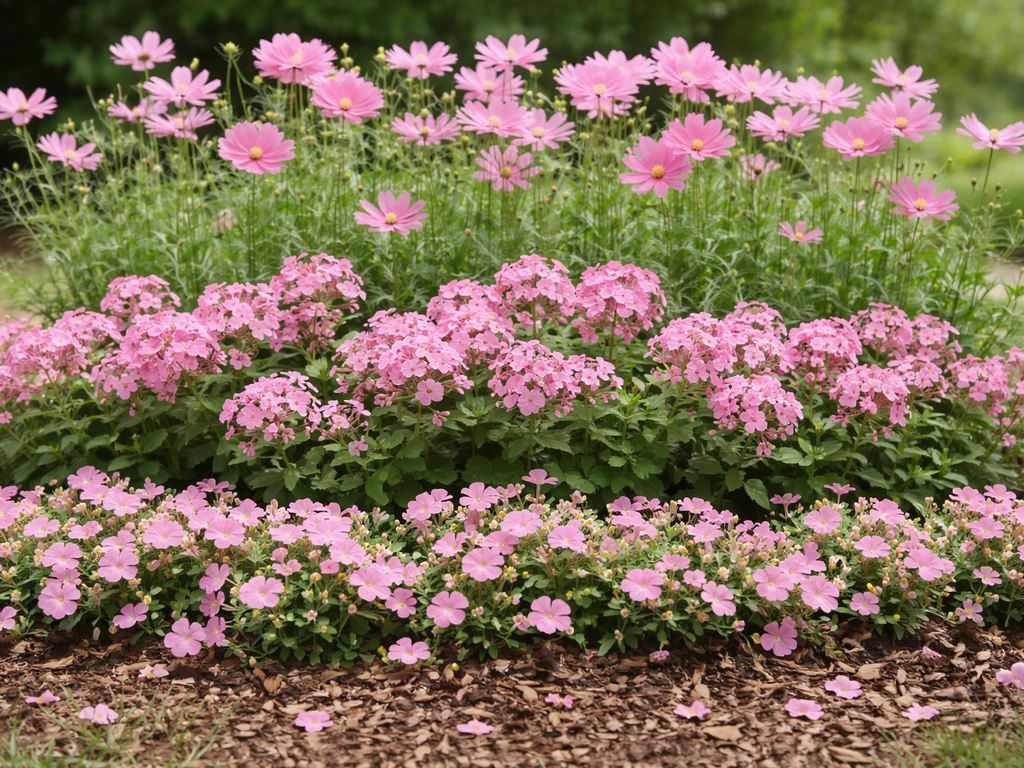
The magic of a fae-themed flower farm is the layered, almost overgrown feeling of pink on pink on pink. You want a mix of tall background plants, mid-height fillers, and low edging so the whole bed reads as one enchanted blur. Here are the best performers for that aesthetic, all genuinely beginner-friendly.
| Flower | Height | Direct sow or transplant | Time to bloom from seed | Best for |
|---|---|---|---|---|
| Cosmos (Cosmos bipinnatus 'Sensation Pink') | 3–5 ft | Direct sow | 7–9 weeks | Tall airy backdrop, cutting |
| Sweet peas (Lathyrus odoratus) | 4–6 ft (climbing) | Direct sow | 8–12 weeks | Vertical structure, fragrance |
| Celosia flamingo feather (Celosia spicata) | 2–3 ft | Start indoors or direct sow | 8–10 weeks | Mid-height texture |
| Lisianthus (Eustoma grandiflorum) | 18–24 in | Transplant recommended | 16–20 weeks | Cut flowers, fae centerpiece |
| Coneflower (Echinacea purpurea) | 2–4 ft | Direct sow or transplant | First year: 14–16 weeks | Long-lived perennial anchor |
| Dianthus (Dianthus barbatus 'Pink') | 12–18 in | Direct sow or transplant | 8–10 weeks | Low edging, sweet scent |
| Zinnia 'Benary's Giant Coral/Pink' | 2–3 ft | Direct sow | 6–8 weeks | Fast color, cutting farm workhorse |
If you want the full fae aesthetic, lead with cosmos and sweet peas for height, celosia or lisianthus for the middle layer, and dianthus or low zinnias along the front edge. Coneflower works as a permanent backbone: plant it once and it returns every year (zones 3 to 8), giving you structure while annuals fill in around it each season. Echinacea purpurea is hardy across blank" rel="noopener noreferrer">USDA zones 3 to 8 (commonly cited range), according to Ohio State University Extension. If you've explored growing celosia flamingo feather or other flamingo-themed plants before, that variety fits directly into this setup as a mid-border texture plant.
Pick the right spot and prep the soil properly
Every flower on the list above is a full-sun plant. According to the [North Carolina Extension Gardener Plant Toolbox](https://plants. ces. ncsu.
edu/plants/echinacea-purpurea/common-name/coneflower/), coneflower (Echinacea purpurea) performs best in full sun, meaning at least 6 hours of direct sunlight per day. You need a minimum of 6 hours of direct sunlight per day, and honestly 8 hours is better. Coneflower in particular does not flower freely in shade, and cosmos get leggy and floppy without strong light. If your only option is part shade, stick with dianthus and sweet peas at the shadier end, but expect fewer blooms overall.
If you want an even more specific plant-by-plant approach, you can use the same prep and timing logic as explained in our guide to how to grow flamingo plant.
For soil, well-drained is non-negotiable. Most pink annuals rot at the root if they sit in standing water, and coneflower in particular hates consistently wet conditions. Before you sow or plant anything, dig down 8 to 10 inches and break up compacted ground. Mix in 2 to 3 inches of compost across the whole bed and rake it level. If your soil is heavy clay, add a bag of perlite or coarse grit per 10 square feet to improve drainage. Aim for a pH between 6.0 and 7.0, which suits all the varieties listed above.
For a proper farm-style setup, lay your bed out in rows about 18 inches apart. This gives you walking access for watering, weeding, and cutting without trampling plants. Mark rows with twine and stakes so you can keep track of what's what once seedlings emerge.
Timing your sow and how to actually do it
Timing depends on your last frost date. Find it, write it down, and work backward from there. Here's how each category breaks down.
Direct sow outdoors (cosmos, zinnias, dianthus)
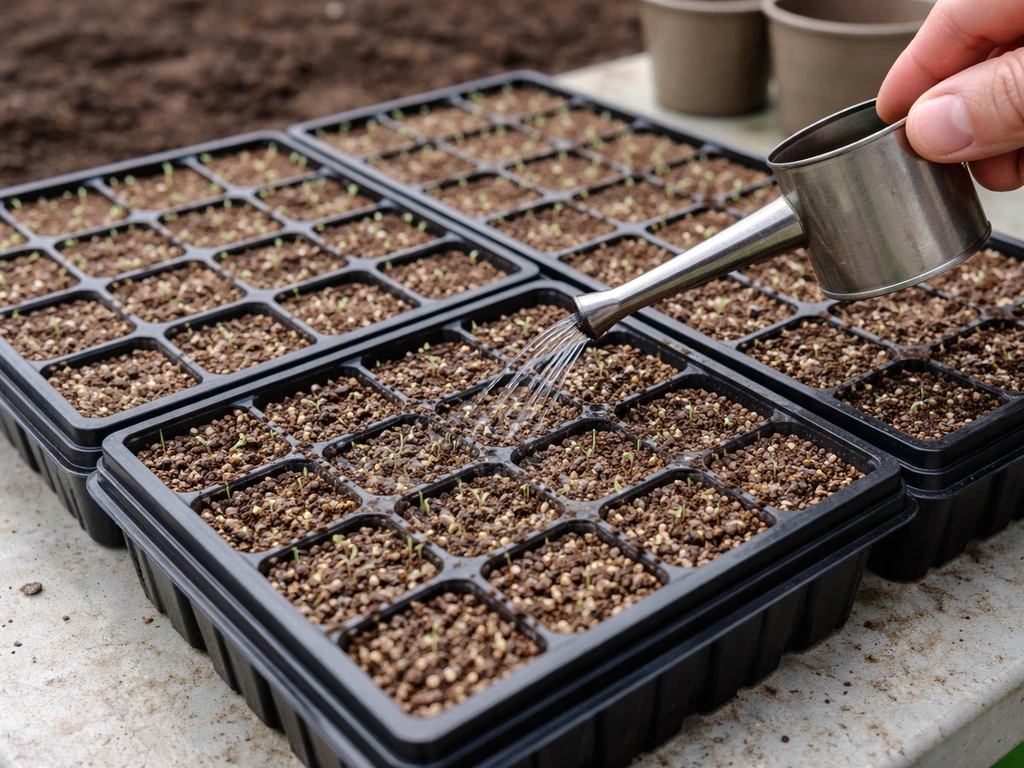
- Wait until after your last frost date and soil temperature is at least 60°F (65°F for zinnias).
- Rake the bed smooth and water lightly so the surface is damp but not muddy.
- Scatter seeds thinly in rows or broadcast across a drift. Cover cosmos and zinnias with 1/4 inch of soil. Press dianthus seeds onto the surface without covering since they need light to germinate.
- Water gently with a fine rose head or misting nozzle so you don't wash seeds away.
- Mark rows with stakes and keep soil consistently moist until germination, usually 7 to 14 days.
- Thin seedlings once they reach 2 to 3 inches tall: cosmos to 12 to 18 inches apart, zinnias to 9 to 12 inches, dianthus to 6 to 9 inches.
Start indoors first (celosia, lisianthus, sweet peas)
- Celosia: Start 4 to 6 weeks before last frost in cell trays. Press tiny seeds onto moist seed-starting mix, barely covering. Keep at 70 to 75°F. Germination in 5 to 10 days. Transplant outdoors after frost danger passes.
- Lisianthus: This is the slow one. Start 16 to 20 weeks before your target outdoor plant date. Use a sterile seed-starting mix, maintain 70°F, and expect uneven germination over 2 to 3 weeks. Do not rush transplanting outdoors; harden off for 10 to 14 days first.
- Sweet peas: Sow 6 to 8 weeks before last frost indoors, or direct sow outdoors 4 to 6 weeks before last frost since they prefer cool conditions. Soak seeds in water for 24 hours before sowing to speed germination. Sow 1 inch deep, 2 to 3 seeds per cell. Germination in 10 to 14 days.
Transplanting coneflower
Coneflower can be started from seed indoors 8 to 10 weeks before last frost, but many gardeners buy plug plants and skip year one's patchy results. If you do start from seed, surface sow on moist mix, chill the tray in the fridge for 2 to 3 weeks (cold stratification), then bring to room temperature. Transplant outdoors after the last frost. Don't be disappointed if first-year coneflowers bloom lightly; they hit their stride in year two.
Watering and feeding from sprout to first bloom
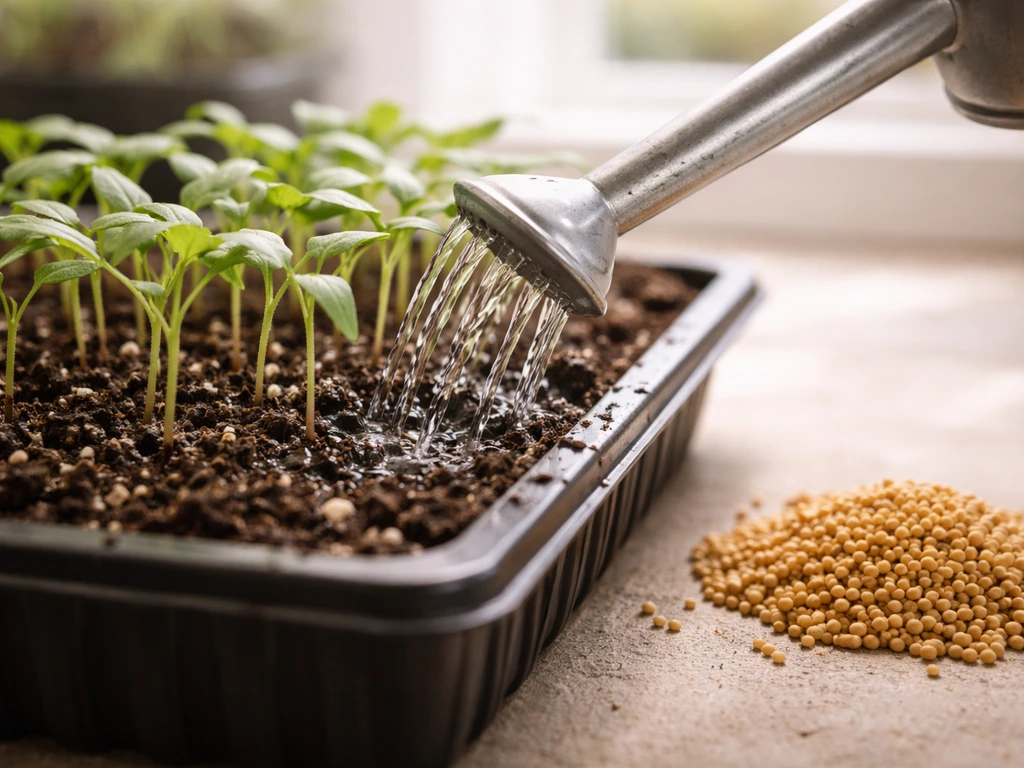
Seedlings need consistent moisture but never soggy soil. The golden rule is water at soil level, not overhead, to avoid damping off (a fungal rot that collapses seedlings at the base overnight). Once plants are established in the ground, water deeply twice a week rather than lightly every day. Deep watering encourages roots to chase moisture downward, making plants more drought-tolerant as summer heats up.
For feeding, keep it simple. Work a balanced slow-release granular fertilizer (something like 10-10-10) into the top 2 inches of soil at planting. This feeds plants for 8 to 12 weeks without any extra effort. Once buds start forming, switch to a low-nitrogen, high-phosphorus liquid feed (like a 5-10-10 or tomato fertilizer) every two weeks. High nitrogen at the bud stage pushes leafy growth over flowers, which is the opposite of what you want. Coneflower in particular is a light feeder and does fine on just the initial soil prep and compost. If you want more specifics for pink coneflower and other pink varieties, see our guide on how to grow pink princess.
Spacing, staking, and keeping the farm tidy
For a farm-style setup where you want density without crowding, use these spacing targets as your guide.
| Flower | Spacing in the bed | Staking needed? |
|---|---|---|
| Cosmos | 12–18 inches | Yes, stake or use pea netting at 18 inches tall |
| Sweet peas | 6–9 inches | Yes, trellis or netting essential |
| Celosia flamingo feather | 9–12 inches | No, self-supporting |
| Lisianthus | 9–12 inches | Sometimes at flower stage |
| Coneflower | 18–24 inches | Rarely needed |
| Dianthus | 6–9 inches | No |
| Zinnia | 9–12 inches | No |
For cosmos and sweet peas, put your support structure in early, before plants need it. A simple grid of jute twine strung between bamboo canes at 12, 24, and 36 inches height gives plants something to lean into as they grow. For sweet peas, a trellis or hazel netting works best since the tendrils need something fine to grip.
Pinching is your best tool for bushy plants and more blooms. When cosmos and sweet peas reach about 8 to 10 inches tall, pinch out the top growing tip just above a leaf node. It feels counterintuitive to slow a young plant down, but it forces two or three side shoots where there was one, meaning far more flowers later. Skip pinching zinnias and celosia since they branch naturally.
Common problems and how to fix them
Germination failures
If seeds aren't sprouting after 2 to 3 weeks, the usual culprits are soil too cold, too dry, or seeds sown too deep. Check soil temperature with an inexpensive probe thermometer. Most pink annuals need at least 60 to 65°F to germinate reliably. Lisianthus is famously slow, so don't pull the tray until 4 weeks have passed.
Leggy seedlings
Leggy, stretched seedlings almost always mean not enough light. Move trays to a south-facing window or put them directly under grow lights positioned 2 to 3 inches above the seedling tops, running 14 to 16 hours per day. You can also lower your indoor temperature slightly at night (60 to 65°F) since cool nights slow stretch.
Damping off
Damping off kills seedlings at soil level almost overnight and spreads fast. Prevention is far easier than cure: always use fresh, sterile seed-starting mix, water with room-temperature water, and keep good airflow around trays. A small fan on low pointed near (not directly at) your seedlings dries the surface between waterings and makes damping off much less likely.
Aphids and spider mites
Aphids cluster on new growth and under leaves of sweet peas and cosmos especially. Blast them off with a strong jet of water first, then apply insecticidal soap spray every 3 to 4 days until the infestation clears. Spider mites show up in hot, dry weather as dusty webbing on the undersides of leaves. Keep plants well-watered and mist the foliage in the morning during heatwaves to raise humidity around the plants.
Powdery mildew
The white powder on leaves is powdery mildew, most common on zinnias late in the season. It's cosmetic more than deadly, but it spreads. Remove badly affected leaves, improve airflow by thinning crowded plants, and avoid wetting foliage when you water. A baking soda spray (1 teaspoon baking soda plus a drop of dish soap in 1 quart of water) applied weekly slows the spread.
Poor or delayed blooming
If plants are lush and green but not blooming, nitrogen is usually the problem. Lay off the balanced fertilizer and switch to a bloom-booster formula. Also check light: even a slightly shaded spot will noticeably delay blooms, especially on coneflower and cosmos.
Harvesting, cutting, and keeping the farm producing
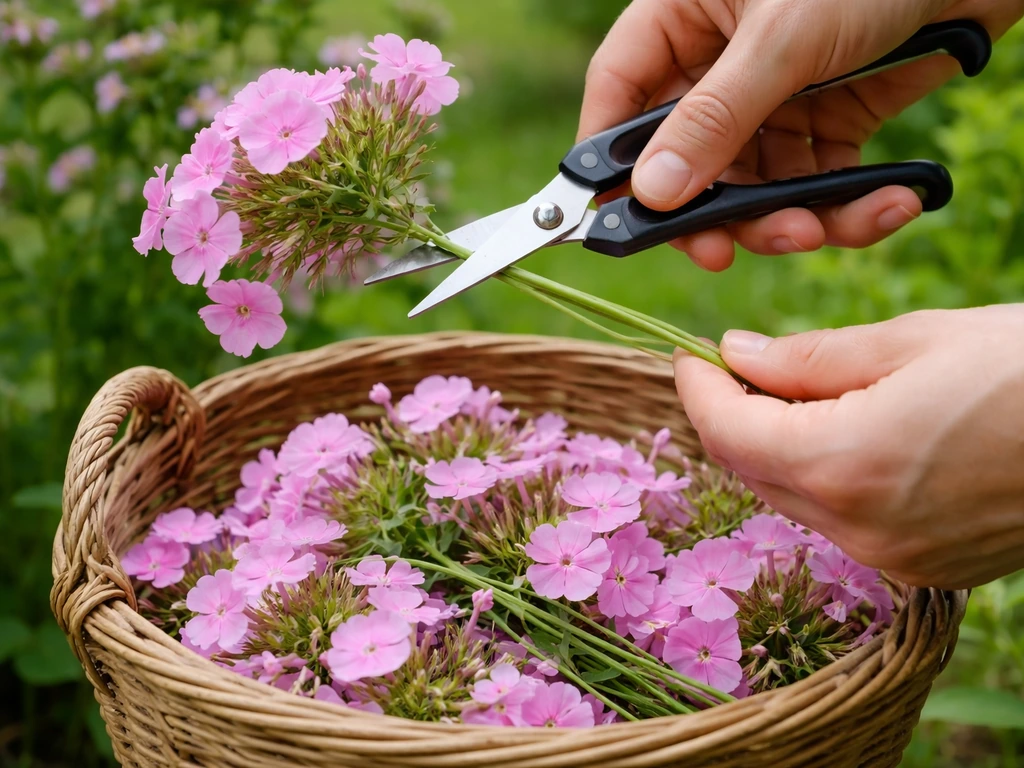
This is where a fae farm really earns its name. Cutting flowers regularly is not just a nice bonus, it's the key management technique that keeps annuals like cosmos, zinnias, sweet peas, and celosia blooming continuously. The plant's biological drive is to set seed and stop flowering; every time you cut a bloom before it sets seed, you restart that cycle. Cut cosmos and zinnias when petals are just fully open, early in the morning when stems are fully hydrated. Cut sweet peas when the lowest flower on the stem has just opened. For lisianthus, cut when one to two flowers per stem are fully open and the rest are in bud.
Use clean, sharp scissors or snips, cutting stems at a 45-degree angle just above a leaf node or side shoot. Put stems immediately into a bucket of cool water. For the longest vase life, strip any foliage that will sit below the waterline and change the vase water every two days.
Coneflower is slightly different: deadhead spent blooms by cutting the stem back to the nearest lateral bud to encourage a second flush. For a porcelain flower setup, the same basics apply: keep it sunny, plant in well-drained soil, and water thoughtfully to support steady growth. Leave some seedheads on the plant in late summer since they're beautiful in their own right and attract birds, fitting the fae garden aesthetic perfectly.
For ongoing farm productivity, succession sow your fastest-turning annuals (cosmos and zinnias especially) every 3 weeks from late spring to midsummer. If you also want more pink blooms than one weekend can handle, you can plan staggered sowings so flowers keep coming. This staggers bloom time so you don't get a single glut followed by a gap. It's the single most effective trick for keeping the cutting farm looking full and magical from June to October.
Your one-week start plan and weekly maintenance routine
Here's exactly what to do in the next seven days to get your pink fae farm started, followed by the routine that keeps it running.
This week's action checklist
- Day 1: Check your last frost date. Order or buy seeds: cosmos, zinnia, dianthus, sweet peas, and celosia. Buy coneflower plug plants if available (saves a year of wait).
- Day 2: Choose and mark your bed. Confirm it gets 6+ hours of sun. If planting after last frost, dig and amend the bed with 2 to 3 inches of compost.
- Day 3: Start sweet peas and celosia indoors in cell trays if you're still 4 to 6 weeks from last frost. Soak sweet pea seeds overnight first.
- Day 4: Put up any trellising or netting for sweet peas and cosmos while the bed is empty and easy to work in.
- Day 5: Direct sow cosmos, zinnias, and dianthus outdoors if soil is 60°F+ and frost risk is gone. Otherwise, sow them in module trays indoors.
- Day 6: Label everything. Seriously. Six weeks from now you will not remember which row is which.
- Day 7: Water all trays or outdoor rows gently and set a recurring reminder to check moisture daily.
Weekly maintenance once plants are in the ground
- Water deeply twice a week at soil level unless it has rained significantly.
- Walk the rows and cut any open blooms on cosmos, zinnias, and sweet peas.
- Check undersides of leaves for aphids; treat immediately with soap spray if found.
- Remove any yellowing, diseased, or dead foliage to improve airflow.
- Feed with liquid bloom fertilizer every two weeks once buds appear.
- Succession sow another short row of cosmos or zinnias every three weeks through midsummer.
Once the farm is rolling, that weekly routine takes about 20 to 30 minutes. The reward is a continuous supply of pink blooms from early summer into fall, a growing space that actually looks more beautiful the more you harvest from it, and the kind of overgrown, enchanted-garden feeling that earns the 'fae' label every time someone walks past it.
FAQ
Can I grow a pink flower fae farm in partial shade, or will the blooms fail?
Yes, but plan for a less dense, more “selected spots of pink” look. If you cannot reach at least 6 hours of direct sun, prioritize the most tolerant picks in the article’s list (dianthus and sweet peas) and accept fewer blooms, especially from coneflower and cosmos. For the best chance of keeping the fae look, keep the bed visually layered even if flowering is lighter.
Which flowers in a pink fae farm will come back every year, and which need replanting?
If you want a true farm rhythm, run two tracks: keep coneflower as the long-lived backbone and treat annuals as your repeat bloom engines. Coneflower is the one that returns reliably year to year in the right zone, while cosmos, sweet peas, celosia, lisianthus, and zinnias need new planting or seed sowing each season to maintain constant pink cutting volume.
When should I stop harvesting in fall so I do not ruin the late-season flowers?
Use your first hard frost as the stop signal for cutting, not the first light frost. If you cut and leave tender annuals exposed to multiple frosts, they can collapse quickly and reduce late-season flower quality. In practice, harvest for bouquets up to the first hard frost, then focus on deadheading only if you still have mild weather to encourage a final flush.
What should I troubleshoot if the plants are healthy but not blooming by mid-season?
If seedlings look fine but you see no flowers later, check two common causes early: too much nitrogen and insufficient light. Your article already notes high nitrogen reduces blooming, but the quick field check is to compare leaf color and growth speed, very lush dark green plants usually indicate nitrogen is still too high or feed timing was too early. Also confirm spacing is not overcrowded, because reduced airflow can mimic “no bloom” by weakening plants.
How can I get longer, more usable stems for bouquets from a fae pink cutting bed?
If you see heavy flowering but you keep getting short stems, it is usually a light, fertility, or spacing issue. Too little sun leads to shorter, weaker stem growth, and tight spacing makes plants compete for light. Also avoid pinching or excessive stress late in the growing season, because a late pinching can delay height and reduce usable cut length.
Can I use drip irrigation for a pink flower fae farm, or is hand-watering required?
Yes, but keep the system simple: choose one watering method and be consistent. For this farm style, soil-level watering is best for damping-off prevention early on, and deep watering twice weekly once established is better than frequent shallow watering. If using drip lines, place them so water reaches the root zone and avoid wetting foliage, especially for zinnias and other prone varieties.
Should I pinch everything in the bed to make it bushier, or are there exceptions?
Do not rely on pinching for every plant. The article’s approach is to pinch cosmos and sweet peas (around 8 to 10 inches) to force side shoots, while skipping pinching for plants that branch naturally like zinnias and celosia. If you pinch zinnias/celosia anyway, you may delay flowering without gaining meaningful fullness.
Why is my lisianthus taking so long, and when should I stop waiting?
For lisianthus, warm up your expectations and your environment. It is slow to germinate and slow to establish, so if you feel “nothing is happening” at 2 weeks, it may still be normal. Keep the tray evenly moist but never soggy, and do not remove the tray before the full germination window you referenced (about 4 weeks).
What should I change if my seedlings collapse from damping off?
If you get damping off, treat it as a process failure, not just bad luck. The fastest corrective actions are: use fresh sterile seed-starting mix next time, water with room-temperature water, increase airflow (fan on low near the tray, not directly blasting), and reduce how often you re-wet the surface. Once seedlings collapse, they rarely recover, so re-sowing with the corrected conditions is usually the best move.
My plants grew fast early but look weak later. Could it be over-fertilizing, and what do I do now?
For mosaic-like weak growth with scattered pale leaves, check for nutrient imbalance and salt stress, especially if you fertilized before plants were ready or if drainage is poor. In a well-drained compost-forward bed, stick to the article’s timing: balanced slow-release at planting, then switch once buds start. If you are overfeeding earlier, flush the soil with a thorough watering to reduce concentrated salts, then resume at the lower-nitrogen bloom feed schedule.
How do I boost pollination for better late-season seedheads without changing the whole farm plan?
If bees and butterflies are visiting but you still get low pollination and fewer seeds, check whether heavy rain, persistent overcast, or high nighttime temperatures are interfering with bloom performance. For cutting gardens you may not need seeds, but for coneflower especially, leaving some seedheads later in the season helps the fae aesthetic and bird activity, even if you are mostly focused on bouquets now.
Next Article
Can You Grow Marigold From Flower? Seed & Propagation Guide
Learn how to grow marigolds from dried flowers: harvest and sow seeds, fix germination issues, and care tips.