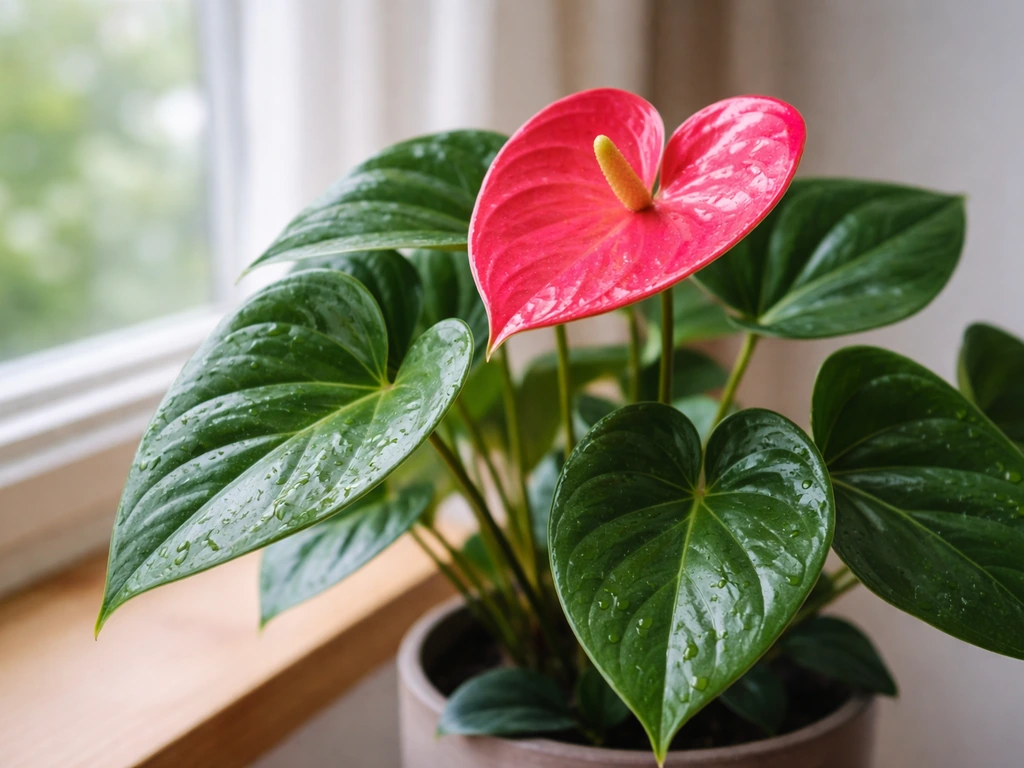
The flamingo plant most people are searching for is Anthurium andraeanum, a tropical houseplant with waxy, heart-shaped spathes in red, pink, or coral and a central spike called a spadix. It blooms reliably indoors, tolerates low maintenance once you nail its basic needs, and stays beautiful year-round with the right light and watering rhythm. Before diving into care, though, it is worth a quick check to make sure you actually have an anthurium, because "flamingo plant" gets attached to a handful of different species in the nursery trade.
How to Grow Flamingo Plant: Step-by-Step Guide

Marcus Holloway
27 Jun 2026
Which flamingo plant do you actually have?
The name "flamingo plant" or "flamingo flower" floats around in plant shops and gets applied loosely. The two species you are most likely to encounter are Anthurium andraeanum and Anthurium scherzerianum, sometimes called the pigtail plant. blank" rel="noopener noreferrer">Anthurium andraeanum is the species most often sold in the houseplant trade under the common name “flamingo flower.”. A. andraeanum has a straight, erect spadix and large flat spathes typically 8 to 15 cm long. A. scherzerianum has a curling, corkscrew-shaped spadix and slightly smaller blooms. Both are grown the same way, so whichever you have, this guide applies. If you are trying to grow celosia flamingo feather instead, the same attention to watering and light will apply, but you will need different temperature and soil conditions how to grow celosia flamingo feather. Check the tag, compare your plant to photos online, or look at the spadix shape to confirm. If the tag just says "anthurium," you almost certainly have one of these two.
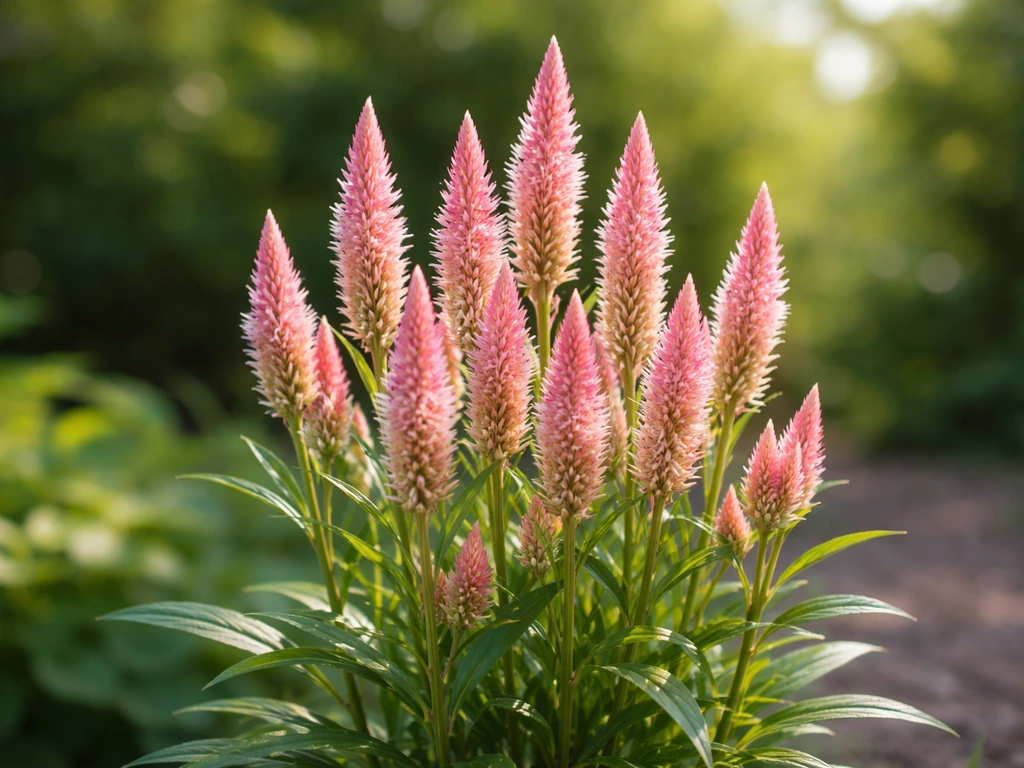
A few other plants occasionally get called flamingo flower in passing, including celosia flamingo feather (a feathery annual) and certain pink flowering perennials. If your plant looks more like a tall, feathery grain-like spike rather than a waxy tropical bloom, you may have landed on a completely different species. The rest of this guide is focused on the anthurium, which is by far the most common match for this search. If you are imagining something more specific like a pink flower fae farm, you can adapt the same indoor-growing principles to a dedicated setup for consistent blooms how to grow a pink flower fae farm.
Light, temperature, and soil: getting the basics right
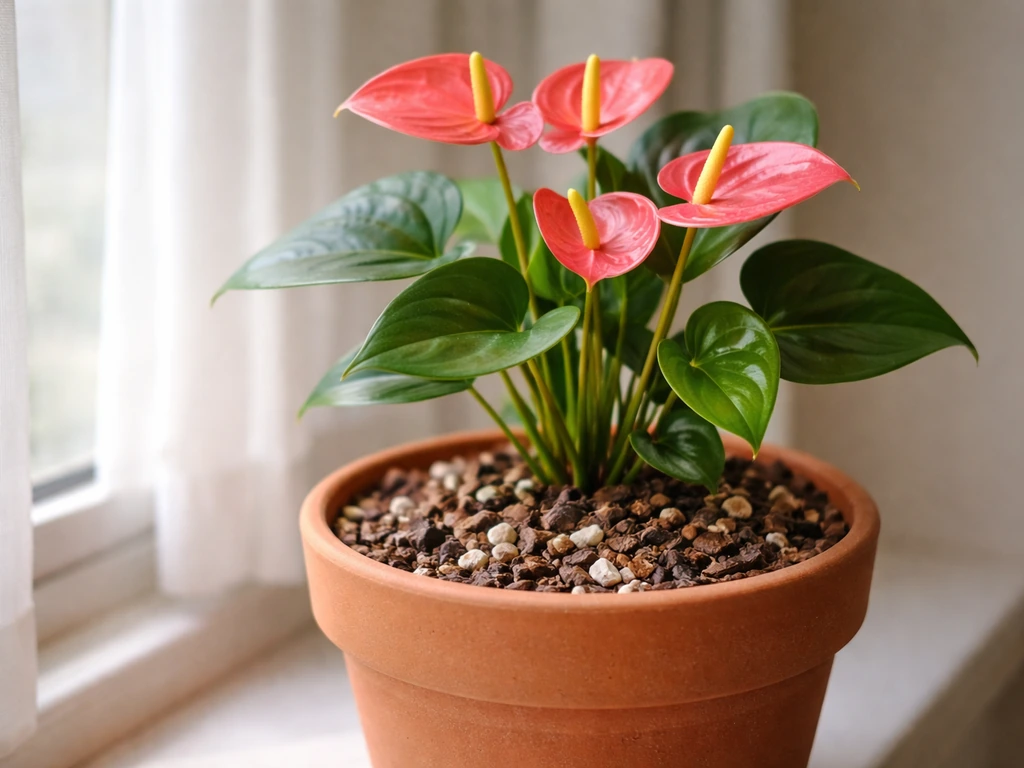
Anthuriums need bright, indirect light. A spot near a north- or east-facing window works well; a south- or west-facing window works too, but keep the plant a few feet back from the glass so it does not get scorched by direct afternoon sun. In production settings, growers target around 2,000 to 2,500 foot-candles of light to keep plants blooming consistently, which translates to that well-lit but never-sunny-beam indoor spot. Too little light and the plant grows slowly and stops flowering. Too much direct sun and the leaves bleach and burn.
Temperature is straightforward: anthuriums are happiest between 68°F and 80°F. They slow down noticeably below that range and are not frost-tolerant at all. In most temperate climates, that means treating them as permanent indoor plants unless you are putting them outside for summer in a warm, shaded spot. Keep them away from cold drafts, air conditioning vents, and single-pane windows in winter.
Soil mix matters more for anthuriums than for most houseplants because these are epiphytic plants in the wild, meaning their roots cling to trees and get air and fast drainage naturally. A standard potting soil alone stays too wet and invites root rot. The best approach is to mix equal parts high-quality indoor potting soil and orchid bark, then add a handful of perlite for extra drainage. Target a slightly acidic to neutral pH, somewhere between 5.5 and 7.0. Always use a pot with drainage holes and never let the plant sit in a saucer full of water.
Starting from seed vs. buying a transplant
Buying a transplant is the practical choice for most beginners, and I would strongly lean that way if you just want flowers this year. Seedlings can take multiple years to reach blooming size, and growing anthuriums from seed is genuinely uncommon compared to vegetative methods. That said, if you enjoy the experiment, here is how to do it. Plantura notes that anthurium seed germination can begin after around two weeks with appropriate conditions germination can begin after about two weeks. Porcelain flower care can differ from anthuriums, so once you know which plant you have, follow the specific tips for how to grow porcelain flower.
Growing from seed
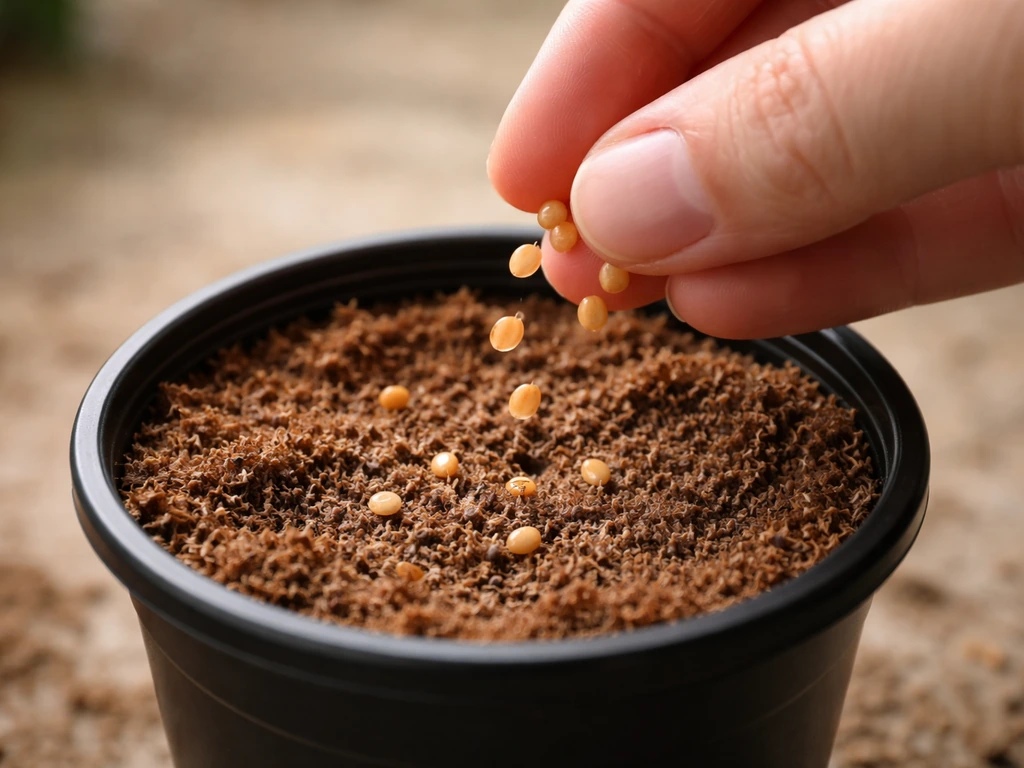
- Get fresh anthurium seeds. These do not store well, so use seeds within a few weeks of harvest if possible. Fresh seeds germinate far better than dried or stored ones.
- Fill small pots or a seed tray with a mix of fine orchid bark and perlite. Keep it moist but not soaking wet.
- Press seeds lightly onto the surface of the mix; do not bury them deeply. A light dusting of mix over the top is enough.
- Cover the container with clear plastic wrap or a humidity dome to hold in warmth and moisture.
- Place in a warm spot at around 80 to 85°F. Under these conditions, germination can begin in as little as 5 to 10 days, though some seeds take closer to two weeks.
- Once seedlings emerge, remove the dome gradually over several days to acclimate them to ambient humidity.
- Transplant seedlings into individual small pots once they are large enough to handle, around 4 to 6 months after germination. Expect a long wait before they bloom.
Using transplants or divisions
If you buy a transplant from a nursery or receive a division from a friend, spring is the ideal time to pot it up or repot it into fresh chunky mix. Divisions are the most reliable way to propagate an established anthurium: separate a healthy offset from the base of the mother plant in spring or summer, making sure the division has its own roots attached, and pot it into fresh mix. Repot the mother plant every two years to refresh the growing medium and give roots room to expand.
Watering, fertilizing, and day-to-day care
The single most common mistake with anthuriums is overwatering. The rule I follow: let the top 3 to 5 cm (about an inch to two inches) of the mix dry out before watering again. In summer, that might mean watering every five to seven days. In winter, you can scale back to roughly once a week or less, since the plant's growth slows and the mix holds moisture longer. When you do water, water thoroughly until it drains from the bottom, then empty the saucer. Never let roots sit in standing water.
For fertilizer, a balanced NPK around 20-20-20 works well during the active growing season (spring through early autumn). Feed about once a month. One thing to watch: too much fertilizer pushes lush foliage at the expense of flowers. If your plant is all leaves and no blooms, ease off the nitrogen. During bloom cycles, you can switch to a formula with higher phosphorus to support flower production. Skip fertilizing altogether in winter when growth is minimal.
Humidity helps. Anthuriums come from humid tropical environments and prefer relative humidity above 50%. If your home is dry, especially in winter, misting the air around the plant (not directly on the leaves, to avoid fungal spots) or placing a pebble tray with water nearby makes a noticeable difference.
Pruning, staking, and keeping pests out
Anthuriums do not need heavy pruning. The main task is removing spent blooms by cutting the flower stem down to the base once the spathe fades or turns green. If you are specifically aiming for pink blooms, keep the light bright and indirect and remove spent flowers promptly so the plant can set new ones. This redirects the plant's energy toward producing new flowers rather than maintaining old ones. Also remove any suckers (small shoots) that sprout from the base if you want larger, more impressive blooms from the main plant. If a leaf yellows or dies, cut it off cleanly at the stem base. Avoid pruning in late autumn or winter when the plant is least active and slower to heal.
Staking is rarely needed. Young, healthy anthuriums hold themselves upright. If an older plant starts to lean or flop, a simple bamboo stake and a soft tie will do the job.
Common pests to watch for are mealybugs, aphids, spider mites, scale, and thrips. Inspect the undersides of leaves regularly. At the first sign of any pest, isolate the plant immediately from your other houseplants. Mealybugs in particular require a full four-week isolation period after the last visible bug to prevent reinfestation of neighboring plants. Treat with insecticidal soap or neem oil, repeating every few days until clear. Avoid wetting the foliage when you can, especially in cool or low-airflow conditions, as wet leaves encourage fungal leaf spot.
Moving outdoors or maintaining indoors long-term
In most temperate climates, anthuriums live indoors permanently. They are not frost-tolerant and cannot survive an outdoor winter in the ground outside tropical and subtropical regions. That said, they thrive on a shaded patio or balcony during warm summer months. If you move yours outside for summer, wait until nighttime temperatures are consistently above 60°F, place it in dappled shade (never full sun), and bring it back inside well before the first cool night of autumn.
If you are keeping your anthurium indoors year-round, which most people do, the seasonal shift is simple: reduce watering frequency in winter, stop fertilizing, and move the plant slightly closer to a light source if days get short and grey. Resume feeding in spring when you see new growth pushing out, and repot into fresh mix every two years to keep the roots healthy.
When things go wrong: fixes for the most common problems
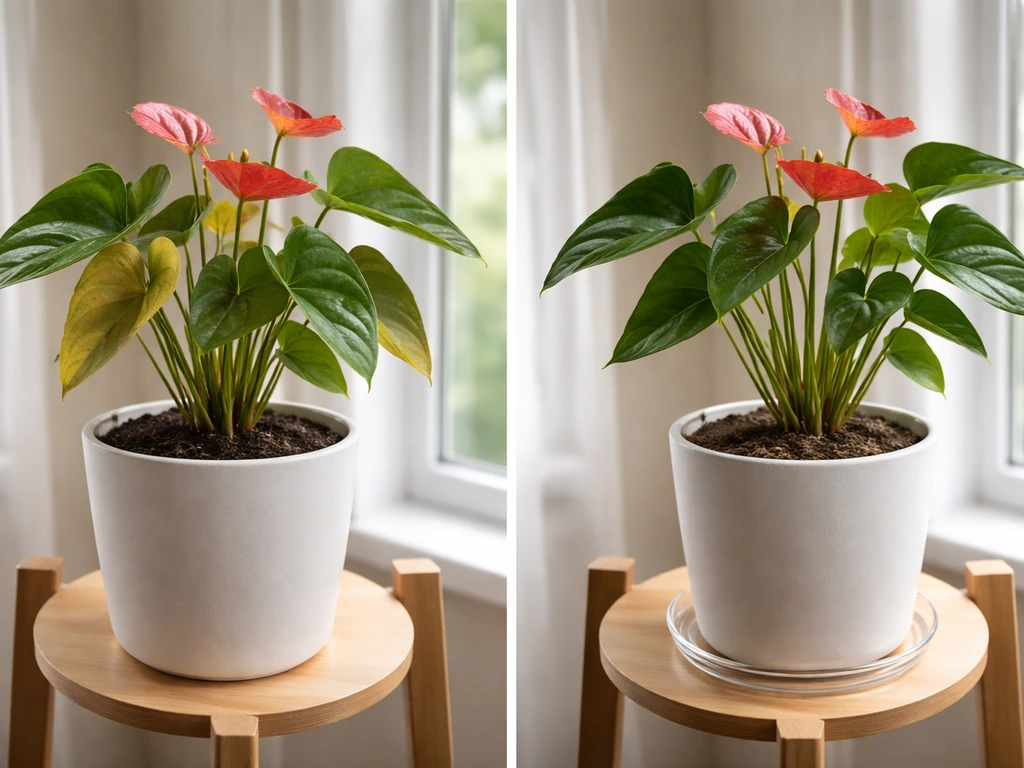
| Problem | Likely cause | What to do |
|---|---|---|
| Yellow leaves | Overwatering or poor drainage | Let the mix dry out more between waterings; check that the pot drains freely and the saucer is emptied after each watering |
| Brown leaf tips | Low humidity or salt buildup from fertilizer | Increase humidity with a pebble tray; flush the soil every few months to clear mineral buildup |
| No flowers / stopped blooming | Insufficient light or too much nitrogen fertilizer | Move to a brighter spot; cut back on fertilizer or switch to a higher-phosphorus formula |
| Spathes turning green quickly | Aging blooms or low phosphorus | Remove faded blooms promptly; adjust fertilizer to include adequate phosphorus |
| Leggy, stretched growth | Not enough light | Move closer to a bright window or add a grow light; leggy growth will not revert but new growth will be compact |
| Root rot | Overwatering or dense, poorly draining mix | Unpot the plant, trim mushy roots with clean scissors, repot into a fresh chunky mix, and water sparingly until recovery |
| Poor seed germination | Seeds too old, too cold, or too dry | Use fresh seeds only; maintain 80 to 85°F with a humidity dome in place until sprouts appear |
| White cottony patches on leaves | Mealybugs | Isolate immediately; wipe bugs off with a cotton swab dipped in rubbing alcohol; follow up with neem oil or insecticidal soap |
| Round brown spots on leaves | Fungal leaf spot | Remove affected leaves; improve air circulation; avoid wetting foliage when watering or misting |
Most anthurium problems trace back to two things: too much water or not enough light. Get those two right from the start and the plant is genuinely easy to keep. If yours has stalled or is struggling right now, start by checking the roots for rot and the pot position for light, and you will solve the problem most of the time. Once it is healthy and flowering, an anthurium will reward you with blooms on and off throughout the year with very little fuss.
FAQ
Do flamingo plants need a winter rest to bloom again?
Not usually. Flamingo plant (anthurium) can bloom without a rest period if light stays bright and indirect and you do not overwater in winter. If you want more consistent blooms, the practical lever is to keep light levels steady (move slightly closer to the window in winter) and follow the “top 3 to 5 cm dry” watering rhythm, then resume monthly feeding in spring when new growth starts.
Why is my flamingo plant only growing leaves and no flowers?
If it is leafing out but not flowering, the fastest checks are light and nitrogen. Make sure the plant is bright but not in direct harsh sun, then pause or reduce fertilizer (especially high-nitrogen blends) for 4 to 6 weeks and watch for flower spathe formation. Also remove spent flowers promptly, because leaving faded spathes can delay the plant from putting energy into new blooms.
What should I do if my flamingo plant’s roots are rotting or the plant is suddenly wilting?
Root rot is the usual cause, and it is often a potting mix or drainage problem even when the watering schedule seems correct. Remove the plant from the pot, trim any black or mushy roots, then repot into a fresh chunky mix (potting soil, orchid bark, perlite) in a pot with drainage holes. After repotting, wait a few days before the first watering so damaged roots can dry slightly, and keep it in bright indirect light.
Can I grow a flamingo plant from seeds, and when will it bloom?
Small seed pods and a slight increase in dead-looking older flowers are normal, but true “seed harvest” is different. If you want propagation later, you would usually collect ripe seed from self-pollination, but it is uncommon indoors and seedlings take years to bloom. For most growers, offsets or divisions from the base give results far faster.
Is it okay to mist the leaves to increase humidity?
Mist the air around the plant, not the leaves. If you spray foliage in a cool or low-airflow spot, fungal spots become more likely. A pebble tray can help, but use it as humidity support, not as a way to keep the pot sitting in water. Keep a little airflow near the plant (a gentle fan on low is fine).
How big should the pot be when I repot my flamingo plant?
Use the pot diameter as your guide. If you pick a pot that is much larger than the root ball, the mix stays wet longer, increasing rot risk. For repotting, choose a pot only one size up and always refresh the mix every two years, since compacted or water-retaining mix can block oxygen from reaching the epiphytic roots.
Should I change the potting mix for different climates?
Yes, but your soil mix should change with the season. In very humid rooms, you might reduce the perlite slightly, but you should rarely eliminate drainage components because anthurium roots need air. If you are in a dry climate, focus on increasing humidity and watering consistency rather than switching to plain dense potting soil that stays soggy longer.
How do I fertilize my flamingo plant after repotting or if it stops flowering?
Do not fertilize right after repotting or if the plant is struggling. Wait until you see new growth or the plant stabilizes, then start at a half-strength balanced feed once per month. If the plant is pushing only foliage, cut back nitrogen rather than increasing dose, because excess fertilizer can suppress blooms even when the plant looks vigorous.
How deep should I plant the flamingo plant in the pot?
Many growers accidentally bury the crown too deep. Repot so the stem base and crown sit at the same level as before (or slightly higher), and keep the roots spread in the chunky mix. If the crown is submerged and airflow is limited, leaves can yellow and disease risk rises.
My flamingo plant looks stressed, how can I tell whether it is overwatering, underwatering, or light stress?
Move it for “emergency diagnosis” first. Check light and roots immediately, then look for pests on undersides of leaves and along stems. Isolate it from other plants if you see anything suspicious. For a quick decision aid: if leaves are dropping and the mix feels wet, suspect overwatering and inspect roots; if the mix is dry and leaves look washed out, suspect low light or sun scorch depending on where it was placed.
Next Article
How to Grow Celosia Flamingo Feather From Seed
Step-by-step guide to grow Celosia Flamingo Feather from seed, with sowing, germination, transplanting, and troubleshoot