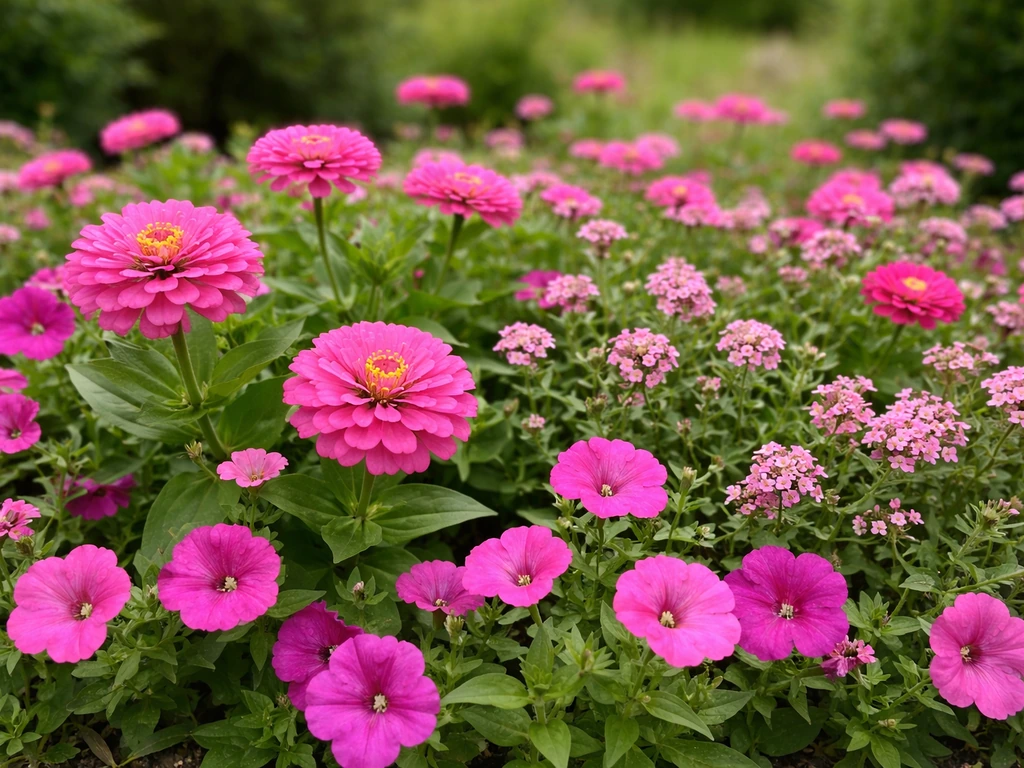
Celosia 'Flamingo Feather' is one of the most rewarding flowers you can grow from seed. Start seeds indoors about 6 to 8 weeks before your last frost date, barely press them onto the surface of moist seed-starting mix (they need light to germinate), keep the tray at 75°F with a heat mat, and expect sprouts in 14 to 21 days.
How to Grow Celosia Flamingo Feather From Seed
Marcus Holloway
26 Jun 2026
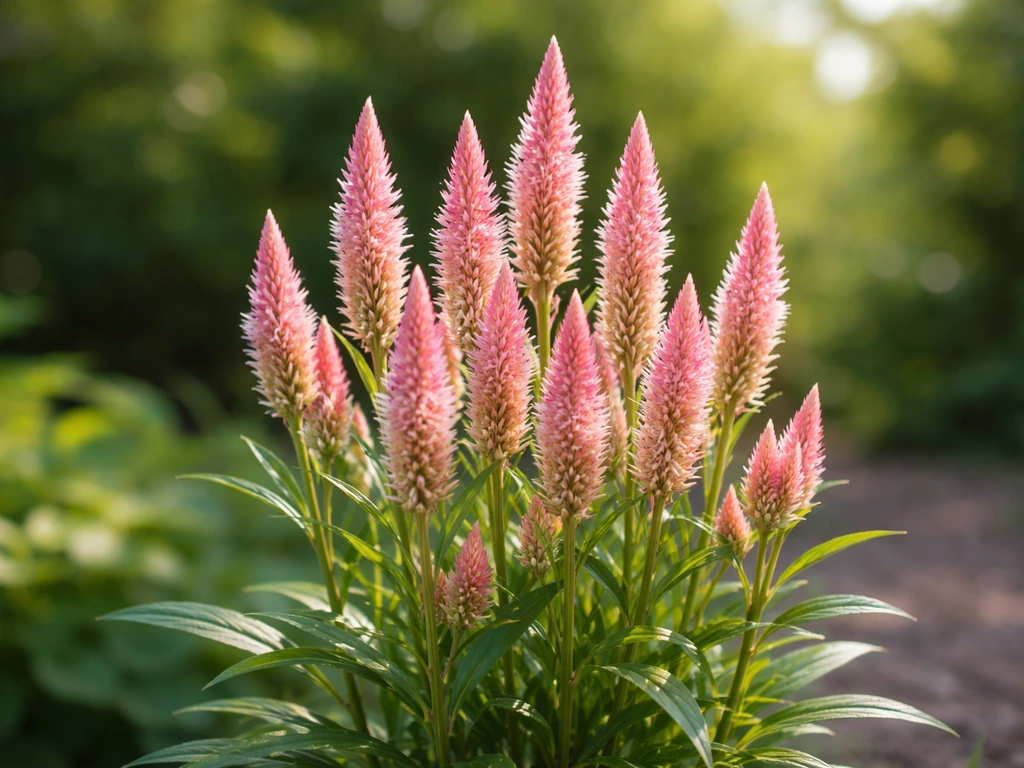
Celosia 'Flamingo Feather' seed-starting timelines from Snake River Seed Cooperative commonly advise starting indoors about 6 to 8 weeks before the last frost date start seeds indoors about 6 to 8 weeks before your last frost date.
Transplant outdoors after frost risk has passed, space plants 6 to 9 inches apart in full sun with well-drained soil, and you'll have tall, silvery-pink plume spikes reaching 24 to 36 inches by midsummer, ready to cut for fresh arrangements or hang to dry. To grow pink princess, focus on heat, bright light, and well-drained soil so you get strong, colorful blooms how to grow pink princess.
What 'Flamingo Feather' actually looks like and what to expect
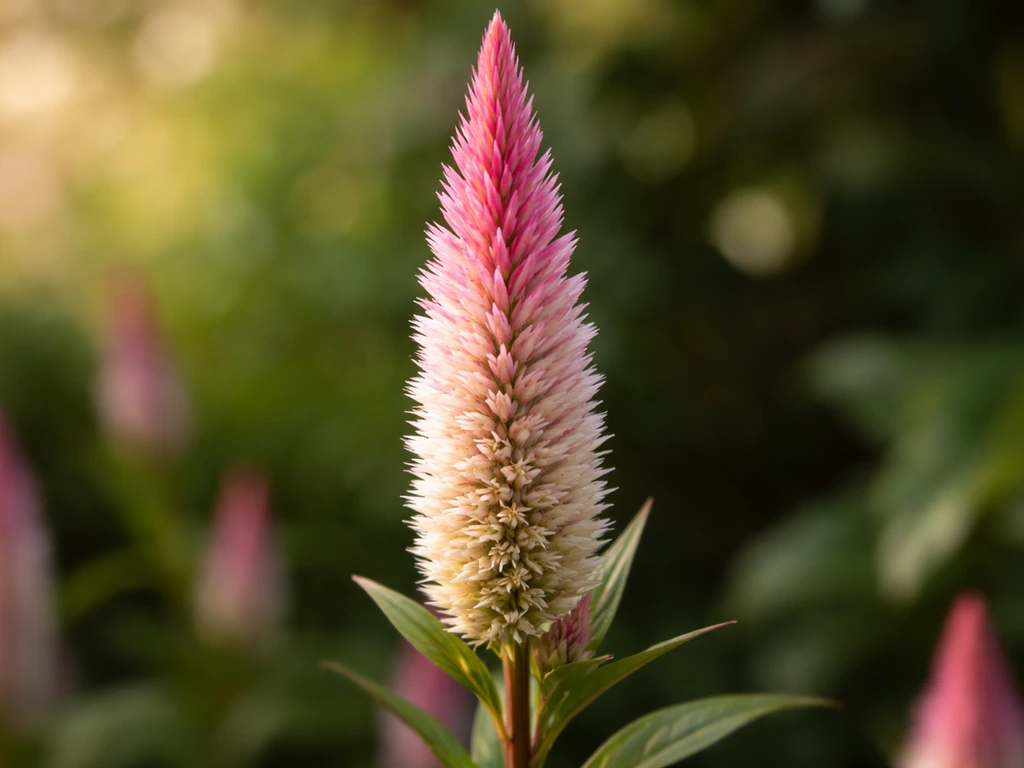
This is not the big, brain-like cockscomb you might picture when someone says celosia. 'Flamingo Feather' is a wheat-style celosia (Celosia spicata) with slender, upright stems topped with narrow, elegant plume spikes in pale pink and rose with a soft silvery sheen. Plants grow 24 to 36 inches tall and spread roughly 12 to 18 inches wide, so they have a tall, airy presence rather than a bushy mound. Stems are long and relatively bare of leaves, which is exactly what you want in a cut flower. The whole plant has a quiet, romantic quality that looks fantastic in both garden beds and vases.
It's a warm-season annual, which means it lives its whole life in one growing season and won't survive frost. 'Success' with this variety means getting plants to bloom by midsummer and then keeping them productive into fall. Days to maturity can vary quite a bit depending on how you start them and your local conditions, with figures commonly ranging from 65 to 95 days from transplant. Starting indoors gives you a meaningful head start, especially if your summers aren't especially long. To take that same success into a fae-style setup, focus on gentle microclimates, playful enrichment, and careful timing so your blooms stay vibrant fae farm.
When to start seeds and whether to direct sow
For most home gardens, transplanting is the right approach. Direct sowing only makes sense if you live somewhere with a very long, reliably warm growing season. For everyone else, start seeds indoors 6 to 8 weeks before your average last frost date. If your last frost is around mid-May, that means you're sowing in late March or early April. This gives seedlings enough time to develop without getting too root-bound before it's safe to plant out.
The critical thing about timing is temperature, not just calendar dates. 'Flamingo Feather' is genuinely heat-loving, and seeds sown too early into cold conditions will sit there doing very little. You need consistent warmth at the root zone, which is why a heat mat makes a real difference here. Don't try to rush ahead of the season by sowing extra early and then leaving trays on a cold windowsill. Cold-stressed seedlings tend to stay stunted and never really catch up.
How to sow and germinate seeds, step by step
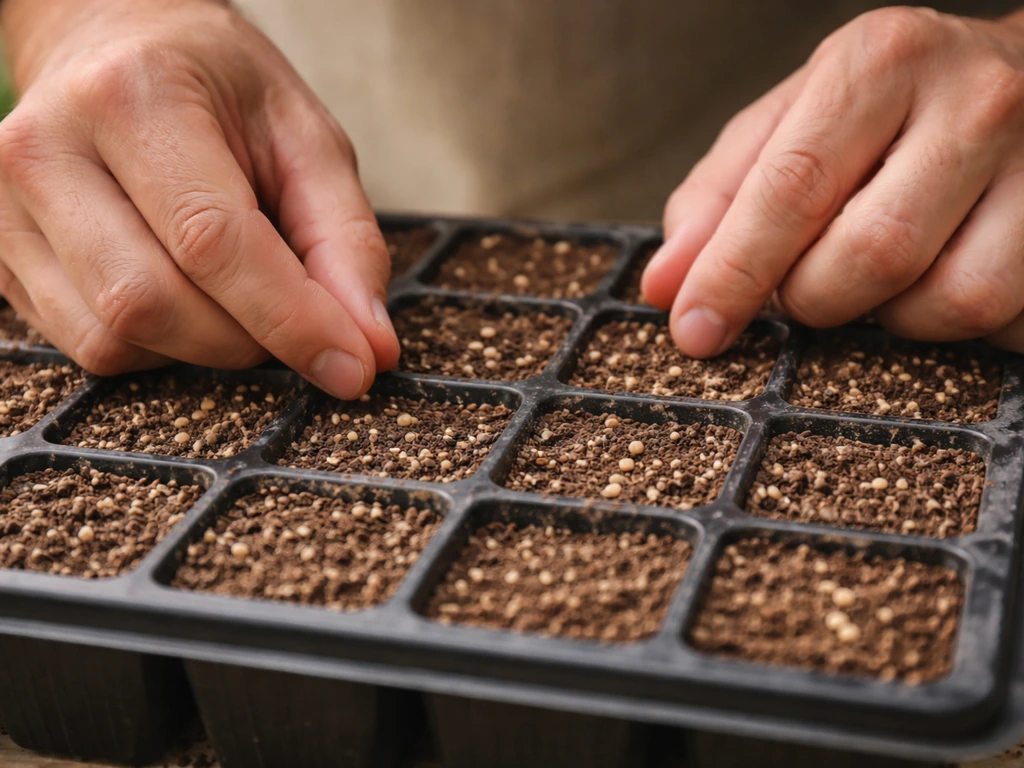
- Fill a seed tray or small cells with a fine, well-draining seed-starting mix. Moisten the mix thoroughly before you sow so you're not washing seeds around with a watering can afterward.
- Press seeds gently onto the surface of the mix. Don't bury them. A maximum depth of about 1/8 inch is the absolute limit, and surface-sowing is often better. These seeds need light to trigger germination, so covering them too deeply is one of the most common reasons for poor results.
- Mist the surface lightly with a spray bottle to ensure good seed-to-soil contact without moving the seeds.
- Cover the tray with a clear plastic dome or wrap to hold humidity. Set it on a heat mat and aim for a consistent soil temperature of 75°F (around 21 to 26°C). A thermometer probe in the tray is worth using if you have one.
- Place the covered tray somewhere it gets light. A south-facing windowsill or under grow lights works well. The plastic cover creates a mini greenhouse, but light still matters for germination with this variety.
- Check the tray daily. Once you see the first sprouts (usually within 14 to 21 days), remove the dome to improve air circulation and reduce the risk of damping-off.
- After germination, move seedlings to a warmer, brighter spot. Target daytime temperatures around 70 to 75°F and nights around 65 to 70°F. Grow lights kept close to the tops of seedlings will prevent stretching.
Soil, light, water, and fertilizer for strong growth
Soil and drainage
In the garden, 'Flamingo Feather' wants well-drained soil above everything else. It does not like sitting in wet conditions, which leads to blank" rel="noopener noreferrer">root rot and weak, off-color plants. A slightly lean soil works well here. This variety actually prefers moderate to low fertility rather than a super rich, heavily amended bed. Think of it like this: rich soil encourages leafy growth but can actually reduce bloom quality. Aim for a soil pH of around 5.8 to 6.2. If you're amending at planting time, a general-purpose granular fertilizer with balanced N-P-K incorporated into the bed is a sensible starting point.
Light
blank" rel="noopener noreferrer">Full sun is non-negotiable. You need at least 6 to 8 hours of direct sunlight daily. Less than that and you'll get weak, floppy stems and pale, washed-out flower color. To keep pink blooms looking their best, provide full sun and steady warmth so the flowers develop strong color pale, washed-out flower color. If you're choosing between two spots in your garden, always go with the sunnier one for 'Flamingo Feather'.
Watering
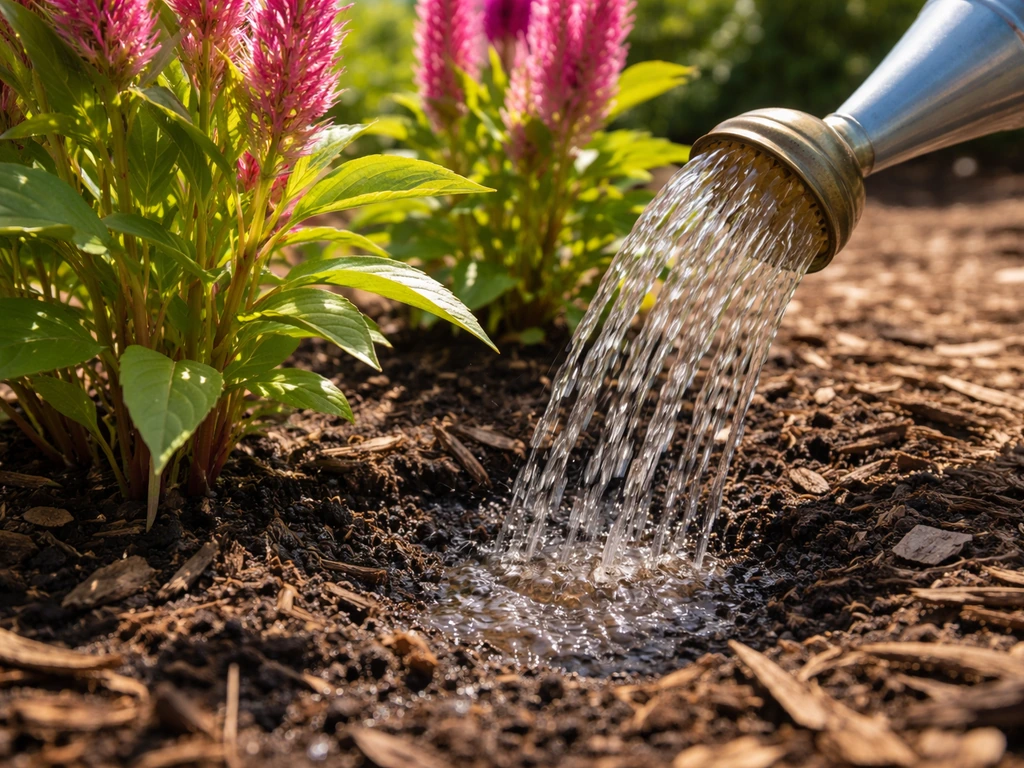
Water established plants deeply but infrequently, letting the top inch of soil dry out between waterings. Celosia is more tolerant of drought than it is of soggy soil. When you're growing seedlings indoors, keep the mix evenly moist but never waterlogged. Porcelain flower (also called Hoya) needs the right light, watering, and a little patience before it shows its best blooms how to grow porcelain flower. Good drainage from the start, whether in containers or in-ground, prevents most of the rot and damping-off issues beginners run into.
Fertilizing
Keep feeding modest. Because 'Flamingo Feather' prefers lower fertility conditions, heavy nitrogen feeding will push leafy growth at the expense of flowers. A slow-release granular fertilizer applied at planting is a solid low-effort approach. If you want to supplement, a light liquid feed every few weeks during the growing season is plenty. Don't overdo it.
Transplanting, spacing, and early aftercare
Transplant outdoors only after your last frost date has reliably passed and nighttime temperatures are staying above 50°F. Celosia is cold-sensitive and will stall or suffer if you rush it outside. Harden seedlings off over 7 to 10 days by setting them outside in a sheltered spot for increasing amounts of time before planting permanently.
When you transplant, handle the roots gently. Celosia has a delicate root system that doesn't love being disturbed. Try to keep the root ball as intact as possible, plant at the same depth as it was growing in the cell tray, and water in well. Space plants 6 to 9 inches apart. For single-stem harvest in a high-tunnel production context, Cornell High Tunnels recommends 6 x 6 inch spacing. That feels close, but 'Flamingo Feather' grows upright rather than wide, and tighter spacing helps support the tall stems and creates a fuller bed effect.
Because plants can reach 24 to 36 inches, some support can be helpful on windy sites. A simple hoop frame or a few stakes and horizontal twine run through the bed at about 12 inches high gives stems something to lean against. It's not always necessary in sheltered gardens, but if you've had tall flowers topple before, it's worth the 20 minutes of setup.
Troubleshooting common problems
Seeds not germinating
The two most common culprits are seeds buried too deep (cutting off the light they need) and temperatures that are too low. Check that seeds are at the surface or barely covered with 1/8 inch of mix, and confirm your heat mat is actually holding the tray at 75°F. Cold, dark conditions are a reliable recipe for zero germination with this variety.
Leggy, stretched seedlings
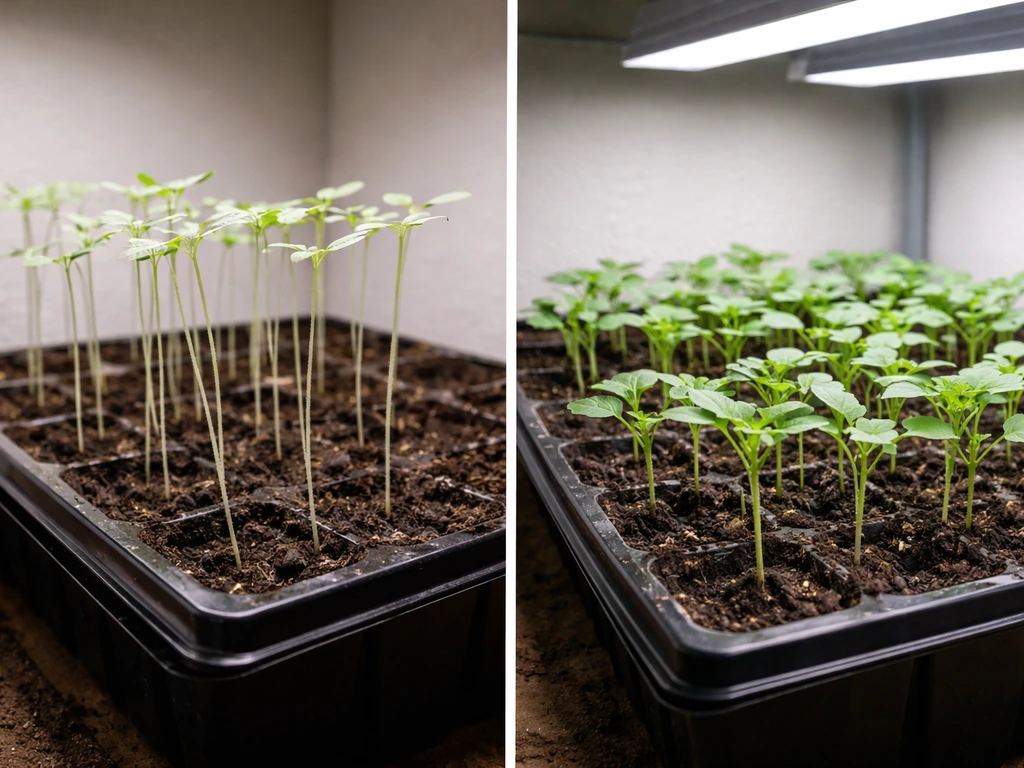
Leggy seedlings are almost always a light problem. If seedlings are stretching toward a window, they're not getting enough intensity. Move trays closer to grow lights (a few inches away) or to the brightest windowsill you have. Keeping daytime temperatures at 70 to 75°F rather than letting the room get too warm also helps, since heat combined with low light accelerates stretching.
Damping-off
Damping-off is a fungal problem that causes seedlings to collapse at the soil line. The fix is almost entirely about moisture and airflow. Remove the humidity dome promptly once seeds sprout, don't let trays sit in standing water, and use a fresh seed-starting mix rather than reusing last year's soil. If you've had repeated damping-off issues, watering from below (bottom watering) rather than overhead reduces the problem significantly.
Slow growth or pale, weak color
If plants in the ground seem slow to develop or flowers are coming in pale and unimpressive, the first thing to check is sunlight. Insufficient light is the main reason 'Flamingo Feather' produces weak stems and faded color. Cold spells early in the season can also cause plants to stall and look miserable for a few weeks before snapping out of it once temperatures settle. Be patient, but if temps are fine and light is fine, a gentle liquid feed can sometimes help nudge things along.
Pests and disease
Aphids can cluster on new growth, especially in warm, crowded plantings. A strong spray of water or an insecticidal soap application deals with them quickly. Spider mites are possible in hot, dry conditions. Watch for yellowing leaves with fine webbing on the undersides and address with a miticide or strong water spray. Root rot from overwatering is the most common disease issue and is entirely preventable with good drainage and restrained watering.
Harvesting, deadheading, and keeping the plants going
For fresh cut flowers, harvest spikes when they're about two-thirds to fully open. Cut in the morning when stems are at their most hydrated, strip off the lower leaves, and get stems into water immediately. In a vase with clean water, expect a fresh life of roughly 7 to 12 days, though some stems last closer to two weeks in good conditions. Change the water every couple of days and recut the stems at an angle to keep them drinking.
If you want to dry the spikes for longer-lasting arrangements, cut them just before they reach peak bloom. Hang them upside down in small bunches in a cool, dry, well-ventilated room out of direct light. The silvery-pink color holds remarkably well when dried this way, making 'Flamingo Feather' a fantastic choice for dried flower projects.
Deadheading spent spikes encourages the plant to keep pushing new flower stems. Don't let old spikes go to seed on the plant if you want continued blooming through the season. Regular cutting for the vase or simply snipping off faded spikes at the next node down does the same job. The more you cut, the more the plant branches and produces. Plants will keep going right up until the first frost, so stay on top of the harvest and you'll have blooms from midsummer through October in most climates.
Quick reference: 'Flamingo Feather' growing specs
| Aspect | Detail |
|---|---|
| Plant height | 24 to 36 inches |
| Plant width | 12 to 18 inches |
| Start seeds indoors | 6 to 8 weeks before last frost |
| Seed depth | Surface to 1/8 inch (light required) |
| Germination temperature | 75°F (21 to 26°C) with heat mat |
| Germination time | 14 to 21 days |
| Days to maturity | Approximately 65 to 95 days from transplant |
| Transplant spacing | 6 to 9 inches apart |
| Sunlight | Full sun, 6 to 8 hours minimum |
| Soil pH | 5.8 to 6.2 |
| Watering | Deep and infrequent; avoid soggy soil |
| Fertilizing | Light feed; slow-release at planting or liquid every few weeks |
| Fresh vase life | 7 to 12 days |
| Drying | Yes, hang upside down in cool, dry, ventilated space |
FAQ
Can I start celosia 'Flamingo Feather' in a greenhouse or cold frame instead of indoors?
Yes, but only if the rooting zone stays consistently warm, around 75°F. Celosia seeds often fail in borderline cold, so if nighttime temperatures drop below about 60°F at seed level, use supplemental heat and protect the tray from cold drafts.
Do celosia seeds need to be completely uncovered, or can they be lightly covered?
They need light to germinate. Press them onto the surface and cover with no more than a dusting, roughly 1/8 inch. If you bury them more deeply, germination drops sharply even when temperatures are right.
How do I know if my heat mat is set up correctly?
Place the tray on the mat so it directly heats the bottom, not just the air around it. Check temperature with a cheap probe or thermometer, because some mats run cool at the surface and others only heat the sides of the tray.
What’s the best watering method for seedlings to avoid damping-off?
Use bottom watering when possible, keep water off the seed surface, and remove any dome as soon as sprouts appear. Let the mix get slightly lighter on top between waterings so seedlings are never sitting in saturated media.
Why are my seedlings turning pale or not producing strong plumes later?
Two common causes are insufficient light and overly rich soil or fertilizer. After sprouting, increase light intensity (grow lights close to the tray), and avoid high-nitrogen feeding once plants are established.
Should I thin seedlings if they germinate densely?
Yes, if you see multiple seedlings crowded in the same cell. Thin by removing the weakest so the remaining plants have room to develop sturdy stems without competing for light and moisture.
What spacing should I use in containers versus in the ground?
In-ground spacing of 6 to 9 inches works well. In containers, aim for the same plants-per-pot ratio, not more. Crowding in pots increases airflow problems and can lead to weaker, flop-prone stems.
When is it safe to plant outdoors, and do I need to protect them on cool nights?
Plant after your last frost and when nights are reliably above 50°F. If a late cold night is forecast, cover plants overnight with breathable fabric, remove it the next morning, and avoid plastic that traps excess cold or heat.
Will 'Flamingo Feather' bloom if the soil is too fertile?
Often, yes, but bloom quality can suffer. Excess nitrogen tends to produce more foliage and fewer or less showy plumes. Keep fertility moderate, use balanced feeds sparingly, and avoid frequent high-rate liquid fertilizer.
How can I tell if my plant is getting enough sun?
Look for sturdy, upright stems and strong pink-rose color development as the season progresses. If stems are stretching, leaves are leaning toward light, or colors look washed, move the plant to the sunniest available spot.
Does celosia need deadheading to keep blooming?
Yes. Snip faded spikes before they set seed to encourage new branching and additional flower stems. Cutting for vases also functions like deadheading, so regular harvest typically improves overall flowering.
What’s the best height or type of support for tall plants in wind?
If your site is breezy, add support early, before stems fully elongate. A hoop or stakes with horizontal twine around mid-stem height, about 12 inches, helps keep plumes upright without tying so tightly that stems get damaged.
How should I harvest for longest vase life?
Harvest in the morning when stems are most hydrated, and cut spikes when they are about two-thirds to fully open. Immediately place them in clean water, strip lower leaves, and recut stems at an angle each time you refresh the water.
Can I save seed from 'Flamingo Feather' for next year?
You can collect seed from plants that reach full maturity, but the new plants may vary because celosia can cross-pollinate. If you want the exact same look, rely on purchased seed or keep isolation distance from other celosia varieties during flowering.
Next Article
How to Grow Pink Flowers: Step-by-Step Planting Guide
Pick the right pink variety and follow step-by-step planting, soil, watering, fertilizing, and troubleshooting for nonst