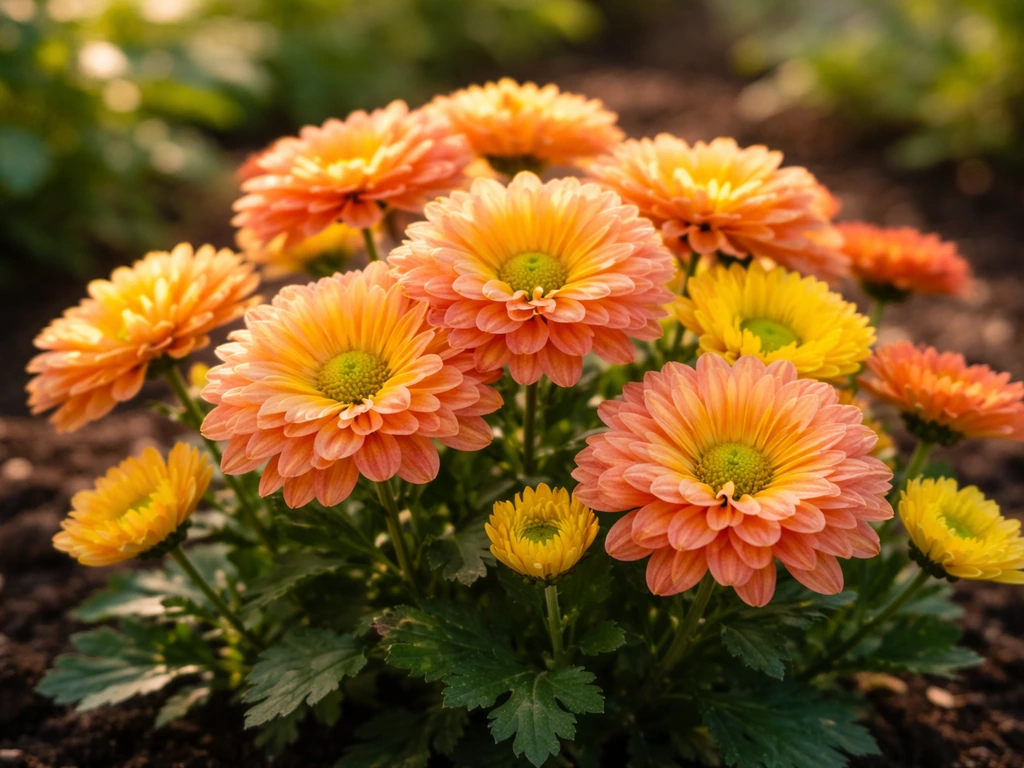
Robinson Red is a garden chrysanthemum that gives you deep, warm red blooms in late summer and fall if you give it full sun, well-drained soil, and a few well-timed pinches along the way. You can start it from seed indoors in late winter or buy transplants in spring, and either way you're looking at flowers roughly three months after sowing or about six to eight weeks after transplanting into the ground. The keys are drainage, light, and not skipping that pinching step.
How to Grow Chrysanthemum Robinson Red: Step-by-Step Guide

Marcus Holloway
6 Jun 2026
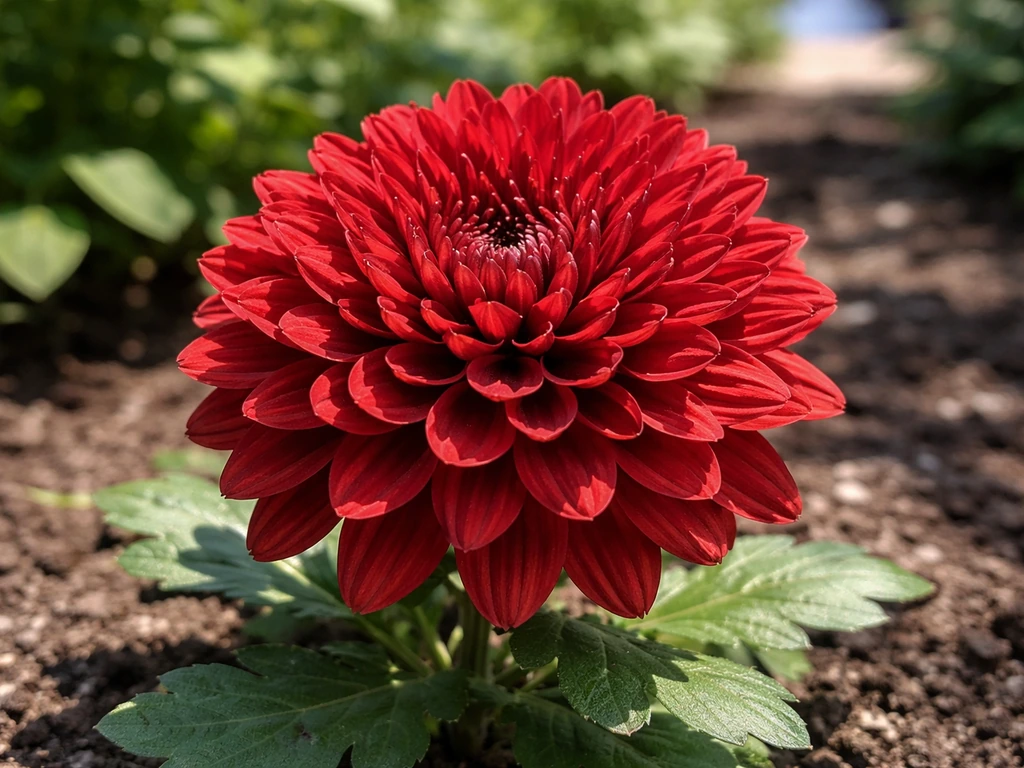
Get the right conditions for Robinson Red mums
Before you plant a single seed or seedling, set your site up correctly. Robinson Red needs full sun, meaning at least six hours of direct sun per day. More is better. This isn't negotiable: shady spots produce weak stems, sparse blooms, and plants that are far more vulnerable to fungal diseases like powdery mildew and rust.
Drainage is equally critical. Chrysanthemums absolutely hate wet feet, and poorly drained soil is one of the fastest ways to kill them. If your soil is heavy clay, you need to address it before planting. Work in compost or grit to open up the structure, and don't plant in low spots where water pools after rain. In serious cases, consider installing a simple raised bed or French drain. The RHS specifically recommends sandy, well-drained soil for Robinson's Red, and that guidance holds true whether you're in a USDA Zone 5 cold zone or a warmer Zone 8 climate. Garden mums like this variety are rated for Zones 5 through 8 and handle a wide range of climates well as long as drainage is sorted.
Prepare your planting bed about 10 to 14 days before you plan to plant. If your soil is poor, work in a balanced fertilizer like a 5-10-5 or 7-6-5 at roughly 1 to 1.5 pounds per 100 square feet. This gives it time to settle before roots go in.
Seed starting: timing, sowing, and germination
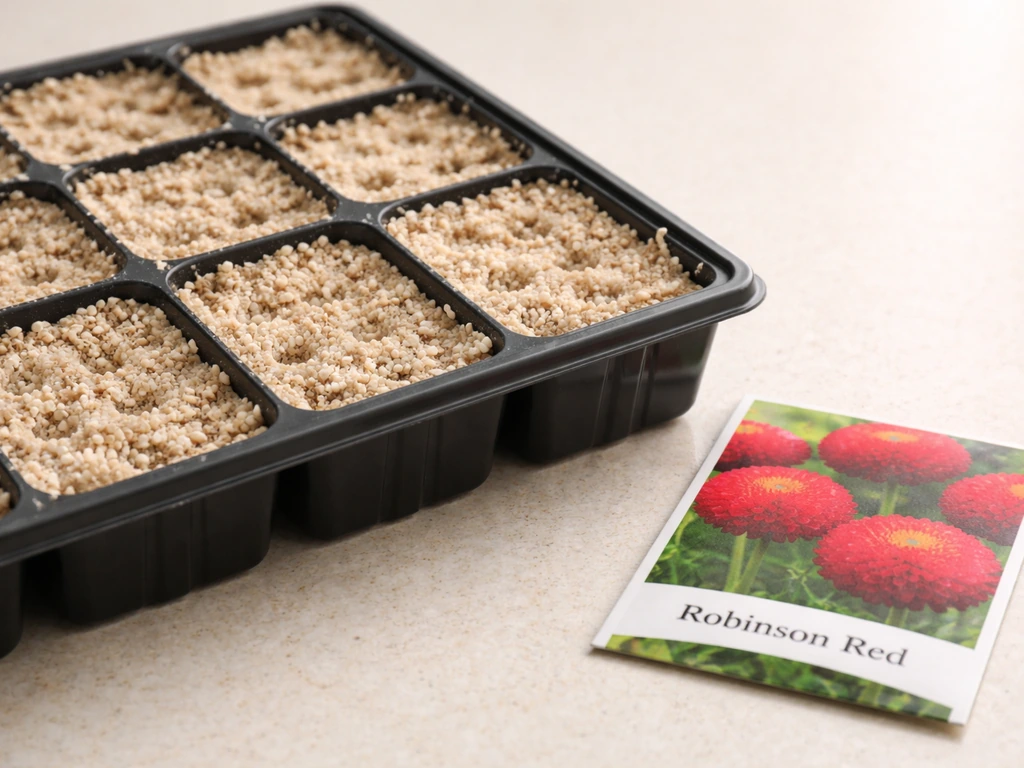
Robinson Red takes about three months from sowing to flower, so plan backwards from when you want blooms. For fall flowering (September/October), sow seeds indoors in late January to early March. If you want to sow later, that's fine too, but aim to get seeds started at least two months before your last frost date so transplants are ready to go out once the weather cooperates.
Use a sterile, commercially made seed-starting mix, not garden soil. Garden soil introduces pathogens into the warm, moist conditions of a seed tray, which is a recipe for damping-off, the fungal collapse that wipes out seedlings at soil level almost overnight. Fill cells or trays with the mix, water it until it's evenly moist but not soggy, and sow seeds on the surface. Press them in very lightly, as chrysanthemum seeds need light to germinate, so don't bury them deep. A thin dusting of vermiculite over the top is fine, but keep it minimal.
Cover the tray with a clear dome or plastic wrap to hold humidity, and place it somewhere warm, around 65 to 70°F. Germination typically takes 10 to 14 days. Once you see sprouts, remove the cover immediately and move the tray under bright light, either a south-facing window or a grow light positioned 2 to 3 inches above the seedlings. Lack of light at this stage causes leggy, stretched seedlings that never fully recover. Keep the temperature a little cooler once they're up, around 60 to 65°F, which encourages compact, sturdy growth.
Water from the bottom when possible: set the tray in a shallow container of water and let the mix absorb moisture upward, then remove it after 20 to 30 minutes. This keeps the soil surface drier and dramatically reduces damping-off risk. Never let seedlings sit in standing water.
Transplanting and spacing for healthy growth
About four to six weeks after sowing, your seedlings should be large enough to move into individual 3 to 4 inch pots if you need to step them up, or you can hold them in their cells until outdoor conditions are right. Before anything goes outside, harden off for at least a week: set plants outdoors in a sheltered, partly shaded spot for a few hours each day, gradually increasing sun exposure. Skipping this step shocks plants and sets them back by two or three weeks.
Transplant into the garden after your last frost date, once nighttime temperatures are reliably above 40°F. Spring is the ideal time for planting garden mums because it gives them a long establishment period before fall bloom. If you're planting in fall (buying nursery transplants), that works too, but give them extra mulch to help roots establish before winter.
Spacing matters more than most beginners realize. Crowded mums develop poor airflow, which invites fungal problems and produces fewer, smaller flowers. Space Robinson Red plants 18 to 24 inches apart as a baseline. If you're growing a particularly bushy, low-growing variety, give them up to 2.5 feet. Wider spacing means better air circulation, stronger stems, and cleaner plants come fall.
Watering, fertilizing, and soil care
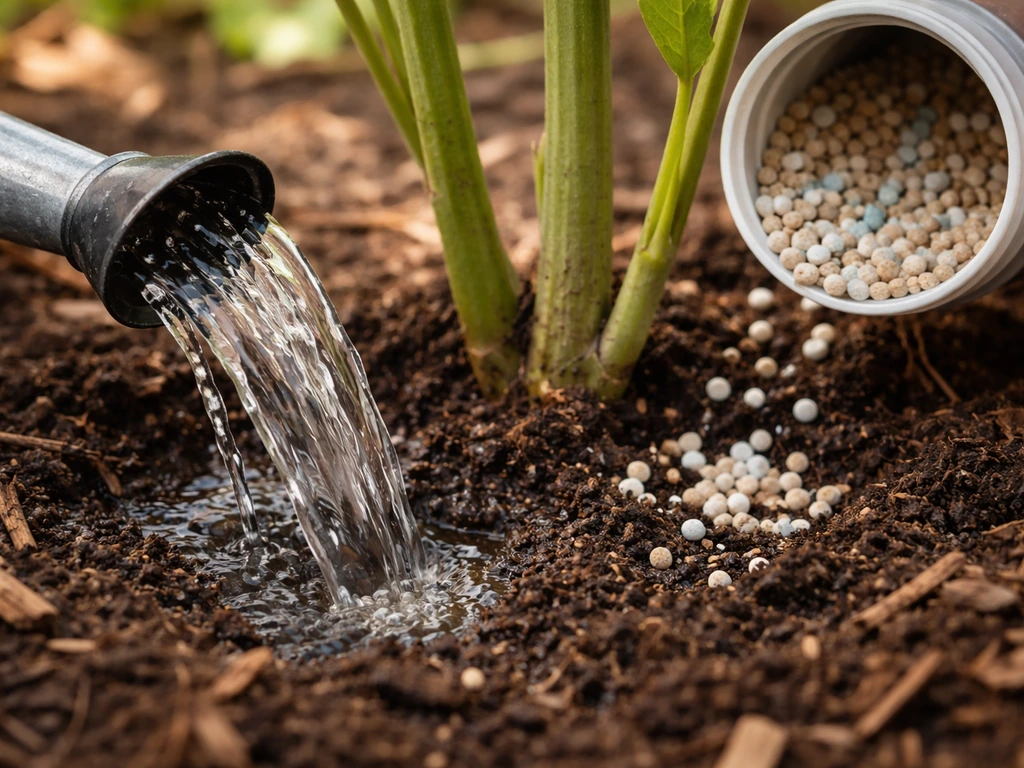
Once established, Robinson Red needs consistent moisture but never waterlogged soil. A good rule of thumb: water deeply once or twice a week during dry weather, letting the top inch of soil dry out slightly between waterings. Always water in the morning so leaves dry off completely before evening. Wet foliage overnight is one of the main contributors to powdery mildew and rust, two diseases that Robinson Red is genuinely susceptible to. Utah State University Extension also recommends watering early in the day so leaves dry before nightfall, which helps reduce disease risk water early in the day so leaves dry before nightfall to reduce disease risk. A soaker hose or drip line at soil level is ideal because it keeps water off the leaves entirely.
For fertilizing, start with that pre-planting soil amendment if your soil is poor, as described above. Once plants are in the ground and actively growing, feed with a balanced, slow-release granular fertilizer every four to six weeks through midsummer. As buds begin to form in late summer, switch to a low-nitrogen fertilizer (something with a higher middle and last number, like a 5-10-10) to encourage flowers rather than more leafy growth. Stop fertilizing once buds are opening.
Keep a 2-inch layer of organic mulch around plants to retain soil moisture, moderate temperature, and suppress weeds. Just keep mulch pulled back slightly from the base of the stems to avoid rot at the crown.
Light, temperature, and disease and pest prevention
Full sun is a hard requirement, not a suggestion. Plants that get less than six hours of direct sun will produce fewer buds, stretch toward the light, and have weaker stems. Temperature-wise, Robinson Red is comfortable in a wide range but genuinely thrives when days are warm and nights begin to cool in late summer and fall, which also happens to be exactly when it wants to bloom.
Fungal diseases to watch for
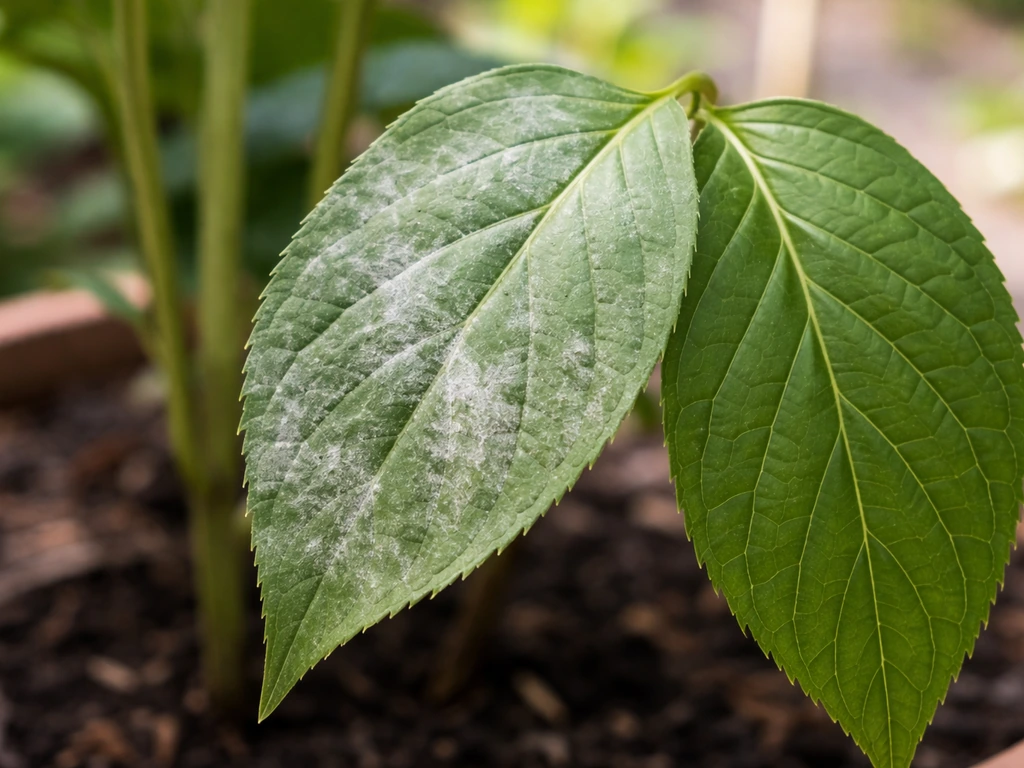
Powdery mildew shows up as grayish-white powdery patches on leaves and stems. It's more of an annoyance than a killer in most cases, but if severe, it can prevent buds from opening. Start preventive sprays with horticultural oil or a copper-based fungicide by August 1 in most climates if mildew has been a past problem, and repeat every 7 days until plants are budding. Rust is more serious: brown rust appears as orange-brown pustules on leaf undersides, while white rust (the quarantine-worthy one) produces pale pink to white pustules. Remove affected leaves immediately, avoid overhead watering, and treat with appropriate fungicide sprays on a 7-day rotation.
Insects to keep an eye on
Aphids cluster on new growth and stem tips, and a strong spray of water from a hose knocks most of them off. Check the undersides of leaves. Mites are trickier because they're tiny, but you'll notice stippled, dusty-looking foliage as a sign. Slugs are a seedling-stage problem and a nighttime one: they chew irregular holes in leaves and stems close to the ground. Set out slug traps or use iron phosphate bait around transplants. Good spacing and morning watering go a long way toward keeping all these pests manageable.
Damping-off in seedlings
If you're starting from seed, damping-off is your biggest early threat. Prevent it with sterile mix, bottom watering, good light, and avoiding overwatering. If you see seedlings collapsing at the soil line, remove affected plants immediately, improve airflow, and let the surface dry out before watering again. You can't save a damped-off seedling, but you can prevent spread to the healthy ones.
How to shape plants and encourage lots of red blooms
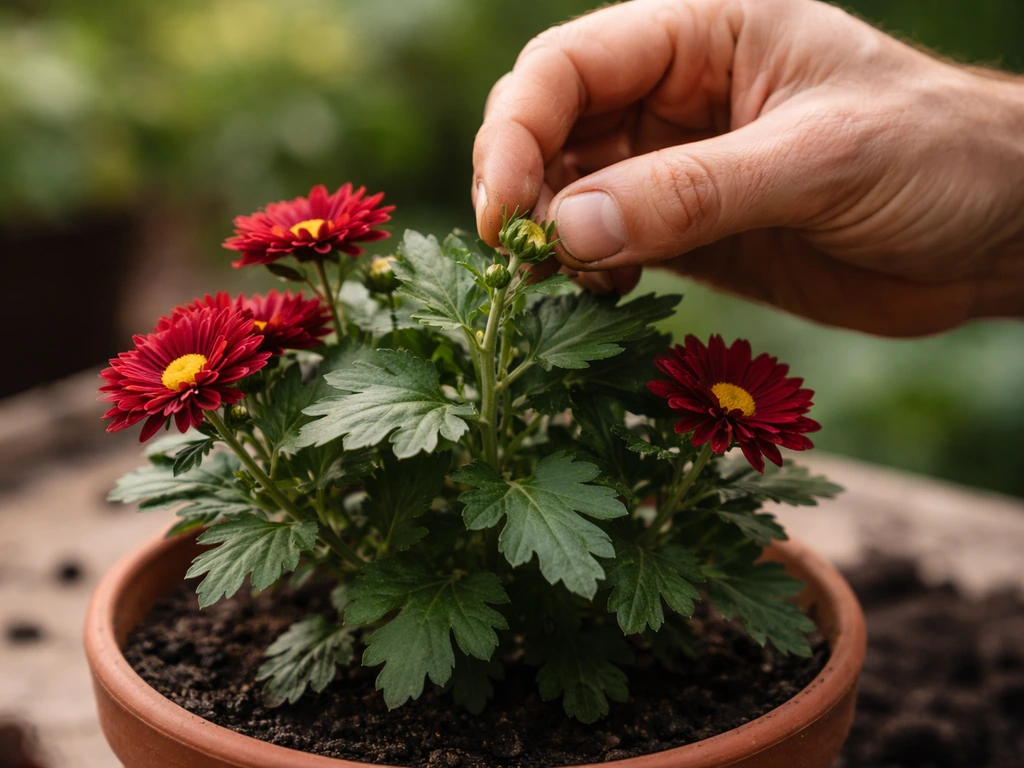
Pinching is the single most impactful thing you can do for a chrysanthemum's bloom count. Without it, plants grow tall and lanky with just a few flowers at the tips. With it, they bush out into dense, multi-stemmed plants loaded with buds. Here's the timing:
- First pinch: when plants reach about 6 inches tall, pinch out about 3/4 inch of the growing tip from each stem. This forces the plant to branch.
- Continue pinching every 2 to 3 weeks as new stems reach 6 inches.
- Final pinch: stop pinching exactly 100 days before you want blooms. For mid-September flowers, that means stopping around June 7 or 8. For October blooms, stop around early July.
After that final pinch, let the plant grow uninterrupted. It needs the lead time to develop all those new branches into bud-bearing stems.
Robinson Red, like all garden mums, is a short-day plant. That means it won't set flower buds until nights get longer than days, typically when nights exceed 12 hours (usually late August into September in most of North America). This is a hardwired response and nothing you've done wrong if blooms seem delayed. What you can do: make sure the plant isn't getting extra light at night from street lights, porch lights, or other artificial sources, because even a small amount of nighttime light can delay or disrupt bud set. If your Robinson Red keeps getting light at night in summer, consider temporarily covering it with a black cloth for 13 to 14 hours each night to simulate the short days it needs and pull blooms forward.
Cutting stems, containers vs ground, and end-of-season care
Beds vs containers
Robinson Red works well in both garden beds and large containers, but each has trade-offs. In the ground, plants establish deeper root systems, tolerate drought better, and often overwinter more successfully. In containers, you have more control over drainage and soil quality, and you can move the pot to optimize light. If you go the container route, use a pot at least 12 inches in diameter with drainage holes, fill it with a high-quality potting mix rather than garden soil, and know that you'll need to water more frequently (often daily in hot weather) and fertilize on a more regular schedule because container nutrients deplete quickly.
Cutting stems for arrangements
Robinson Red makes a great cut flower. Harvest stems in the morning when blooms are just beginning to open, not fully open. Cut at an angle with clean, sharp scissors or pruners, and immediately place stems in a bucket of cool water. Strip any leaves that would sit below the waterline in your vase. Stems can last 7 to 14 days in a vase with fresh water changed every two days. Cutting encourages the plant to produce more stems, so don't be shy about it.
End-of-season cutback and overwintering
After flowering is finished and foliage starts browning in late autumn, cut the plant down. The RHS recommends cutting to about 8 inches (20 cm) tall rather than all the way to the ground, which leaves some insulating stem material above the crown. If you prefer to cut to the ground, that works too, but then mulching becomes more important.
Apply a 2 to 3 inch layer of mulch (straw, shredded leaves, or bark) after a few hard freezes have occurred, not before. Mulching too early can trap warmth and encourage rot at the crown. If you planted mums in fall rather than spring, give them an extra inch of mulch since their root systems haven't had as long to establish. In Zones 5 and 6, some gardeners dig up the root clumps and store them in a cool, frost-free place (like an unheated garage) over winter, replanting in spring. In Zones 7 and 8, leaving them in the ground with good mulch coverage usually gets them through.
In spring, watch for new growth emerging from the base. Once you see green shoots coming up, remove the old mulch, let the plant breathe, and start the whole pinching and feeding cycle again. A clump that has overwintered successfully will be larger and more vigorous than a first-year plant, and the bloom display only gets better with age.
If you're curious about other varieties in the chrysanthemum family, the growing principles here are broadly similar across garden mums, though specific timing and characteristics vary variety by variety. If you’re also growing a rainbow chrysanthemum, the same fundamentals for sunlight, soil, pinching, and watering apply rainbow chrysanthemum how to grow. Rainbow flowers can be grown by combining the right light, well-drained soil, and consistent moisture, then using the same basic care steps your mums need. Snowland and rainbow chrysanthemums, for example, follow the same short-day flowering logic and need the same drainage-first approach, but their bloom colors and habits differ enough to be worth their own look.
FAQ
How do I stop my Robinson Red chrysanthemum from getting leggy, even if I pinch?
Legginess usually means the plant is reaching for light or is still getting nitrogen-heavy growth. After the last pinch, keep it in bright conditions (full sun, no afternoon shade), and avoid high-nitrogen fertilizer once buds start forming. If stems are already tall, support early with soft ties or a hoop-style support so airflow stays good and flowers do not flop.
What if my chrysanthemum buds, but they never open (or drop)?
Bud issues are often linked to stress, especially soggy soil, inconsistent watering, or too much shade. Water deeply but only when the top inch of soil dries slightly, and keep foliage dry by watering at the soil line. Also check for powdery mildew and remove heavily affected leaves early, since severe mildew can interfere with bud development.
Can I grow Robinson Red from seed outdoors instead of starting indoors?
Direct outdoor sowing is usually too slow for reliable fall flowering, because the plant needs time from sowing to bud set and it is also a short-day species. If you try it, start seeds as early as you can and expect later blooms. For most gardeners, indoor starts (or buying transplants) better match the timing needed for September and October flowers.
My plants keep flowering late, even though nights get longer. What should I check?
Most late bloom problems come from nighttime light or temperature extremes. Make sure porch lights, streetlights, or reflective surfaces are not shining on the plant, and remember that short-day response relies on uninterrupted dark. If you are near a bright light source, temporary dark cloth coverage for the required 13 to 14 hours can help pull buds forward.
How can I tell the difference between powdery mildew and rust, and what should I do first?
Powdery mildew looks like a grayish-white powder on leaf surfaces and stems. Rust shows as orange-brown pustules on the underside, and some types can appear pale pink to white. When in doubt, remove affected leaves immediately to reduce spread, then start the appropriate treatment schedule, since rust often requires more aggressive leaf sanitation and rotation timing.
Is it safe to eat or use Robinson Red blooms from my garden?
This variety is grown as an ornamental and the article does not cover food or medicinal uses. Do not assume garden chrysanthemums are edible. If you want to use flowers for any purpose other than decoration (like tea or infusions), confirm the plant is specifically intended and safe for that use before consuming.
How often should I divide or replant Robinson Red if I want a bigger clump each year?
If you keep overwintering clumps, they typically get larger and more vigorous in spring. Division is not required every year, but it can help rejuvenate crowded plants. Do it in spring when new shoots appear, and re-establish with the same spacing and a fresh cycle of pinching and feeding so the next fall bloom set stays strong.
What container size and potting mix are best for Robinson Red in hot climates?
Use at least a 12-inch diameter pot with real drainage holes, and choose a high-quality potting mix rather than garden soil to maintain airflow and prevent waterlogging. Plan for faster drying, often daily watering during heat, and expect to fertilize more regularly because container nutrients wash out sooner than in-ground soil.
When should I remove flowers or deadhead, and does it increase bloom length?
You can remove spent blooms to improve appearance, but the main driver of more flowers is branch development from the pinching schedule and proper short-day timing. Avoid heavy pruning late in the season that disrupts stems already set for buds, and focus instead on watering consistency and disease prevention so existing buds can mature.
Can I save seedlings if I see damping-off starting?
If seedlings collapse at the soil line, they cannot be revived, so remove affected ones promptly. Then increase airflow, make sure the surface dries slightly between waterings, and keep bottom watering practices. In severe outbreaks, consider restarting with fresh sterile seed mix to avoid persistent soilborne problems in the tray.
Next Article
How Do Chrysanthemums Grow: Best Conditions and Steps
Learn how chrysanthemums grow best with ideal sun, soil, watering, spacing, and a step by step planting and care guide