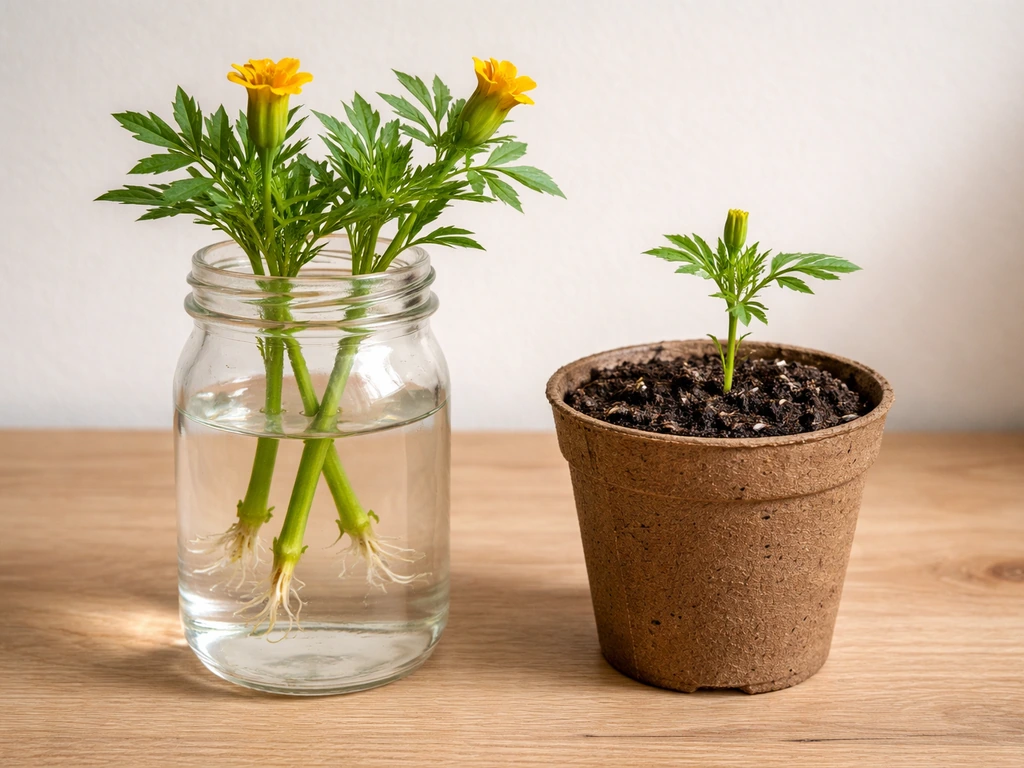
Start chrysanthemum seeds indoors about 8 weeks before your last spring frost date. blank" rel="noopener noreferrer">At a steady 70°F, they'll sprout in 6 to 20 days, with most seeds showing their first tiny shoots within 1 to 3 weeks. Once your last frost has passed and seedlings have at least 2 pairs of true leaves, you harden them off and move them into the garden. That's the core schedule, and everything else is just adjusting it to your climate and starting point. For a full view of how chrysanthemums grow from seed to blooming, you can follow the same timing logic step by step how do chrysanthemums grow.
When to Grow Chrysanthemums: Sprouting and Planting Timeline

Marcus Holloway
26 Apr 2026
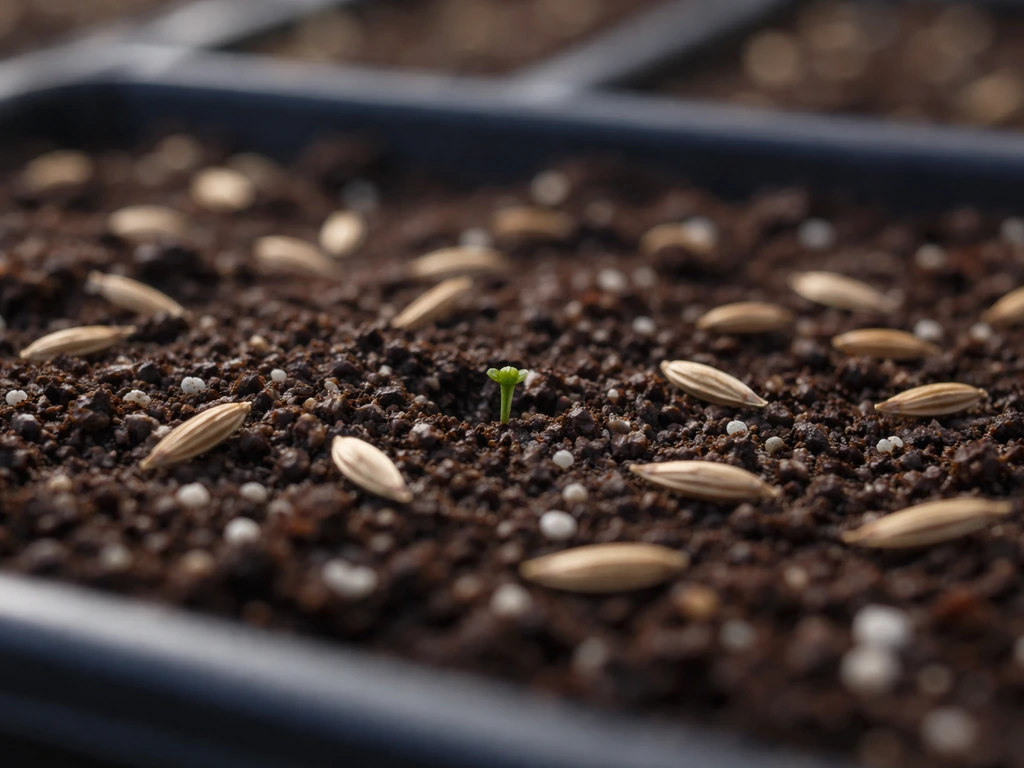
When chrysanthemums actually start to grow
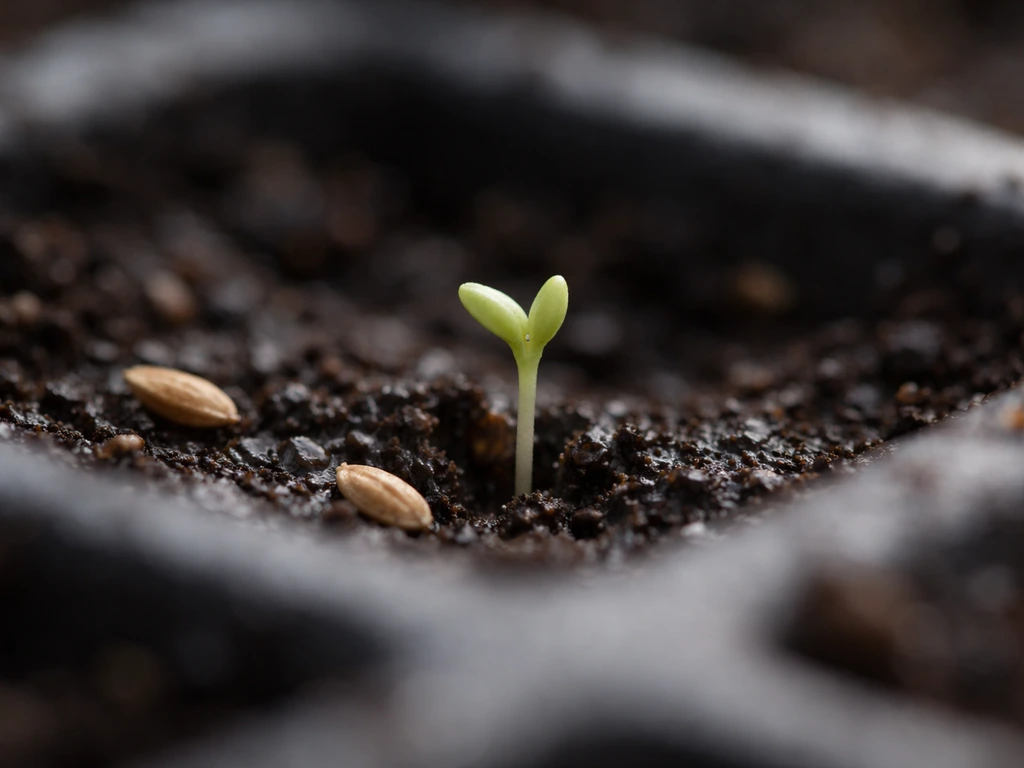
The very first sign of growth is germination: a tiny pale shoot pushing up through the seed-starting mix, usually within 6 to 20 days when the soil stays around 70°F. That's your signal that the seed has activated and root development is already happening below the surface. Within a few more days, you'll see the seedling straighten up and its first set of seed leaves (called cotyledons) unfold. Those aren't true leaves yet, they're just the seed's stored energy in leaf form. The real growing begins when the first true leaves appear, which are the ones that look like miniature chrysanthemum leaves, slightly lobed and more textured than the cotyledons.
From germination to transplant-ready seedling usually takes 6 to 8 weeks total. That's a patient timeline, but it's also why you start them early indoors rather than direct sowing outside and hoping for the best.
Best seasons and climate-based planting windows
Chrysanthemums are cool-season bloomers that do their best vegetative growing in spring and early summer, then flower in late summer through fall as day length shortens. The growing calendar shifts depending on where you live, but the underlying logic is always the same: get seeds started indoors in late winter or early spring, transplant after frost danger passes, and let the plant spend its long summer days building size and root mass before autumn triggers flowering. Rainbow flowers also follow the same general idea: start with good timing, then adjust for your local season and light how to grow rainbow flowers.
| Climate Zone | Last Frost (approx.) | Start Seeds Indoors | Transplant Outdoors |
|---|---|---|---|
| Cold (Zone 4-5) | Mid-May | Mid-March | Late May |
| Moderate (Zone 6-7) | Mid-April | Mid-February | Late April to early May |
| Mild (Zone 8-9) | Late February to March | Late December to January | March to early April |
| Warm/No Frost (Zone 10+) | N/A | January to February | February to March |
If you're in a mild climate like Zone 8 or warmer, you have more flexibility and can even start a second round of chrysanthemums in late summer for a fall flush of blooms. In colder zones, you really have one main window, so hitting that 8-week indoor start is worth planning around.
Timing your sow vs. your transplant
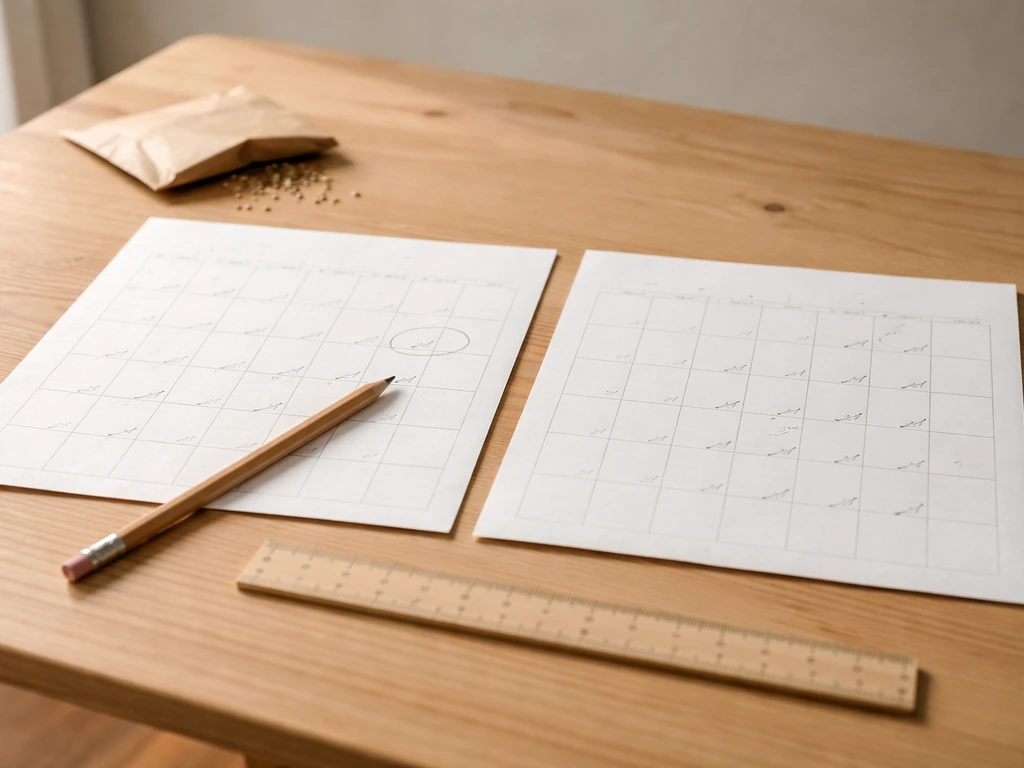
These are two separate milestones and it helps to plan them backwards from your last frost date. Count back 8 weeks from that date to get your indoor sowing date. Then count forward from your last frost date by about 1 to 2 weeks (to let soil warm up and weather settle) for your transplant date. The seedlings need to have grown at least 2 pairs of true leaves before they go outside, which is why that 8-week head start matters so much. For rainbow chrysanthemums, you can use the same indoor start and transplant timing, then fine tune the light and schedule so they bloom when the days shorten rainbow chrysanthemum how to grow.
Before you transplant, harden off your seedlings over 7 to 10 days. This just means setting them outside in a sheltered spot for a few hours each day, gradually increasing their outdoor exposure. Chrysanthemums started in a warm, protected indoor environment are genuinely vulnerable to cold snaps and direct wind, so skipping this step is one of the most common reasons transplants stall or die back.
One thing worth knowing if you're growing specific varieties like Chrysanthemum Snowland or Robinson Red: those varieties can have slightly different vigor and growth rates compared to generic mixed seed packets, so check the seed packet for any variety-specific notes on germination time. The same idea applies when learning how to grow chrysanthemum Robinson Red, so always follow your specific seed packet for timing Chrysanthemum Snowland or Robinson Red. Once you have the seedling stage timing down, you can use the same grow-from-start approach to figure out when to transplant and how to keep Snowland on track for healthy blooms Chrysanthemum Snowland.
What to do right now, step by step
Since today is April 26, 2026, your next move depends on where you are in the season. Here's how to figure out your path:
If your last frost hasn't happened yet
- Start seeds indoors today if you haven't already. You're cutting it close on the 8-week window, but chrysanthemums are resilient and even a 5 to 6 week indoor start will give you workable seedlings.
- Fill small pots or seed trays with seed-starting mix and sow seeds, covering them with just 1/8 inch of mix. Don't bury them deeper.
- Keep the soil at around 70°F. A heat mat under the tray is worth it if your home runs cool.
- Once sprouts appear (within 1 to 3 weeks), move trays to your sunniest windowsill or position grow lights 3 to 4 inches above the seedlings on a 16-hours-on, 8-hours-off schedule.
- Water consistently but don't let trays sit in standing water. Even moisture is the goal.
- When seedlings have 2 pairs of true leaves, pot them up into individual larger containers.
- Harden off for 7 to 10 days before your transplant date.
If your last frost has already passed
- If you started seeds 6 to 8 weeks ago and your seedlings have true leaves, begin hardening them off now and plan to transplant within the next 1 to 2 weeks.
- If you're starting from scratch right now, you can still sow seeds indoors and transplant in late May or early June, depending on your zone. The plant will have less time to bulk up before fall flowering, but it will still bloom.
- Alternatively, buy started chrysanthemum transplants from a garden center. These are already past the seedling stage and can go directly through a hardening-off period and into the ground.
How day length and temperature drive chrysanthemum growth
This is the part of chrysanthemum growing that trips up a lot of beginners, and it's genuinely important to understand. Chrysanthemums are short-day plants, which means they flower when the day length drops below a certain threshold (usually around 13 hours of daylight or less). During the long days of summer, they stay in vegetative mode, building stems and leaves. When fall shortens the days, that triggers the switch to bud formation and flowering. K-State Research and Extension notes that the onset of chrysanthemum flower buds is controlled by day length, or photoperiod onset of chrysanthemum flower buds is controlled by day length (photoperiod).
In practical terms, this means the timing of your planting affects when you'll see flowers, not just whether the plant grows. If you get your transplant in the ground by late spring, you'll have a plant that spends all of June, July, and August getting big and bushy, then shifts to flowering in September and October. If you plant too late, the plant skips most of its vegetative phase and starts flowering while still small, giving you a stunted, sparse display.
Temperature plays a role in the early stages too. Below 50°F, chrysanthemum seeds germinate poorly or not at all. Above 80°F, germination can also stall. That 65°F to 75°F sweet spot is where they're happiest for sprouting. Once established in the garden, chrysanthemums handle moderate cool weather well, but a hard frost while they're young will set them back significantly.
If you're using grow lights indoors, know that running them on a 16/8 schedule (16 hours light, 8 hours dark) mimics long summer days, which keeps your seedlings in vegetative mode and prevents any early triggering of the flowering response before they're in the ground. This is exactly what you want at the seedling stage.
Common timing mistakes and how to fix them
Seeds aren't sprouting after 3 weeks
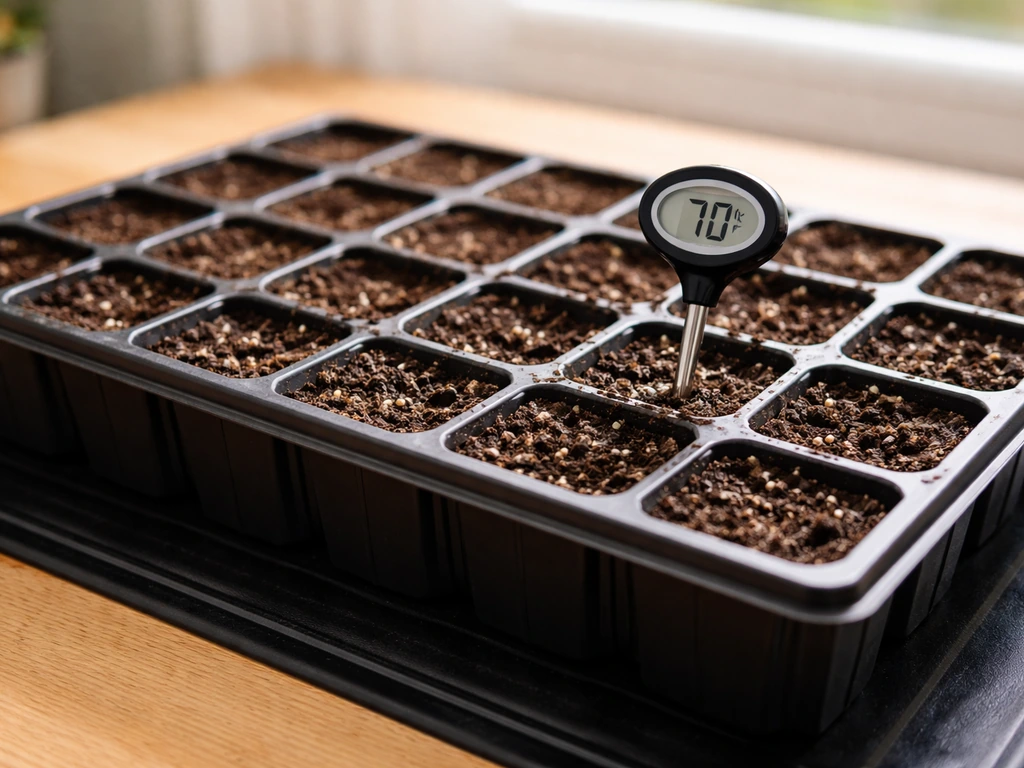
First, check your soil temperature. This is the number one culprit. If your seed trays are sitting on a cool countertop and your home runs below 65°F, germination will be very slow or won't happen at all. Get a heat mat or move the trays somewhere consistently warmer. The second thing to check is moisture: seeds need consistent dampness, not soaking wet and not drying out between waterings. If the surface crust dries out, it can actually prevent the shoot from breaking through. Some varieties can take up to 3 to 4 weeks to germinate, so don't give up at day 21 if conditions have been right.
Seedlings are leggy and weak
Leggy seedlings mean they're reaching for light they're not getting enough of. Move them closer to the light source (3 to 4 inches below grow lights is the rule), or put them in a south-facing window. Leggy seedlings are weaker at transplant and more likely to flop over or struggle in the garden, so fix this as soon as you notice it.
Plants are in the ground but not taking off
If your transplants seem stuck and aren't putting on new growth, the most likely cause is transplant shock combined with cold soil. Chrysanthemums need soil that's genuinely warmed up, ideally above 60°F at root level. If you planted right at last frost and you've had a cold wet stretch since, the plant may just be waiting. Give it two weeks before worrying. If you skipped hardening off, the plant may have experienced stress that temporarily shut down growth. Keep it watered consistently and it will usually recover.
Plant is budding too early with barely any foliage
This is the classic late-planting problem. If a chrysanthemum goes in the ground in mid to late summer, the shortening days can trigger flowering almost immediately, before the plant has had time to develop. The result is a small, sparse plant with just a few blooms. There's no great fix mid-season, but you can pinch off early buds to force the plant back into vegetative growth temporarily. Next year, prioritize getting seedlings in the ground by late spring so the plant has those long summer days to bulk up first.
FAQ
What if my last frost date is late, and I cannot start seeds 8 weeks before it?
You can still succeed, but you need to control light and transplant timing. Start indoors as soon as you can, but do not put plants outside until they have at least 2 pairs of true leaves and outdoor conditions are stable, with root-level soil ideally above about 60°F. If you are forced to transplant later than late spring, expect earlier flowering and a smaller plant, and consider pinching buds once to delay bloom temporarily.
Can I grow chrysanthemums from seed outdoors instead of starting indoors?
Direct sowing is risky because chrysanthemum seeds struggle in cold soil (below about 50°F) and because they often need a full 6 to 8 weeks to reach transplant size. If you try direct sowing, wait until soil temperatures consistently stay in the sprouting range and be prepared to thin seedlings heavily. For most climates, indoor starting gives you more control over temperature, moisture, and timing.
How do I know when to transplant if my seedlings look healthy but I am still short on days?
Use a readiness checklist, not just a calendar. Transplant when seedlings have at least 2 pairs of true leaves, and the plants have hardened off over 7 to 10 days. If they are fast growers and already meet leaf count, you can move them after frost risk passes, even if you are slightly behind schedule.
What is the safest way to harden off if nights are still chilly?
Start by placing seedlings outside in a sheltered spot for a few hours each day, then increase exposure gradually. If nights are below typical comfort levels, bring them in at sunset until temperatures are more reliable. The key is to avoid sudden cold and wind, because cold snaps right after transplant can stall growth or cause die back.
My seedlings are not germinating by day 21, should I restart or wait longer?
Wait a bit longer if temperature and moisture have been consistent. Some varieties can take 3 to 4 weeks to germinate, so if the trays have stayed in the proper sprouting range and the surface is kept evenly damp, give it more time before discarding.
How warm does the soil need to be for chrysanthemums to thrive after transplant?
For the best start, aim for root-level soil above about 60°F. Chrysanthemums can handle cool weather later, but cold wet ground right after transplant is a common reason for stalled growth. If you suspect the soil is still cold, delay transplanting a little rather than trying to push it right at the frost line.
How much grow light should I use, and will a timer cause early flowering?
For seedlings, run lights in a way that mimics long summer days to keep them in vegetative mode, such as a 16/8 schedule. Keep the lights close enough for sturdy growth (about 3 to 4 inches from the seedlings) but maintain steady light timing, because unintended long dark periods indoors can encourage premature bud initiation.
Why are my seedlings leggy, and how do I fix it without shocking them?
Leggy growth usually means insufficient light. Move seedlings closer to the light source or relocate to a bright south-facing window, and make the change as soon as you notice it. After adjusting light, also confirm you are not overwatering, because overly wet conditions combined with low light can make seedlings weaker.
Do I need to pinch chrysanthemums, and when does it help?
Pinching is most useful when you are trying to keep a plant vegetative longer, especially if it was transplanted late and days are already shortening. If buds form early, pinching or removing early buds can temporarily delay flowering so the plant can put on more size before the fall bloom push.
Will temperature changes after transplant affect bloom timing, even if I followed the schedule?
Yes. Cold snaps while plants are young can set them back and shift bloom later than expected. The effect is strongest when plants are recently transplanted and still establishing roots, so prioritizing hardening off and warmer root-zone conditions helps keep your timeline on track.
Next Article
How to Grow Marigold From Stem Cutting: Step-by-Step
Learn how to grow marigold from stem cuttings, root in water or soil, avoid rot and mold, and transplant to flower.