Chrysanthemums grow best in full sun with at least 5 to 6 hours of direct light per day, in fertile, well-drained soil with a pH around 6.5, and with consistent moisture of about 1 inch of water per week. They are short-day plants, meaning they bloom when nights reach roughly 11 to 12 hours or longer, which is why you see them explode into color every autumn. Give them those conditions and they are genuinely rewarding to grow, even for a first-timer.
How Do Chrysanthemums Grow: Best Conditions and Steps

Marcus Holloway
27 Apr 2026
Where chrysanthemums actually come from
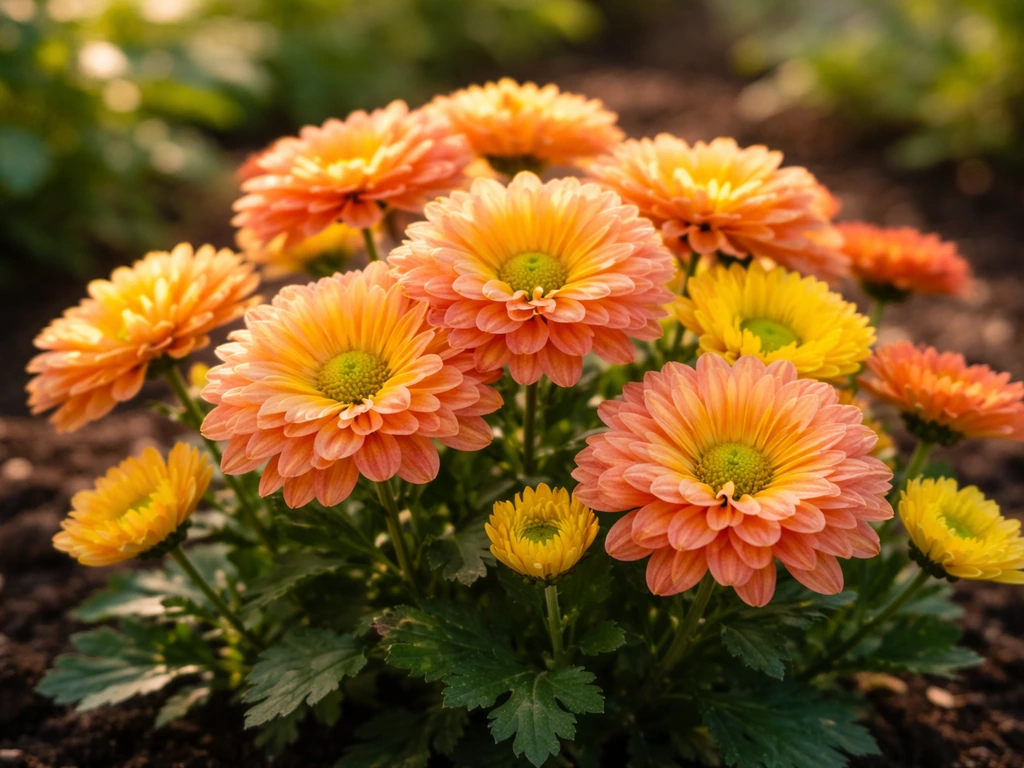
Understanding the natural origin of a plant is the fastest way to figure out what it needs from your garden. Chrysanthemums (specifically Chrysanthemum x morifolium, the garden mum most of us grow) are native to southeastern China. The broader genus has roots across East Asia and into northeastern Europe, with some wild relatives found clinging to stony, high-elevation terrain at around 3,000 meters, often at the edges of alpine coniferous and broad-leaved forests. That origin tells you a lot: these are tough, adaptable plants that handle cool temperatures well, appreciate good drainage, and are used to distinct seasonal light changes driving their life cycle.
Where chrysanthemums grow best: climate, sun, and seasons
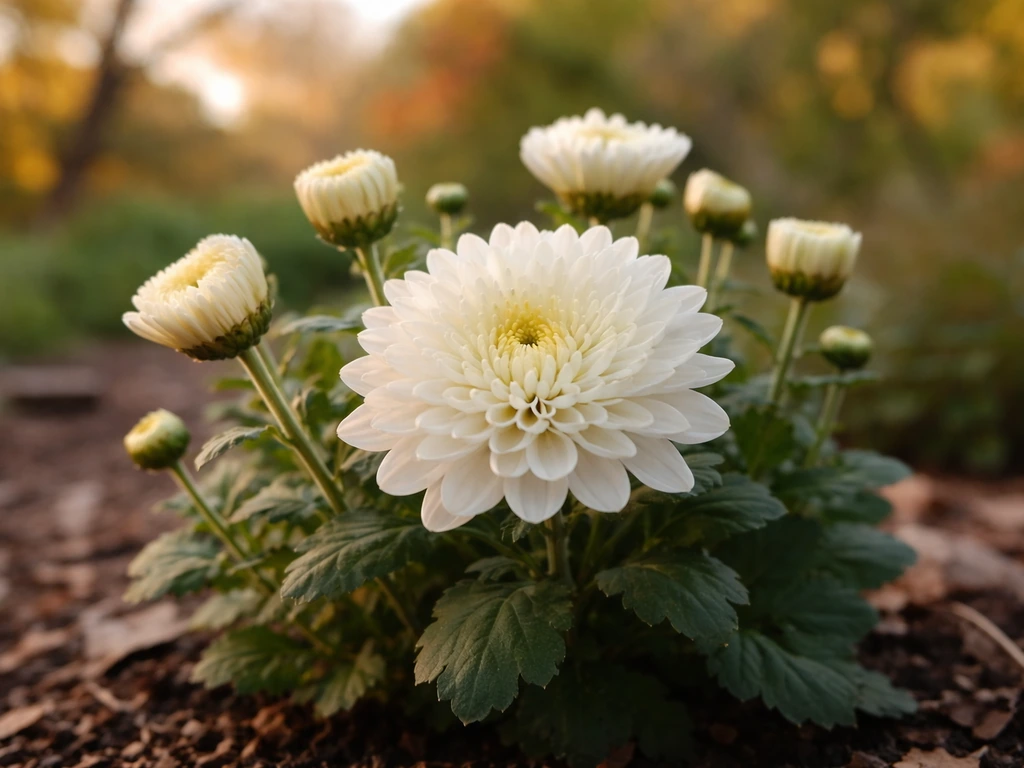
Chrysanthemums thrive across a wide range of climates, but they really hit their stride in temperate zones with warm summers and cool autumns. Full sun is non-negotiable for strong flowering. Penn State Extension is clear on this: 5 to 6 hours of direct sunlight daily is the minimum, and more is better. Early morning sun is ideal because it dries dew off the foliage quickly, which cuts down on fungal disease.
The seasonal angle is worth understanding because it directly affects when and why chrysanthemums bloom. Knowing when to grow chrysanthemums also comes down to day length, so timing your planting around their fall bloom window helps them set buds properly. They are short-day (long-night) plants. Flower buds only initiate when nights are consistently around 11 to 12 hours or longer, depending on the cultivar. That is why most garden mums bloom in late summer through fall, not midsummer. Heat can also cause a 'heat delay' in early-season cultivars, where high temperatures slow flowering even when day length is right. If you are growing in a hot climate, this is something to keep in mind when choosing varieties.
Choosing the right spot in your garden
Pick a spot that gets full early morning sun and is sheltered from strong winds, which can snap brittle stems once plants are loaded with blooms. Avoid low spots where water pools after rain since waterlogged roots are one of the fastest ways to lose a mum. A gently sloping bed or a raised border works perfectly.
One thing beginners sometimes get wrong is planting mums too close to artificial light sources like outdoor security lights or porch lights. Because chrysanthemums flower based on uninterrupted darkness, even a few hours of artificial light at night can delay or prevent blooming. Keep them away from any light source that shines on them regularly after sunset.
If your garden only offers partial shade, mums will grow but flowering will be noticeably reduced. It is better to find the sunniest corner of your space than to compromise on light. That said, in extremely hot climates, light afternoon shade can help protect plants from heat stress during the hottest weeks.
Soil and water: getting the basics exactly right
Chrysanthemums want fertile, loamy or sandy soil that drains freely. The target pH is around 6.5. If your soil is heavy clay, work in compost or coarse grit to open it up before planting. Before planting, spade the bed to a depth of 8 to 12 inches so roots can establish without compaction. Mix in plenty of organic matter because mums are hungry plants that reward rich soil with more blooms and sturdier stems.
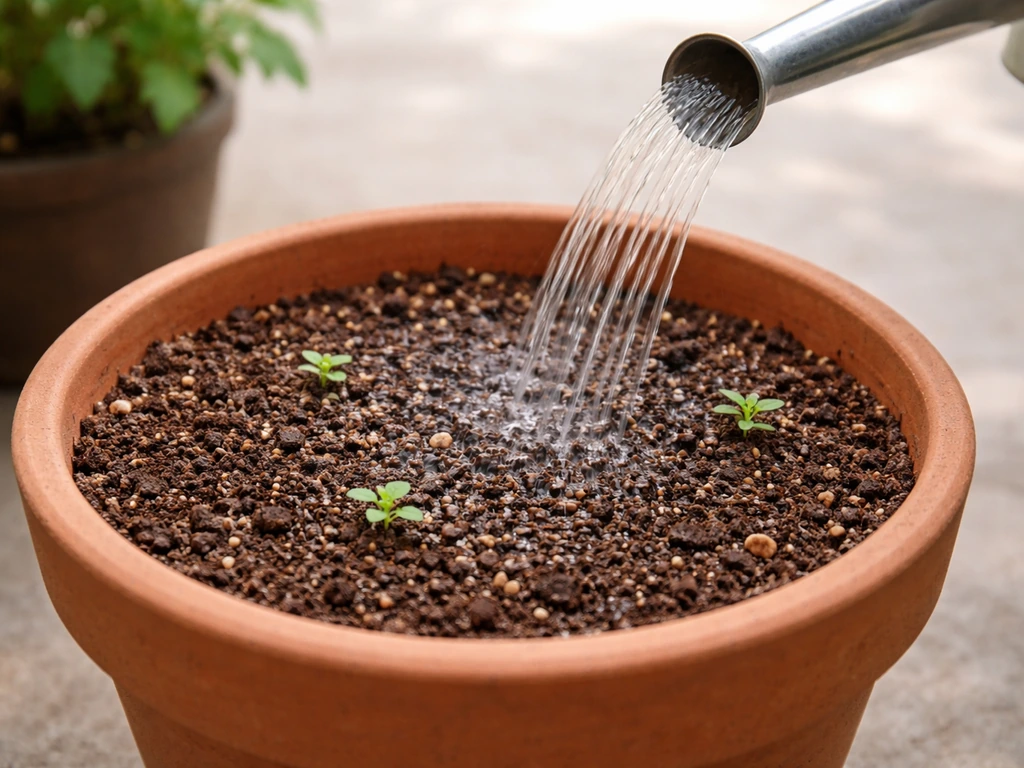
For watering, aim for about 1 inch per week, keeping the soil uniformly moist but never soggy. For newly set chrysanthemums, keep plants uniformly moist but not wet during establishment, and provide well-drained soil newly planted mums uniformly moist but never soggy. Water directly at the base of the plant rather than overhead to keep foliage dry. During dry spells, check the soil every couple of days, especially for newly planted mums that have not yet developed deep root systems. Inconsistent moisture (letting the soil swing from bone-dry to waterlogged) stresses plants and can cause bud drop later in the season.
How to plant chrysanthemums: starting and transplanting
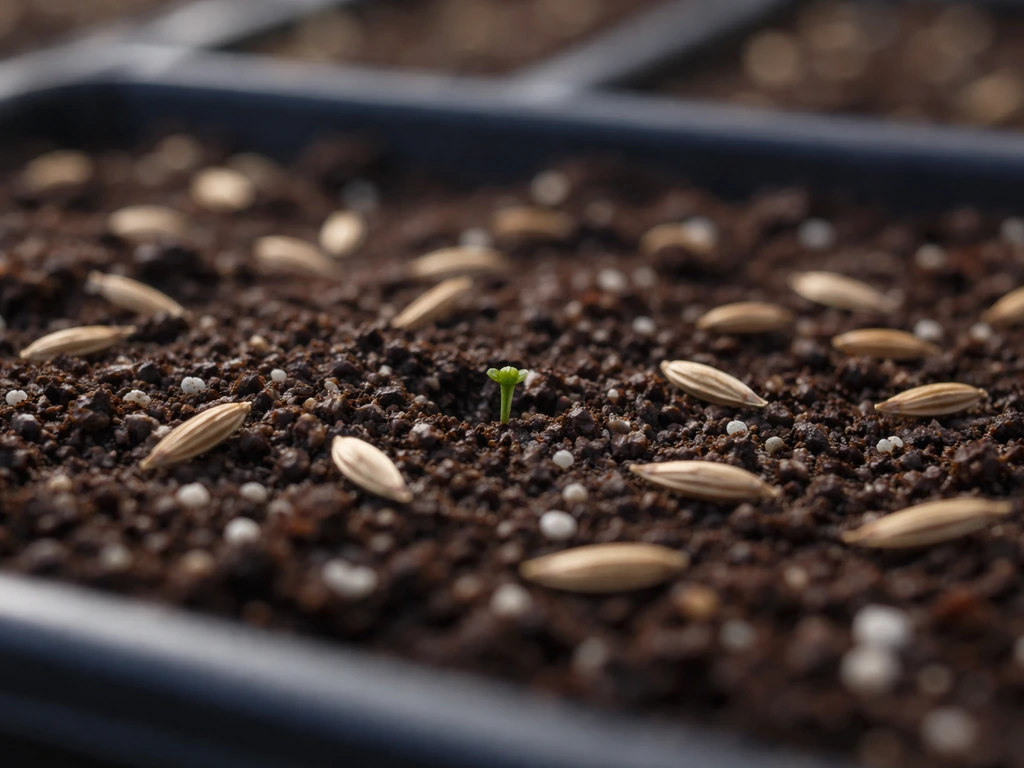
Most home gardeners start with purchased plants or rooted cuttings rather than seed, and that is the easier path to success. You can start from seed, but it takes longer and seedlings need careful management before they are garden-ready. Cuttings root readily and give you true-to-type plants faster. Whichever method you use, the planting steps below apply once your plants are ready to go in the ground. If you specifically want a rainbow chrysanthemum, follow the same fundamentals for light, soil, and consistent moisture, and pick a cultivar suited to your season rainbow chrysanthemum how to grow.
- Prepare the bed by spading 8 to 12 inches deep and mixing in compost or aged manure to boost fertility and drainage.
- Dig a hole just wide and deep enough to accommodate the root ball without cramping it.
- Set the plant at the same depth it was growing in its container. Planting too deep invites crown rot.
- Firm the soil around the roots gently and water in well immediately after planting.
- Space plants 18 to 24 inches apart in all directions. This sounds like a lot when they are small, but mums bush out significantly and need airflow to stay healthy.
- Mulch lightly around the base to retain moisture and moderate soil temperature, keeping mulch away from the stem itself.
Spring is the ideal time to plant garden mums if you want them to establish a strong root system before they bloom in fall. Fall-purchased mums from garden centers are beautiful but often struggle to overwinter because their roots have not had enough time to anchor properly. If you are buying in fall, plant as early as possible and water consistently through the season.
Ongoing care: feeding, pinching, and keeping problems away
Feeding
Feed chrysanthemums with a balanced fertilizer (something like 10-10-10 or 5-10-5 works well) throughout the growing season, starting when new growth appears in spring. Light, frequent applications through midsummer build strong, well-branched plants. The key cutoff: stop fertilizing once flower buds have formed, typically around mid-July in most temperate regions. If you are aiming for rainbow flowers, use the same timing approach so the plants can focus energy on colorful blooms rather than extra leafy growth stop fertilizing once flower buds have formed. Feeding after bud set pushes leafy growth at the expense of flowers and can leave soft, disease-prone tissue heading into autumn.
Pinching for bushy plants
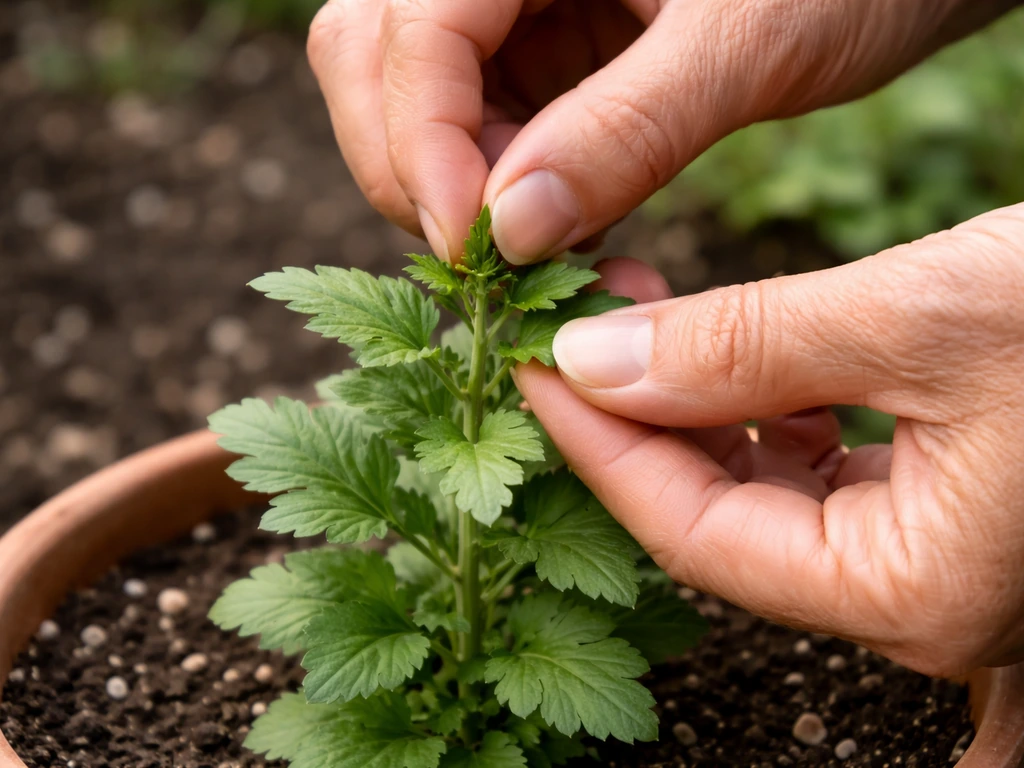
Pinching is one of the best things you can do for garden mums and it is easy. When shoots reach about 6 inches tall, pinch out the growing tip with your fingers. This forces the plant to branch, which means more stems and more flowers. Keep pinching every few weeks until around midsummer (mid-July is a common stopping point), then let the plants grow on toward blooming. If a terminal flower bud gets damaged, pinch it off and let the next bud down the stem take over.
Spacing and airflow
Sticking to that 18 to 24 inch spacing is not just about giving each plant room to grow. It also keeps air moving through the planting, which is your first and best defense against fungal diseases. Crowded mums in humid conditions are an invitation for gray mold and powdery mildew.
Pests and diseases to watch for
The most common problems you will encounter are aphids, spider mites, gray mold (Botrytis), and powdery mildew. Aphids cluster on new growth and can spread viruses; knock them off with a strong spray of water or use an insecticidal soap. Spider mites show up during hot, dry stretches and leave fine webbing on leaf undersides along with tiny stippling damage. Keep plants well-watered during heat waves to reduce mite pressure.
Gray mold causes brown, water-soaked spots on petals and leaves, eventually producing a powdery grayish-brown mass of spores. It thrives under high humidity, especially in autumn when temperatures drop and moisture lingers. Remove any dead or dying plant material promptly and avoid overhead watering. Powdery mildew appears as a white powdery coating on leaves and is harder to treat once it takes hold, so prevention through good airflow and not crowding plants is the real answer. Both diseases are made much worse by poor spacing, so that 18 to 24 inch gap earns its keep twice over.
Why your chrysanthemums might not be thriving
If your mums are growing poorly or not blooming, run through this checklist. Most problems trace back to one of a handful of fixable causes.
| Problem | Likely cause | Fix |
|---|---|---|
| No flowers or very late flowers | Artificial light disrupting dark period, or heat delay | Move plants away from porch/security lights; choose early-season cultivars in hot climates |
| Leggy, flopping stems | Too little sun or skipped pinching | Relocate to a sunnier spot; start pinching at 6 inches and repeat through midsummer |
| Yellowing lower leaves | Overwatering or waterlogged soil | Improve drainage; water only when top inch of soil is dry |
| Stunted, distorted growth | Aphid or leafhopper infestation spreading virus | Inspect undersides of leaves; treat with insecticidal soap and remove badly affected growth |
| Buds forming but not opening | Gray mold infecting buds in cool, humid conditions | Remove infected material; improve airflow; avoid overhead watering in fall |
| White coating on leaves | Powdery mildew from poor airflow or crowding | Increase spacing; apply a preventive fungicide if caught early |
One mistake that catches a lot of beginners: buying mums in full bloom at a fall garden center and expecting them to come back reliably next year. Those plants were often forced under controlled greenhouse conditions and may not have had time to root deeply before winter. For the best perennial performance, plant in spring, let them establish all season, and mulch heavily after the first frost to protect the crown.
A note on variety choice
The steps above apply broadly to garden chrysanthemums, but different varieties do have their quirks. If you are interested in specific types, the growing approaches for varieties like Chrysanthemum Snowland and Robinson Red each have their own nuances around timing and habit. Rainbow chrysanthemums are another distinct group worth exploring if you want unusual color combinations in a cutting garden. Choosing the right variety for your climate and goals is just as important as nailing the growing conditions, so it is worth doing a little research before you buy.
FAQ
My chrysanthemums started to form buds, but they stalled. What should I check first?
If you see buds forming but flowers never fully open, the most common causes are interrupted darkness (lights at night, reflections from bright surfaces, or nearby windows) and inconsistent moisture. Check that the plant is in uninterrupted darkness after sunset for the required weeks, then resume steady, deep watering so the soil does not swing between dry and soggy.
Are fall-purchased mums likely to come back, and what can I do to improve overwinter survival?
For best perennial chances, plant in spring so the roots anchor before fall. If you buy in fall, plant immediately, water deeply until the ground freezes, and mulch to protect the crown. Even then, fall-bought plants are statistically less reliable because they often lack time to grow an extensive root system.
How should I mulch chrysanthemums for winter, and when do I apply and remove it?
Winter mulching protects the crown, but avoid covering so late that stems stay wet and rot during mild spells. After the first hard frost, apply a thick, loose layer (not piled directly into tight clumps that trap moisture). In spring, pull mulch back gradually so new shoots can emerge.
Can chrysanthemums grow successfully in containers, and what changes compared with planting in the ground?
Yes, but container culture changes the watering and feeding needs. Use a pot with real drainage, fill with fresh, well-draining mix, and water when the top inch of mix dries (containers dry faster than beds). Also, keep the same pinching and stop-fertilizing timeline once buds begin, because heavy late feeding in pots often leads to lush leaves and fewer blooms.
Why did my chrysanthemums bloom earlier than expected (or not when I planned)?
If plants bloom too early, the day-length trigger was met or heat pushed flowering timing. Try choosing cultivars that suit your local fall temperatures, and avoid late-season planting that disrupts establishment. In hot climates, heat can cause a delay or uneven bud formation, so aim for early morning sun and consider light afternoon protection to reduce heat stress.
What is the best way to water mums to prevent fungal problems?
When watering, avoid splashing leaves because wet foliage increases gray mold and mildew risk. Use a soaker hose or direct-to-base watering, then water deeply enough that moisture reaches beyond the surface. A simple test is to check soil 2 to 3 inches down, especially during the first season.
My mums look yellow and less vigorous. Is it a nutrient issue or something else?
A yellowing plant can be normal aging, but widespread pale leaves often point to low fertility, poor drainage, or overly dry soil. Because you stop feeding once buds form, if yellowing happens before buds, you can adjust with a balanced fertilizer at the next appropriate feeding window. If stems look weak and soil stays wet, prioritize drainage fixes rather than adding more fertilizer.
Can I prune chrysanthemums after they bloom, or does late pruning reduce next year’s flowers?
Use pruning to control shape early, but avoid heavy cutting late in the season because it removes potential flowering points. Pinch at about 6 inches tall, then stop pinching around mid-July so the plant can direct energy to bud development. After blooming, remove spent flowers and any dead leaves, but keep late-season cuts light.
My mums are tall and floppy with fewer flowers. How can I make them sturdier?
If you want to keep plants compact and heavily flowered, use pinching plus correct spacing and airflow. Do not let plants crowd in beds, and ensure they get at least the minimum direct sun hours. If stems still flop, reassess wind protection and consider staking early, before blooms load the stems.
What should I do if I notice rot or dark, mushy growth at the crown?
Black or mushy tissue near the base usually means crown or root trouble from persistent wetness. Improve drainage, stop overhead watering, remove affected plant material, and keep future watering to deep, infrequent cycles that keep soil evenly moist but not waterlogged.
Next Article
When to Grow Chrysanthemums: Sprouting and Planting Timeline
Get the chrysanthemum sprouting schedule by climate, temps, and day length, plus troubleshooting for slow first growth.