Tuberose grows beautifully in Hawaii. The warm temperatures, year-round soil warmth, and long growing season actually work in your favor compared to mainland growers who have to wait for the ground to thaw. The catch is that Hawaii's humidity and wet periods can invite rot and pests that will stop your blooms before they open. Get the basics right, good drainage, sun, and a little disease vigilance, and you can have tuberose flowering in your garden within three to four months of planting, filling the air with that heavy, sweet fragrance that makes it one of the most prized cut flowers on the islands.
How to Grow Tuberose in Hawaii: Step-by-Step Guide
Marcus Holloway
27 May 2026
Best tuberose types for Hawaii gardens
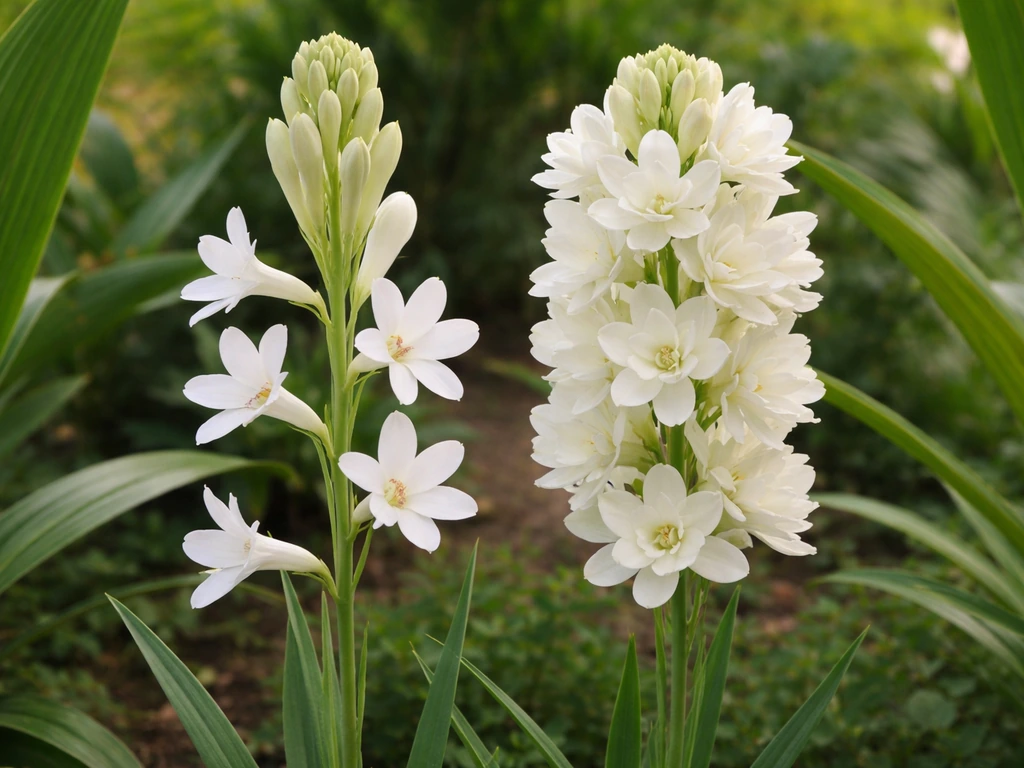
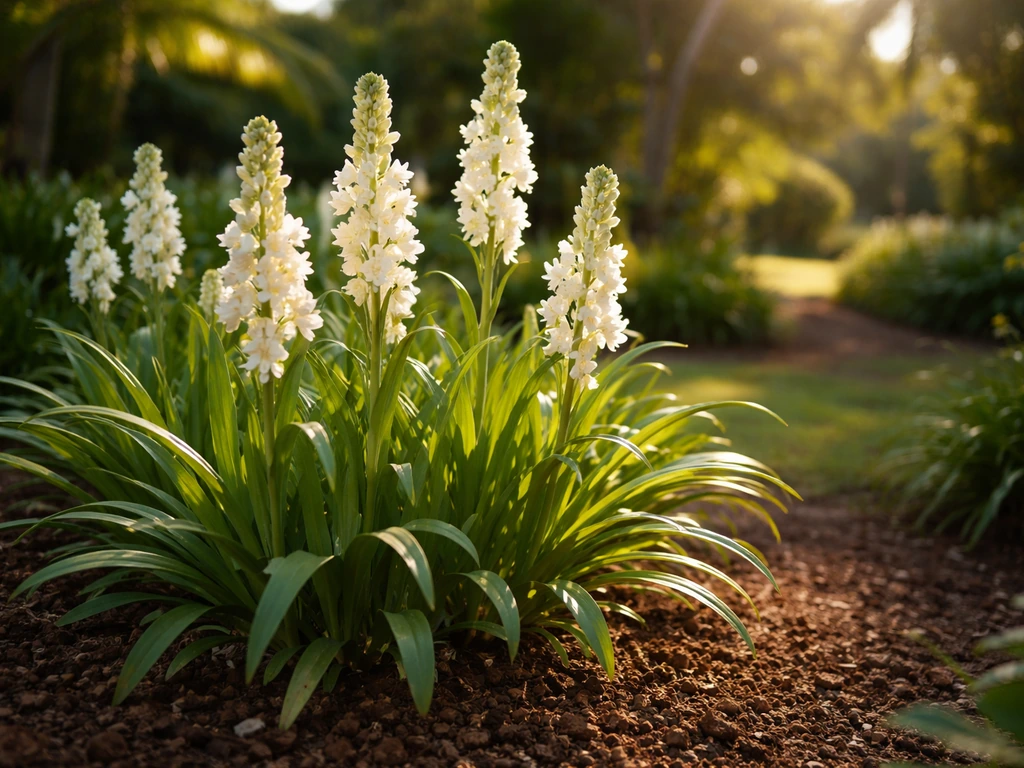
There are two main types you'll find available: single-flowering and double-flowering. For fragrance, 'Mexican Single' is hard to beat, it's the cultivar most often recommended when you want that classic tuberose scent and reliable bloom production. For cut flowers and a showier spike, 'The Pearl Double' (Polianthes tuberosa 'The Pearl') is the one you'll see most in nurseries and online bulb shops. Gurney’s markets [“The Pearl Double” (Polianthes tuberosa ‘The Pearl’)](https://www.
gurneys. com/products/the-pearl-double-tuberose) as a double-flowering tuberose with waxy white double flowers and a mid-summer to late-summer bloom window. It produces waxy white double blooms about 2 inches across on [spikes that reach 18 to 36 inches tall](https://www. hollandbulbfarms.
com/spring-planting-bulbs/specialty-bulbs/the-pearl-double-flowering-tuberose) depending on your growing conditions. Either one will do well in Hawaii, but if you're growing primarily for leis or fragrance, lean toward single varieties. If you want a dramatic vase flower, go with 'The Pearl. '
In Hawaii's garden landscape, tuberose fits naturally in cutting beds, along fence lines where it gets full sun, or in containers on sunny lanais. It works well as a mid-border plant given its spike height. Unlike some tropicals that demand specific microclimate fussing, tuberose is adaptable across most of Hawaii's growing elevations, with some caveats at higher elevations, which I'll get into next.
Climate, planting zones, and when to plant
Hawaii spans USDA hardiness zones 9b through 13, and tuberose thrives in that entire range. At lower elevations on the leeward sides of the islands, think Honolulu, Kailua-Kona, Lahaina, you can plant year-round. The soil stays warm enough that bulbs will sprout in any month. At higher elevations (above 1,500 to 2,000 feet), cooler nights in winter can slow sprouting considerably, so timing your planting for late winter through spring (February to April) gives you the soil warmth you need to get bulbs moving.
For most of Hawaii, late winter to early spring planting (January through March) is ideal if you want summer blooms. Tuberose takes roughly three to four months from planting to first flower when conditions are right, so a February planting puts you in bloom by May or June. You can also plant in late summer for a fall bloom cycle, August planting often yields flowers by November. Avoid planting right at the height of the wet season in areas that flood or stay waterlogged, since sitting water is tuberose's biggest enemy.
One thing worth noting: tuberose in Hawaii doesn't go fully dormant the way it does on the mainland. The warm soil means bulbs will keep trying to grow year-round. This is mostly good news, but it also means you need to stay on top of drainage and disease monitoring all year, not just during peak growing season.
Picking your site and preparing the soil
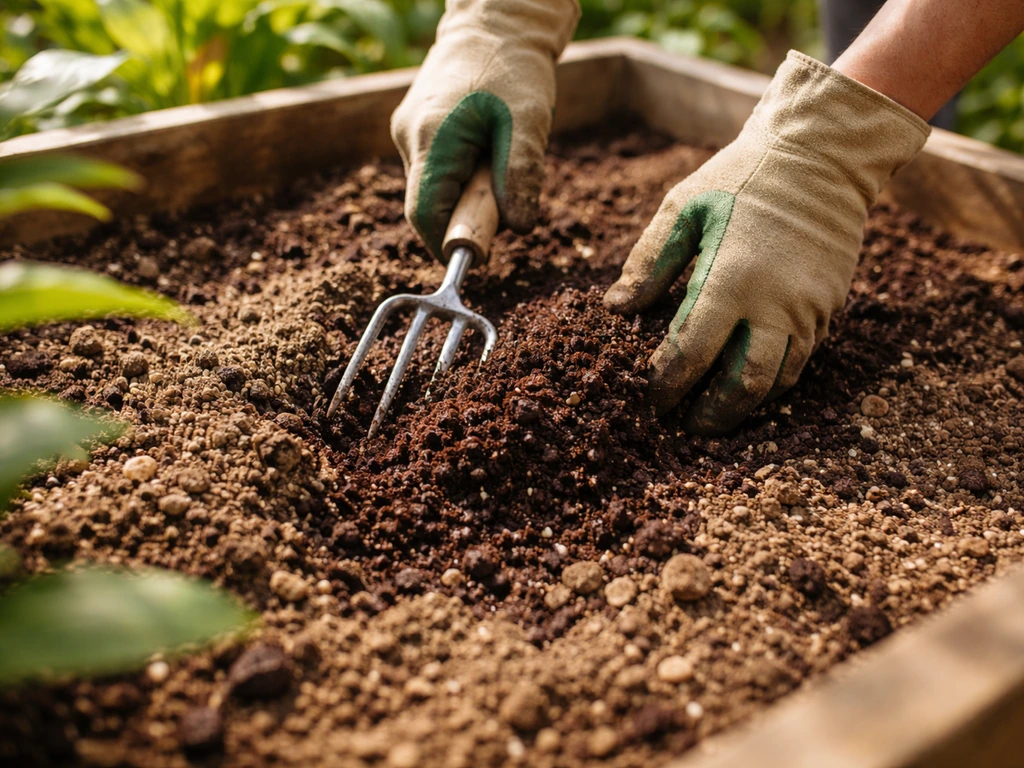
Tuberose needs at least six hours of direct sun per day, and eight hours is better. In Hawaii that's not usually the constraint, it's drainage. Tuberose will rot in heavy, soggy soil faster than almost any other bulb crop, and Hawaii's clay-heavy soils in many areas are a real problem. Before you plant anything, poke a hole about 12 inches deep, fill it with water, and watch how fast it drains. If it's still standing an hour later, you need to either amend heavily, build raised beds, or find a different spot.
The ideal soil is loose, sandy loam with plenty of organic matter. Work in several inches of compost and, if your soil is heavy clay, add coarse perlite or coarse sand to open it up. Tuberose prefers a slightly acidic to neutral pH, around 6.0 to 7.0. If you're on volcanic soil that's very acidic, a light application of agricultural lime worked in before planting helps. Raised beds are genuinely the easiest fix for drainage problems in Hawaii, and a bed just 8 to 10 inches high makes a noticeable difference in rot prevention.
Spacing matters more than people expect. Plant bulbs 6 to 8 inches apart in rows about 12 inches apart. This gives each plant enough airflow, which is critical in Hawaii's humid conditions for reducing fungal disease pressure. Crowded tuberose in humid air is an invitation to stem rot.
Buying bulbs and getting them to sprout
Buy the biggest bulbs you can find. Larger, mature bulbs bloom faster, in the three to four month range, while small offsets (daughter tubers) can take much longer and may not bloom in their first season at all. Look for bulbs that feel firm and solid, not spongy or shriveled. If you're buying online, order from a reputable supplier and inspect them the day they arrive.
Before you plant, there's one step that's especially important in Hawaii: hot-water treatment to kill nematodes. University of Hawaii research shows that parasitic nematodes are a serious disease vector in tuberose, and they spread through planting material. The treatment is straightforward: soak dormant tubers in water held at 50 to 55 degrees Celsius for 10 to 20 minutes. At 50°C for even 10 minutes, studies show 100% tuber survival and 0% nematode survival. Use a cooking thermometer to keep the temperature steady, don't let it climb much above 55°C or you risk damaging the tuber. Let them cool and dry before planting.
To encourage fast sprouting, you can pre-sprout bulbs before putting them in the ground. Lay them in a shallow tray with barely damp coco coir or peat, keep them somewhere warm (75 to 85°F is perfect), and check in five to ten days. Once you see a green tip emerging, they're ready to plant. This takes some of the guesswork out of whether your bulbs are viable, especially if you're working with bulbs that have been stored for a while.
How to plant tuberose in Hawaii
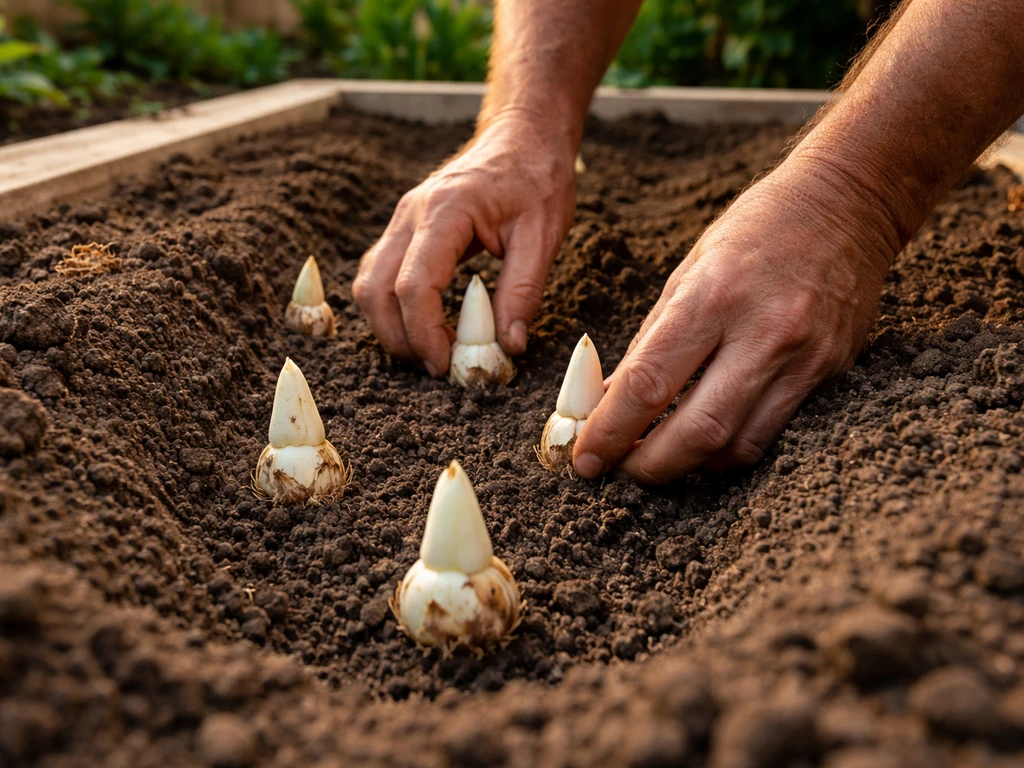
- Prepare your bed thoroughly—loosen soil to at least 12 inches, work in compost, and confirm drainage is good before you start.
- Plant bulbs 2 to 4 inches deep with the growing tip facing up. In Hawaii's warm soil, shallower planting (around 2 inches) is usually fine and actually reduces the risk of rot compared to deeper placement.
- Space bulbs 6 to 8 inches apart in every direction.
- Water in well after planting, then hold back until you see the first green tip emerge. Overwatering at this stage is the number-one cause of bulb rot.
- Once sprouts are showing, water regularly but allow the top inch of soil to dry out between waterings. In Hawaii's humid air, the soil stays moister than it might look, so check with your finger before reaching for the hose.
- Apply a 2-inch layer of mulch around (but not directly touching) the emerging shoots to retain moisture and suppress weeds. Organic mulch like wood chips or coco husk works well.
For fertilizing, start light. Use a balanced slow-release fertilizer (something like a 10-10-10 granular) worked into the soil at planting. Once plants are actively growing and about 6 inches tall, switch to a fertilizer higher in phosphorus and potassium to support flowering, something in a 5-10-10 or similar ratio. Feed every four to six weeks through the growing season. Avoid heavy nitrogen applications once plants are established, since lush leafy growth in humid Hawaii conditions makes plants more susceptible to fungal rot.
Keeping plants healthy through the growing season
Weeds and mulch
Weeds compete directly with tuberose for nutrients and water, and they also trap moisture against stems, which encourages rot. Keep the bed weeded, and use that mulch layer to cut down on how often you need to weed. Hand-pull weeds close to plants rather than hoeing, since tuberose roots are shallow and easy to disturb.
Pests and diseases to watch for in Hawaii
Hawaii has a few specific threats that mainland tuberose guides won't mention. The three biggest ones to know are stem rot, flower bud rot, and thrips damage.
- Stem rot (Sclerotium rolfsii): This shows up as sudden wilting or collapsing of crown leaves right at soil level, often followed by rotting of the flower stalk. It hits hardest during warm, wet weather. The fix is prevention: excellent drainage, good airflow between plants, and not overwatering. Remove and dispose of any affected plants immediately—don't compost them.
- Flower bud rot (Erwinia sp.): A bacterial rot that attacks flower buds during warm, wet periods. It's associated with an insect vector that lays eggs at the bud stage. Monitor buds closely as they develop and remove any that show signs of browning or collapse. Reducing insect pressure with sticky traps helps.
- Hawaiian thrips (Thrips hawaiiensis): Heavy populations during warm, wet weather cause yellow-brown spots on flowers early on, and severe infestations cause the whole flower to shrivel and turn rusty brown—what growers call 'rusty flower.' Inspect flowers regularly and treat with insecticidal soap or spinosad at first sign of damage.
For nematode control beyond the initial hot-water treatment, choose planting sites with good drainage and avoid replanting tuberose in the same bed year after year without a rotation break. Marigolds planted as a cover crop between cycles are a popular and effective nematode-suppressing rotation option.
Troubleshooting common problems
| Problem | Likely Cause | Fix |
|---|---|---|
| Bulbs not sprouting after 3+ weeks | Cold soil, rot, or very small offset bulbs | Check soil temp (should be above 65°F); dig one bulb to check for rot; use larger bulbs next time |
| Yellowing leaves, weak growth | Overwatering or poor drainage | Reduce watering frequency; check that drainage is not blocked; let top inch dry out |
| No flower spike after 4+ months | Bulb too small, too much nitrogen, or insufficient sun | Confirm 6+ hours of direct sun; switch to a bloom-supporting fertilizer; be patient with small bulbs |
| Flowers rotting at bud stage | Flower bud rot or thrips | Remove affected buds; check for insect presence; improve airflow around plants |
| Crown collapse at soil line | Stem rot (Sclerotium rolfsii) | Remove plant immediately; improve drainage; avoid wetting the crown when watering |
Harvesting tuberose flowers
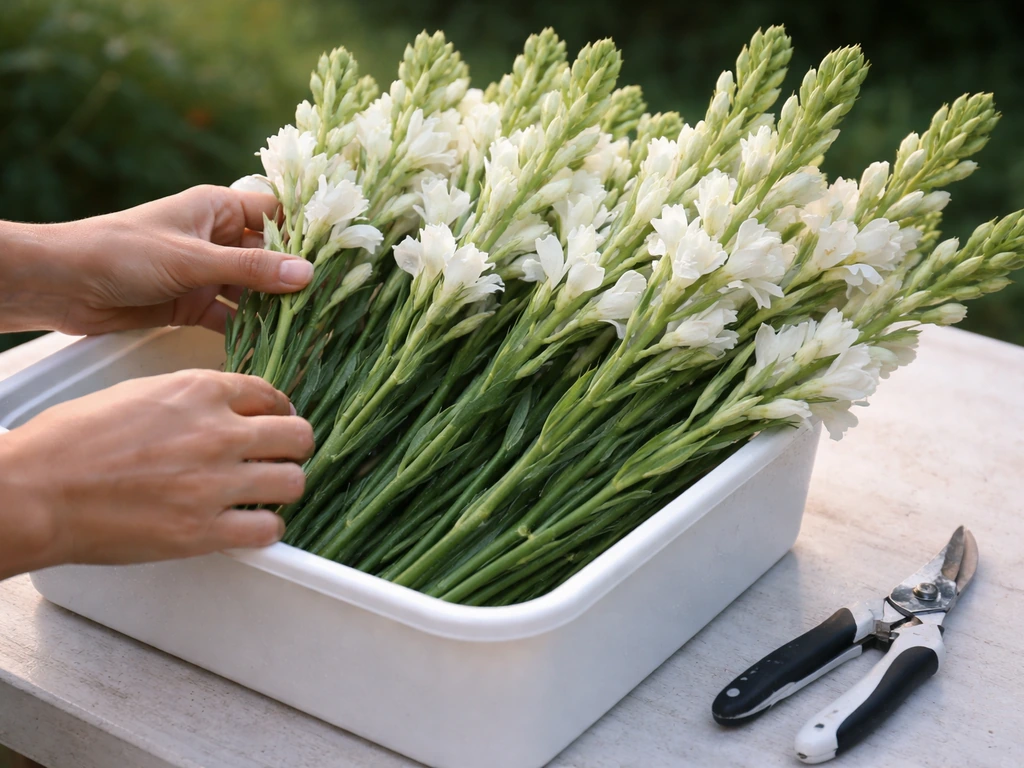
Cut tuberose spikes in the early morning when temperatures are coolest. The best time to harvest is when the lowest two or three buds on the spike have just begun to open, the rest will open in the vase over the following days, giving you a long-lasting display. If you cut too early (all buds tightly closed), the spike often won't open properly in the vase. If you wait until most buds are open, you lose vase life.
Use clean, sharp scissors or pruning shears and cut the stem as long as possible, down near the base of the plant. Make the cut at an angle so the stem can take up water easily. Immediately place stems in a bucket of clean, room-temperature water and move them out of direct sun. For best vase life, re-cut the stems at an angle once more just before putting them in your final vase, strip any foliage that will sit below the waterline, and add a floral preservative to the water.
One thing to be careful about: don't pull or yank the spike out. Cut it cleanly and leave the foliage on the plant intact. The leaves continue photosynthesizing and feeding the bulb for next year's growth. Harvesting a spike correctly shouldn't weaken the plant if the leaves stay behind.
What to do after bloom
This is where Hawaii is very different from growing tuberose on the mainland. In most of the continental US, growers dig bulbs every fall, store them dry through winter, and replant in spring. In Hawaii, you don't need to do that. The soil never gets cold enough to damage tuberose bulbs left in the ground, so in most cases you can simply leave them where they are.
After the flower spike is spent and foliage starts to yellow and die back naturally, cut the old foliage down to the soil level. To make the process easier year after year, follow a forget-me-not grow kit checklist so you know exactly when to plant, water, and troubleshoot common issues. Leave the bulbs in the ground. Over the following weeks, daughter tubers (offsets) will develop around the mother bulb. These will eventually become your next generation of blooming plants, though it may take them a season or two to reach blooming size.
If you're in a particularly wet area or if your bed gets waterlogged during the rainy season, it's worth lifting the bulbs after the foliage dies back, letting them air-dry in a shaded, ventilated spot for a week or two, and then replanting once rain has eased up. This is a good opportunity to separate and discard any soft or rotted bulbs, treat the healthy ones with the hot-water nematode treatment again, and refresh the bed with new compost before replanting.
Whether you lift or leave, mark where your bulbs are in the bed so you don't accidentally dig them up while planting something else. After two or three seasons in the same spot, the bulbs tend to crowd each other and bloom less reliably, at that point, dig the whole clump, divide the offsets, discard the spent mother bulbs, and replant the best-sized offsets with fresh compost. The same idea of keeping plants spaced and periodically thinning clumps applies when you grow clustered bellflower, since dense growth can invite disease. This keeps your tuberose bed productive and fragrant season after season.
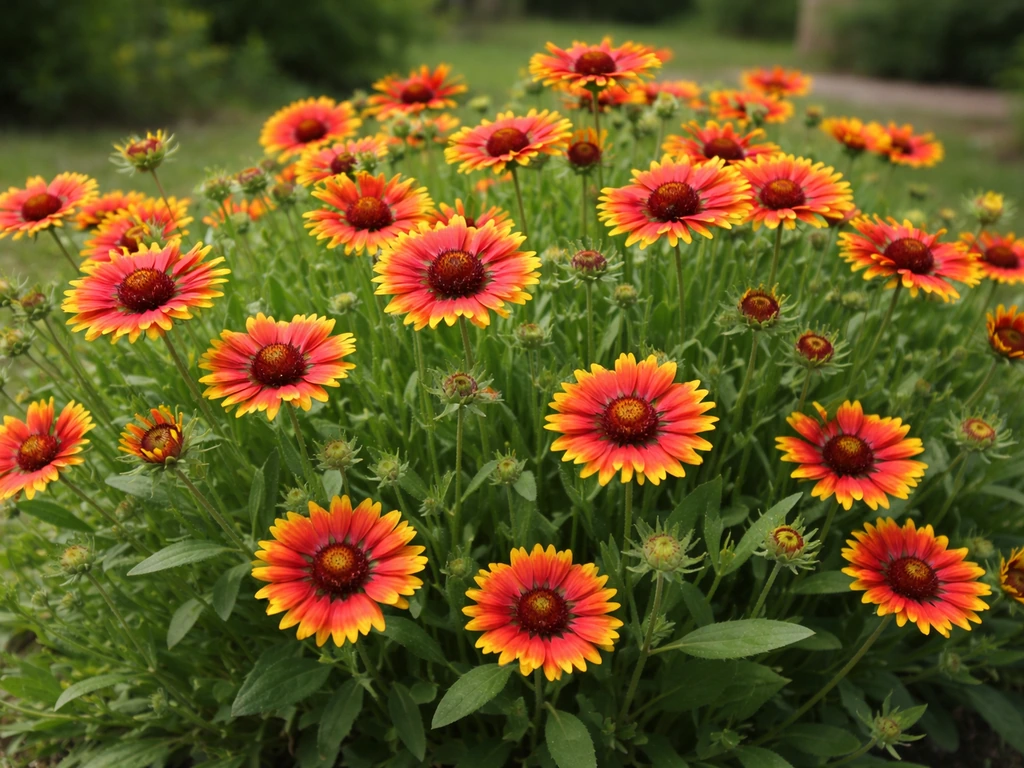
If you enjoy growing other tropical and fragrant flowers alongside tuberose, the white bat flower is another spectacular option for Hawaii's humid conditions, though it demands even shadier placement. For those building out a full cutting garden on the islands, tuberose pairs well with high-contrast companions, the bold color patterns of blanket flowers make an especially striking contrast to tuberose's pure white spikes in a mixed arrangement.
FAQ
In Hawaii’s rainy periods, how do I prevent tuberose bulbs from rotting?
Tuberose will usually rot if it is kept wet, so if you get frequent rain, water only when the top few inches of soil have dried and always verify drainage with the “fill the hole and watch” test. If water stands after an hour, switch to raised beds or a different site rather than trying to “water less,” because the bulbs still sit in saturated soil during storms.
Can I grow tuberose in a pot on a sunny lanai in Hawaii?
Yes, but start with a large container and use a fast-draining mix (potting soil plus lots of coarse material). Plan for watering control, because containers can stay too wet in humid weather, and they dry out faster in sun, so check moisture daily and avoid saucers that hold runoff.
What happens if my hot-water nematode treatment is slightly off temperature?
No, those values matter. If the water is cooler than about 50°C, nematodes may survive and you lose the benefit, but if it gets much hotter than 55°C, you can damage the tuber. Use a thermometer, heat water in small batches, and don’t rush the timing.
Why are my tuberose plants producing lots of leaves but few or no flowers?
Overfertilizing with nitrogen is a common mistake in humid climates, because it drives lush leaves that stay moist and raise fungal risk. Stick to a light balanced feed at planting, then shift toward phosphorus and potassium after sprouting, and stop frequent feeding once spikes start forming.
My tuberose spikes are not opening, the buds look damaged. What should I check first?
If buds turn brown before opening, it is often bud rot or thrips damage, both worsened by humidity and poor airflow. Improve spacing and sun exposure, remove any badly affected spikes, and inspect under flowers and along stems for tiny thrips or silvery scarring.
I amended my soil with compost, but drainage is still poor. What should I do next?
If you have clay and the hole test shows slow drainage, the most reliable fix is an 8 to 10 inch raised bed plus coarse soil amendments. Pure “top dressing” compost may not solve it, because the critical factor is the drainage zone around the bulbs 10 to 12 inches down.
Why are my tuberose bulbs taking longer than expected to bloom in Hawaii?
If bulbs are small or you used recently purchased offsets, it is normal for flowering to take longer than the 3 to 4 months you get with mature bulbs. Pre-sprouting can help you judge viability, but you should still expect some offsets to take a season or two to reach bloom size.
Do I need to dig and store tuberose bulbs in Hawaii every year?
You usually should not lift bulbs just because you had a normal season, since Hawaiian conditions often keep them viable in the ground. Lift only if the bed repeatedly waterlogs, the bulbs are rotting, or you are doing a bed reset to rotate out disease and refresh soil.
Is it okay to twist or yank tuberose spikes off the plant to harvest faster?
Not pulling is about preserving the plant’s next-year energy. Cut spikes with clean shears at the base and leave the leaves intact, then reduce handling of foliage so it can keep photosynthesizing. Yanking can tear tissues and stress the bulb, especially in moist Hawaiian soils.
How can I extend tuberose vase life after harvesting in Hawaii?
After you cut spikes, recut stems underwater if possible, remove foliage that sits below the waterline, and keep them out of direct sun and strong heat. If your water turns cloudy, replace it and re-sanitize by rinsing out the bucket to reduce bacterial slime that shortens vase life.
Next Article
How to Grow Blanket Flowers: Step-by-Step for Beginners
Step-by-step how to grow blanket flowers from seed or seedlings, with soil, watering, sun, care tips, and seed saving.