
Blanket flowers (Gaillardia) are one of the most forgiving, sun-loving flowers you can grow from seed. If you want a specific variety, you can also use these blanket flower basics to guide how to grow white bat flower successfully Blanket flowers (Gaillardia). Sow them shallowly in a warm, well-drained spot after your last frost, give them full sun, and they will reward you with bold red, orange, and yellow blooms from midsummer until frost. If you deadhead consistently, they will essentially bloom nonstop. The biggest mistakes beginners make are overwatering and planting in heavy or soggy soil. Get those two things right and you are most of the way there.
How to Grow Blanket Flowers: Step-by-Step for Beginners

Marcus Holloway
5 May 2026
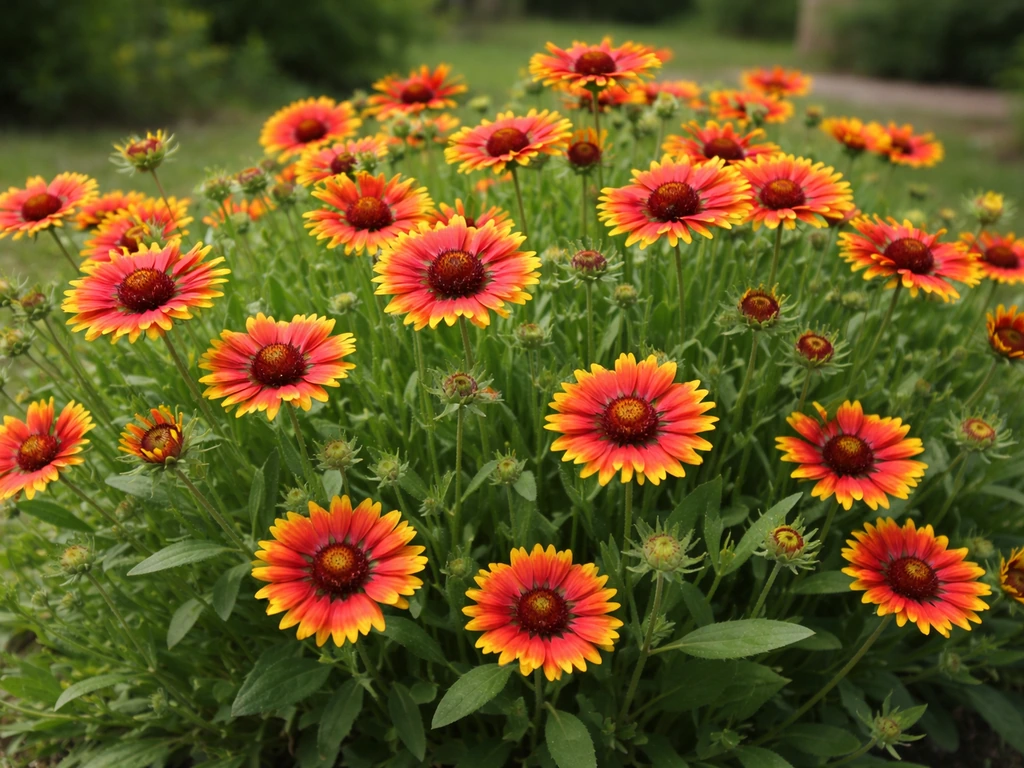
Know what you're growing: Gaillardia types and where to start
There are three types of blanket flower you will most commonly encounter, and they behave quite differently in the garden. Knowing which one you have changes how you plan your season.
| Type | Life Cycle | Mature Height | Bloom Time | Notes |
|---|---|---|---|---|
| Gaillardia pulchella (Indian blanket) | Annual | 8–20 inches | June to frost | Easiest from seed; commonly sold as 'blanket flower' in seed packets |
| Gaillardia aristata (common blanket flower) | Perennial | 24–36 inches | July–September | Native wildflower; true perennial but short-lived (3–5 years typical) |
| Gaillardia x grandiflora (hybrid blanket flower) | Short-lived perennial | Varies by cultivar | June to frost | Hybrid of the two above; averages about 2 years before burning out |
The hybrid types are the ones you see most often at garden centers labeled as perennials, and technically they are, but they tend to bloom themselves to exhaustion within two years. That is not a flaw; it just means you should plan to save seeds or replace plants every couple of seasons. If you are starting from scratch today, G. pulchella seed is the easiest entry point: it germinates reliably, matures fast, and delivers those classic sunset-colored blooms without much fuss. If you want a longer-term planting, look for G. aristata seed or established starts.
Your starting point matters too. You can grow blanket flowers from seed (indoors or directly in the garden), or you can skip to transplants bought from a nursery. Buying transplants gets you blooms faster, but seed is cheap, widely available, and gives you far more variety choices. Either approach works well.
Sun, soil, and timing: setting up for success
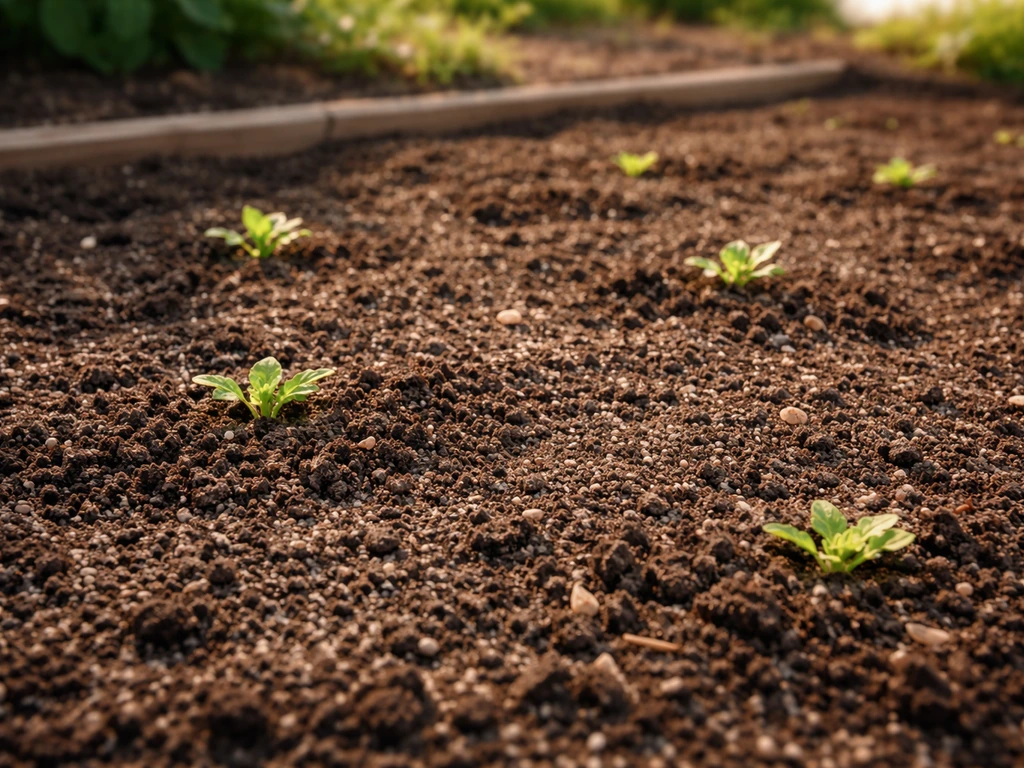
Blanket flowers need at least six hours of direct sun per day to flower well. Eight hours is better. If your spot gets afternoon shade, you will get fewer blooms and leggier plants. They are genuinely [drought tolerant](https://hort.
extension. wisc. edu/articles/blanket-flower-gaillardia-spp/) once established, which means they handle the kind of hot, dry summer conditions that stress out other flowers. USU Extension describes blanketflower as drought tolerant and able to grow under harsh conditions [genuinely drought tolerant once established](https://extension.
usu. edu/rangeplants/forbs-herbaceous/blanketflower. php). In Hawaii, you can use these same sun and drainage principles to set tuberose up for strong growth despite the heat and humidity how to grow tuberose in hawaii.
The non-negotiable requirement is drainage. These plants will rot in wet or clay-heavy soil. If your garden has standing water after rain, build up a raised bed or amend heavily with grit or compost before planting.
Soil pH between 6.0 and 7.0 is ideal, but they are not fussy. Average or even lean soil is fine. Blanket flowers actually do not love heavily fertilized beds, so skip the rich compost amendment you might give other flowers. Average garden soil with good drainage is the sweet spot.
When to plant by climate
The timing depends on whether you are starting seeds indoors, direct sowing outside, or planting transplants. Here is a simple guide:
| Starting Method | When to Start | Notes |
|---|---|---|
| Indoors from seed | 4–8 weeks before last frost | Gives you a head start; transplant after frost danger passes |
| Direct sow outdoors | After last spring frost | Easiest method; soil should be at least 65°F |
| Transplants from nursery | After last frost | Fastest path to blooms; harden off before planting |
| Autumn sowing (mild climates) | Fall, before first hard freeze | Works in zones 7+ where winters are mild |
If you are in a zone 5 or 6 garden with a May last frost, that puts your direct sow date right around now, in early May. For most of the US, late April through mid-May is the sweet spot for getting seeds into the ground. Soil temperature is the real trigger: germination happens reliably between 65°F and 75°F. Below that range, seeds just sit there.
How to sow blanket flower seeds: indoors vs. direct sowing
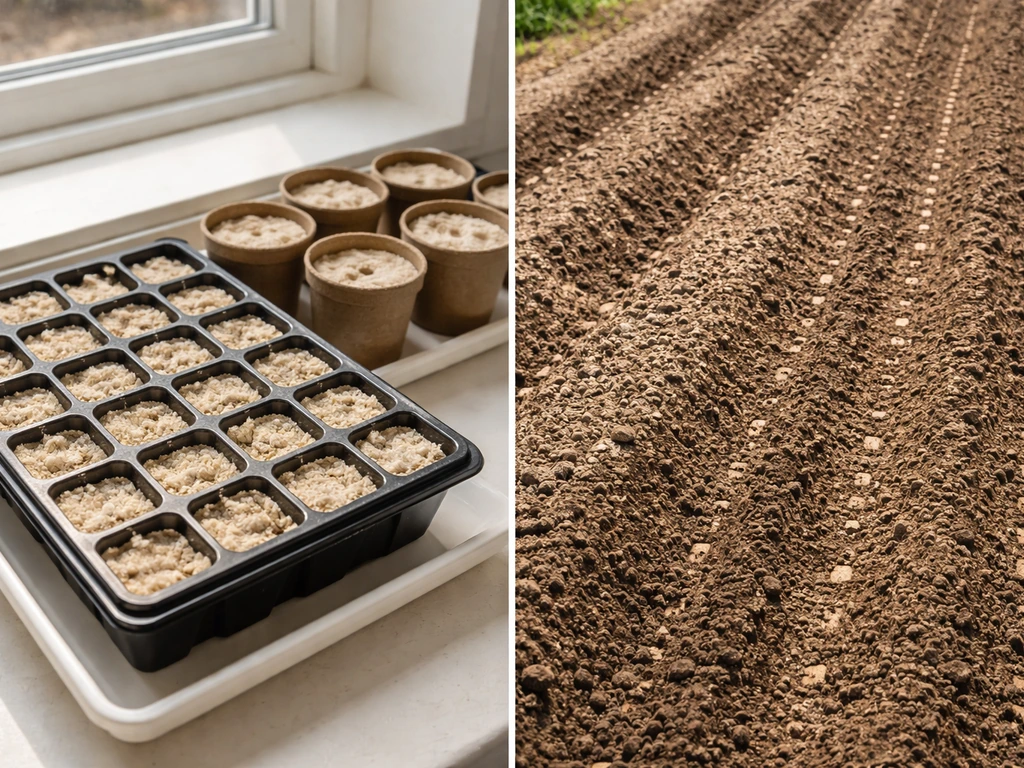
Starting seeds indoors
- Fill clean trays or pots with fresh, sterile seed-starting mix. Do not reuse old potting soil from previous seasons, as it can harbor the fungal pathogens that cause damping-off.
- Scatter seeds on the surface and press them lightly into the mix. Cover with just 1/8 inch of mix or a very thin dusting. Blanket flower seeds need some light to germinate, so resist the urge to bury them deep.
- Mist the surface gently. You want even moisture, not soggy soil. Sitting water is the enemy here.
- Keep the tray somewhere warm, ideally 65°F–75°F. A heat mat set to 70°F works well. A sunny windowsill can work but tends to be uneven. If you have a grow light, use it.
- Expect germination in 8–15 days at those temperatures. Once sprouts appear, make sure they get strong light immediately to prevent legginess.
- Thin to one seedling per cell once they have their first true leaves, cutting extras at soil level rather than pulling, which can disturb roots.
- Harden off transplants for 7–10 days before moving outdoors: start with an hour of outdoor shade, gradually increasing sun exposure each day.
Direct sowing outdoors

Honestly, direct sowing is my preferred method for blanket flowers. Less fuss, no transplant shock, and the seedlings that establish directly in place tend to be stocky and strong. After your last frost, rake the soil surface smooth, scatter seeds thinly, and press them gently into the soil. Cover with no more than 1/8 inch of fine soil or a light dusting of vermiculite, since they need a little light to germinate.
If you are using a forget-me-not grow kit, follow the kit’s sowing depth and watering directions since timing and setup can differ from seed-starting at home forget-me-not grow kit instructions. Water gently and keep the seedbed consistently moist until you see sprouts, then back off on watering. Germination typically takes 8–15 days if the soil is warm enough. If your spring is still cool, expect the slower end of that range.
Germination tips that actually help
- Use a soil thermometer before sowing outdoors. If soil is below 60°F, wait another week or two.
- Cover seeds with a thin layer rather than skipping it entirely: total darkness suppresses germination, but too much depth does too.
- For indoor starts, use a humidity dome until sprouts appear, then remove it immediately to improve air circulation and reduce fungal risk.
- Water from below when possible (set trays in a shallow dish of water and let the mix absorb moisture) to keep the surface from staying wet too long.
Watering, thinning, and fertilizing young plants
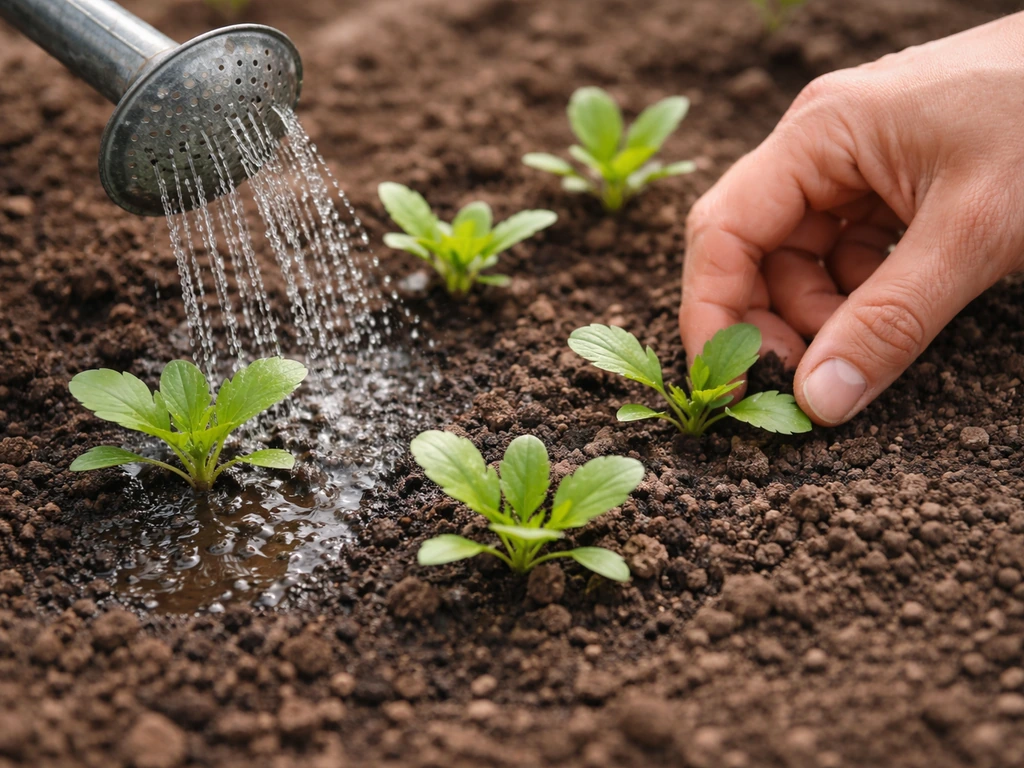
Watering
Young blanket flower seedlings need consistent moisture to get established, but they do not tolerate soggy conditions at any stage. Water when the top inch of soil feels dry. A good rule of thumb is frequent small waterings during germination and early seedling growth, then transitioning to deeper, less frequent watering once plants are a few inches tall. Once established, these plants are genuinely drought tolerant. During a normal summer, established plants in the ground may only need supplemental water during extended dry spells of more than a week without rain.
Thinning
Thin direct-sown seedlings when they reach about 2–3 inches tall. G. pulchella and hybrid types do best spaced 6–12 inches apart; G. aristata, which gets taller, benefits from 12–18 inch spacing. Crowding leads to poor air circulation and increases disease risk. Use scissors to snip extras at soil level rather than yanking them out.
Fertilizing
Go easy on fertilizer. Blanket flowers come from lean, open habitats and can actually do worse with heavy feeding, producing more foliage than flowers. If your soil is decent, skip the fertilizer entirely the first season. If you are growing in genuinely poor or sandy soil, a single application of a balanced, slow-release fertilizer at planting time is enough. Do not feed heavily mid-season; it tends to make plants floppy and shortens their lifespan.
Keeping the blooms coming all season
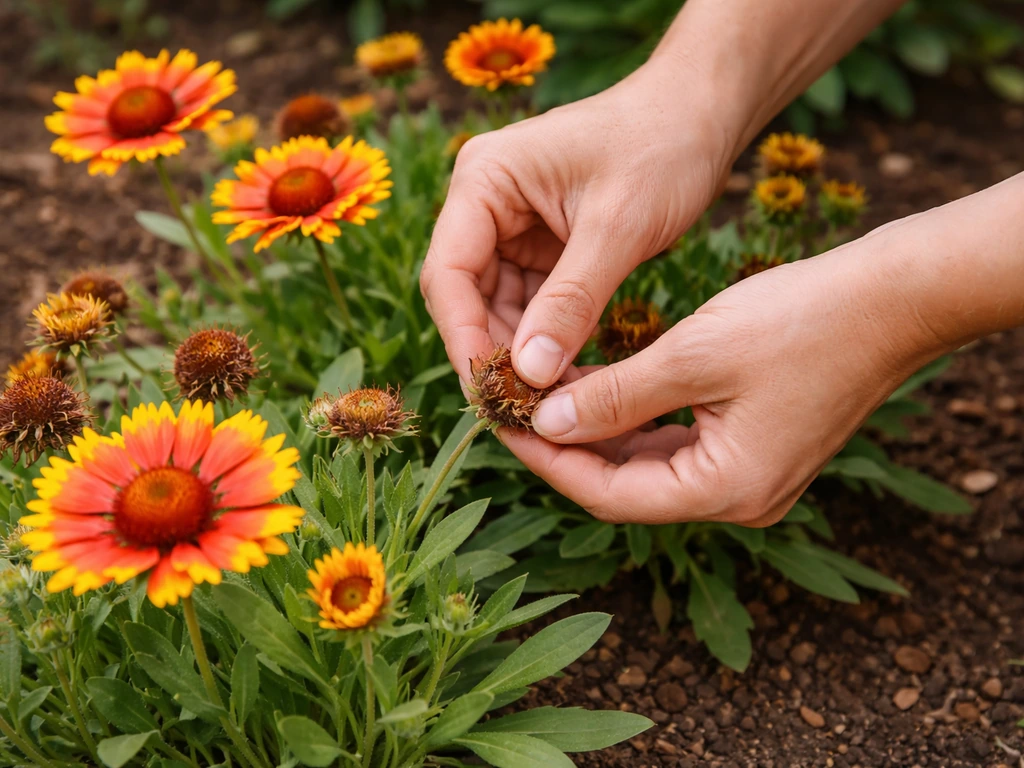
Blanket flowers are built to bloom, but a little maintenance keeps them pumping out flowers from June through frost rather than peaking in July and fading out.
Deadheading
Deadheading (removing spent flower heads) is optional but highly worthwhile. Left alone, plants will still bloom, but removing old flower heads before they set seed signals the plant to keep producing new ones. With consistent deadheading, blanket flower can bloom from mid-June until hard frost. Just snip the stem back to the nearest leaf node or side bud. Do this every week or two during peak bloom season. If you want to save seeds at the end of the season, simply stop deadheading in late summer and let some heads mature fully.
Mid-season cutback
If plants get sprawling or look tired by late summer, cut them back hard, to about 6 inches from the ground. This can reinvigorate them and extend their season, and it may also improve their survival into the following year for perennial types. Do not be timid about it; blanket flowers bounce back well from aggressive pruning.
Spacing and airflow
Good spacing is not just about aesthetics. Crowded plants develop powdery mildew and other fungal issues far more often than plants with room to breathe. If you planted too close and plants are touching, thin or transplant some. The extra space pays off in plant health and flowering performance all season.
When things go wrong: fixing common problems
Leggy, stretched seedlings
Legginess almost always comes down to insufficient light. Blanket flower seedlings that are stretching dramatically toward a window need either a grow light placed 2–4 inches above the foliage, or to move to a genuinely sunny south-facing window. Seedlings started under a cloudy windowsill in March will almost always get leggy. A cheap fluorescent shop light on a timer for 14–16 hours a day solves this completely. If seedlings are already leggy before transplanting, bury the stem slightly deeper in the final planting hole; blanket flowers tolerate this.
Poor germination
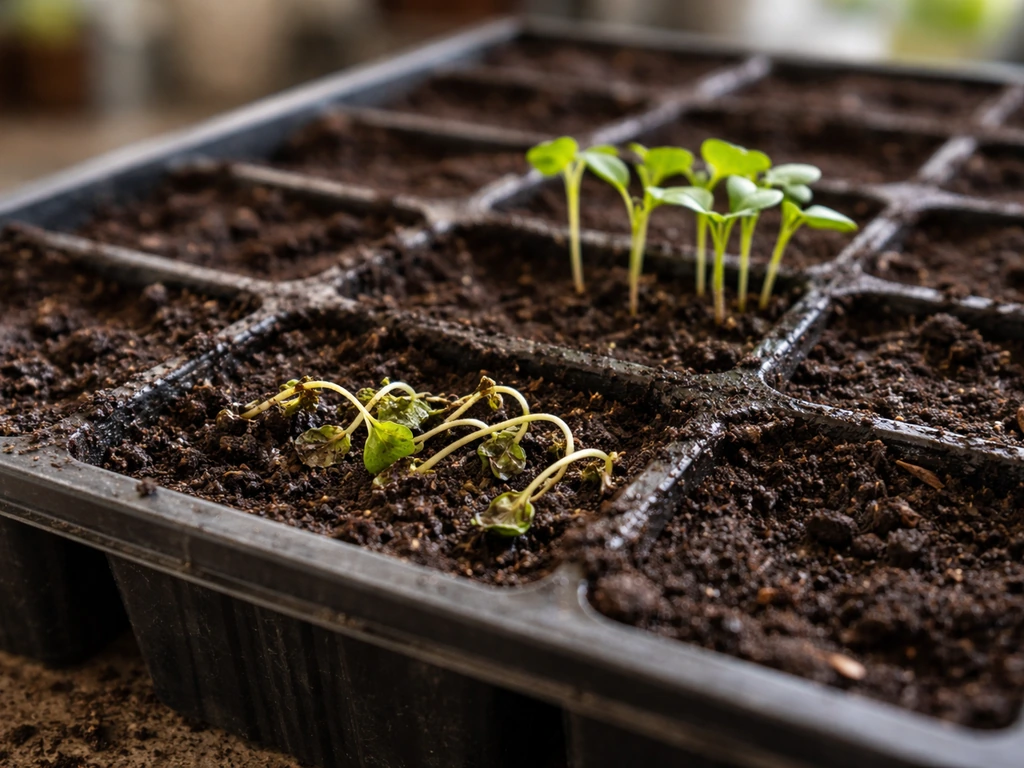
If seeds are not germinating within 15–20 days, the most likely culprits are cold soil (below 65°F), seeds buried too deep, or seeds that dried out after sowing. Check your soil temperature first. If you are indoors, add a heat mat. Outdoors, you may just need to wait a few warmer days. If you used old seed (more than 2–3 years old) without a viability test, low germination rate is expected. Always buy fresh seed or test old seed by placing 10 seeds on a damp paper towel in a warm spot for two weeks and counting how many sprout.
Damping-off (seedlings collapsing at the base)
Damping-off is caused by water molds like Pythium and Phytophthora, and it looks like seedlings suddenly tipping over with a pinched, rotted stem at soil level. Once it hits a tray, it spreads fast. Prevention is the only real answer: use fresh sterile seed-starting mix every season, clean trays with a dilute bleach solution before reusing them, avoid overwatering, and remove humidity domes as soon as seeds sprout. If damping-off appears, remove affected seedlings immediately, improve drainage, and reduce watering. Fungicide drenches can slow spread but will not reverse damage already done.
Powdery mildew
White, dusty-looking coating on leaves is powdery mildew, a fungal disease that loves warm days and cool humid nights. It is common on blanket flowers grown in crowded beds or with overhead irrigation. The fix is better spacing and airflow. Badly affected leaves can be removed. For persistent cases, a spray of diluted neem oil or a baking soda solution can slow the spread. The plant usually survives powdery mildew but looks worse over time if conditions do not improve.
Root and stem rot
Lower stems turning tan to dark brown, combined with plant collapse or wilting that does not respond to watering, points to root or stem rot. This is almost always caused by poorly draining soil or overwatering. If you catch it early, improving drainage and reducing water can sometimes save a plant. In badly drained spots, the only real solution is to move the planting location or build raised beds.
Aphids and whiteflies
Blanket flowers can attract aphids and whiteflies, especially in warm summers. Check the undersides of leaves regularly. Small infestations of aphids are usually handled by beneficial insects (ladybugs, parasitic wasps) if you give them time. For larger infestations, a spray of insecticidal soap applied directly to the insects works well and is safe for pollinators when applied early morning or evening when bees are less active. Whiteflies respond similarly to soap sprays or neem oil; for persistent infestations, products containing acetamiprid are effective but should be used as a last resort to protect beneficial insects. Squishing small colonies by hand and washing plants with a strong stream of water are good first steps.
Saving seeds and wrapping up the season
When and how to harvest seeds
Saving seed is worth doing with blanket flowers, especially if you are growing the short-lived hybrid types or the annual G. pulchella. Stop deadheading a portion of your plants in late summer and let those flower heads mature on the plant until they are fully dry and brown. The heads will look like a spiky ball when ripe. Cut the dry heads off and place them in a paper bag (not plastic, which traps moisture), then crumble the heads gently to release the seeds. Another approach is to cut whole dry stalks and hang them upside down over a paper bag, letting the seeds drop naturally as they dry over a week or two.
Clean out plant debris and chaff, then store the seeds in a cool, dry, dark place. Paper envelopes inside a sealed jar work well. Label with the variety and date. Research shows seed viability holds best in low humidity and stable cool temperatures; a consistent cool room indoors beats a garage that swings from hot to cold. Seeds stored properly typically remain viable for 2–3 years, though germination rates decline over time. For best results, use seeds within a year or two.
End-of-season care for perennial types
For G. aristata and hybrid perennial types, cut plants back to a few inches above the ground after the first hard frost. In cold climates (zone 5 and below), a light layer of mulch over the crown through winter can improve survival. Because these are short-lived plants even under ideal conditions, do not be discouraged if a plant does not come back the following spring. The solution is simple: save seeds and resow, or buy fresh transplants every two to three years. Many gardeners grow blanket flowers as enthusiastic short-term perennials, planning for natural replacement rather than fighting their nature.
If you enjoy growing other cottage-garden and wildflower-style blooms alongside your blanket flowers, the same seed-saving instinct applies to clustered bellflower and the direct-sow approach here pairs nicely with how you would handle forget-me-nots from a grow kit. The principle of thin soil, full sun, and a hands-off watering approach once established runs across many of these easy-to-grow flowers.
Your quick-start checklist
- Choose your type: annual G. pulchella for the easiest seed start, or G. aristata for a taller perennial wildflower.
- Check your last frost date and pick your sowing method: indoors 4–8 weeks before last frost, or direct sow after frost when soil hits 65°F.
- Prepare a sunny, well-drained spot. Amend with grit if soil is heavy or clay-like.
- Sow seeds shallowly at about 1/8 inch depth. Press gently, water lightly, and keep moist until germination (8–15 days at 65°F–75°F).
- Thin to 6–18 inch spacing depending on variety once seedlings reach 2–3 inches tall.
- Water deeply but infrequently once established. Skip heavy fertilizing.
- Deadhead every week or two to keep blooms coming from June through frost.
- Cut back hard in late summer if plants look tired.
- Let a few heads mature fully at season's end, then harvest, dry, and store seeds for next year.
FAQ
Will blanket flowers come back every year, or do I need to replant? (How to grow blanket flowers long-term)
Yes, but blanket flowers sold as “perennials” often act short-lived. If you want a stable patch, plan to re-sow annually or save seed from a portion of plants every year, so you are not restarting from scratch after the original hybrids fade.
Why do my blanket flowers get powdery mildew, even if I water carefully? (How to grow blanket flowers successfully)
A common pattern is mildew or weak growth when plants are watered from above. If you see powdery mildew recurring, switch to watering at the soil line, water early in the day, and keep foliage dry as much as possible.
My blanket flowers have lots of leaves but few flowers, what should I do?
Overfertilizing is the usual reason for lush leaves with fewer blooms. If your plants look overly green and tall but flower poorly, stop feeding mid-season, and skip rich compost top-dressing in future years.
What should I do if my garden soil stays wet after rain (can I still grow blanket flowers)?
Waterlogged soil can cause rot even if the plants are otherwise healthy-looking. If your garden stays wet after rain, use a raised bed, mix in coarse grit for drainage, and avoid planting where water pools.
My seedlings are leggy indoors, how can I fix it before transplanting or thinning?
Seedlings need enough light to stay compact. If you are starting indoors and they are stretching, add a grow light (not just a brighter window) and keep it close enough for steady growth, then harden off gradually before moving outdoors.
Can I deadhead and still save seeds from the same blanket flower plants?
If you want to keep plants flowering longer, deadhead regularly, but for seed saving, leave a few heads to mature and stop deadheading those specific plants in late summer. Don’t leave every stem unattended unless you accept less bloom.
If my blanket flower seeds are not germinating, how long should I wait and what should I check first?
If germination is slow, do not keep re-sowing into soil that has dried out. Instead, check soil temperature, confirm sowing depth (very shallow), and keep the top layer lightly moist until you see sprouts, typically 8 to 15 days when warm.
Can I grow blanket flowers in pots or containers?
Yes, but only if your containers have excellent drainage holes and you use a fast-draining mix. Avoid heavy, water-retentive potting soil, and do not assume “drought tolerant” means “never water,” containers dry out faster than garden ground.
Do blanket flowers need winter protection, and what kind of mulch should I use?
Snow or cold can be less of a problem than wet winter soil. For short-lived perennial types, a light mulch over the crown after the ground cools can help, but do not heap mulch thickly in a spot that stays soggy.
How do I deal with aphids or whiteflies without harming pollinators?
Hand-pulling is usually safest for minor pest pressure. For stubborn colonies, use insecticidal soap directly on the insects (especially on leaf undersides) and apply when pollinators are least active, then repeat only if needed.
What does it mean if my blanket flower seedlings topple or my plants suddenly collapse?
If the plant collapses with dark, rotting stems or wilts despite watering, assume rot and improve drainage immediately. Early rescue is sometimes possible by reducing watering and moving to better-draining soil, but prevention is the real fix.
How much fertilizer should I use when I grow blanket flowers from seed?
Blanket flowers generally prefer lean conditions, so the most reliable approach is to fertilize only once at planting if your soil is truly poor. If they need more nutrients, signs usually show as very slow growth, but flowering reduction often means too much fertility instead.
How do I know if I planted too close, and when is the best time to thin?
Spacing is functional, not just aesthetic. For good airflow and fewer disease issues, thin so plants have room based on type, and if they are crowded, thin promptly rather than waiting until they are fully grown.
Next Article
Can You Grow Marigold From Flower? Seed & Propagation Guide
Learn how to grow marigolds from dried flowers: harvest and sow seeds, fix germination issues, and care tips.