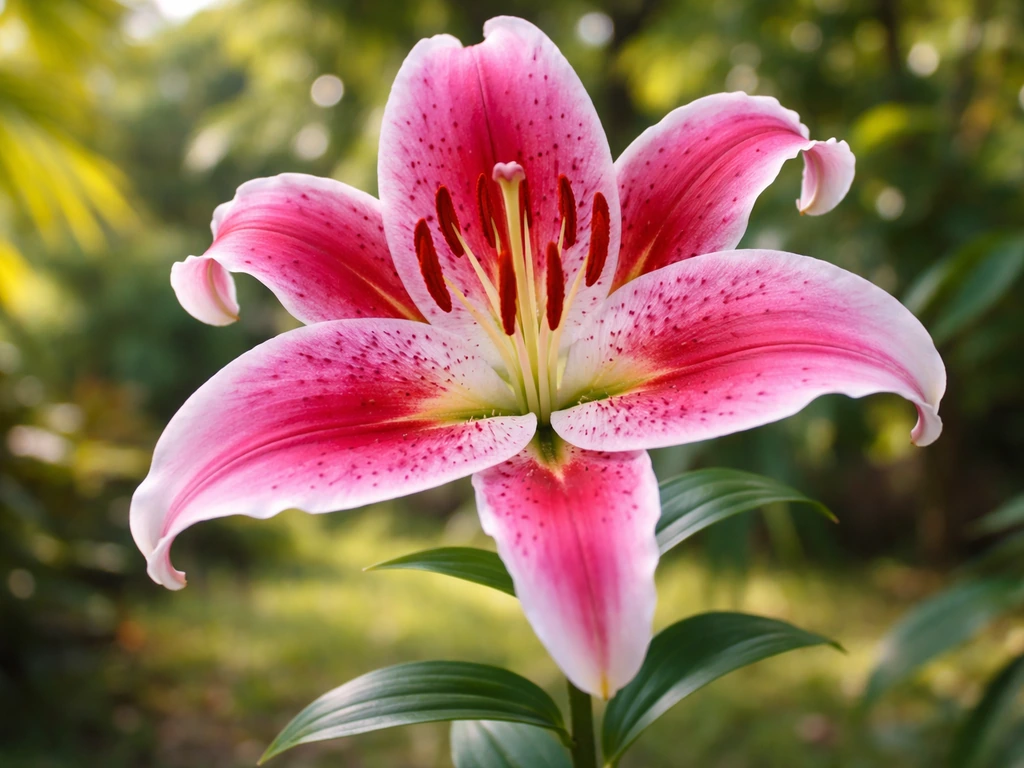
Stargazer lily (Lilium 'Stargazer') is one of the most rewarding flowers you can grow in a home garden. If you want to grow flowers in the Philippines, you can use the same basic approach of choosing heat-tolerant plants, providing good drainage, and adjusting planting times to your local weather Stargazer lily. Plant the bulbs in well-drained, slightly acidic soil at about 6–8 inches deep, give them full sun, keep the roots consistently moist but never waterlogged, and you'll get bold, fragrant, upward-facing blooms on 30–36 inch stems by midsummer. The whole process is genuinely beginner-friendly as long as you get the drainage right, that's the one thing that trips most people up.
How to Grow Stargazer Lily: Planting, Care, and Bloom Tips

Marcus Holloway
24 Jun 2026
What stargazer lily actually is (and what it isn't)
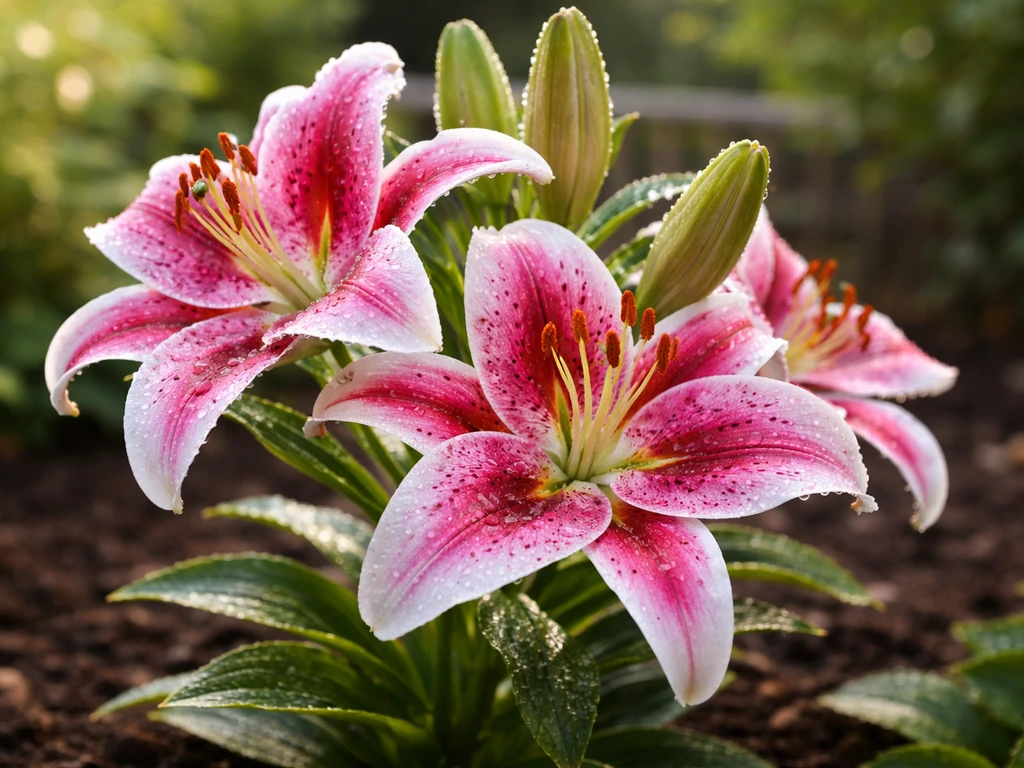
Lilium 'Stargazer' is an Oriental-group hybrid lily, not an Asiatic lily and definitely not a daylily. That distinction matters because daylilies (Hemerocallis) belong to a completely different genus and behave nothing like true Lilium bulbs, they spread differently, need different care, and don't produce the same show. If you're buying bulbs at a garden center or online, double-check the label says Lilium 'Stargazer' or 'Stargazer Oriental Lily. For marigolds in India, the best time to grow them depends on your local climate, but spring and the cooler months often give the strongest results Stargazer Oriental Lily. ' A true Stargazer bulb looks like a layered, papery globe and should feel firm, not mushy.
What sets 'Stargazer' apart from other lily groups is its combination of upward-facing flowers, intense fragrance, and large blooms. Most Asiatic lilies face outward or slightly downward and have little to no scent. Stargazer faces the sky (hence the name), smells incredible, and typically produces 2–8 flowers per stem. It's a showstopper in a vase and in the garden. It's also reliably hardy in USDA zones 4–9, which covers most of the continental US and a huge range of temperate climates worldwide.
When to plant and where to put it
You can plant Stargazer bulbs in early spring or fall, both windows work. Spring planting gets you blooms that same summer, which is the most satisfying route for beginners. Fall planting works well too, but if you go that route, make sure to get bulbs in the ground at least four weeks before your average first frost so the roots have time to establish before hard freezes hit.
For the site, full sun is the goal. Stargazer needs at least six hours of direct sun daily to build strong stems and big blooms. It can tolerate part shade, but you'll likely get fewer flowers and weaker stems. Pick a spot that gets morning sun and, ideally, some afternoon shade if you're in a very hot climate, that keeps the flowers from fading too fast. If you’re growing Stargazer in the Philippines, focus on excellent drainage, partial shade during the hottest months, and consistent watering so the bulbs do not stay wet.
Soil is where most beginners run into trouble. Stargazer bulbs rot quickly in soggy or compacted ground. You want loamy or sandy soil with excellent drainage and a pH of around 6.3–6.8 (slightly acidic to near-neutral). If your soil is heavy clay or drains slowly after rain, build a raised bed or plant on a gentle slope. Mix in compost or well-rotted manure before planting to improve both drainage and fertility, this single step makes a huge difference in first-year performance.
How to plant stargazer lily step by step
Planting from bulbs (the right way for most gardeners)
Bulbs are the fastest, most reliable path to a blooming Stargazer. Seed-starting is possible but takes many months just to get leaf emergence (more on that below), so unless you have a specific reason to start from seed, go with bulbs.
- Prepare your bed: Loosen soil to at least 12 inches deep. Work in 2–3 inches of compost. If drainage is poor, build up the bed by 4–6 inches or switch to a raised bed entirely.
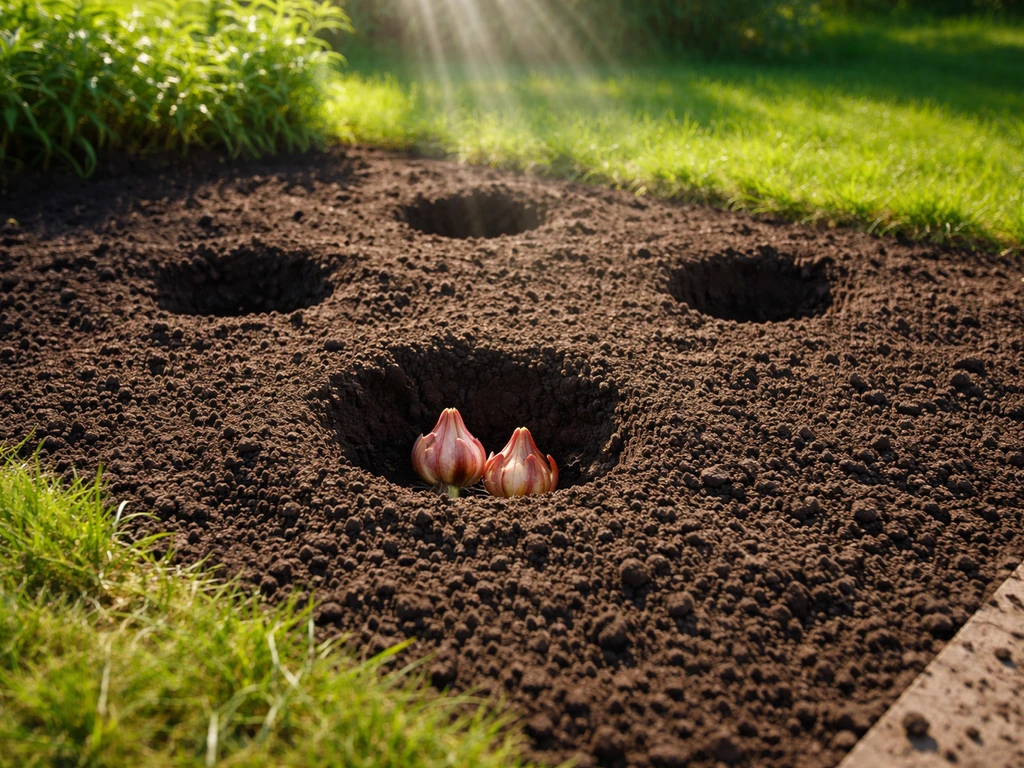
- Dig each hole 6–8 inches deep (roughly 2–3 times the height of the bulb). Space holes 8–12 inches apart.
- Set the bulb with the pointed end facing up and the flat, root-plate end facing down. Getting this wrong is a common beginner mistake—the shoot needs to point skyward.
- Backfill with amended soil and firm it gently. Don't compact it hard.
- Water thoroughly right after planting to settle the soil and wake up the roots.
- Apply 2–3 inches of mulch (straw, shredded bark, or wood chips) over the planting area. This insulates the bulb, retains moisture, and helps prevent frost heave in colder climates.
Starting from seed (slow but possible)
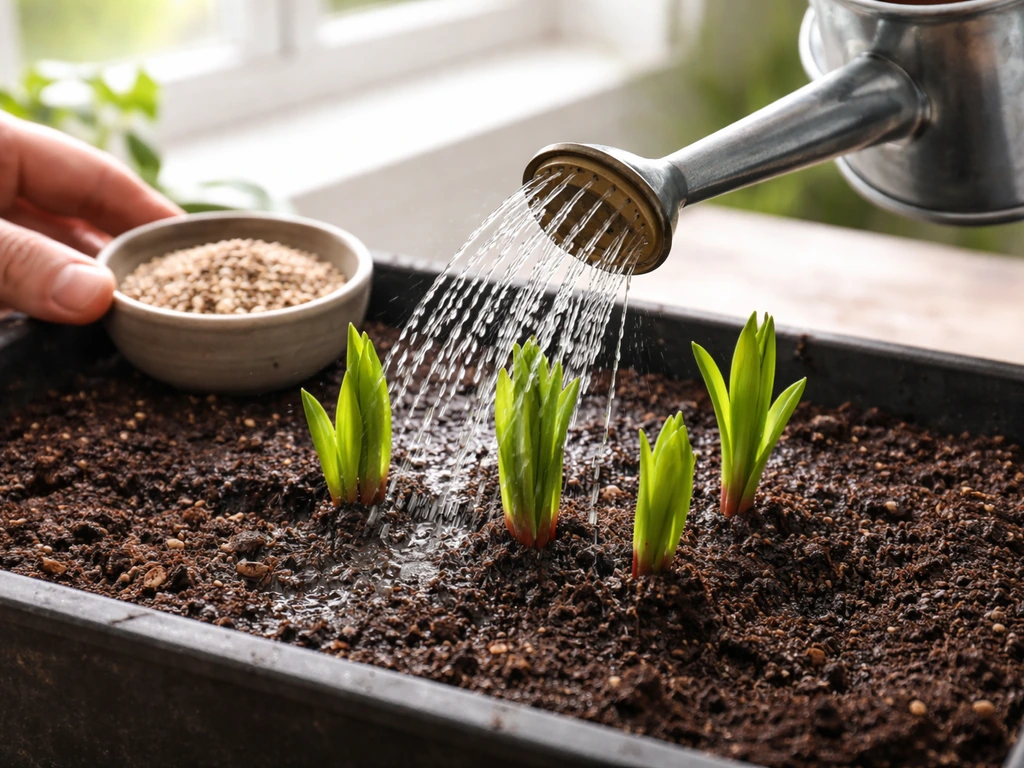
Growing Stargazer from seed is a project, not a quick fix. Oriental lily seeds need a multi-phase stratification process: first a warm, dark phase of 12–16 weeks to form a small root and bulblet, then a cold phase of 8–12 weeks at 1–5°C (33–41°F), then a return to light and warmth around 10–15°C (50–59°F) for leaf emergence. That's potentially 20–28 weeks of stratification before you even see a leaf. Then add another growing season or two before you get a real bloom. If you're committed to seeds, use this staged approach carefully, but go in knowing bulbs will get you to flowers at least a full year faster.
Watering, light, and fertilizing for strong growth
Once shoots appear in spring, water consistently to keep the root zone moist. A practical rule: let the top inch of soil dry out between waterings, then water deeply. Don't let the soil go bone dry, but don't let it stay soggy either. There's no fixed schedule that works everywhere, hot, dry weather means more frequent watering; cool, humid weather means you can ease off. The goal is consistently damp, never waterlogged.
For fertilizing, less is more with Stargazer. The best timing is early spring when you first see shoots pushing up from the soil. At that point, apply a balanced slow-release fertilizer according to package directions, or scratch in a handful of compost around the base. Avoid fertilizing late in the season, applying nitrogen when the plant is headed toward dormancy encourages soft, weak growth that can increase disease risk. If you mixed compost into the soil at planting, you may not need any supplemental fertilizer that first year at all.
Light stays simple: maximize it. The more direct sun your Stargazer gets (up to about six or more hours), the taller and more floriferous it grows. If you're in a climate where summers get scorching hot, think tropical or subtropical conditions, you might want to explore tips specific to those environments, since growing conditions in places with year-round heat differ meaningfully from temperate gardens. Marigolds can be grown in the Philippines by starting with warm-season planting, full sun, and well-drained soil, then watering consistently without waterlogging grow marigold in the philippines.
Common problems and how to fix them
Pests
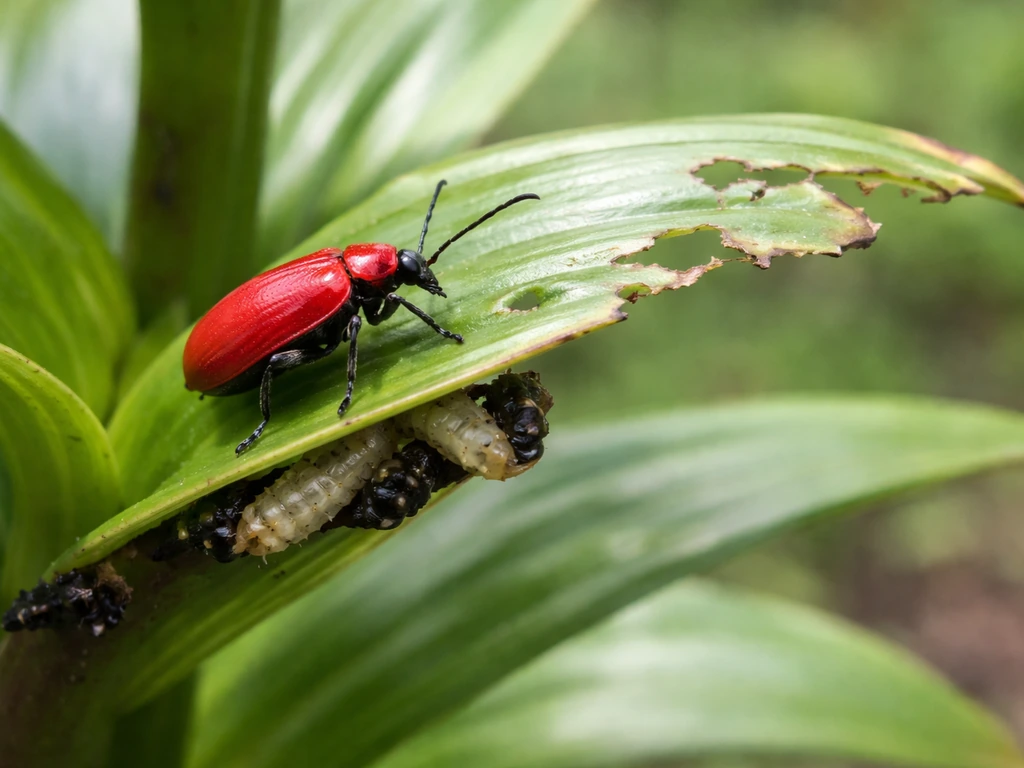
Lily leaf beetles are the most destructive pest for Stargazer. They're bright red adults (hard to miss) and their larvae hide under leaves covered in their own droppings. Both adults and larvae chew irregular holes and notches in the foliage. Check the undersides of leaves regularly, especially in spring. Hand-pick and squish them, it's tedious but effective for a small planting. Catch them early before numbers build up.
Diseases
Botrytis (gray mold) is the most common disease you'll face. It shows up as small water-soaked spots on leaves and buds that expand into larger brown patches, often with a fuzzy gray coating under humid conditions. Buds and flowers can rot before they open. Prevention is the best strategy: plant in good air circulation, avoid wetting the foliage when watering, and remove any infected plant material immediately. Don't compost diseased parts, bin them. Fusarium bulb rot is another concern, especially in poorly drained soil, yet another reason drainage matters so much. If you see yellowing, wilting stems and a soft, rotten bulb base, Fusarium is likely the culprit, and the bulb usually can't be saved.
Yellowing leaves and weak blooms
Yellowing lower leaves late in the season is normal as the plant winds down. But if leaves yellow early and broadly, suspect overwatering, waterlogged soil, or a nutrient deficiency. Weak or absent blooms usually come down to too much shade, over-fertilizing with nitrogen (which pushes leaves at the expense of flowers), or a bulb that was too small or damaged at planting. Upper-leaf necrosis (browning tips on upper leaves) can be a physiological issue in Oriental lilies, make sure your watering is consistent, as irregular moisture can trigger this.
Staking, deadheading, and stretching bloom time
Stargazer stems reach 30–36 inches tall and carry multiple large blooms, which means they can topple in wind or after heavy rain. If you're in an exposed spot, put a bamboo stake in the ground when you first see the shoot emerge in spring, that way you avoid spearing the bulb later. Tie the stem loosely with soft twine as it grows, not tight enough to cut in.
Deadheading, removing spent flowers, is worth doing regularly during the bloom period. Use clean, sharp pruners and snip just below the faded flower cluster, above the uppermost leaves. This stops the plant from putting energy into seed production and can extend the overall display. One important thing: do not cut the green stem down while any leaves remain. The foliage is still feeding the bulb below. Only remove the spent flower head, not the whole stalk.
To stretch the bloom period across your garden, plant bulbs in stages (a few weeks apart in spring) or combine early, mid, and late-blooming lily varieties. Stargazer itself typically blooms in midsummer, so pairing it with other lily types or complementary perennials keeps the garden interesting before and after its peak.
After flowering: cutting, overwintering, and planning for next year
Cutting for bouquets
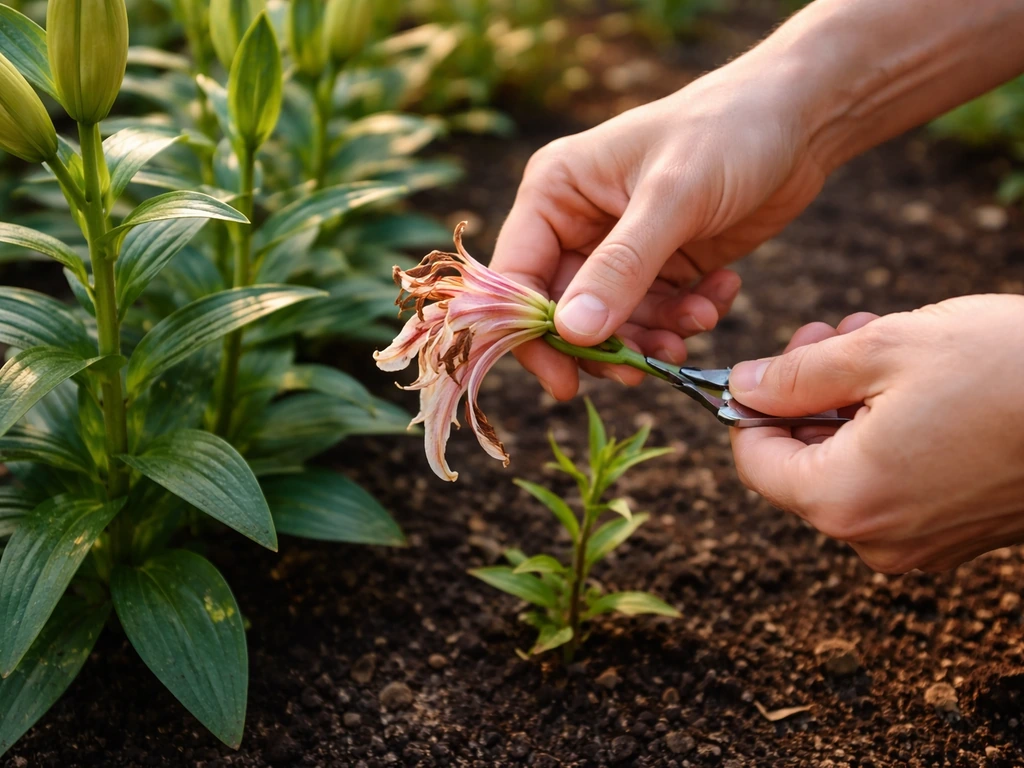
Stargazer is a stunning cut flower. For the longest vase life, cut stems in the early morning when two or three buds on the stem are just beginning to open. Use sharp, clean scissors or pruners and cut at an angle. Leave as much green stem and foliage on the plant as you can, every leaf left behind is helping the bulb store energy for next year. If you cut too low or strip too many leaves, the bulb suffers. A good rule: leave at least one-third of the stem and all remaining leaves in the ground.
Post-bloom care
Once all the flowers on a stem have finished, remove the spent flower head but keep watering and leave the green foliage standing. Continue watering for about six to eight more weeks after bloom ends, this is when the bulb is actively refueling for next year. Resist the urge to tidy up by cutting the stem down. When the foliage finally yellows and dies back on its own (late summer to fall), that's your signal that the bulb has gone dormant and you can cut the stem to the ground.
Overwintering strategy
In USDA zones 4–9, Stargazer bulbs can generally stay in the ground over winter. Once foliage has died back, apply a generous layer of mulch, 3–4 inches of straw or shredded bark, directly over the planting area. This insulates the bulbs against freeze-thaw cycles and keeps them stable. Good drainage remains critical through winter; bulbs sitting in wet, frozen soil are far more likely to rot than those in well-drained ground. In zone 4 or colder, consider lifting bulbs after dormancy, storing them in barely moist peat or vermiculite in a cool, frost-free spot, and replanting in spring.
Planning for re-bloom next season
Stargazer is a true perennial bulb, with good care it will come back and bloom reliably for many years. Every three to four years, clumps can get crowded and bloom quality may drop. After foliage dies back, you can carefully dig, divide, and replant the bulblets to refresh the planting and spread your collection. Mark where bulbs are planted before dormancy sets in (a simple stick or label works) so you don't accidentally dig them up while gardening in fall or early spring. Next year's blooms depend entirely on what happens this year after flowering, so treat the post-bloom phase as seriously as planting day.
| Task | When to do it | Why it matters |
|---|---|---|
| Plant bulbs | Early spring or fall (4+ weeks before first frost) | Establishes roots before growth or cold sets in |
| First fertilize | When shoots emerge in spring | Fuels stem and bud development without promoting excess leaf growth |
| Stake stems | When shoots first appear | Avoids spearing the bulb later; supports heavy flower clusters |
| Deadhead spent flowers | As each bloom fades | Redirects energy away from seed pods; extends display |
| Continue watering post-bloom | 6–8 weeks after last flower | Refuels the bulb for next season |
| Cut foliage back | After it dies back naturally (late summer/fall) | Ensures bulb gets full energy replenishment |
| Apply winter mulch | After foliage dies, before hard freeze | Insulates bulbs through freeze-thaw cycles |
| Divide crowded clumps | Every 3–4 years after dormancy | Restores bloom quality and propagates new plants |
FAQ
Can I grow Stargazer in a container, and how should I water it differently than in the ground?
Yes, but do it in a way that protects the bulb from staying wet. Use a large pot (at least 10 to 12 inches wide for one bulb), a drainage hole, and a loose, fast-draining mix. Keep the pot on a saucer but empty any runoff after watering, water only when the top inch feels dry, and give full sun or the brightest light you can manage because limited light often causes shorter stems and fewer flowers.
When is the best time to transplant or divide Stargazer lilies, and what happens if I do it too early?
Divide or transplant only after the foliage has fully died back and you can tell the plant is in dormancy. If you move bulbs while leaves are still green, you interrupt food storage and you may get weak or no blooms next year. When replanting, keep planting depth the same as before and water once to settle soil, then follow the same “moist, not soggy” rule.
How much fertilizer should I use, and what are the most common mistakes that reduce blooms?
Feed lightly and avoid extra nitrogen later in the season. A common mistake is applying fertilizer after blooming starts or right before dormancy, which can lead to soft growth, more disease pressure, and fewer blooms the following year. If you mixed compost at planting, you may skip the first year and only do the early spring feeding when shoots appear.
Why didn’t I get as many blooms next year after deadheading, even though I followed the flower-cutting steps?
Roughly 6 to 8 weeks after bloom ends, the bulb is actively refueling, so you can’t judge success by whether the flowers look finished. If you cut the foliage too soon, blooms often drop next year because the bulb cannot rebuild reserves. Wait until leaves turn yellow and dry down on their own, then cut the stem back.
What should I change during rainy or very humid weeks to prevent botrytis without harming the plant?
In heavy rain or very humid weather, switch to prevention practices, not more watering. Overly wet soil and wet foliage raise gray mold risk, so water at the soil level, improve airflow by spacing bulbs, remove any spotted leaves promptly, and avoid composting diseased material. If botrytis appears on buds, remove the affected parts immediately to limit spread.
How do I adjust my sun and watering strategy for Stargazer lilies in year-round heat?
Yes, but watch for sun damage and keep roots evenly moist. In hot climates, afternoon shade helps prevent flower fading and leaf stress, but deep shade will reduce flower count. Aim for strong morning sun plus partial afternoon protection, use mulch to moderate soil temperature, and water a bit more often in the hottest weeks while still avoiding waterlogging.
If I’m unsure whether my soil drains well, how can I test it before planting Stargazer bulbs?
Oriental lilies like Stargazer need consistently moist soil while growing, but they do not like standing water. A good decision aid is to check drainage by watering the bed and observing how quickly it drains, if water puddles for more than a short period after rain, plan on raised beds or amended soil before planting. Also consider watering less frequently but more deeply, then letting the top inch dry slightly.
What’s the best way to manage lily leaf beetles early without missing the larvae?
Lily leaf beetle pressure is often worse in spring when adults are active, but you can still prevent serious damage by being systematic. Inspect the undersides of leaves at least weekly during the warm season, hand-pick early, and remove heavily infested leaves before larvae numbers climb. This works best for small to medium plantings, and it’s much harder to manage once larvae are well established under leaf debris.
My lower leaves are yellowing, how can I tell normal late-season decline from an actual problem?
If leaves yellow broadly early in the season, it usually points to water issues (overwatering or compacted, waterlogged soil) or occasionally nutrient problems. First check soil moisture at the root depth and drainage, then correct watering frequency before adding more fertilizer. Yellowing alone late in the season is normal, so compare timing, the pattern across the plant, and whether the stems are firm.
My Stargazer grew leaves but no blooms, what are the most likely causes and what should I do next season?
If a bulb was too small, damaged during planting, or planted too late, it may sprout but fail to flower the first year. Also, insufficient sun and excess nitrogen can reduce bud set. Use the “at least six hours of direct sun” benchmark, avoid nitrogen-heavy feeding, and make sure bulbs are planted at the correct depth with good drainage so the base develops strong roots.
Next Article
How to Grow Stargazer in the Philippines: Step-by-Step Guide
Step-by-step guide to grow Stargazer lilies in the Philippines, with planting, soil, watering, fertilizing, and pest car