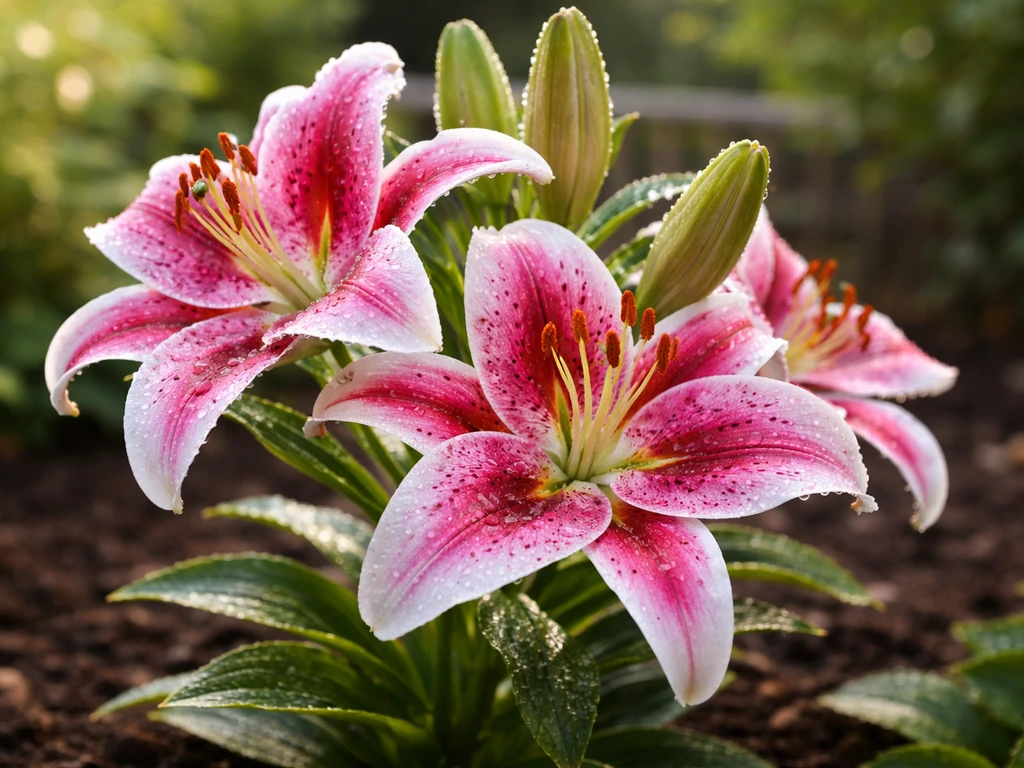
You can absolutely grow beautiful, blooming flowers in the Philippines, even as a beginner. The key is matching your flower choices to the season, protecting plants during the rainy months (June to November), and capitalizing on the cooler dry season (December to May) when most flowers put on their best show. Start with forgiving varieties like marigolds, cosmos, zinnias, and sunflowers, get your soil drainage right, and you will have flowers within 6 to 10 weeks of sowing. If you want the best time to grow marigold in India, match planting to India’s local temperatures and monsoon pattern so seedlings establish quickly marigolds.
How to Grow Flowers in the Philippines: Step-by-Step Guide

Marcus Holloway
1 Jul 2026
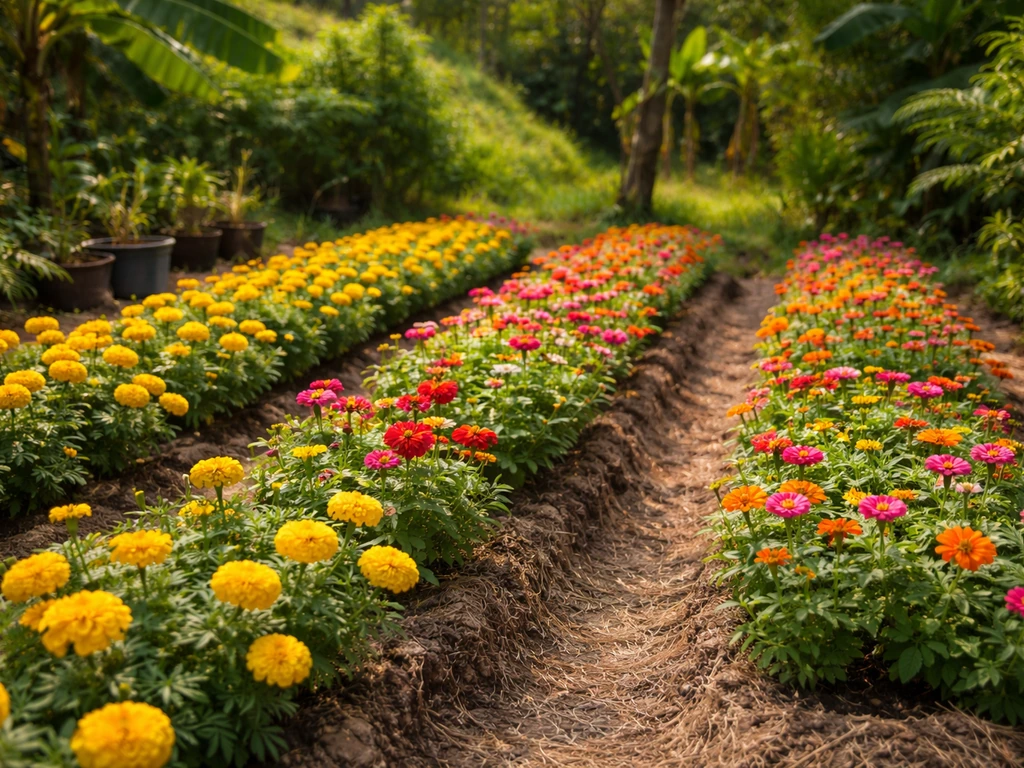
How the Philippine climate affects when and what you grow
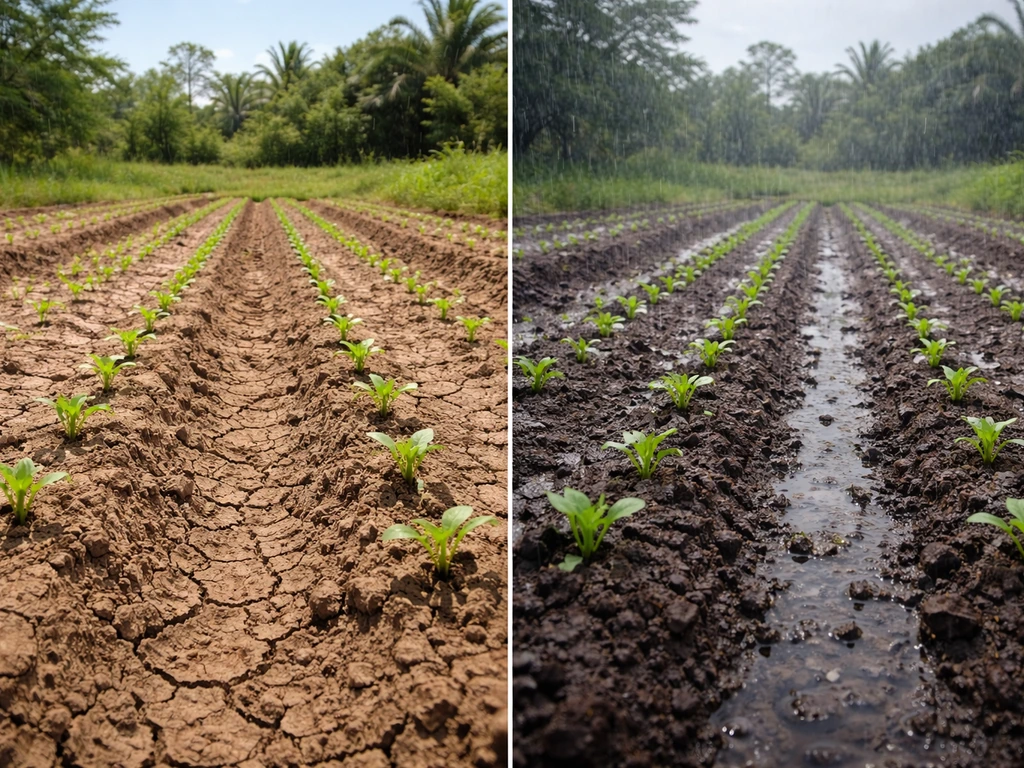
The Philippines has two main seasons: the dry season from December to May and the rainy season from June to November. Within those, you can broadly think of three growing periods: hot and dry from March to May, rainy from June to November, and cooler and dry from December to February. That cooler dry window, roughly November through February, is your golden planting season. Temperatures drop, humidity eases slightly from its September peak of around 85%, and typhoon risk fades dramatically.
The most important thing to know about the rainy season is typhoon activity. About 70% of typhoons develop between July and October, with the peak clustering around July to September. This does not mean you stop gardening entirely during those months, but it does mean you protect your plants, avoid sowing fragile seedlings outdoors during the peak typhoon months, and focus on hardy, fast-maturing varieties if you do plant during the wet season. During this period, humidity and standing water become your two biggest enemies, they invite fungal disease and rot almost immediately.
For most beginners, the practical advice is simple: start your first garden in October or November, just as the rains ease off. You will catch the tail end of warm soil temperatures, typhoon risk drops sharply, and your seedlings will establish beautifully through December and into the cool dry months.
The best beginner-friendly flowers for Philippine conditions
Not every flower you see on Instagram will survive Philippine heat and humidity. These varieties are genuinely easy here, bloom reliably, and forgive beginner mistakes:
| Flower | Best Season to Plant | Days to Bloom | Sun Needs | Difficulty |
|---|---|---|---|---|
| Marigold | Oct–Feb | 45–60 days | Full sun (6+ hrs) | Very easy |
| Cosmos | Oct–Feb | 50–60 days | Full sun | Very easy |
| Zinnia | Oct–Mar | 50–70 days | Full sun | Easy |
| Sunflower | Nov–Feb | 60–80 days | Full sun (8 hrs) | Easy |
| Portulaca | Year-round | 30–50 days | Full sun | Very easy |
| Vinca (Periwinkle) | Year-round | 60–75 days | Full to partial sun | Easy |
| Stargazer Lily | Oct–Jan | 90–120 days from bulb | Partial sun | Moderate |
| Torenia | May–Sep (wet season) | 50–65 days | Partial shade | Easy |
Marigolds are the single best starting point for anyone new to Philippine flower gardening, they bloom fast, repel some pests naturally, and survive brief neglect without sulking. Cosmos and zinnias are equally forgiving and produce cut flowers by the armload. Torenia is worth knowing because it actually prefers the shadier, wetter conditions of the rainy season, making it a smart choice when everything else struggles. If you want to try something a bit more ambitious, stargazer lilies reward the effort with stunning fragrant blooms, but they need better drainage and slightly more care than the easy annuals.
Setting up your site: soil, containers, and sun
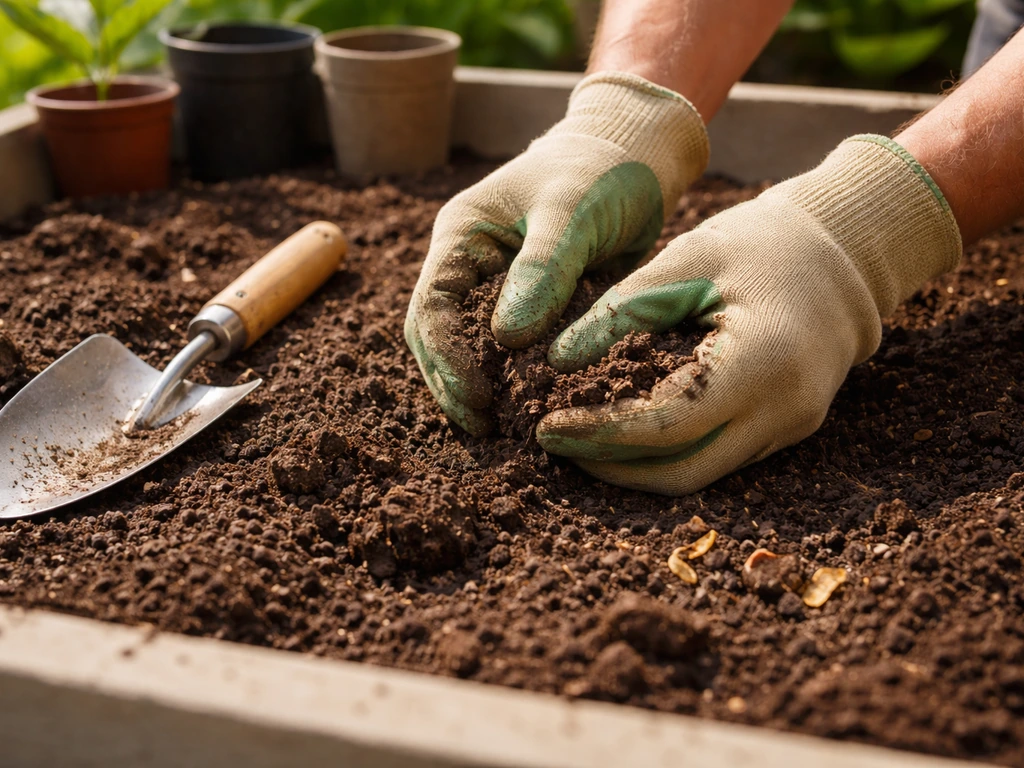
Philippine soil, especially in urban and suburban areas, tends to be either compacted clay or sandy fill soil, neither of which drains well or holds nutrients efficiently. Before you plant anything, you need to fix this. The goal is loose, well-draining soil that is rich in organic matter. Here is how to get there:
- Dig your bed at least 20 to 30 cm deep and break up any clumps.
- Mix in one part compost or vermicast (readily available from garden centers) to every two parts native soil.
- If drainage is a problem — which it often is during heavy rains — raise your bed by 15 to 20 cm above ground level or build simple wooden-framed raised beds.
- Aim for a slightly acidic to neutral pH of 6.0 to 7.0. Most Philippine soils land in this range naturally; if yours is very clayey, the compost addition handles it without needing pH adjusters.
- For containers, use a mix of 50% potting mix, 30% garden soil, and 20% coarse sand or perlite to prevent waterlogging.
Sun is non-negotiable for most flowers. Almost every variety in the beginner list above needs at least 6 hours of direct sunlight per day. Scout your space at midday and again at 3 PM. South-facing spots typically get the most consistent light throughout the day in the Philippines. If you only have partial shade, lean toward torenia, impatiens, or vinca rather than zinnias or sunflowers, which will stretch and barely bloom in low light.
Containers are a perfectly valid option, especially in apartments or paved yards. Use pots at least 20 cm deep for annuals like marigolds, cosmos, and zinnias, and at least 30 cm deep for sunflowers. Make sure every container has drainage holes. One of the most common beginner mistakes in the Philippines is using decorative pots without holes, roots rot within a week during the rainy season.
How to start from seed: direct sowing vs. seedling trays
You have two main options for getting flowers started: sow seeds directly in the ground or bed (direct sow), or start them in small trays or cups indoors first and transplant later (raising seedlings). Both work in the Philippines, but the right choice depends on the flower and the season.
Direct sowing (best for: marigolds, sunflowers, cosmos, zinnias)
- Prepare your bed or container soil as described above.
- Sow seeds at a depth roughly equal to twice the seed's diameter. A rough guide: marigolds and zinnias at about 0.5 cm deep, sunflowers at 2–3 cm deep, cosmos at 0.5 cm deep.
- Space seeds about 15 cm apart to start; you will thin later.
- Water gently with a watering can (not a hard hose spray, which displaces seeds).
- Most of these will germinate in 5 to 10 days in Philippine temperatures. Keep the soil moist but not waterlogged during germination.
- Once seedlings reach about 5 cm tall, thin to final spacing: marigolds 20–30 cm, zinnias 25–30 cm, cosmos 30–40 cm, sunflowers 30–45 cm.
Starting seedlings indoors (best for: smaller seeds, rainy season starts, beginners who want more control)
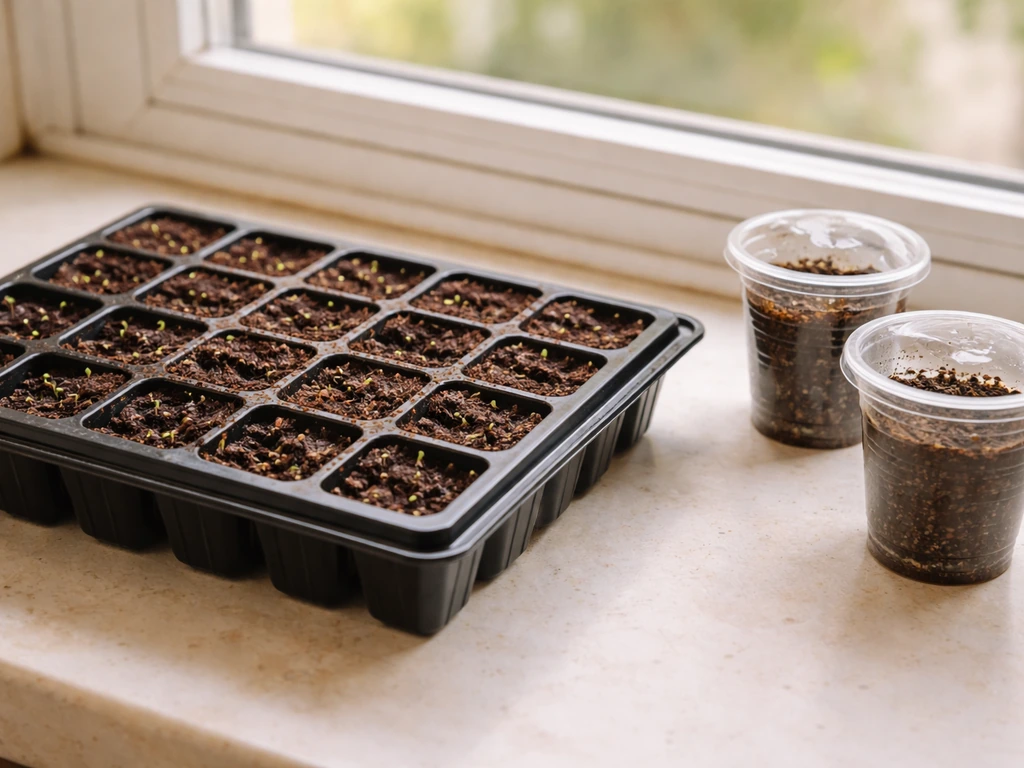
- Use seedling trays, small plastic cups, or recycled egg cartons filled with a seed-starting mix (or 50/50 compost and fine soil).
- Sow 1 to 2 seeds per cell, about 0.5 cm deep for small seeds.
- Place trays where they get bright indirect light or morning sun — avoid harsh midday direct sun for very young seedlings.
- Keep the mix consistently moist. A spray bottle works well at this stage to avoid disturbing seeds.
- Expect germination in 5 to 14 days depending on variety.
- Once seedlings have two true leaves (the second pair that appears after the initial seed leaves), they are ready to transplant. Harden them off first: move them outside to a shaded spot for 2 to 3 days before planting in their final sunny location.
- Transplant in the late afternoon or on a cloudy day to reduce transplant shock.
The indoor seedling method is especially useful from June through September when sudden heavy rains can wash out direct-sown seeds or flatten tiny seedlings overnight. PAGASA notes that tropical cyclones can produce substantial rainfall, which helps explain why heavy rains that arrive from June through September can wash out direct-sown seeds or flatten tiny seedlings PAGASA explains tropical cyclones bring substantial rainfall. Raising them under a roof overhang or inside a covered porch gives you much better germination rates during the wet months.
One common problem to watch for at this stage is damping-off, a fungal condition where seedlings suddenly collapse at the soil line. It is almost always caused by overwatering combined with poor air circulation, which is especially common in the Philippine humidity. Prevent it by not overwatering, using fresh seed-starting mix (not old garden soil from a bag that has been sitting wet), and spacing your seedling trays where air can move around them.
Watering, fertilizing, and managing sun and shade
In the dry season (December to May), water deeply every one to two days, depending on temperature and whether your plants are in containers or ground beds. Containers dry out faster than beds, especially in March through May heat. The rule of thumb: stick your finger 3 to 4 cm into the soil. If it feels dry at that depth, water thoroughly until it drains from the bottom of the pot or through the bed. Shallow daily watering is less effective than deep watering every other day, it encourages shallow roots.
In the rainy season, you will often not need to water at all on days it rains. The bigger issue is overwatering from rain. If you are growing in beds, make sure they drain within 30 minutes after rain stops. If water pools for hours, your plants are at risk of root rot. Raise beds higher or add more perlite or coarse sand to improve drainage.
For fertilizing, a balanced approach works well for most annuals. Start with compost mixed into the soil at planting. Then, about three weeks after seedlings are established, apply a balanced granular fertilizer (like a 14-14-14 NPK or a similar complete fertilizer) at roughly 10 grams per square foot, worked lightly into the soil surface and watered in. Once flower buds start to form, switch to a fertilizer higher in phosphorus and potassium (like a bloom booster, around 10-30-20) to support flowering rather than leafy growth. Apply every two to three weeks during the flowering period.
For sunlight management: during the intense March to May heat, young seedlings can get scorched between 11 AM and 3 PM. A simple 30% shade cloth over your bed during those peak hours protects new transplants without slowing growth significantly. Once plants are mature and actively blooming, most Philippine-adapted flowers handle full sun just fine. On the other end, if you are growing shade-preferring plants like torenia during the wet season, keep them out of afternoon sun entirely.
Dealing with pests, disease, and weeds in the tropics
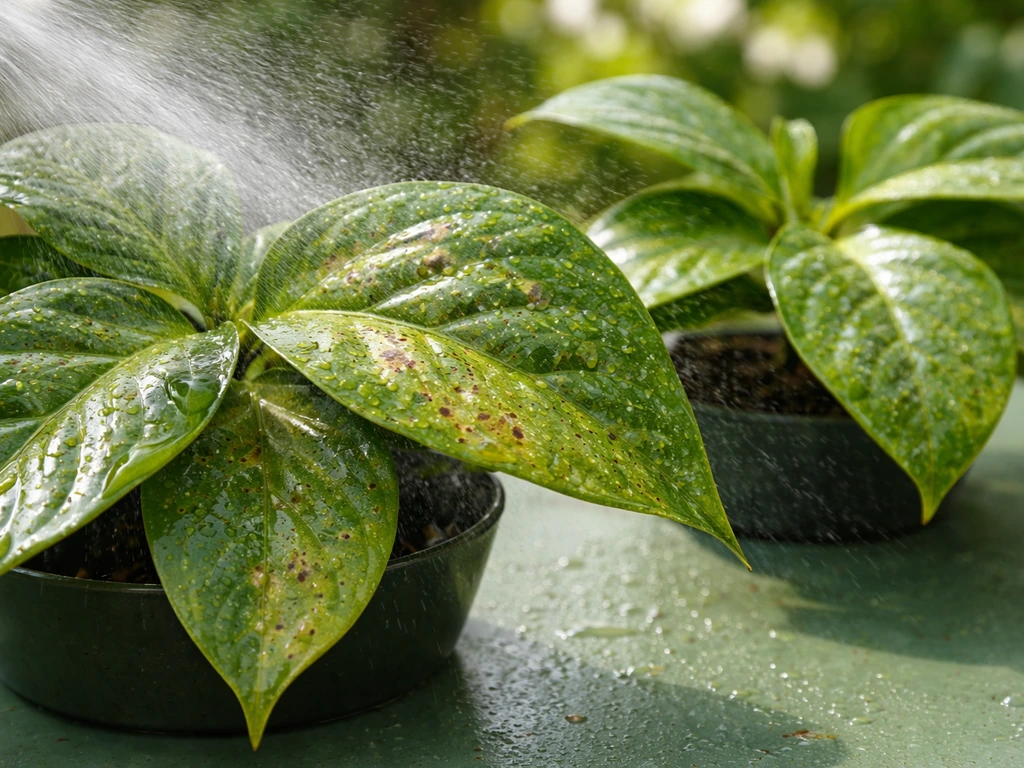
Tropical conditions mean pests and fungal disease move fast. The good news is that the most common problems are predictable, and a little prevention goes a long way.
Pests to watch for
- Aphids: Tiny soft-bodied insects that cluster on new growth and flower buds. Knock them off with a strong water spray or apply diluted neem oil (about 5 ml neem oil per liter of water with a drop of dish soap) every 5 to 7 days.
- Mealybugs: White cottony patches on stems and leaf joints. Same neem oil treatment works well. Remove heavy infestations manually with a cotton swab dipped in rubbing alcohol.
- Caterpillars and leaf rollers: Hand-pick if the infestation is small. For larger problems, a Bacillus thuringiensis (Bt) spray is safe and effective and widely available in Philippine garden shops.
- Spider mites: More common during hot dry spells. Leaves look dusty or stippled. Increase watering and humidity around plants, and use neem oil or insecticidal soap.
Diseases to prevent
- Powdery mildew: A white powdery coating on leaves, common in humid conditions with poor airflow. Prevent it by spacing plants properly (do not crowd them) and watering at the base rather than overhead. Treat early cases with a baking soda spray (1 tsp per liter of water) or a diluted neem oil solution.
- Leaf spot and blight: Brown or black spots on leaves, especially during the rainy season. Remove affected leaves immediately. Avoid watering late in the day, which leaves moisture on leaves overnight.
- Root rot: Almost always caused by waterlogged soil. Fix your drainage — there is no effective chemical treatment once root rot sets in seriously.
- Damping-off in seedlings: Prevent as described above with good air circulation, fresh mix, and careful watering.
Weeds
Philippine soil is full of weed seeds, and the warm humid climate makes them germinate and grow almost overnight. Mulching is your best tool, a 5 to 7 cm layer of dried leaves, rice hull, or wood chips around your plants blocks light to weed seeds and retains soil moisture at the same time. Weed by hand as soon as you see them, before they establish. Small weeds pulled early take 10 seconds each; a neglected bed takes an hour to rescue. Avoid hoeing deeply around established flower roots, which are often shallow.
Monthly care calendar, pruning, and cutting your flowers
A practical care calendar for Philippine flower gardeners
| Month | Season | What to Do |
|---|---|---|
| October | Transition to dry | Start seedlings indoors; prepare beds; add compost |
| November | Early cool dry | Transplant seedlings; direct sow hardy annuals; mulch beds |
| December–January | Cool dry (peak planting) | Main planting season; sow succession crops every 2–3 weeks; fertilize established plants |
| February–March | Late dry, warming | Keep watering regularly; watch for spider mites in heat; deadhead spent blooms |
| April–May | Hot dry | Provide afternoon shade for tender plants; water deeply; harvest flowers frequently |
| June–July | Early rainy | Reduce fertilizer; improve drainage; move containers under cover during heavy rain |
| August–September | Peak rainy/typhoon | Stake tall plants before storms; harvest before typhoons; minimize new sowing outdoors |
| October | Rainy easing | Resume bed prep; start indoor seedlings for November planting |
Thinning, pruning, and staking
Thinning is something beginners tend to skip because it feels wasteful, but it is one of the highest-value things you can do. Crowded plants compete for nutrients and airflow, which increases disease risk and reduces bloom quality. Once seedlings reach 5 to 8 cm, thin them to recommended spacing (see the variety table above). You can transplant thinned seedlings elsewhere rather than discarding them.
Deadheading (removing spent flowers before they set seed) is the single best trick for keeping annuals blooming continuously. For marigolds, cosmos, and zinnias, snap or cut off any flower that has finished blooming, right down to the next leaf junction. Plants respond by producing more buds. If you let flowers go to seed, the plant shifts its energy to seed production and flowering slows dramatically.
Tall plants like sunflowers and stargazer lilies need staking before they get too tall, not after they fall over. Push a bamboo stake 20 to 30 cm into the soil about 5 cm from the base of the plant and loosely tie the stem to it with soft twine or old cloth strips. Doing this at transplanting time is much easier than trying to support a flopped plant after a typhoon.
Cutting flowers for the vase
Cutting flowers at the right time and in the right way extends vase life dramatically. The best time to cut is in the early morning, when stems are fully hydrated from the cool night. Use clean, sharp scissors or pruning shears, dull blades crush stem cells and shorten vase life. Cut stems at a 45-degree angle to maximize the surface area taking up water. Immediately place cut stems in a bucket of clean water and bring them inside out of the heat. Strip any leaves that will sit below the waterline in the vase, as submerged leaves rot quickly and cloud the water.
For the longest vase life, cut flowers at the bud stage or just as the first petals start to open, rather than waiting for full bloom. Zinnias and marigolds last 7 to 10 days in a vase this way. Cosmos are shorter, around 5 to 7 days. Change the vase water every two days and re-cut the stems each time. Keeping the arrangement in a cool room away from direct sun also extends the display significantly.
Growing flowers in the Philippines takes a little planning around the seasons, but the actual day-to-day work is satisfying and straightforward. Start small, even a few pots of marigolds on a sunny balcony will teach you more than any guide can, and you will be cutting your first bouquets within two months. From there, branch out to zinnias and cosmos, experiment with succession planting to keep blooms coming through the dry season, and try something more ambitious like stargazer lilies once you have the basics dialed in.
FAQ
What’s the best month to start flowers if I live in a place with frequent typhoons?
If you can delay planting, start in late October or early November so seedlings are established before the July to October peak. If you must plant earlier, choose fast-maturing, sturdy types and keep young plants under a roof overhang or rain cover during the worst storm windows.
Can I grow flowers year-round in the Philippines, or do I need to replant often?
You can do it, but most beginner-friendly choices are annuals, so you will re-sow for continuous blooms. Use succession planting, for example sow a small batch every 2 to 3 weeks during the dry season, and pause direct sowing during the highest rain and wind weeks.
My seeds keep failing in the rainy season, what should I change?
Avoid direct sowing right before heavy rain. Start seeds under shelter (covered porch or overhang) and transplant when they have a few true leaves. Also use fresh seed-starting mix, since older bagged soil that stays wet often leads to poor germination or damping-off.
How do I tell if my plants are getting too much water during the wet months?
Watch for standing water after storms and yellowing plus wilting that does not improve as days dry out. If water stays on the bed longer than about 30 minutes, adjust by raising the bed height, improving drainage, or adding coarse material like perlite or coarse sand to the soil mix.
What fertilizer should I use if my flowers are growing leaves but not blooming?
That usually points to too much nitrogen or insufficient phosphorus and potassium at the bud stage. Once flower buds start forming, switch to a higher-P and higher-K formula (bloom booster style) and stop frequent nitrogen-heavy feedings until flowering is underway.
Do I need shade cloth in all months, or only during the hot season?
Primarily for young transplants during the March to May heat, when leaf scorch risk is highest between late morning and mid-afternoon. Once plants are mature and actively blooming, most of the Philippine-adapted beginner flowers can handle full sun, and over-shading can reduce flowering.
Can I use any decorative pot if I grow in containers?
Only if it has drainage holes. Decorative pots without holes are one of the fastest ways to get root rot during humid and rainy periods. If you love the look, place the plant in a plastic nursery pot with holes, then set that inner pot inside the decorative outer container.
How often should I water in the dry season if I’m not sure about soil moisture?
Do the finger test 3 to 4 cm deep. Water deeply only when that depth feels dry, then water until excess drains from the bottom. This is more reliable than daily light watering, which tends to keep roots shallow in Philippine heat.
Should I stake sunflowers and lilies immediately, or wait until they’re tall?
Stake before they get too tall, ideally around transplanting time. Waiting until after they flop makes tying more difficult, and it can damage stems or worsen wind and typhoon breakage.
How can I prevent damping-off beyond just watering less?
Use fresh, airy seed-starting mix, keep airflow moving around seedling trays, and avoid crowding. If you see seedlings collapsing at the soil line, separate healthy seedlings from affected ones and reduce wetness further rather than trying to “save” them with more water.
What’s the safest way to improve poor drainage in compacted clay soil?
Work organic matter into the soil but also physically change drainage, for example by adding coarse sand or perlite and building the planting bed slightly higher than surrounding ground. In persistent clay areas, raised beds outperform ground planting because they reduce time roots spend in water.
Why are weeds exploding in my flower bed, and how do I stop it fast?
Warm, humid conditions mean weed seeds germinate quickly, especially in bare soil. A thick mulch layer (about 5 to 7 cm) plus hand-weeding as soon as weeds appear prevents them from establishing. Avoid deep hoeing near established roots because many flower roots are shallow.
How do I keep cut flowers lasting longer in Philippine heat?
Cut in early morning, recut stems at a 45-degree angle, and remove submerged leaves before placing in clean water. Bring the flowers indoors immediately and keep the vase out of direct sun, heat, and windy areas for slower wilting.
Next Article
How to Grow Stargazer Lily: Planting, Care, and Bloom Tips
Step-by-step how to grow Stargazer lily from bulbs or seed, with soil, watering, feeding, pests, and post-bloom care.