
You can grow Stargazer lilies in the Philippines, but you need to work with the tropical climate rather than against it. The key is planting bulbs at the start of the cool dry season (November to February), using a fast-draining soil mix, and protecting your plants from waterlogging during the rainy months. Done right, you can get those iconic deep-pink, fragrant blooms in roughly 60 to 90 days after planting, and with good bulb aftercare, repeat the cycle the following year.
How to Grow Stargazer in the Philippines: Step-by-Step Guide

Marcus Holloway
12 May 2026
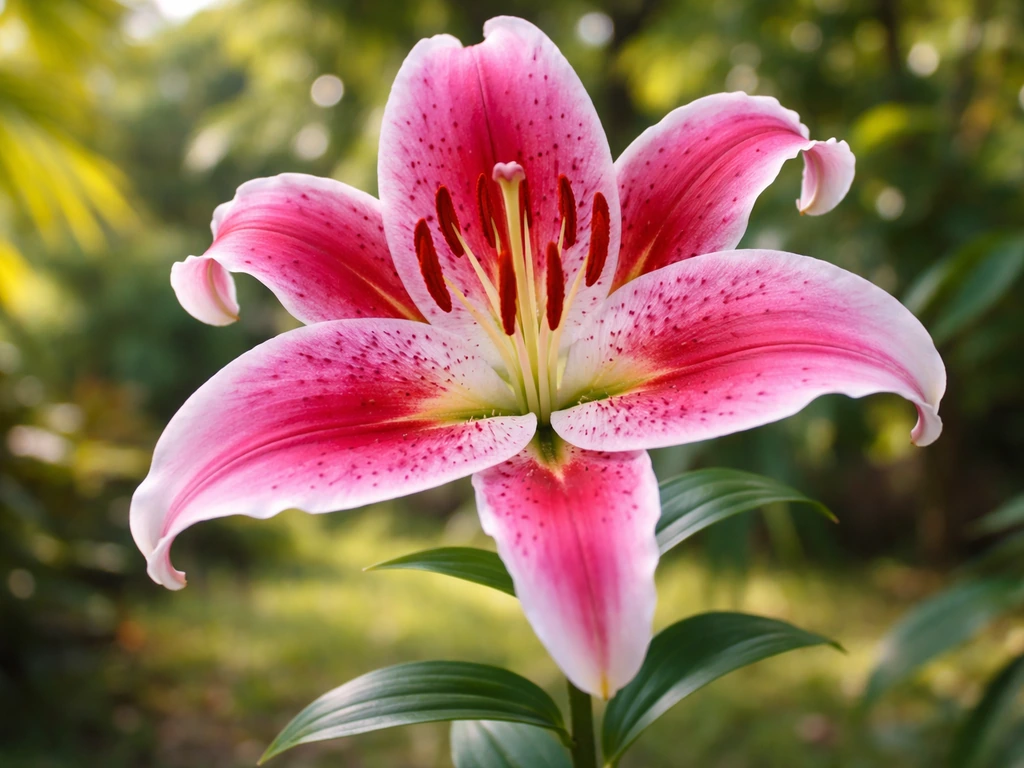
What You're Actually Growing (And What to Expect)
Stargazer is a specific cultivar: Lilium 'Stargazer', an Oriental hybrid lily. It's not a generic lily or a daylily. This distinction matters because Oriental lilies have particular needs around drainage, soil acidity, and temperature that make them slightly more demanding than, say, a marigold. If you're already growing other flowers at home, think of Stargazer as a step up in reward and in the attention it asks for.
Mature plants stand about 30 to 36 inches tall (roughly 76 to 91 cm) and each stem typically produces 2 to 8 flowers. The blooms face upward, which is what gave the variety its name. The flowers are large, deeply fragrant, and crimson-pink with white margins and dark spots. In temperate countries, Stargazer behaves as a herbaceous perennial: it dies back, the bulb rests underground, then sends up new stems the following spring. In the Philippines, the 'rest' period is something you'll need to manage deliberately because the tropics don't give bulbs a natural cold dormancy. That's the main challenge here, and it's very manageable once you understand it.
Best Time to Plant in the Philippines
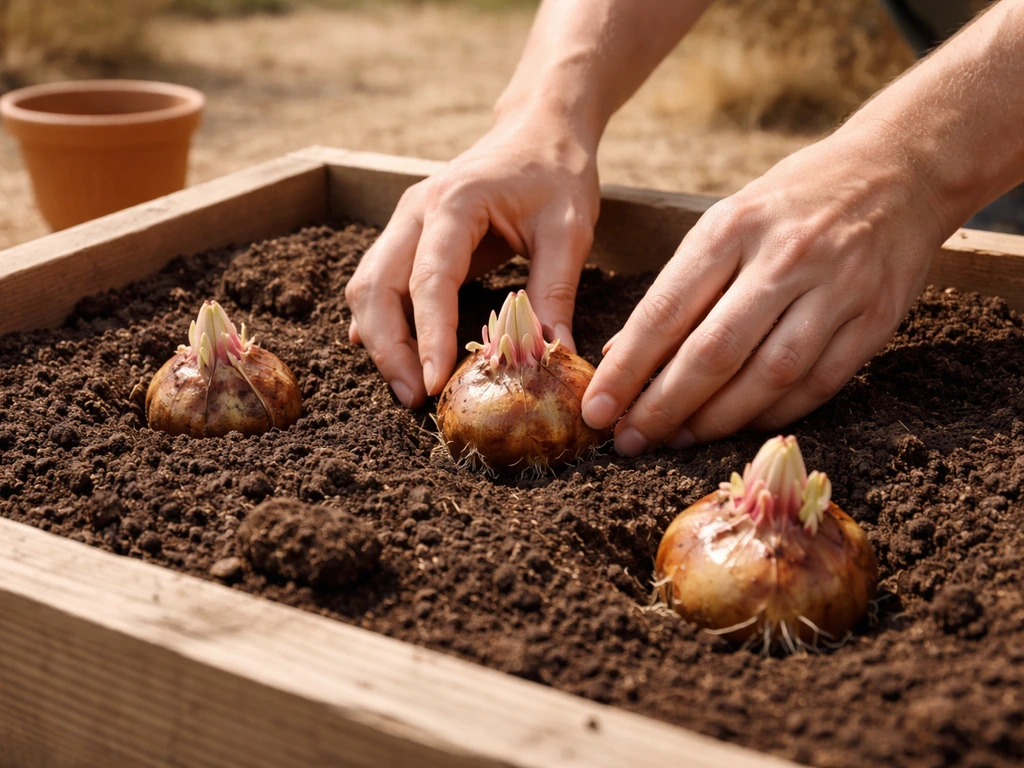
The sweet spot for planting Stargazer bulbs in the Philippines is November through February, during the cool dry season (locally called Amihan season). Temperatures drop just enough during this period, especially at night, to give bulbs a more hospitable start. Planting then also means your plants will establish and push up growth during the most pleasant weather of the year, before the intense heat of March to May and the waterlogging risk of the wet season (June to November) kick in.
If you're in a highland area like Benguet, Bukidnon, or around Baguio, you have more flexibility. Cooler temperatures at elevation mimic temperate conditions closely enough that you can extend your planting window by several weeks in either direction. If you're in a lowland city like Metro Manila, Cebu, or Davao, stick tightly to the November to February window and prioritize container growing so you can move plants to a shadier, cooler spot when the heat peaks.
What if you bought bulbs in March or during the rainy season? Don't plant them immediately into hot, wet soil. Store bulbs in a cool, dry spot (an air-conditioned room works well), wrapped loosely in dry peat moss or newspaper, and wait for conditions to improve. Bulbs stored this way can hold for several weeks. Planting a Stargazer bulb into soggy, heat-stressed soil is the fastest way to lose it to rot before it even sprouts.
Pots vs. Ground: Where to Plant Your Stargazer
For most Filipino home gardeners, containers are the better option. Here's why: pots let you control drainage perfectly, move plants away from typhoon exposure, and shift them to a shadier spot during the harshest summer heat. In the ground, you're at the mercy of your garden's native soil, which in many Philippine lowlands is clay-heavy and retains too much water for lilies.
Planting in Pots
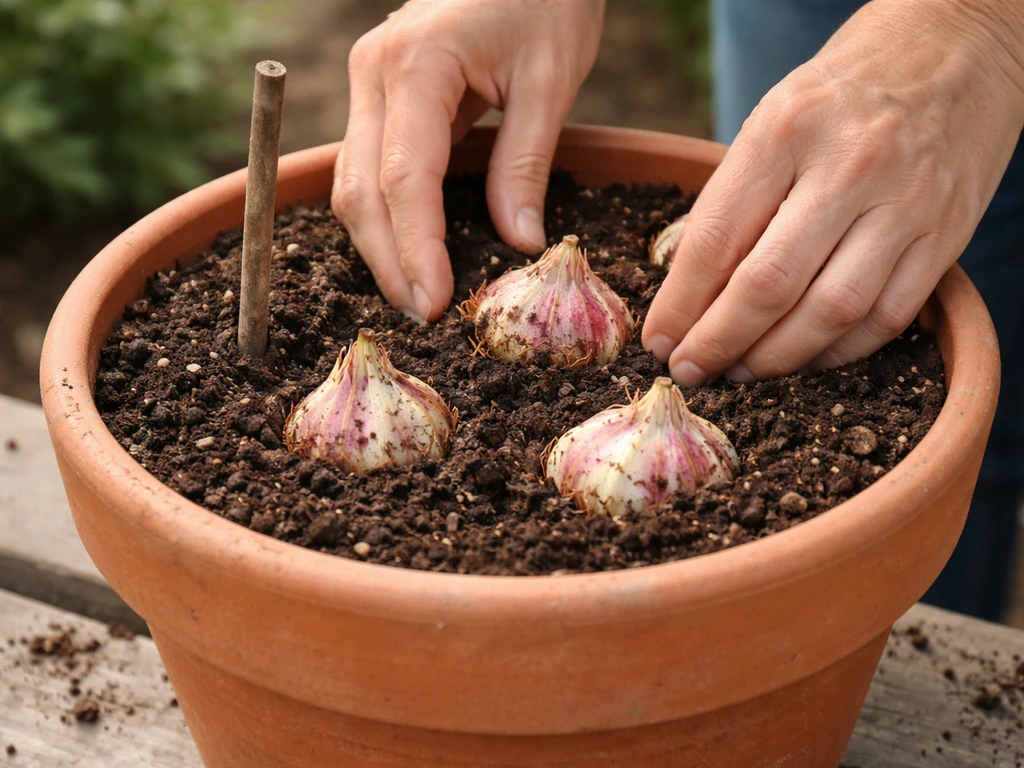
- Choose a pot at least 30 cm (12 inches) in diameter and 30 cm deep for one or two bulbs. Bigger is better for stability, since mature plants reach nearly a meter tall.
- Make sure the pot has multiple drainage holes at the bottom. If yours only has one, drill more or set the pot on pot feet to keep it from sitting in pooled water.
- Fill the bottom third with a fast-draining mix (see the soil section below).
- Place the bulb with the pointed end facing up. Set it so the top of the bulb sits about three times the bulb's own height below the soil surface. For a typical Stargazer bulb about 5 cm tall, that means planting roughly 15 cm deep.
- Fill in around and over the bulb, leaving a small watering gap at the top of the pot.
- Water thoroughly once, then hold off until the top inch of soil dries out before watering again.
Planting in the Ground
If you have a raised bed or a garden spot with naturally good drainage, ground planting works well. Dig individual holes about 15 cm deep (again, three times bulb height), spacing bulbs at least 25 to 30 cm apart. Amend the planting area generously with coarse sand and compost before you plant. Avoid low-lying areas where rainwater collects.
A Note on Seeds vs. Bulbs
Nearly all home gardeners grow Stargazer from bulbs, not seeds, and that's the right call. If you want to know exactly how to grow stargazer in the Philippines, focus on bulbs, fast-draining soil, and the November to February planting window Stargazer bulbs. Growing from seed is slow, complicated, and won't reliably produce true-to-type Stargazer plants. Buy bulbs from a reputable garden center or online supplier. Look for firm, heavy bulbs with no soft spots, mold, or foul smell. A squishy bulb is already rotting and not worth planting.
Soil, Sunlight, and Water in Philippine Conditions
Getting the Soil Right
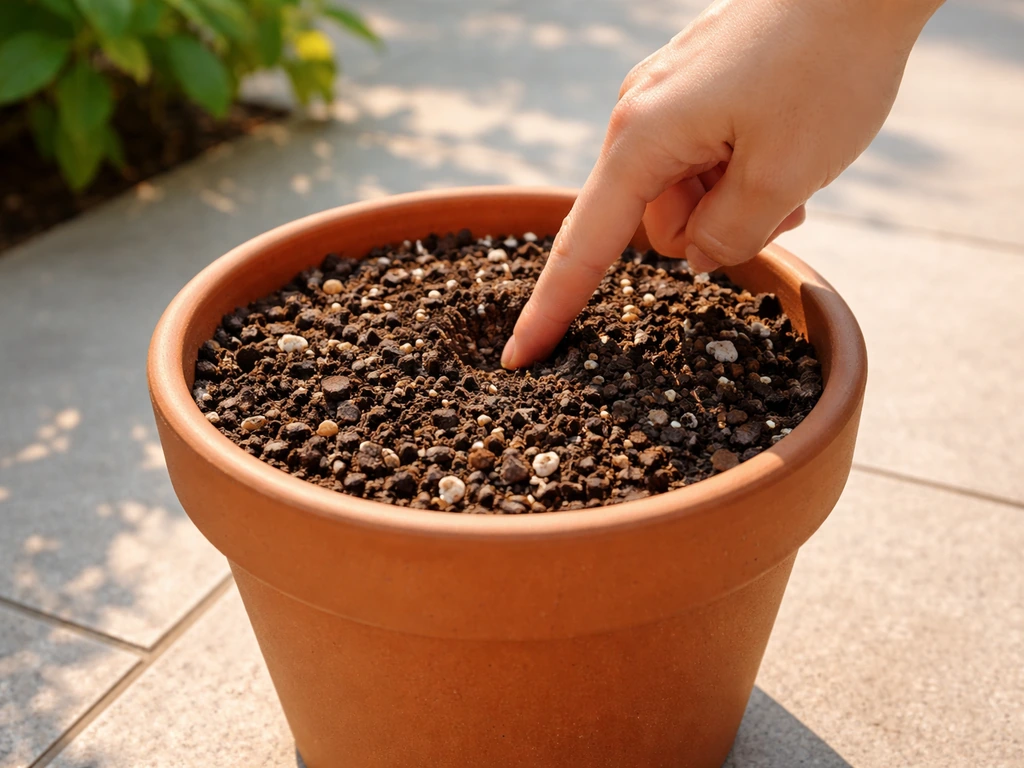
Stargazer lilies absolutely need well-draining soil. In the Philippines' humid climate, sitting in waterlogged soil for even a few days can cause bulb rot. A good potting mix for Stargazer in Philippine conditions: two parts high-quality potting soil, one part coarse river sand or perlite, and one part compost or aged vermicast. This mix drains quickly while holding just enough moisture and nutrients. Aim for a slightly acidic pH between 6.0 and 6.5, which Oriental lilies prefer. You can add a small amount of sulfur or use compost made from organic matter to nudge your mix in that direction.
Sunlight Needs
Stargazer lilies want full sun, ideally six or more hours of direct light per day. In the Philippines, morning sun is ideal because it's gentler. In the peak of summer (March to May), afternoon shade is actually helpful: direct afternoon sun in lowland areas can stress plants and scorch leaves. A spot that gets sun from 7 AM to about 1 PM, then dappled shade, is close to perfect. If you're growing in pots, this is easy to manage by simply moving them.
Watering During the Wet and Dry Seasons
During the dry season when your bulbs are establishing and growing, water when the top 2 to 3 cm of soil feels dry. That usually means every two to three days in warm, dry weather. During the rainy season, if you're growing in the ground, monitor drainage carefully. If rain is heavy and continuous, your main job is keeping excess water from pooling around bulbs. Container growers should move pots under an overhang or into a covered patio during extended rain. Never let a potted Stargazer sit in a saucer of standing water.
Fertilizing and Maintenance Through the Season
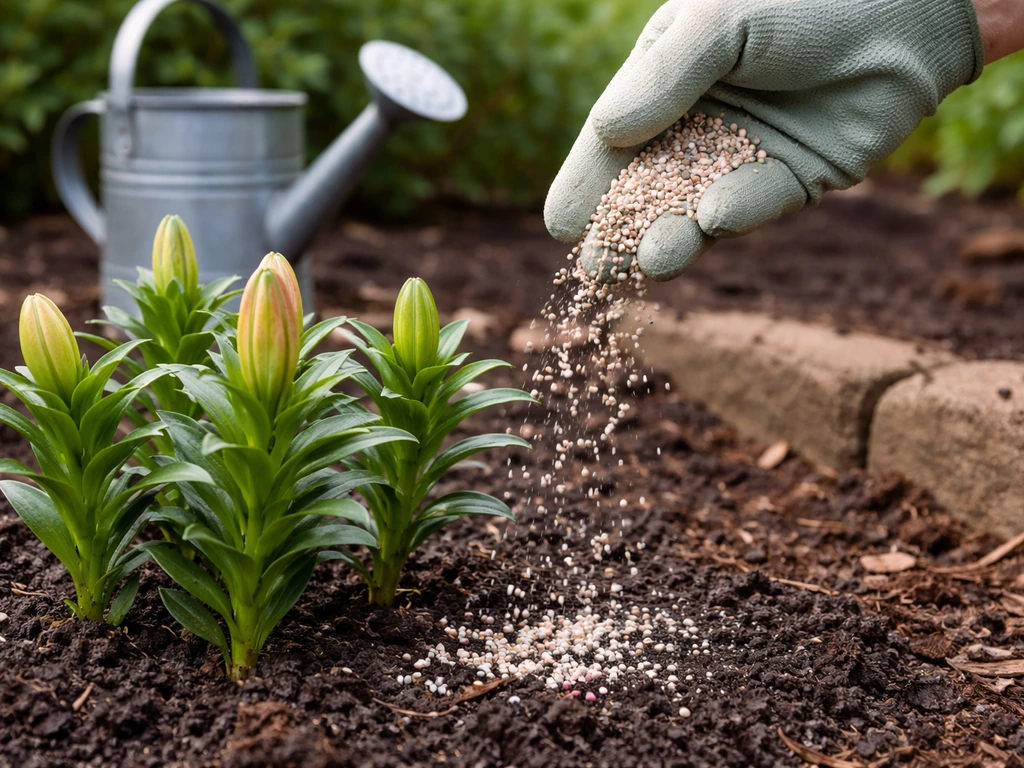
Stargazer is a moderate to heavy feeder. A staged fertilizing approach works best, adjusted to match what the plant is doing at each growth phase.
| Growth Stage | Fertilizer Type | Frequency |
|---|---|---|
| Early growth (sprouting to 15 cm tall) | Balanced granular (14-14-14 or similar) | Once every 3–4 weeks |
| Active vegetative growth | Higher nitrogen liquid feed (e.g., 20-10-10) | Every 2 weeks |
| Bud formation | Switch to lower nitrogen, higher phosphorus/potassium (e.g., 10-30-20) | Every 2 weeks |
| During bloom | Pause or use very dilute liquid fertilizer only | Once during bloom period |
| Post-bloom (foliage still green) | Low-dose balanced or potassium-rich feed | Once or twice to support bulb recovery |
Avoid over-fertilizing with nitrogen after buds form. Too much nitrogen at that stage pushes leafy growth at the expense of flowers and can make plants more susceptible to fungal disease in humid conditions.
Staking
Stargazer stems are fairly sturdy and often don't need staking in calm conditions. However, in the Philippines, where typhoons and strong afternoon winds are common between June and November, staking is smart insurance. Push a bamboo stake or metal rod into the soil near the bulb when the plant is still young (before 30 cm tall) to avoid spearing the bulb later. Tie the stem loosely with soft garden twine. One stake per stem is enough.
Pests and Diseases to Watch For in the Philippines
The humid Philippine climate creates conditions where fungal diseases in particular can get out of hand quickly. Knowing what to look for lets you catch problems before they kill a plant.
Botrytis Blight (Gray Mold)
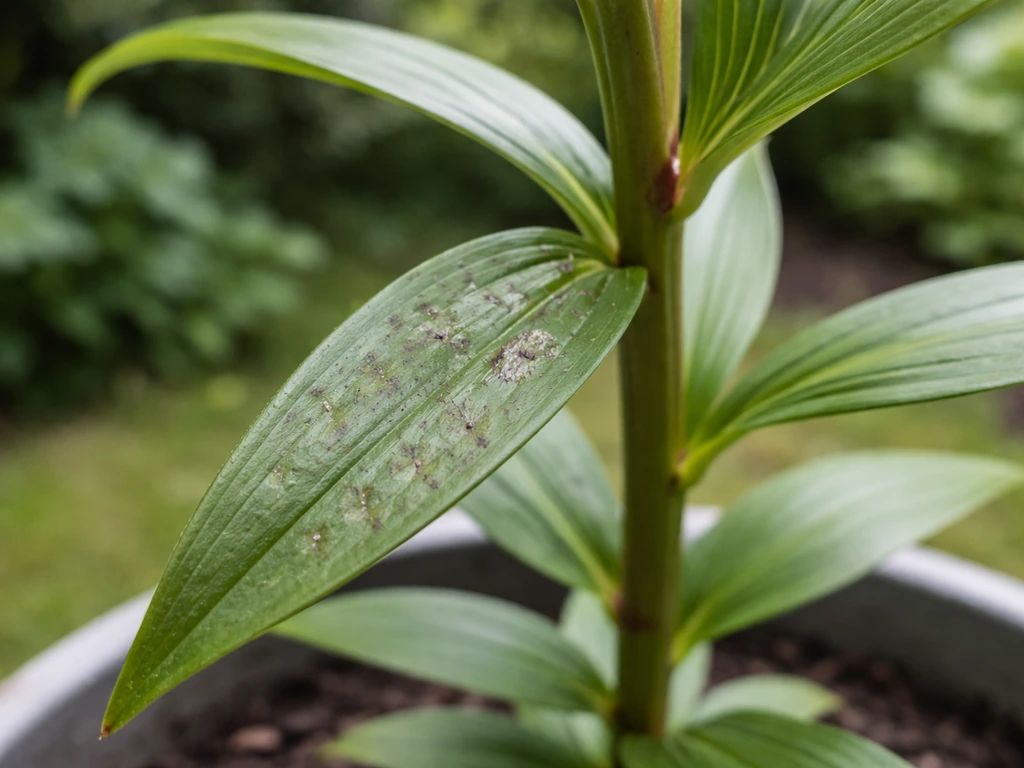
This is the most common lily disease in humid climates. It shows up as grayish-brown spots on leaves and stems, which eventually turn mushy and collapse. Botrytis (Botrytis cinerea) thrives when air circulation is poor and foliage stays wet. According to descriptions of Botrytis cinerea (gray mold), germination and infection are favored by moist or humid conditions and standing water on leaf surfaces, so spacing for airflow and keeping leaves from staying wet can help reduce spread blank" rel="noopener noreferrer">Botrytis (Botrytis cinerea) thrives when air circulation is poor and foliage stays wet.. Prevention is your best tool: space plants well so air can move through, avoid wetting the leaves when you water, and remove any fallen or dead plant material immediately. Cornell University greenhouse guidance for Botrytis blight also recommends sanitation by removing old blossoms, dead leaves, and plant debris to help prevent infection and spread remove any fallen or dead plant material immediately. If you spot early infection, cut and dispose of affected tissue and apply a copper-based fungicide or a registered fungicide labeled for Botrytis.
Fusarium Bulb Rot and Pythium Root Rot
Both of these are soil-borne fungal problems that attack bulbs and roots in waterlogged or poorly draining soil. The first sign is often a plant that suddenly wilts or fails to grow despite regular watering. Pull up the plant and check the bulb: if it's soft, discolored brown, or smells off, rot has set in. The fix is almost always prevention: start with clean, firm bulbs, plant in fast-draining mix, and never let roots sit in standing water. If a bulb is visibly infected, do not replant it in the same soil.
Common Insect Pests
- Aphids: Cluster on new growth and undersides of leaves, causing curled and yellowing foliage. Knock them off with a strong water spray or apply neem oil solution.
- Thrips: Tiny insects that rasp leaf and petal surfaces, causing silvery streaking. More of a problem during dry periods. Spinosad or insecticidal soap works well.
- Leafminers: Leave pale winding tunnels through leaves. Remove and destroy affected leaves. Avoid overly broad-spectrum insecticides that kill beneficial insects.
- Slugs and snails: Chew irregular holes in leaves, especially during rainy season. Set beer traps or use iron phosphate pellets around the base of plants.
Troubleshooting Common Problems
| Symptom | Likely Cause | What to Do |
|---|---|---|
| Yellowing lower leaves | Overwatering or poor drainage | Reduce watering; check drainage; let soil dry between waterings |
| Buds dropping before opening | Heat stress or sudden temperature swing | Move pot to a cooler, shadier spot; ensure consistent watering |
| Stunted or slow growth | Planted too shallow; poor soil nutrition | Check planting depth; begin fertilizing with balanced feed |
| Brown leaf tips | Fluoride toxicity or salt buildup from over-fertilizing | Flush pot with clean water; reduce fertilizer dose |
| No blooms despite healthy foliage | Insufficient light; plant too young | Ensure 6+ hours of sun; bulbs sometimes skip first season after stress |
After Flowering: How to Get Stargazer to Bloom Again
This is where a lot of gardeners lose their plant for next season. The post-bloom care window is genuinely important for Stargazer.
Deadheading and Foliage Care
Once a flower fades, remove the spent bloom by snipping or pinching it off. This stops the plant from putting energy into seed production. However, do not cut the stem or leaves while they are still green. The foliage is photosynthesizing and sending energy back down into the bulb, building the reserves that will power next season's flowers. Leave the stem and leaves in place until they naturally turn yellow and brown, then cut the stem down to soil level.
Resting the Bulb in the Philippines
In temperate countries, cold winters naturally force bulbs into dormancy. In the Philippines, you need to encourage a rest period manually. After the foliage dies back, reduce watering significantly. If growing in pots, stop watering almost entirely for four to six weeks. Keep the pot in a dry, shaded spot. This mimics a dormancy period and allows the bulb to rest and recharge before the next growing cycle. Some gardeners in hotter lowland areas even lift the bulb, dust it lightly with sulfur powder to deter rot, and store it in a cool, dry spot (an air-conditioned room or the coolest part of the house) for a few weeks before replanting.
Propagation: Growing More Plants from Your Existing Bulbs
Stargazer bulbs naturally produce smaller offset bulbs (bulblets) around the parent bulb over time. When you lift your bulb at the end of a cycle, you may find several of these attached. Gently separate them from the parent. Plant the smaller offsets at a depth about three times their own height, just like the parent bulb, in fresh potting mix. These smaller bulbs will take a season or two to mature enough to bloom, so be patient with them. The parent bulb goes right back in at the original depth, and if healthy and well-rested, it will produce another flowering stem in the next cycle.
If you want to grow other flowers alongside your Stargazer setup, the timing and soil principles here overlap usefully with general Philippine flower growing. If you want the best time to grow marigold in India, use the same idea of matching planting to seasonal temperatures and rainfall. The cool-season planting window and fast-draining soil approach that works for Stargazer applies broadly to other cut flowers worth trying in the Philippine climate.
Quick Reference: Stargazer Lily Growing Summary
| Factor | Recommendation for Philippines |
|---|---|
| Best planting time | November to February (cool dry season) |
| Planting depth | 3× the bulb's own height (typically ~15 cm) |
| Pot size (minimum) | 30 cm diameter, 30 cm deep |
| Soil mix | Potting soil + coarse sand/perlite + compost |
| Sunlight | 6+ hours; morning sun preferred; afternoon shade in peak summer |
| Watering | When top 2–3 cm of soil is dry; never let roots sit in water |
| Fertilizing | Balanced at start, high-P/K at bud stage; pause during peak bloom |
| Main disease risk | Botrytis blight and bulb rot (prevent with drainage and air circulation) |
| After bloom | Deadhead flowers; keep foliage green until it dies back naturally |
| Rest period | 4–6 weeks of dry storage before replanting |
FAQ
Can I grow Stargazer in the Philippines year-round, or do I really need the November to February window?
You can grow them outside that window only if you can recreate the conditions they need, especially cooler nights and fast drainage. In most Philippine lowlands, planting during March to May or the rainy months increases heat stress and bulb-rot risk, so it’s safer to stick to November to February. If you must plant later, grow in a container so you can move the pot to brighter morning sun and protect it from continuous rain.
What do I do if my Stargazer keeps sprouting, then suddenly wilts before it forms buds?
Wilting early is often a drainage or bulb health problem, not a watering schedule issue. Check the soil after the top few centimeters dry, if it stays wet or smells sour you likely have poor aeration. Gently lift one affected bulb, and if it is soft or brown and smells off, remove it and don’t reuse the same mix. For surviving bulbs, improve drainage immediately by moving to a better-draining potting mix or raised, well-ventilated placement.
How can I tell if my soil is too alkaline or too acidic for Stargazer?
Use a simple soil or potting-mix pH test kit, because guesswork is unreliable. Stargazer does best slightly acidic, about pH 6.0 to 6.5. If readings are consistently higher, you can reduce pH gradually with organic matter and sulfur products used according to label directions, and then retest after a few weeks. Avoid dramatic pH changes, which can stress bulbs.
Should I soak Stargazer bulbs before planting?
In humid climates, soaking often increases the chance of rot. Instead, plant bulbs into dry-to-moderately-damp, fast-draining mix and water lightly after planting. If bulbs feel very dry, you can moisten the surface of the mix rather than soaking the entire bulb. If there is visible mold or soft spots, discard the bulb.
How much sun is “enough,” and what if my garden only gets morning light?
Morning sun is generally ideal. If your site gets about six hours or more total with strong morning brightness and dappled shade later, Stargazer usually performs well. If you have less than four to five hours daily, you may still get shoots, but flower size and fragrance often drop. In that case, prioritize the brightest morning location and keep plants evenly oriented toward the sun.
Do Stargazer lilies need to be grown with other plants, or can they be planted alone?
They can be planted alone, and many gardeners should because air circulation matters. If you plant them among dense foliage, keep spacing so leaves dry quickly after watering and rain. For companion planting, choose plants that do not block airflow and that share similar watering routines. Crowding is a common trigger for leaf spotting and botrytis.
What is the safest way to water during rainy season when I’m growing in the ground?
Your goal is to prevent water pooling around the bulb, not to “control” rain. Avoid watering during heavy rain, and instead focus on site selection and drainage features like raised beds, coarse sand amendment, and ensuring the area doesn’t collect runoff. After rain, check the soil by feel, if it stays wet for days, you need to improve drainage or switch to containers.
My flowers are forming, but the stems keep bending or leaning. Should I stake after the buds appear?
Stake early if possible, but you can still stake after buds appear. Just be careful not to damage the bulb. Use one stake per stem, tie loosely, and adjust once as the stem thickens. If bending is severe even with staking, it may indicate the plant is leaning toward light, so rotate containers or reposition the pot toward stronger morning light.
Can I cut off leaves after blooming to tidy the garden?
It’s better not to. Green leaves are still feeding the bulb, and removing them too early reduces next season’s flower quality and may stop offsets from maturing. Wait until foliage turns yellow and naturally dies back before cutting down. If you want tidiness, remove only the spent bloom and keep leaves intact until they fade.
How long should I enforce the dormancy rest in the Philippines, especially for lowland gardens?
After foliage dies back, reduce watering significantly and keep the bulb dry and shaded. In containers, stopping watering for about four to six weeks is a practical benchmark. If your lowland area stays humid, extend slightly only if you can keep the pot genuinely dry, otherwise you risk fungal growth. The best sign to resume is when you see new growth starting.
What should I do with offset bulbs (bulblets), and will they bloom the next season?
Offsets usually take one to two seasons before they can produce normal-sized flowers, so expect a slower payoff. Plant them in fresh mix at roughly three times their own height depth, keep them evenly moist but never waterlogged, and follow the same sun and spacing rules. If an offset fails to grow after a full season, check drainage and bulb firmness, then consider restarting with healthier bulbs.
Why does my Stargazer get leaf spots but never fully collapses, and when should I use fungicide?
Early spotting can be manageable if caught before spread, but humidity accelerates decline. Improve airflow and avoid wetting leaves, then remove affected tissue immediately. If spots expand or you see grayish, mushy areas, use a copper-based or registered fungicide labeled for the problem, and follow label timing and reapplication intervals. Don’t spray preventively in very wet periods unless the label recommends it.
Is it okay to replant into the same pot or soil after bulb rot?
Usually no. Soil-borne rot organisms can persist, and reusing the same mix or planting area increases repeat failure. For pot-grown lilies, discard the contaminated mix, wash and disinfect the pot, and restart with fresh drainage-focused mix. For ground beds, you can improve soil, but if a bulb rotted in that spot, consider moving planting locations or using raised containers instead.
Next Article
Can You Grow Marigold From Flower? Seed & Propagation Guide
Learn how to grow marigolds from dried flowers: harvest and sow seeds, fix germination issues, and care tips.