
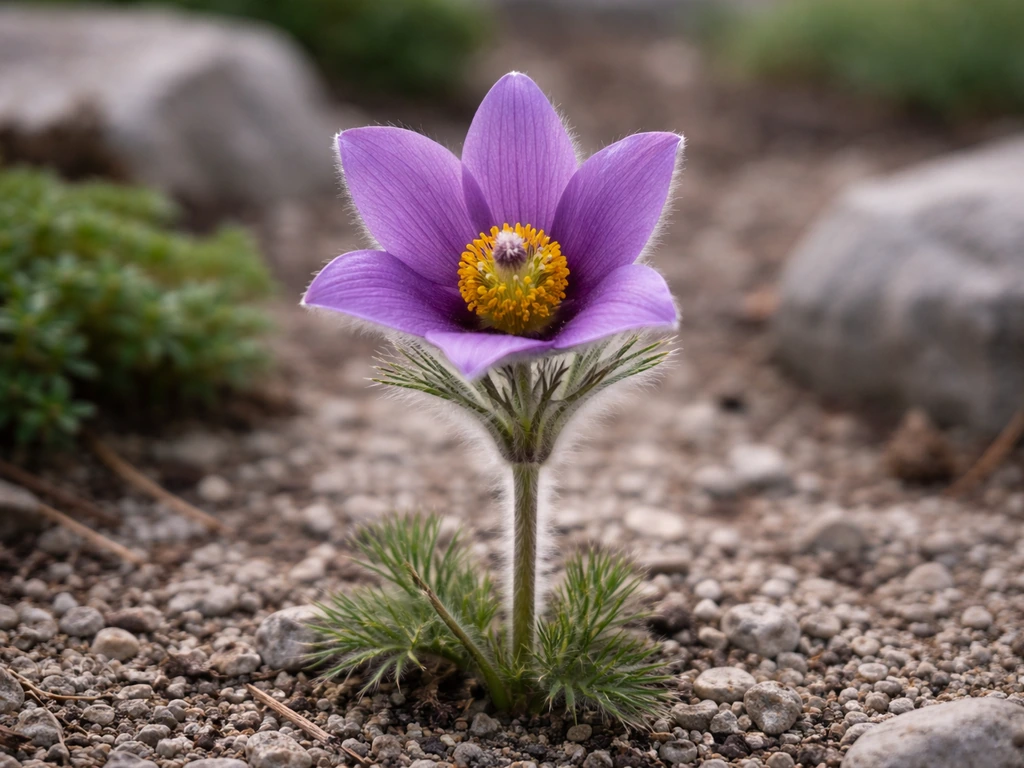
Purple windflowers in the garden almost always means Pulsatilla vulgaris, the European pasqueflower. It's a hardy perennial that blooms in mid-spring, produces those gorgeous silky seed-heads after flowering, and asks for very little once it's settled in. The tricky part is getting it started, because the seeds need cold stratification to germinate and the plant is fussy about drainage. Nail those two things and you'll have a plant that comes back reliably every spring with almost no fuss.
How to Grow Purple Windflowers: Seed to Bloom Guide

Marcus Holloway
29 Jun 2026
Know what you're growing (and the ideal spot for it)
The name 'purple windflower' gets used loosely, so it's worth pinning down what you actually have. In most garden centers and seed catalogs, you're looking at Pulsatilla vulgaris, sometimes sold as 'Pasque flower' or 'purple windflower.' There's also Pulsatilla patens (syn. Anemone patens), the American pasqueflower or prairie crocus, which is very similar and equally purple. Both are handled almost identically in the garden. If you're in North America and bought seeds labeled 'American pasqueflower,' you likely have Pulsatilla patens; European seed sources usually sell Pulsatilla vulgaris. Either way, the seed-starting strategy, light needs, and drainage requirements are the same.
Both species are native to open, rocky, or calcareous grassland habitats, and that tells you everything about the ideal spot. Think rock garden, scree bed, or a raised alpine bed, basically anywhere with excellent drainage and maximum sun. If you want to grow windflower successfully, focus on full sun, sharp drainage, and the right cold-stratification timing before sowing how to grow windflower. Full sun is non-negotiable. Partial shade will reduce flowering significantly and makes the plant far more prone to the rot that kills most home-garden attempts. Pick a site where water drains away quickly, puddles never form, and the area doesn't sit wet after rain.
When to plant: timing by climate
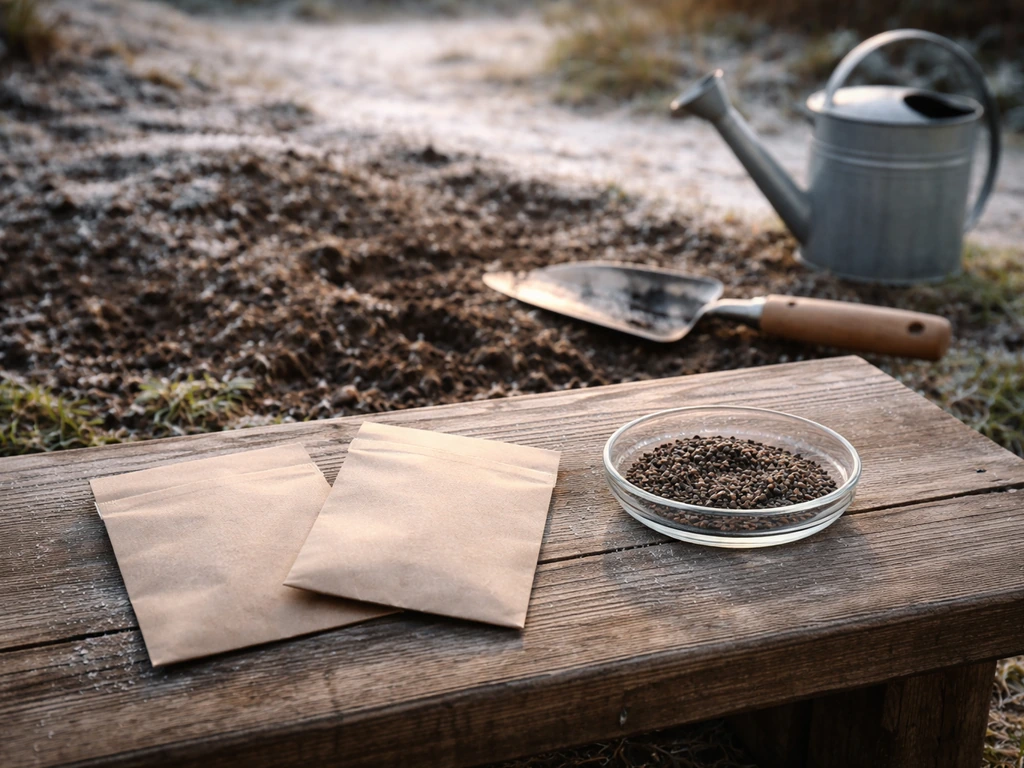
There are two windows that work really well for purple windflowers, and both are built around the plant's need for cold stratification: late fall direct sowing and indoor cold stratification with a late-winter start.
- Late fall (October to November in most temperate climates): Sow directly in the ground or in containers outdoors. The seeds overwinter naturally, receive the cold and moisture they need, and germinate in spring. This is the lowest-effort approach and the one most recommended for beginners.
- Late winter (January to February for spring seedlings): Start seeds indoors with artificial cold stratification in your fridge. This gives you a bit more control if you missed the fall window or want to manage germination more closely.
- Avoid spring sowing without pre-treatment: Sowing fresh, unstratified seeds in warm spring soil almost always fails. The seeds will sit dormant, and you'll wonder why nothing happened.
If you're in a climate with reliable cold winters (USDA zones 3 to 7 are ideal for Pulsatilla vulgaris), the fall direct-sow method is your friend. In milder climates where winters don't reliably drop near freezing for weeks at a stretch, you'll need to simulate winter in the fridge. Either way, expect flowers in mid-spring of the next full growing season after stratification. Seeds sown in fall may give you flowers the following spring, but don't be surprised if year one is just leafy growth with blooms arriving in year two.
Starting from seed: stratification and germination
This is the step most beginners skip or underestimate, and it's the main reason purple windflowers get a reputation for being hard to grow. The seeds genuinely require cold, moist stratification to break dormancy. Once you know how to grow purple cone flowers, cold stratification is the key step that makes them wake up and germinate. Without it, germination rates are dismal. Plan for about 12 weeks of cold treatment, whether that comes from a natural winter outdoors or from your refrigerator.
Indoor cold stratification method
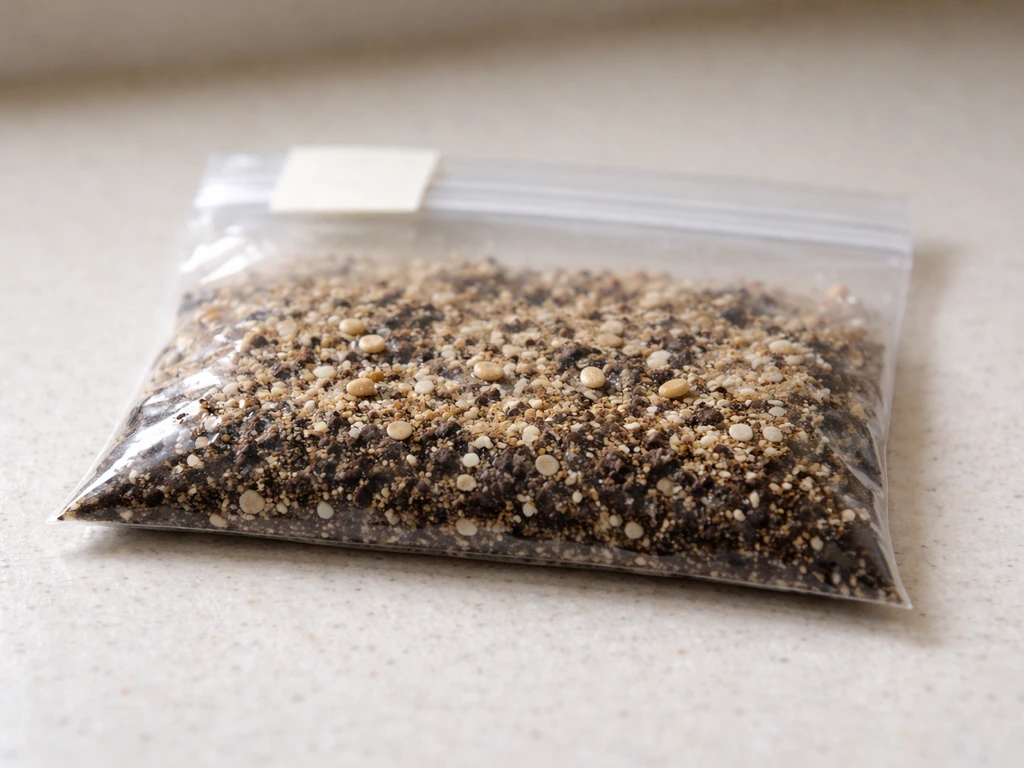
- Moisten a small amount of seed-starting mix or vermiculite so it's damp but not dripping.
- Place the seeds in the mix inside a sealed zip-lock bag or small container.
- Label it with the date and put it in the back of your fridge at around 35 to 40°F (2 to 5°C).
- Leave it for 12 weeks. Check every few weeks to make sure the mix hasn't dried out.
- After 12 weeks, some seeds may already be showing tiny white root tips. Move the whole bag somewhere warmish (60 to 65°F / 15 to 18°C) with bright light to trigger germination.
- Once seeds sprout, pot them up carefully into individual cells. Roots are fragile at this stage, so handle them minimally.
Sprouting after cold treatment can take anywhere from a few weeks to two months once seeds are exposed to warmer temperatures, so don't panic if nothing happens immediately. Light matters too: Pulsatilla seeds germinate better with exposure to light, so avoid burying them deep. Surface sowing with just a very light press into the growing medium is the right approach.
Outdoor fall sowing method
If you're sowing directly in the garden in fall, keep it simple: press seeds onto the soil surface or cover them no deeper than about 3 mm (1/8 inch). They need that minimal covering to maintain good seed-to-soil contact without being buried in darkness. Mark the spot well, because you won't see anything until spring. The seeds will do their own cold stratification over winter and push up seedlings as the soil warms.
Direct sow vs transplanting
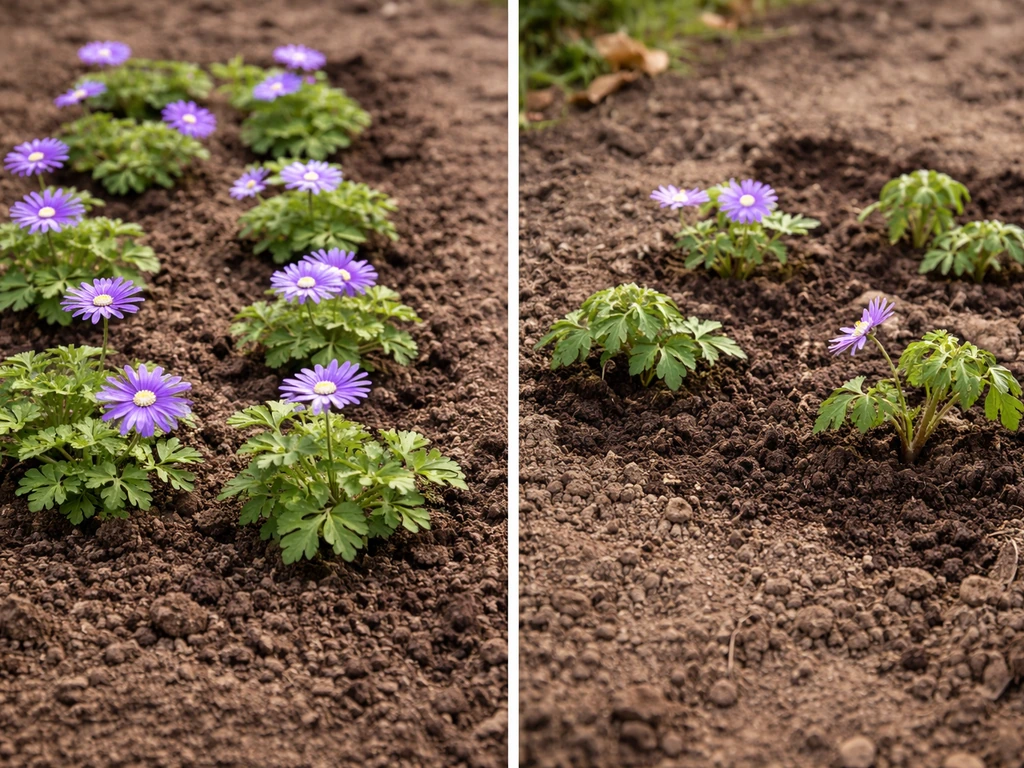
Pulsatilla has a taproot and genuinely dislikes being moved once established. If you have the option of direct sowing into a permanent, well-prepared spot, that's the better long-term choice. Transplants can work when they're young, but you need to be very gentle with the roots and get them into their final spot early, before the taproot deepens.
| Method | Best for | Key advantage | Main risk |
|---|---|---|---|
| Direct sow (fall) | Beginners, permanent beds | Natural stratification, no transplant stress | Need to mark location; can be disturbed or eaten by birds |
| Indoor cold stratification + transplanting | Milder climates, more control | Controlled germination timing, can monitor closely | Transplant shock if roots disturbed; damping-off risk indoors |
| Spring sow (unstratified) | Not recommended | N/A | Very low germination rates |
If you go the indoor route and then transplant, space plants at least 9 to 12 inches (23 to 30 cm) apart. Pulsatilla vulgaris forms a clump that spreads slowly over years, so giving each plant room from the start prevents crowding and improves airflow, which is important for keeping disease at bay.
Soil prep, sunlight, and drainage
If I had to identify the single biggest killer of purple windflowers in home gardens, it's waterlogged soil. If you want the best chance of success, focus on how to grow pinwheel flower by preventing waterlogged soil and matching its fast-draining needs. These plants evolved on rocky, mineral-rich, fast-draining hillsides. They do not forgive wet feet, especially in winter. Before you plant anything, get the drainage right.
Improving your soil before planting
- Sandy or gravelly soil: You're in luck. Minimal amendment needed, just work in a little compost for light fertility.
- Average garden loam: Mix in coarse grit or pea gravel at a ratio of about 1 part grit to 3 parts soil to improve drainage. Work it in to at least 8 to 10 inches deep.
- Heavy clay: This takes more work. Raise the bed by at least 6 to 8 inches using a mix of topsoil, coarse grit, and a small amount of compost. Clay retains water in ways that are genuinely fatal to Pulsatilla over winter.
- Aim for a slightly alkaline to neutral pH: Pulsatilla vulgaris is native to calcareous (limestone-based) grassland, so it tolerates or even prefers a slightly higher pH around 7 to 7.5. Avoid acidic soils if possible.
For sunlight, full sun means at least 6 hours of direct sun daily, and more is better. A south or west-facing slope or raised bed is ideal. Less sun means fewer flowers, and in a shadier spot the soil tends to stay moister longer, compounding the drainage problem.
Watering, feeding, and caring through flowering
During establishment (the first growing season after germination), water young plants regularly but lightly. The goal is to keep the root zone consistently moist, not wet. Once the taproot has had a full season to develop, Pulsatilla vulgaris is genuinely drought-tolerant and needs very little supplemental watering. Purple angel trumpet (Brugmansia) needs different soil and feeding than purple windflowers, so don't mix up the care steps. In year two and beyond, established plants in normal climates can get by on rainfall alone. If you're in a very dry summer climate, a deep watering every couple of weeks during the driest months is enough.
Go easy on fertilizer. These plants are adapted to nutrient-poor, rocky soils. Rich fertilizing pushes leafy, soft growth that doesn't flower as well and is more vulnerable to disease. A light top-dressing of compost in early spring is more than enough. Skip the liquid feeds.
After the flowers fade in mid-spring, you'll get those beautiful feathery silver seed-heads that look almost as good as the blooms. Leave them on the plant: they'll dry naturally and you can collect seed for next year's sowing. The foliage dies back in autumn as the plant goes dormant. This is normal. Cut it back lightly if it looks messy, but don't disturb the crown or dig around the root zone. The plant is simply resting and will push new growth again in late winter or very early spring, often before most other perennials show any signs of life.
Troubleshooting: when things go wrong
Seeds aren't germinating
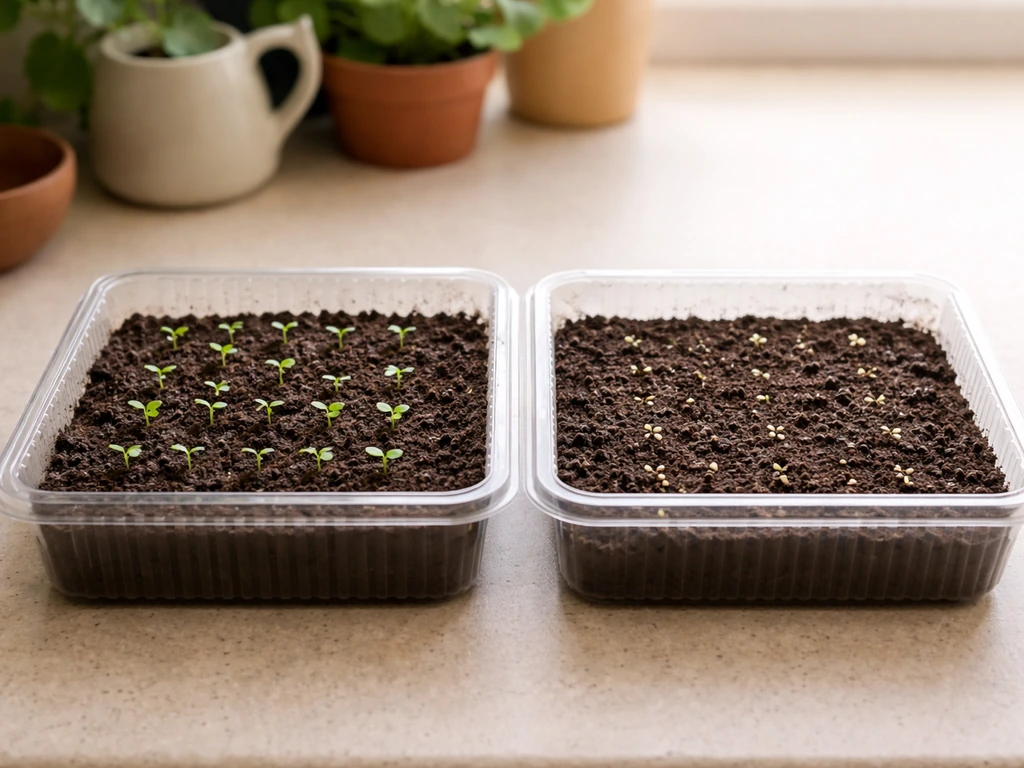
The most common cause is skipping or shortening stratification. If you sowed in spring without cold treatment, the seeds are dormant and may eventually germinate after a full winter cycle, or they may not. For indoor-stratified seeds, be patient: germination can take weeks after the cold period ends. Also check that seeds have light access and haven't been buried too deep. Seed age matters too, Pulsatilla seed viability drops quickly, so always use fresh seed from the current season if you can.
Seedlings collapsing (damping-off)
Damping-off happens when fungal pathogens attack seedlings at the soil line, causing them to pinch, keel over, and die. It's caused by warm, wet, poorly ventilated conditions indoors. Prevention is everything here, because once seedlings collapse there's no saving them. To prevent it: use a fresh, sterile seed-starting mix (never garden soil in seed trays), don't overwater, water from below rather than overhead, and make sure air can circulate around your seedlings. A small fan running on low near your seed-starting area makes a real difference. Never let trays sit in standing water.
Plant rotting at the crown or roots
If an established plant suddenly collapses or looks mushy at the base, excess moisture is almost always to blame. This is especially common over winter when cold, wet soil sits around the crown for months. If your drainage isn't right, fix it before replanting. Move the plant (or next season's planting) to a raised bed or slope. Avoid mulching right up to the crown in autumn, which traps moisture exactly where you don't want it.
Poor or no blooms
If your plant is leafy but not flowering, the first thing to check is light. Less than full sun is a common culprit. Also consider whether the plant is too young: seedlings from a late or difficult germination year may skip flowering in their first spring and bloom properly in year two. Rich soil and over-feeding can also push vegetative growth at the expense of flowers, so cut back any fertilizing and let the plant lean into the minimal-nutrient conditions it prefers.
Leggy, floppy growth
Pulsatilla vulgaris is a naturally compact plant with a low, clump-forming habit. If it's getting tall and floppy, it's almost certainly not getting enough light. Move it to a sunnier spot, or trim back any overhanging plants that are casting shade. Heavy soil that holds too much nitrogen can also contribute, so again, skip the fertilizer.
Collecting seed and choosing the right variety
Once your purple windflower has bloomed and set seed, let the fluffy seed-heads dry on the plant until they start to loosen. Collect them by hand into a paper bag, and sow them fresh that same fall or store briefly in a cool, dry place. Fresh seed germinates far more reliably than seed that's been sitting around for a year. If you want to try other color forms, look for named cultivars like Pulsatilla vulgaris 'Papageno' (fringed petals, mixed colors) or 'Rubra' (red), but the straight purple species form is the most reliable and widely available.
If you're drawn to other unusual spring flowers, the pincushion flower (Scabiosa) and purple coneflower (Echinacea purpurea) scratch a similar itch for bold, bee-friendly blooms with far less fuss around germination. If you also want to grow pincushion flower, use similar sun and drainage principles and follow the specific seed-starting steps for Scabiosa. Both make great companions or next projects once you've got your windflowers established. Either way, with the right drainage, a sunny spot, and patience through that first cold stratification, purple windflowers are genuinely rewarding once you crack the code.
FAQ
Can I grow purple windflowers from seed without doing cold stratification?
Yes. If you don’t want to start indoors, you can direct sow in fall, but you need soil that stays consistently cold and not waterlogged. If your winter is mild or your ground freezes unevenly, indoor cold stratification in the fridge usually produces more predictable germination than relying on the weather.
When exactly should I start the 12 weeks of cold stratification?
Timing depends on your goal. For the fastest route, aim for cold treatment that ends shortly before spring warmth. If you start indoor stratification too early, seeds may germinate while it’s still cold and you’ll risk weak growth, then transplant shock. A practical approach is to start cold treatment about 12 weeks before your area’s typical outdoor sowing window.
How deep should I cover purple windflower seeds, and does light really matter?
Not really. Purple windflower seeds need light exposure to germinate, so burying them deeper than a shallow cover reduces sprouting. If you want protection from birds or washout, use a thin dusting of fine grit or cover with a very light, removable layer, then remove anything thicker once you see seedlings.
How do I know whether I have Pulsatilla vulgaris or Pulsatilla patens?
They’re often difficult to identify from foliage alone. The best way to confirm is to compare the seed label or purchase records, since “purple windflower” is used for both Pulsatilla vulgaris and Pulsatilla patens. Care is the same, but the most visible difference later is that patens can look slightly different in bloom and overall size depending on conditions.
Can I transplant purple windflowers after they sprout?
Yes, but treat moving as risky because the taproot forms early. If you must transplant, do it while plants are very young and keep the root disturbance to a minimum, then place into a permanent, fast-draining spot right away. Even when it survives, plants may skip flowering in the first season after disturbance.
Why do my purple windflowers grow leaves but not flowers yet?
Plan on waiting. Many seedlings will spend their first spring building leaves and roots, with blooms commonly appearing in the following year, especially if germination was slow or stratification timing was off. If you’ve had cold treatment and full sun, “no flowers in year one” is often normal rather than a failure.
How often should I water purple windflowers, especially in the first year?
Watering changes over time. In the establishment phase, keep the top of the root zone evenly moist but not soggy, and water less frequently once you see steady growth. After a full season, switch to a drought-tolerant rhythm, deep watering only during prolonged dry stretches.
What fertilizer is best, and can I use compost tea or liquid feed?
Fertilizer can indirectly reduce flowering by encouraging soft, leafy growth. If you want to feed, use a light compost top-dressing in early spring only, and avoid liquid fertilizers or high-nitrogen amendments. If your soil is already rich, it’s better to do nothing and focus on drainage and sun.
My seedlings keep dying, how do I prevent damping-off?
It can be. Seedlings can collapse from damping-off when they are warm, wet, and not ventilated, so keeping them too humid in a crowded tray is the main trap. Use a sterile seed-starting mix, bottom water, improve airflow (for example, a small fan), and don’t keep trays sitting in runoff.
Is mulching good for purple windflowers, or can it cause problems?
Don’t. Purple windflowers often fail when the base stays wet, especially in winter. Avoid mulching right against the crown and remove any dense organic material that holds moisture near the plant center. If you need weed control, use a light, breathable approach and keep the crown exposed.
My established plant looks mushy at the base, what should I do?
Usually yes, and the fix is about changing the planting conditions rather than “saving” the same spot. If the crown is mushy or plants collapse after wet weather, improve drainage by moving to a slope or raised bed, and ensure water doesn’t collect around the crown. Replanting into the same water-holding soil often repeats the problem.
How long are purple windflower seeds viable, and how should I store them?
Seed freshness matters, and seed storage affects it a lot. Use seed from the same season when possible, and if you store it, keep it cool and dry in a sealed container. Also, avoid keeping the seed warm for long periods before stratification, since viability declines quickly.
If my windflowers get tall and floppy, is it a watering or a fertilizer issue?
Usually not, since they are adapted to poor, rocky soils and dislike rich growth. If your plants look floppy and tall, the most common cause is insufficient sun, not lack of feeding. Upgrade sun first, and only then consider whether the soil is too rich or nitrogen-heavy.
Next Article
How to Grow Purple Windflowers in ACNH Step by Step
Step-by-step guide to breeding purple windflowers in ACNH: parent colors, watering, spacing, timing, and troubleshooting