To grow purple windflowers in Animal Crossing: New Horizons, you need to breed two hybrid-red windflowers together. You can't just plant red seed-bag windflowers and hope for purple, you have to first build those special hybrid reds through a two-step process: white seeds to blues, blues crossed with reds to make hybrid reds, then hybrid reds paired together for a 6.25% shot at purple each breeding cycle. It takes patience, but once your hybrid-red patch is set up and watered daily, purple will show up. One player I know hit their first purple by day 32. Yours might come sooner.
How to Grow Purple Windflowers in ACNH Step by Step

Marcus Holloway
18 May 2026
Purple windflower in ACNH: what you're actually trying to produce
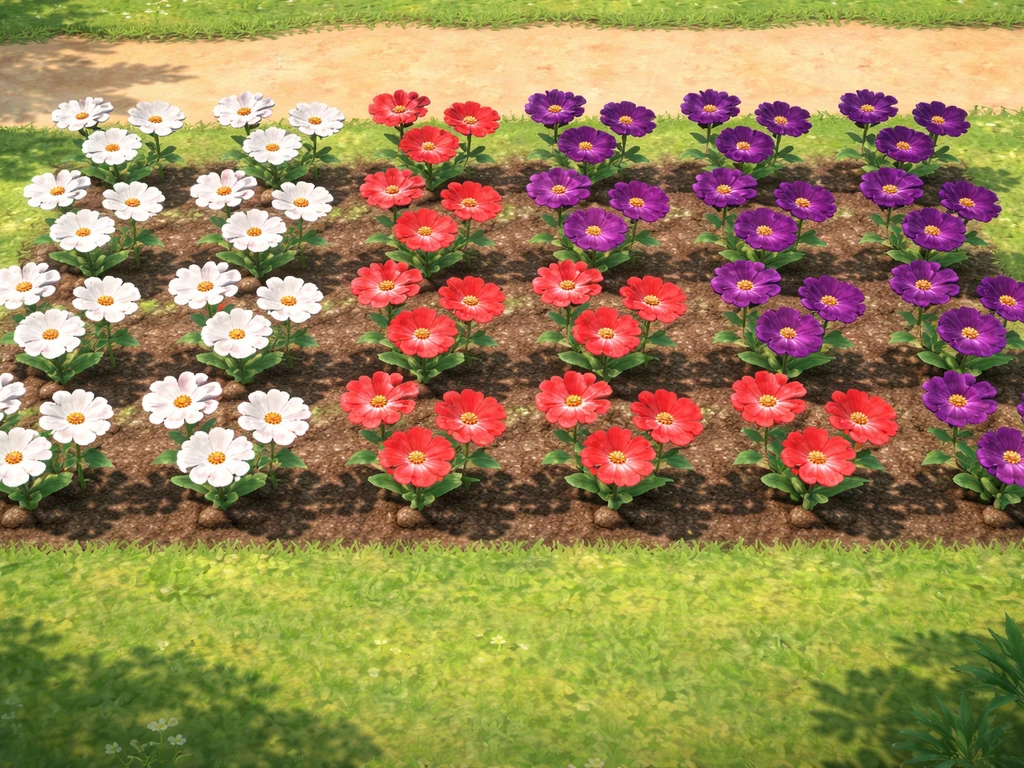
Purple windflowers are one of the rarer hybrid colors in ACNH, and they can only be obtained through breeding, you will never find them in Nook's Cranny or on mystery islands. They're part of the windflower family (Anemone-type flowers in the game), which also includes red, white, pink, blue, and orange. The purple one is visually distinct: a deep violet bloom that you can't fake with any other flower type.
It's worth being clear about what 'growing' means in this context. Unlike real-world flowers where you sow a seed and it germinates, ACNH flowers reproduce by cross-pollination between two adjacent parent flowers. The game rolls dice on that cross every morning. Your job is to set up the right parents, water them every day, and give the offspring somewhere empty to appear. Think of it like setting up a controlled breeding plot in a real garden, the logic is the same even if the mechanics are digital.
Getting the right windflower starter colors
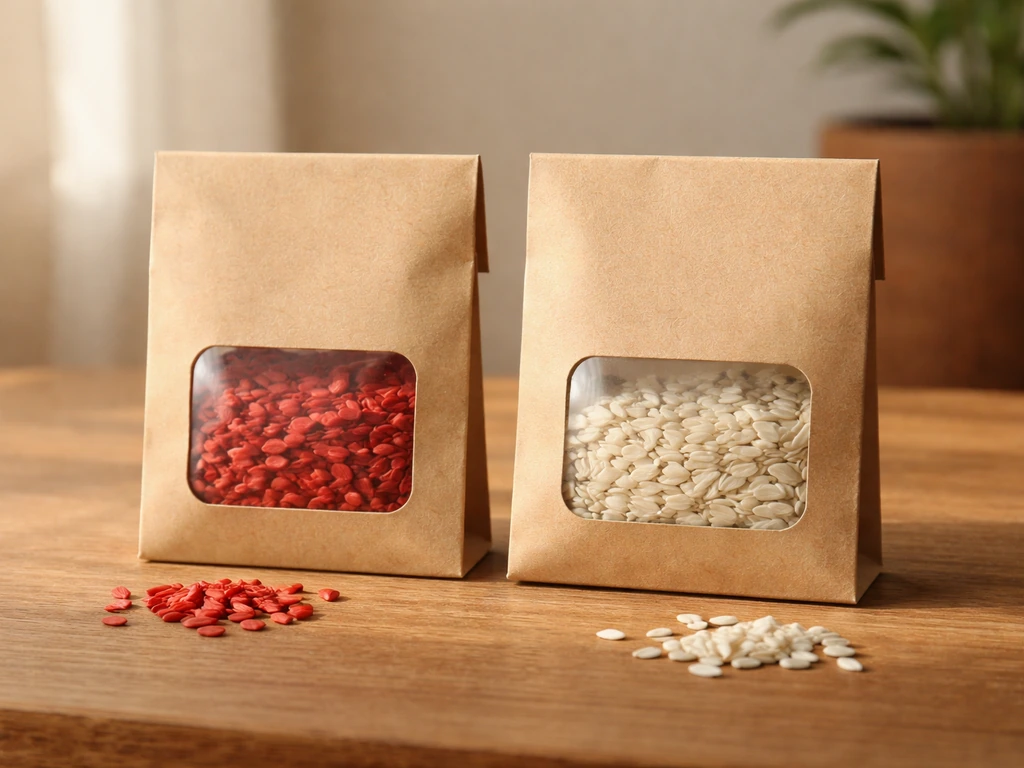
You need two things from Nook's Cranny or Nook Shopping: red windflower seed bags and white windflower seed bags. That's it for starters. Don't buy orange, pink, or anything else at this stage, those come from crosses and using the wrong base colors will stall your whole project.
The reason you need white alongside red is that white windflowers crossed with red windflowers produce blue windflowers. Blues are a critical intermediate step, you need them to eventually make the hybrid-red windflowers that can actually produce purple. If your island only stocks one color at a time, use Nook Shopping (the in-game app on your NookPhone) to order the other. Stock rotates daily, so check back if a color isn't available.
- Buy red windflower seeds (from Nook's Cranny or Nook Shopping)
- Buy white windflower seeds (same sources)
- Do not use windflowers picked from mystery islands as starters — their hidden genetics may produce unexpected results
- Plant reds and whites in separate, clearly labeled patches so you don't mix them up before the breeding steps
The exact hybrid parent combinations for purple
Here's the full three-step breeding chain laid out simply. Follow it in order and don't skip steps.
- Step 1 — Make blue windflowers: Plant white seed-bag windflowers next to red seed-bag windflowers. Water both daily. Their offspring will be blue windflowers. Collect every blue that appears and set them aside in a dedicated patch.
- Step 2 — Make hybrid-red windflowers: Plant the blue windflowers you just produced next to red seed-bag windflowers. Water both daily. Some of the offspring from this pairing will be hybrid-red windflowers. These look identical to regular red windflowers on the surface, but their hidden genetics are different — they're the parents you actually need.
- Step 3 — Breed hybrid reds together for purple: Plant your hybrid-red windflowers next to each other (pairing them, not scattering them). Water daily. Each pair has roughly a 6.25% chance per day to produce a purple windflower offspring. Other possible outcomes from this pairing include red, blue, and white, so don't panic if you see those colors appearing — purple will come.
The 6.25% chance per pair per day is low, which is why having more hybrid-red pairs working simultaneously speeds things up dramatically. A patch of 40 hybrid-red windflowers in paired planting positions gives you many more rolls of the dice each morning than just four or six plants would.
| Step | Parent 1 | Parent 2 | Target Offspring | Approx. Chance |
|---|---|---|---|---|
| 1 | White (seed bag) | Red (seed bag) | Blue windflower | Varies by pairing |
| 2 | Blue (from Step 1) | Red (seed bag) | Hybrid-red windflower | Varies by pairing |
| 3 | Hybrid-red (from Step 2) | Hybrid-red (from Step 2) | Purple windflower | 6.25% per pair per day |
Planting layout and your daily care routine
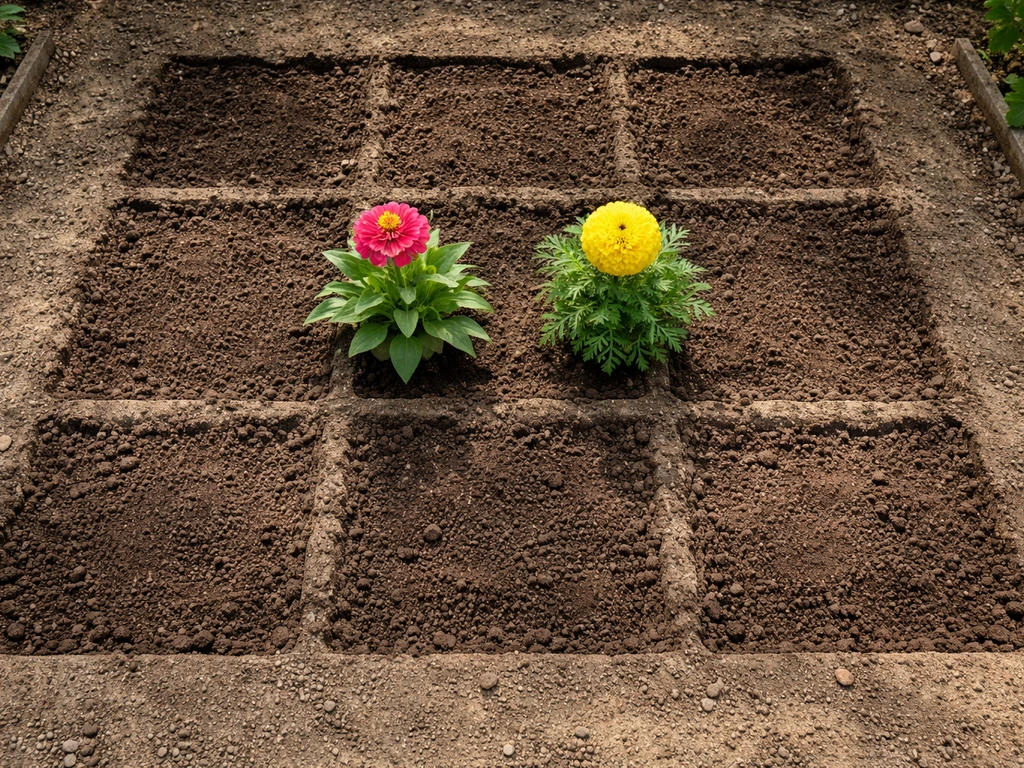
Layout matters more than most players realize. ACNH offspring can only appear in empty tiles blank" rel="noopener noreferrer">within the 3x3 area surrounding a parent flower. If every tile around your plants is already occupied, no new offspring can spawn, the breeding just gets wasted. Leave gaps.
A layout that actually works
The most reliable approach for Step 3 (hybrid-red to purple) is a checkerboard pattern. Place hybrid-red windflowers on alternating tiles in a grid, leaving every other tile empty. This ensures each flower has empty adjacent spaces for offspring to land in, while keeping parents close enough together to cross-pollinate. A 5x8 or 6x8 checkerboard patch gives you plenty of active pairs without burning too much island real estate.
Daily routine (no guessing required)
- Day 1: Plant your hybrid-red windflowers in the checkerboard layout. Water every single plant with your watering can before you end your play session.
- Day 2 onward: Log in each morning and check the breeding patch first. Any new flowers that appeared overnight are offspring. Pick up any non-purple offspring (reds, whites, blues) and either replant them elsewhere or discard them — you don't want them clogging up the empty spaces your parents need for future offspring. Water all parent flowers again before logging off.
- Every few days: Walk the whole patch and confirm no stray flowers have grown into spaces you need empty. Weeds and accidental placements can block tiles.
- Ongoing: Keep the routine unbroken. A flower only breeds if it was watered the day before. Miss a day and you've lost that morning's roll for every plant in the patch.
The base chance of a watered flower producing an offspring on any given day is 5% (boosted by having other players visit and water your flowers, more on that below). The purple outcome is one of several possible results from hybrid-red pairings, so on productive days you might see mostly reds or whites appear before a purple finally shows. That's normal. Keep going.
Troubleshooting: why you're not getting purple yet
If days are passing and nothing purple is appearing, work through this list before assuming something is wrong with your genetics.
- You forgot to water: This is the number one reason. No water = no offspring, full stop. If you're not seeing any new flowers at all (of any color), you've likely missed watering on at least one day. Water consistently and you'll start seeing offspring again within 24 hours.
- No empty tiles around your parents: If offspring are being produced but have nowhere to land, they simply don't appear. Clear out any flowers that have grown into your empty spaces and make sure the checkerboard gaps stay open.
- Your 'hybrid reds' aren't actually hybrid reds: If you accidentally picked up reds from a mystery island or mixed your seed-bag reds into your hybrid-red patch, those plants won't carry the right genetics for purple. The safest fix is to start the Step 2 process again with a fresh batch from blue + seed-bag red crosses, keeping them clearly separated.
- You only have a few pairs: With just two or four hybrid-red plants paired up, you're getting very few daily rolls. At 6.25% per pair per day, a small patch can go weeks without a purple. Scale up to 20 or 40 parents.
- You're getting other colors and thinking it's broken: Red, white, and blue offspring from hybrid-red pairings are normal and expected. Purple is just one possible outcome among several. Keep clearing the non-purple offspring and watering.
How to speed up results and when you can stop breeding
The single biggest accelerator is having friends visit your island and water your flowers. When other players water your plants, the daily offspring chance increases significantly, up to much higher than the base 5% with enough visitors. If you have friends who play ACNH, ask them to stop by and water your hybrid-red patch. Even one visitor per day makes a measurable difference.
Beyond that, the best move is simply growing your hybrid-red patch as large as possible. More pairs means more independent rolls each morning. Getting to 40 hybrid-red windflowers before you start Step 3 is a solid target. Yes, that means investing more time in Steps 1 and 2, but you'll recoup that time quickly once Step 3 is running at full scale.
As for when you can stop: that depends entirely on how many purple windflowers you want. If you just want one or two to complete your garden, you can stop once they appear. If you want to clone purples (placing a purple flower next to another purple and watering to reproduce it), you'll want at least two purples first so you can pair them up for cloning instead of relying on the hybrid-red lottery. Once you have a reliable purple-to-purple cloning setup, you're done with the hybrid-red breeding route and can convert that patch to something else.
One more thing worth mentioning: if you enjoy the flower-breeding side of ACNH and want to explore beyond windflowers, the same cross-pollination principles apply to every flower type in the game. The step-by-step logic you just used here, base colors, intermediate hybrids, target pairings, carries over directly to pursuing rare colors in other varieties too.
You can use the same careful step-by-step breeding logic to learn how to grow pincushion flower without guessing, just like the process for purple windflowers. If you are trying to grow purple angel trumpet instead, the same idea applies: start with the right variety, set up the right conditions, and be patient as it establishes.
If you're specifically wondering how to grow purple windflowers, this is the same step-by-step breeding logic you should follow from base colors onward. If you want to use the same breeding logic for another bloom like the pinwheel flower, this guide explains exactly how to grow pinwheel flower step by step.
FAQ
Can I rearrange my windflower layout while I’m breeding for purple, or will it reset progress?
Yes, you can move flowers after you start breeding, but only if the offspring tiles in the 3x3 zone are still empty at the time of the morning roll. If you relocate a parent into a space that was previously empty, the previous day’s intended neighbors may no longer be in range when the game checks for cross-pollination.
Why can’t I find purple windflowers on Nook Mystery Islands or in Nook’s Cranny even after I’m breeding for them?
No mystery island windflowers will ever be purple, since purple windflowers are not obtainable as seed-bag items or as island-spawned flowers. The only practical way to obtain purple is through breeding from the correct hybrid-red chain.
Do empty tiles or already-bloomed offspring tiles need to be watered, or only the parent flowers?
You do not need to water the empty tiles or the offspring tiles, only the existing parent flowers. Make sure the parent flowers in your checkerboard are the ones being watered daily, because the game evaluates offspring chances based on watered breeding parents.
What should I expect in the early days of Step 3, is it normal to get mostly the “wrong” colors first?
If you see mostly reds or blues variants before purple, that can be normal because hybrid-red pairings produce multiple outcomes. What matters is whether you keep the same parent setup and empty surrounding tiles, then give it enough days and enough active pairs to accumulate rolls.
If I’m not getting any purple, what are the most common reasons besides bad luck?
If purple has not appeared after a reasonable run, check three common mistakes in order: (1) hybrid-red parents are not actually adjacent to empty tiles in their 3x3 zones, (2) some parents were not watered that day, (3) you accidentally planted the wrong base colors earlier and your “hybrid-red” patch is contaminated. A quick visual sanity check of your parent colors before starting Step 3 can save a lot of time.
How can I prevent my other flower plantings from interfering with purple breeding?
To speed things up and avoid accidental cross-breeding, you can keep a clean breeding patch for Step 3 and separate any other windflower experiments from it with gaps. If you mix different windflower types into the same adjacent spaces, you can create offspring from unintended pairings that occupy the limited 3x3 empty tiles.
When should I switch from hybrid-red breeding to cloning purple windflowers?
Cloning requires purples that are already grown. When you clone, you still need empty tiles in the relevant 3x3 neighbor area, and you still benefit from daily watering, but your “lottery” changes from hybrid-red to purple-to-purple reproduction.
Do I need to prep the patch specifically for visitors, or will watering still help if my island setup changes?
Yes, visitors can still make a difference even if your island is “busy,” because watering only needs the parent flowers to be watered by another player during their visit. The key is that you should have your hybrid-red parents placed and ready as the watering target, with the patch fully set before your friends arrive.
How many purple windflowers do I need to start cloning reliably?
Once you have multiple purple windflowers, the most efficient cloning setup is to maintain at least two purple parents in adjacent breeding-relevant positions and keep the rest of the area clear so offspring can spawn. If you only have one purple, you are stuck waiting on the hybrid-red lottery until another purple appears.
What’s a good way to track progress so I don’t overreact to a single day without results?
For troubleshooting, it’s better to verify daily inputs than to judge by a single day’s results. Track which days your hybrid-red parents were watered and whether you had empty tiles around them, then look for purple across multiple mornings rather than changing your entire layout after one dry day.
Next Article
How to Grow Pincushion Flower From Seed Step by Step
Step-by-step guide to grow pincushion flower from seed, including timing, soil prep, sowing, care, transplanting, troubl