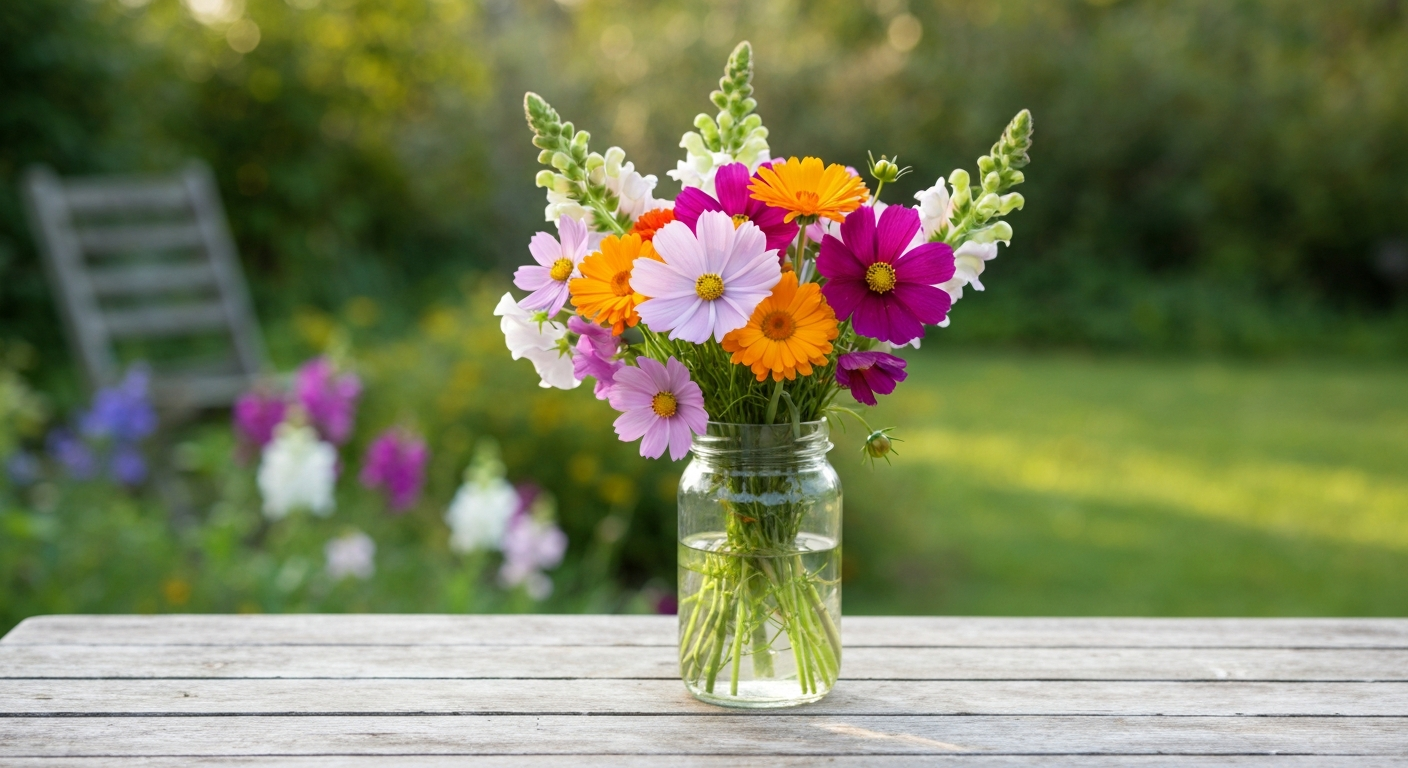
Posies are small, cheerful bunches of mixed cut flowers drawn from cottage-garden favorites like phlox, sweet peas, calendula, cosmos, and delphiniums. Growing them from seed is genuinely manageable for beginners: most varieties need a well-drained bed or pot, a sowing schedule pegged to your last frost date, and a bit of patience between sowing and first bloom. Follow the steps below and you can expect your first harvest-ready stems in as little as 8 to 10 weeks after transplanting for fast annuals, or by early summer for slower perennials like delphinium.
How to Grow Posies: Seed-to-Harvest Guide for Beginners & Bouquets
Marcus Holloway
28 Jul 2026
What posies are and who this guide is for
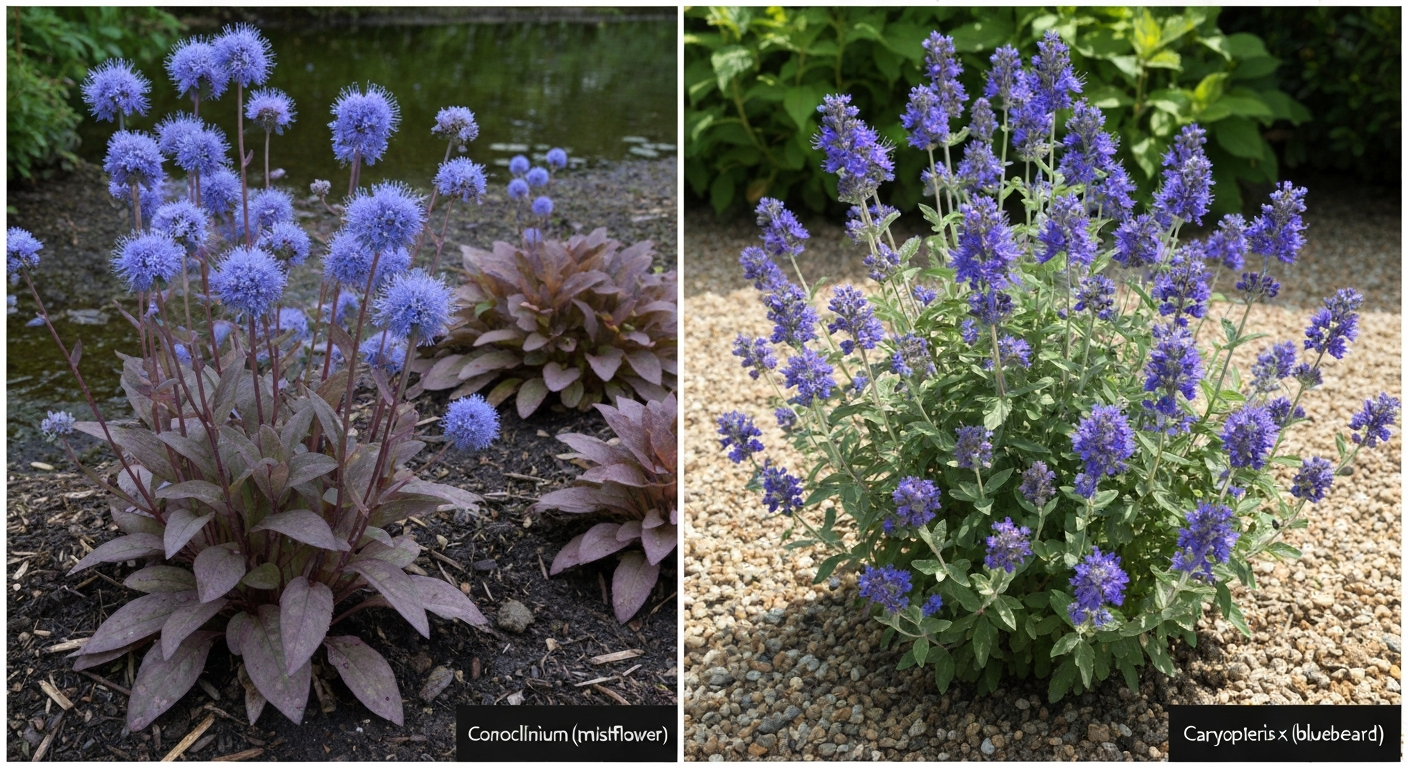
The word 'posy' simply means a small hand-tied bunch of flowers, usually mixed varieties with soft colors and delicate stems. In practical growing terms, posy flowers are the cottage-garden and cutting-garden workhorses: sweet peas, phlox, cosmos, calendula, snapdragons, blue mist flower (Conoclinium coelestinum), and taller statement blooms like delphinium. This guide is written for home gardeners who may have never started a flower from seed before. I'll walk you through every stage from choosing varieties to harvesting and putting flowers in a vase, flagging where things get tricky and where you can relax.
Choosing your posy mix: goals before you buy seeds
Before you order anything, decide what you actually want. A container on a balcony calls for compact, mounding varieties. A dedicated cutting bed rewards you with armloads of stems over a long season. A cottage-border planting is more about visual effect than harvest quantity. Most beginners do best mixing three to five complementary species rather than planting a single variety, because blooms stagger and you always have something ready to cut.
- Cut-flower beds: cosmos, sweet peas, calendula, snapdragons, and blue delphinium (such as 'Diamonds Blue') for height and drama
- Cottage-style borders: phlox (including fragrant 'Blue Moon' types), blue mist flower, and hardy annuals like larkspur or nigella
- Containers: dwarf sweet peas, compact phlox, and bushy cosmos varieties (choose varieties listed as under 24 inches tall)
- Easy beginner picks: cosmos, calendula, and zinnia germinate fast, tolerate neglect, and bloom quickly
- Patience required: delphinium and phlox paniculata need cold stratification and take longer to establish from seed
A simple starting mix I recommend to beginners: cosmos 'Sensation', calendula 'Pacific Beauty', sweet pea 'Spencer Mixed', and one snapdragon variety. Those four alone will fill a vase from early summer through first frost if you succession-sow them every 10 to 14 days.
When to sow and when to plant out
Everything hinges on your average last frost date. If you don't know yours, look it up by zip code before doing anything else. Once you have it, count backwards using the 'weeks before last frost' windows for each species. The table below covers the most common posy flowers.
| Flower | Start Indoors (weeks before last frost) | Direct Sow Outdoors | Bloom Window |
|---|---|---|---|
| Cosmos | 5–7 weeks before last frost | After last frost, soil 65°F+ | 10–12 weeks from sowing |
| Calendula | 6–8 weeks before last frost | 2–4 weeks before last frost (tolerates light frost) | 8–10 weeks from sowing |
| Sweet pea | 6–8 weeks before last frost (soaked seed) | Early spring, as soon as soil workable | Late spring to early summer |
| Snapdragon | 4–6 weeks before last frost | Not recommended (slow) | 12–16 weeks from indoor sow |
| Delphinium ('Diamonds Blue') | 8–10 weeks before last frost, after cold stratification | Autumn sow (natural stratification) | Early summer |
| Phlox (annual) | 6–8 weeks before last frost | After last frost | Summer to fall |
| Blue mist flower (Conoclinium) | Start indoors after 3-month cold period, or divide established plants | Autumn direct sow | Late summer to fall |
For a steady supply of cutting stems rather than one big flush, practice succession sowing: make a new sowing of fast annuals like cosmos and calendula every 7 to 14 days until midsummer. This is one of the most effective things you can do to keep posies coming all season.
Sowing techniques: direct-sow, starting indoors, and seed treatments
Direct sowing
Direct sowing is simpler and less fussy for heat-tolerant, fast-growing species like cosmos, zinnia, and calendula. Rake the bed smooth, scatter or space seeds at the recommended distance, press them gently into the soil surface, and water in with a gentle spray. The main risk is losing seeds to birds, heavy rain, or drying out before germination. Keep the surface consistently moist for the first two weeks.
Starting indoors
For slow starters like delphiniums, snapdragons, and sweet peas, starting indoors gives you a real head start on the season. Always use a sterile, soilless seed-starting mix rather than garden soil. Garden soil compacts, drains poorly in cells or trays, and carries pathogens that cause damping-off, a fungal collapse that kills seedlings right at the soil line. Fill your cells or small pots, press seed in at the depth listed on the packet, and water from below by sitting the tray in a shallow dish of water until the surface looks moist.
Light is where most beginners stumble. Seedlings need 14 to 16 hours of bright light per day. A sunny south-facing windowsill rarely delivers that, especially in late winter. An LED or T5 grow light positioned about 12 inches above the seedling tops, raised as the plants grow, makes a dramatic difference in stem thickness and compact growth. Leggy, floppy seedlings are almost always a light problem, not a soil or watering problem.
Seed treatments: stratification and soaking
Some seeds simply won't germinate without pretreatment. Delphinium seeds germinate far better after cold, moist stratification: mix the seeds with a small amount of damp perlite or sand, seal in a plastic bag, and refrigerate at 35 to 40°F for 2 to 8 weeks before sowing. blank" rel="noopener noreferrer">Phlox paniculata (garden phlox) similarly benefits from 4 to 6 weeks of cold, moist stratification, or you can sow it outdoors in autumn and let winter do the work naturally. Blue mist flower seed can have complex dormancy and may need up to 3 months cold treatment; for beginners, propagating it by division or cuttings from an established plant is far more reliable. UGA Extension notes Conoclinium coelestinum seed may require about three months of cold (≈40°F) stratification or fall sowing, and recommends division or cuttings as easier, more reliable propagation methods blank" rel="noopener noreferrer">UGA Extension: Native Plants for Georgia Part III: Wildflowers.
Sweet peas and other hard-coated seeds benefit from scarification or soaking. Nick the seed coat lightly with a nail file on the side opposite the 'eye', then soak in room-temperature water for 12 to 24 hours before sowing. You'll see the seeds swell noticeably, which means they're ready to go in the ground. Skip this step and germination is patchy and slow.
Soil, light, and site preparation
Most posy flowers want full sun (at least 6 hours of direct sun daily) and soil that drains freely but holds some moisture. Heavy clay that stays wet after rain causes root rot, while pure sandy soil dries out too fast. The fix for both is the same: work 1 to 2 inches of finished compost into the top 4 to 6 inches of your bed before planting. This is the single most worthwhile thing you can do to a new bed.
Target a soil pH of 6.0 to 7.0. Most posy flowers, including delphiniums, phlox, and zinnias, perform well across that range. If you suspect your soil is outside those bounds (very acidic or alkaline), a simple soil test from your local cooperative extension office will tell you how much lime or sulfur to add. Guessing without a test is a common beginner mistake that wastes time and money.
- Full sun (6+ hours): cosmos, zinnia, calendula, snapdragon, delphinium, sweet pea
- Partial shade tolerated: phlox paniculata (benefits from afternoon shade in hot climates), blue mist flower (does well in light shade)
- Well-drained soil essential for: delphinium (crown rot risk in wet soil), sweet peas (root rot in waterlogged ground)
- Slightly richer soil preferred by: delphinium, phlox, snapdragon
- Lean soil acceptable for: cosmos and calendula (too much nitrogen produces foliage at the expense of flowers)
Spacing and planting depth
Crowding is one of the most common mistakes in cutting beds. Overcrowded plants compete for water and light, which weakens stems and promotes fungal disease. Give each plant the space listed below, and resist the urge to plant more densely than recommended.
| Flower | Plant Spacing | Sowing/Planting Depth | Notes |
|---|---|---|---|
| Cosmos | 12–18 inches | 1/4 inch deep | Thin seedlings early; crowding weakens stems |
| Calendula | 12–15 inches | 1/4–1/2 inch deep | Tolerates tighter spacing in containers |
| Sweet pea | 6–8 inches (at base of support) | 1 inch deep | Needs trellis or netting from day one |
| Snapdragon | 9–12 inches | Surface sow (light needed to germinate) | Pinch tips at 4–6 inches for bushy habit |
| Delphinium | 18–24 inches | 1/8 inch deep (surface) | Tall; site near back of bed |
| Phlox (annual) | 10–12 inches | 1/8 inch deep | Pinch for branching |
| Blue mist flower | 18–24 inches | Surface sow or transplant divisions | Spreads by rhizome; allow room |
In containers, use a pot that holds at least 12 inches of growing depth for sweet peas and cosmos, and 8 inches for compact phlox and calendula. Terracotta pots look beautiful but dry out quickly in warm weather, so unglazed clay pots need more attention to watering than plastic or glazed containers.
Watering and feeding your posies
How much water and when
Most established cutting-garden plants need about 1 inch of water per week from rain plus irrigation combined. In hot spells that rises to closer to 1.5 inches. The best method for beds is a soaker hose or drip line laid at the base of the plants. Keeping water off the foliage dramatically reduces powdery mildew and other leaf diseases, especially on phlox and cosmos. Overhead sprinklers work in a pinch but should run early in the morning so leaves dry out before evening.
Containers are a different story. In warm weather, a container may need water every day or every other day. Check by pressing a finger an inch into the soil: if it feels dry, water thoroughly until it drains freely from the bottom. Lift the pot before and after watering and you'll quickly learn what 'needs water' feels like by weight alone.
Overwatered plants show soft, uniform yellowing of lower leaves and soggy soil that never quite dries between waterings. Underwatered plants have dry, crispy leaf edges and soil that pulls away from the pot sides. Both problems are fixable once you recognize them.
Fertilizing for more flowers
In prepared garden beds with decent compost, many annuals need little extra feeding. Cosmos and calendula actually perform better in leaner soil: heavy nitrogen feeding pushes lush green growth at the expense of flowers. For cutting beds, a balanced slow-release granular fertilizer (such as 10-10-10) worked into the soil at planting is usually enough for the season.
Delphiniums and phlox are heavier feeders. Give them a balanced liquid feed every 2 to 3 weeks during the growing season. For containers, all plants need more frequent feeding because watering flushes nutrients out of the pot quickly. A half-strength balanced liquid fertilizer applied every 1 to 2 weeks from late spring through midsummer keeps container posies flowering well.
One tip that matters: switch from a high-nitrogen feed to one higher in phosphorus and potassium (such as a 5-10-10 or tomato feed) once plants are actively budding. Nitrogen promotes stems and leaves; phosphorus and potassium support flowering and root health.
Mulching
A 2-inch layer of organic mulch (straw, wood chip, or composted bark) around the base of bed-grown posies retains moisture, moderates soil temperature, and suppresses weeds. Keep mulch a few inches back from the stems to prevent crown rot. This is a low-effort task that genuinely reduces your watering workload through summer.
Staking, supports, and keeping tall posies upright
Tall posy flowers need support before they need it, not after they've flopped over. Once a delphinium or sweet pea has collapsed under its own weight or after a rain event, getting it back upright cleanly is nearly impossible without snapping stems.
Delphiniums
Stake delphiniums individually when plants reach about 12 inches tall, well before the heavy flower spikes form. Use a bamboo cane pushed 6 to 8 inches into the ground beside the main stem, and tie loosely with soft garden twine in a figure-eight loop that won't cut into the stem as it thickens. As the plant grows, add ties every 10 to 12 inches up the cane. A 'Diamonds Blue' delphinium can easily reach 4 to 5 feet, so use 6-foot canes for insurance. Detailed guidance on growing 'Diamonds Blue' and similar varieties is worth its own read-through before you plant. For step-by-step advice on how to grow 'Diamonds Blue' delphinium, see the guide on how to grow diamonds blue delphinium. For step-by-step care specific to varieties like 'Diamonds Blue', see our Flora Flex how to grow guide for detailed planting, staking, and feeding instructions.
Sweet peas
Sweet peas are natural climbers and just need something to grab hold of. A simple trellis of netting, chicken wire, or even a grid of jute twine stretched between posts works well. Install the support before or at the time of planting so young plants can find it from their first few inches of growth. Tendrils latch on readily; you rarely need to tie them in unless it's very windy.
Phlox and medium-height posies
Tall garden phlox (Phlox paniculata) can reach 3 to 4 feet and benefits from grow-through ring supports or a simple cage of wire mesh placed over the clump early in the season. Annual phlox is typically shorter and bushier; pinching the central growing tip when plants are 4 to 6 inches tall encourages branching and produces more stems for cutting without needing stakes.
Containers
In containers, shorter bamboo canes pushed into the potting mix work fine for cosmos and snapdragons. For sweet peas in a pot, attach a teepee of three or four canes tied at the top. Place containers in a sheltered spot if possible; wind load on a tall container planting with no ballast weight can topple the whole pot.
Deadheading and pruning for more blooms
Most annual and many perennial posy flowers produce more blooms when you remove spent flower heads before they set seed. This redirects the plant's energy from seed production into making new flowers. For sweet peas it's especially critical: one missed seedpod forming will signal the plant that its job is done, and flowering drops off fast. Check sweet peas every two to three days during peak season and pick any fading flowers immediately.
For delphiniums, cut the entire spent flower spike back to a strong side shoot or leaf after the first flush of bloom. With some luck and good feeding, many delphiniums push out a second, smaller flush later in the season. For phlox, deadheading individual flower heads as they fade extends the display and also prevents self-seeding, which is important with named varieties since seedlings rarely come true to the parent plant.
Pest and disease basics
Posy gardens are not especially trouble-prone if you give plants good air circulation and keep foliage dry. The problems you're most likely to encounter are powdery mildew, aphids, slugs, and damping-off in seedlings.
| Problem | What You See | Most Likely Cause | Fix |
|---|---|---|---|
| Powdery mildew | White powdery coating on leaves | Poor air circulation, overhead watering, humid nights | Space plants properly; water at the base; remove affected leaves |
| Aphids | Clusters of small insects on buds and new growth, sticky residue | Warm weather, soft new growth | Blast off with water; use insecticidal soap if heavy |
| Slugs | Ragged holes in leaves, slime trails | Moist soil, cool nights | Handpick at night; use iron phosphate bait |
| Damping-off (seedlings) | Seedlings collapse at soil line | Fungal infection in wet, warm seed mix | Use sterile seed mix; improve airflow; avoid overwatering |
| Leggy seedlings | Tall, thin, floppy stems | Insufficient light | Add grow lights at 12 inches above seedlings; 14–16 hr photoperiod |
Delphiniums are particularly attractive to slugs and snails, especially when young shoots emerge in spring. Check every evening for the first few weeks and remove any you find. Blue mist flower can spread aggressively by underground rhizome if left unchecked; cutting it back hard in spring keeps the clump in bounds.
Harvesting posies for the longest vase life
Cut posy stems in the early morning when temperatures are cool and the stems are fully hydrated. Use clean, sharp scissors or pruners and cut on a diagonal to maximize the water-uptake surface area. Plunge stems immediately into a bucket of cool water and bring it inside as quickly as possible.
- Harvest in the morning, before 9 a.m. if possible, when stems have maximum water pressure
- Cut stems longer than you think you'll need (you can trim later)
- Cut at a 45-degree angle with clean, sharp pruners or scissors
- Remove any leaves that would sit below the water line in the vase
- Condition stems in cool water in a cool room or fridge for 4 to 8 hours before arranging
- Change the vase water every two days and re-cut the stems by half an inch each time
Harvest timing varies by species. Sweet peas should be cut when the lowest flower on the spike is just opening, with the upper buds still closed. Cosmos last longest when cut when the petals are fully open but the center disk is still tight and fresh. Delphiniums are best harvested when one-third to half the florets on the spike have opened. Snapdragons are ready when the bottom third of florets are open.
Beds vs. containers: which works better for posies
Both work, but they demand different approaches. Beds hold moisture longer, need less frequent feeding, and allow bigger plants with more cutting stems. Containers warm up faster in spring (useful for getting an early start), give you total control over soil quality, and work well for balconies or paved spaces. The tradeoff is real: containers dry out faster, deplete nutrients faster, and require more active management through summer.
| Factor | Garden Bed | Container |
|---|---|---|
| Watering frequency | ~1 inch/week | Daily or every other day in warm weather |
| Feeding frequency | Once at planting (slow-release); light top-up mid-season | Every 1–2 weeks with liquid feed |
| Soil control | Requires bed preparation and soil testing | Fill with high-quality potting mix, full control |
| Season extension | Slower to warm in spring | Warms faster; can move to shelter from frost |
| Plant size/yield | Larger plants, more stems per plant | Compact varieties only; fewer stems |
| Weed pressure | Ongoing weed management needed | Minimal weeds in fresh potting mix |
My honest recommendation for a beginner: start with a small raised or ground-level bed of 4 by 6 feet and add one or two containers for compact varieties you want close to the door. That combination gives you the volume of a bed with the convenience and flexibility of pots.
What to do next: propagation, drying, and saving seed
Saving seed
For open-pollinated annual varieties like cosmos, calendula, and sweet peas, saving seed is straightforward. Allow a few of your best-looking flower heads to fully mature and dry on the plant. When the seed heads turn brown and feel papery, cut them into a paper bag and shake out the seeds. Store in a cool, dry place in labeled paper envelopes. Do not save seed from F1 hybrid varieties (check the packet) because the offspring will not come true to the parent plant.
Dividing perennial posies
Perennial posy flowers like phlox paniculata and blue mist flower are much easier to propagate by division than from seed, and division also rejuvenates older clumps that have stopped flowering well. Dig the clump in early spring before new growth is more than a few inches tall, split it into sections each with a healthy root system, and replant at the original depth. Named cultivars like 'Blue Moon' phlox will only come true to type through division or cuttings, not from seed. For detailed advice on dividing, propagating, and caring for named cultivars, see how to grow Blue Moon phlox (5aeb5fa6-64d4-452e-a4ec-cbe38fa3b863).
Drying posies
Many posy flowers dry beautifully for winter arrangements. Harvest stems before the flowers are fully open, strip the lower leaves, and hang them upside down in small bunches in a warm, dry, dark space with good airflow. Two to three weeks is usually enough. Statice, strawflowers, and nigella dry particularly well. Delphiniums can be dried whole spikes if cut just before peak bloom and handled gently.
Variety-specific quick tips
A few flowers deserve special mention because they come up frequently in cutting-garden planning and have quirks worth knowing about upfront.
- Phlox paniculata ('Blue Moon' and similar): cold-stratify seed for 4–6 weeks or sow outdoors in autumn; division of named cultivars is more reliable than seed; allow good air circulation to reduce powdery mildew; full sun to light afternoon shade suits it well in hot climates
- Delphinium ('Diamonds Blue'): cold-stratify seed 2–8 weeks before indoor sowing; stake early with 6-foot canes; slugs are the main predator of young plants; cut spent spikes back to a side shoot for a second flush; heavy feeder in season
- Blue mist flower (Conoclinium coelestinum): best propagated from division or cuttings rather than seed due to complex dormancy; blooms late summer to fall so it bridges the gap when summer annuals fade; spreads by rhizome and will need occasional containment
- Sweet pea (Lathyrus odoratus): nick and soak seed 12–24 hours before sowing; get support in place before planting; pick every 2–3 days without fail to keep plants flowering; does not like heat, so in warm climates sow early for a spring season
- Cosmos: do not over-fertilize; deadhead regularly; direct sow is simpler than indoor starting; one of the most forgiving flowers for beginners
FAQ
When should I start posy seeds and how do I use my last‑frost date to time sowing?
Use your local last‑frost date as the anchor: many annual posies are started indoors 4–8 weeks before last frost (snapdragons/zinnias 4–6 wks; cosmos 5–7 wks). Long‑season or slow germinators (delphinium, some phlox) often need 6–8+ weeks or fall/outdoor sowing for natural stratification. For direct sowing, wait until soil temps are suitable for the species (warm‑soil seeds like zinnia/cosmos at 65–85°F). Seed packets or a seed‑starting calculator (enter your last frost) give exact weeks for each flower.
Should I direct‑sow or start posy seeds indoors? Pros and when to choose each method.
Direct‑sow advantages: simpler, less transplant shock, works well for fast, heat‑loving posies (zinnias, cosmos, calendula). Start indoors when you need an early bloom, have a short season, or the species has a long growing time (delphinium, some phlox) or poor outdoor germination. Use indoor starting when you want uniform plants, earlier cuttings, or to protect tender seedlings from slugs and late frosts.
Do any posy seeds need stratification or soaking before sowing?
Yes—some do. Cold‑moist stratification (fridge 2–8 weeks at ~34–41°F) improves germination for delphinium and many perennial phlox; some native asters/Conoclinium seed also benefit from a 2–3 month chill or fall sowing. Hard‑coated seeds (sweet peas, some legumes) speed up by scarifying or soaking 12–24 hours before sowing. Check the seed packet or cultivar notes and, for fridge stratification, keep seeds on a moist (not wet) medium in a sealed bag.
What seed‑starting soil and light conditions give the best seedlings?
Use a sterile, well‑draining seed‑starting mix (soilless mix with peat/peat‑free alternative + perlite/vermiculite) to reduce damping‑off. Keep soil at the species’ germination temperature (warm seeds 65–85°F). Provide bright light 14–16 hours/day with LED or T5 fixtures; position lights ~12 in above seedlings and raise as they grow. Begin fertilizing lightly after the first true leaves with a half‑strength soluble fertilizer.
How should I prepare garden beds and container mixes for posies? pH, amendments, drainage?
Test soil and aim for pH ~6.0–7.0 for most cutting flowers. For beds, mix 1–2 in of finished compost into the top 4–6 in of soil to improve fertility and structure. Ensure good drainage and a loose crumbly tilth. For containers use a high‑quality potting mix that drains well; containers dry faster so include a moisture‑retentive yet airy mix and plant in pots with drainage holes. Adjust lime or sulfur per soil test recommendations.
What are typical light, spacing, watering, and feeding needs for posies?
Light: most posy plants want full sun (6–8+ hours); some like part shade (certain phlox or woodland varieties). Spacing: follow seed‑packet or plant tag; generally 6–12 in for small annuals, 12–24+ in for larger perennials/delphinium. Watering: aim for even moisture—about 1 in/week combined rainfall for beds; containers need more frequent checks (often daily in heat). Use drip or soaker to keep foliage drier and reduce disease. Feeding: incorporate compost before planting; for continuous blooms use a balanced granular fertilizer at planting and switch to a liquid low‑nitrogen bloom feed or regular half‑strength fertilizer every 2–4 weeks during the season.
Next Article
How to Grow Blue Mist Flower: Complete Guide for Gardeners
Grow blue mist flower: step-by-step seed-to-bloom guide, varieties, care, pests, pruning & month-by-month plan.