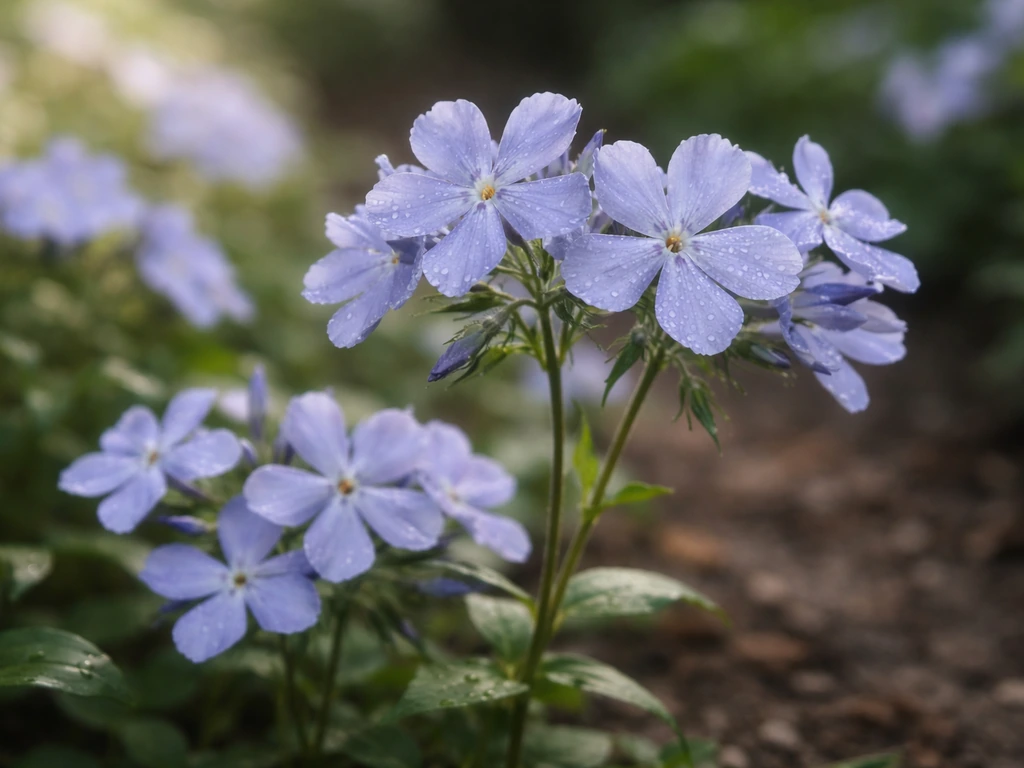
Blue Moon phlox is a cultivar of woodland phlox (Phlox divaricata 'Blue Moon'), a spring-blooming perennial that thrives in part shade to full shade with moist, fertile soil. It grows about 12 inches tall with a 15-inch spread and produces lavender-blue, star-shaped flowers in mid-to-late spring. To grow it successfully, you need to match it to a shady or dappled-light spot with consistently moist soil, understand that it needs cold stratification before it will germinate from seed, and protect it from powdery mildew by giving it good airflow and the right site conditions.
How to Grow Blue Moon Phlox: Seed to Bloom Guide

Marcus Holloway
9 Jul 2026
What Blue Moon phlox is and what it needs to thrive
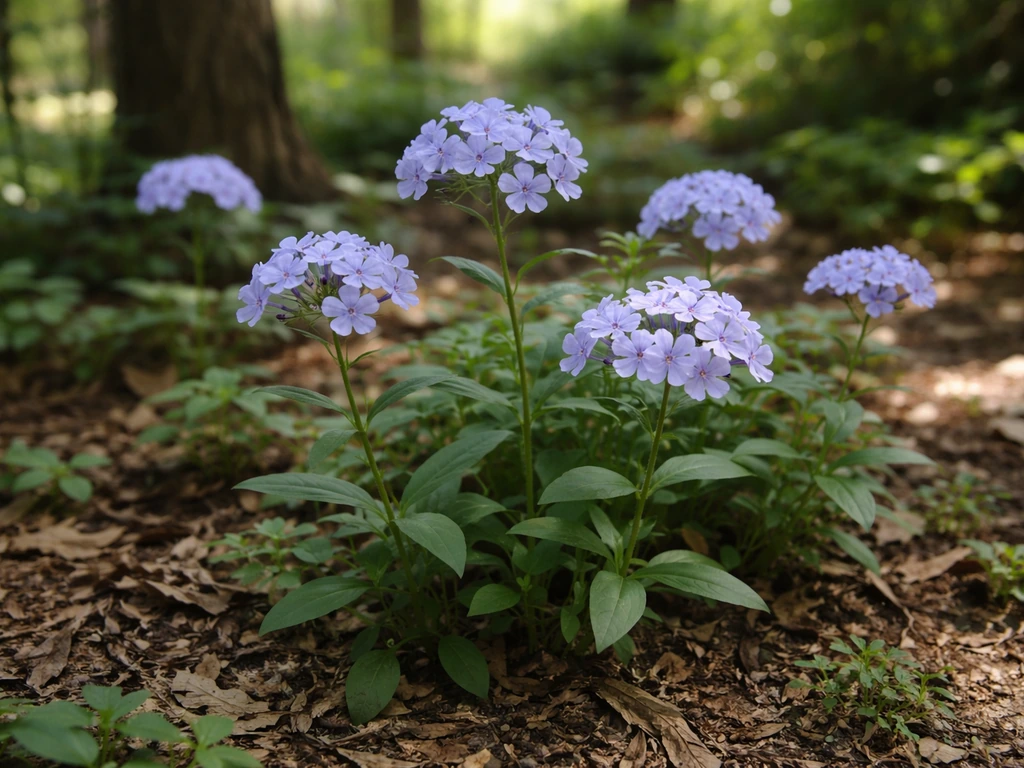
Before you do anything else, it helps to know exactly what you're growing. Blue Moon phlox is Phlox divaricata 'Blue Moon,' also called woodland phlox or wild sweet William. If you're planning how to grow posies for shady woodland conditions, this cultivar's needs help you compare what works. It's a semi-evergreen perennial native to woodland edges, which tells you a lot about what it wants: dappled light, cool roots, and steady moisture. This is not the same plant as tall garden phlox (Phlox paniculata), which blooms in midsummer and likes full sun, or creeping phlox (Phlox subulata), which forms a low mat and is often used on slopes. Buying the right plant or seed matters enormously, because each type has completely different growing requirements.
Blue Moon phlox is genuinely one of the easier perennials for shady spots. Once established in the right conditions, it comes back reliably each spring and slowly spreads to fill in gaps under trees or along shaded borders. Think of it as a companion to hostas and ferns rather than a sun-garden plant.
Light, soil, and moisture requirements
- Light: Part sun, part shade, or full shade. Morning sun with afternoon shade is the sweet spot and encourages the best bloom display.
- Soil: Fertile, moist, and well-drained. It doesn't want soggy roots, but it also shouldn't dry out between waterings.
- Moisture: Consistently moist, especially during spring growth and flowering. Drought stress weakens the plant and invites disease.
- pH: Slightly acidic to neutral soil (around 6.0 to 7.0) suits it well.
- Drainage: Good drainage is essential. Amend heavy clay soils with compost before planting.
Choosing the right Blue Moon phlox: seeds, plants, and type confusion
Here is where a lot of gardeners go sideways. The name 'Blue Moon phlox' shows up on big-box retailer tags, online seed catalogs, and garden center benches, but it doesn't always mean the same plant. The true Blue Moon phlox is Phlox divaricata 'Blue Moon,' sold as a potted perennial or occasionally as seed. If you pick up a plant labeled 'Blue Moon Phlox' at a major retailer, check the tag for the Latin name. If it says Phlox divaricata, you're in the right place.
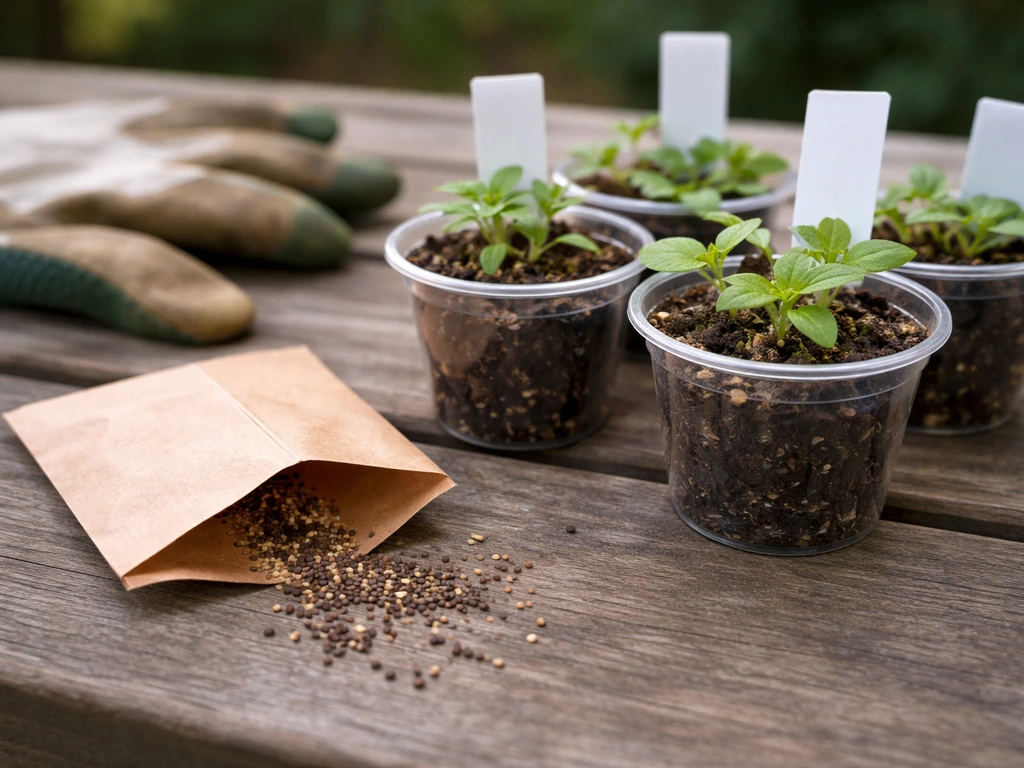
Seed is less commonly sold for this specific cultivar. When you do find phlox seed labeled as 'Blue Moon,' double-check whether it's Phlox divaricata or Phlox subulata (creeping phlox). The two have different germination requirements and very different growth habits, so planting the wrong one in a shaded woodland bed will lead to frustration. When in doubt, buy a named cultivar as a potted plant from a reputable nursery rather than seed. It's faster, more reliable, and you know exactly what you're getting.
| Feature | Blue Moon (Phlox divaricata) | Tall Garden Phlox (Phlox paniculata) | Creeping Phlox (Phlox subulata) |
|---|---|---|---|
| Bloom time | Mid-to-late spring | Midsummer | Early spring |
| Height | ~12 inches | 2 to 4 feet | 4 to 6 inches |
| Light | Part shade to shade | Full sun | Full sun |
| Soil moisture | Moist | Moderate | Well-drained, drier |
| Best use | Woodland/shade gardens | Back of sunny border | Slopes, edging, walls |
| Seed stratification | Yes, cold moist required | Yes, benefits from cold | Not always required |
If you're growing other phlox types alongside Blue Moon, keep in mind that tall garden phlox and creeping phlox have their own detailed growing approaches worth exploring separately. If you want to compare options beyond Blue Moon, look up flora flex how to grow for broader, step-by-step guidance that fits similar woodland conditions.
When and where to plant
Timing
For potted nursery plants, the best planting windows are early spring (as soon as the soil is workable) or early fall, at least 6 weeks before your first frost. Spring planting gives the roots a full growing season to establish before their first winter. Fall planting works well too, as the cooler temperatures and more reliable rain help roots settle in without heat stress.
For seed, timing is more involved because Phlox divaricata requires cold, moist stratification for 30 to 60 days before it will germinate. That means you either start stratification indoors in late winter (to sow after stratification in early spring) or direct sow in fall and let the winter do the work for you. More on seed specifics in the next section.
Site preparation and spacing
Pick a spot under deciduous trees or along a north-facing or east-facing border where the plant will get dappled light or morning sun. Clear the area of weeds, then work in a generous layer of compost, about 2 to 3 inches, and dig it into the top 8 to 10 inches of soil. This improves both moisture retention and drainage, which sounds contradictory but just means you're building soil that holds moisture without staying waterlogged.
Space plants about 12 to 15 inches apart to allow for the plant's natural 15-inch spread at maturity. This also gives enough airflow between plants to reduce the risk of fungal issues. If you're growing tall garden phlox nearby, that type needs wider spacing of at least 18 inches for good air circulation. For tall garden phlox, GardeningKnowHow recommends using plant spacing of about 18, 24 inches to improve airflow and help reduce powdery mildew plant spacing of about 18–24 inches.
How to start Blue Moon phlox from seed
Growing Phlox divaricata from seed takes patience, but it's satisfying when it works. The non-negotiable step is cold stratification. The seeds need a cold, moist period to break dormancy, mimicking what happens naturally when seeds fall in autumn and overwinter in the soil. Skip this step and the seeds simply won't sprout.
Option 1: Indoor sowing with cold stratification
- Start in late winter, about 10 to 12 weeks before your last frost date.
- Mix seeds with slightly damp vermiculite or seed-starting mix in a zip-lock bag or small sealed container.
- Label the bag and place it in the refrigerator at 33 to 40°F (1 to 4°C) for 30 to 60 days.
- After stratification, sow seeds in small pots or cell trays filled with moist seed-starting mix. Cover the seeds lightly with about 1/8 inch of mix, as darkness aids germination for this species.
- Place trays in a cool to moderately warm spot, around 60 to 65°F (15 to 18°C). Avoid high heat.
- Expect germination in 14 to 28 days, though some seeds may take longer or require a second cold period.
- Once seedlings have two to three sets of true leaves, harden them off outdoors over 7 to 10 days before transplanting.
Option 2: Direct sowing outdoors in fall
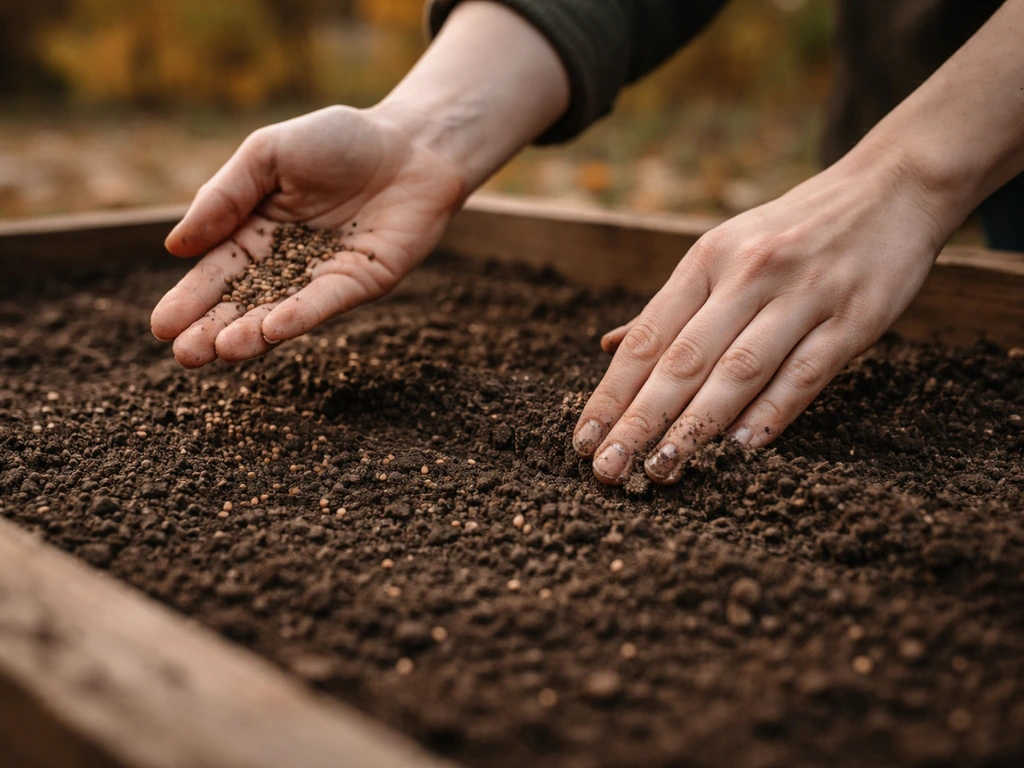
This is honestly the easier method if you have the patience to wait for spring results. Sow seeds directly into your prepared bed in October, covering them with about 1/4 inch of soil. The winter cold stratifies them naturally, and they'll sprout the following spring when conditions are right. This approach mimics exactly what the plant does in the wild and requires almost no effort beyond marking where you sowed so you don't accidentally dig them up.
One honest heads-up: germination rates for woodland phlox from seed can be uneven. Some seeds may not sprout until the second spring if the first winter wasn't cold enough. Don't dig up the area in frustration after one season. Buying potted plants is far quicker if you want flowers in year one.
Everyday care once it's planted
Watering
Keep the soil consistently moist, especially in the first growing season while roots establish. Water deeply rather than shallowly, aiming to wet the soil to about 6 inches down. In hot, dry summers, woodland phlox will struggle without supplemental watering. Morning watering is best because it keeps foliage drier through the day, which reduces the chance of fungal disease. Once established in a naturally shaded, moist spot, the plant often takes care of itself except during drought.
Feeding
Blue Moon phlox is not a heavy feeder, but it appreciates some nutrition to support its spring bloom. Apply a light balanced fertilizer, such as 10-10-10, when new growth emerges in early spring, then give a second light application just before the plant comes into flower. Avoid overfeeding with high-nitrogen fertilizer, which pushes leafy growth at the expense of flowers and can make plants more susceptible to disease.
Mulching
Mulch is one of the best things you can do for woodland phlox. Apply 2 to 3 inches of shredded bark or leaf mulch around the plants after the soil has warmed in late spring. Mulch keeps the root zone cool and moist, suppresses weeds, and creates the woodland-floor feel the plant naturally prefers. Keep mulch a couple of inches away from the crown to prevent rot.
Deadheading and cutting back
Deadhead spent flowers during the bloom period to tidy the plant and encourage it to put energy into the roots rather than seed production. After flowering is completely done in late spring, you can trim the plant back lightly to keep it tidy and promote fresh foliage growth. This is especially useful if the plant looks leggy or ragged after bloom. Think of it as a light haircut rather than a hard cut-back.
Troubleshooting: powdery mildew, pests, and stress
Powdery mildew (the big one)
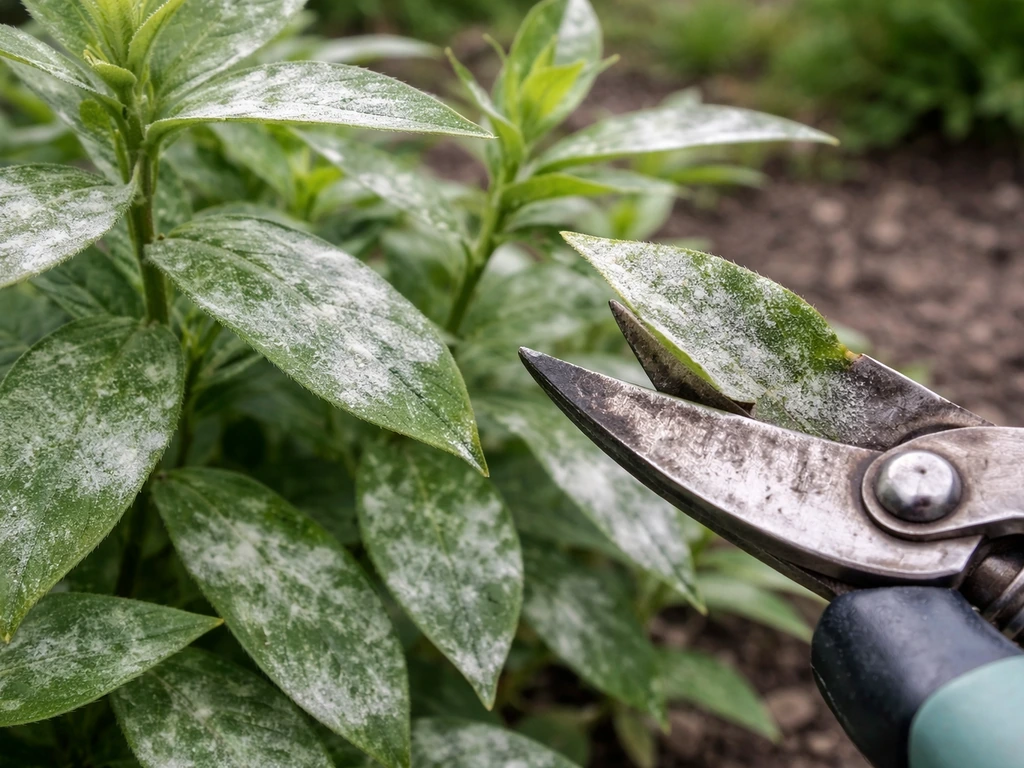
Powdery mildew is the most common problem with phlox across all species, showing up as a white, powdery coating on leaves and stems. Woodland phlox is somewhat less prone to it than tall garden phlox (Phlox paniculata), but it can still happen, especially in humid summers with poor air circulation. The good news is that most cases of powdery mildew are preventable.
- Prevention first: plant in a site with some air movement, and don't crowd plants together.
- Water at the base, not overhead, and water in the morning so foliage dries quickly.
- Choose mildew-resistant varieties when buying plants. This is the single most effective tactic for tall garden phlox in particular.
- If mildew appears, remove and dispose of affected leaves immediately. Don't compost them.
- For mild outbreaks, spray with a diluted solution of potassium bicarbonate or neem oil. Sulfur-based fungicides and copper soap sprays are also effective low-toxicity options.
- For persistent cases, biological fungicide sprays containing Bacillus subtilis can help. Always follow label directions.
- In fall, cut back and remove any mildew-affected foliage to reduce spore load going into next year.
Common pests
Blue Moon phlox is not heavily pestered, but a few visitors are worth watching for. Spider mites can appear during hot, dry spells and cause the foliage to look stippled or bronzed. A strong jet of water from the hose knocks them back, and keeping the soil moist reduces drought stress that makes plants vulnerable. Slugs are occasional visitors in shady, moist spots, especially in spring. A ring of gritty material around young plants or iron phosphate slug bait works well. Aphids sometimes cluster on new growth and can be removed with the same water-jet method or a diluted insecticidal soap spray.
Environmental stress and poor performance
If your Blue Moon phlox isn't blooming well or is looking weak, the first suspects are too much direct afternoon sun (which scorches the foliage) and dry soil (which shortens the bloom period and stresses the plant). Move it to a shadier spot or improve irrigation before assuming the plant is diseased. Leggy, floppy growth often means too little light, not too much. If the plant is in deep shade with almost no light, it will survive but bloom sparsely. That dappled morning sun is really where it performs best.
A simple seasonal calendar for Blue Moon phlox
| Season | What to do |
|---|---|
| Late winter (February–March) | If starting from seed indoors, begin cold stratification now. Order plants or seeds if not already done. |
| Early spring (March–April) | Plant potted nursery plants as soon as soil is workable. Apply light 10-10-10 fertilizer as new growth emerges. Remove any winter-damaged foliage. |
| Mid-spring (April–May) | Watch for flower buds. Deadhead spent blooms as they fade to keep the plant tidy. Water consistently if spring is dry. |
| Late spring (May–June) | Bloom period winds down. Trim the plant lightly after flowering. Apply 2 to 3 inches of mulch once the soil has warmed. Check for early signs of powdery mildew. |
| Summer (June–August) | Maintain soil moisture during heat. Monitor for mildew and pests. No major tasks unless problems arise. |
| Fall (September–October) | Direct sow seeds now if you want to use the natural stratification method. Cut back and tidy foliage, especially any mildew-affected material. Divide overcrowded clumps every 3 to 4 years now or in early spring. |
| Winter (November–January) | Naturally stratifying seeds are doing their thing in the soil. Minimal action needed. Plan any new planting spots and order plants for spring. |
Setting yourself up for repeat success
The plants that reward you most consistently are the ones you've matched to the right place from the start. Blue Moon phlox is genuinely low-maintenance once it's in the right spot: a partly shaded bed with moist, compost-enriched soil, reasonable airflow, and a mulch layer to keep roots cool. Get those fundamentals right and it will bloom reliably every spring, spread gently outward, and ask very little of you between seasons.
If you want to expand your phlox collection or try related plants, it's worth exploring how other phlox species like tall garden phlox and creeping phlox fit into a fuller planting scheme. Blue Moon phlox fills a gap that few other spring perennials handle as gracefully: the shady spot under a tree that most flowering plants refuse to occupy. That alone makes it worth getting to know.
FAQ
How long does it usually take for Blue Moon phlox to flower after planting?
Potted plants often bloom in their first spring season if planted early enough, but seed-grown plants commonly take one full year longer and may miss the first bloom. If your spring is unusually mild or your winter wasn’t cold, expect some seedlings to wait until the second spring before they show flowers.
My tag says “Blue Moon phlox,” but the Latin name isn’t Phlox divaricata. What should I do?
Before you plant, check the Latin name and confirm you have Phlox divaricata 'Blue Moon'. If it’s a different phlox (especially anything labeled as paniculata or subulata), the light, spacing, and seed behavior won’t match, and you may end up troubleshooting the wrong plant for months.
Can I grow Blue Moon phlox in containers on a patio?
Yes, but only if you can maintain cool, consistently moist soil in part shade, and provide good airflow. Use a pot large enough for a slow-spreading root system, keep mulch off the crown, and water to a deeper level rather than frequent surface watering, since containers dry out much faster than woodland beds.
What’s the best way to water if rainfall is inconsistent?
Water deeply so moisture reaches roughly 6 inches down, then wait until the top layer just begins to dry before watering again. Morning watering is helpful, but the bigger goal is avoiding long dry stretches, especially during establishment and in hot spells, because stress shortens bloom and increases mite problems.
How much shade is too much for blooming?
Blue Moon phlox tolerates deep shade, but bloom quality drops in very low light. Aim for dappled light or morning sun, with afternoon shade, if you want reliable lavender-blue flowers. If it’s lush but not flowering, move it to a spot with more filtered light rather than adding fertilizer.
Do I need to deadhead, and does it affect whether the plant spreads?
Deadheading during bloom can reduce the plant’s energy going into seed and can tidy the display, but it doesn’t prevent the plant from spreading in the long run. For woodland phlox, the gentle expansion comes more from the established root system than from repeated deadheading.
How should I handle powdery mildew if it shows up anyway?
First, improve airflow by correcting spacing and thinning crowded growth, and avoid wetting the foliage during watering. If you must manage it quickly, remove heavily affected leaves and dispose of them, then focus on prevention for next season (shade-appropriate watering, airflow, and not overfeeding with high nitrogen).
What’s the easiest way to prevent slug damage in a shady garden?
Use a physical barrier approach first, like a ring of gritty material around young plants, and apply it after planting so slugs can’t reach tender growth. In very moist, dense shade, inspect regularly in spring evenings, since slug pressure often coincides with new shoots.
Are spider mites common on Blue Moon phlox, and how do I tell if it’s mites?
They show up during hot, dry periods and cause stippling or a bronzed look on leaves, often with fine webbing. If you see that pattern, hose off the plants with a strong spray, then correct the underlying moisture stress with deeper watering and mulching to cool the root zone.
Should I fertilize Blue Moon phlox every year?
Only lightly, because it’s not a heavy feeder. A small balanced application when new growth emerges and, optionally, another light dose just before flowering is usually enough. If you see thick leaf growth but fewer blooms, scale back or skip feeding, since excess nutrients, especially nitrogen, can worsen disease risk.
How do I know I’m planting at the right depth and spacing?
In-ground plants are typically set at the same soil height as the nursery container, and spacing should allow for about a 15-inch mature spread, so roughly 12 to 15 inches between plants. Crowding increases humidity around foliage and raises the odds of mildew, even in shade.
Next Article
How to Grow Blue Delphinium Diamonds Blue From Seed
Step-by-step guide to grow Diamonds Blue blue delphinium from seed, with sowing, care, pests, staking, and troubleshooti