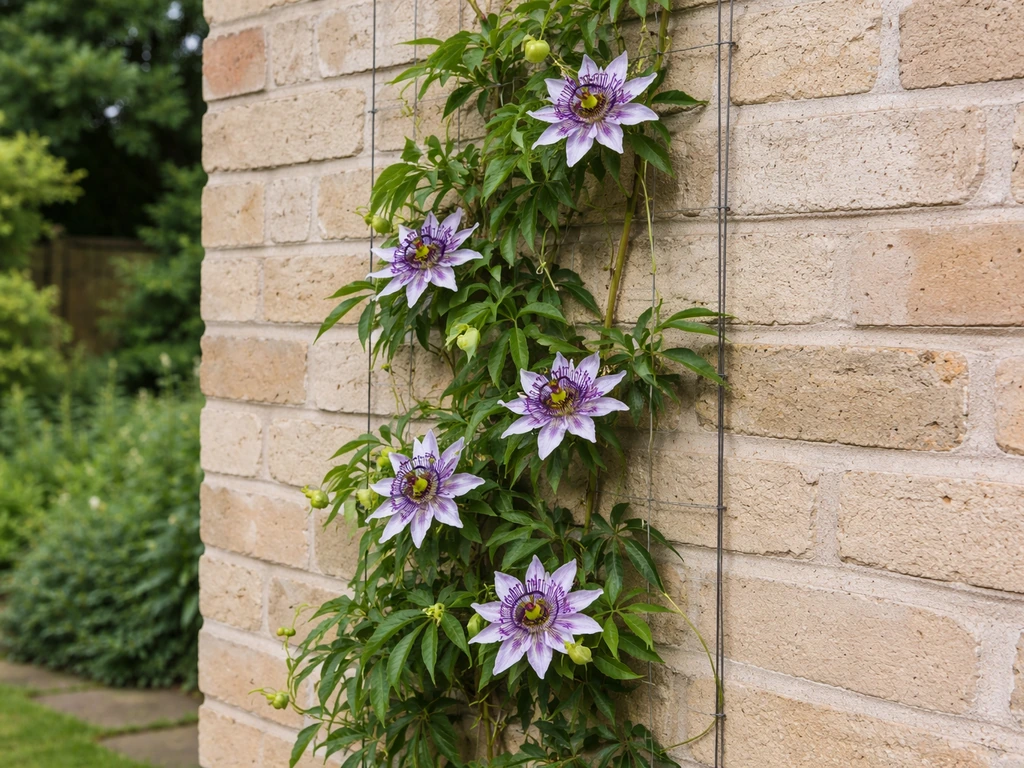
If you want a passion flower that will actually survive a UK winter outdoors, grow Passiflora caerulea. It's hardy down to around −15°C and is the one variety you can plant in the ground, train up a sunny wall, and leave to do its thing year after year. It produces those gorgeous blue-and-white flowers from summer through to autumn, followed by small orange fruits after a warm season. Every other passion flower species you'll see in garden centres (including the edible P. edulis) needs greenhouse or conservatory protection over winter, so unless you have that space, stick with caerulea to start.
How to Grow Passion Flower in the UK Step by Step

Marcus Holloway
21 Jun 2026
Choosing the right passion flower for the UK climate
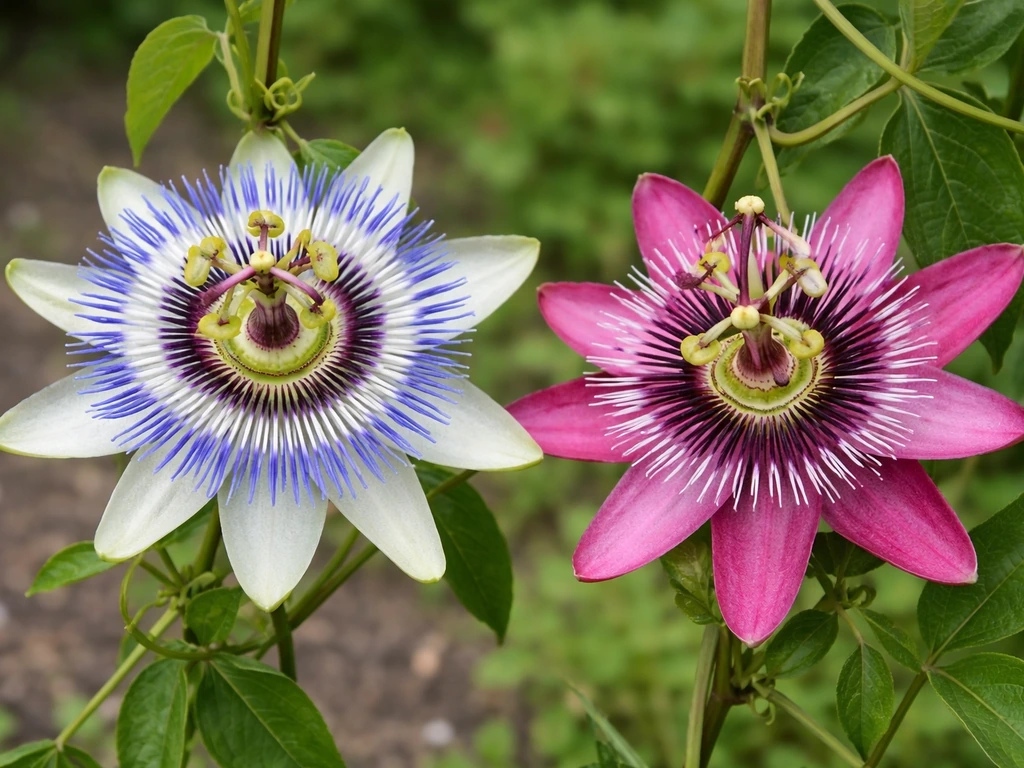
The RHS rates Passiflora caerulea as H6, which means it's hardy across all of the UK and northern Europe. That's a big deal in a country where winters can be unpredictable. Plant it in a sheltered south- or west-facing spot and it can handle temperatures down to around −10°C to −15°C without much fuss. Garden UK also notes that Passiflora caerulea can survive around −10°C when it is planted in a sheltered south- or west-facing position against a wall. Give it some fleece in a hard frost and the woody base will almost always bounce back even if the top growth gets hammered.
The edible passion fruit (P. edulis, the purple granadilla) is the one that produces the wrinkled purple fruit you buy in the supermarket. In the UK, it needs a minimum of around 10–16°C through winter, so it simply can't stay outside. You can grow it in a heated conservatory or greenhouse, but outdoors it won't survive a British winter.
If you're specifically after edible fruit, P. caerulea does produce small orange fruits after a hot UK summer, though they're mostly seeds with very little pulp. They're fine to eat but don't expect the supermarket experience. Maypop (Passiflora incarnata) is another edible option with more cold tolerance, but it's a different growing project entirely.
Maypop (Passiflora incarnata) also has its own approach, so if you're growing that variety, follow the steps specific to Maypop rather than those for Passiflora caerulea.
| Species | Hardy in UK outdoors? | Flowers | Fruit | Best for |
|---|---|---|---|---|
| P. caerulea | Yes (to −15°C) | Blue/white, summer–autumn | Small orange, bland pulp | Most UK gardeners, beginners |
| P. edulis | No (needs 10–16°C min) | White/purple | Edible passion fruit | Heated conservatory growers |
| P. incarnata (Maypop) | Partially (dies back, regrows) | Lavender | Edible 'maypops' | Those wanting edible fruit outdoors |
| Other tender species | No (needs 5–7°C min) | Various | Varies | Cool glasshouse/conservatory |
For the rest of this guide, the focus is on P. caerulea because it's what most UK gardeners can realistically grow outdoors with minimal fuss. Everything here applies to it specifically.
Best UK timing: sowing, planting, and when to pot up
Getting the timing right removes most of the guesswork. Here's how the year maps out for a UK grower: To grow passion flowers well, aim for the right species, provide a warm sunny site with support, and follow a simple schedule for sowing, planting, and overwintering.
| Month | Task |
|---|---|
| February–April | Sow seeds indoors on a warm windowsill or propagator |
| April–May | Pot up seedlings into individual pots once they have two true leaves |
| May (after last frost) | Move young plants outside to harden off gradually over 7–10 days |
| Late May–June | Plant out into the border or final container once frost risk has passed |
| June–September | Main growing and flowering season; feed and water regularly |
| October–November | Reduce watering, apply mulch, wrap stems with fleece in colder areas |
| November–February | Minimal watering, monitor for frost damage, leave top growth as insulation |
The key dates to remember: sow indoors from February, don't plant outside until late May, and don't cut anything back in autumn. That last point trips up a lot of people.
Seed vs young plant or cutting: how to start successfully
Growing from seed is completely doable but it does ask for patience. Starting from a young plant or cutting is faster and more reliable, especially for beginners. Here's an honest look at both routes. If you want the full step-by-step, including seed starting and early care, see the guide on how to grow pasque flowers.
Growing from seed
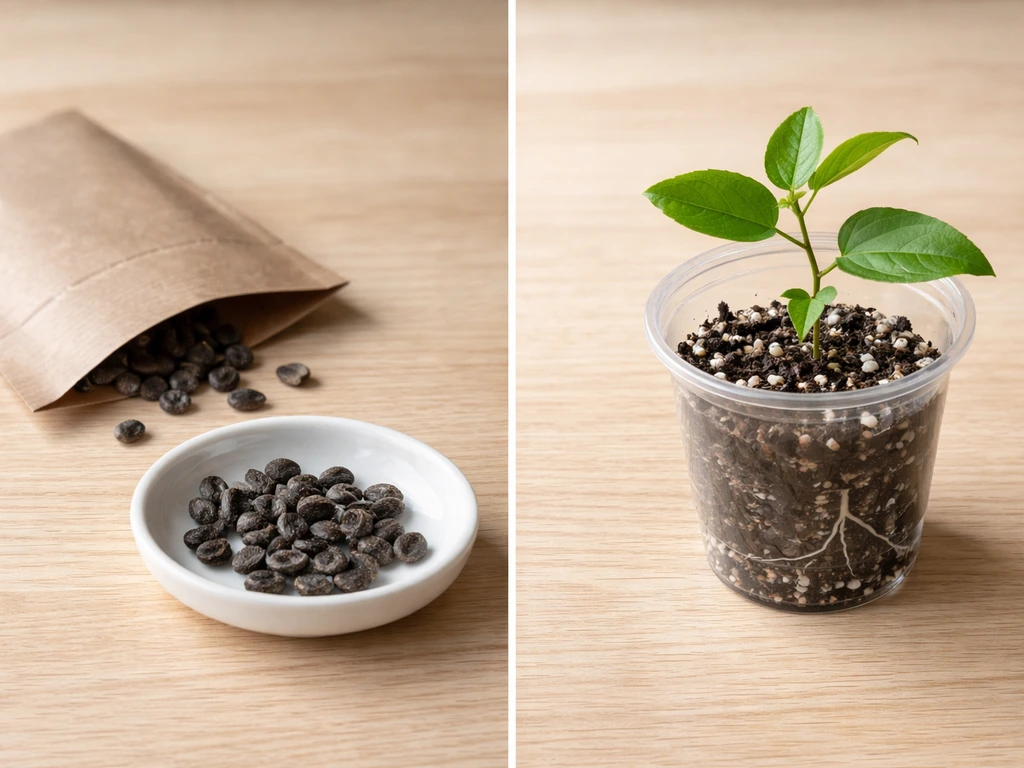
Passion flower seeds have a tough outer coat, so giving them a gentle scarification before sowing dramatically improves germination rates. Rub each seed lightly between two pieces of fine sandpaper for a few seconds, then soak in warm water overnight. Don't skip this step, it genuinely makes a difference.
- Fill small pots or a seed tray with fresh seed compost and water it well before sowing.
- Press one or two seeds about 5mm deep into each cell or pot.
- Cover with a thin layer of compost and place in a propagator or on a warm windowsill. Seeds need a consistent temperature of around 25–28°C to germinate reliably.
- Expect germination in 2–3 weeks at the right temperature, though some seeds can take longer. If your windowsill is cooler than 20°C, germination may be slow or patchy.
- Once seedlings have two true leaves, transplant carefully into individual 9cm pots using peat-free multipurpose compost.
- Grow on indoors until late May, hardening off outside over a week or two before planting in their final position.
One thing to know: seedlings raised from seed may not be identical to the parent plant. If you bought named variety seeds, the offspring can be variable. It's one of those honest quirks of growing passion flowers from seed. The RHS flags this too.
Starting from cuttings or young plants

This is the route I'd suggest for beginners. Semi-ripe cuttings taken in summer root easily and give you a plant identical to the parent. Take a 10–15cm shoot tip in July or August, remove the lower leaves, dip the cut end in hormone rooting powder, and push into a pot of gritty compost. Keep it in a warm, bright spot out of direct sun and it should root in 4–6 weeks.
Alternatively, buy a small plant from a garden centre or nursery in spring. Look for healthy, green growth and no sign of yellowing or root-bound pots. A decent-sized young plant will often flower in its first summer, whereas a seed-grown plant may take two years to get going.
Site, soil, and support setup
Where to plant it
Passion flower needs a sunny, sheltered position, and that's non-negotiable if you want it to flower well and survive UK winters. A south- or west-facing wall is ideal. The wall acts as a heat store, radiating warmth back to the plant overnight and keeping the microclimate a few degrees milder than open garden. Avoid north-facing spots and positions exposed to cold drying winds.
In the UK's colder regions (north England, Scotland, higher ground), a south-facing wall with good drainage underneath is essentially essential. In milder areas like the south coast, cities, and sheltered coastal gardens, P. caerulea is much more forgiving about position.
Soil preparation
Well-drained soil is the single most important thing to get right. To get the corky, robust growth you want on passion flowers, focus on good drainage, consistent watering in summer, and enough sun to drive healthy new shoots each season corky stem passion flower. Passion flower planted in waterlogged or heavy clay will struggle and may die over winter even if the frosts don't kill it.
If your soil holds water, dig in plenty of grit and organic matter before planting, or build up the planting area slightly to improve runoff. In containers, use a gritty, free-draining compost mix and make sure the pot has large drainage holes, terracotta pots work brilliantly because they allow the compost to dry out between waterings.
Setting up support
Passion flower climbs by tendrils, not by twining its whole stem, so it needs something for those tendrils to grip. Fix horizontal wires at roughly 30–40cm intervals across a wall or fence, or use trellis panels. For a pergola or arch, the natural framework gives plenty to cling to. Remember, P.
caerulea can reach up to 10m so give it room to grow. If you’re aiming to grow long stem flowers, give your passion flower plenty of space on sturdy support so the new growth can extend and bloom well how to grow long stem flowers. In the early stages, guide the main stems toward the support and loosely tie them in with soft string until the tendrils take hold.
Watering, feeding, and sunlight requirements
Passion flower wants full sun, at least six hours of direct sunlight daily during the growing season. In a UK summer, this usually means a south-facing position is doing the heavy lifting. Partial shade produces weaker flowering and slower growth.
Watering
For plants in the ground, water once a week during dry spells through summer. That's it, they don't need constant attention once established. In containers, water as soon as the surface of the compost looks dry. Container plants dry out faster and need more regular checking, especially during hot weather. In winter, reduce watering significantly for container plants to avoid root rot. The roots sitting in cold, wet compost through winter is one of the most common reasons passion flowers die in the UK.
Feeding
Container plants benefit from a liquid feed every 4–6 weeks from March through to October. A balanced feed works well, but switching to a tomato or high-potash feed from midsummer onward encourages more flowers rather than leafy growth. Plants in the ground in decent soil generally don't need feeding heavily, too much nitrogen pushes lush leaves at the expense of flowers.
Pruning and how to encourage flowering
This is where many UK growers go wrong, usually by cutting too much at the wrong time. Passion flower blooms on the current season's growth, so the goal is to build up a permanent woody framework and encourage fresh new shoots from it each year.
The most important rule: do not prune in autumn or winter. The old stems left on the plant provide frost protection for the woody base, and cutting them back before winter removes that buffer. Leave everything intact until spring.
In spring (March to April), once you can see where new growth is emerging, remove any stems that are clearly dead or damaged. If the plant suffered frost damage, cut those stems back to about 30cm above a healthy bud to stimulate new shoots from the base. In summer, you can lightly trim back any shoots that are getting out of hand or becoming tangled. Don't hard prune repeatedly, it weakens the plant and can sacrifice the next season's flowers.
To boost flowering, keep plants in full sun, feed with a high-potash feed from July, and don't over-fertilise with nitrogen. A slightly pot-bound container plant will often flower more freely than one in a huge pot with rich compost, passion flowers seem to respond to a bit of mild stress by flowering harder.
What about fruit?
P. caerulea produces small oval orange-yellow fruits in autumn after a warm summer. They're about 4–6cm long and technically edible, but the pulp is minimal and not particularly flavourful. Think of them as a bonus rather than a crop. If you want genuinely edible passion fruit outdoors, Maypop (P. incarnata) is worth exploring separately as it has reasonable cold tolerance and produces proper edible fruit from July to October. Maypop (Passiflora incarnata) develops edible “maypops” about 2, 3 months after flowering and is typically harvested around July to October produces proper edible fruit from July to October.
Overwintering and protecting passion flower in UK winters
P. caerulea is the hardiest passion flower you can grow outdoors in the UK, but that doesn't mean you should ignore it come November. The right winter care makes the difference between a plant that romps away in spring and one that sulks or dies back to the roots.
In the ground
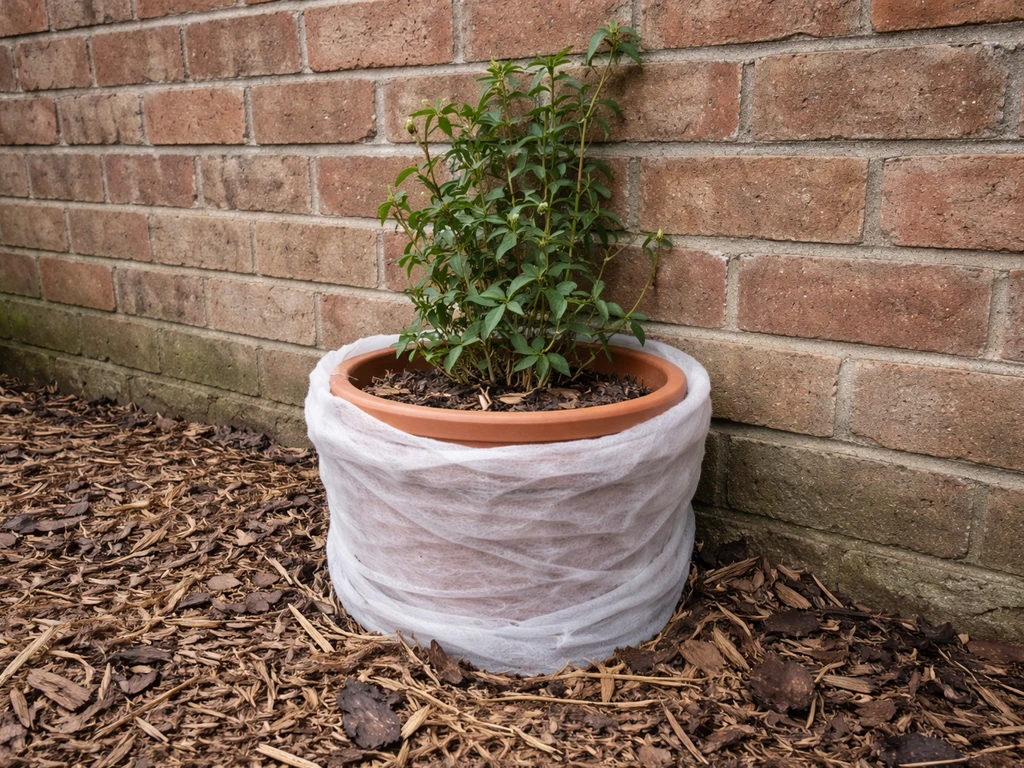
- In October, apply a thick mulch of bark chips, straw, or well-rotted compost around the base of the plant to insulate the roots. Aim for a 10–15cm layer.
- Leave the top growth in place — do not prune before winter. The old stems act as insulation and protect the woody framework.
- In areas with harsh winters (north of England, Scotland, exposed gardens), wrap the main stems loosely with two or three layers of horticultural fleece once temperatures drop near freezing. A heavier grade fleece gives around 2°C of additional frost protection.
- Check the plant periodically through winter but otherwise leave it alone.
In containers
Container plants are more vulnerable because their roots are exposed to frost on all sides rather than insulated by the ground. Move pots against a south-facing wall or into an unheated but sheltered porch, cold greenhouse, or mini-greenhouse. If you're leaving the pot outdoors, wrap the pot itself in bubble wrap or hessian, and reduce watering to almost nothing, just enough to stop the compost completely desiccating. Wet compost in a cold pot is far more damaging than cold dry compost. Tender species like P. edulis need to come into a heated space (minimum 10°C) for winter.
Don't panic if the top growth dies back over winter. As long as the woody base and roots survive (which they will if drainage is good and roots aren't frozen solid), the plant will send up new shoots in spring, often quite vigorously.
Troubleshooting: slow growth, no flowers, pests, and disease
Slow or weak growth
The most common cause is not enough sun. If your plant is in partial or full shade, move it or consider whether the position is salvageable. Cold, waterlogged soil will also stunt growth and can cause the roots to rot. If growth is slow in a container, check that the pot has adequate drainage and that you haven't been overwatering. New plants also take a full season to establish before they really get going, the old saying 'sleeps, creeps, leaps' applies here.
No flowers
- Too much shade: passion flower needs full sun to flower reliably.
- Too much nitrogen: over-feeding with a general fertiliser pushes leafy growth instead of flowers. Switch to a high-potash feed.
- Pruning at the wrong time: if you cut the plant back in autumn or early winter, you may have removed the flowering stems. Wait until spring for any pruning.
- Plant too young: seed-grown plants may take 2–3 years to flower for the first time.
- Too much root space: a large pot with rich compost can delay flowering. Slightly pot-bound plants often flower better.
Pests
The main pests to watch for are aphids, whitefly, scale insects, red spider mite, and mealybug. Outdoor plants in good health generally deal with most pest pressure on their own. Spider mites are the trickier one, they thrive in warm, dry conditions and are most problematic for plants kept in conservatories or greenhouses. Look for yellow speckling on the upper surface of leaves as an early sign, with fine webbing underneath. Mites can reduce flowering and cause premature leaf drop. Improve ventilation, increase humidity around the plant, and treat with an appropriate miticide or biological control if the problem escalates.
For aphids and whitefly, a strong blast of water or a neem oil spray deals with light infestations. Check new growth regularly in spring when soft new shoots are most vulnerable.
Root rot and waterlogging
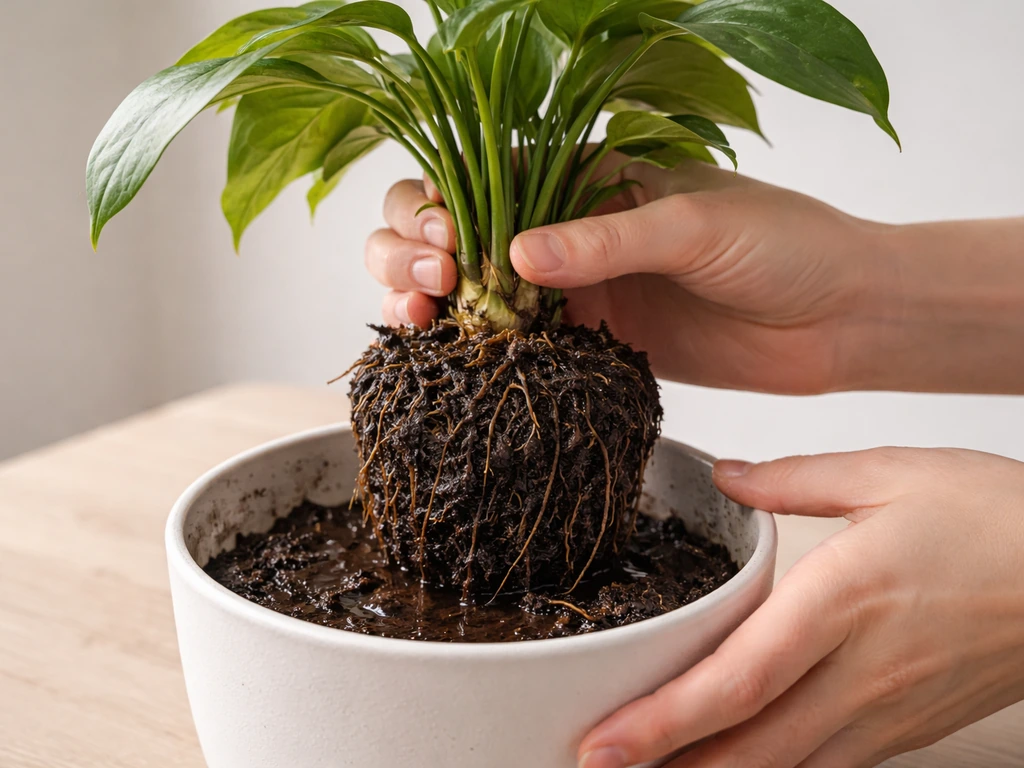
If stems start dying back in an otherwise healthy-looking plant, suspect root issues first. Check the soil or compost, if it's consistently wet and heavy, the roots are likely suffering. For container plants, tip the plant out and inspect the roots; healthy roots are white or cream, while rotten ones are brown, mushy, and smell unpleasant. Repot into fresh, gritty compost and reduce watering. For border plants in heavy soil, improving drainage is a longer-term project, but mulching with grit around the base and avoiding overwatering in autumn and winter helps considerably.
Frost damage
If shoots look blackened or collapsed after a hard frost, don't rush to cut everything off in a panic. Wait until April and then assess what's genuinely dead. Scratch the stem with a fingernail, if there's green underneath, it's alive. Cut back dead stems to about 30cm above a healthy visible bud, and the plant will often regenerate strongly from the woody base. Even plants that look completely dead above ground can re-shoot from the roots if the drainage was good and roots weren't frozen solid.
FAQ
Can I grow passion flower outdoors all year in the UK, or do I need to bring it in?
Passiflora caerulea can handle UK winters best when it is in the ground or in a very fast-draining container. If you are in a colder area, prioritize a south- or west-facing wall, add a fleece layer during hard frosts, and keep container plants almost dry over winter (water only to prevent the compost from fully drying out).
When should I start fertilising my passion flower in spring and what should I use?
Start feeding only once active growth begins (typically March), and switch from a balanced liquid feed to a higher-potash feed from midsummer onward if you are in a container. In the ground, avoid heavy feeding, excess nitrogen often creates lush leaves with fewer flowers.
Is it safe to plant passion flower in late spring if I’m growing from seed or cuttings?
Yes, but only if you can control winter conditions. Seedlings and rooted cuttings are often less established than bought plants, so they need extra shelter during their first winter, especially in containers, and should not be cut back in autumn.
What if my area still has frost after late May, when should I plant it outside?
Don’t judge readiness by the calendar alone. If the last frosts are still occurring where you live, delay outdoor planting, and wait until the plant is actively growing and the soil has warmed, late May is the usual UK target.
My passion flower looks dead after winter, how do I tell what to prune?
Use the scratch test. If the stem has green underneath the bark, it is alive and should not be cut immediately. Wait until spring (around March to April) to remove only clearly dead wood.
I scarified and soaked seeds, but they still won’t germinate, what am I doing wrong?
Scarification helps, but don’t overdo it, a few seconds of gentle rubbing is enough. Warm-soak overnight after scarifying improves germination, then keep sowing conditions warm and bright, cooler conditions slow germination.
If I grow passion flower from seed, will I get the same flowers as the parent plant?
If you want a predictable plant, avoid growing from seed. Seed-grown offspring can vary, semi-ripe cuttings taken in July or August usually produce an identical plant to the parent.
Can I grow passion flower up a vertical trellis instead of horizontal wires?
Yes, passion flower can be trained to a wall or fence, but it needs horizontal support for tendrils. Guide new shoots toward the framework, tie loosely early on, then stop tying once tendrils grab, to prevent girdling.
My passion flower is growing leaves but not flowering, what should I check first?
More sun is the biggest driver. If it flowers poorly, first check daily direct sunlight, six hours or more is the goal, then review nitrogen feeding, too much nitrogen can reduce flowering even if the plant looks healthy.
How much should I water my passion flower in winter in a pot?
Container overwatering in winter is a major cause of failure. Make sure the pot has large drainage holes, use a gritty compost, and reduce watering significantly from autumn, wet and cold compost damages roots.
When is the best time to repot passion flower in the UK?
Repotting is best in spring if the plant is struggling or the compost has broken down. If it is overwintering, avoid disturbing roots during cold months, and only move up one pot size at a time to reduce stress.
What is the best winter setup for passion flower in containers?
Yes, but treat it as a frost protection job, not a hard shelter. Wrap the pot for insulation, place it against a sheltered wall or in a porch or cold greenhouse, and keep the compost on the dry side, wet compost plus frost is the risk.
Will passion flower fruit in the UK be worth eating, and how can I maximise it?
You can, even though fruits are usually small and have minimal pulp. If you want a reliable eating harvest, note that P. caerulea fruits are more of a bonus after a very warm summer, Maypop is the outdoor option with more edible fruit.
How much should I prune during the growing season without losing next year’s flowers?
Aim for minimal, targeted pruning. In spring, remove only dead or damaged stems and cut frost-damaged wood back to about 30 cm above a healthy bud, in summer you can lightly tidy tangles, but avoid hard pruning.
How do I recognise and deal with red spider mite on passion flower?
If you see yellow speckling and fine webbing, it may be red spider mite, especially in warm, dry conditions. Increase humidity and improve ventilation, then treat with an appropriate miticide or biological control if it spreads.
What should I do if scale insects or mealybugs keep coming back?
Scale and mealybugs often stick to stems and leaf undersides, treatments usually require thorough coverage. For small infestations, manual removal can help, then follow up with the right soap or biological control as label guidance dictates.
Why is my passion flower dying from the base, even though I didn’t cut it back?
If stems collapse while the rest looks okay, inspect the roots first. In pots, tip it out and look for brown, mushy roots with an unpleasant smell, then repot into fresh gritty compost and reduce watering.
Can I relocate my passion flower if it’s in the wrong spot?
Yes, but do it when the plant is active, spring to early summer. Avoid moving the plant during cold periods, and keep it in a sheltered sun-warmed spot, transplant shock is slower recovery in winter.
Next Article
How to Grow Pasque Flowers From Seed: Step-by-Step
Step-by-step guide to grow pasque flowers from seed, including timing, soil, sowing, care, and early troubleshooting.