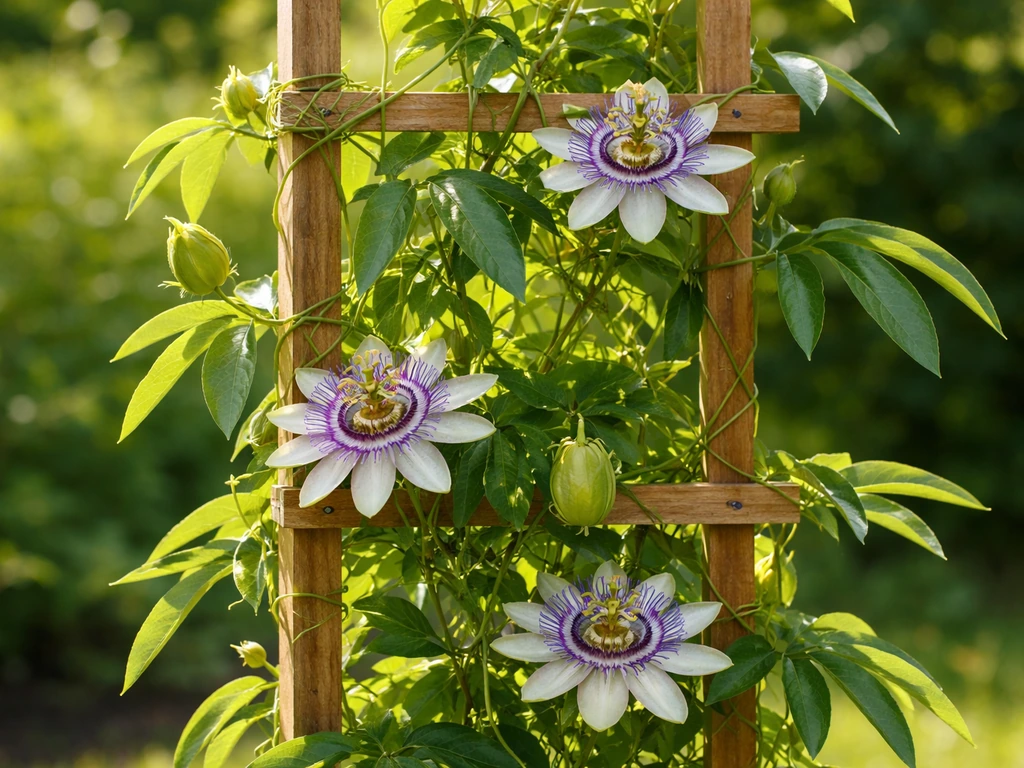
Pasque flowers (Pulsatilla vulgaris) grow best in full sun with very well-drained, slightly alkaline soil. Sow the seeds fresh on the surface of a gritty compost mix in early summer, keep them in a cold frame, and expect germination in about 2 to 3 weeks. Wisconsin Extension also notes that pasque flower can be propagated by seed and recommends growing it in well-drained soil in full sun. If you're starting with stored seed, cold stratification first makes a real difference. They're not the fastest flower to bloom from seed, but once established they're tough, beautiful, and almost zero maintenance. If you're also trying to grow corky stem passion flower, it helps to use a similar sun-and-drainage focused approach tailored to this species.
How to Grow Pasque Flowers From Seed: Step-by-Step

Marcus Holloway
12 Jun 2026
What pasque flowers actually are and what they need to thrive
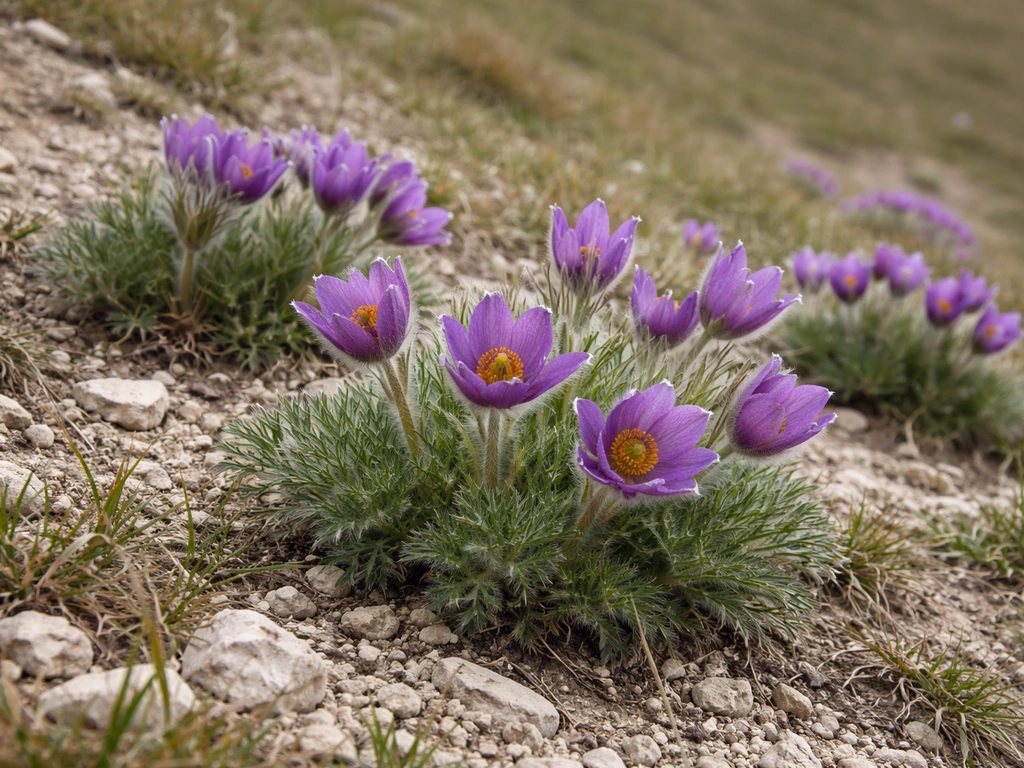
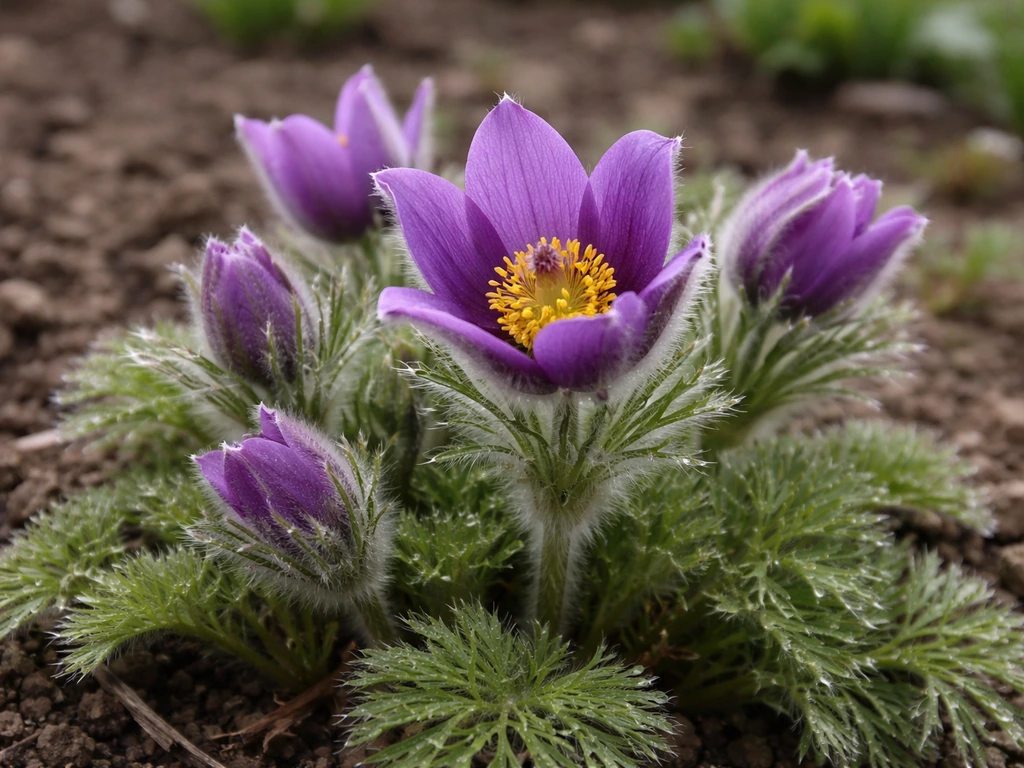
Pasque flower is a compact, clump-forming perennial native to chalky grasslands and rocky slopes across Europe. The Latin name is Pulsatilla vulgaris, and it typically blooms in early spring, usually starting in the first week of April when temperatures climb above around 12 to 15°C, peaking about 4 to 5 weeks later and sometimes continuing into June. The flowers are nodding and silky, in shades of purple, white, and red, followed by feathery seed heads that are just as ornamental.
In the wild, pasque flower grows in short, open turf where leaf litter and competing plants are kept low. That tells you a lot about what it wants in your garden: good light, excellent drainage, and no competition from aggressive plants or thick mulch. It's happiest in a rock garden, scree bed, or alpine trough, but a raised bed or a gritty border edge works just as well. It does not like wet feet, heavy shade, or being crowded out. Get those three things right and you're most of the way there.
Best time and location to plant pasque flowers
For sowing from seed, timing matters more than most people realize. The ideal window is early summer, right after the seed ripens on the plant. Fresh seed germinates reliably and quickly, roughly 2 to 3 weeks, because it hasn't had time to develop deep dormancy. If you're buying seed from a packet, it may already be several months old, and germination becomes slower and more erratic. That's when cold stratification helps (more on that below).
For the growing location, choose the sunniest spot you have. Full sun is the default, though partial shade is tolerated in hotter climates. If you are specifically growing passion flower in the UK, the location, soil, and watering needs will be a bit different, so it helps to follow a passion flower UK guide Full sun is the default. The key thing is drainage: pasque flower will rot in soggy ground, so if your soil is heavy or stays wet in winter, you need to either raise the bed or amend aggressively. A south or southwest-facing slope is ideal. It's also worth noting that this plant flowers most prolifically when it isn't smothered by taller plants or leaf litter, so don't tuck it somewhere it will get buried every autumn.
Preparing the soil before you sow
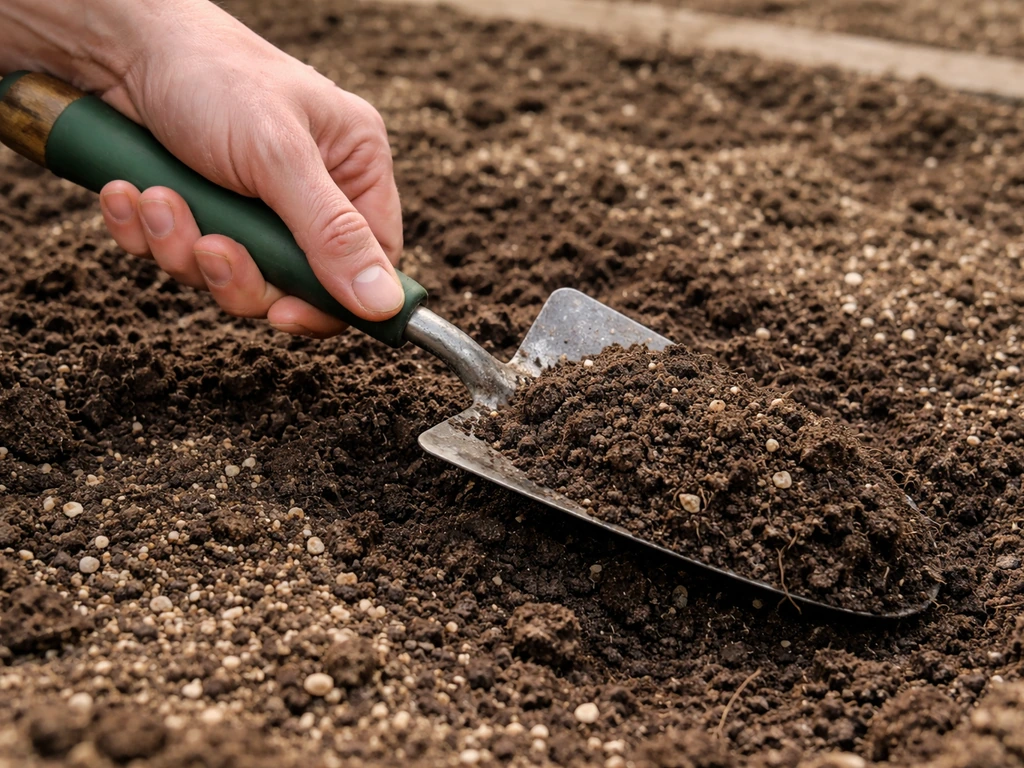
Pasque flower wants well-drained, neutral to slightly alkaline soil, ideally with a pH somewhere between 6.0 and 7.5. If you have naturally chalky or limestone-based soil, you're in luck. If your soil is acidic or clay-heavy, you'll need to do some work before planting out.
For outdoor beds, dig in a generous amount of coarse grit or horticultural sand to open up the drainage. Avoid adding rich organic compost in large amounts because this plant is used to lean, poor soil, and too much fertility encourages lush, floppy growth rather than the compact, floriferous habit you want. A handful of horticultural grit worked into the planting hole at transplant time is a good habit. If your soil is noticeably acidic, a light application of garden lime the season before planting will help shift the pH in the right direction.
For seed-sowing trays, mix a standard seed compost with extra perlite or grit at roughly a 50:50 ratio. This is important for two reasons: it prevents waterlogging around germinating seeds, and it dramatically reduces the risk of damping off, which is one of the main ways pasque flower seedlings die. Never use garden soil straight from the bed in trays as it introduces the very pathogens and moisture-retention problems that kill young seedlings.
How to grow pasque flowers from seed, step by step
The single most useful thing to know about pasque flower seed is that it needs light to germinate. That means surface sowing, not burying. Here's the full process:
- If using fresh seed collected in early summer, skip to step 3. If using stored or packet seed, cold-stratify first: mix the seeds with slightly damp vermiculite in a zip-lock bag, seal it, and put it in the fridge for 4 to 6 weeks before sowing.
- Fill a small pot or seed tray with a 50: 50 mix of seed compost and perlite or horticultural grit. Firm lightly and water it through, then let it drain completely.
- Scatter the seeds thinly on the surface of the compost. Do not cover them with compost. Seeds need light for germination, so surface sowing is non-negotiable.
- You can press them very lightly into the surface with your fingertip, or OVM Seeds describes this as 'surface sowing' with seeds pressed lightly into the mix, which is exactly right.
- Place the pot in a cold frame or an unheated greenhouse. Fresh seed sown in early summer should germinate in about 2 to 3 weeks. Stratified seed sown later may take anywhere from 2 to 3 weeks up to several months, so be patient.
- Keep the compost just barely moist. Water from below by standing the pot in a tray of water briefly, rather than watering over the top, to avoid washing seeds off the surface and to reduce fungal problems.
- Once seedlings appear, move them to a bright, ventilated spot. At this stage, air circulation is your friend.
One honest note on freshness: pasque flower has what's called a transient seed bank, meaning the seeds don't sit dormant in the soil for years. They germinate soon after dispersal or not at all. Old seed has noticeably poorer germination rates, so if you're collecting your own, sow it within a few weeks of harvest.
Caring for seedlings: watering, light, and dodging common problems
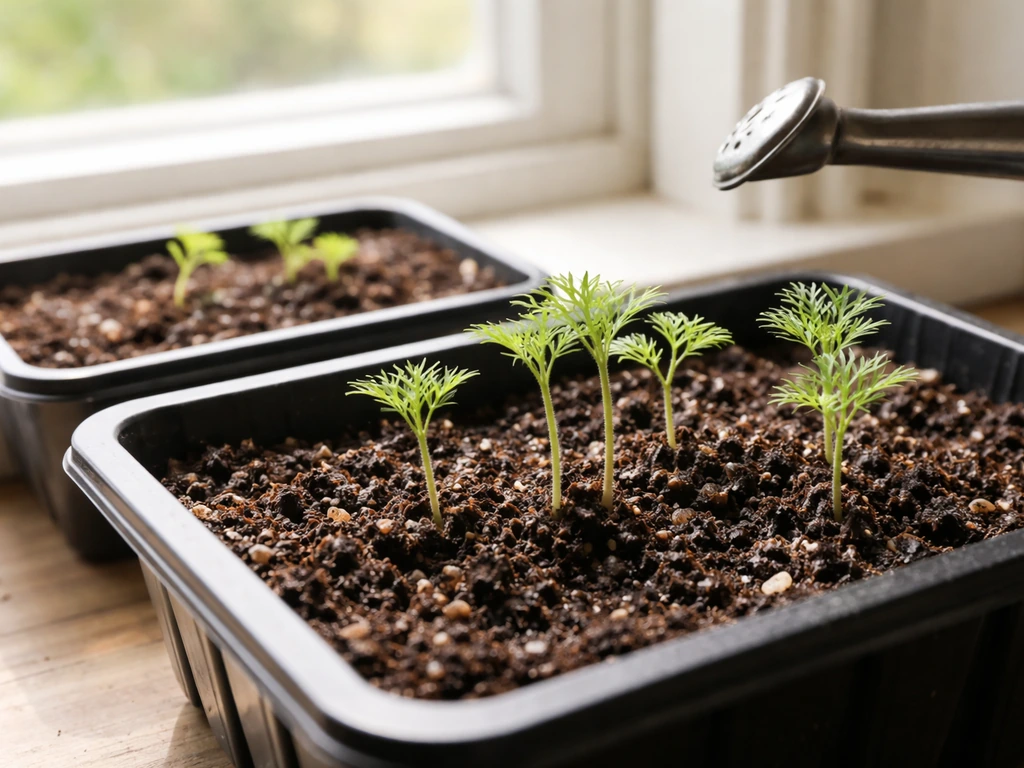
Young pasque flower seedlings are small and slow-growing, but they're not fragile if you avoid the main killers. The biggest threat at this stage is damping off, a fungal condition that rots the stem at soil level. It can take a healthy-looking seedling from wilting to dead in a single day, and it spreads fast once it starts. The good news is it's almost entirely preventable.
- Water sparingly and only when the compost surface starts to dry. Soggy compost is the primary cause of damping off.
- Never let water sit in the base tray for extended periods. Water briefly from below, then remove the pot after 20 minutes.
- Keep seedlings in a bright, airy spot. Poor airflow and low light both encourage the fungal conditions that cause damping off.
- Don't sow too densely. Crowded seedlings trap moisture and compete for light, which weakens them and makes infection more likely.
- If you notice a seedling suddenly flopping and browning at the base, remove it immediately along with the surrounding compost to stop it spreading to neighbors.
- Avoid using garden soil in trays as it introduces pathogens that seed compost does not contain.
One thing that trips people up: if seedlings fail to emerge at all, it's easy to assume the seeds were bad. But damping off can actually kill seeds before they even break the surface, so what looks like poor germination may in fact be early fungal rot. A fresh gritty mix and good drainage from the start prevents both outcomes.
For light, pasque flower seedlings want as much as they can get. A sunny windowsill works if you're indoors, but a cold frame outdoors usually produces stockier, healthier seedlings than indoor conditions. Leggy seedlings that stretch toward the light are a sign they need more sun, not more warmth. If you're growing indoors, a position within a few centimetres of a south-facing window or under grow lights for 14 to 16 hours a day keeps growth compact.
Transplanting, spacing, and settling plants into their permanent spot
Pasque flower develops a taproot relatively early, which means the longer you leave seedlings in small cells or pots, the more root disturbance you risk when transplanting. Pot them on individually into 9cm pots once they're large enough to handle, roughly when you see 2 to 3 true leaves, and grow them on in those until autumn or the following spring before planting out.
When it's time to plant out, handle the root ball carefully and avoid disturbing the taproot. Plant at the same depth as the seedling was in the pot, firm gently, and water in. Space plants around 30cm apart to give them room without leaving so much bare soil that weeds take over. Pasque flower doesn't like competition, but it also doesn't need dense planting to look good.
For the first few weeks after transplanting, keep an eye on the plant for signs of transplant shock: wilting despite adequate moisture, leaf drop, or sudden yellowing. If you see any of these, give the plant some light shade for a few days and make sure the soil around it is moist but not wet. Most plants recover within two to three weeks once the root system re-establishes. Avoid fertilizing during this period as it pushes top growth before the roots are ready to support it.
What to expect in the first season and when flowers will actually appear
Here's where I want to set realistic expectations: pasque flower grown from seed is not going to bloom in year one. It usually takes two to three years from seed for plants to flower reliably. That's not a failure, it's just the nature of the plant. In the first season, you'll see the plant put its energy into root development and producing its ferny, silky foliage. That's a good sign, not a problem.
Flowering in established plants begins when spring temperatures climb consistently above 12 to 15°C, typically around early April. It peaks about 4 to 5 weeks after the first flowers open and can continue into late June depending on your climate and conditions. If your young plants are growing vigorously but not flowering, they likely just need more time. A plant that hasn't bloomed in year two is common and normal, particularly if the season was cold or if the plant spent year one getting over transplant stress.
If growth is slow across the board, check whether competition from surrounding plants is an issue. In their natural habitat, pasque flowers grow where grass and leaf litter are kept in check. In the garden, nearby vigorous plants can easily outcompete them. Clear any encroaching growth, remove autumn leaf litter from around the crown, and make sure they're getting full sun rather than partial shade crept in as neighboring shrubs have grown.
A quick comparison: fresh seed vs. stratified stored seed
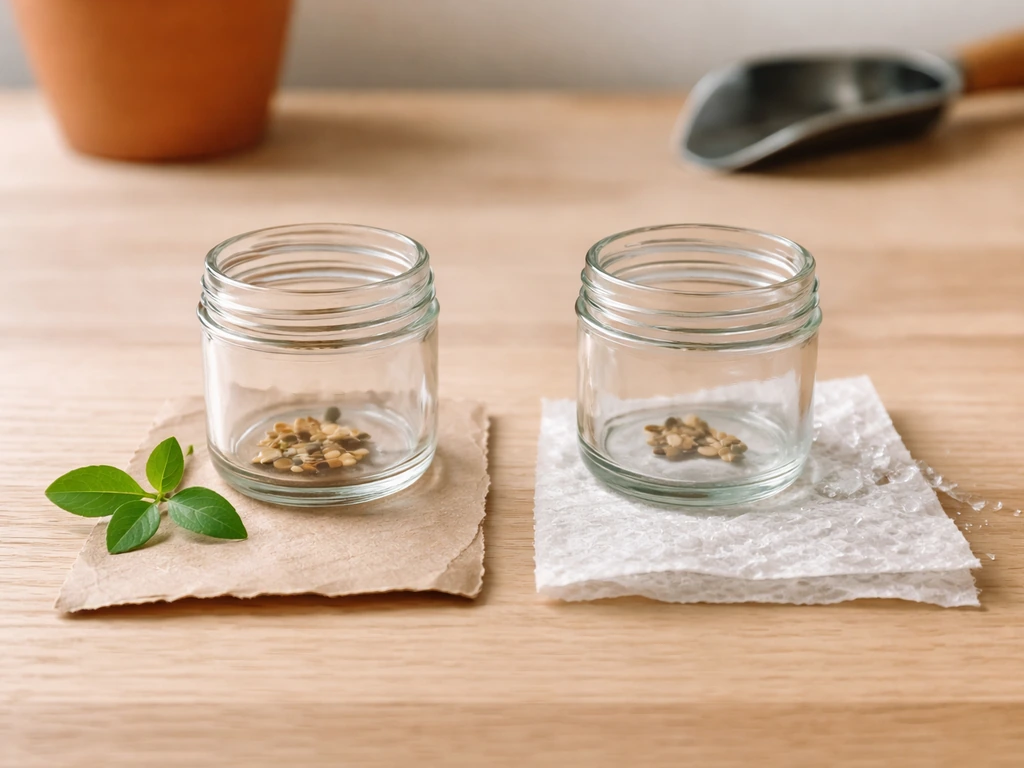
| Factor | Fresh seed (sown in early summer) | Stored/packet seed (with cold stratification) |
|---|---|---|
| Best sowing time | Early summer, right after harvest | Late winter to early spring, after 4–6 weeks in fridge |
| Expected germination | 2–3 weeks | 2–3 weeks to several months |
| Germination reliability | High | Moderate to variable |
| Cold treatment needed | Usually not | Yes, cold stratification strongly recommended |
| Ease for beginners | Easiest | Manageable with preparation |
| Where to source | Collect from a flowering plant | Garden centres, seed suppliers |
If you can get fresh seed, use it. If you're working with packet seed, stratify it and don't be discouraged by slow or patchy germination. Both routes work, and either way you'll end up with a long-lived, low-maintenance perennial that comes back every spring for years. If you want a similar late-spring climber with bold blooms, learning how to grow maypop passion flower can be a great next step pasque flower. To get the best results with long stems, focus on the same basics: full sun, sharp drainage, and minimal competition so the plants can put energy into strong flowering growth long-lived, low-maintenance perennial. If you're also interested in growing passion flowers, the key is getting the right sun, soil, and support for vigorous climbing growth how to grow passion flowers.
FAQ
Why are my pasque flower seeds not coming up, even though I surface-sowed them?
If nothing emerges, it can be early damping off rather than bad seed. Confirm you used a gritty perlite-or-grit seed mix, kept the surface from staying constantly wet, and maintained drainage. Also remember old packet seed can be patchy, so consider testing with a few seeds in separate trays before committing to the whole sowing batch.
Do pasque flower seeds need darkness, or is light really required?
They need light. Even a thin covering of compost or grit can reduce germination. Keep the seeds visible, mist lightly if needed, and avoid burying them when transplanting or covering trays for protection.
How cold should the stratification be for stored pasque flower seed?
Use cold stratification at around refrigerator temperatures (roughly 1 to 5°C) for several weeks, then move to conditions that match your early-summer sowing window. The goal is to break dormancy in stored seed, not to keep them freezing for months.
Can I start pasque flowers in a warm place indoors to speed things up?
Warm indoors often leads to leggy growth and can increase the risk of damping off if the mix stays too wet. If you do start indoors, give intense light (near a bright south window or under lights) and keep watering conservative, then move them into a cold frame for sturdier seedlings.
What watering routine prevents damping off without letting seedlings dry out?
Water from the bottom or apply only small amounts so the surface stays lightly moist, not wet. With a gritty 50:50 mix, the surface should not form a standing-sog layer. If you see seedlings collapsing at the stem base, pause watering and improve airflow and drainage.
When should I transplant, and what if the taproot seems long already?
Pot them on once they have about 2 to 3 true leaves and are large enough to handle. Avoid waiting too long in small cells because the taproot develops early, and late transplanting increases root disturbance, which can delay growth and flowering.
How deep should I plant pasque flower transplants in the garden?
Match the planting depth to what they were in the pot, keep the crown at the same level, and firm gently. Planting deeper can trap moisture around the crown, and pasque flowers are prone to rotting in wet conditions.
My pasque flowers are growing but not flowering. Could it be soil or spacing?
More often it is age. From seed, reliable flowering commonly takes 2 to 3 years. Still, check that plants have full sun, are not surrounded by taller competitors, and are in lean, gritty conditions, since rich fertility and heavy shade can reduce the compact flowering habit.
Can I fertilize pasque flowers at any point?
Avoid fertilizing right after transplanting, since it encourages top growth before roots re-establish. After plants are established, keep feeding minimal, because excessive fertility can produce lush foliage with fewer, less showy blooms. If leaves look very vigorous and floppy, skip fertilizer for the season.
What’s the best way to prevent weeds around young pasque plants?
Use lean, low-mulch conditions and remove weeds early by hand. Bare soil can invite weed pressure, but thick mulch can smother the crown and keep moisture too high. Aim for minimal competition, steady drainage, and light debris removal in autumn.
Do pasque flowers survive winter if they’re newly planted?
They can, but winter wet is the risk. For new plants, prioritize drainage and avoid waterlogged soil around the crown. If your area stays damp in winter, raising the bed or adding coarse grit in the planting zone helps reduce rot compared with relying on ground-level planting.
Next Article
How to Grow Passion Flowers: Step-by-Step Vine Guide
Step-by-step how to grow passion flowers and train a thriving Passiflora vine with soil, sun, watering, pruning and fixe