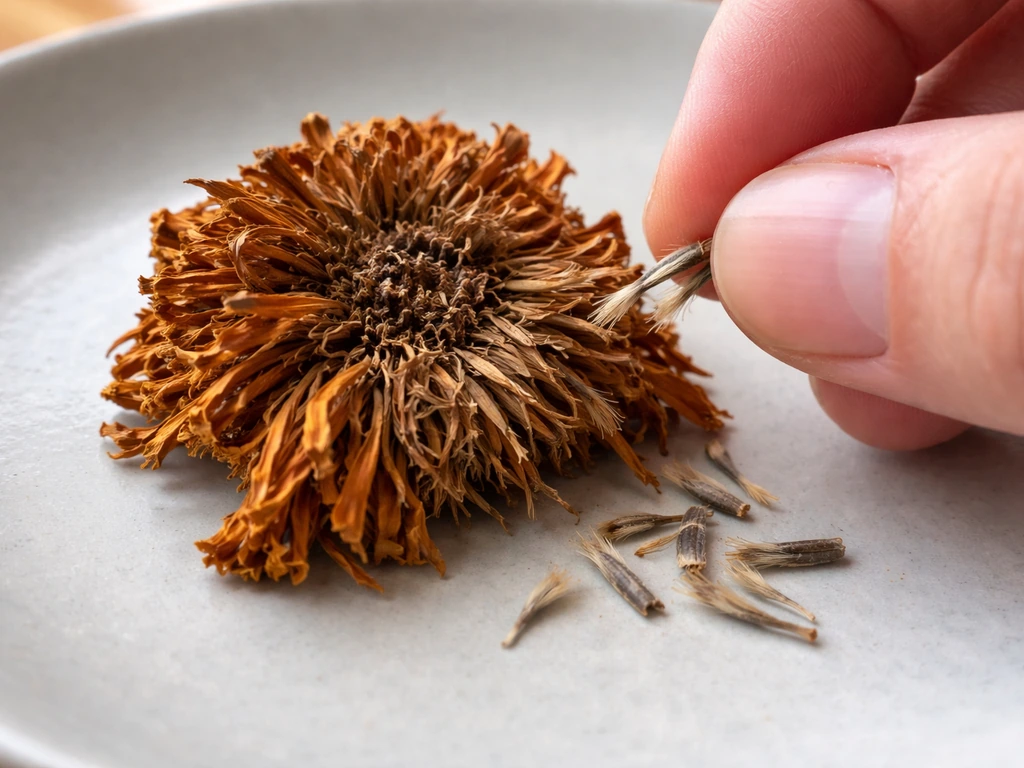
Loose petals alone won't grow a marigold. Petals don't carry the rooting tissue needed to sprout a new plant, so if you pulled some petals off a marigold and hoped to tuck them in soil and watch them grow, that method isn't going to work. What you actually want are the seeds hiding inside the dried flower head, or a stem cutting with a node attached. Either of those gives you a real shot at a new plant. This guide covers why petals fall short, what to do instead, and exactly how to get marigolds growing reliably, whether you're starting today or planning for next season.
How to Grow Marigold From Petals: What Works and What Fails

Marcus Holloway
25 Jun 2026
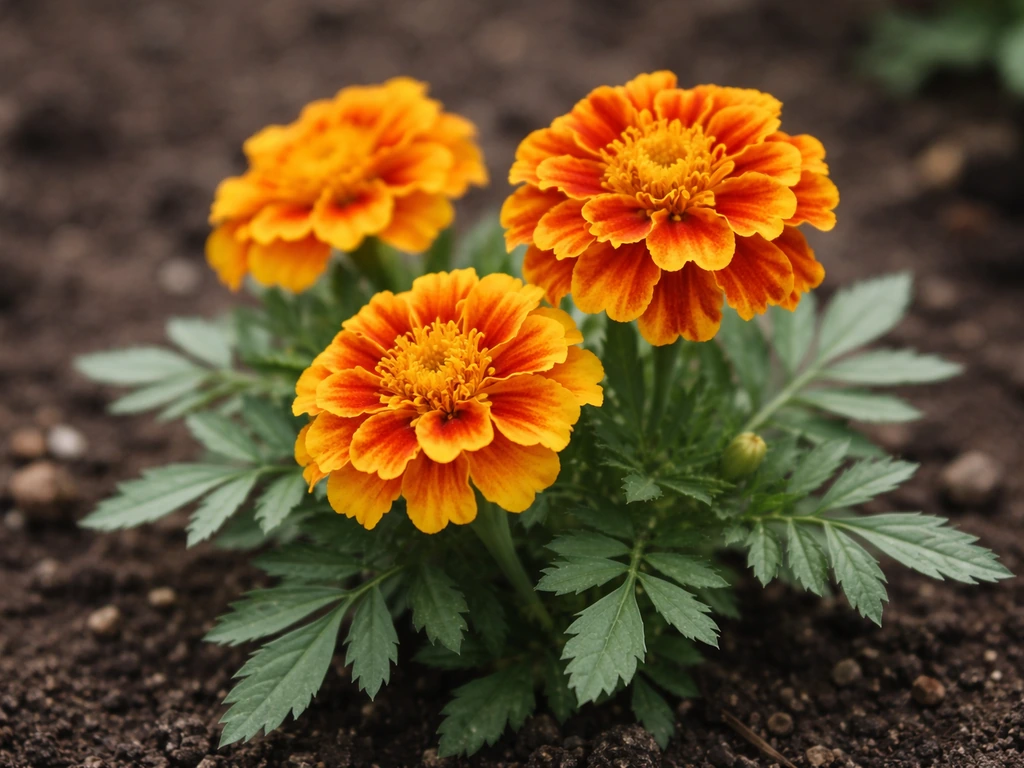
Reality check: can you actually grow marigolds from petals?
The honest answer is no, not reliably, and understanding why saves you a lot of frustration. A petal is basically a display structure. Its job is to attract pollinators, not to reproduce the plant. Unlike a stem, a petal has no nodes, no meristematic tissue (the cells responsible for generating roots), and no vascular bundle capable of pushing out new growth. Drop a petal in moist soil and it will simply decompose.
This is different from how marigolds actually spread in nature. When a marigold flower dies and dries on the plant, the base of the flower head develops into a cluster of seeds. Those seeds, each one a slender, elongated structure with a little tuft at the end, are what carry the genetic blueprint for a new plant. The petals are just packaging. Once you know that, the whole propagation picture gets a lot clearer.
Marigolds (Tagetes erecta and the French types) are propagated by seed in virtually every commercial and home garden setting. The National Horticulture Board describes them as germinating easily and producing vigorous plants, which is why seed is both the standard and the best beginner approach. Vegetative propagation via stem cuttings is technically possible but rarely done because seeds are so fast and cheap. Vegetative propagation from stem cuttings is technically achievable for marigolds (Tagetes erecta), but it is not commonly practiced because seed is rapid and economical blank" rel="noopener noreferrer">Vegetative propagation via stem cuttings is technically possible but rarely done because seeds are so fast and cheap..
Best alternatives if you want to propagate marigolds
You have two real options: seeds or stem cuttings. Seeds are the easy, reliable route. Cuttings are a fun experiment if you already have a plant you love and want to clone it exactly.
Seeds (the right method for almost everyone)
Marigold seeds germinate in 4 to 7 days under warm conditions, and seedlings are typically ready to transplant outdoors within 6 to 8 weeks. You can harvest seeds from your own spent flower heads for free, or buy a packet for under two dollars. Either way, you're set up for dozens of plants with almost no effort. If you want to explore this route more deeply, growing marigolds from dried flowers is essentially the same process, just using seed you've collected yourself.
Stem cuttings (the clone route)
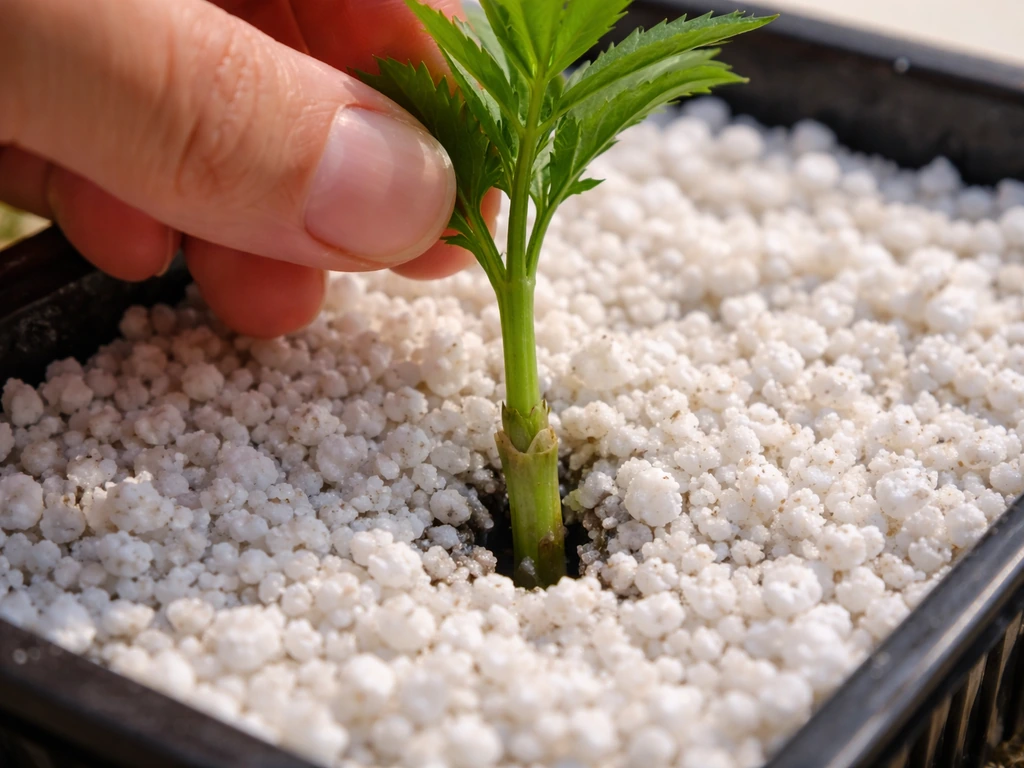
If you have a specific marigold you want to duplicate, a stem cutting can work. You need a healthy, non-flowering stem about 4 to 6 inches long, cut just below a node (a leaf joint). Strip off the lower leaves, leaving two or three sets at the top, and place the cutting in water or moist perlite.
Some gardeners on Reddit have reported success rooting marigold cuttings in water without rooting hormone, though success depends heavily on keeping the environment warm and humid. Cuttings root in roughly 2 to 3 weeks. It's more hands-on than seed starting, but it's the one vegetative method that actually works. Stem cuttings let you clone a specific marigold, which is the other reliable way to propagate marigolds besides seed propagation via stem cuttings.
| Method | Success Rate | Time to Plant | Cost | Best For |
|---|---|---|---|---|
| Seed (purchased or saved) | Very high | 6 to 8 weeks indoors | Very low | Most home gardeners |
| Stem cutting | Moderate | 3 to 4 weeks to root | Free if you have a plant | Cloning a favourite variety |
| Loose petals | Essentially zero | N/A | Free but wasted effort | Not recommended |
Materials and setup before you start
Getting the basics right before you sow saves you from most of the common failures. Here's what you need.
- Containers: small cell trays (72-cell or 50-cell work great), biodegradable pots, or recycled yogurt cups with drainage holes punched in the bottom.
- Soil: a lightweight seed-starting mix, not regular potting soil or garden soil. Seed-starting mix drains well and has the right airy texture for young roots. Don't reuse old potting soil from last year as it can harbour fungal spores.
- Light: a south-facing windowsill works if it gets 6 or more hours of direct sun, but a simple grow light set 2 to 3 inches above seedlings for 14 to 16 hours a day is more reliable indoors.
- Water: a spray bottle or a watering can with a fine rose head. Marigold seedlings are vulnerable to heavy watering that disturbs the soil surface.
- Warmth: soil temperature between 70 and 75 degrees Fahrenheit (21 to 24 degrees Celsius) triggers fast, even germination. A seedling heat mat makes this easy.
- Optional: a clear plastic dome or plastic wrap to create humidity during germination.
The petal experiment: what to try if you still want to test it
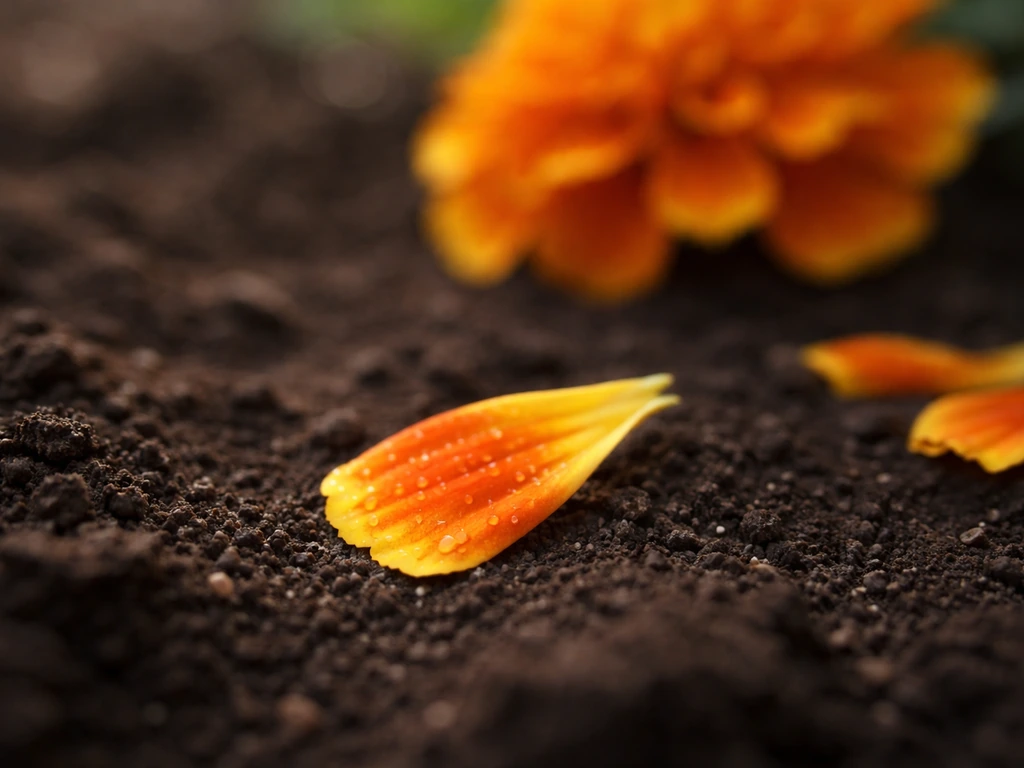
I want to be straight with you: this section describes an experimental, low-probability attempt. If success is your priority, skip to the seed-starting steps below. But if you're curious and want to try everything before giving up on petals, here's the most logical approach to give it whatever slim chance it has.
The idea behind any petal propagation attempt is to mimic a cutting as closely as possible, which means you want petals that still have a bit of the fleshy base attached, specifically the receptacle tissue at the very bottom of the petal where it was attached to the flower head. Pure soft petal tissue is useless. The tiny bit of firmer tissue at the base is where any remote possibility of cell activity would live.
- Timing: do this in late spring or early summer (late May through June) when warmth supports any possible cell activity.
- Choose petals carefully: select petals from a fresh, recently opened marigold, not a dried or wilted one. You want the firmest petals you can find, ideally with a small sliver of the green base tissue still attached.
- Prep the petal: use clean scissors to trim away any bruised or limp tissue. Handle gently to avoid bruising.
- Propagation medium: fill a small pot with a 50/50 mix of perlite and coconut coir, moistened but not soggy. This provides aeration and just enough moisture.
- Insert: press the base end of the petal about half an inch into the medium. Don't bury it deeper.
- Humidity dome: cover with a clear plastic bag or propagation dome to keep humidity high. Keep out of direct sun to prevent overheating.
- Wait and watch: check every few days for rot. Remove any petal that turns brown or mushy immediately. After 3 to 4 weeks, gently tug the petal. If there is any resistance, something is happening. If it pulls out freely with no root tissue visible, it hasn't worked.
- Realistic expectation: the overwhelming majority of these attempts will fail. Treat it as a curiosity, not a plan.
How to grow marigolds from seed, step by step
This is the method that actually works, and it's genuinely easy. Marigolds are one of the most beginner-friendly flowers you can start from seed.
- Time your sowing: start seeds indoors 6 to 8 weeks before your last expected frost date. For most of the US, that puts indoor sowing between late February and early April. Since today is late June 2026, you can sow directly outdoors right now in most zones, or start indoors for a late-summer to fall flush.
- Fill your containers: fill cell trays or small pots with damp seed-starting mix to within a quarter inch of the rim.
- Sow the seeds: place one or two marigold seeds per cell, pressing them lightly into the surface. Cover with about a quarter inch of seed-starting mix. Marigold seeds are large enough to handle easily.
- Water gently: mist the surface with a spray bottle until evenly moist. Avoid saturating the mix.
- Apply warmth: place the tray on a heat mat set to 70 to 75 degrees Fahrenheit, or find the warmest spot in your home. Cover with a humidity dome.
- Watch for germination: sprouts typically appear in 4 to 7 days. Once you see seedlings emerging, remove the humidity dome.
- Provide light immediately: move seedlings under a grow light or to your sunniest window. If using a grow light, keep it 2 to 3 inches above the seedling tops and run it 14 to 16 hours a day.
- Thin to one seedling per cell: once seedlings have their first true leaves (the second set of leaves after the initial seed leaves), snip out the weaker seedling with scissors if two sprouted in the same cell.
- Water from below when possible: pour water into the tray and let the mix absorb it from the bottom. This encourages deep rooting and reduces the risk of fungal issues at the soil surface.
Aftercare and moving your marigolds outdoors
Once seedlings have two or three sets of true leaves and outdoor temperatures are consistently above 50 degrees Fahrenheit at night, it's time to think about transplanting. But don't rush them from a cozy indoor setup straight into full outdoor sun. That's called transplant shock, and it sets plants back by weeks.
Harden off your seedlings over 7 to 10 days. Start by setting them outside in a sheltered, partly shaded spot for 1 to 2 hours on the first day. Gradually increase their outdoor time and sun exposure each day until they're spending a full day outside in direct sun. Then they're ready to plant.
When transplanting, dig a hole slightly larger than the root ball. Plant at the same depth the seedling was growing in its pot. Space African marigolds (the tall types) 12 to 18 inches apart. French marigolds can go 6 to 9 inches apart. Water in well after planting.
Once established, marigolds are tough. They prefer full sun (at least 6 hours daily) and tolerate dry spells better than soggy soil. Water at the base of the plant, not overhead, to reduce the chance of foliar disease. Deadheading spent flowers (pinching or snipping them off as they fade) keeps plants blooming vigorously through summer and into fall.
Troubleshooting when things go wrong
No germination after 10 days
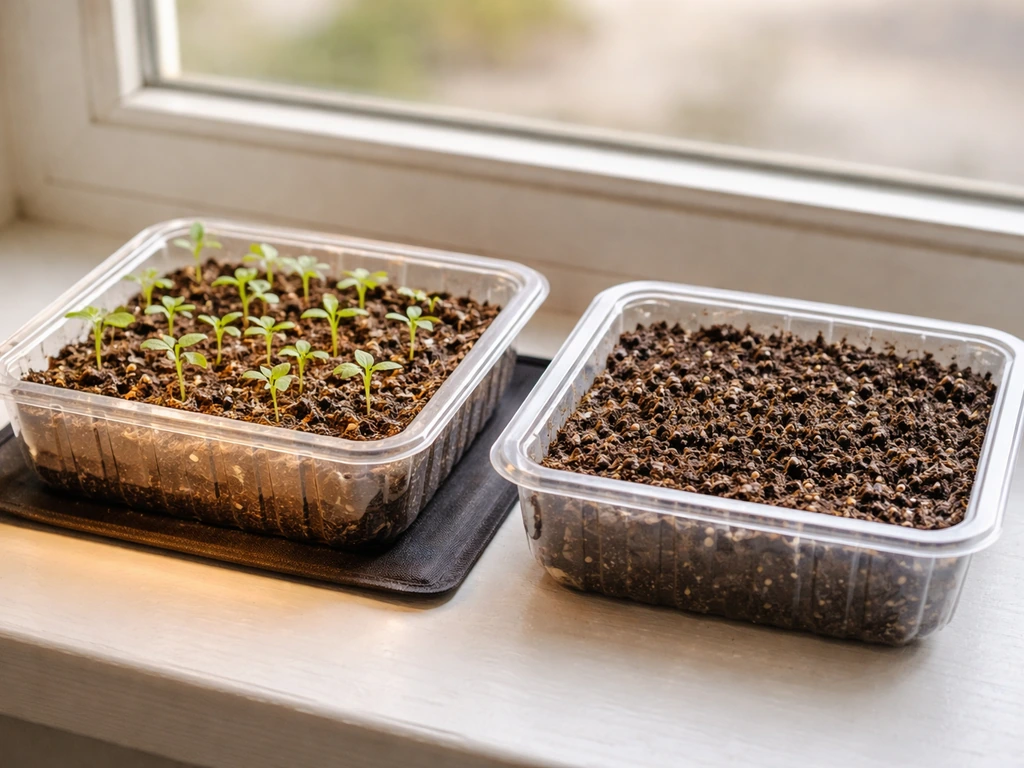
The most common culprit is cold soil. Marigolds need warmth to germinate. If your room is below 65 degrees Fahrenheit, germination slows dramatically or stalls. A heat mat fixes this quickly. Old seed can also be the issue: marigold seed viability drops after 2 to 3 years, so use fresh seed when possible.
Damping off (seedlings collapse at the base)
This is a fungal problem caused by overwatering and poor air circulation. The seedling looks healthy one day and is pinched off at the soil line the next. Prevent it by using fresh, sterile seed-starting mix, watering from below rather than overhead, and running a small fan near your seedling tray for a few hours a day to circulate air.
Leggy, stretched seedlings
Legginess means the seedlings are reaching toward light they're not getting enough of. Move them closer to a grow light, or ensure the light is running long enough each day. You can also bury leggy seedlings a little deeper when transplanting, which encourages additional root growth along the buried stem.
Transplant shock (wilting after moving outdoors)
If you skipped or rushed the hardening-off process, wilting is the result. Shade the plants for a few days using a piece of shade cloth or even an upturned laundry basket, water consistently, and give them time. Most marigolds recover within a week if they've been properly watered.
Rot during a petal or cutting attempt
Rot almost always means the propagation medium is staying too wet. Back off on watering, improve drainage in your mix (add more perlite), and make sure the humidity dome isn't trapping stagnant air. Briefly lifting the dome for 10 minutes a day helps prevent rot without crashing the humidity.
How to plan for a full season of marigold blooms next year
If you're reading this in late June 2026, you still have time for a late-summer flush by direct sowing outdoors right now. Marigolds sown directly in the ground in late June will bloom by August and keep going until frost. Just rake the soil surface loose, scatter seeds, cover lightly, and water. They'll surprise you with how fast they take off.
For a full season of blooms starting next year, mark your calendar to start seeds indoors in late February or early March. That 6 to 8 week head start means you'll have transplant-ready plants the moment frost risk passes in your area. You can even practice succession sowing, starting a second batch 3 to 4 weeks after the first, to keep fresh plants coming all season.
To save money and close the loop on the whole petal question: let a few marigold flowers fully dry on the plant at the end of this season. Pull the dried heads apart and you'll find the seeds inside. Store them in a paper envelope in a cool, dry spot over winter. Those saved seeds are what you sow next February. It's completely free, and you'll never need to buy a packet again.
Marigolds reward even the least experienced gardener with fast results and almost nonstop colour. Once you see how quickly a seed becomes a blooming plant, the temptation to experiment with petals will probably feel much less urgent. If you want a visual walkthrough like in how to grow marigolds from seed youtube, stick with seeds instead of trying petals, since the seed route is far more reliable. Stick with seeds and you're nearly guaranteed success.
FAQ
Can I propagate marigolds from petals if I include a bit of the flower-head base? (Not just the loose petal)
Yes, but only indirectly. Petals may contain bits of plant tissue, and if you press a petal fragment that still has firm base tissue (receptacle) into moist sterile mix you might get rare outcomes, but it is not comparable to using seeds or stem cuttings, and most attempts fail due to lack of rooting tissue.
What’s the best way to store marigold seeds so they still sprout next season?
Marigold seed stays viable best when stored cool and dry. Paper envelopes work well, and you can further protect seeds by keeping them in an airtight container in a consistently cool location. Avoid humid basements and refrigerators that cycle moisture.
My marigold seeds won’t germinate, what should I change first: water, soil, or temperature?
Warm conditions are the key lever. If your seed-starting area is cool, use a heat mat under the seed tray, aim for steady warmth, and keep the mix lightly moist but not soggy. Consistent warmth is often more important than adding extra watering.
How deep should marigold seeds be planted when starting indoors or sowing outdoors?
Use the same depth as the seed’s original planting level in the pot, and avoid burying too deep. Very small seeds can struggle if covered heavily, and seedlings can take longer to break through. A light cover is enough, especially for direct sowing.
Why are my marigold seedlings growing slowly, and should I fertilize?
If seedlings look upright but growth is slow, check light intensity and daily duration before you add fertilizer. Marigolds can sit and stall when light is weak, even if temperature is fine. Once true leaves appear, a mild balanced fertilizer can help, but light corrections usually fix the issue first.
What watering routine helps prevent damping-off and rot in marigolds?
For best results with seedlings, water the base and let the surface start to dry slightly between waterings. Overhead watering increases humidity on foliage and can worsen damping-off. Also keep airflow steady, a small fan near the tray for part of the day is enough.
Do I need different spacing for African marigolds versus French marigolds, and what happens if I crowd them?
African marigolds (tall types) and French marigolds differ mainly in final size, so spacing changes. If you plant too close, airflow drops and disease risk rises. Use the spacing guidelines based on type, then thin if seedlings are crowded.
How can I tell if a marigold stem cutting is actually rooting, and how long should it take?
Cuttings typically root faster when the stem is not flowering and the plant is actively growing. A good sign you’re on track is firm, non-limp new growth near the top, and roots often form within a few weeks depending on warmth and humidity. Let cuttings establish before moving them into full sun.
My seedlings keep rotting near the base. Is it always watering, or can the growing setup be the problem too?
Overwatering or persistent wetness is the usual cause, but sometimes rot starts because the medium is too dense or the dome traps stagnant air. Improve drainage with more perlite, water less frequently, and lift ventilation briefly each day to refresh air without drying everything out.
What should I do if my marigolds wilt right after transplanting?
If they droop after transplanting, it’s often transplant shock, usually from going straight into intense sun or inconsistent watering. Shade them for a few days, water consistently at the base, and avoid heavy fertilizer right away. Most recover within about a week if conditions improve.
Can I still get marigolds to bloom if I missed the indoor-start window?
Yes, direct sowing can work well for late-summer blooms, but choose the right timing based on frost. Sow lightly, keep the surface evenly moist until germination, and don’t bury deeply. If nights cool quickly in your area, indoor starting earlier can be more reliable.
How do I keep marigolds blooming through late summer without accidentally letting them stop flowering?
Deadheading helps, but you have to do it consistently as flowers fade. Pinch or snip spent blooms before they fully set seed if your goal is more flowers, and remove yellowing leaves that create dense, wet foliage inside the plant.
Next Article
How to Grow Marigolds from Dried Flowers Step by Step
Learn how to grow marigolds from dried flowers: extract viable seeds, test germination, sow correctly, then grow strong