Butterfly pea (Clitoria ternatea) grows fast. Under the right conditions it goes from seed to its first vivid blue flowers in as little as four to six weeks, which makes it one of the most rewarding vines you can grow from seed. Nick the seed coat, sow about half an inch deep in warm, well-drained soil in full sun, give it something to climb, and it will take off. That is the short version. Everything below fills in the details so you can do it confidently the first time.
Butterfly Pea Flower Plant How to Grow From Seed to Bloom
Marcus Holloway
5 Jul 2026
What you are actually growing (and why it matters)
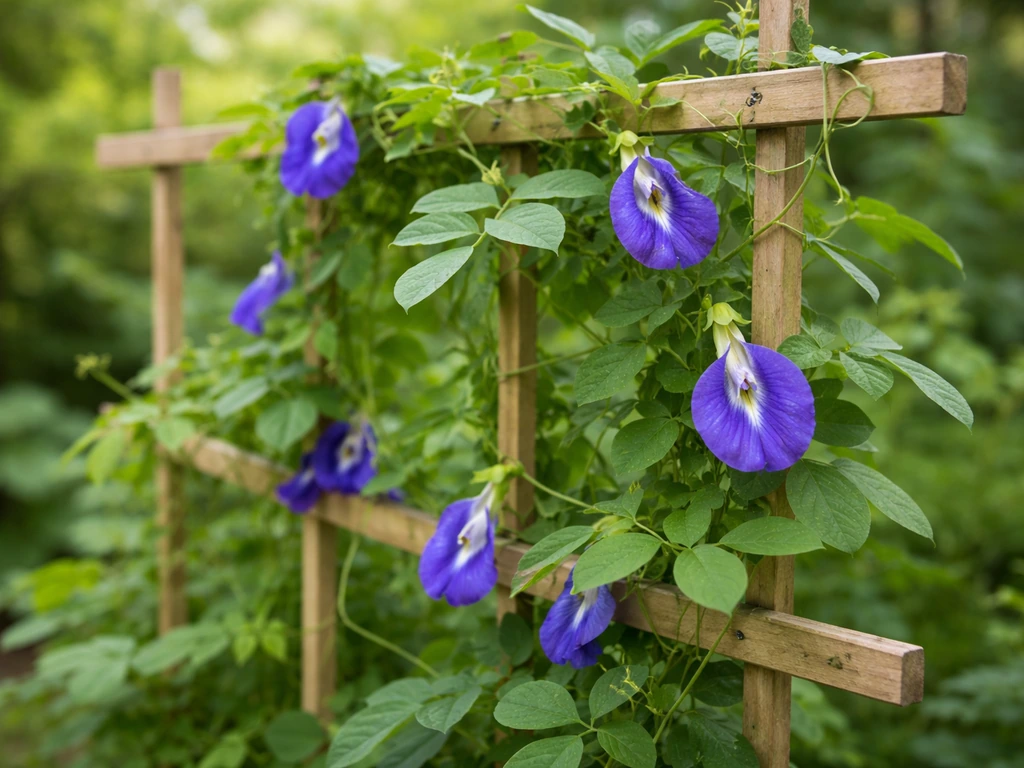
Butterfly pea is a twining, climbing vine that wraps itself around any support it can find. Left without a trellis it will sprawl and scramble along the ground, but give it a fence or a string trellis and it will climb readily to six feet or more in a single season. The flowers are a deep, almost electric blue-purple with a pale center, and they are the whole point for most home gardeners. People grow them for color-changing tea (the petals turn the water a vivid blue that shifts to purple or pink when you add lemon juice), as a natural food dye, and just because the blooms are genuinely beautiful. UF/IFAS also notes that butterfly pea flowers can be used for dye and for color-changing tea, with the petals turning the water vivid blue and shifting color as you add lemon color-changing tea and natural dye.
In the tropics butterfly pea is a perennial, happily coming back year after year. In most of the United States and other temperate climates, treat it as an annual. In temperate zones, butterfly pea is usually grown as an annual even though it is perennial in the tropics treat it as an annual. It cannot handle frost, and even a light freeze at around -1 to -2°C will kill young growth. That said, it grows so quickly that the annual treatment is barely a disadvantage. Start it fresh each spring and it will still give you months of flowers before the cold arrives. If you are in a warm zone (roughly Zone 9 and above), you may get it to overwinter. More on that at the end.
Butterfly pea is also a nitrogen-fixing legume, which means it improves your soil as it grows. That fact will influence how you fertilize it, so keep it in mind.
Picking seeds and sourcing your plants
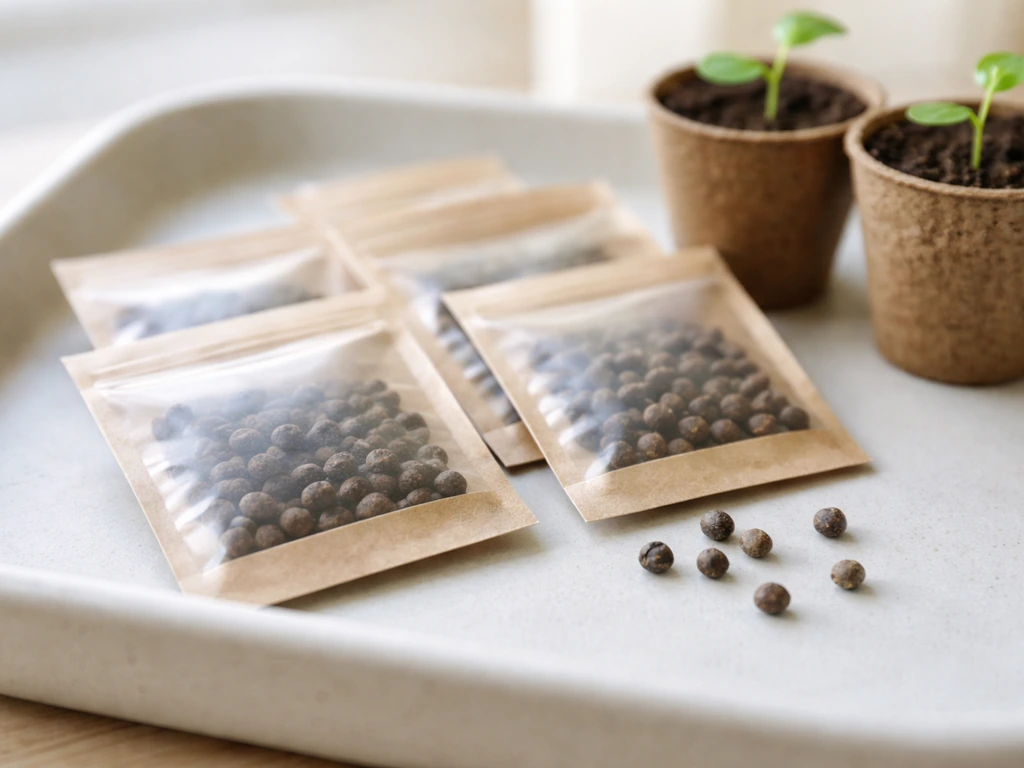
Seeds are by far the easiest and most common way to start butterfly pea. You will find them from most online seed retailers and at garden centers in warmer regions. When browsing, you will mainly see two options: the classic single blue (Clitoria ternatea) and the double-flowered forms marketed under names like 'Double Blue.' Both grow the same way. The double-flowered types produce slightly more elaborate blooms but are otherwise identical in terms of care. For tea and dyeing purposes, both work equally well. If you want a specific color like white buttercup, look for a variety labeled accordingly and follow the same sowing, soil, and sunlight basics for the fastest success how to get white buttercup.
Buy seeds from a seller who stores them properly and turns inventory regularly. Butterfly pea seeds have a naturally hard seed coat that gives them excellent shelf life, but old seeds from a dusty bin will still underperform. Look for seeds that are plump and dark, not shrunken or pale. If you already have a plant or know someone who does, seeds are easy to save from the dried pods at the end of the season, which I will cover in the harvesting section.
Finding the right spot in your garden
Butterfly pea is not fussy about much, but it is absolutely non-negotiable about two things: sun and drainage. { sun and drainage. Give it anything less than six full hours of direct sunlight per day and you will get a lot of leafy vine and very few flowers. Full sun, meaning six or more hours of direct sun, is the baseline. More is better. A south-facing fence or wall is ideal.
Drainage matters just as much. Butterfly pea will rot in waterlogged soil. It handles a range of soil textures from light sandy loam to heavier clay, but only if the water moves through freely. If your garden tends to puddle after rain, either amend the bed heavily with compost and coarse grit to open up the structure, raise the bed, or grow it in a container with drainage holes. The target soil pH is around 6.0 to 7.5, so standard garden soil without extreme acidity is usually fine.
Temperature is the other factor to plan around. This plant genuinely loves heat. It germinates and grows best when soil temperatures are in the range of 78 to 100°F. In cooler climates, that means waiting for the soil to warm up properly before direct sowing, or starting seeds indoors where you can control the temperature.
Sowing step by step
Prep the seeds first (this step makes a huge difference)
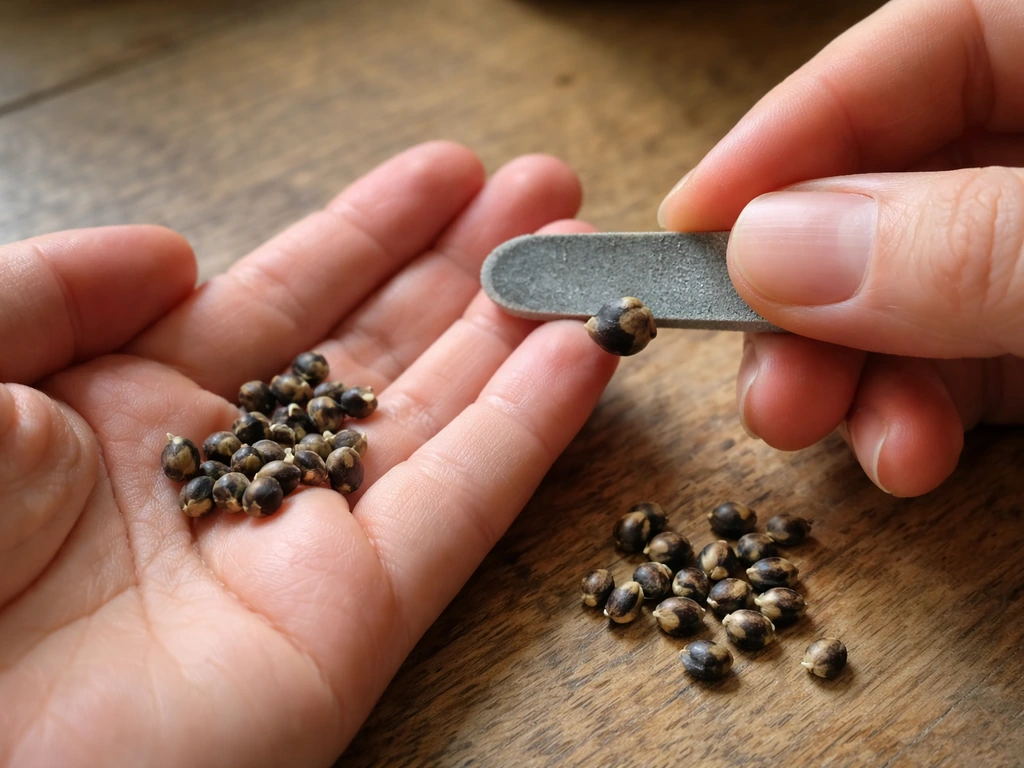
Butterfly pea seeds have a hard seed coat that slows germination significantly if you skip treatment. With untreated seeds you might wait weeks and still get patchy results. With a simple scarification and soak, research shows you can hit around 80% germination in as little as two days. That is worth the five extra minutes of prep.
- Nick the seed coat: Use a nail file, a piece of sandpaper, or carefully nick the edge of each seed with a razor blade or knife. You are just breaking through the hard outer layer, not cutting deep into the seed. A few strokes on sandpaper is the easiest method for a handful of seeds.
- Soak in warm water: Drop the scarified seeds into a glass of warm water and leave them for 24 hours. You will likely see some seeds begin to swell. Any that float after 24 hours are probably not viable.
- Sow immediately after soaking: Do not let them dry out between soaking and planting.
Indoor sowing (for shorter seasons or early starts)
If you are in a temperate climate, start seeds indoors two to four weeks before your last frost date. Butterfly pea transplants easily at the seedling stage, and starting indoors gives you a head start on the season. Because this plant grows so fast, you do not need to start it earlier than that. Starting too early just gives you a vine that has outgrown its pot before the weather is ready.
- Fill small pots or cell trays with a moist, well-draining seed-starting mix.
- Sow one scarified, pre-soaked seed per cell at a depth of about half an inch (1.5 to 2 cm). Firm the mix gently over the seed.
- Keep the soil consistently moist but not soggy. A plastic dome or a bag over the tray helps retain humidity.
- Place the tray on a heat mat or in a consistently warm spot. Aim for soil temperatures around 78 to 85°F. Radicle (root tip) emergence typically happens within 48 to 72 hours with pre-treated seeds, and seedlings pop up within three to six days.
- Once seedlings emerge, remove any humidity dome and move them to your brightest windowsill or under a grow light.
- Harden off seedlings over five to seven days before transplanting outside after all frost risk is gone.
Direct sowing outdoors
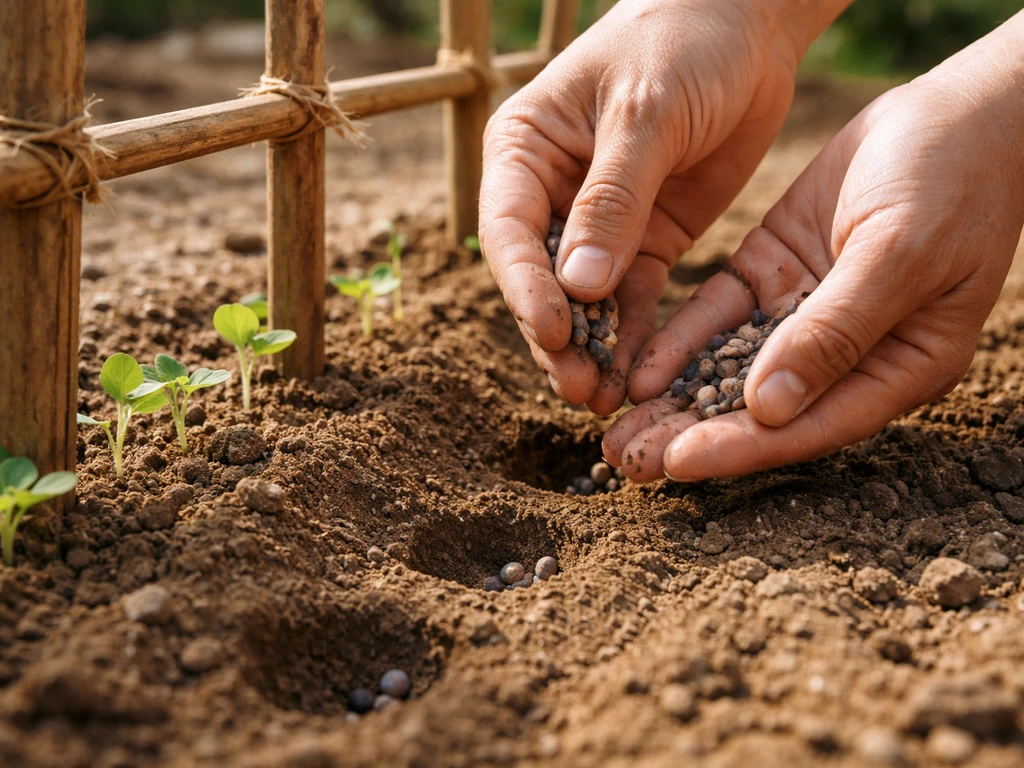
Direct sowing works great in warmer climates or once your soil has genuinely warmed up. Wait until nighttime temperatures are consistently above 60°F and the soil is warm. Sow your scarified, soaked seeds half an inch deep (you can go up to about an inch in loose, sandy soil). If you want a complete walkthrough from sowing to blooming, follow these steps on how to grow butterfly pea flower. Space plants 12 to 18 inches apart. Water in gently and keep the soil moist until germination, which should happen quickly with pre-treated seeds. If you are in the right climate, direct sowing into warm soil in late spring or early summer is the simplest approach.
Day-to-day care once it is growing
Watering
Once established, butterfly pea is reasonably drought tolerant, but during the first few weeks and during hot dry spells it needs consistent moisture. Water deeply when the top inch of soil feels dry, then let it drain fully before watering again. Do not keep the soil perpetually wet. Overwatering is the number one cause of problems with this plant. If you are growing in a container, make sure excess water can escape freely from the drainage holes.
Fertilizing
Here is where the nitrogen-fixing legume thing pays off: butterfly pea largely feeds itself when it comes to nitrogen. If you pile on a high-nitrogen fertilizer, you will push the plant into producing lots of lush green foliage at the expense of flowers. That is the opposite of what you want. Instead, use a balanced or low-nitrogen fertilizer (look for one where the middle number, phosphorus, is equal to or higher than the first number, nitrogen) once every three to four weeks during the growing season. In good garden soil, you may not need to fertilize at all beyond an initial compost amendment at planting time.
Trellising and training
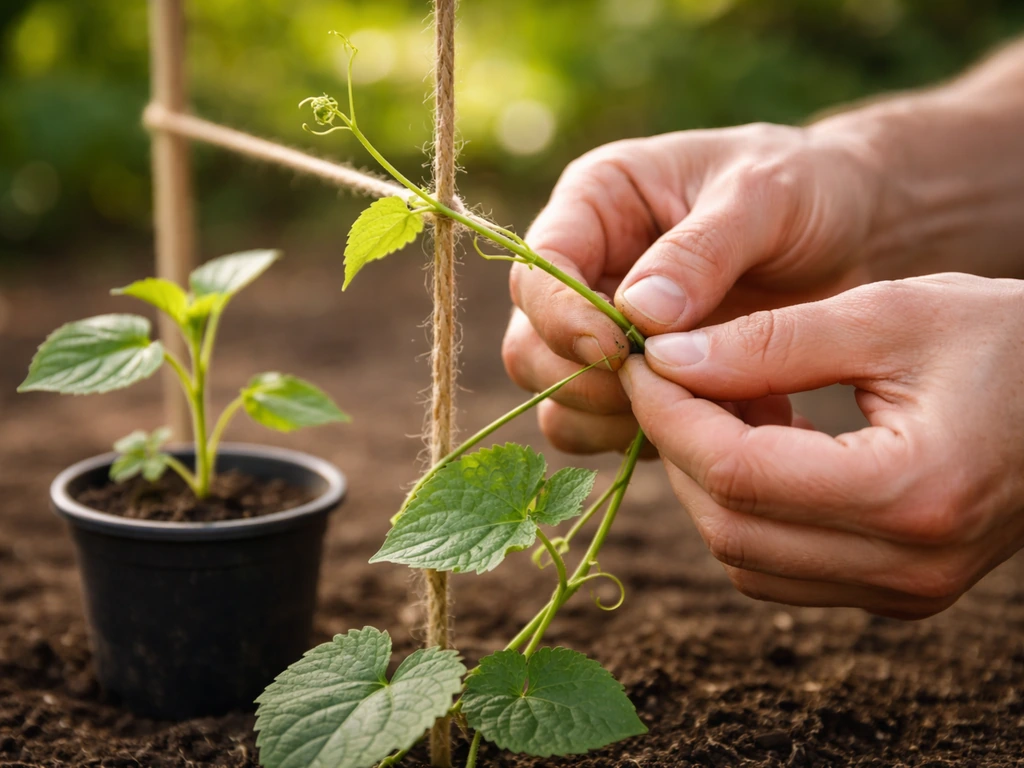
Get your support in place before or right at transplanting time. This plant will grab onto whatever is nearby, so give it what you want it to climb: a simple string trellis, a bamboo teepee, a fence, or a wire frame. Once it finds its support it will twine upward on its own. You do not need to tie it constantly, but redirecting a stem or two toward the structure in the first week helps it get started in the right direction.
Pinching and pruning for more flowers
When your seedling is about six inches tall, pinch out the growing tip. It sounds counterintuitive, but removing the top of the main stem forces the plant to branch, and more branches means many more flowering points. Do this once early on and the plant will bush out and reward you with a far more floriferous display than a single-stemmed vine would produce. You can also lightly trim back any very long, unruly stems throughout the season to encourage bushier regrowth.
Dealing with pests, diseases, and common problems
Pests to watch for
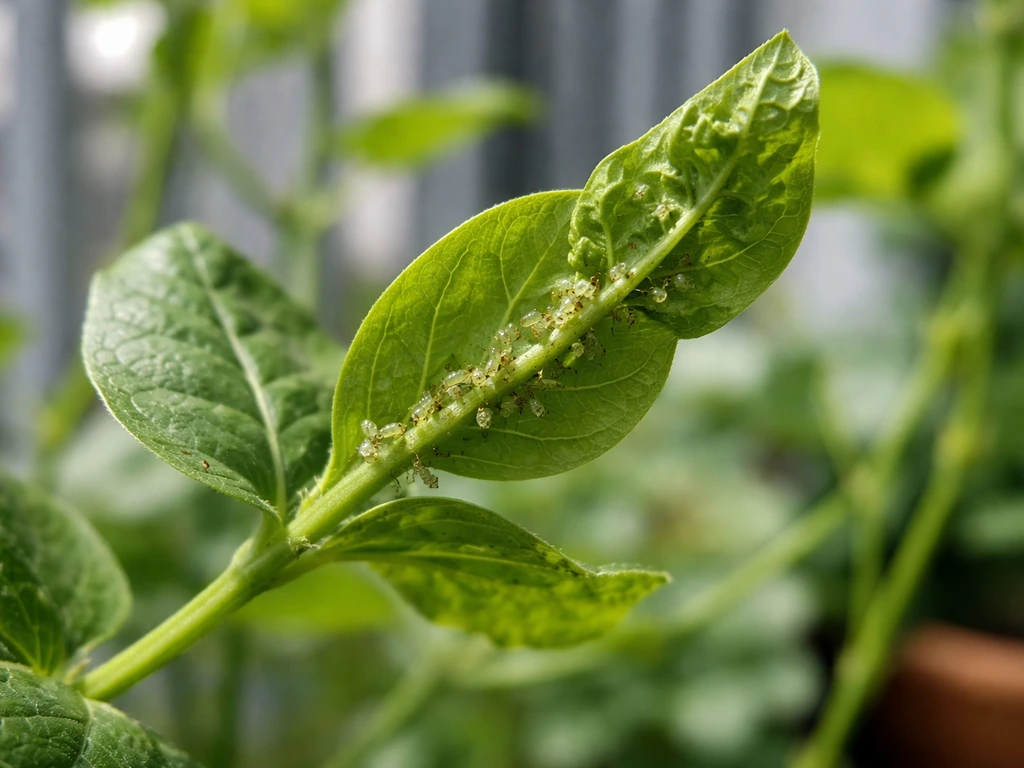
Butterfly pea is not particularly pest-prone, but the usual suspects can show up. Check the undersides of leaves regularly.
- Aphids: Small, soft-bodied insects clustered on new growth and buds. They weaken the plant and leave sticky residue. A strong blast of water from the hose dislodges most of them. For persistent infestations, insecticidal soap or neem oil sprayed directly on the insects works well.
- Spider mites: Tiny mites that leave fine webbing on the undersides of leaves, especially during hot dry weather. Keep plants adequately watered and increase air circulation. Insecticidal soap or neem oil are effective treatments.
- Thrips: Thin, fast-moving insects that cause silvery streaking or stippling on leaves and petals. Remove heavily affected growth and treat with insecticidal soap.
- Beneficial insects are your allies here. If you see ladybugs on the plant, leave them alone. They eat aphids, mites, and other soft-bodied pests.
Disease problems
- Root rot: The most common disease issue with butterfly pea, almost always caused by overwatering or poor drainage. Signs include yellowing leaves, wilting despite wet soil, and mushy roots. There is no saving a badly rotted plant. Prevent it by getting drainage right from the start.
- Fungal leaf spots: Irregular brown or tan spots on leaves. Remove affected leaves promptly, improve air circulation by thinning crowded stems, and avoid overhead watering. Fungicides are rarely needed if you catch it early.
- Powdery mildew: A white, powdery coating on leaves, usually appearing later in the season as humidity rises. Improve air circulation and remove affected leaves. A diluted neem oil spray can slow its spread.
Common growing problems and quick fixes
| Problem | Likely Cause | Fix |
|---|---|---|
| Poor or slow germination | Hard seed coat, cool soil temperature, or dry conditions | Scarify and soak seeds before sowing; ensure soil is at least 75°F; keep soil consistently moist |
| Leggy, stretched seedlings | Not enough light | Move indoors seedlings to a brighter spot or add a grow light; outdoors plants need 6+ hours of direct sun |
| Lots of leaves, few flowers | Too much nitrogen fertilizer or not enough sun | Switch to a low-nitrogen or phosphorus-forward fertilizer; check sun exposure |
| Flower drop | Heat stress, erratic watering, or pest damage | Water consistently; check for pests; shade slightly during extreme heat if possible |
| Yellowing leaves with wet soil | Root rot from overwatering | Reduce watering immediately; improve drainage; remove affected roots if repotting |
| Vine not climbing | No support within reach of tendrils | Place a trellis or strings directly against the plant stems and guide the first tendrils onto it |
Harvesting flowers and what to do next
Picking fresh flowers
Once the plant starts blooming, it flowers continuously as long as temperatures and moisture are adequate. Harvest flowers in the morning when they have just opened, which is when the color and potency are at their peak. Pick them by pinching the base of the flower and pulling gently. Regular harvesting actually encourages the plant to produce more flowers, so do not be shy about picking. Use fresh flowers immediately for tea or infusions, or move on to drying them for later use.
Drying and storing the flowers
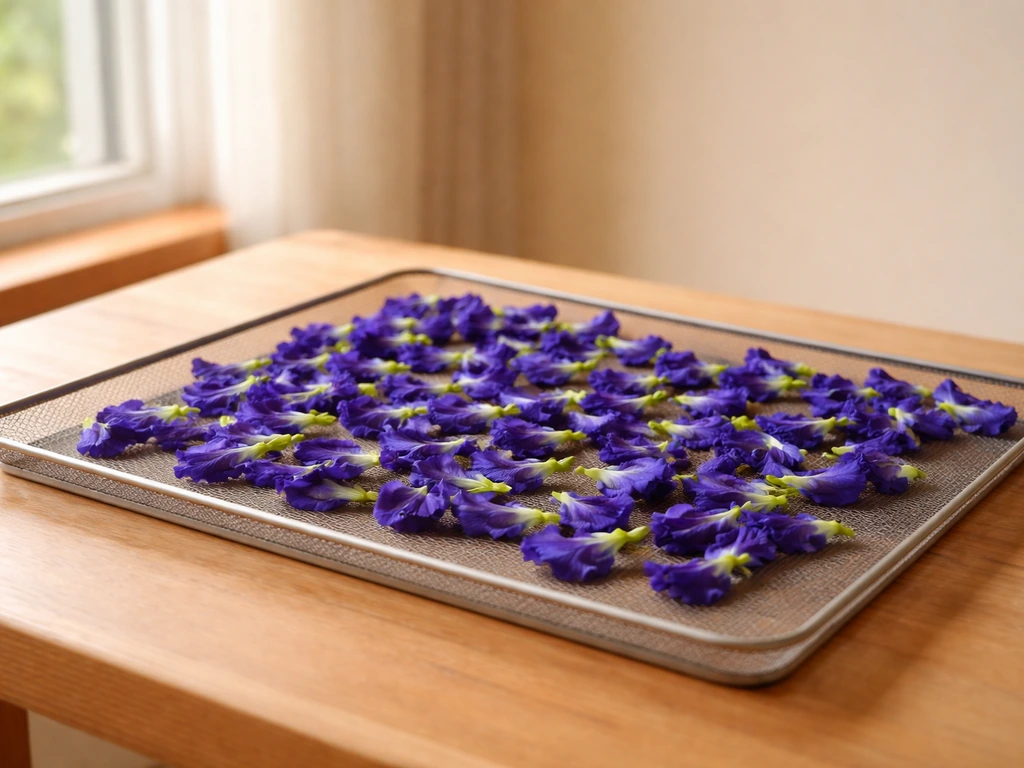
Drying butterfly pea flowers is simple. Spread harvested flowers in a single layer on a mesh drying rack or a sheet of parchment paper in a warm, dry spot away from direct sunlight. Direct sun bleaches the color. Depending on your humidity levels, they will feel dry to the touch in three to five days, but make sure they are completely, thoroughly dry before storing. Even a little residual moisture will cause mold in storage. Once fully dry, store in an airtight glass jar or container away from light and heat. Properly dried and stored flowers hold their brilliant blue color well and can be used for months.
Saving seeds for next year
Toward the end of the season, let some flowers go unpicked so they can develop into seedpods. The pods look like flattened bean pods, and as they mature they turn brown and papery. Wait until the pods are fully dry and brown before collecting them. You will often hear the seeds rattle inside. The seeds inside should be black and firm. If a pod does not open on its own when dry, gently crush it between your fingers to release the seeds. Let the collected seeds air dry for another few days on a paper towel, then store in a labeled paper envelope or airtight container in a cool, dark place. Properly stored, butterfly pea seeds remain viable for several years.
Overwintering: what to do at season end
If you are in Zone 9 or warmer, butterfly pea can potentially survive winter outdoors as a perennial if you cut it back after flowering and protect the root zone with a layer of mulch. In cooler zones, the plant will not survive frost and is best treated as a fresh-start annual each spring. If you have grown it in a container and want to try overwintering it, bring the container inside before the first frost. Keep it in the warmest, sunniest spot you have, reduce watering significantly, and accept that it may go semi-dormant and look rough. Increase watering and move it back outside gradually once nighttime temperatures stay reliably above 55°F in spring. Whether you overwinter a plant or start fresh from seed, the results will be similar because this vine grows so quickly from scratch each season.
If you enjoy growing plants that attract pollinators alongside butterfly pea, you might also want to explore how to grow butterfly weed (Asclepias tuberosa) or milkweed for monarch butterflies, which make excellent companion plantings in a pollinator-focused garden. The growing conditions and approach are quite different from this tropical vine, but the overall goal of supporting a flower-forward, wildlife-friendly space is the same.
FAQ
Why are my butterfly pea flowers not appearing even though the vine is growing fast?
Most often it is either not enough direct sun (aim for at least six hours), or fertilizer is too high in nitrogen. Butterfly pea already fixes some nitrogen, so extra nitrogen drives leafy growth and fewer blooms. Also avoid keeping the soil constantly wet, since stress from overwatering can reduce flowering.
How long should I expect germination to take, even with scarified seeds?
With scarification plus a proper soak, germination can start in about two days, but it may take longer if soil is cool or stays below the mid-70s F. If you soaked and scarified but nothing sprouts after a couple of weeks, check that the seed coat actually got nicked, then re-try in warmer soil rather than planting deeper.
Can I grow butterfly pea from seed outdoors right away, or do I need to start indoors?
Outdoor sowing works best only after both daytime and nighttime conditions are warm. If nights regularly drop below about 60°F, germination and early growth slow dramatically. Starting indoors 2 to 4 weeks before the last frost date helps in cooler areas, but do not start much earlier because the seedlings can outgrow small pots quickly.
What is the best way to scarify butterfly pea seeds without damaging them?
You only need a light nick through the hard seed coat, not cutting into the inner part. A gentle file, sandpaper, or a careful nick with a blade works, then the seeds should soak until fully hydrated before sowing. If you see splits or holes going too deep, discard those seeds and scarify another batch.
Should I soak butterfly pea seeds every time?
Soaking helps reduce germination delays when used with scarification. Without scarification, soaking alone often still leads to patchy, slow results because the hard coat remains a barrier. If your soak-water stays clear and seeds swell, that is a good sign before planting.
My plant is scrambling on the ground. Should I move it onto a trellis after it starts growing?
Yes, you can redirect it, but do it early and gently. Once stems have wrapped tightly around nearby objects, forcing them can snap shoots. Get the trellis in place before or during transplanting, then guide a couple of young stems toward the support for the first week.
Will butterfly pea climb any support, or do I need a specific type of trellis?
It will grab many supports, but smoother structures can reduce grip. String trellises and wire frames often work well because the vine can find multiple points to twine. If you want a tall, compact look, use a vertical system like a fence or bamboo teepee rather than a low horizontal net.
How should I water butterfly pea during hot weather?
Water deeply when the top inch of soil dries, then let the bed drain fully before watering again. In extreme heat, the soil can dry fast, so the interval shortens, but the key is avoiding standing water. For containers, always confirm drainage holes are clear so excess water can escape.
Is pinching the growing tip necessary, and when exactly should I do it?
Pinching is the fastest way to increase branching and flowering, but you should time it correctly. Do it when the seedling is about six inches tall, then leave it alone for a while so it can rebuild side shoots. If you pinch too early or too late, the plant may not branch as strongly before flowering begins.
What fertilizer should I use if butterfly pea is a nitrogen-fixing legume?
Choose a balanced or low-nitrogen fertilizer, with phosphorus equal to or higher than nitrogen (the middle number should be at least as large as the first). Apply about once every three to four weeks only during active growth. In rich garden soil with compost, you may not need additional feeding beyond initial amendment.
How do I avoid mold when drying butterfly pea flowers?
Dry them in a warm, dry, breezy spot and keep them out of direct sun. Use a single layer so moisture escapes evenly, and store only when they feel completely dry throughout. If petals still feel cool or pliable, keep drying longer before sealing in an airtight jar.
How do I know when butterfly pea seed pods are ready to harvest for seeds?
Harvest when pods are fully dry and turned brown and papery. At this stage, seeds are typically black and firm, and you can often hear them rattle. If you pick too early, seeds may be pale or soft and may not store well, so wait for the pod to crisp.
Can I collect seed from the same plant each year, or will it change?
You can collect and replant seeds from your own pods, and butterfly pea will generally keep producing similar flower color types. However, if you grow multiple varieties nearby, cross-pollination can lead to variation, so for consistent results only grow one variety at a time or save seed from isolated plants.
Why do my leaves have problems, and should I use pesticide right away?
Butterfly pea is usually not heavily pest-prone, but leaf problems can come from stress like overwatering or too little sun. Before treating, inspect leaf undersides and confirm whether the issue is insects, fungal spotting, or yellowing from watering and nutrient imbalance. Start with culture adjustments (light, drainage, watering) before spraying.
What should I do if my overwintered container plant loses most leaves?
That can be normal semi-dormancy. Keep it in the warmest, sunniest indoor spot, reduce watering substantially, and do not fertilize during dormancy. In spring, reintroduce light and water gradually, and move it outdoors only after nights are consistently above about 55°F.
Next Article
How to Grow Milkweed for Monarchs: Step-by-Step Guide
Step-by-step milkweed growing guide for monarchs: choose species, plant timing, stratification, soil, care, and troubles